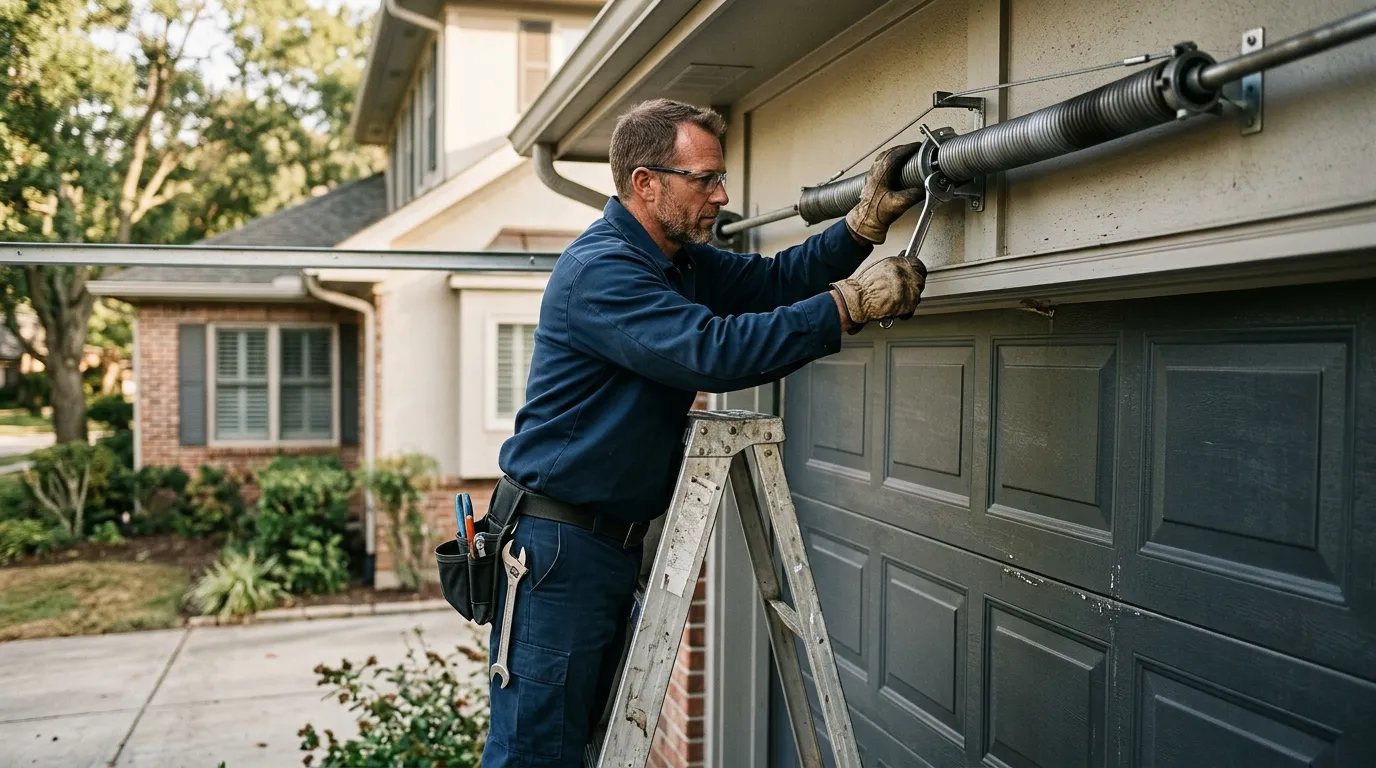
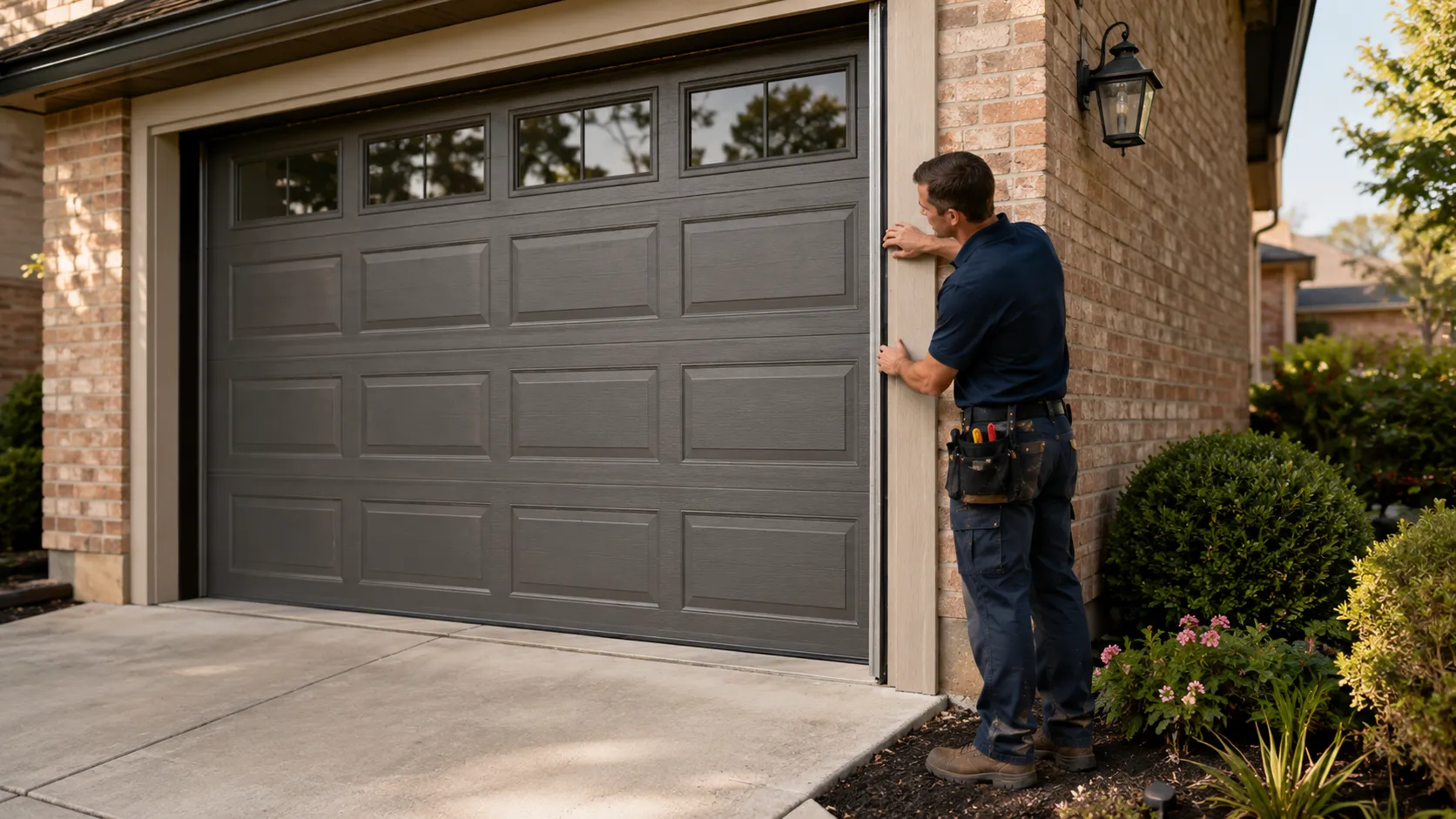
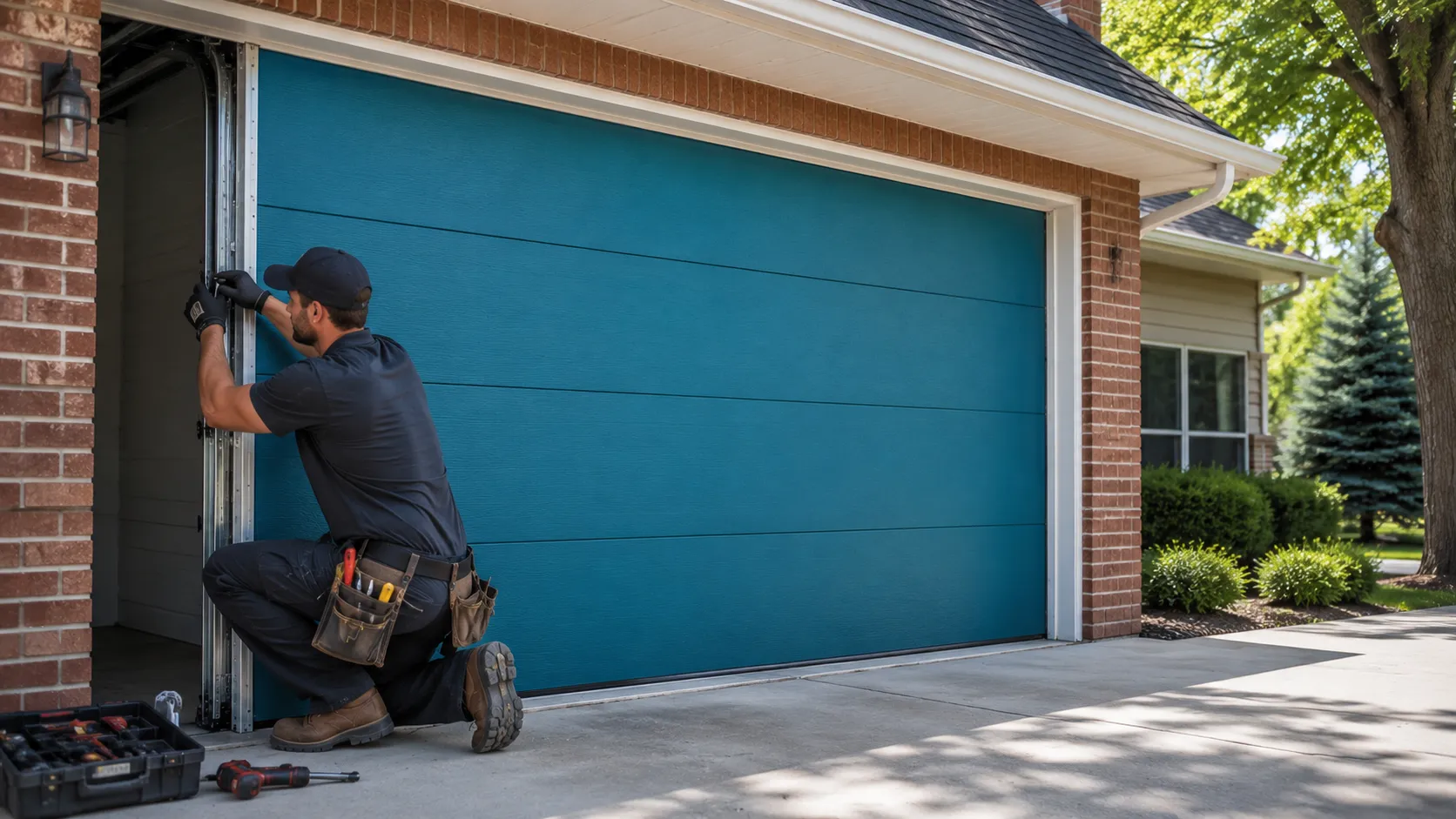
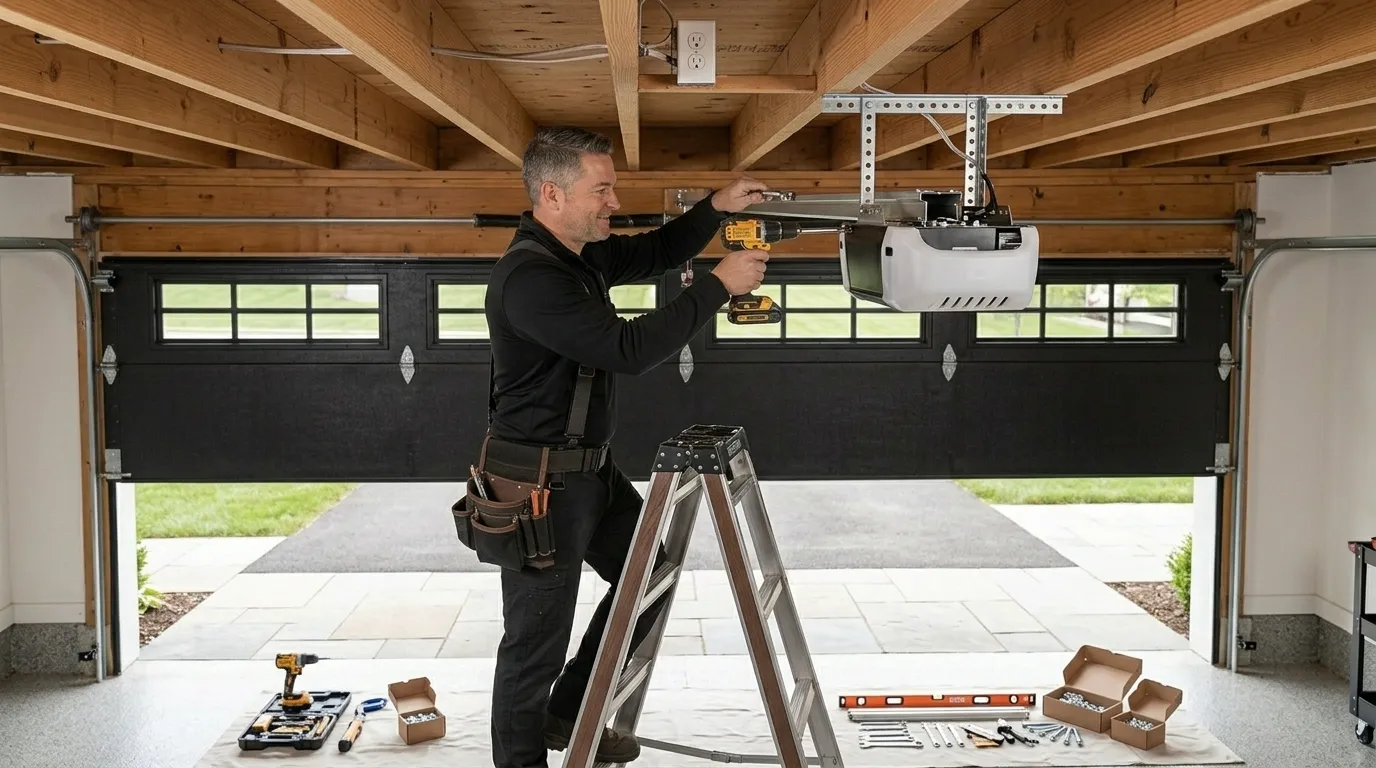
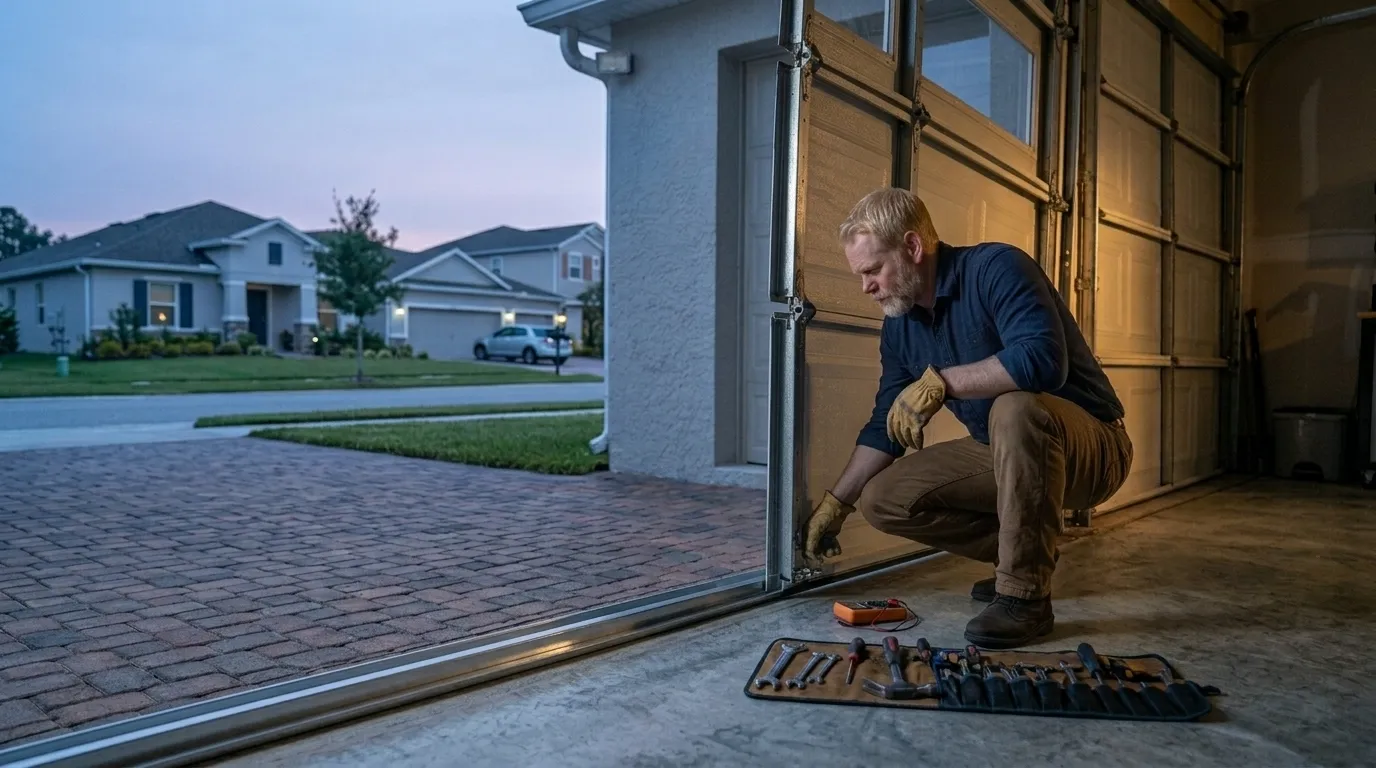
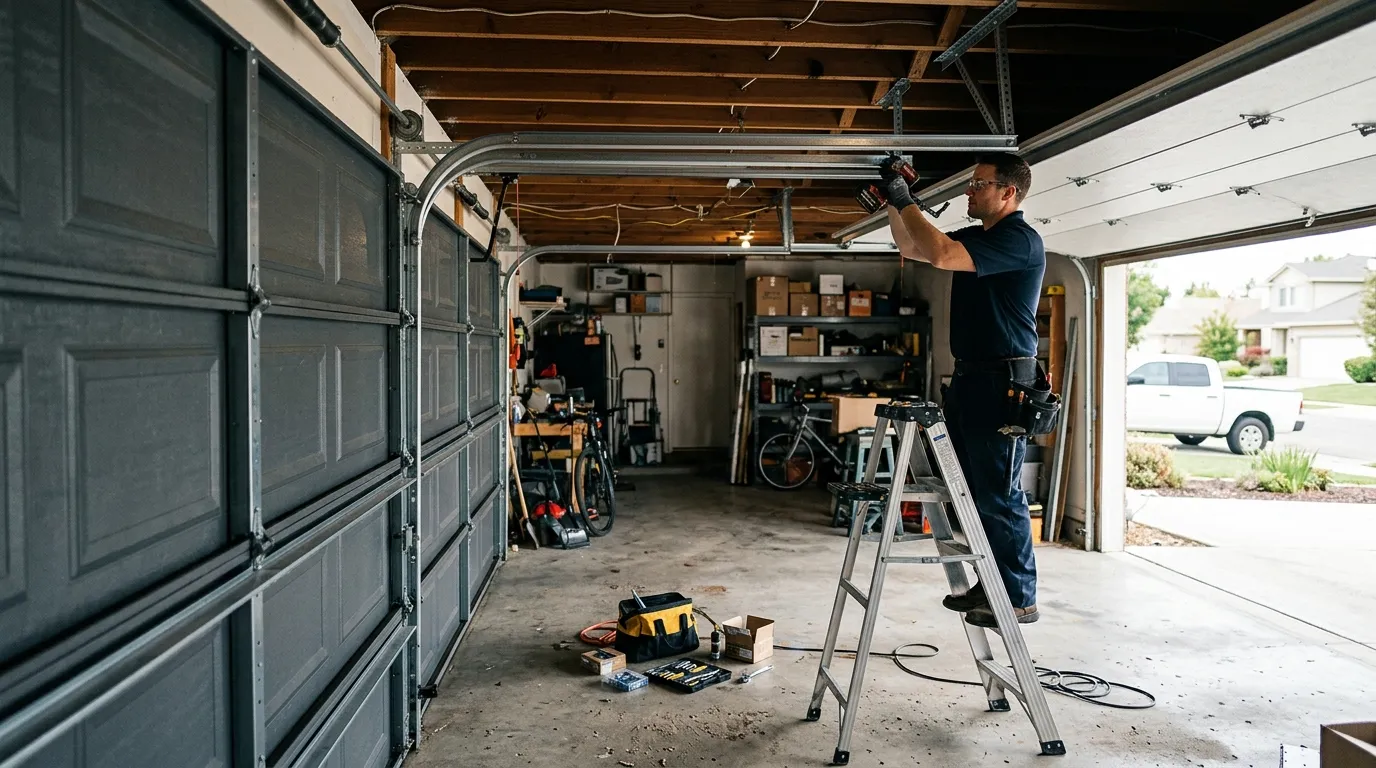
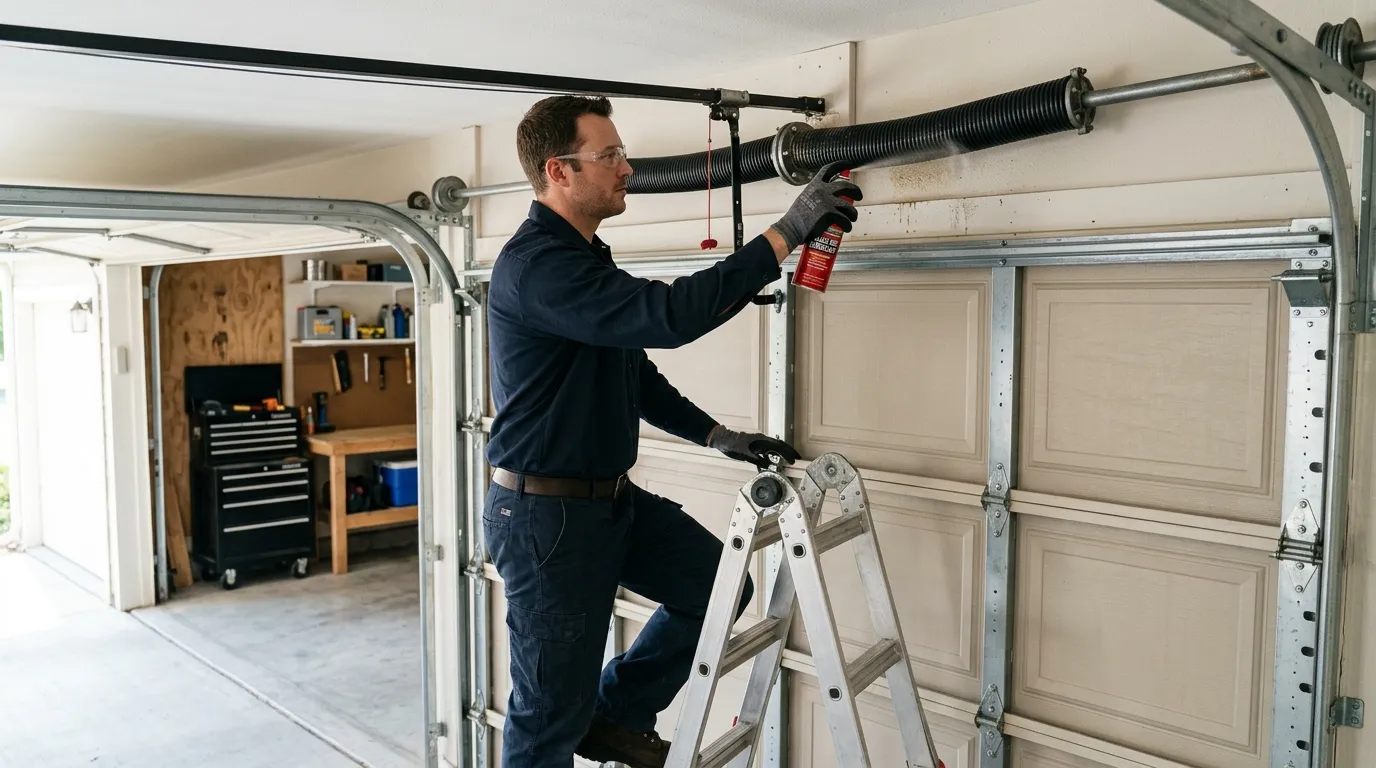
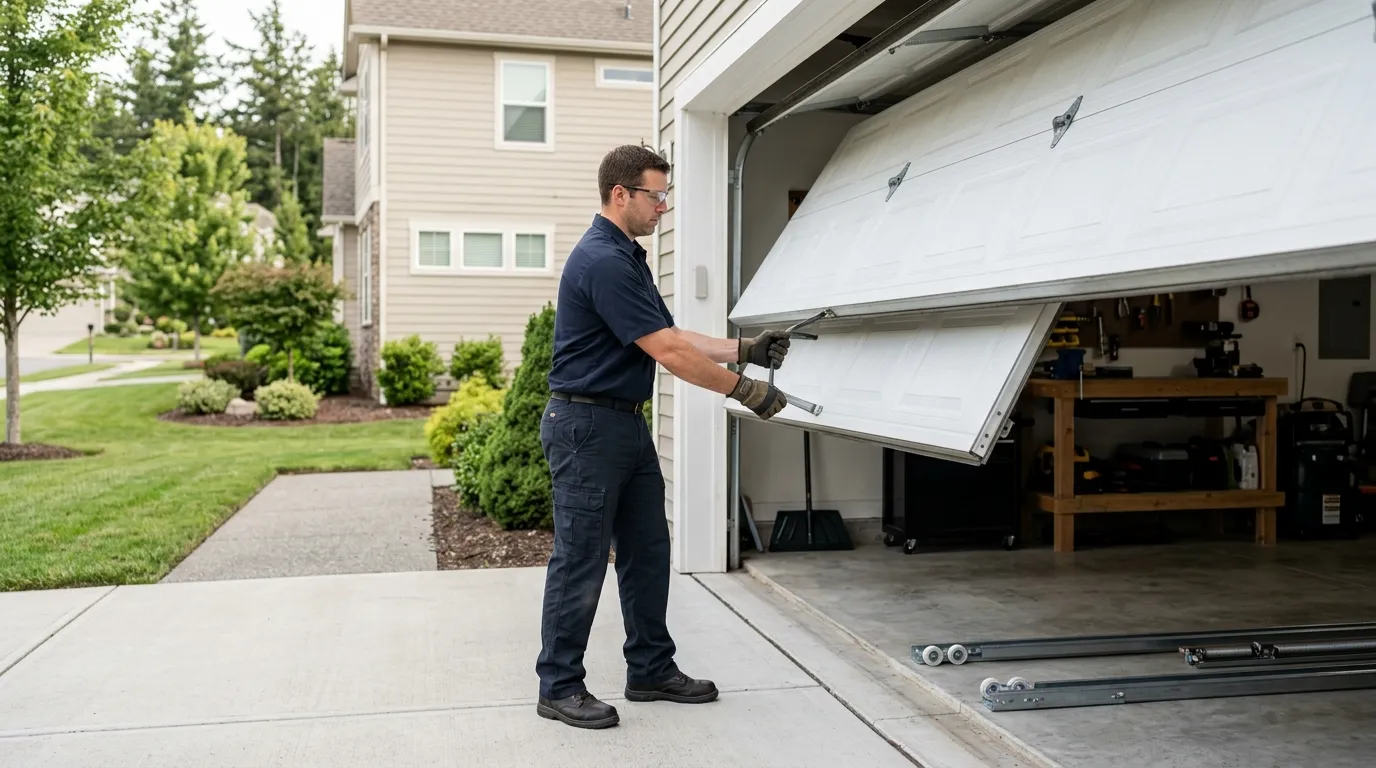
Most calls in Denver come down to one of three things: a broken torsion spring, a worn opener that's stopped reversing or reading its remote, or a track that's bent enough to bind the rollers. The spring is a coil-wound job - we measure wire gauge, wind direction, and drum size off the old one before we touch the new one, because a mismatched spring is worse than a snapped one. Openers get tested on travel limits and the safety sensors, not just swapped out of habit. Track work means checking the studs and jamb behind it, not just straightening what's bent, since a track that's pulled loose from the framing will just pull loose again.
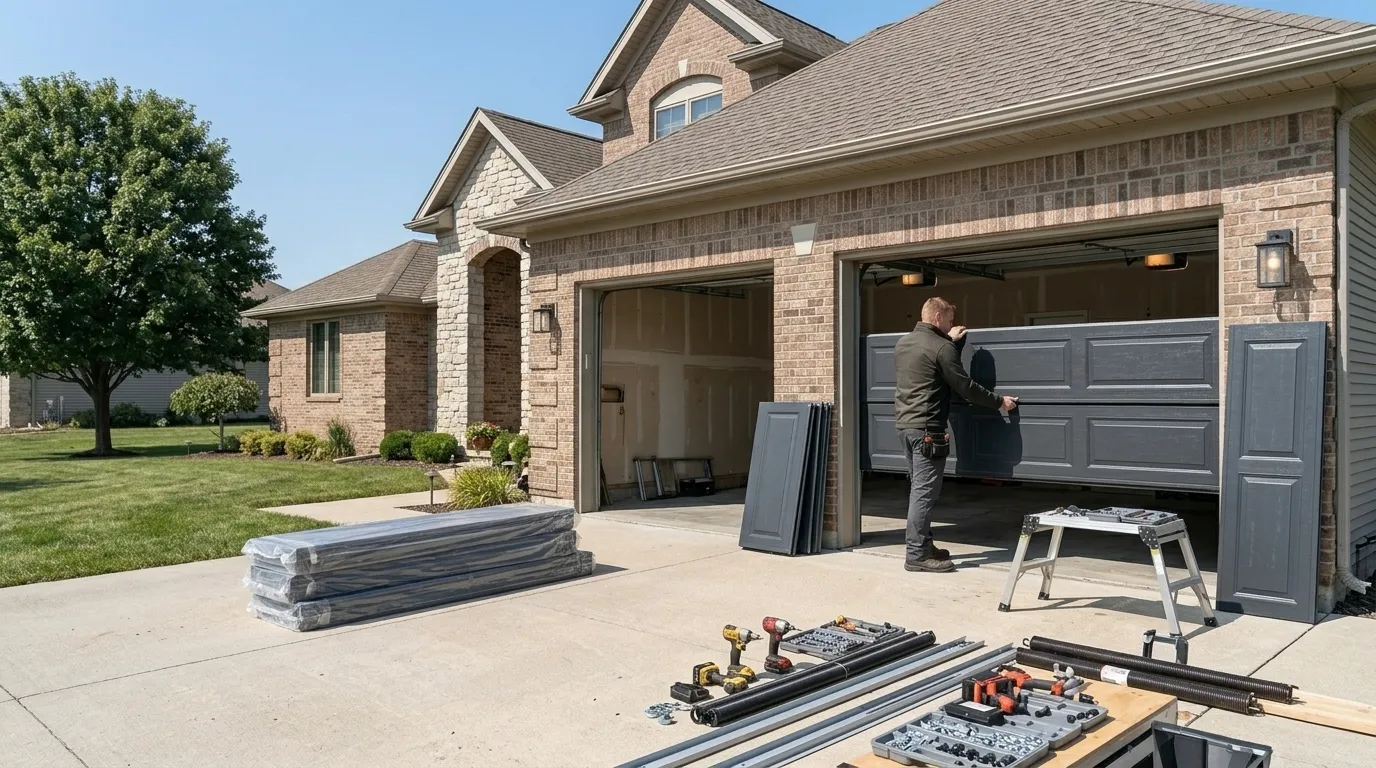
We carry common spring sizes and standard-lift openers on the truck, but not every part. A door with a discontinued panel profile or an opener board that's no longer made means a parts order, and we'll tell you that up front rather than promise a same-visit fix we can't back.
This is a repair page, not a full rundown of every service we run - if what you need is a new door start to finish, that's a separate conversation.
Why This Fails Locally
Housing in this service area was built mostly between 1947 and 2006, with the median year sitting around 1981 - that's a lot of original torsion springs and steel track still doing the job forty-plus years later, well past a normal cycle count. Across the 31 named areas we cover, the bulk of that stock dates to the 1980s and 90s, which means the same generation of hardware: single-torsion setups on standard steel doors, not the double-spring or insulated systems that showed up later.
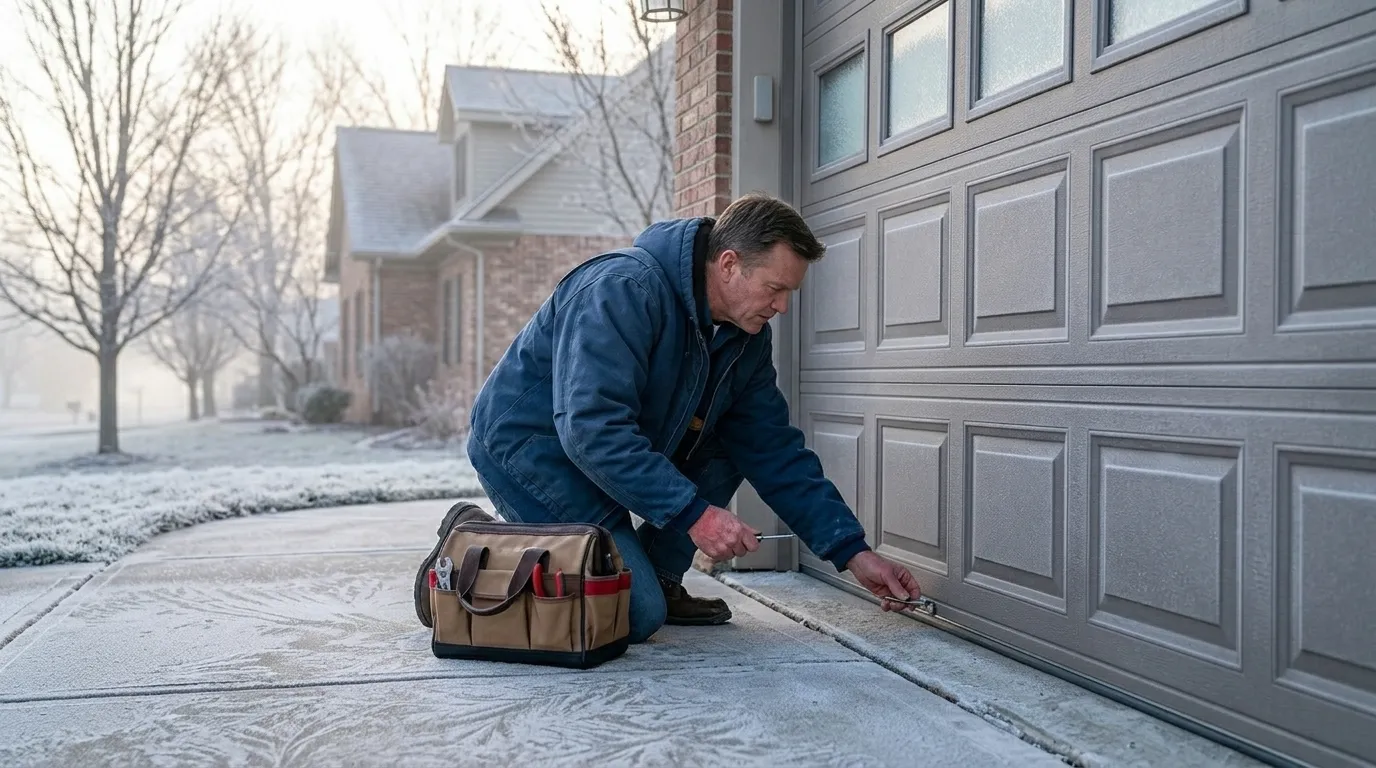
Denver sits in a cold-severe climate band, and that's the part people underestimate. It isn't the cold alone - it's the swing. A spring that cycles fine at 20 degrees in the morning and then sees 50 by afternoon is absorbing a stress load that a mild climate never puts on it. Steel contracts and expands with every swing, and a spring near the end of its life gives out on one of those swing days, not necessarily the coldest one of the year. That's why January and a 60-degree afternoon in March both bring in the same kind of call.
How Long You Are Without the Door
How long the door sits open or stuck shut depends mostly on the part, not the labor. A standard torsion spring in a common size is usually a same-visit fix once we're on site. An opener with a bad circuit board or a track that needs a section replaced can mean we button up the door safely - closed and locked by hand if the opener's the problem - and come back once the part's in.
We won't guarantee a turnaround number here because it isn't ours to promise; it depends on what's actually wrong and whether the part is something we stock. What we will do is tell you honestly, at the door, whether you're looking at today or a return trip, and get the door secured either way so you're not left with an open bay overnight.
What You Are Seeing
A door that won't budge, or one that opens a few inches and stops, is almost always the spring - with 96,547 owner-occupied houses across this area, that's the single most common call we get, and it tracks with how much original 1980s-era hardware is still out there. A loud bang from the garage followed by the door refusing to open is a spring letting go, not the opener failing.
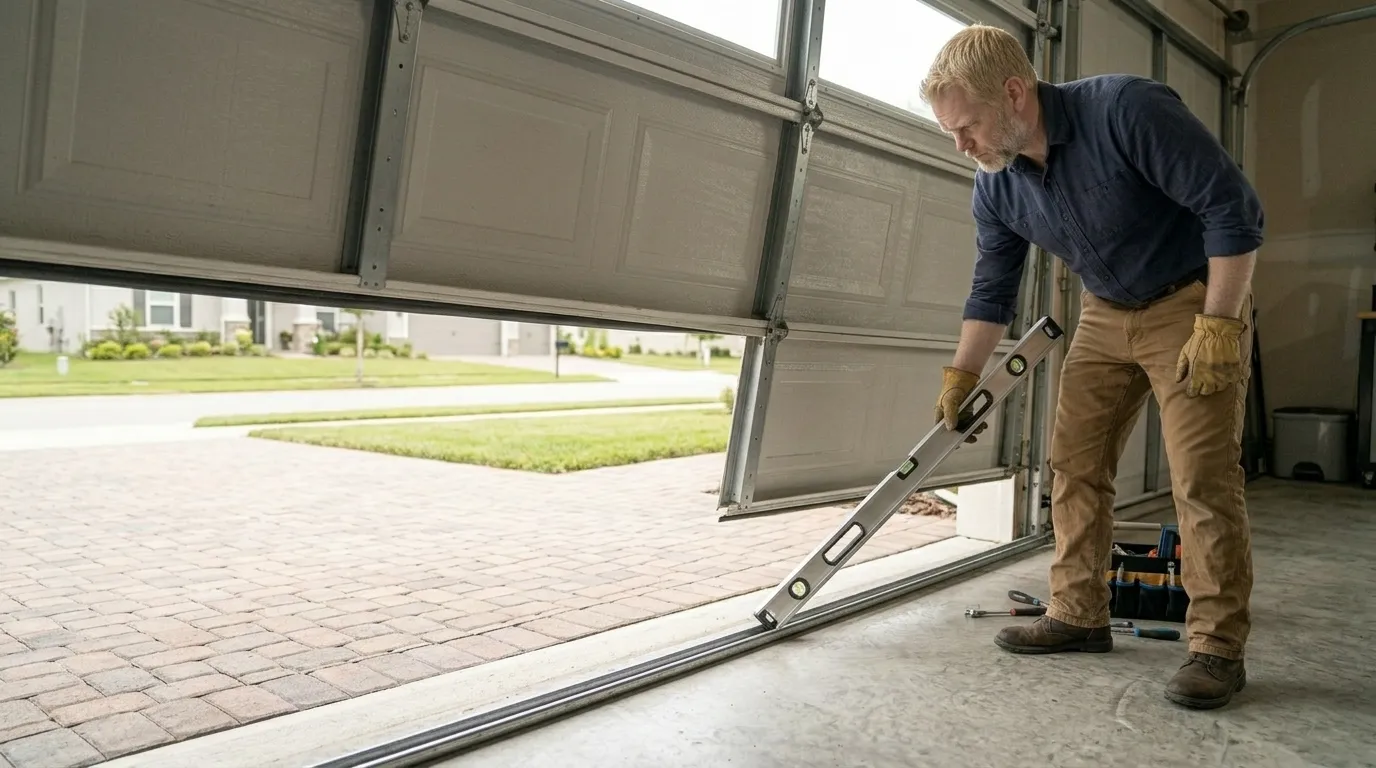
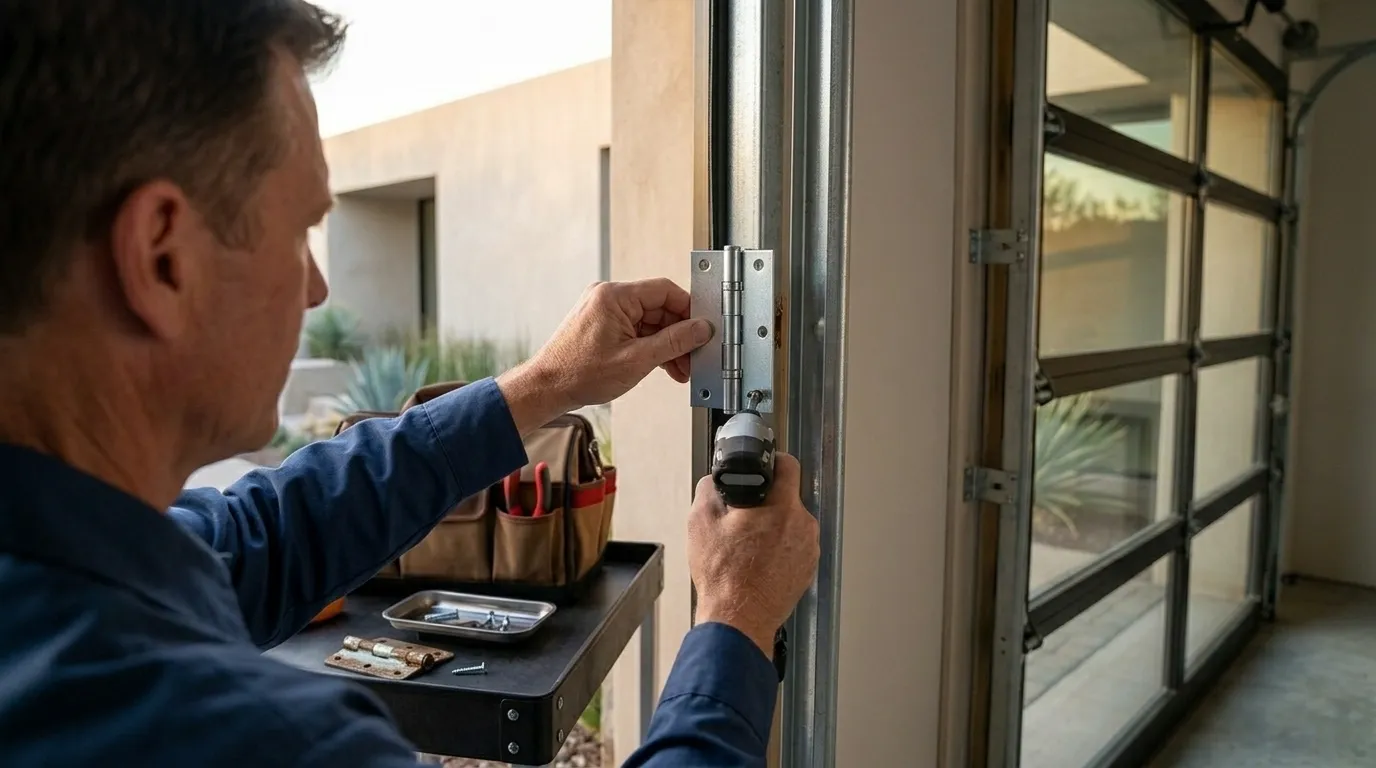
If the door reverses partway through closing, or won't respond to the remote at all, that's usually the opener - either the safety sensors are misaligned (a common one after a bump from a car or a bike) or the logic board's aging out. A door that closes crooked, or drags on one side, points to the track or a bent hinge, not the spring.
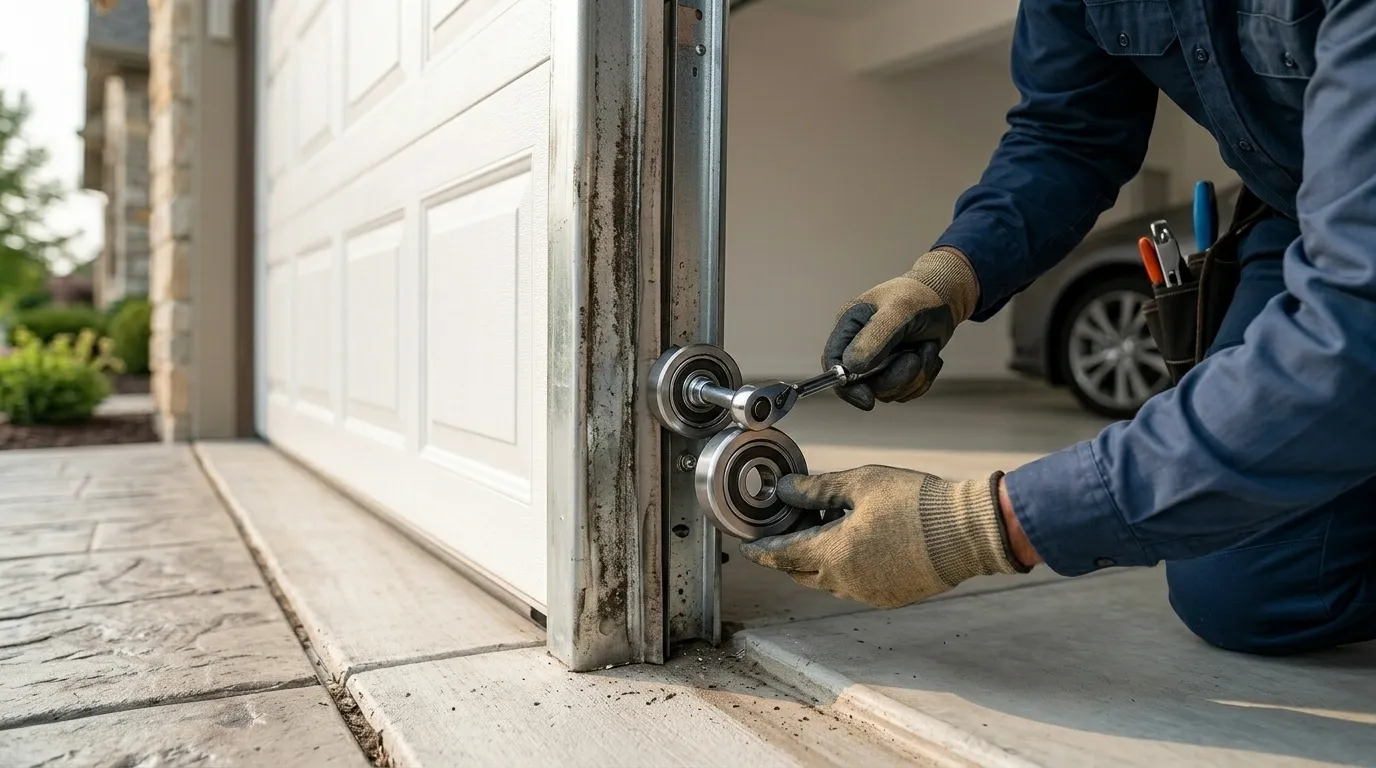
Grinding or popping sounds during a normal open-close cycle usually mean a roller's worn out or a cable's starting to fray. None of these are urgent to diagnose over the phone - tell us what you're seeing and hearing, and we'll bring the right parts.
How it works
From “it’s stuck” to “it’s fixed”
01
Tell us what’s wrong
Describe the symptom - won’t open, loud bang, opener runs but the door won’t move.
02
On-site diagnosis
A technician tests the door under power and by hand and finds what actually failed.
03
Clear, up-front plan
You get the fix that’s needed and what drives the cost - before any work starts.
04
Repaired & tested
The repair is done, the door is set true and tested, and the work area left clean.
Serving Denver, CO - tell us what your door’s doing and we’ll take it from there.
Why did my spring break in Denver when the door was working fine yesterday?
Torsion springs fail on stress cycles, not a single event, and Denver's cold-severe swings between morning and afternoon temperatures add extra load to steel that's already near the end of its life. A lot of the housing stock here dates to the 1980s, so plenty of original springs are simply past their rated count.
Do you carry parts for older Denver garage doors on the truck?
We stock common torsion spring sizes and standard-lift openers, which covers most of the 1980s-90s stock across this area. Discontinued panel profiles or older opener boards sometimes need to be ordered, and we'll tell you that at the door instead of guessing.
Is it normal for my door to act up more in winter here?
Yes - it's less about the cold itself and more about the swing between a cold morning and a warmer afternoon, which this area gets a lot of. That expansion and contraction is hard on aging torsion springs and steel track, which is why we see more calls around big temperature swings than on the coldest day of the year.
Ready to get your garage door sorted?
Tell us what it’s doing and where you are in Denver - we’ll take it from there.