24/7 Emergency Service Open 7 days · 7am–8pm Serving Denver, CO & nearby
(720) 738-8063
Denver, CO

Replacing a Garage Door in Denver: What the Housing Stock and Climate Actually Mean

Most Denver-area garage doors date to the 1980s and 90s. Here's what that housing stock and our cold winters mean when you're shopping for a replacement.

Replacing a Garage Door in Denver: What the Housing Stock and Climate Actually Mean

The Problem

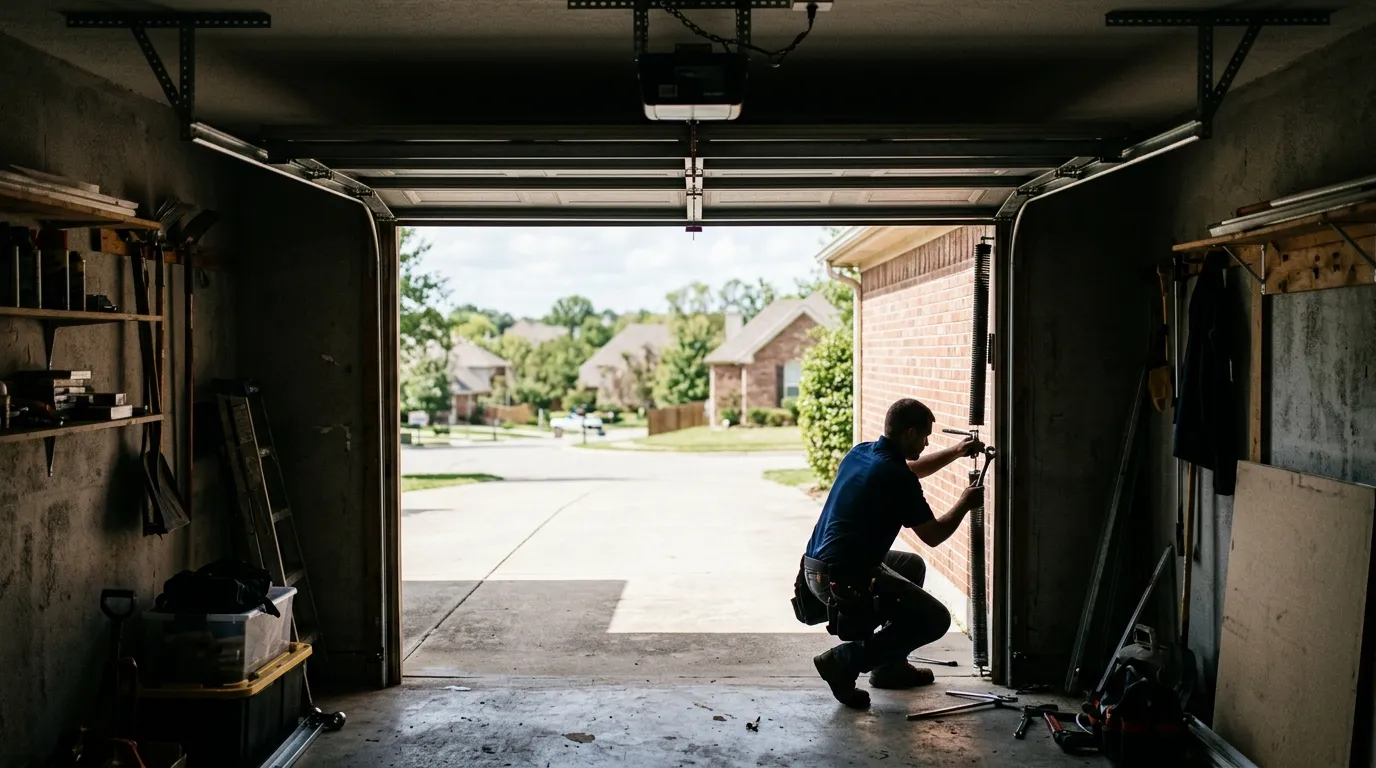
Across this service area, homes were mostly built between 1947 and 2006, with the median landing around 1981, and the bulk of the stock in neighborhoods like Central Park, North Park Hill, Montbello, and Whittier going up through the 1980s and 90s. That means a huge share of garage doors out there right now are original or close to it: steel doors from an era before foam insulation was standard, hung on tracks and openers that have long since stopped getting parts made for them. When one of these doors finally gives out, it's rarely a single bad spring. It's a door assembly that was never built for a 40-year service life in a cold-climate city, and the failure usually shows up as warping, rust at the bottom panel, or an opener that grinds instead of runs. Buying a replacement here isn't really optional at that point, and it isn't a like-for-like swap either, because the doors and hardware sold new today don't match what's on the house. That gap between what's installed and what's available is the real problem homeowners run into first.

Where People Go Wrong

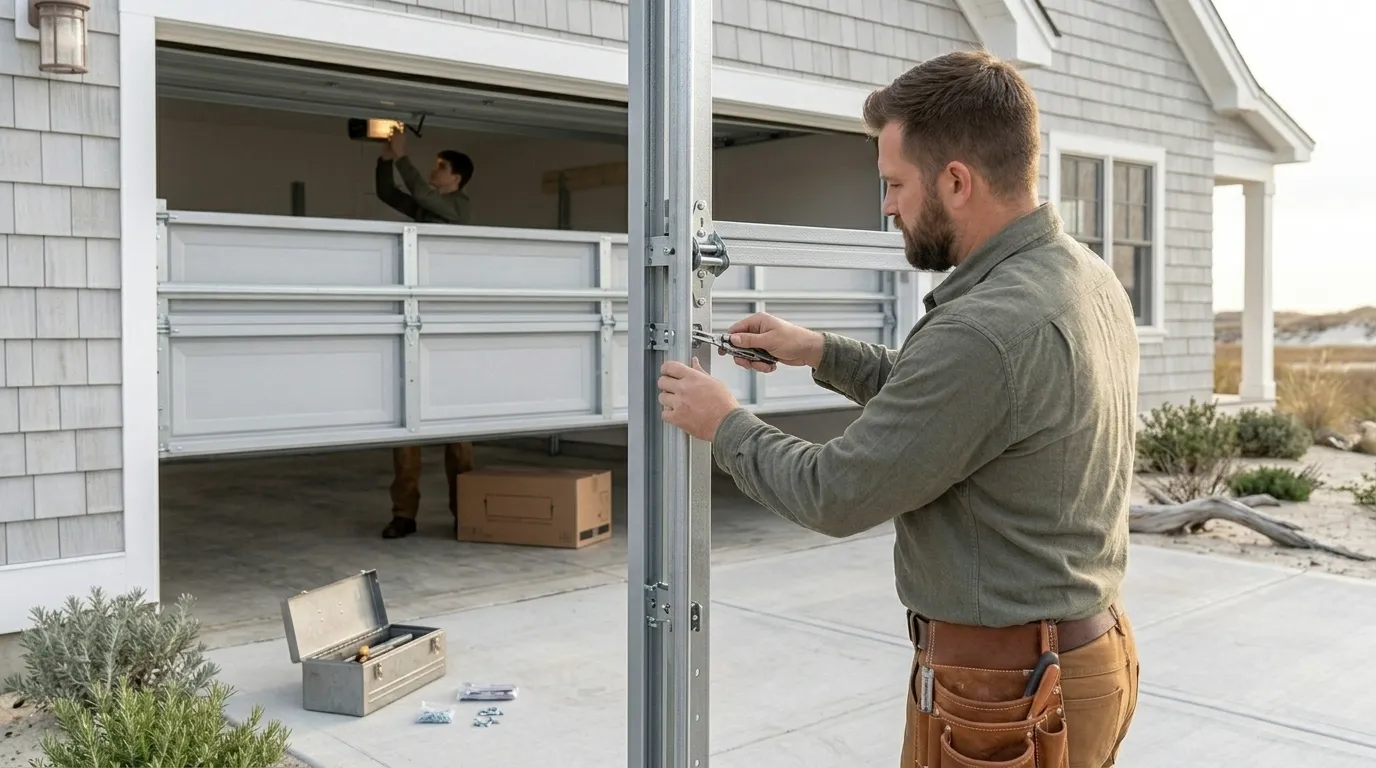
The most common mistake is treating a garage door built in 1985 the same as one built last year, and ordering a replacement based on the rough opening measurement alone without accounting for how much insulation, track depth, and R-value have changed since. In a service area where median household income runs around $101,450 and roughly 96,547 of the 219,760 households here own their homes, people often assume a higher price buys better weather performance automatically, and that isn't always true. The second mistake is skipping the track and spring system when budgeting, because a door built for 1980s hardware sitting on a track from the same decade won't perform right if you bolt a new insulated door onto old rails. We won't pretend every job needs a full track replacement, but plenty of the doors we see failing were paired with the wrong hardware for what's actually installed. Honestly, if your opener and track are original to a house from that 1981 median build year, replacing just the door panel and hoping the rest holds is a bet that usually loses within a couple of winters.

What the Weather Here Does to It

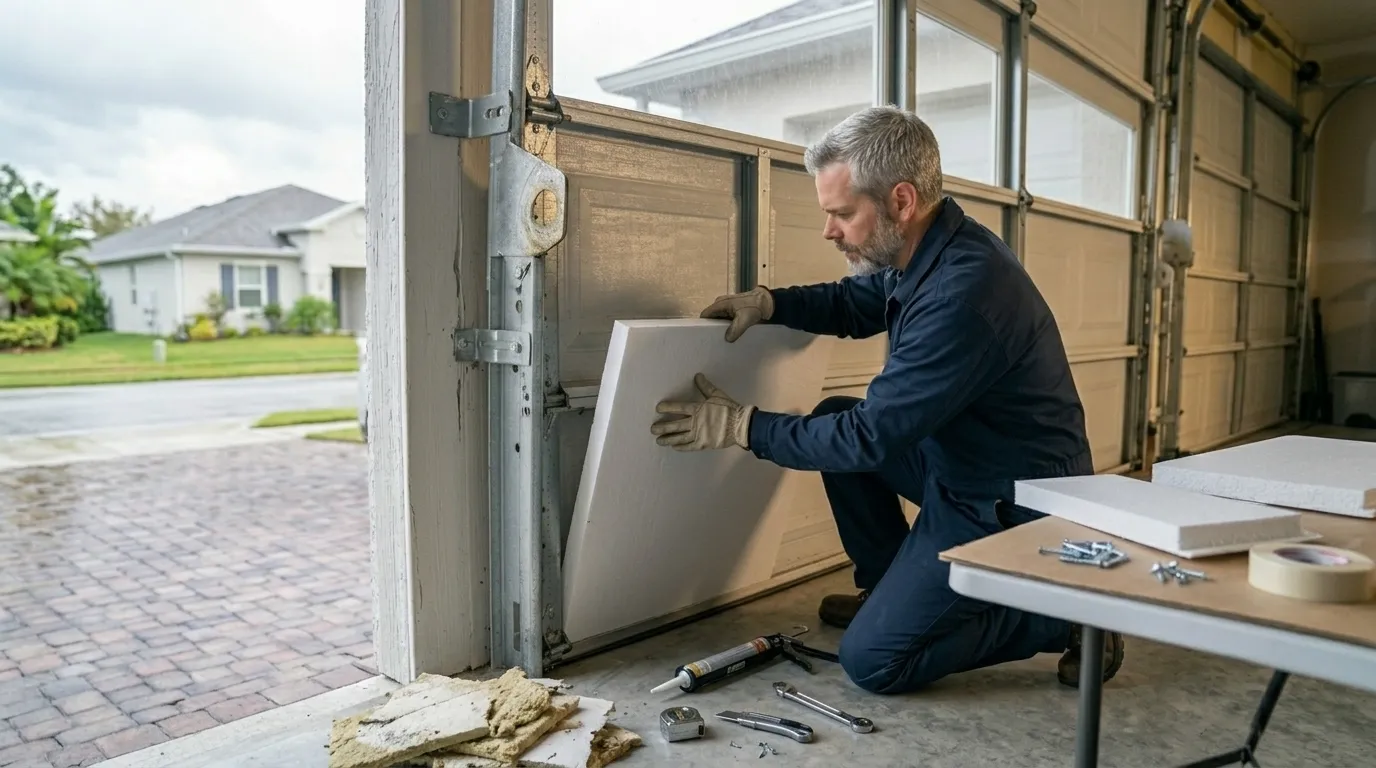
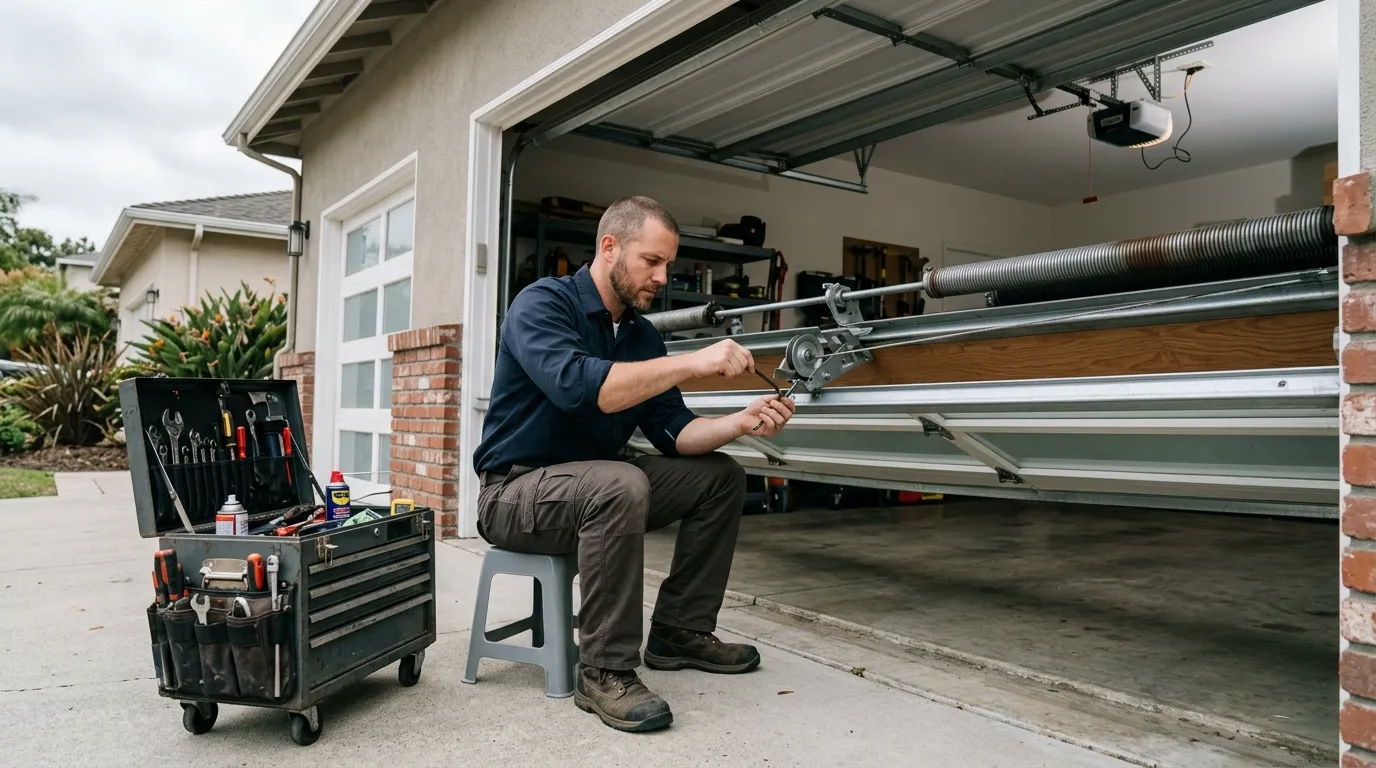
This is a cold, severe climate zone, and that has specific consequences for an older uninsulated door built during the 1947-2006 stretch that makes up most of the housing here. Steel doors from that era don't have the thermal break or foam core that current products use, so temperature swings cause the panels to contract and expand more than a newer door would, which loosens fasteners and stresses hinges over repeated cycles. Cold also stiffens standard lubricant on tracks and rollers, so an opener that's straining in January isn't always failing, it's often just fighting hardware that wasn't designed with this kind of winter in mind. If you're shopping for a replacement, an insulated door with a proper thermal break isn't a luxury upgrade here, it's the baseline that makes sense given what the climate does to steel and to the seals around the panel edges. We won't tell you every door needs the highest R-value option sold, because garage use varies a lot by household, but skipping insulation entirely on a cold-climate replacement is a choice you'll notice by the second winter.
The Seasonal Bit

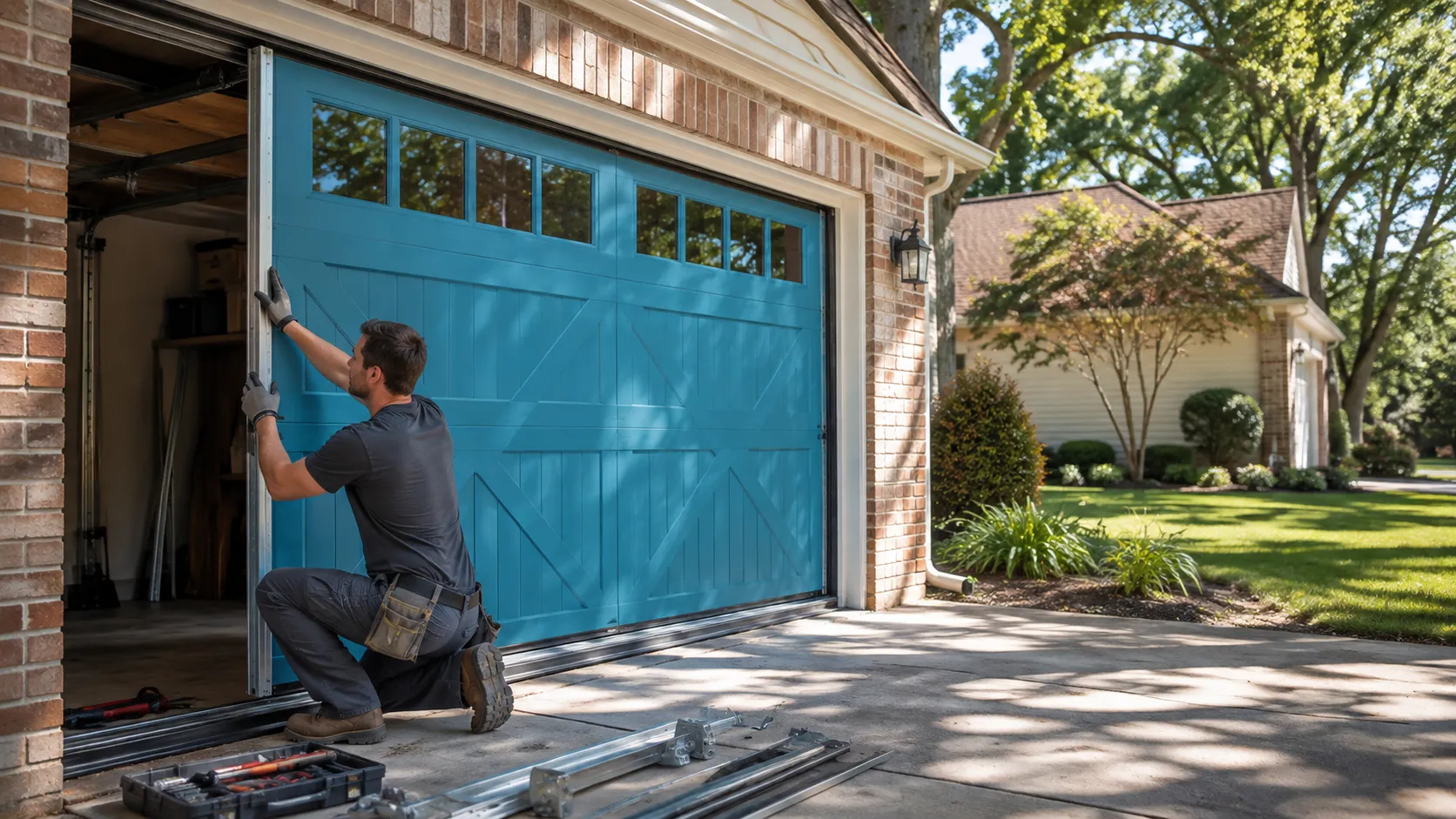
Given the age of the housing stock across this area, fall is when a lot of these original or near-original doors start showing what a summer of heat and a coming winter will do to them, so it's worth having a door inspected before the first hard freeze rather than after a spring snaps on a cold morning. Replacement timing matters too: ordering in late summer or early fall generally beats waiting until temperatures have already dropped, since installation crews and lead times get tighter once winter weather starts. We can't promise a specific turnaround on custom sizes, since that depends on what's ordered and from where, but planning ahead of the cold rather than reacting to a failure in the middle of it puts you in a much better spot. If your house falls into that 1980s-90s stock that makes up most of this area, treat a still-functioning original door as running on borrowed time once it's past 30 years old, not as something to replace only when it breaks.

How it works

From “it’s stuck” to “it’s fixed”

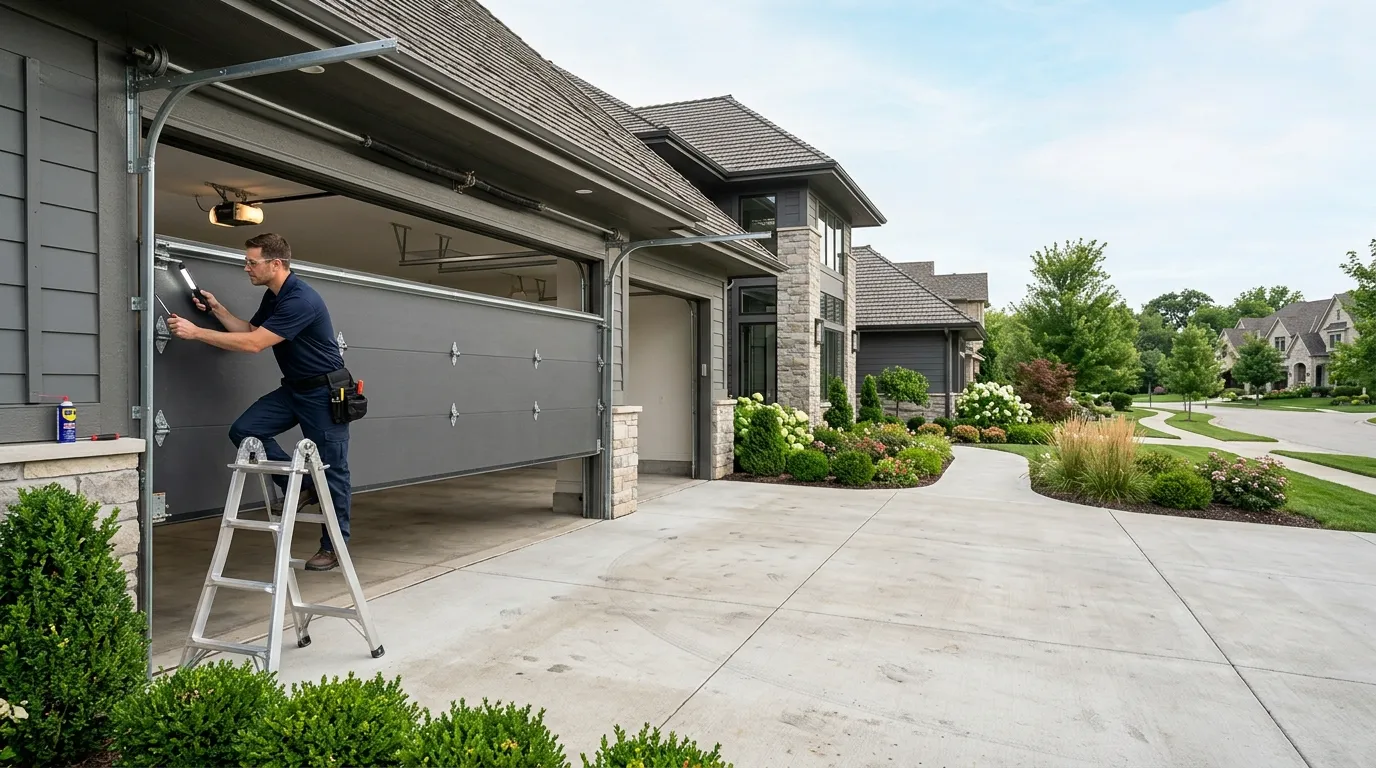
Tell us what’s wrong - Denver garage door service

Tell us what’s wrong

Describe the symptom - won’t open, loud bang, opener runs but the door won’t move.

On-site diagnosis - Denver garage door service

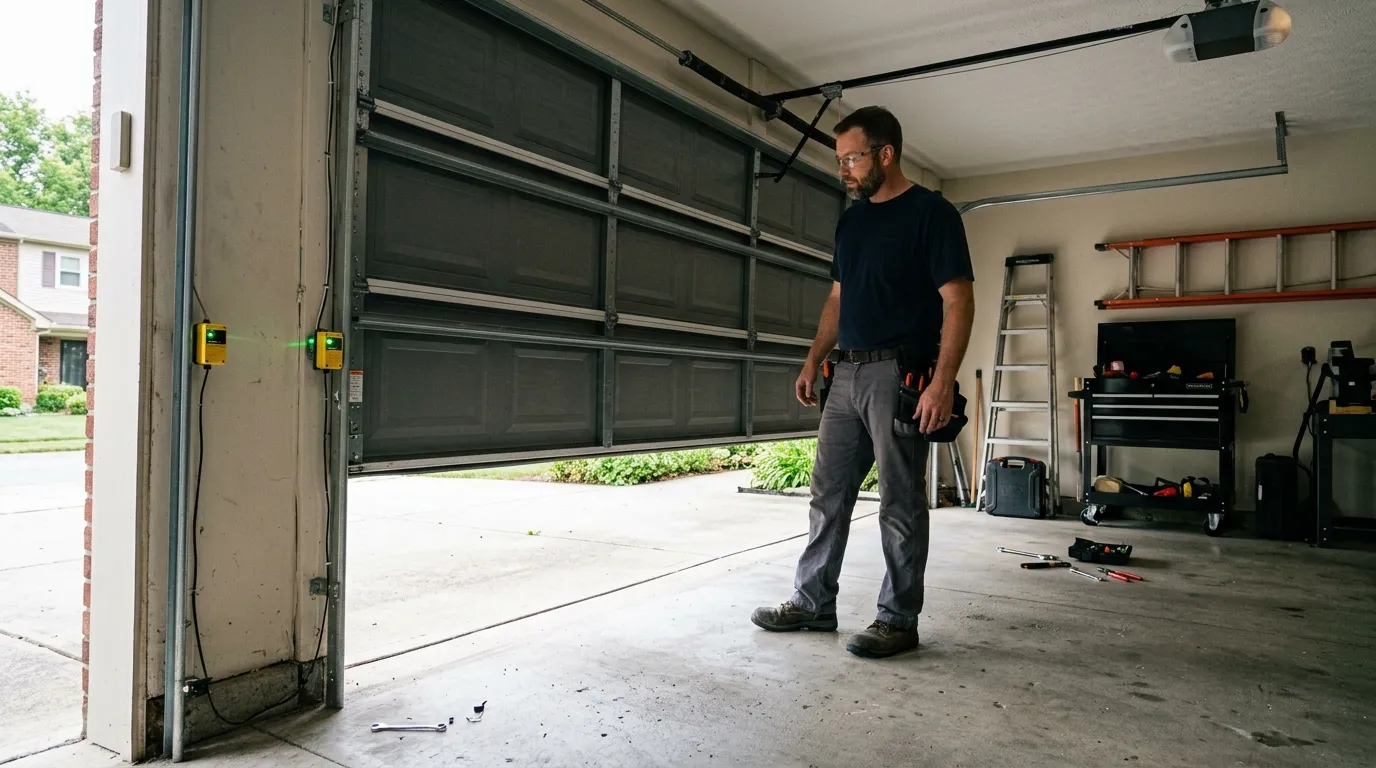
On-site diagnosis

A technician tests the door under power and by hand and finds what actually failed.

Clear, up-front plan - Denver garage door service

Clear, up-front plan

You get the fix that’s needed and what drives the cost - before any work starts.

Repaired & tested - Denver garage door service

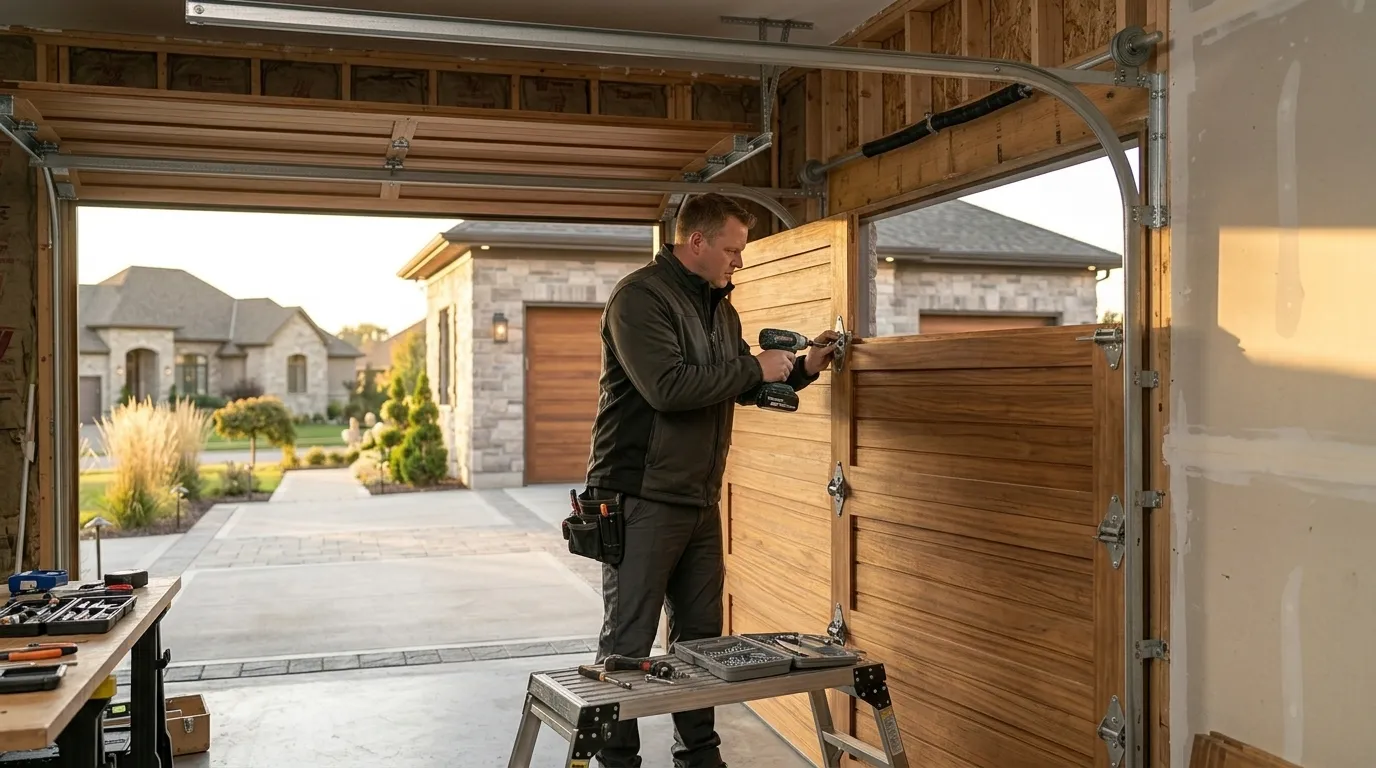
Repaired & tested

The repair is done, the door is set true and tested, and the work area left clean.

Serving Denver, CO - tell us what your door’s doing and we’ll take it from there.

How we work

What to expect

  • Diagnosis firstEvery visit starts by finding what actually failed - not a pre-written parts list.
  • The right part for the doorSprings and openers matched to the door’s weight and age, so the fix holds up.
  • Straight answersWhen a repair makes more sense than a replacement - or the reverse - you hear it plainly.
  • Clean, careful workTension released safely, hardware set true, the door tested under power before we leave.
Questions

Frequently asked

Straight answers about garage door repair in Denver. Still unsure? Ask us directly.

How old is a typical garage door in this area likely to be?

Housing across the service area was mostly built between 1947 and 2006, with a lot of it concentrated in the 1980s and 90s. If your house falls in that range and the door has never been replaced, it's likely original steel hardware without modern insulation, which is worth getting inspected rather than waiting for a failure.

Does a new door need to match my old track and opener?

Not always, but pairing a new insulated door with track and hardware sized for a 1980s-era door often causes problems. If your house is from that period and everything is original, it's worth having the track and opener evaluated alongside the door rather than assuming the old hardware will suit new panels.

Is an insulated door worth it in a cold winter climate like this?

Given this area's cold, severe climate classification, an insulated door with a proper thermal break holds up better than an uninsulated panel, which contracts and expands more with temperature swings and stresses fasteners and hinges over time. It's not the priciest option that matters most, it's having a thermal break at all.

Ready to get your garage door sorted?

Tell us what it’s doing and where you are in Denver - we’ll take it from there.

Request a QuoteCall