The Doors Around Here
With a median build year of 1981 and a range stretching back to the late 1940s, a good share of the doors in this pocket are running on hardware that predates the current torsion spring standards most manufacturers use today. That's not a knock on the houses - it's just what a 1980s-and-90s wave of construction leaves behind, and it's the same pattern we see across the 31 named areas in this service territory. Older track brackets, single-spring setups on doors that really call for two, and openers with drive systems that haven't been made in years.
Denver sits in a cold, severe climate band, which is hard on any door that sees the temperature swing from a warm garage interior to a hard freeze overnight. Steel panels contract, weatherstripping cracks, and springs that were fine in July start binding by December. None of that is unique to Belcaro, but it's a real factor for a neighborhood built mostly before doors were engineered with that swing in mind.
Typical Work
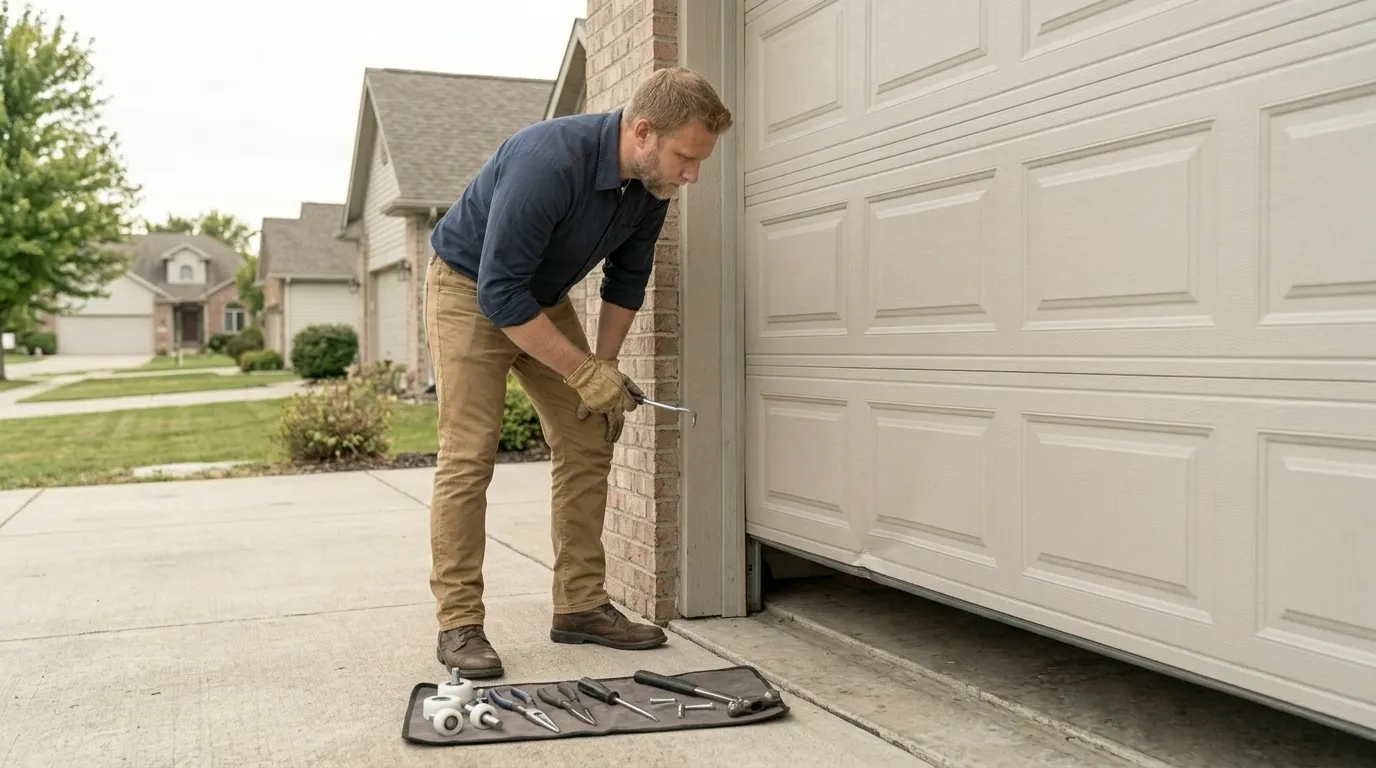
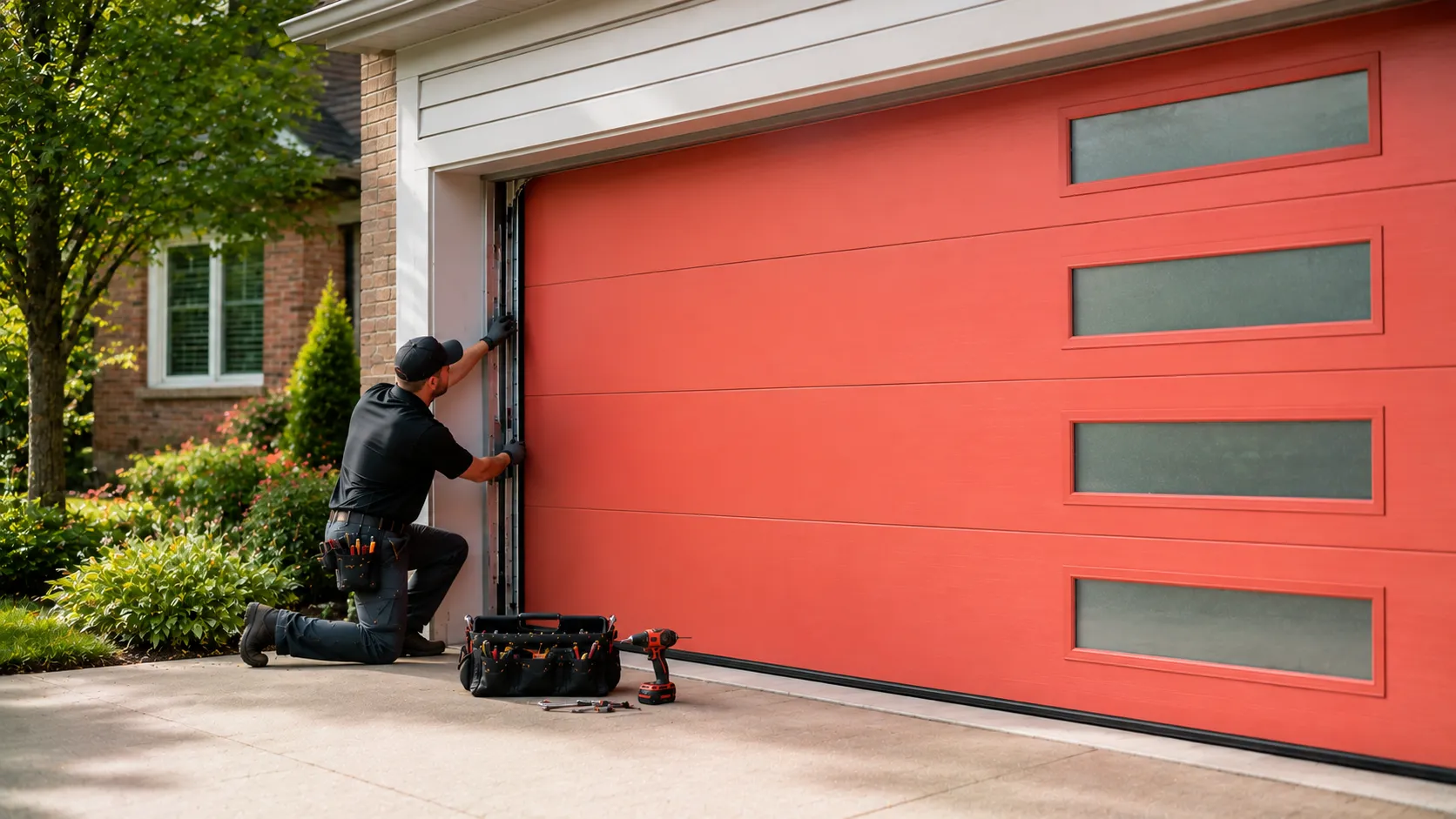
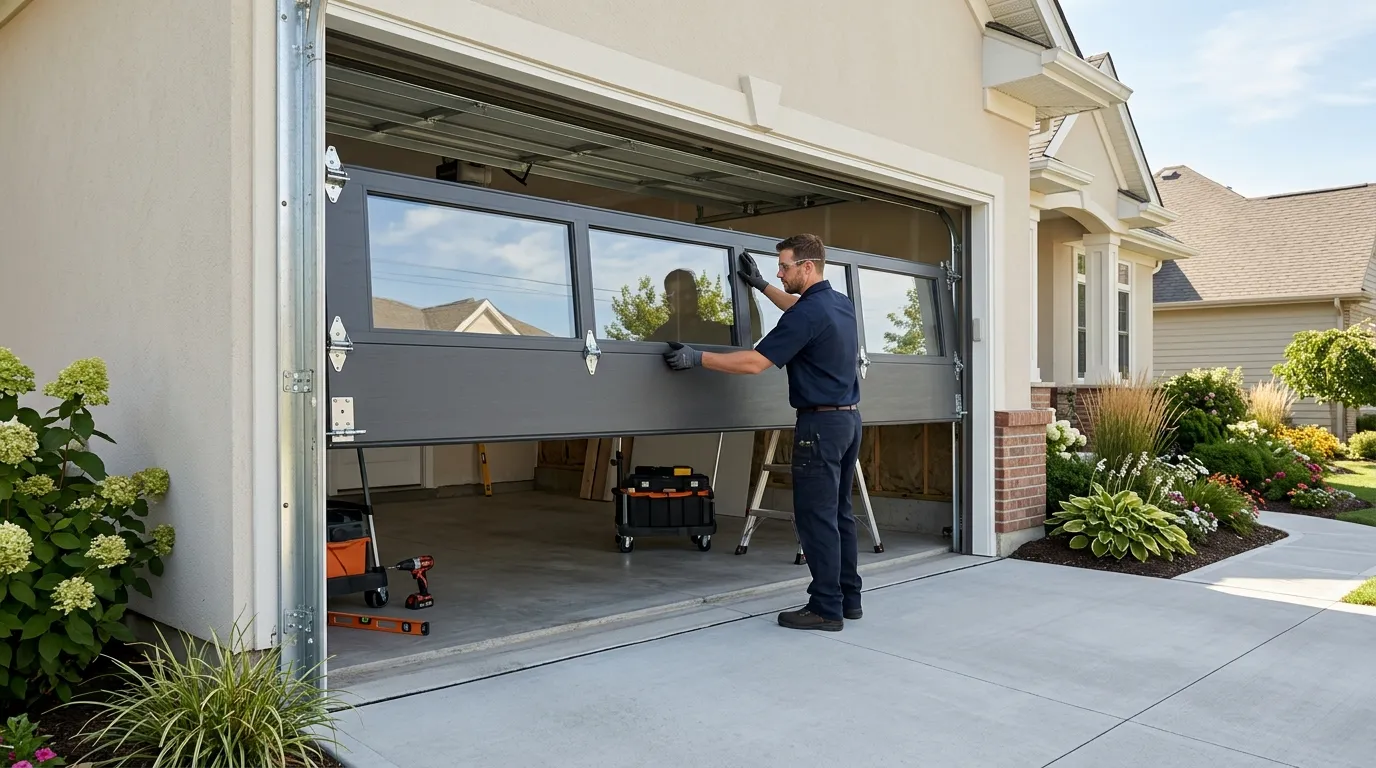
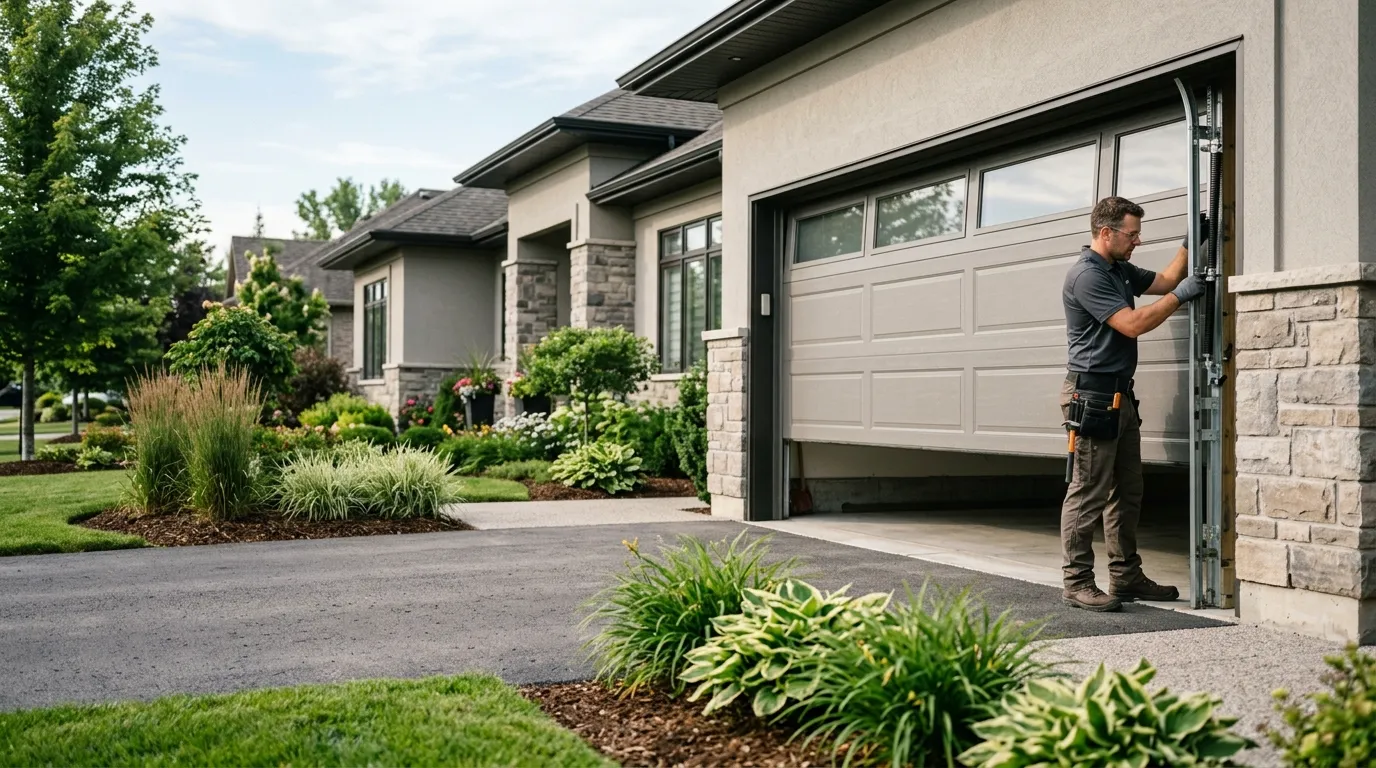
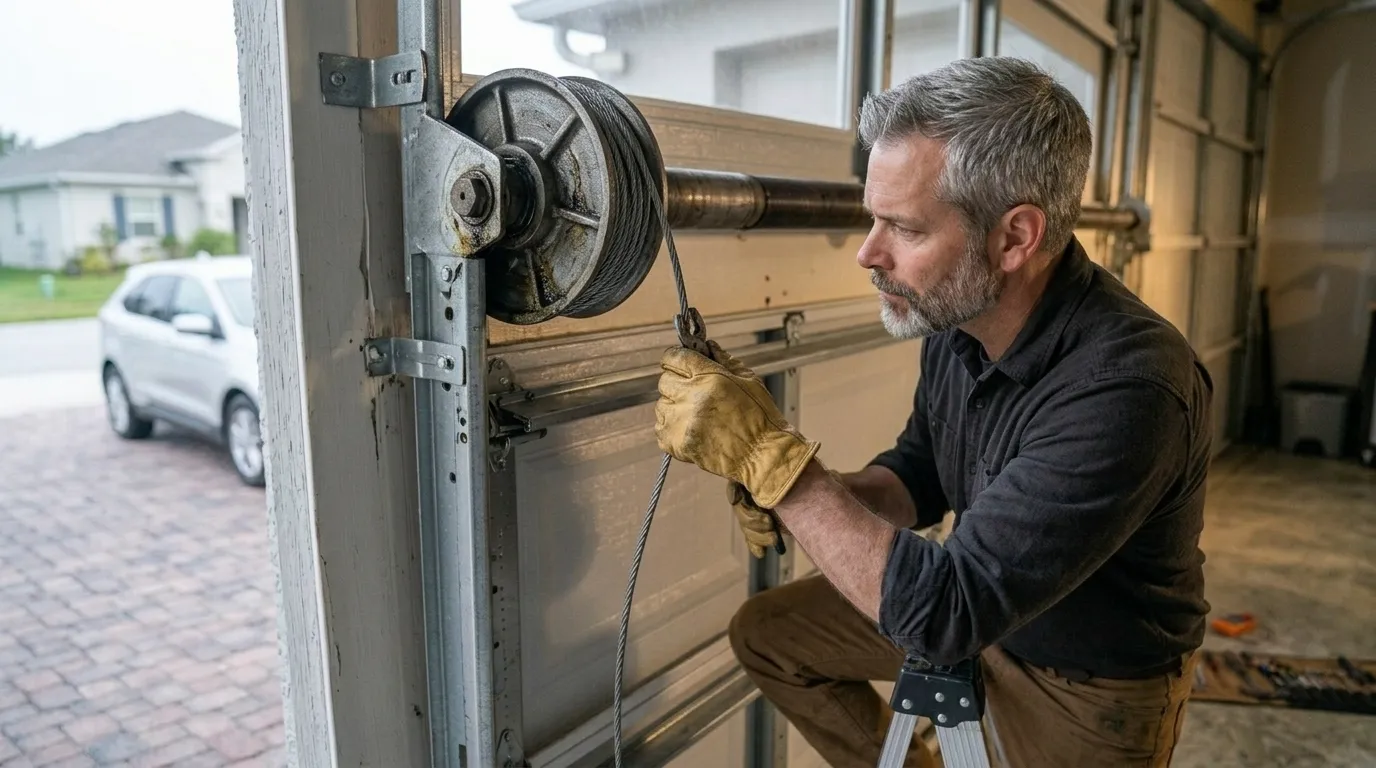
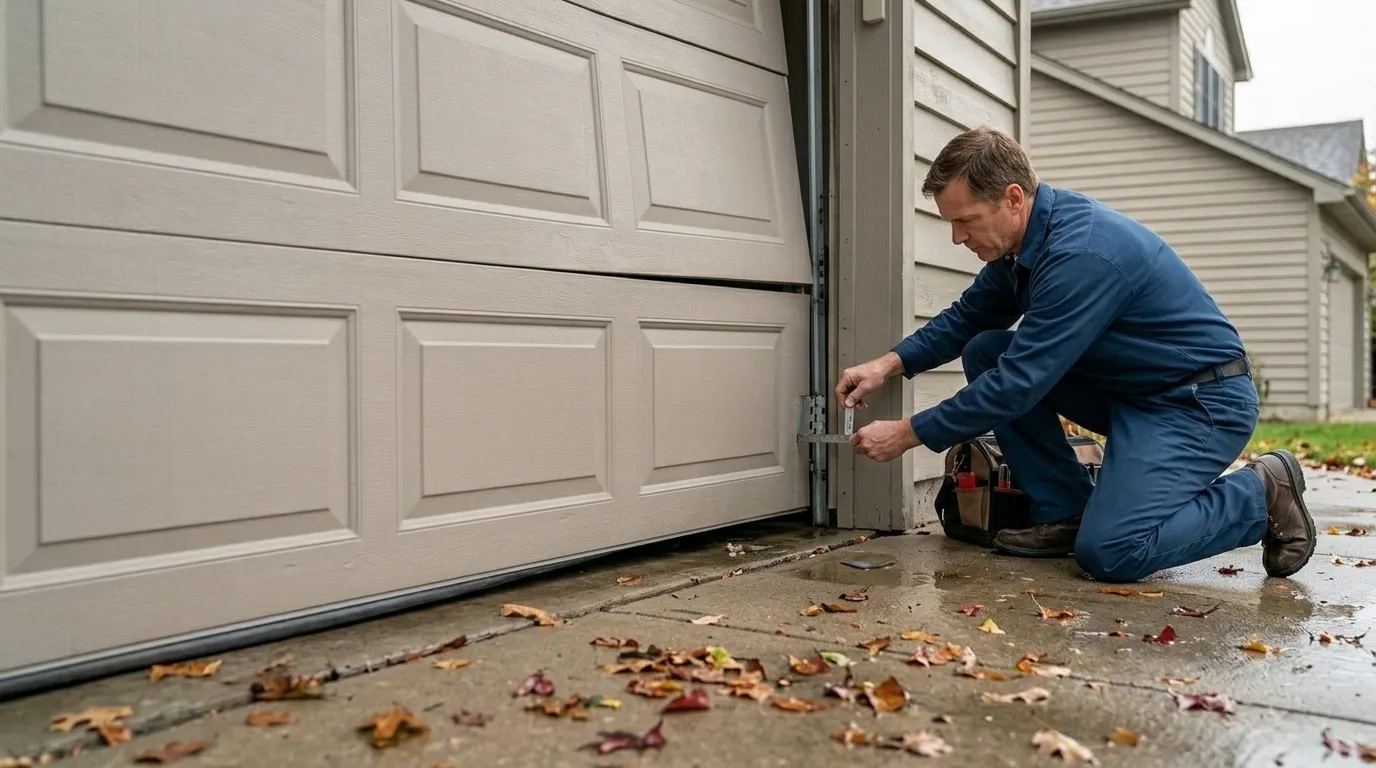
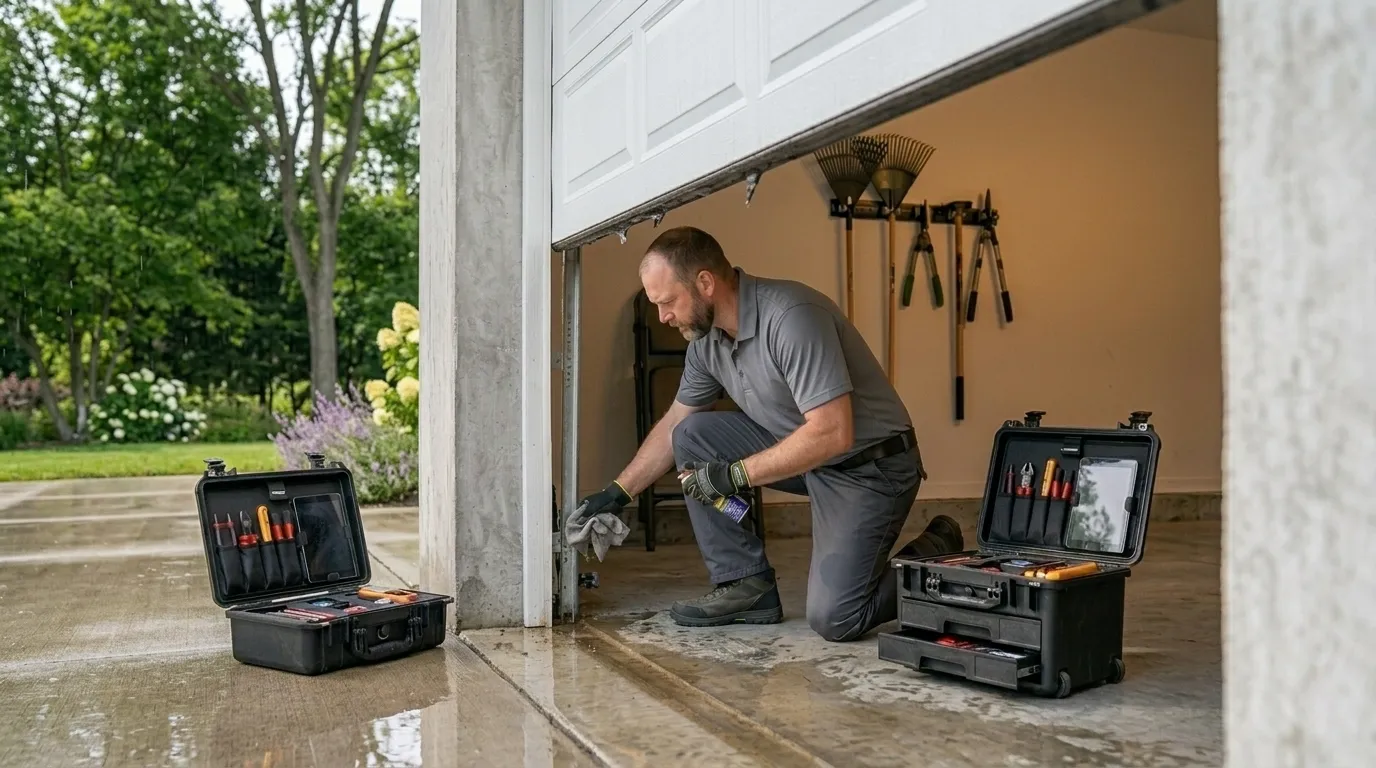
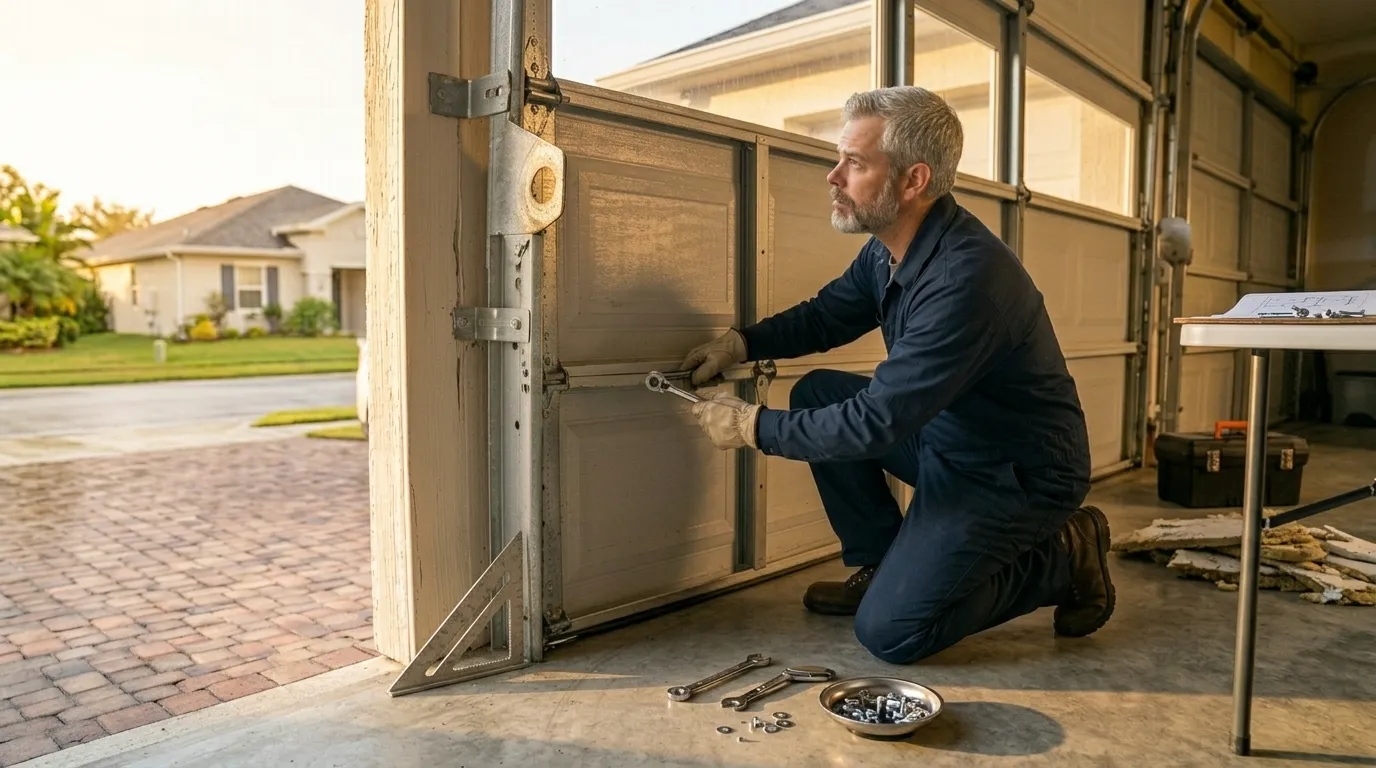
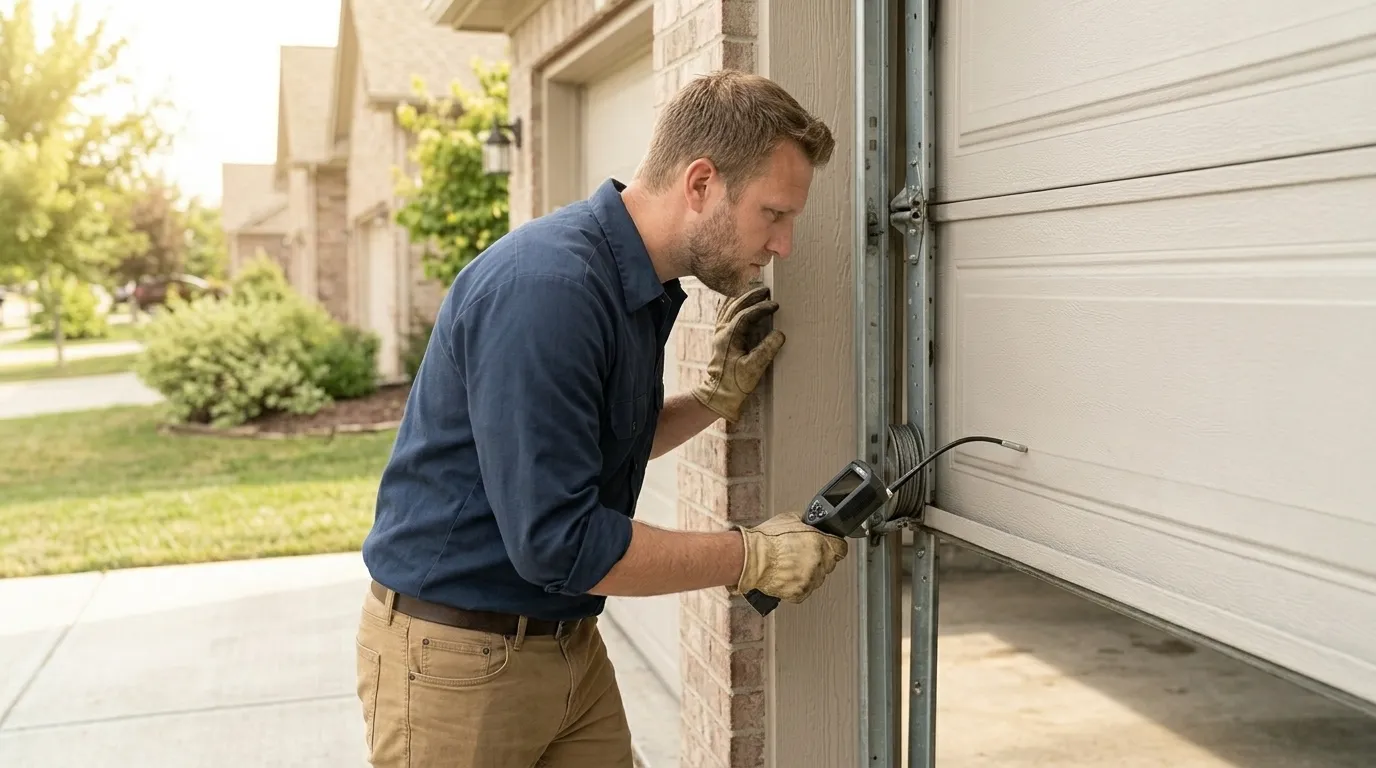
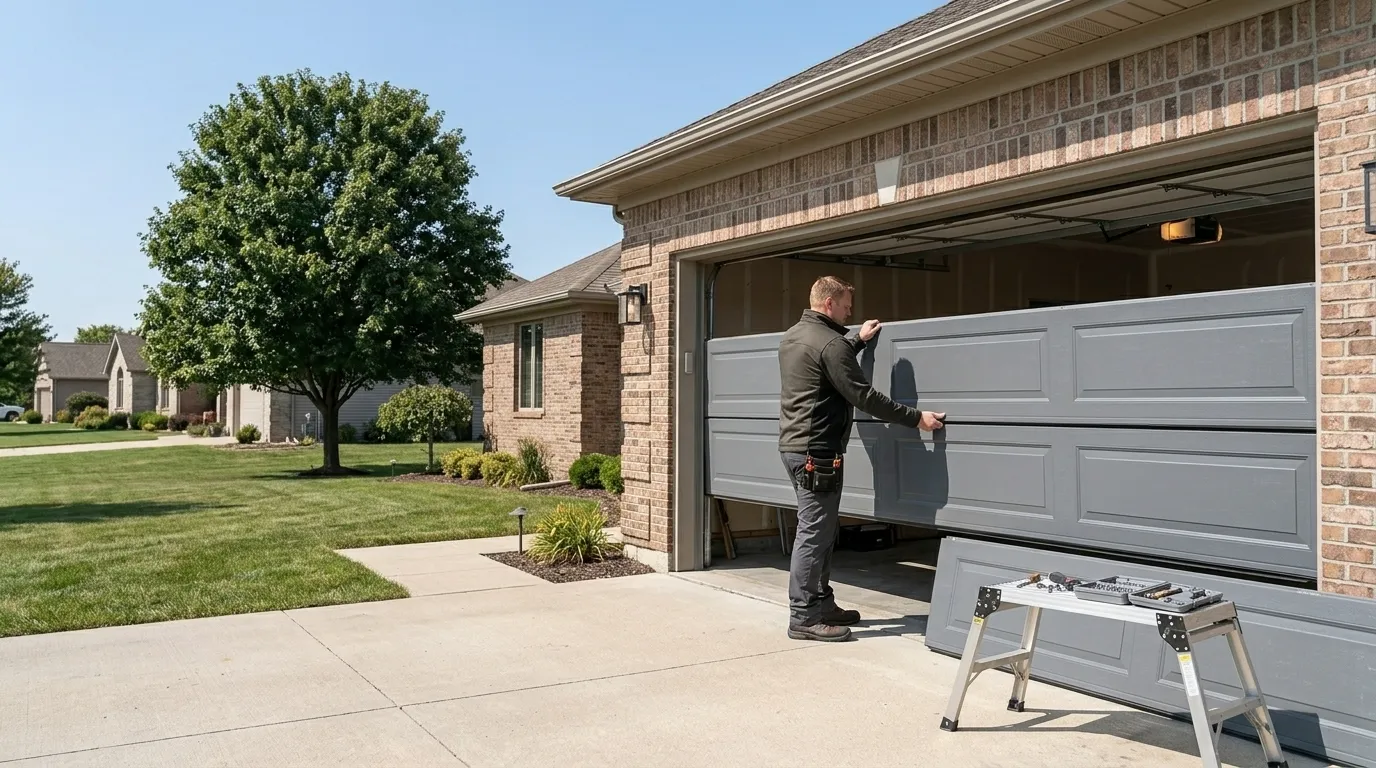
Most calls in a neighborhood with this build profile come down to torsion springs that have outlived their cycle count, rollers that have gone from nylon to bare metal, or openers original to a 1980s or 90s remodel finally giving out. We also see track realignment jobs on garages where the slab has shifted slightly over 30-plus years, which is common in housing this old.
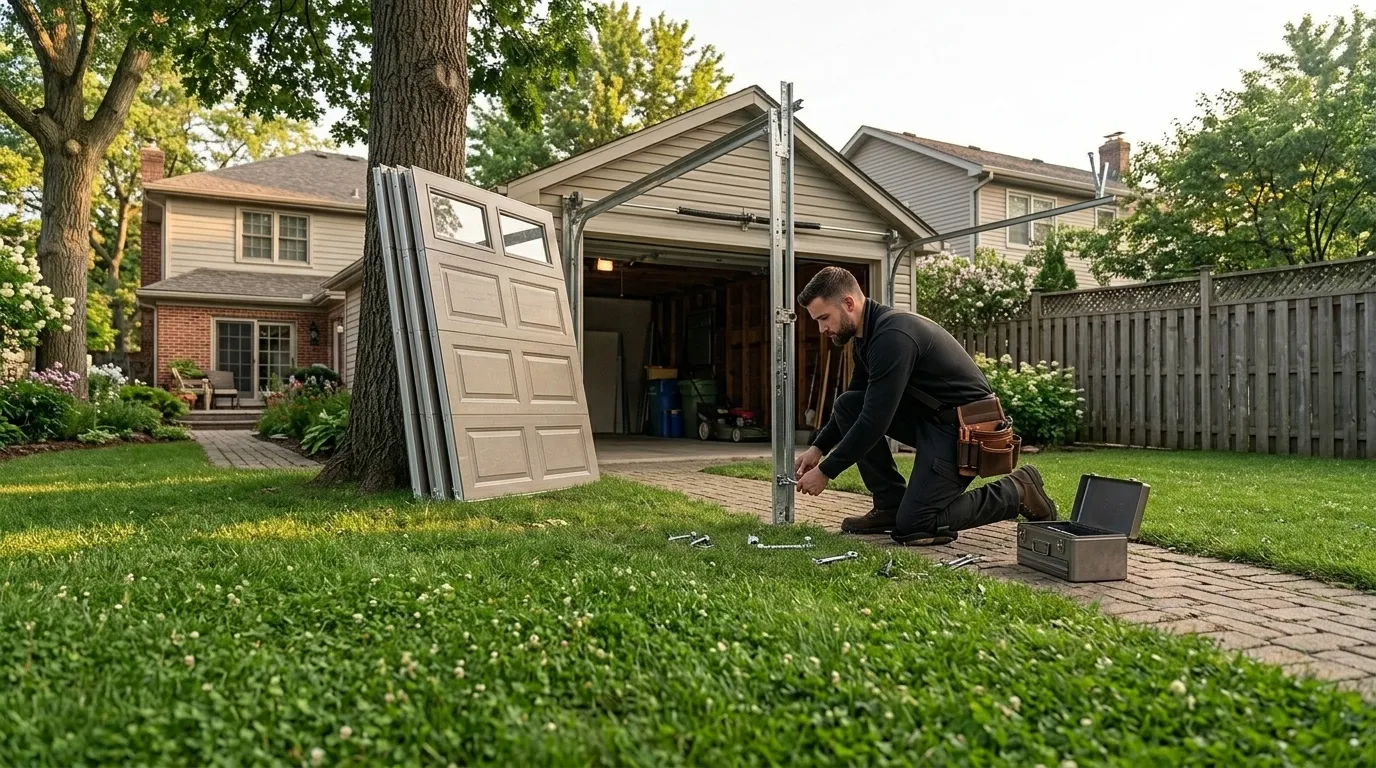
One honest limit: on some of the oldest doors from the 1947-1960 end of this range, the panel itself is no longer made, and replacement parts for that specific hardware can take longer to source than a same-week repair on a newer door. In those cases we'll tell you straight whether it's worth patching the original door or whether a full replacement is the better money, rather than stringing along a repair on parts that are hard to get. Household income across this service area runs a median of $101,450, which usually puts full replacement within reach when a repair isn't the smarter call.