The Doors Around Here
Housing across this service area was built mostly between 1947 and 2006, with the median build year landing around 1981. That's a wide window, but the middle of it - the late 70s through the 90s - is where most of the stock across the 31 named areas we track clusters. A door and opener installed when a house went up in that stretch is now old enough that the original torsion spring has almost certainly been through more open-close cycles than it was rated for, even if nothing looks visibly wrong yet.
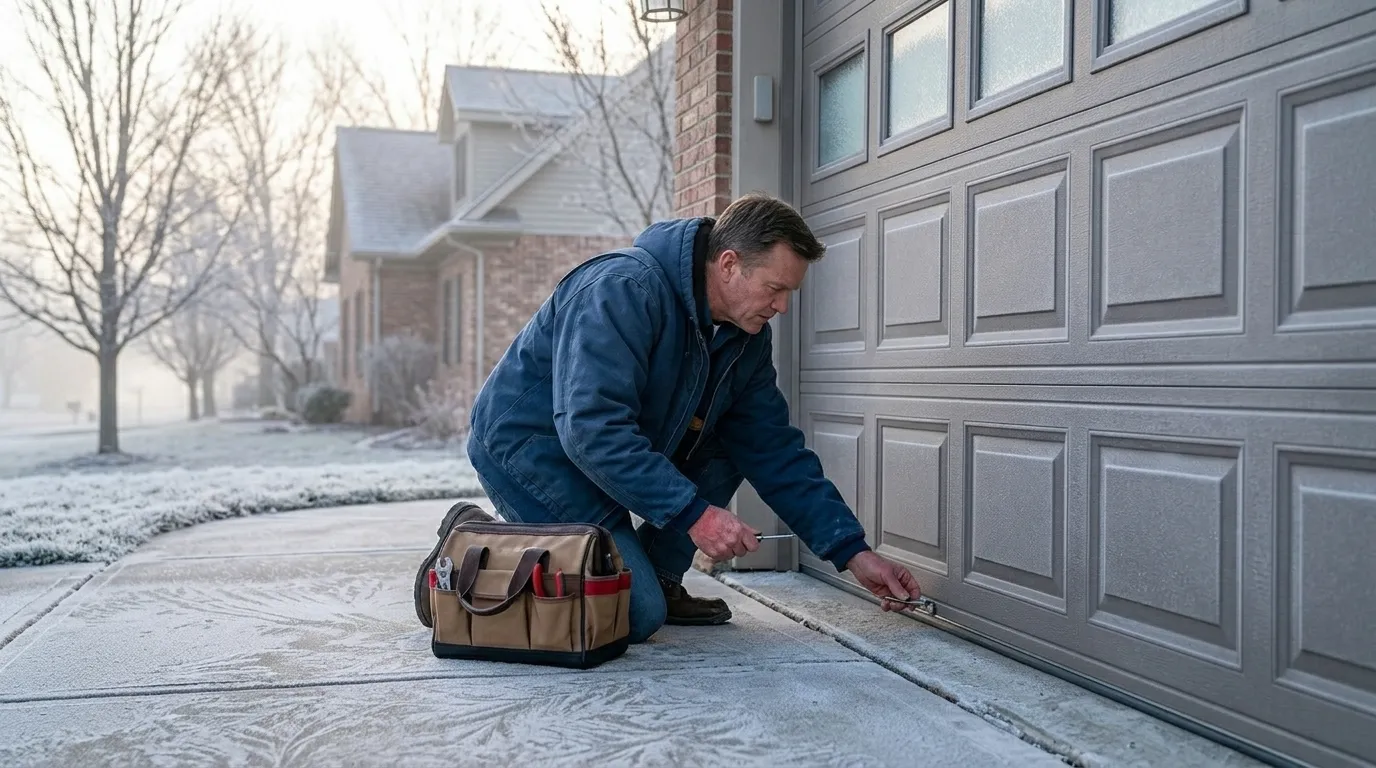
The climate band here is classified cold and severe, which matters more than people expect. Steel doors from that era were rarely insulated to a standard that holds up well through repeated freeze-thaw swings, and the springs themselves are more prone to fatigue failure in cold weather - cold steel is less elastic, and a spring that's already near the end of its cycle life is more likely to let go on a January morning than in July.
We can't tell you what's behind a specific door on a specific block in North Capitol Hill without seeing it. What the era and climate numbers tell us is the pattern: older torsion hardware, non-insulated panels, and openers that are due for a look, not necessarily a replacement.
Typical Work
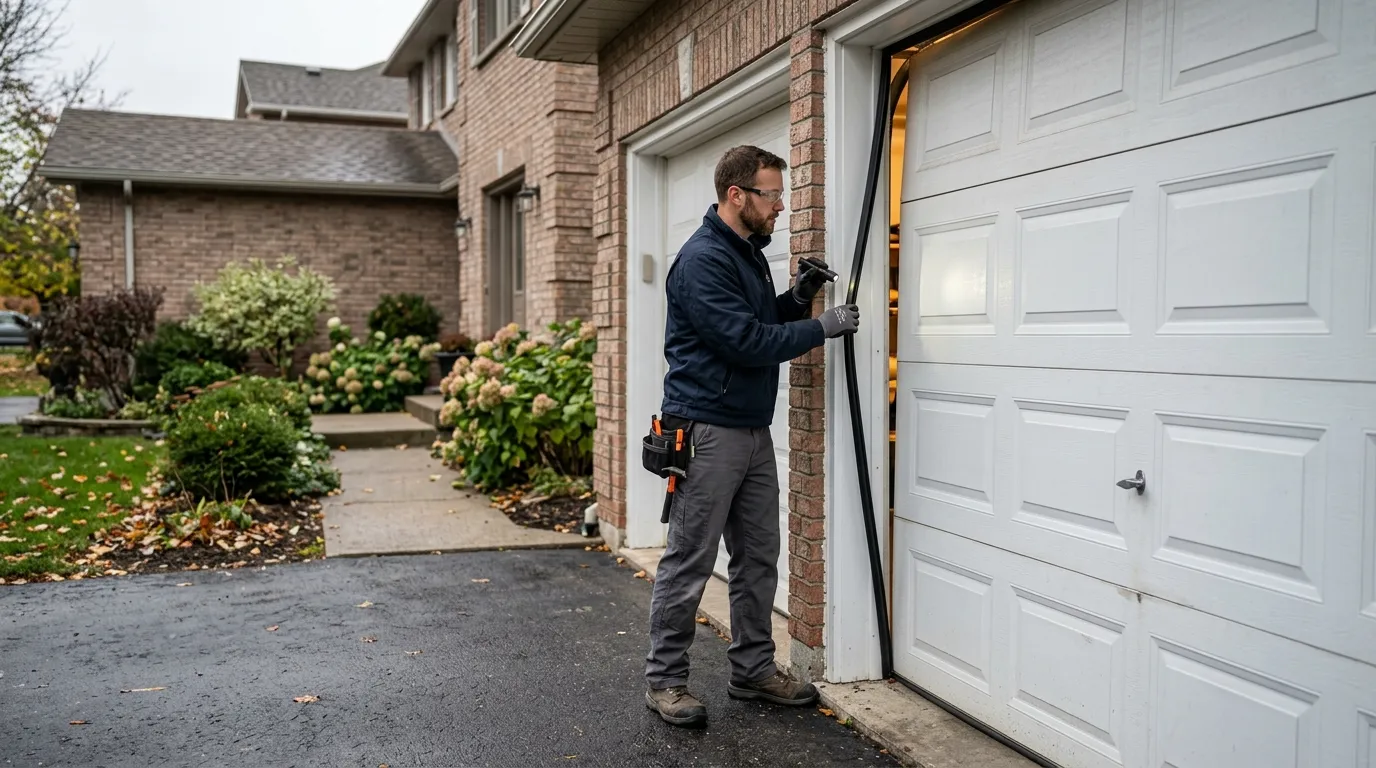
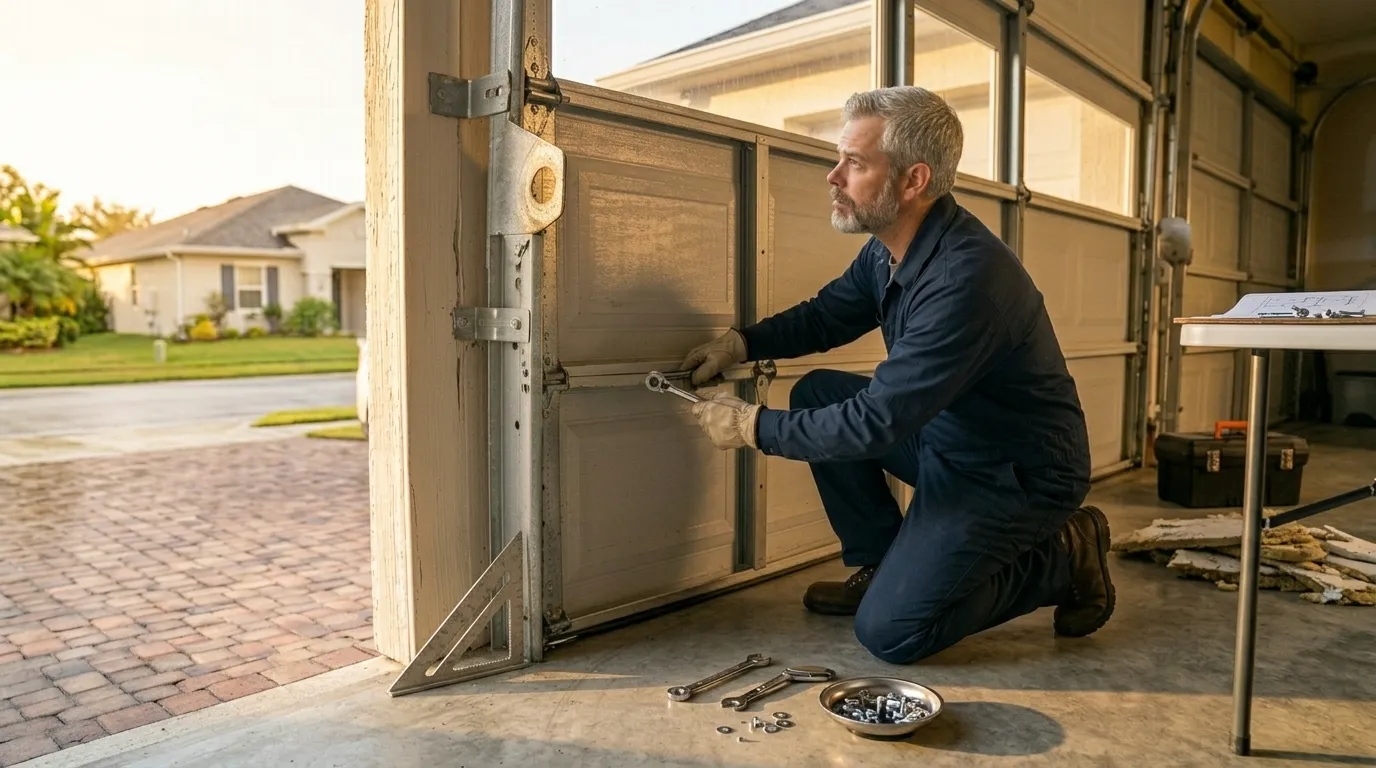
Given a build era centered on 1981 and a cold-severe climate, the calls we expect from this part of Denver run toward a handful of repeatable jobs. Torsion spring replacement tops the list - springs are rated for a set number of cycles, and cold weather shortens that lifespan in practice even if the rating doesn't change on paper. Cable fraying on older drums is next, usually found at the same time as a spring job since both wear together.
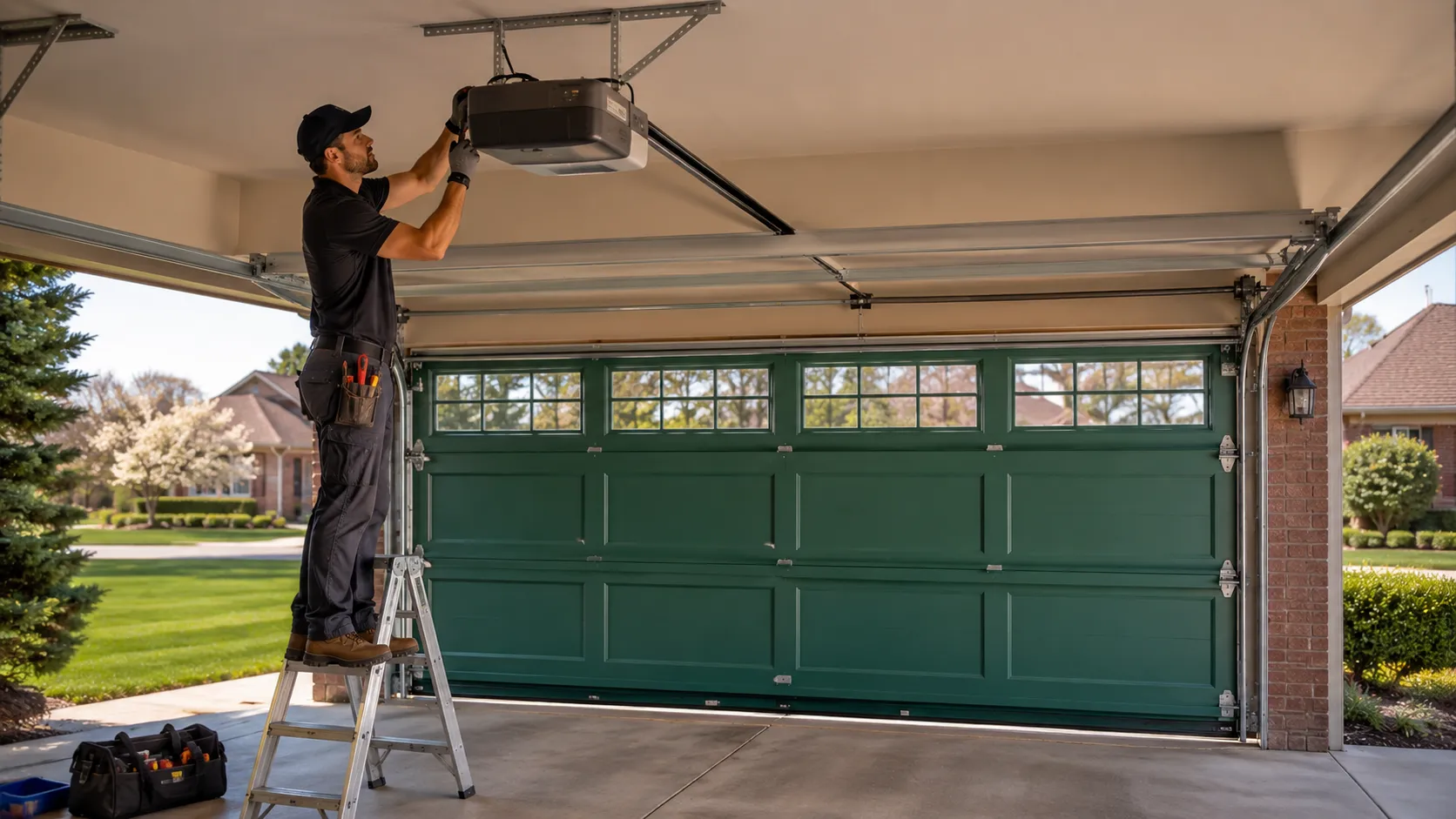
We also see opener replacements on units that have been running since the house was built or remodeled decades ago; the drive mechanisms in older openers weren't built with today's safety reversal standards, and once a unit is past a certain age, repair parts get hard to source. That's a real limitation - if your opener is old enough, we may tell you replacement is the better call rather than chase discontinued parts.
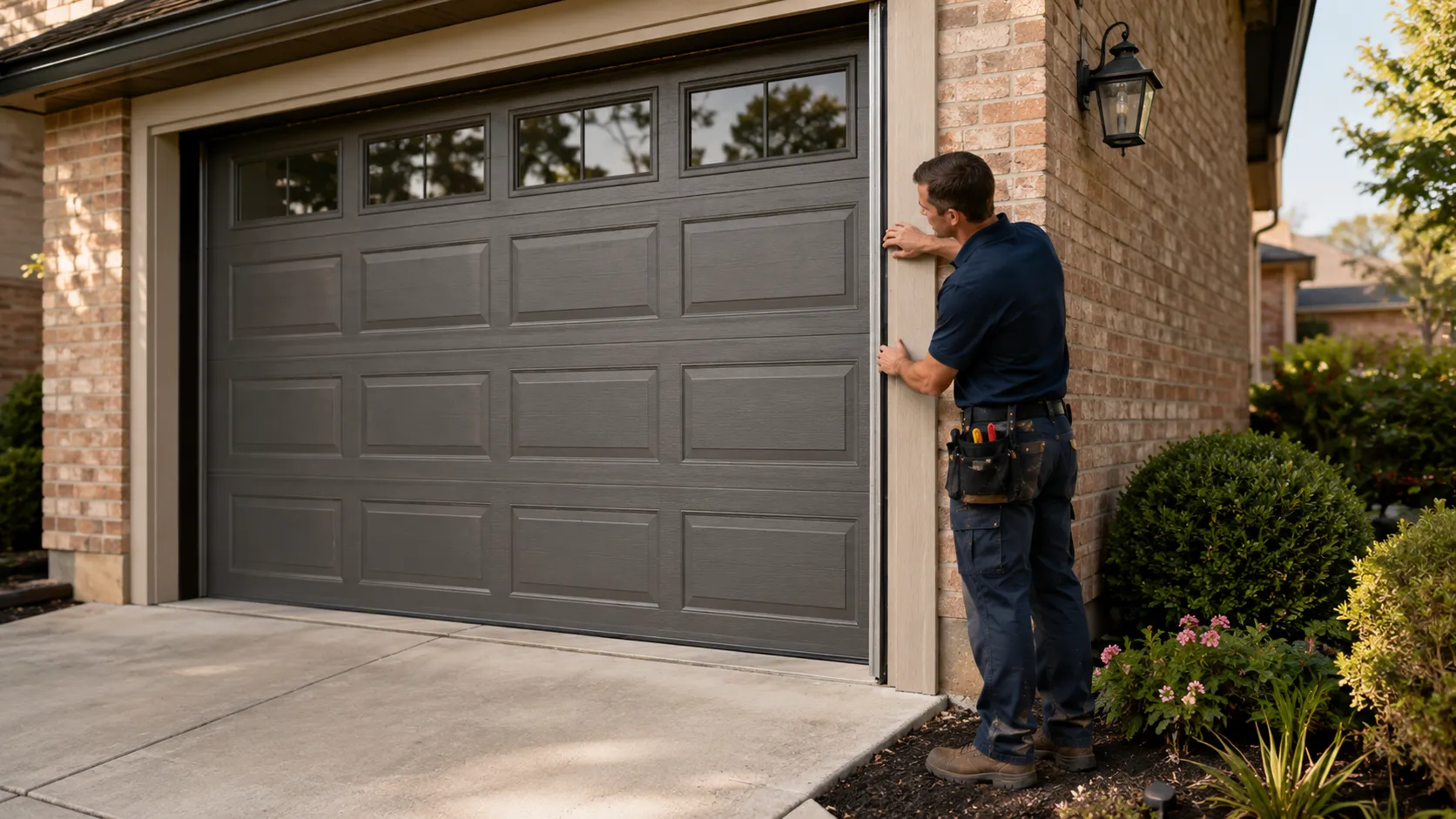
Panel damage from cold-weather brittleness shows up too, especially on original steel doors that were never insulated. None of this is neighborhood-specific gossip; it's what you'd expect to find behind doors built in the housing era this area falls into, sitting through winters classified as severe.