The Doors Around Here
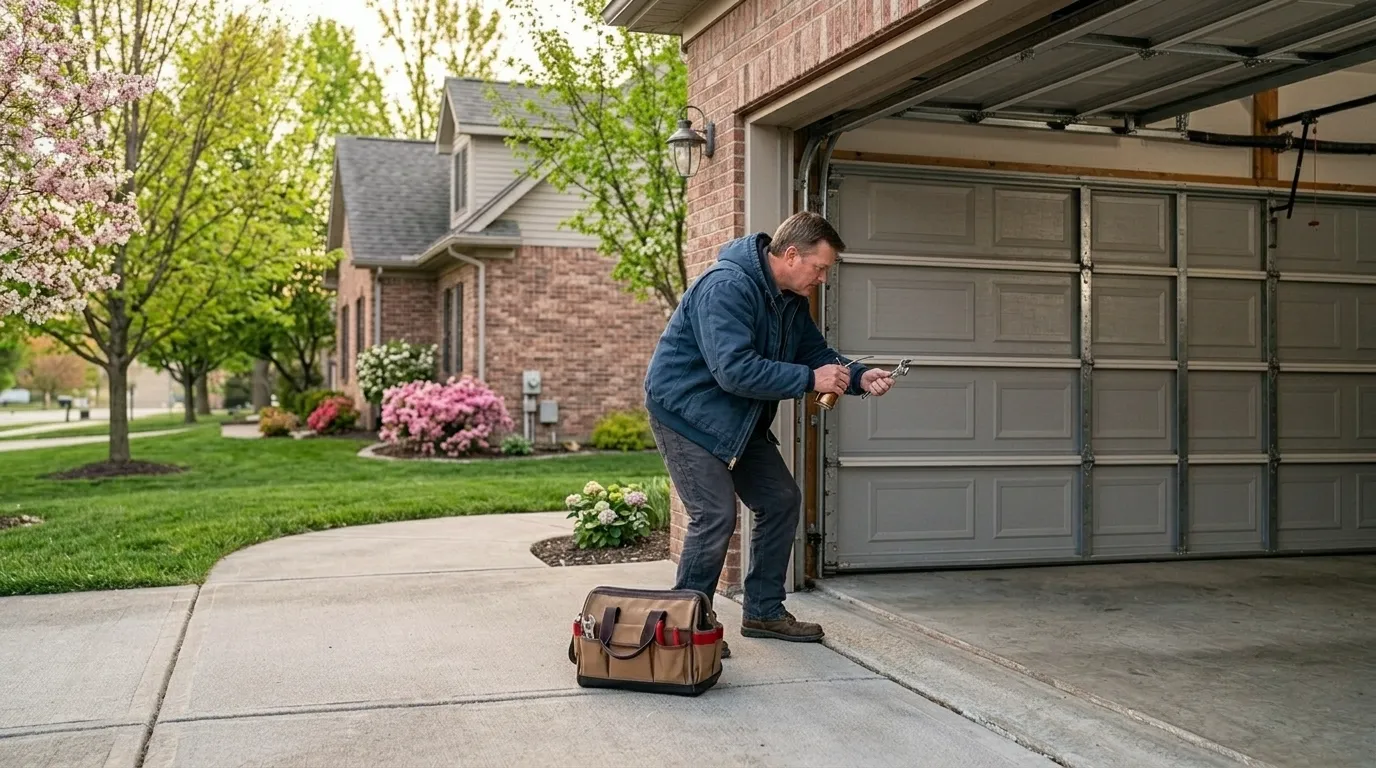
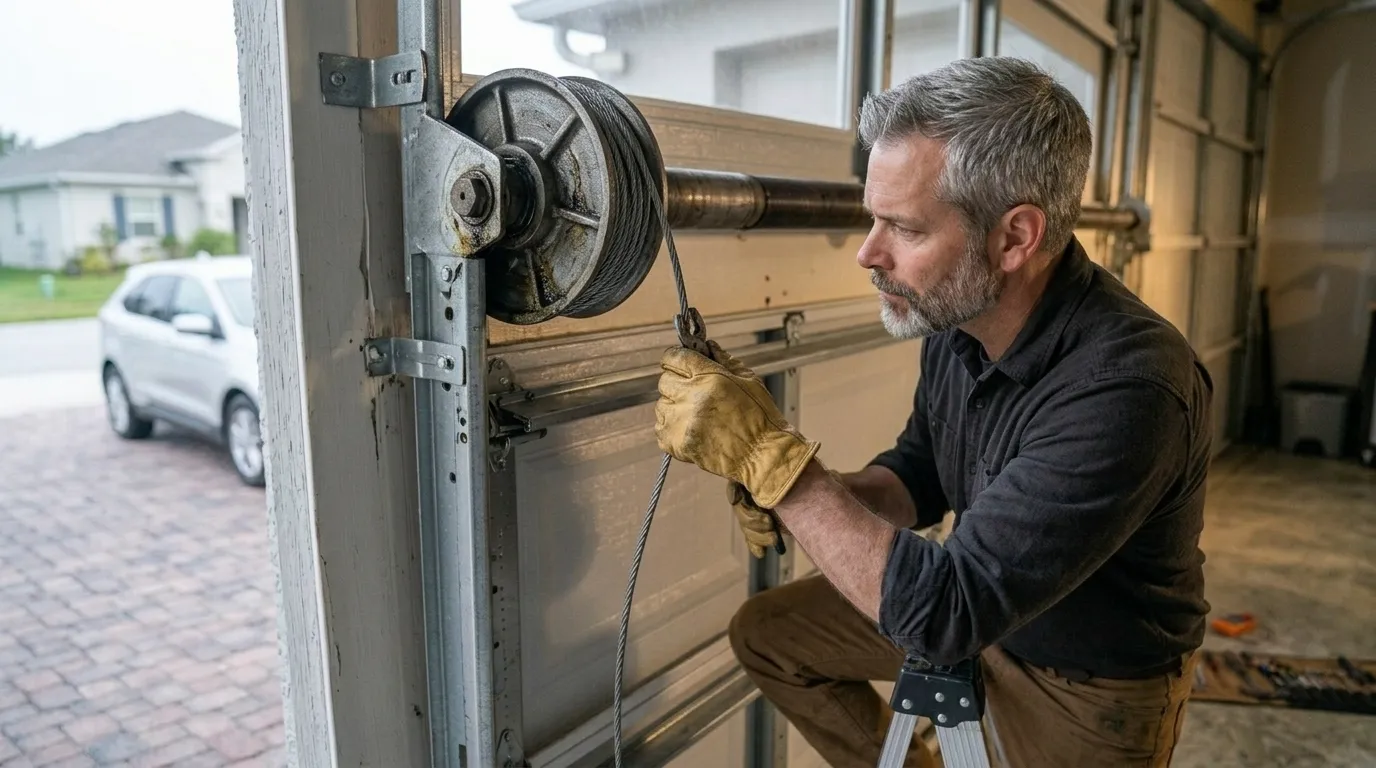
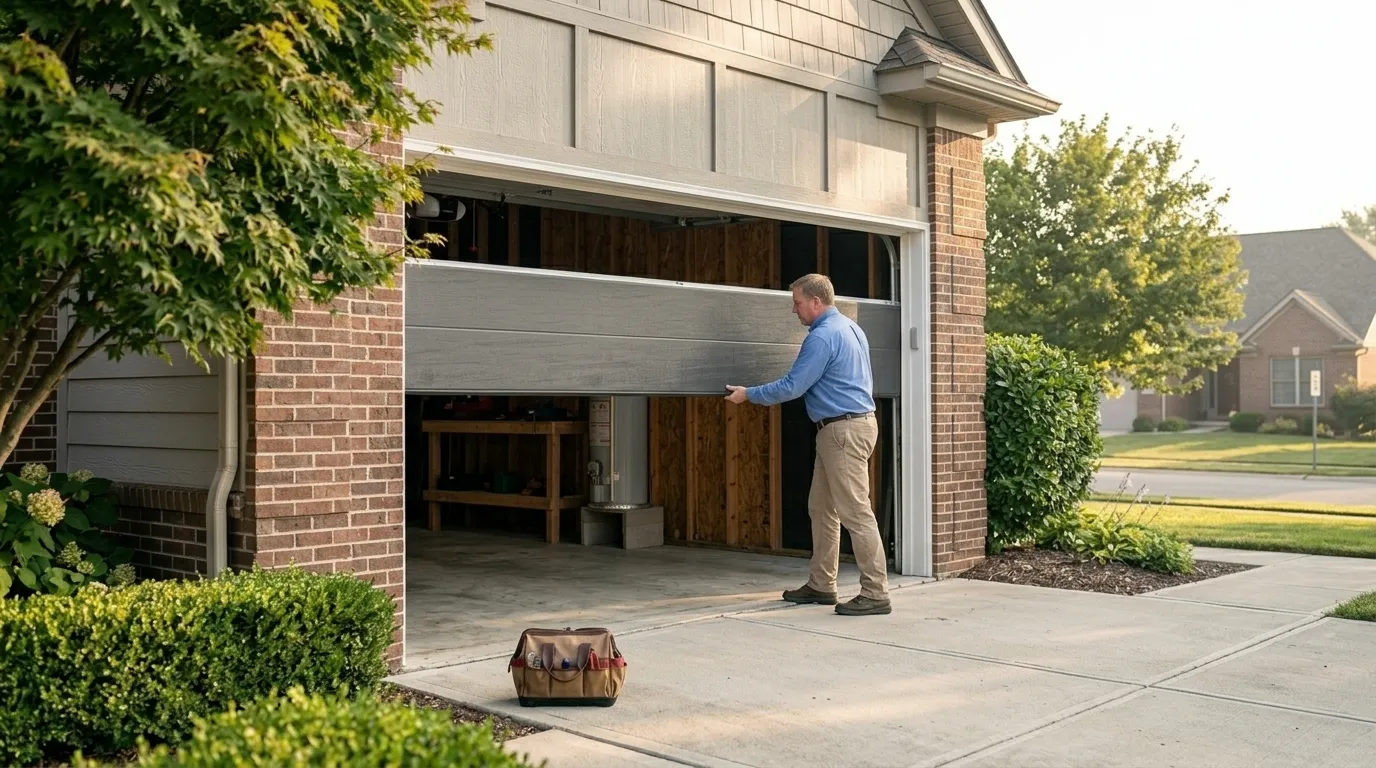
Housing across the wider service area was built mostly between 1947 and 2006, with the median landing around 1981. In a neighborhood as close-in as North Denver, that skews toward the older end of that range - plenty of doors and openers here were installed decades ago and have been quietly aging since. That means torsion springs rated for a certain cycle count that are well past it, and openers from an era before rolling-code safety sensors were standard.
We also work this stock everywhere else in the metro service area - roughly 31 named areas covering close to 220,000 households, most of them owner-occupied houses rather than rentals. Older doors show up as a pattern across all of it, not just here, but a close-in neighborhood like North Denver tends to have more of the original hardware still in place, simply because it's had more decades to sit.
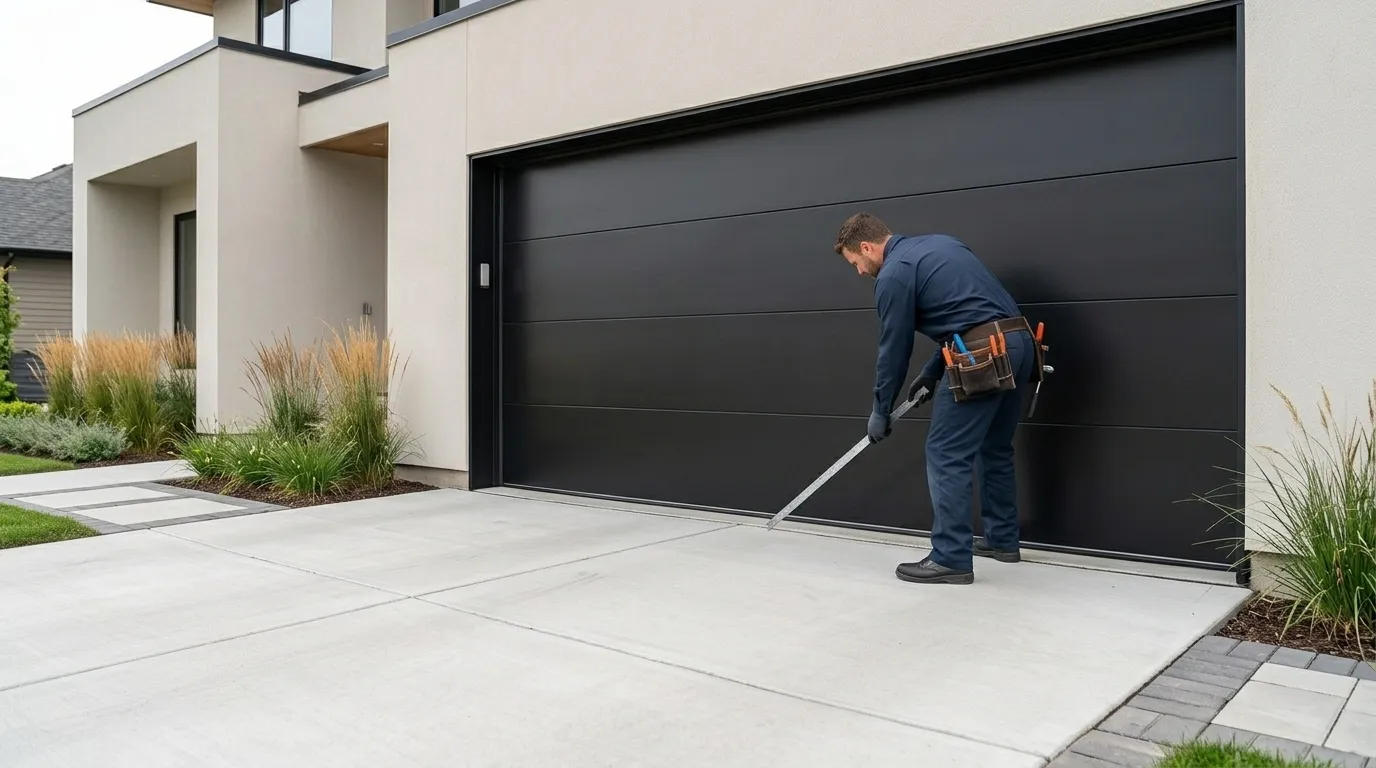
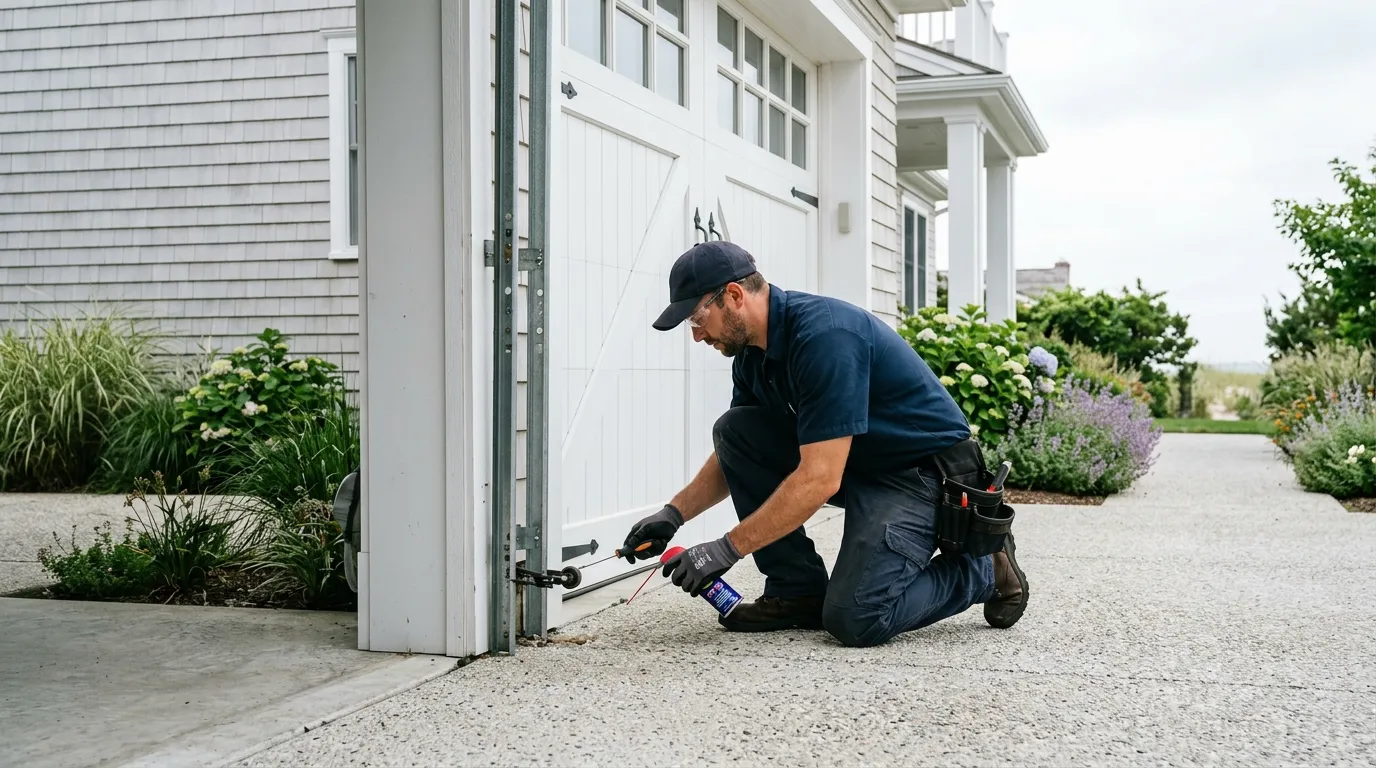
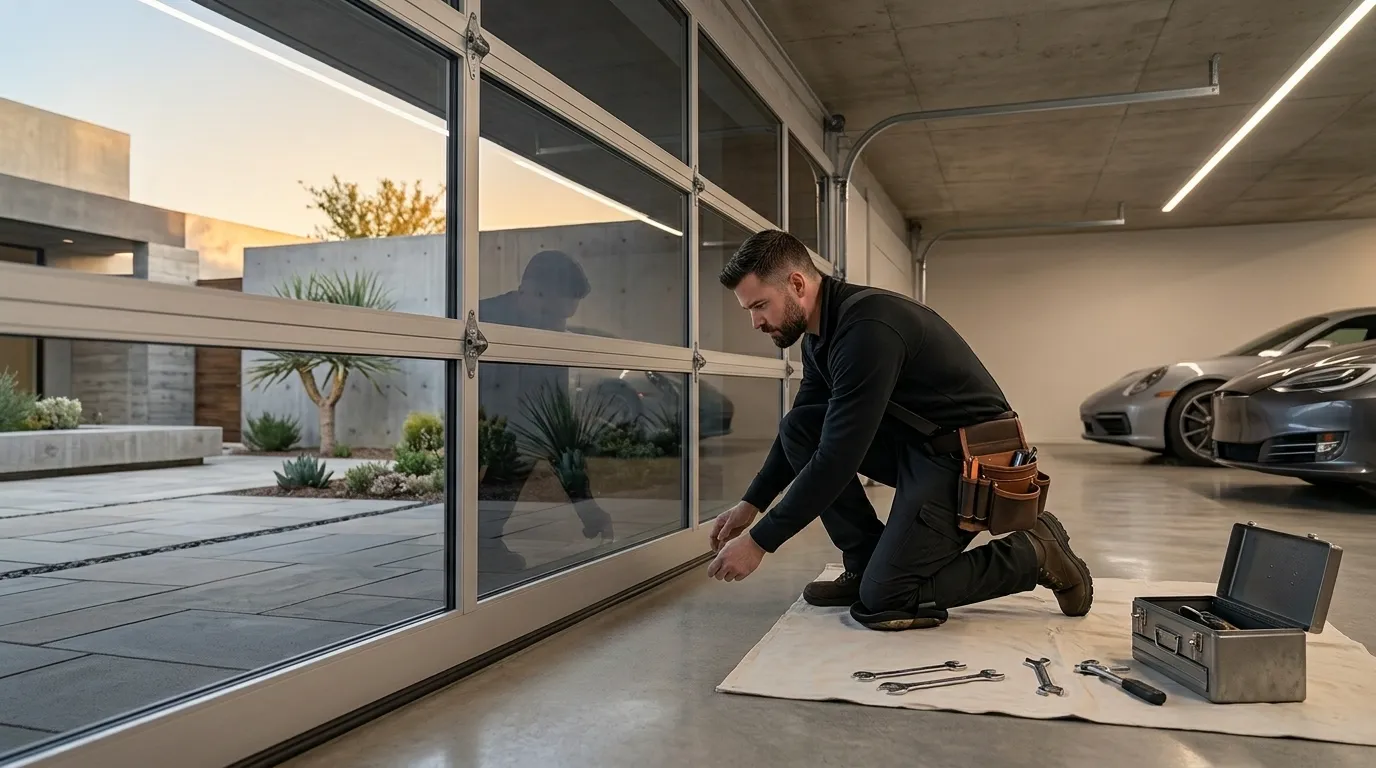
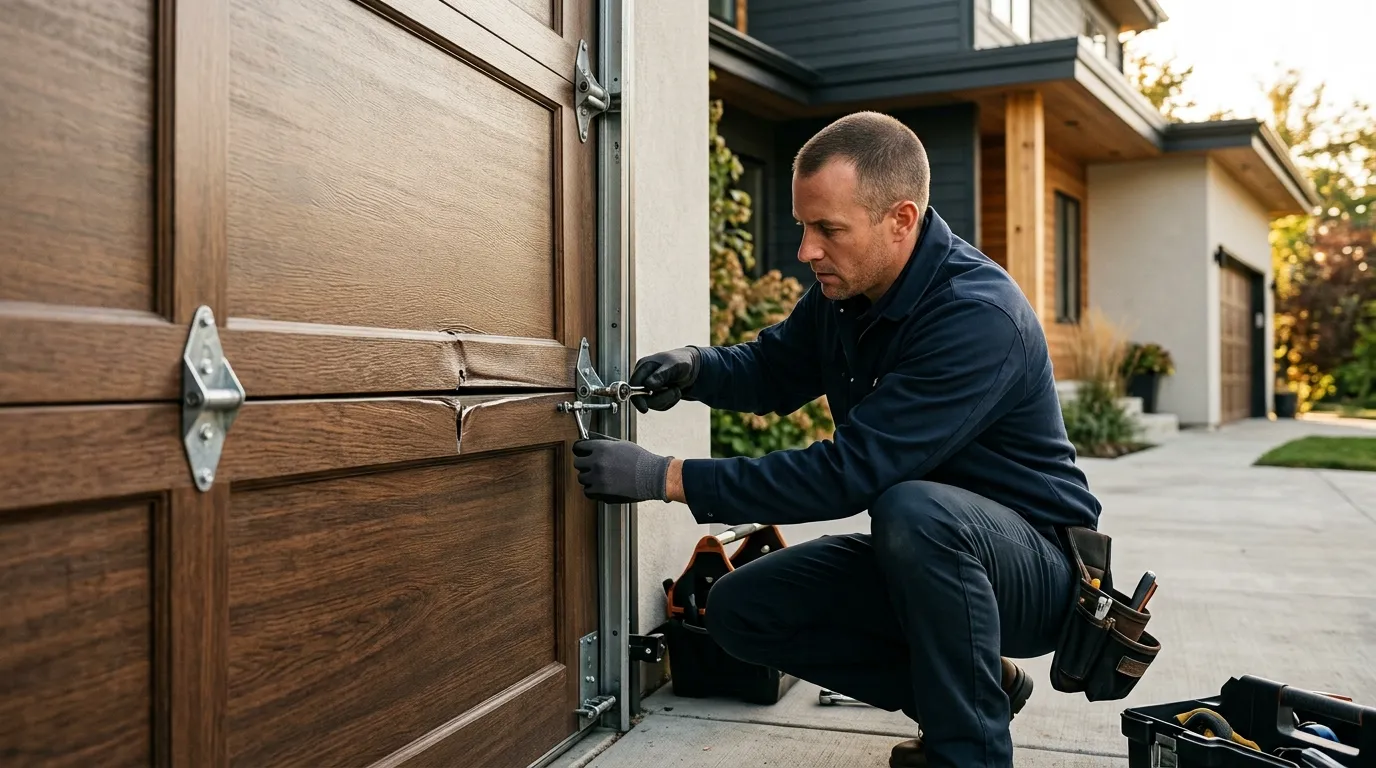
Typical Work
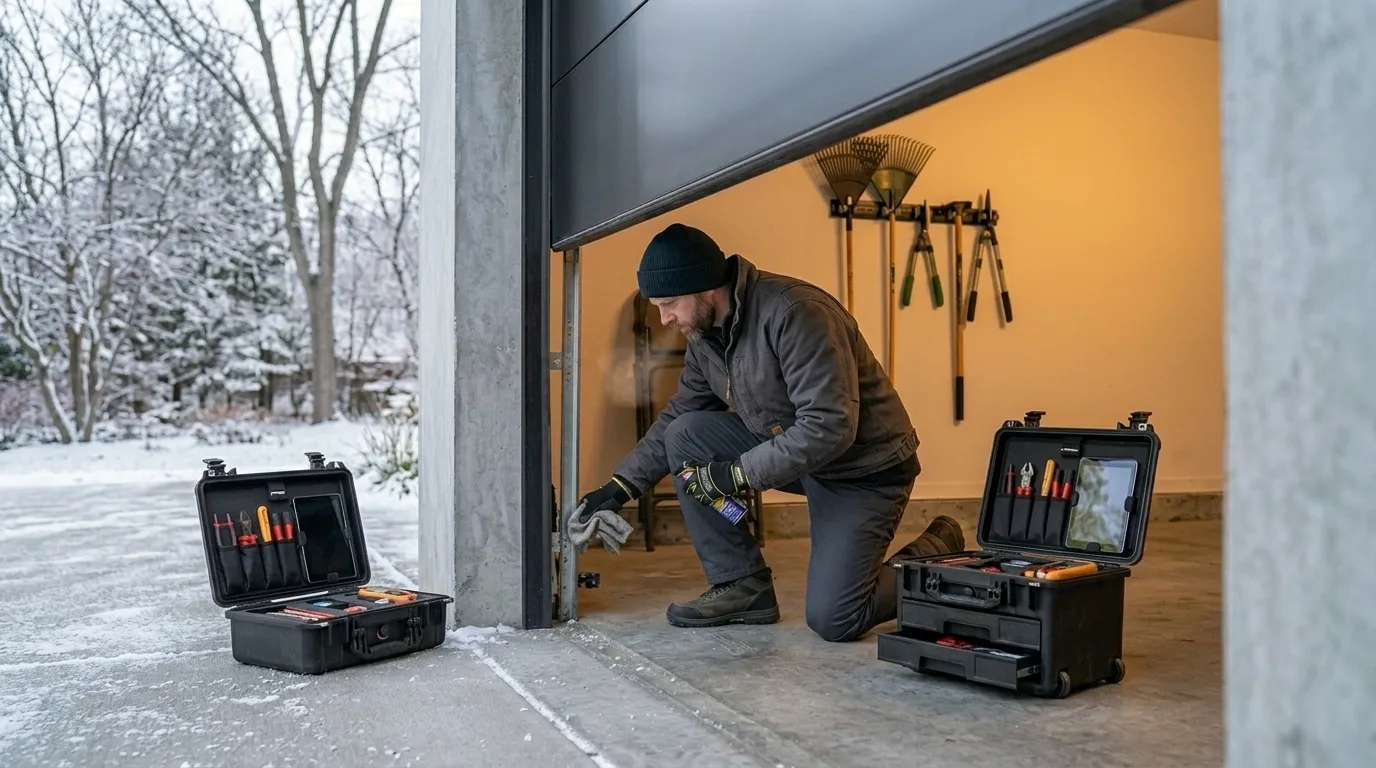
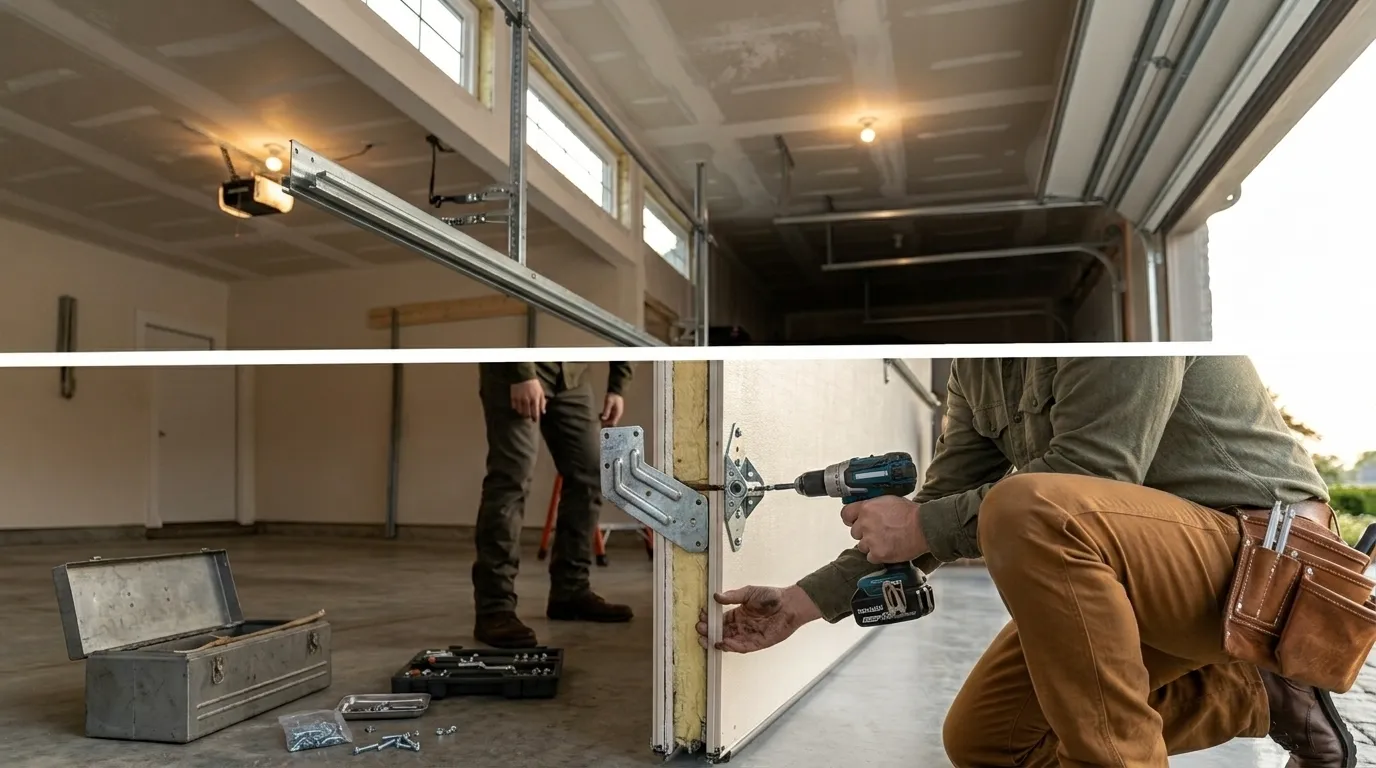
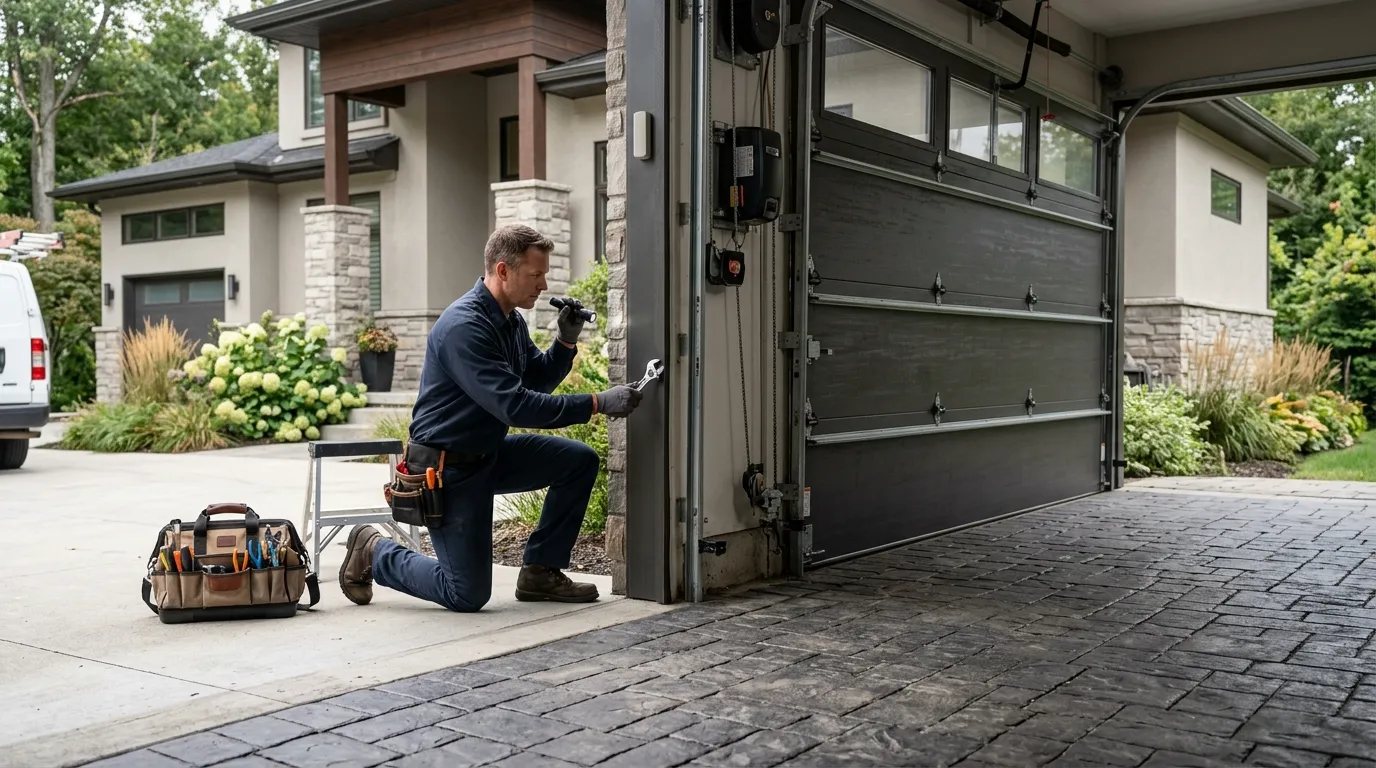
Winters here fall into a cold, severe climate band, and that shows up directly in service calls: springs snapping on the first hard freeze, rollers seizing when grease has gone stiff, and openers struggling to sense a door frozen slightly out of true. On older homes we also see original tracks that were never sized for insulated panels, which limits what you can swap in without adjusting the hardware too.
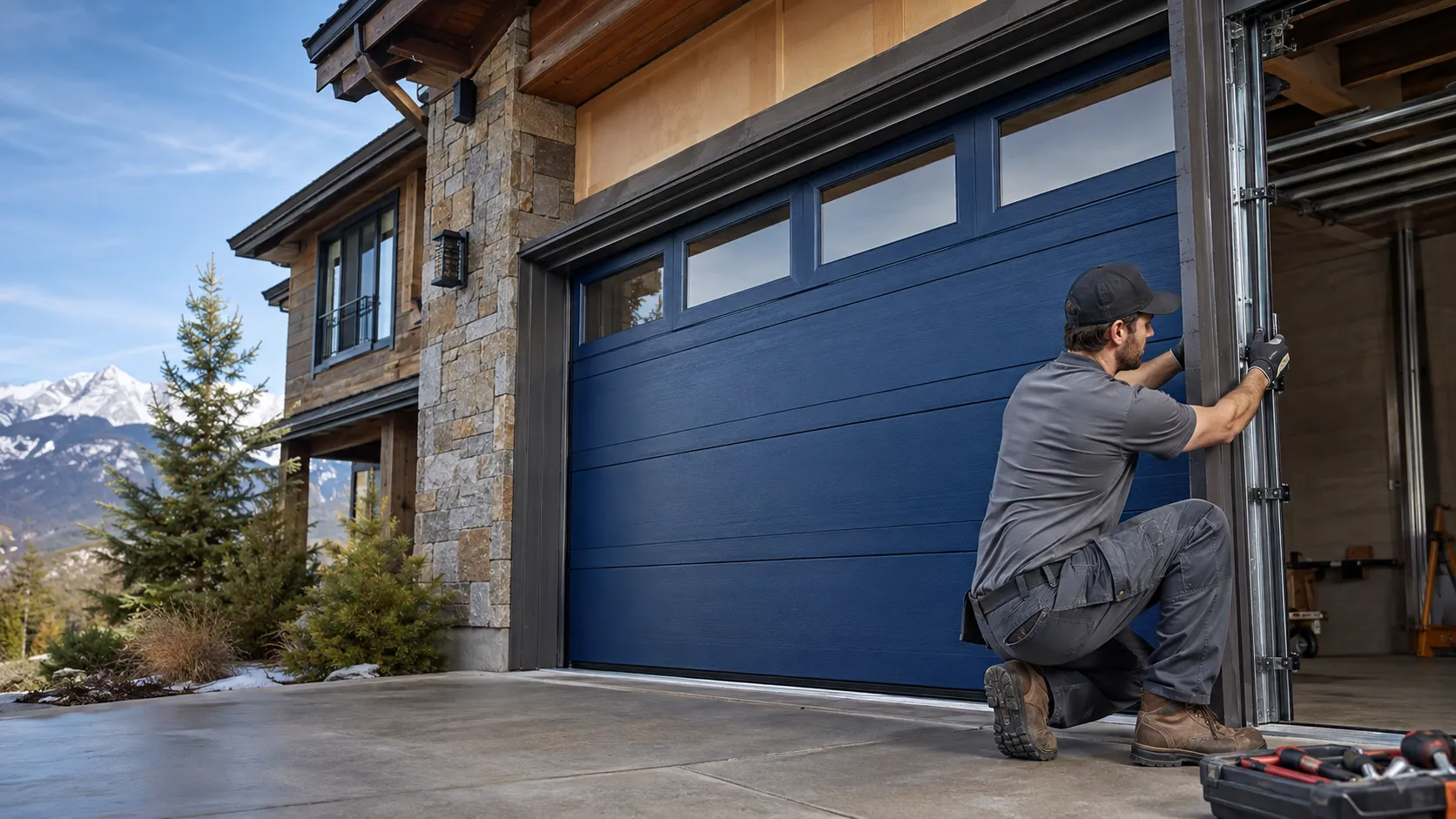
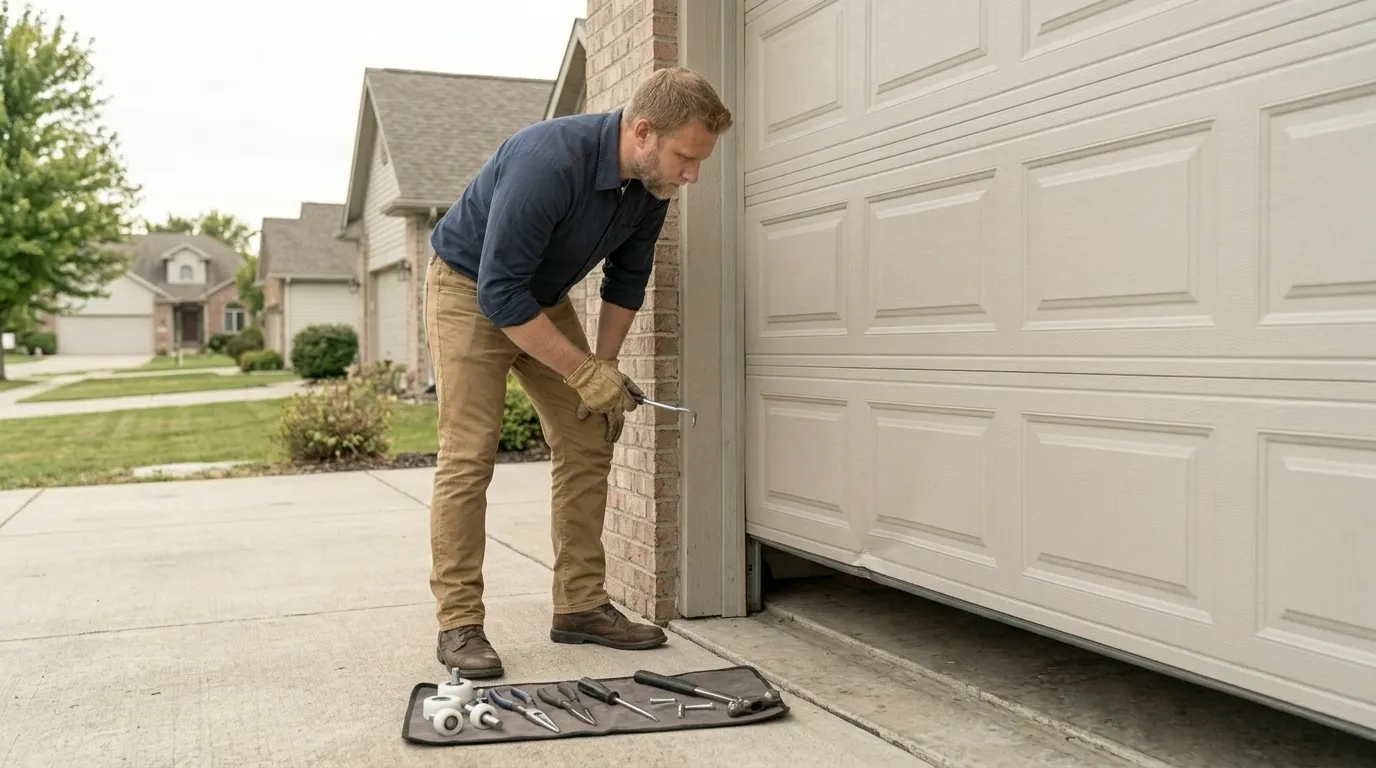
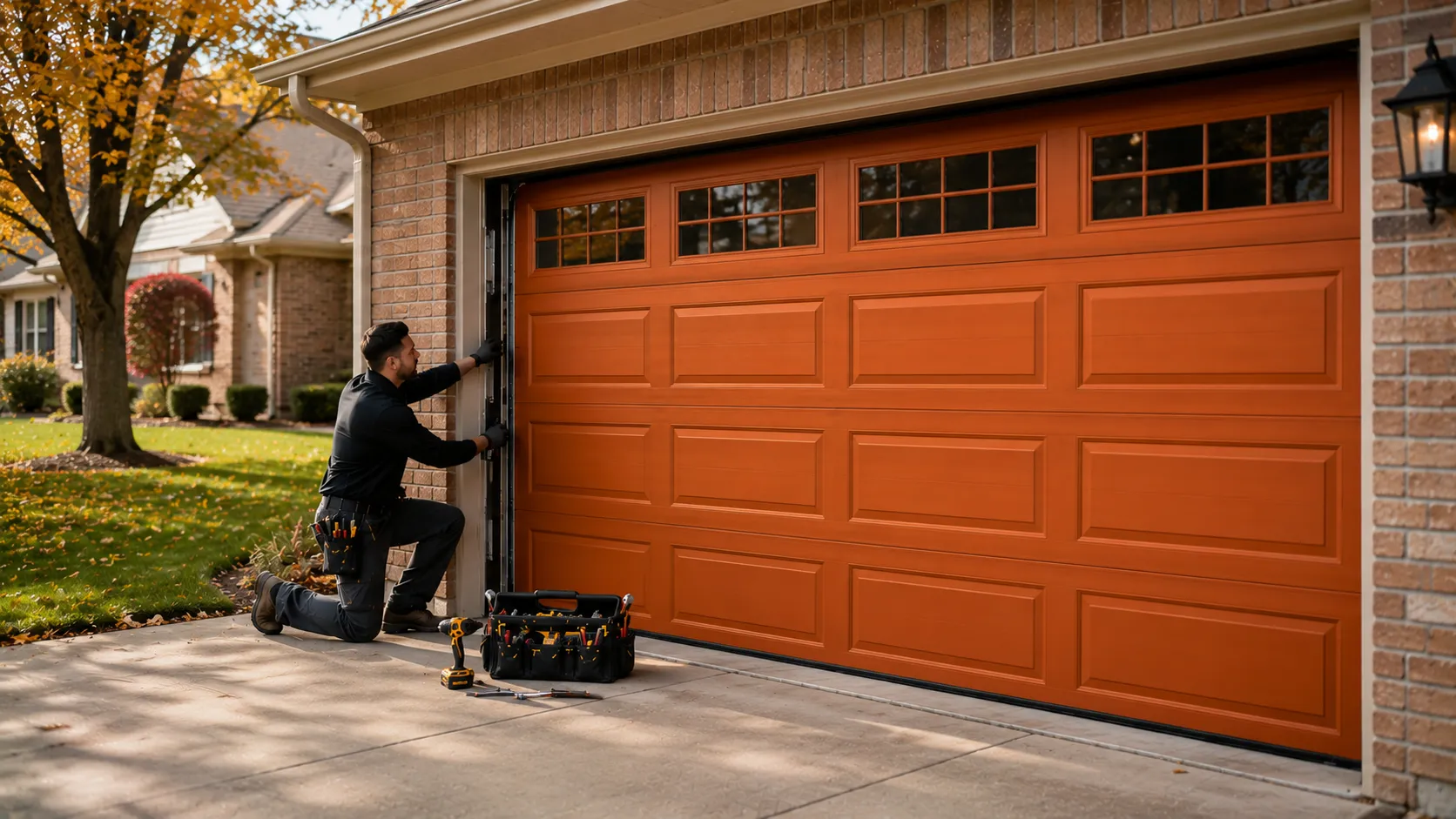
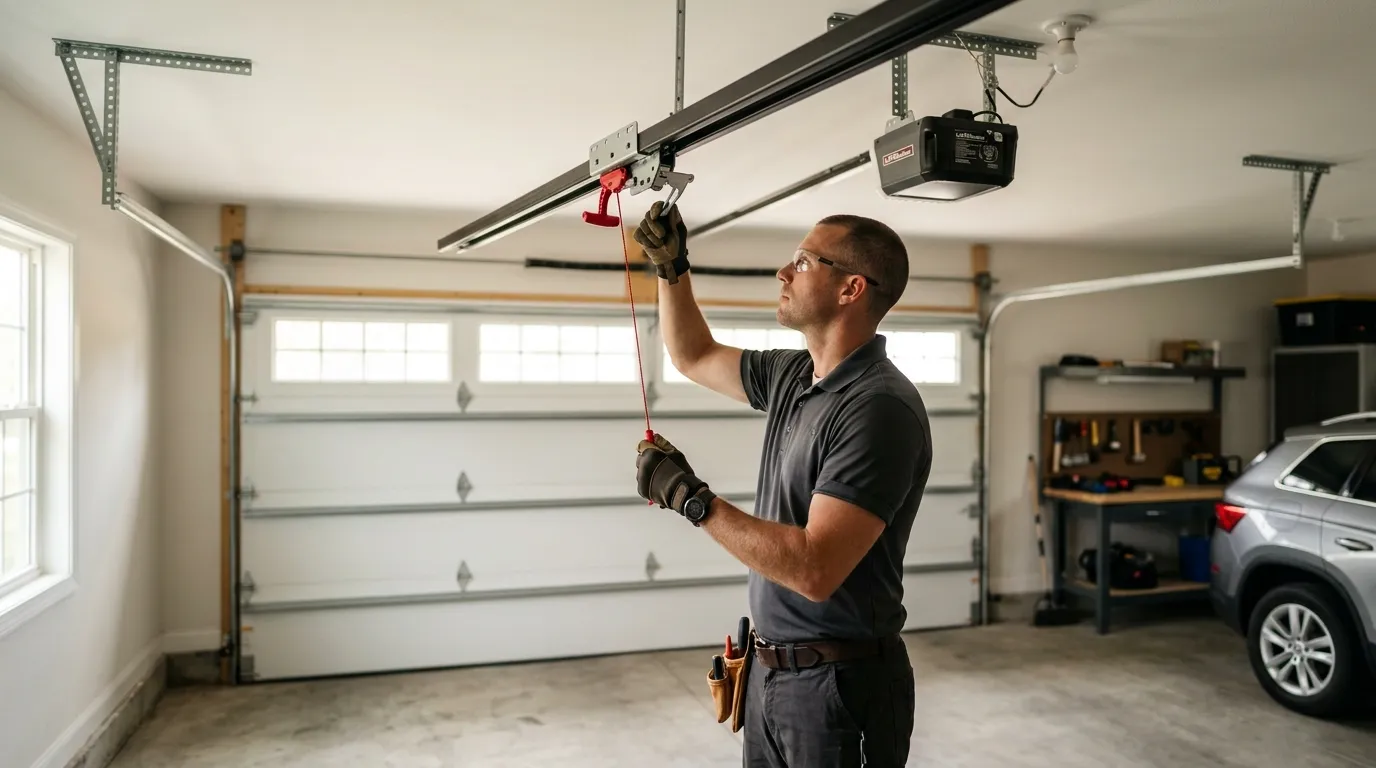
We won't tell you a repair will outlast a door that's genuinely done - sometimes the honest call is replacement, especially on a door old enough that parts are hard to source. Where a spring or opener swap makes sense, that's most of what we do out here: springs, cables, rollers, and openers, sized to what's already on the house rather than a generic fit.