The Doors Around Here
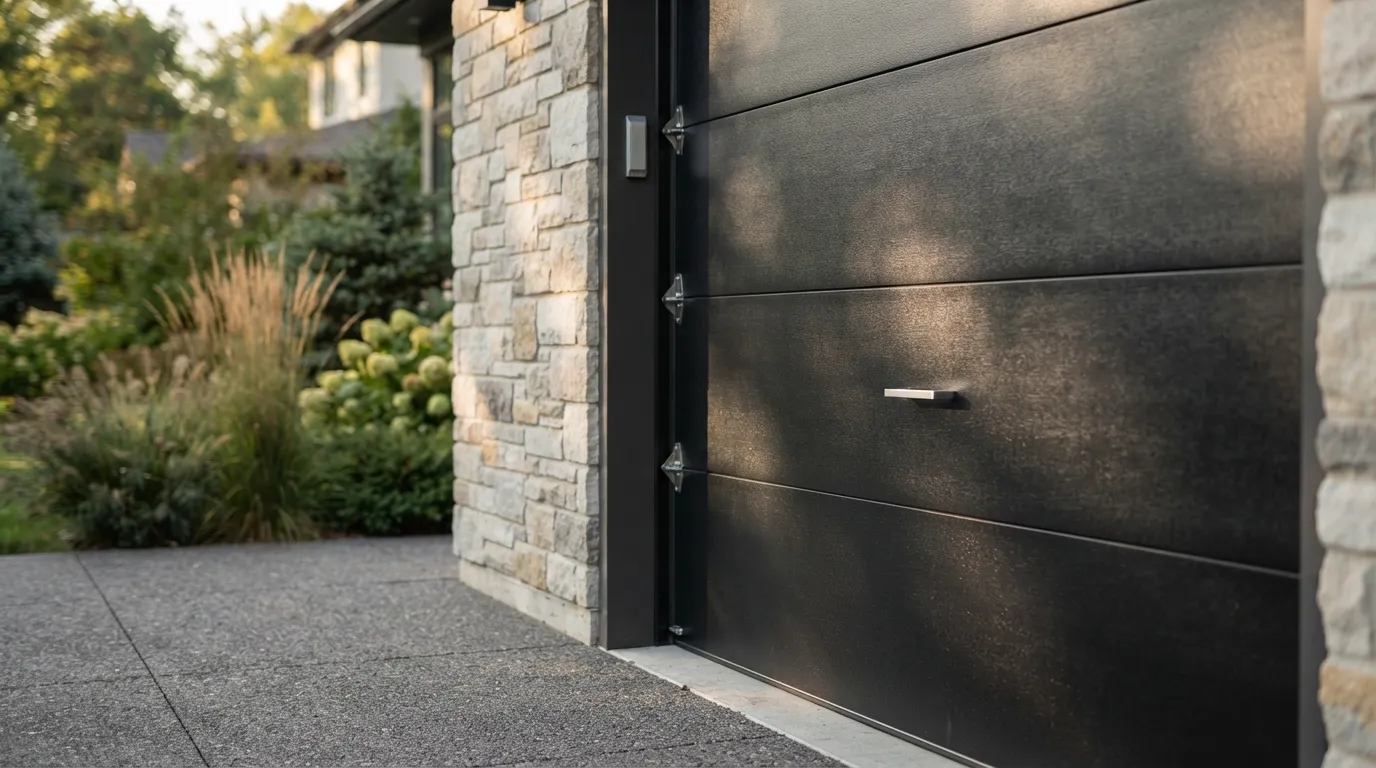
The service area's housing stock runs from 1947 to 2006, with a median build year of 1981, and Fitzsimons falls right in that stretch. Most of the houses in this pocket went up in the 1980s and 90s, the same wave that built out 30 other named areas nearby. That era means steel doors on torsion springs, mostly single-car and double-car sectional setups with the opener mounted on the ceiling rail rather than jackshaft or wall-mount hardware you'd see on newer builds. Panels from that period are usually 24-gauge steel, sometimes with a thin foam layer that's degraded by now if it was ever there at all. Winters here fall into the severe end of the cold climate band, which matters for anything with exposed hardware - springs, rollers, and cable drums that sit outside a heated space cycle through more temperature swings than the door itself, and that shortens their working life. We don't see much pre-war construction in this pocket, and we don't see much built after the early 2000s either. It's a narrow, consistent band, which makes the failure patterns pretty predictable once you've seen a few.
Typical Work
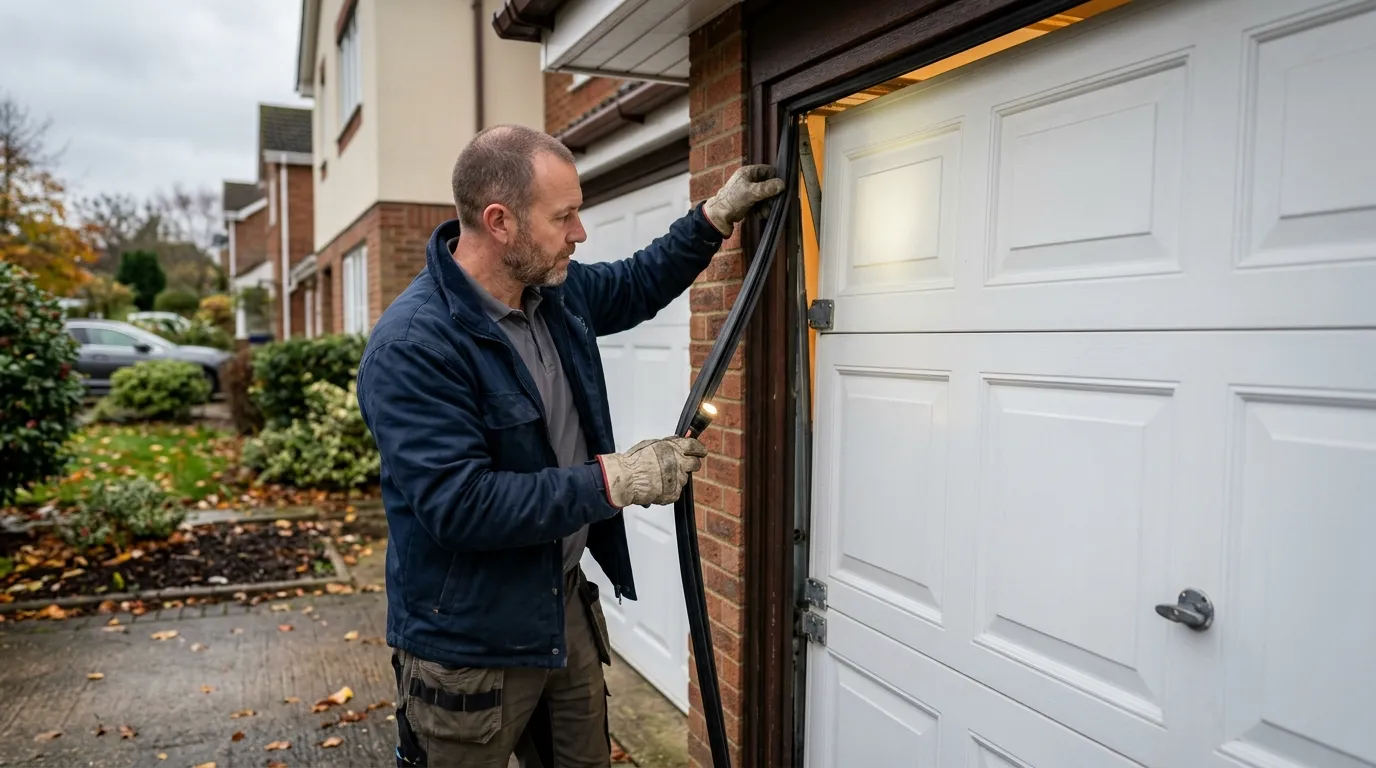
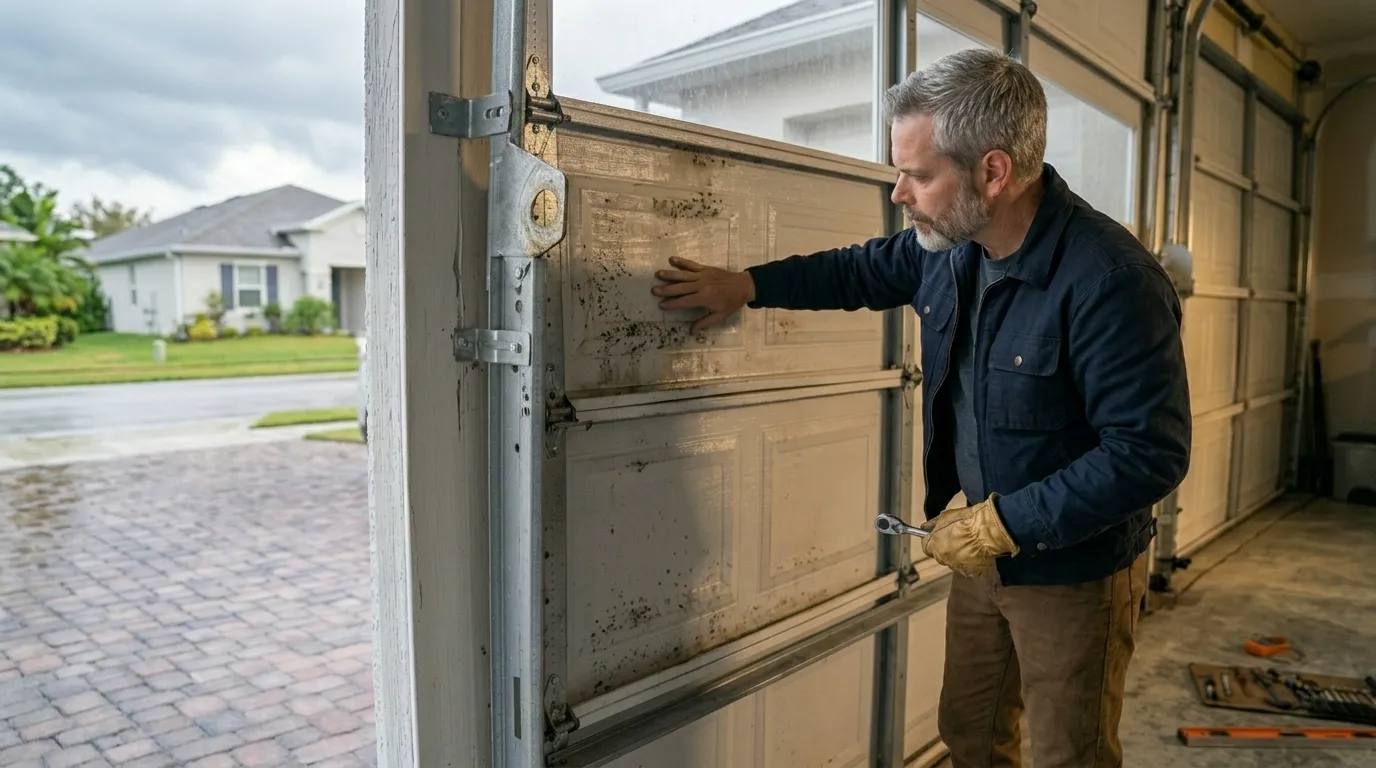
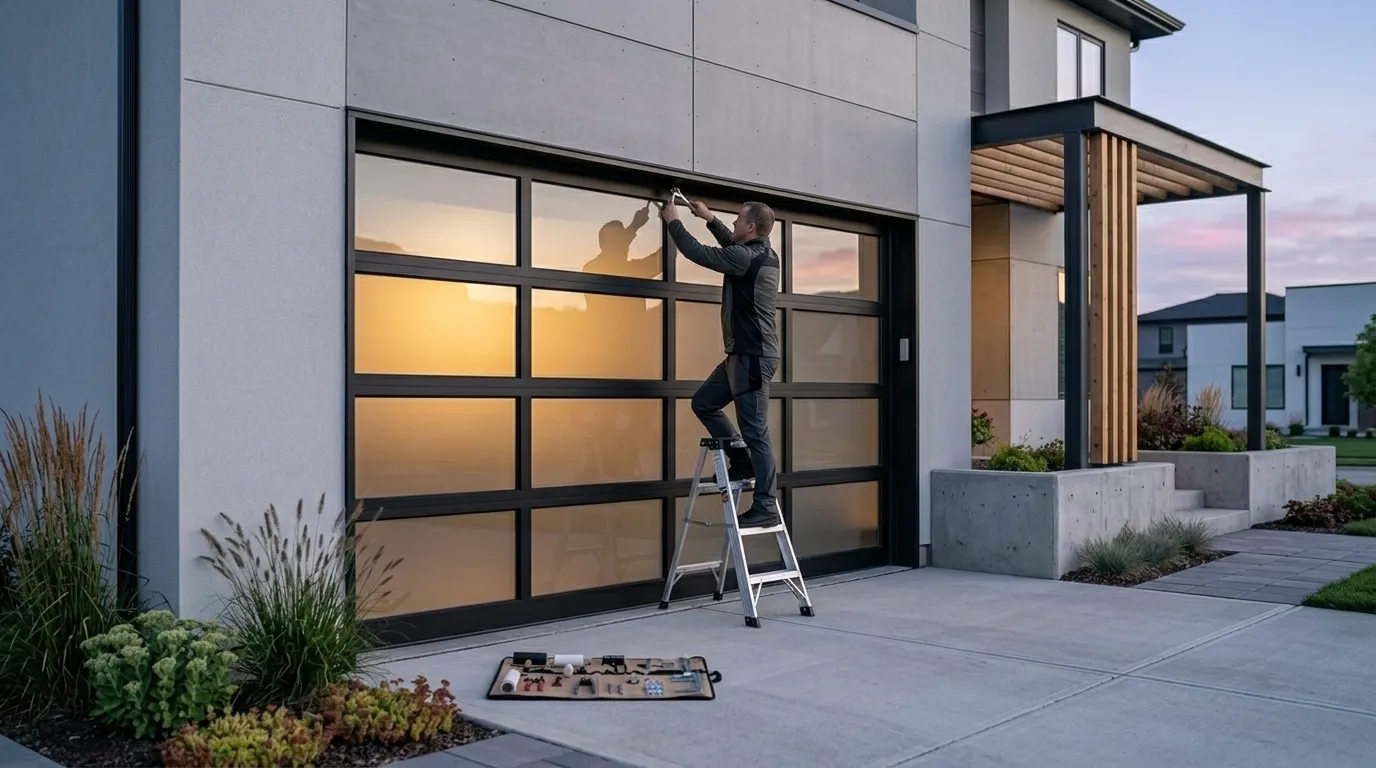
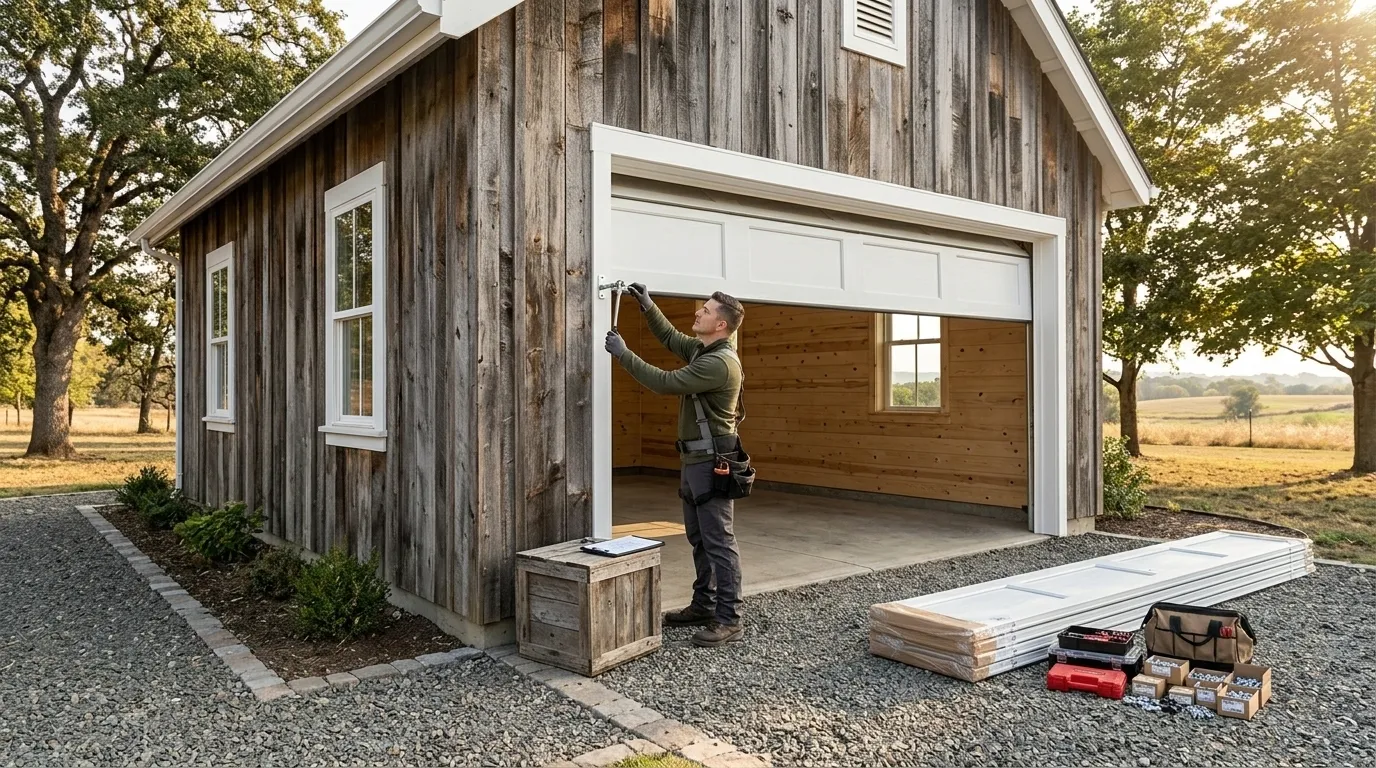
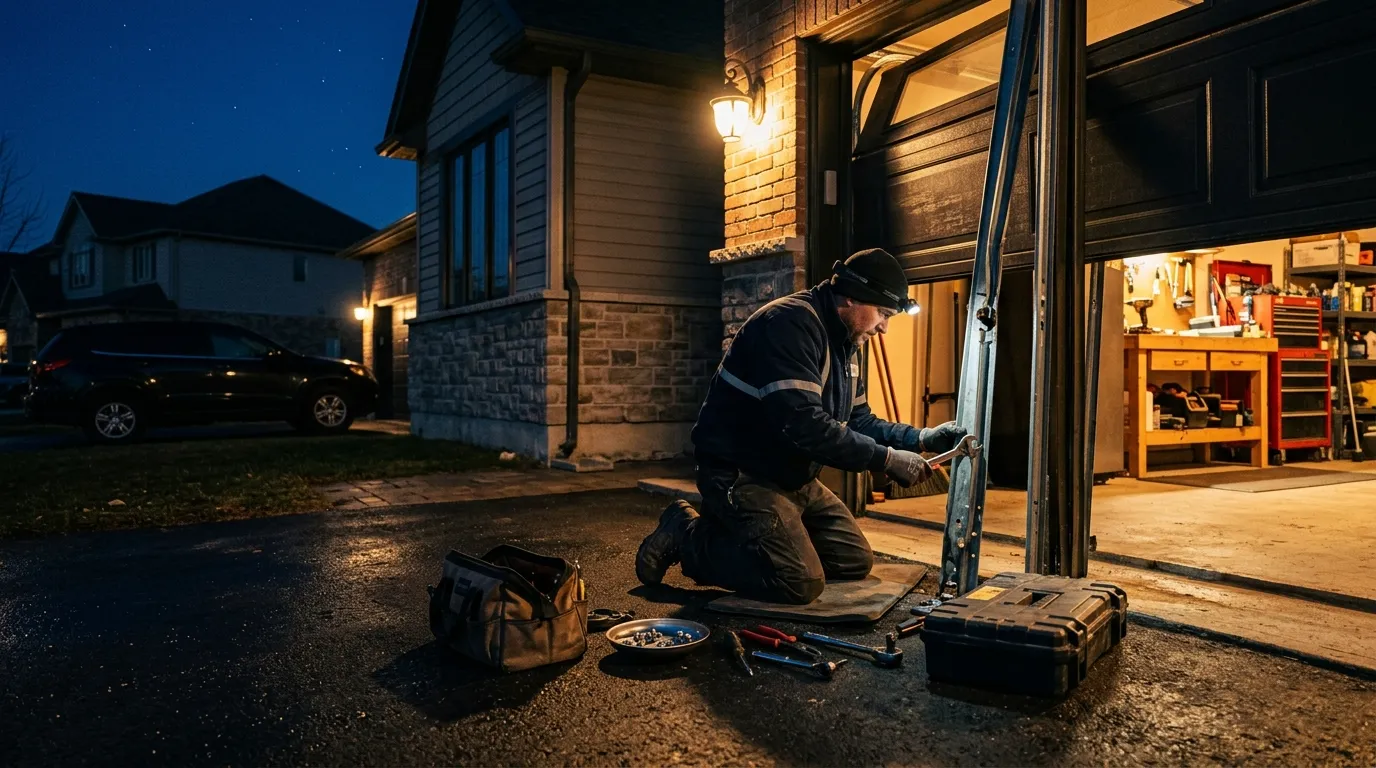
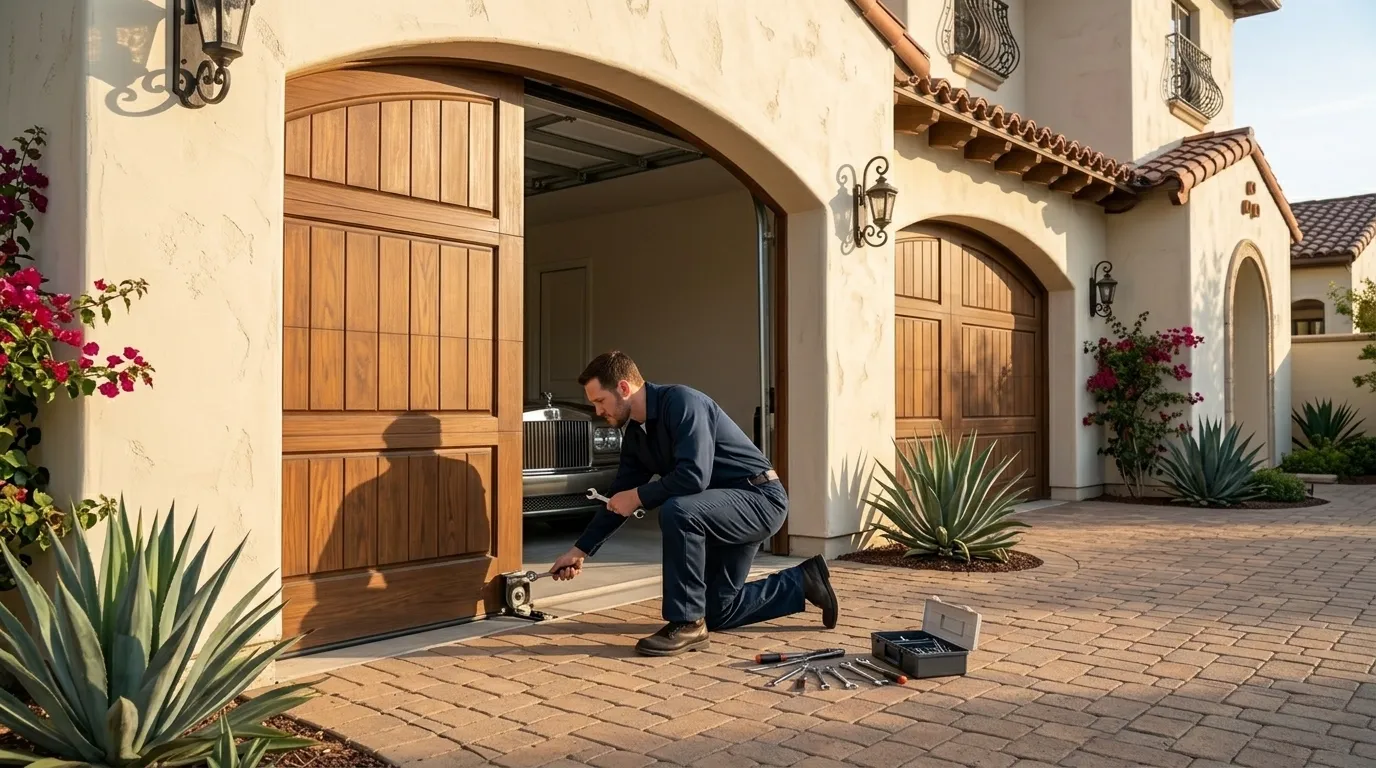
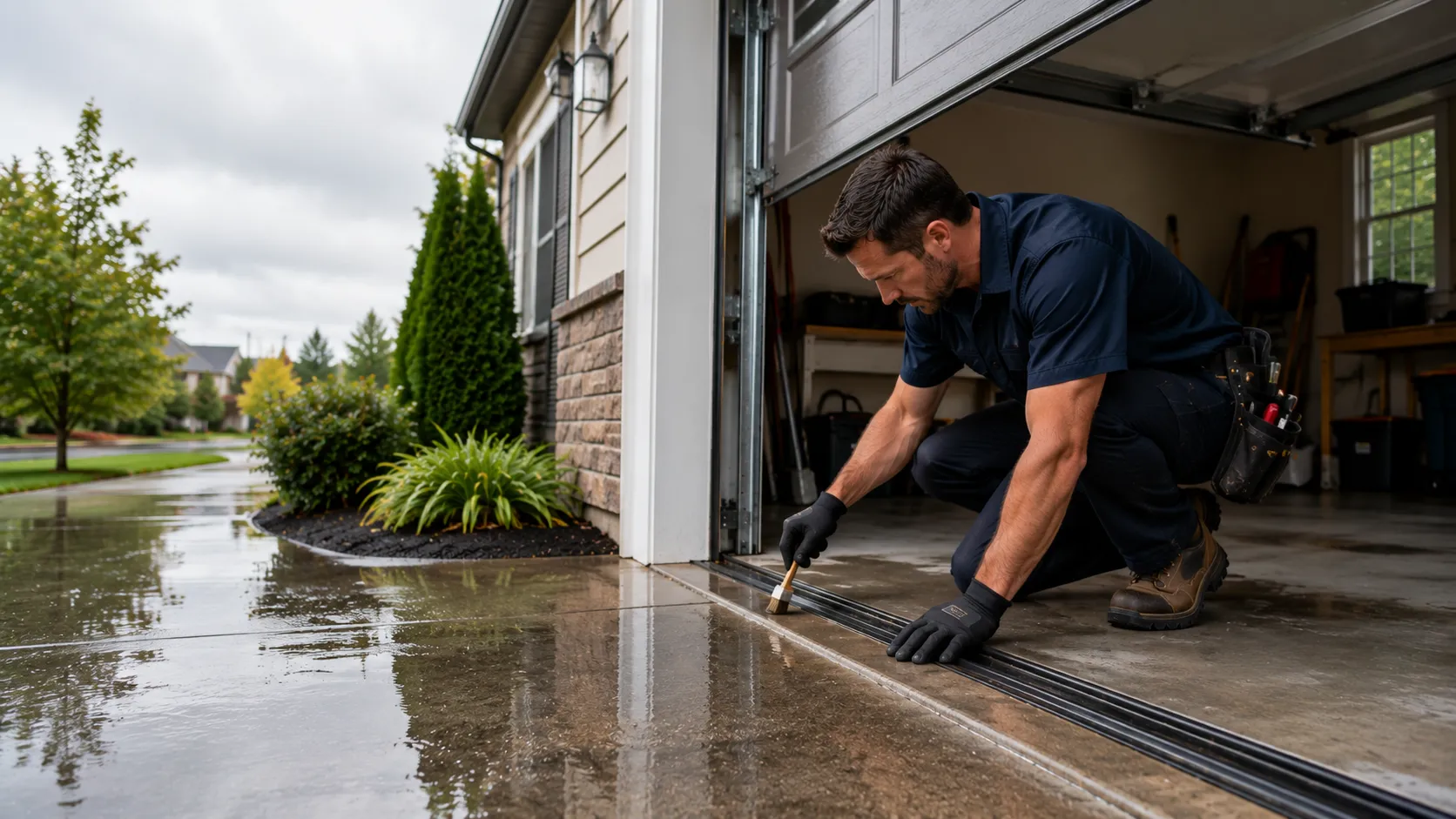
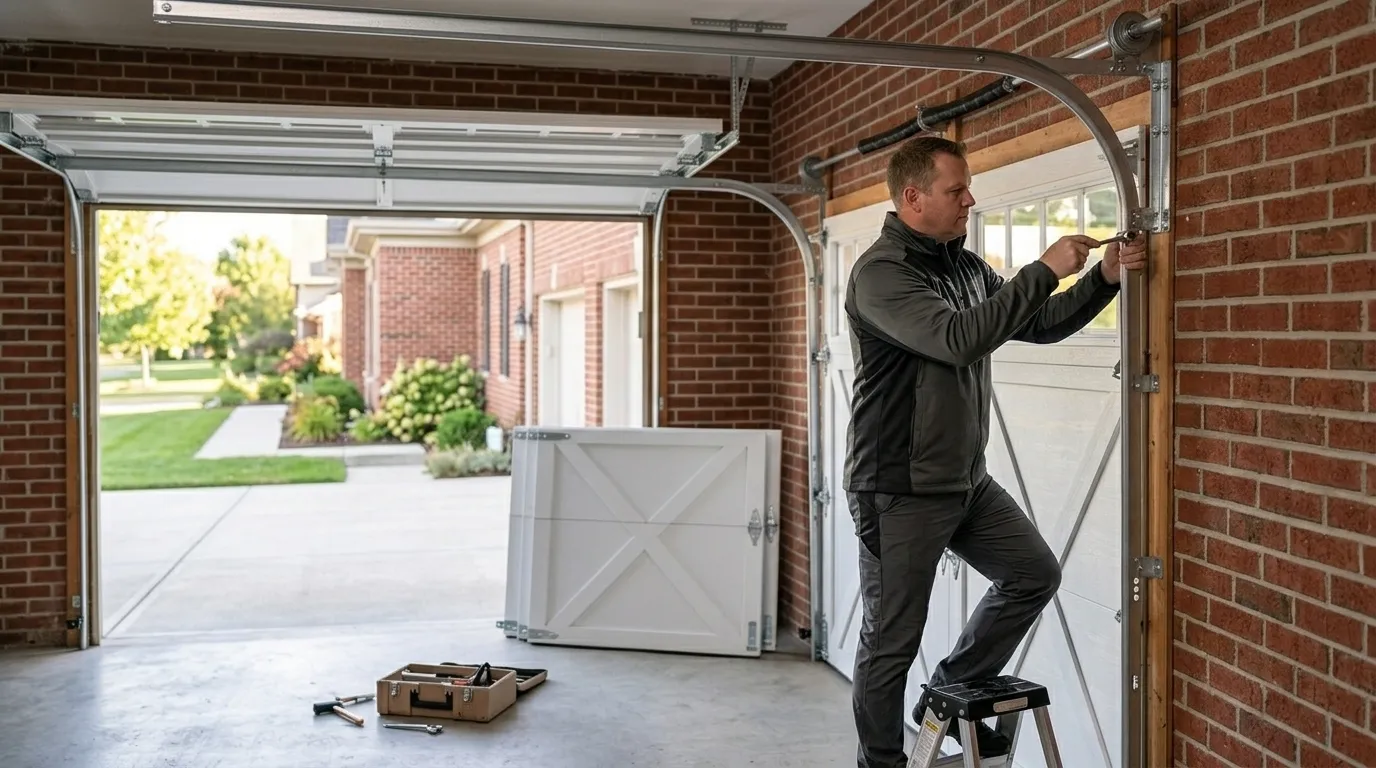
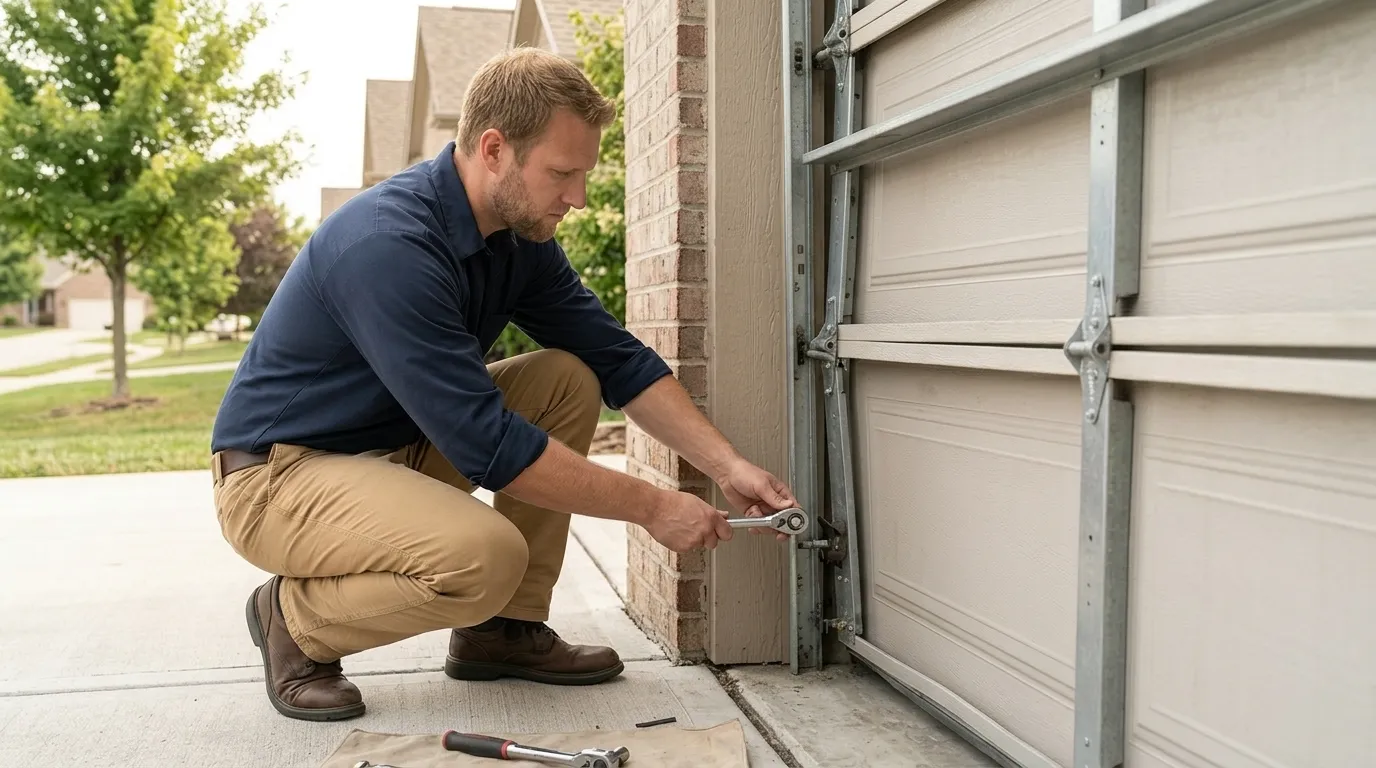
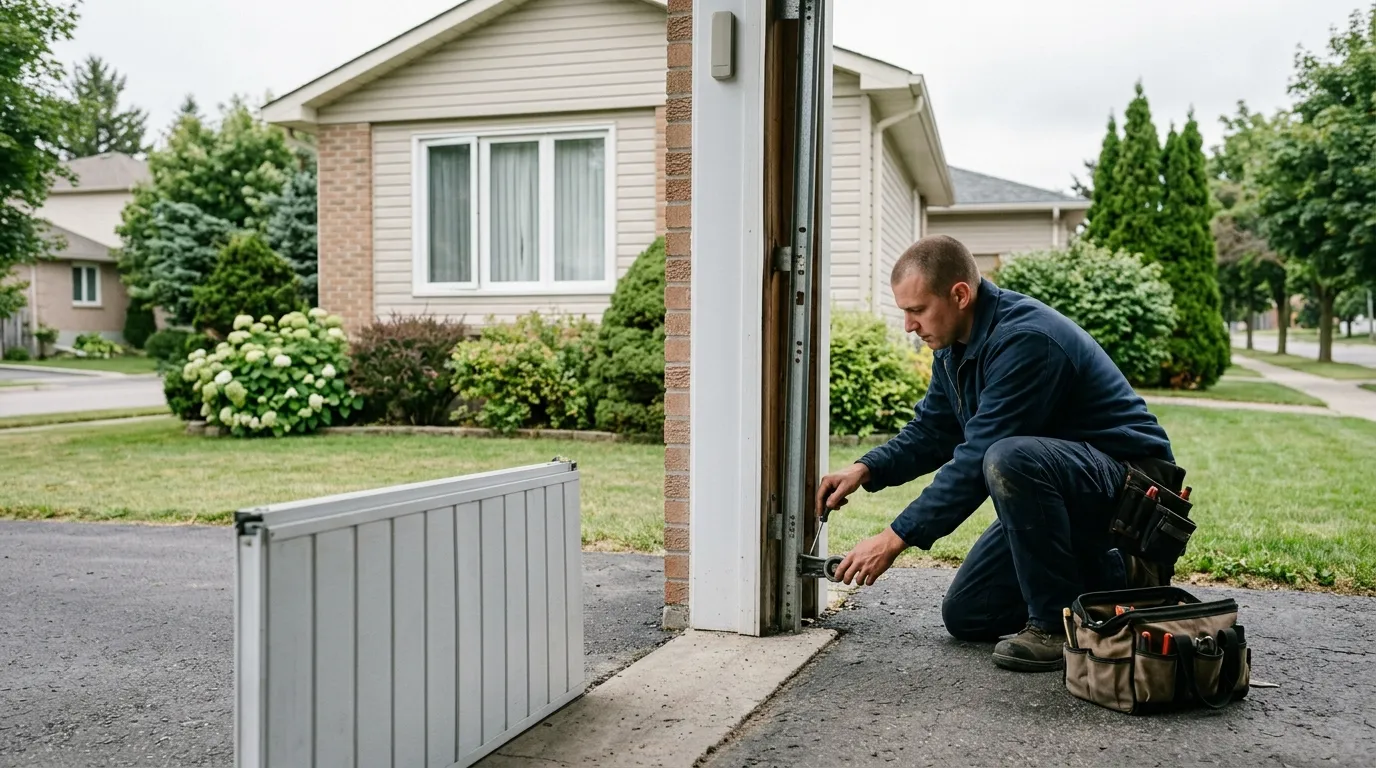
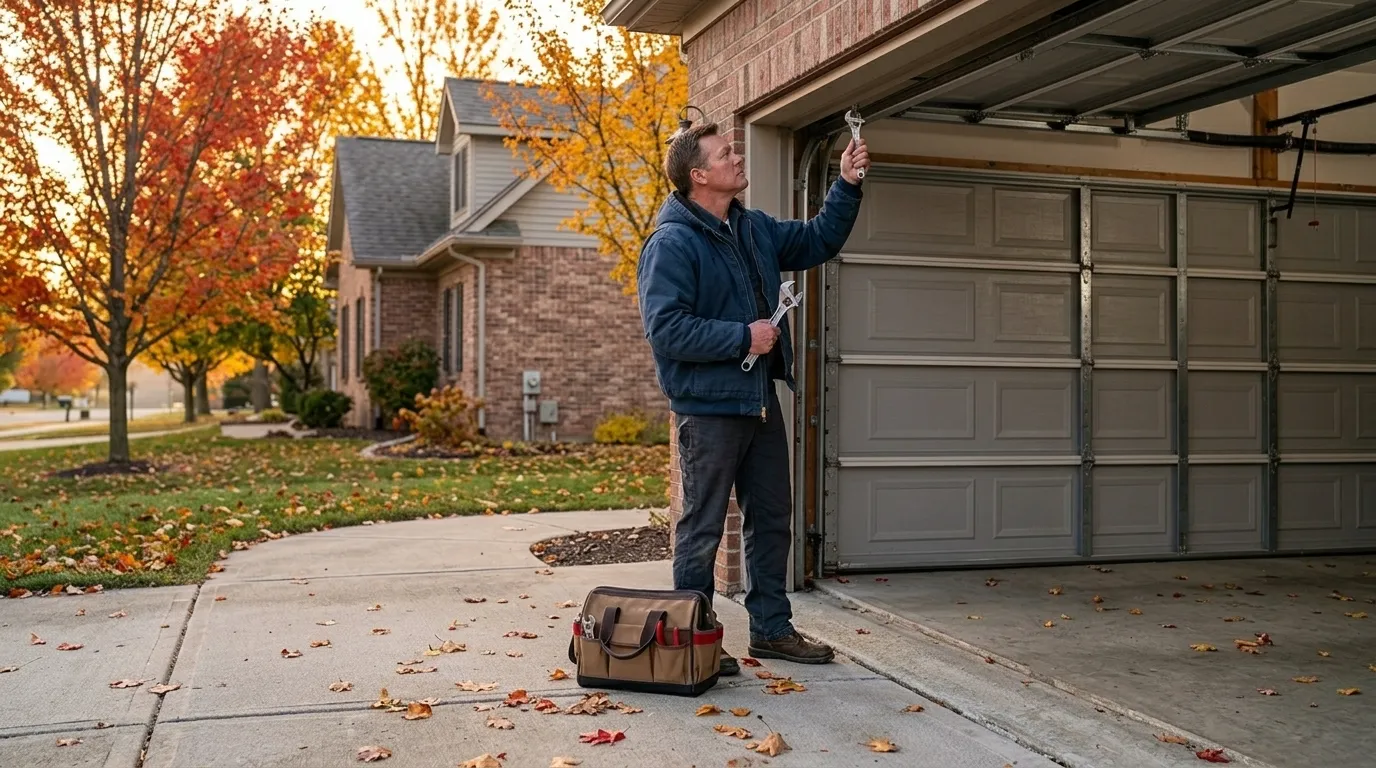
On houses from this build window, the calls we get are torsion spring replacement, worn roller and cable swaps, and opener repairs where the original unit has finally quit after decades of cold starts. Steel doors from the 80s and 90s hold up fine structurally, but the weatherstripping and bottom seals are usually shot by now, and that's an easy, cheap fix that a lot of owners skip until a repair visit for something else flags it. One honest limit: if a panel is dented or rusted through on one of these older sectional doors, we often can't match it exactly - manufacturers have changed panel profiles enough over the decades that a full door replacement ends up being the straighter path rather than hunting down a matching single panel. We'd rather tell you that up front than have you wait on a special order that may not come.