The Doors Around Here
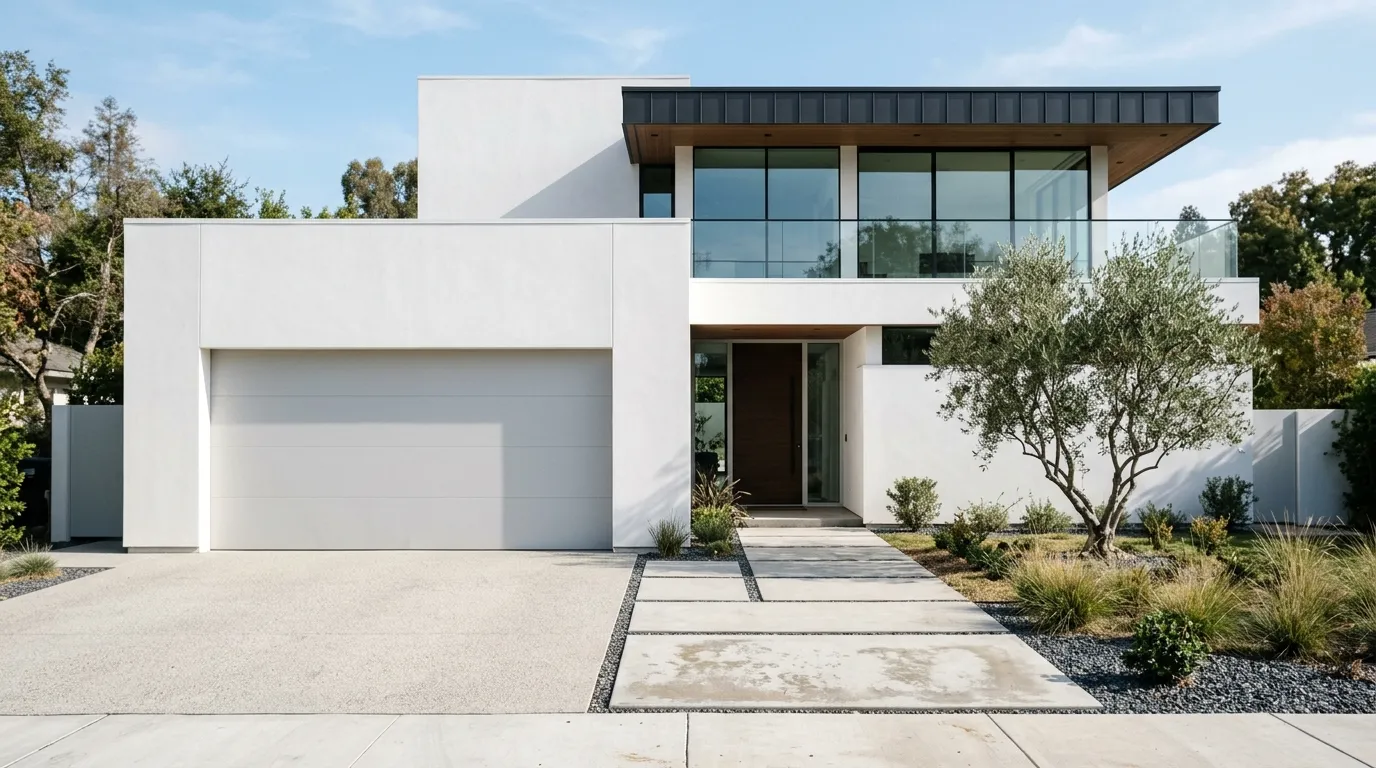
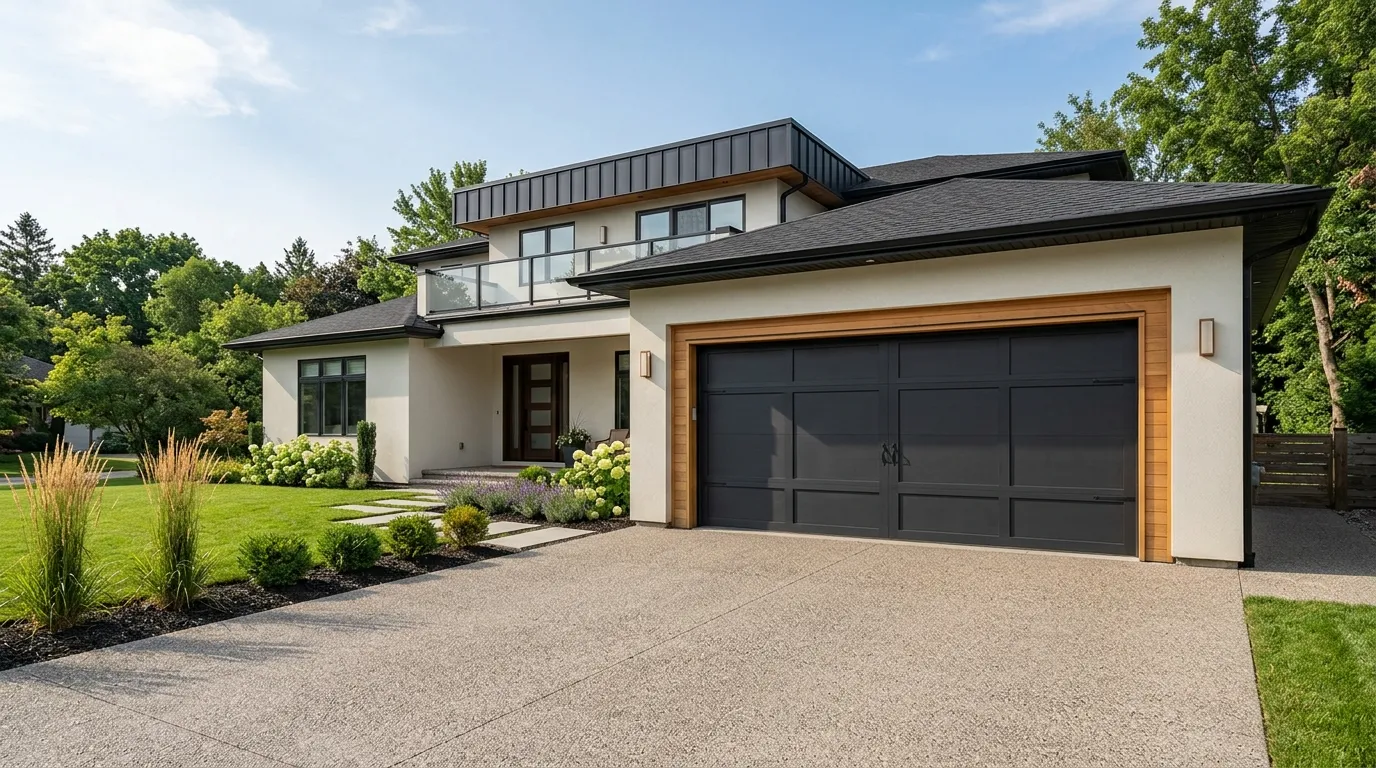
Across the service area, housing was built between 1947 and 2006, with the median year landing at 1981, and most of the stock clusters in the 1980s and 90s. That range covers a lot of door generations: steel sectional doors that replaced the original one-piece slabs, torsion springs sized for lighter panel counts than what's sold today, and openers from at least two or three technology cycles ago. A door installed anywhere near that 1981 median is old enough that its spring is well past a reasonable service life, even if it's never snapped.
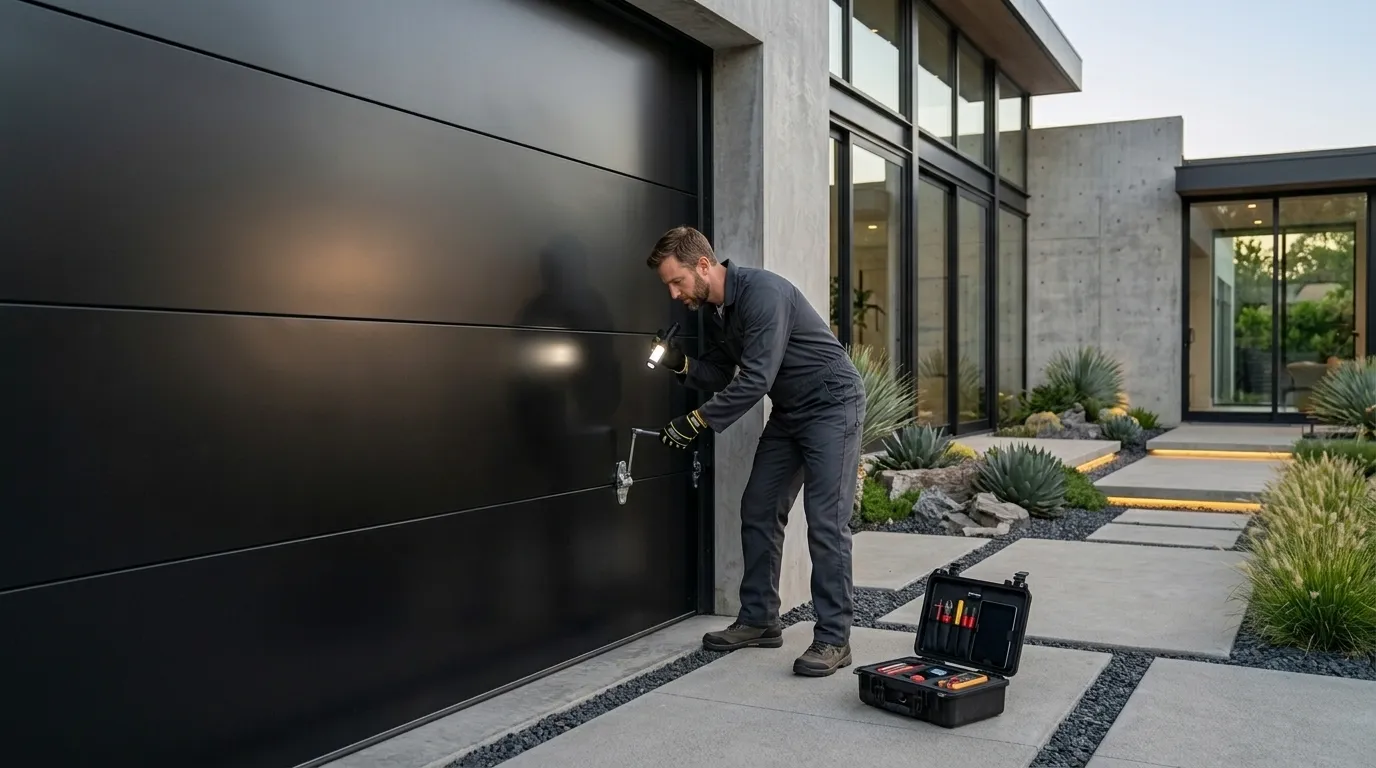
The cold is the other constant. This is a severe cold climate band, and steel contracts in winter the same way anywhere it's installed - rollers bind, weatherstripping cracks, and openers that were already struggling with a slightly bent track start skipping the limit switch when the grease inside stiffens up. We don't have a Central Park-specific weather record, only the regional band, but it applies to every door in the area, not just the ones on the newest streets. Median household income here runs $101,450, which we mention only because it tracks with what we see on service calls: owners who replace a spring assembly instead of patching it, and who ask for a full opener swap rather than a rewired limit switch.
Typical Work
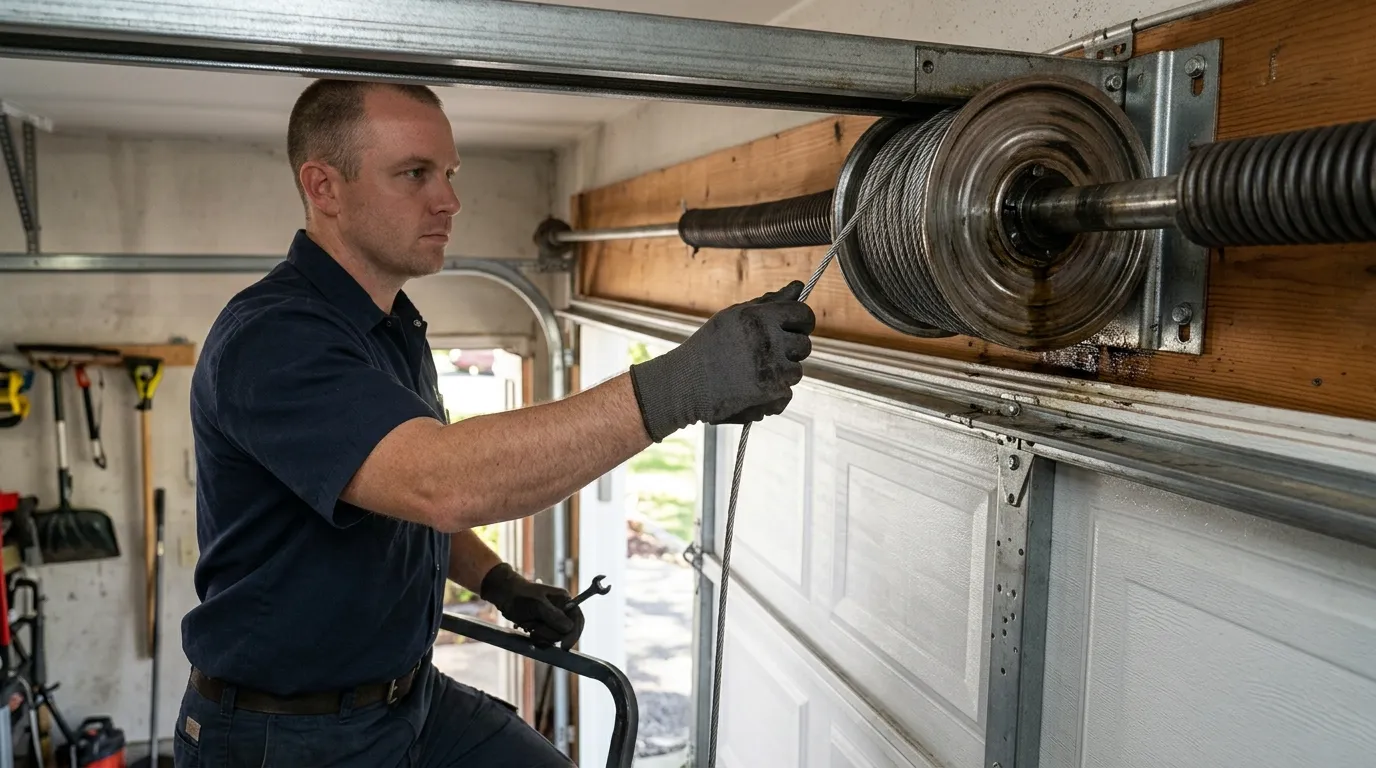
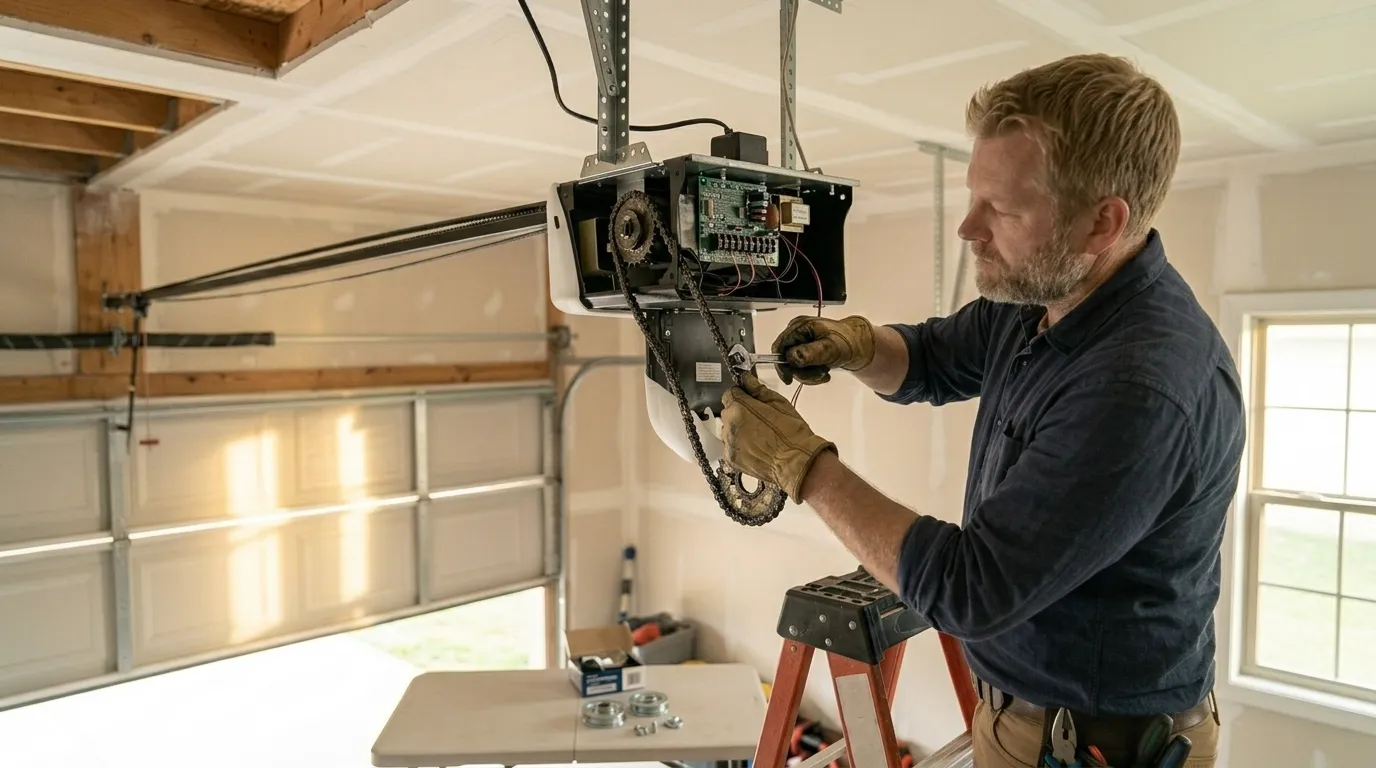
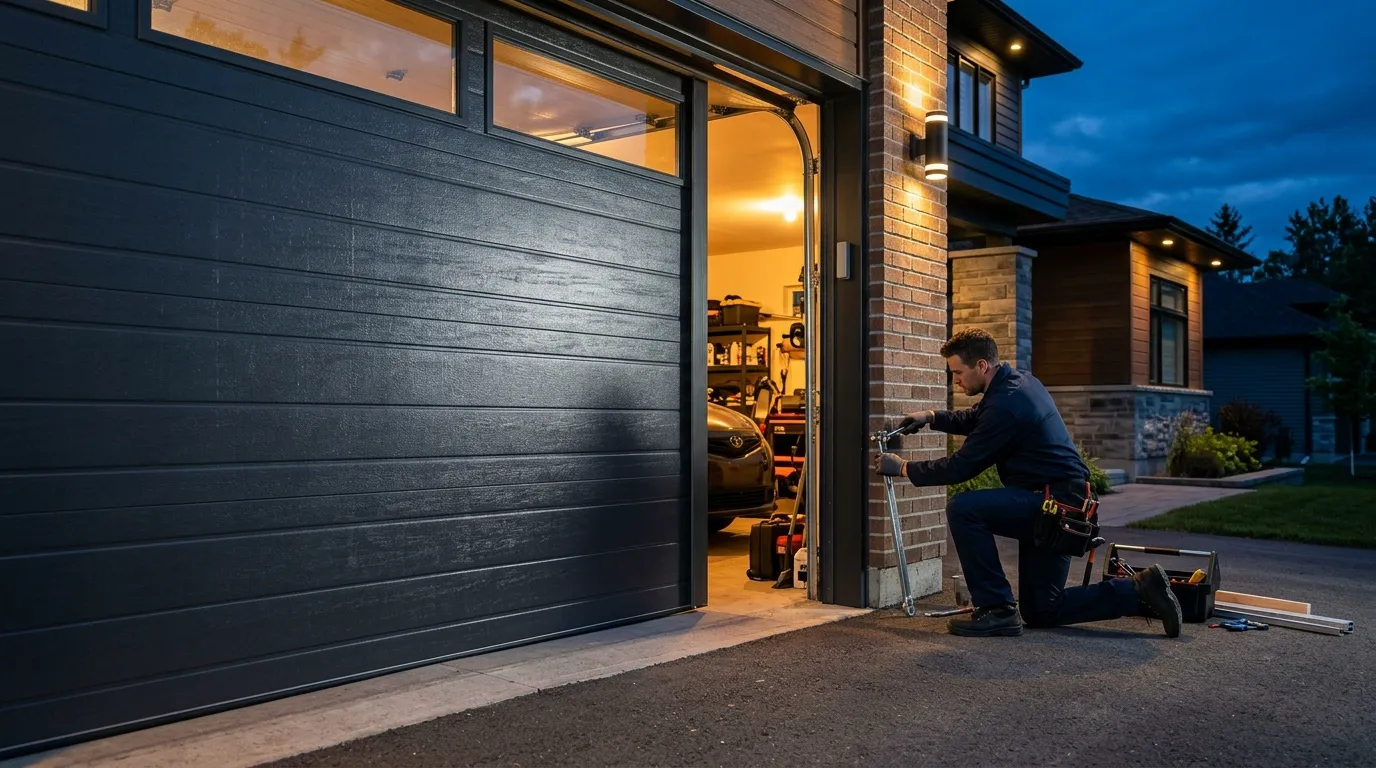
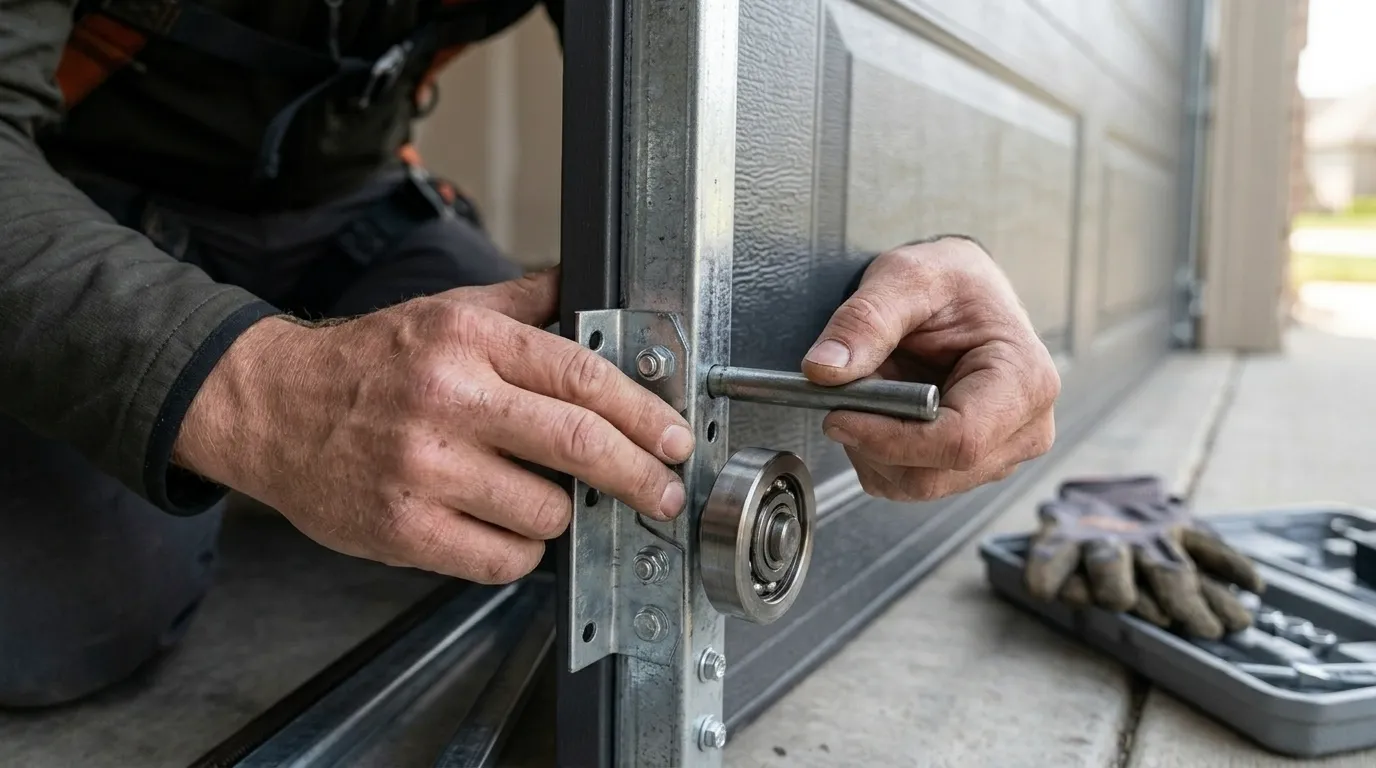
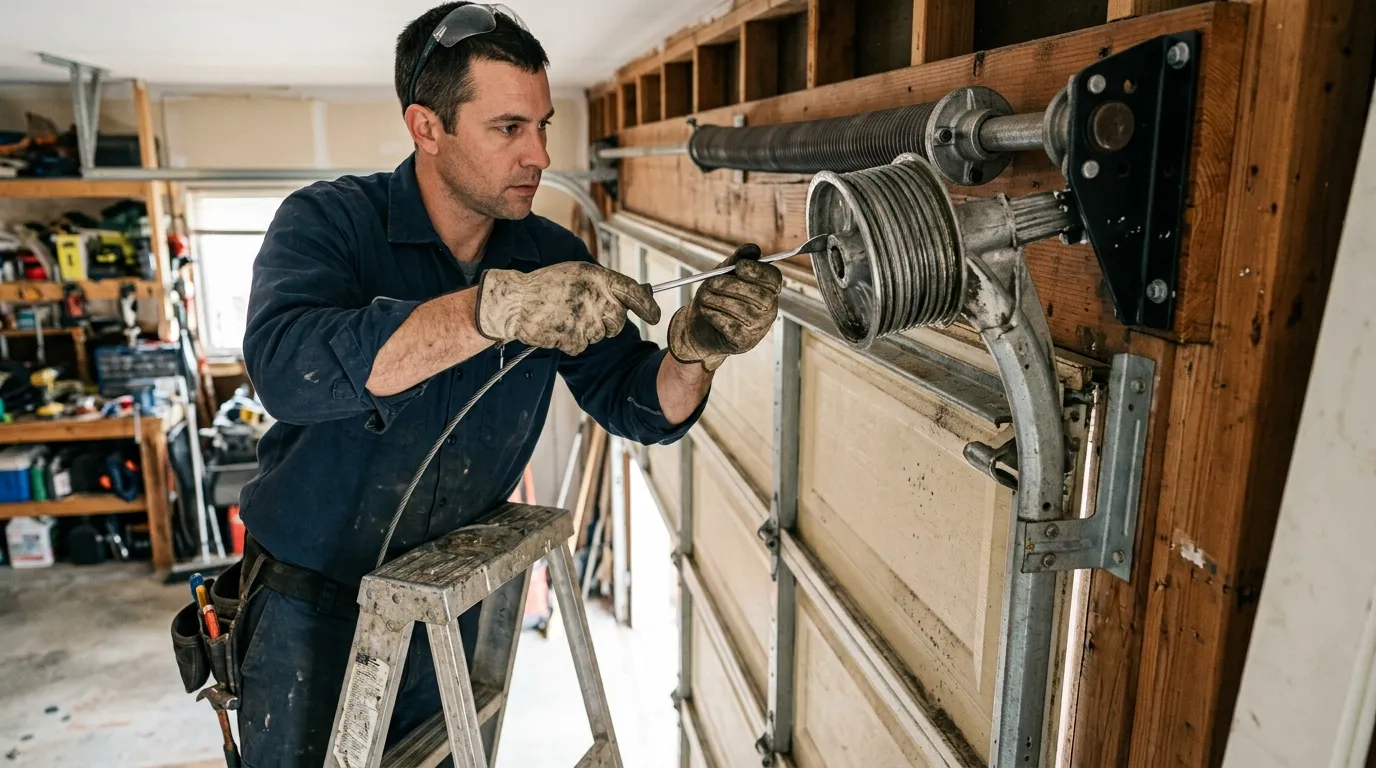
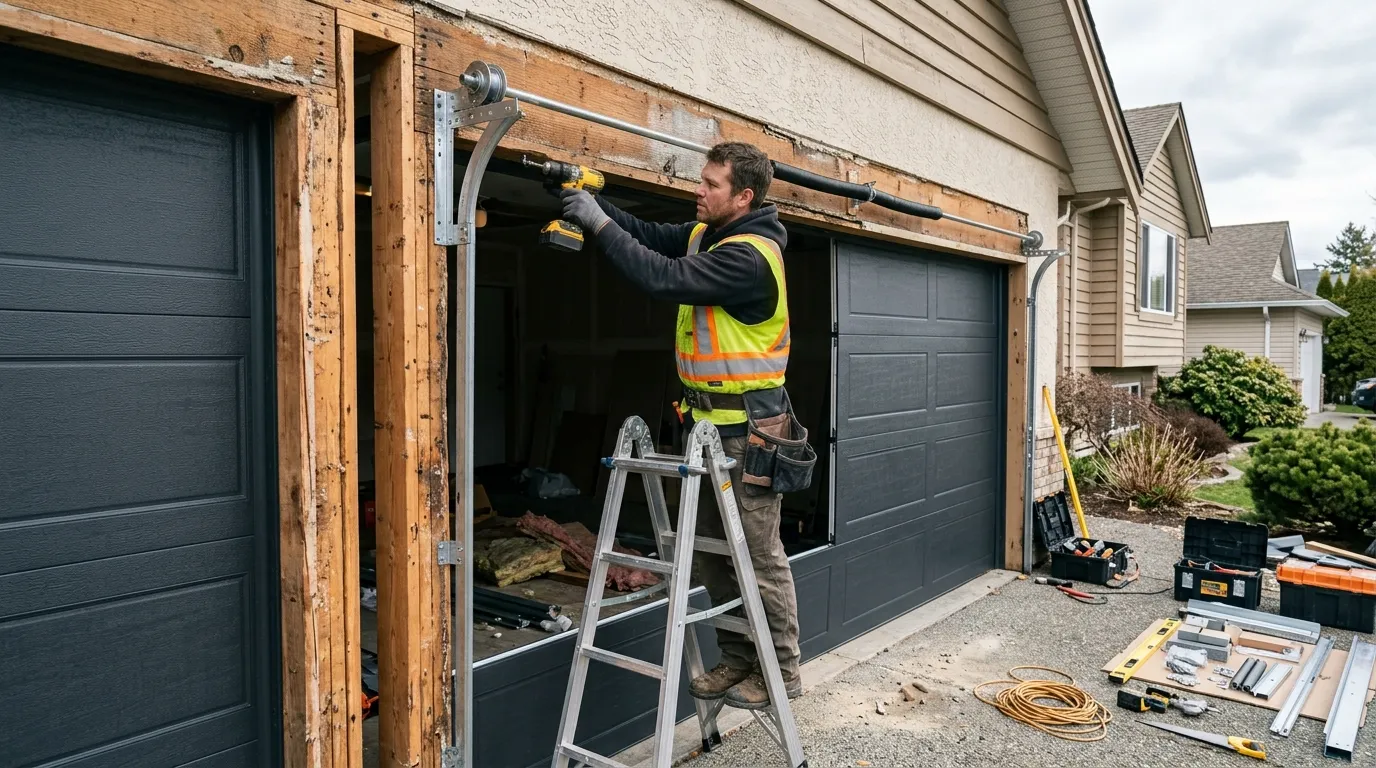
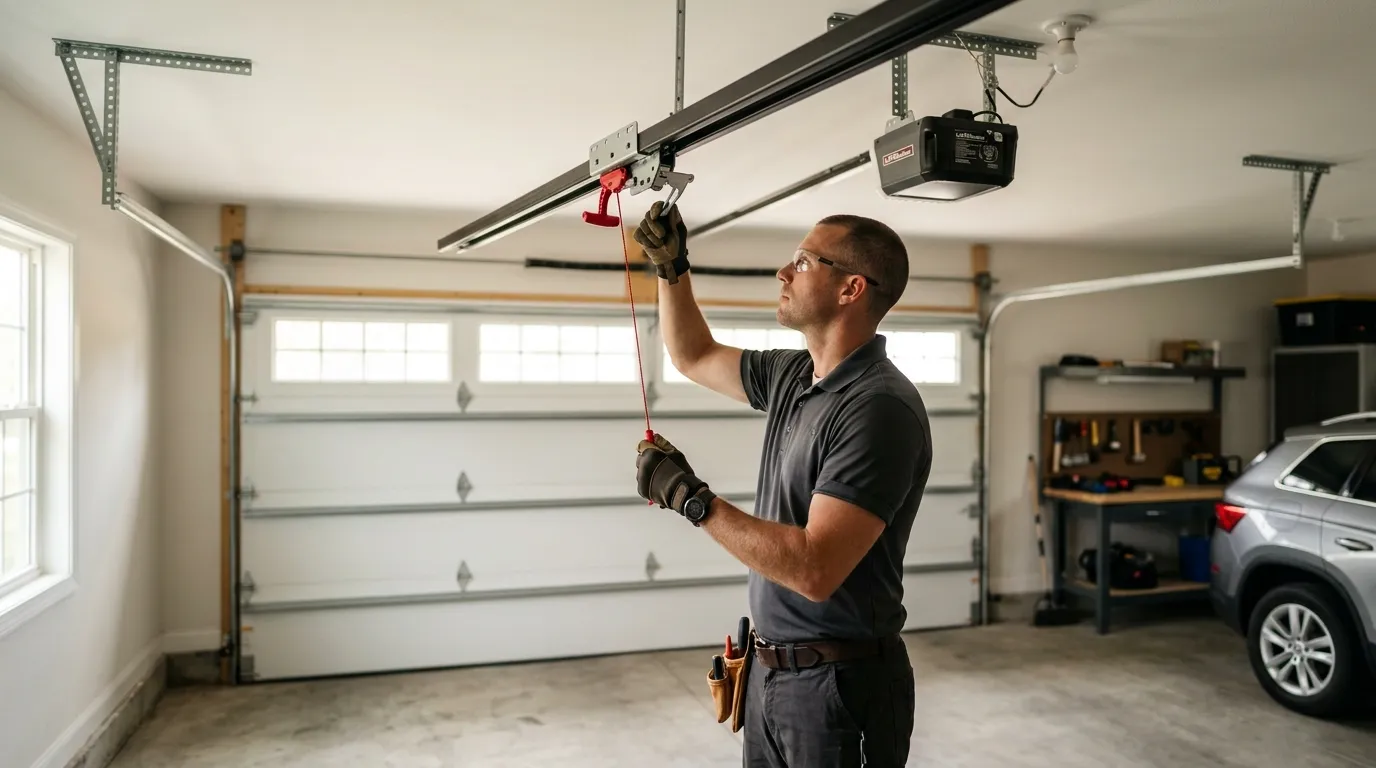
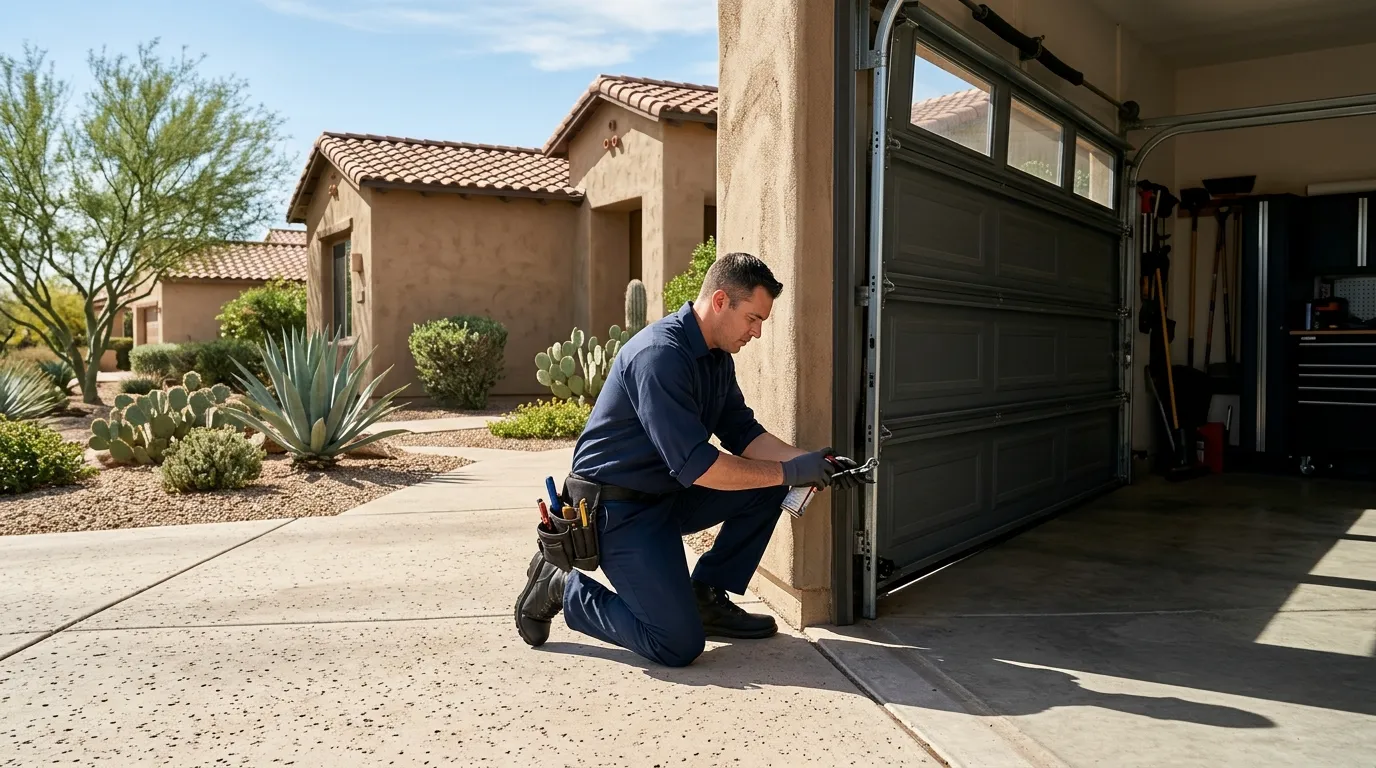
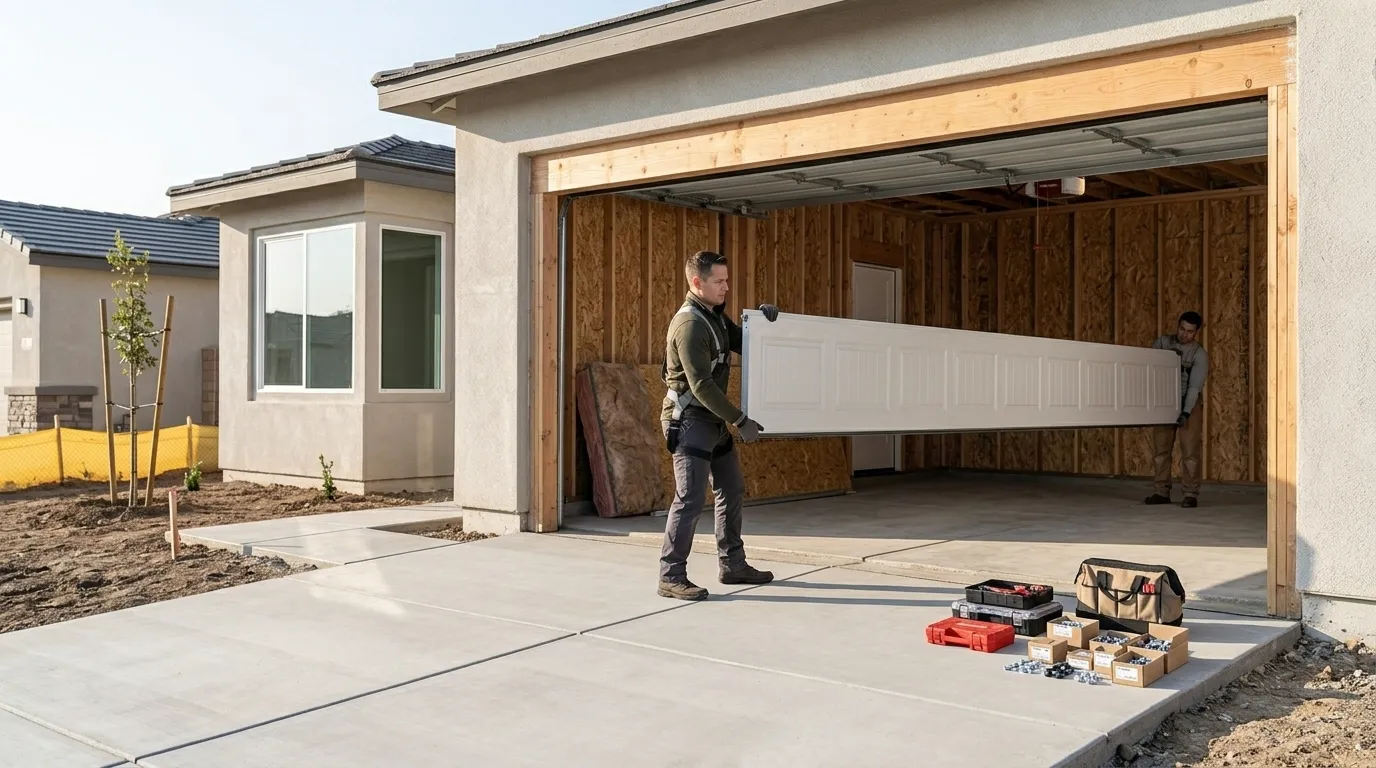
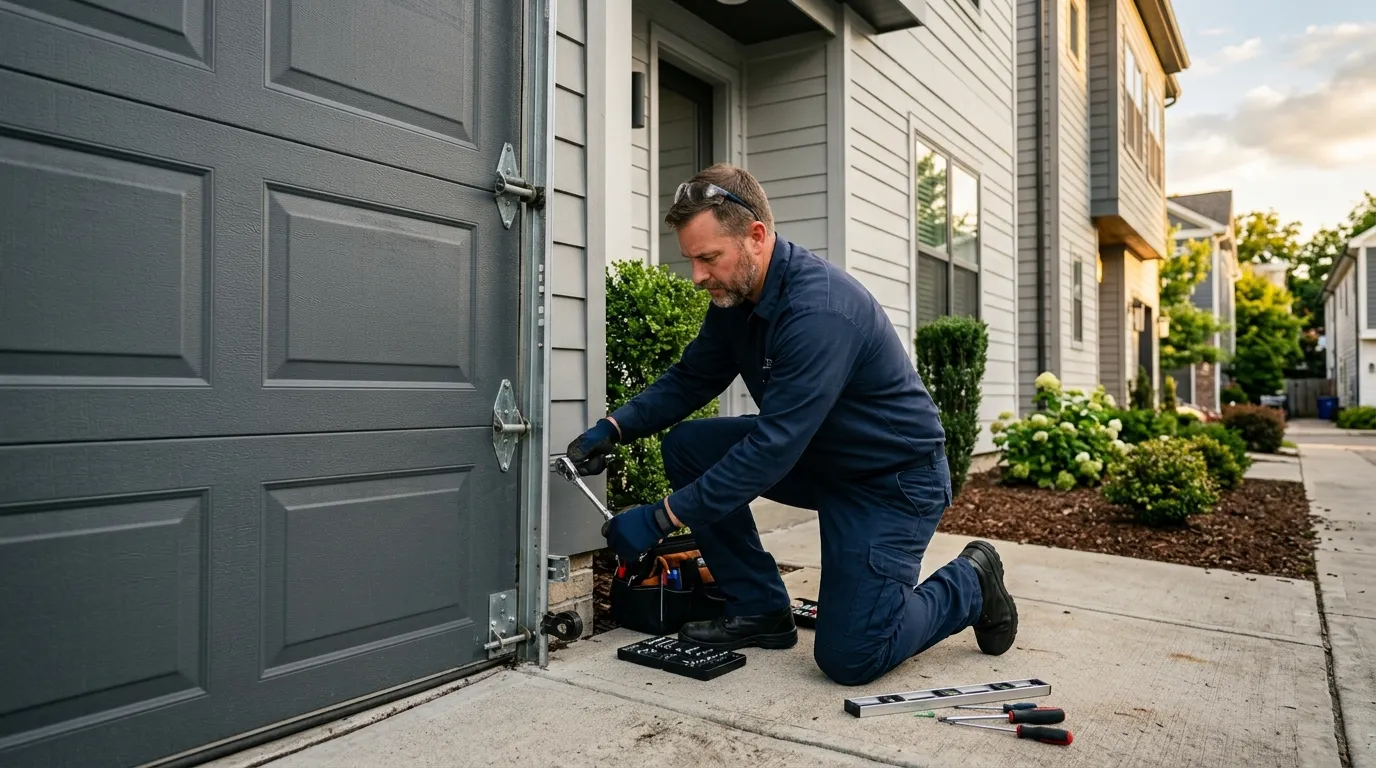
Given a housing stock centered on 1981 with a spread out to 2006, the calls we run in and around Central Park split fairly evenly between three jobs: torsion spring replacement on doors that have never been serviced, opener swaps where the old chain-drive unit still works but the logic board is failing intermittently, and track or roller adjustments after a winter where the cold made an existing misalignment worse. We don't do gate operators or commercial rolling doors - if that's what you need, we'll tell you that up front rather than take the job and figure it out on site.
One honest limitation: on the oldest end of that 1947-2006 range, some doors use hardware sizes and spring wind configurations that aren't stocked on the truck, and a repair can turn into a next-day job while we source the part. We'd rather say that now than have you wait on us mid-repair. For most of the 96,547 owner-occupied houses across the service area, though, the parts are common enough that we carry them standard.