The Doors Around Here
Across the 31 named areas we track, the housing stock runs from 1947 to 2006, with a median build year of 1981, and most of it clusters in the 1980s and 90s. That's the range that shapes the calls we get: openers from that era are past their design life, torsion springs sized for older, heavier door panels, and tracks that have seen forty-plus years of freeze-thaw cycling. We don't have a housing-age figure specific to Downtown's blocks, so we're not claiming one - but if a home here falls in that same window, the same wear pattern applies.
The climate band here is classified cold and severe, which matters more for garage doors than people expect. Steel panels contract in deep cold, torsion springs lose tension differently than they do in a mild climate, and openers with worn gears tend to fail in the first real cold snap rather than gradually. If your door has started binding or the opener strains only when it's cold out, that's consistent with what this climate does to older hardware, not a fluke.
Typical Work
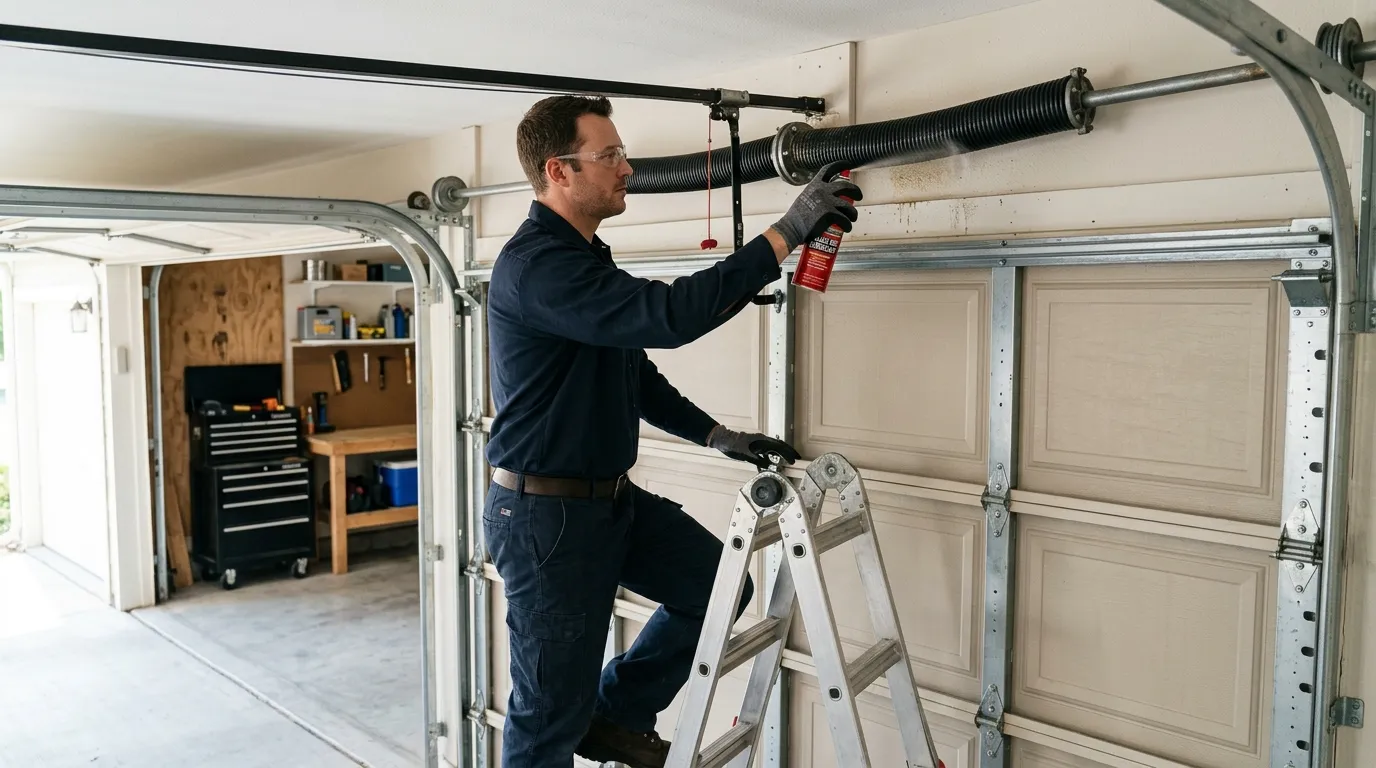
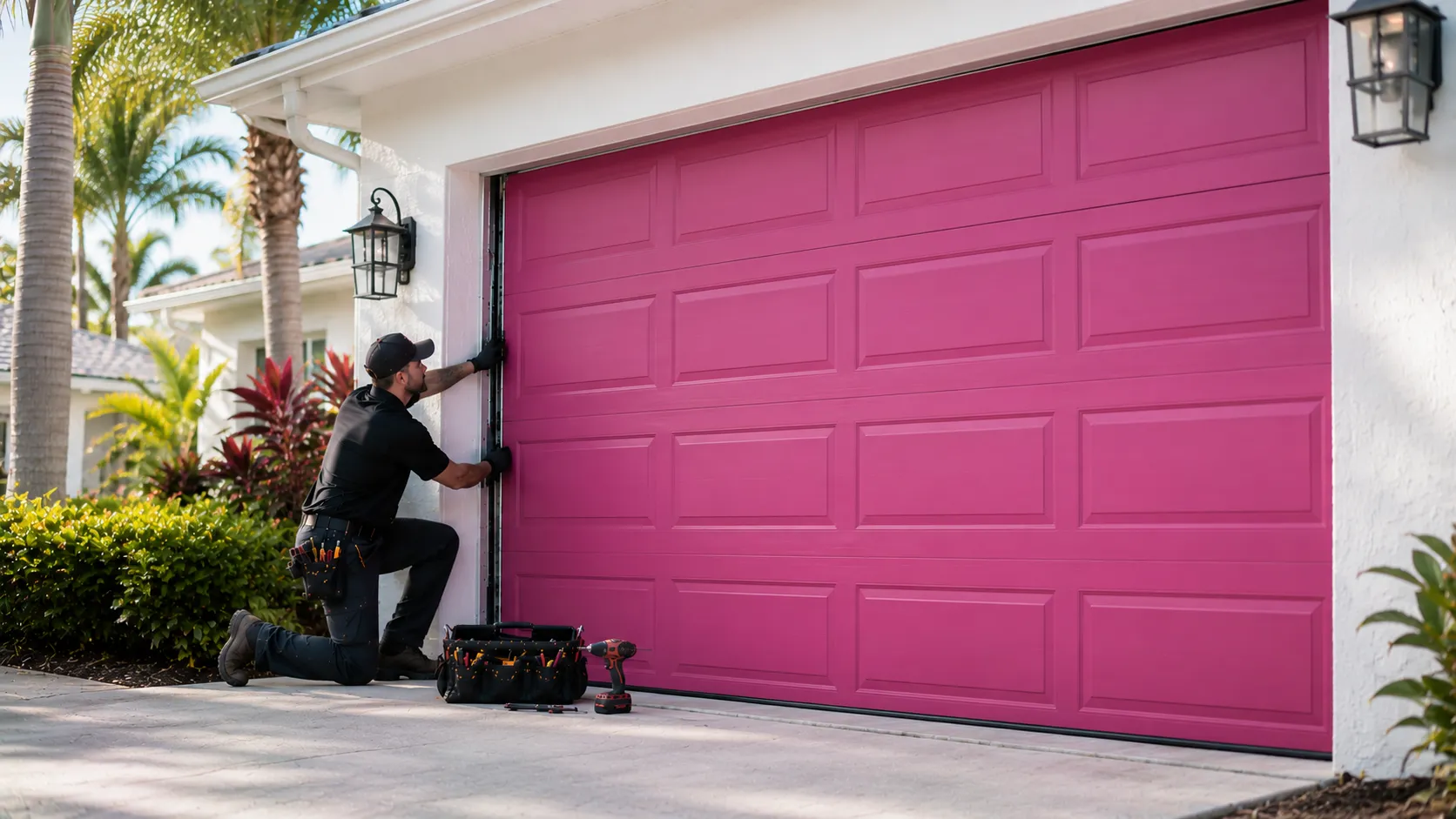
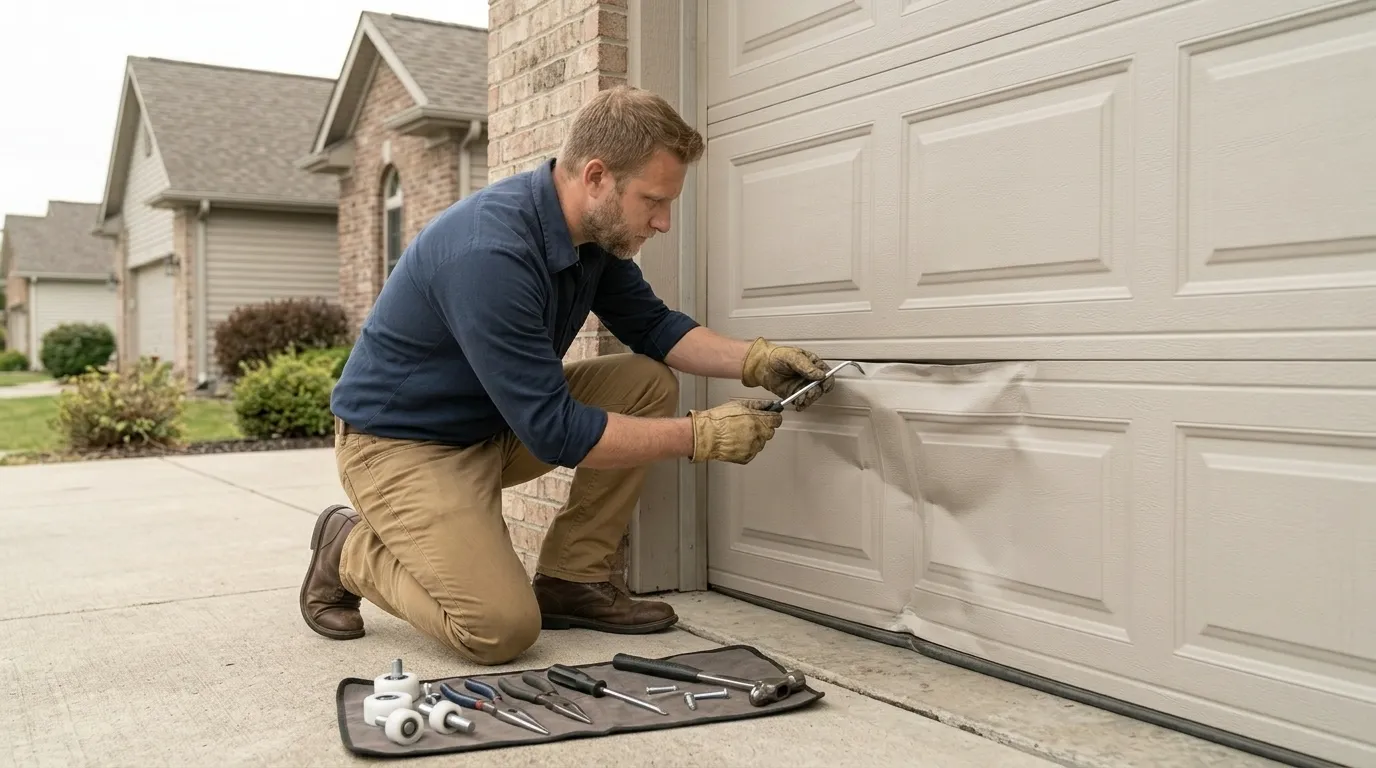
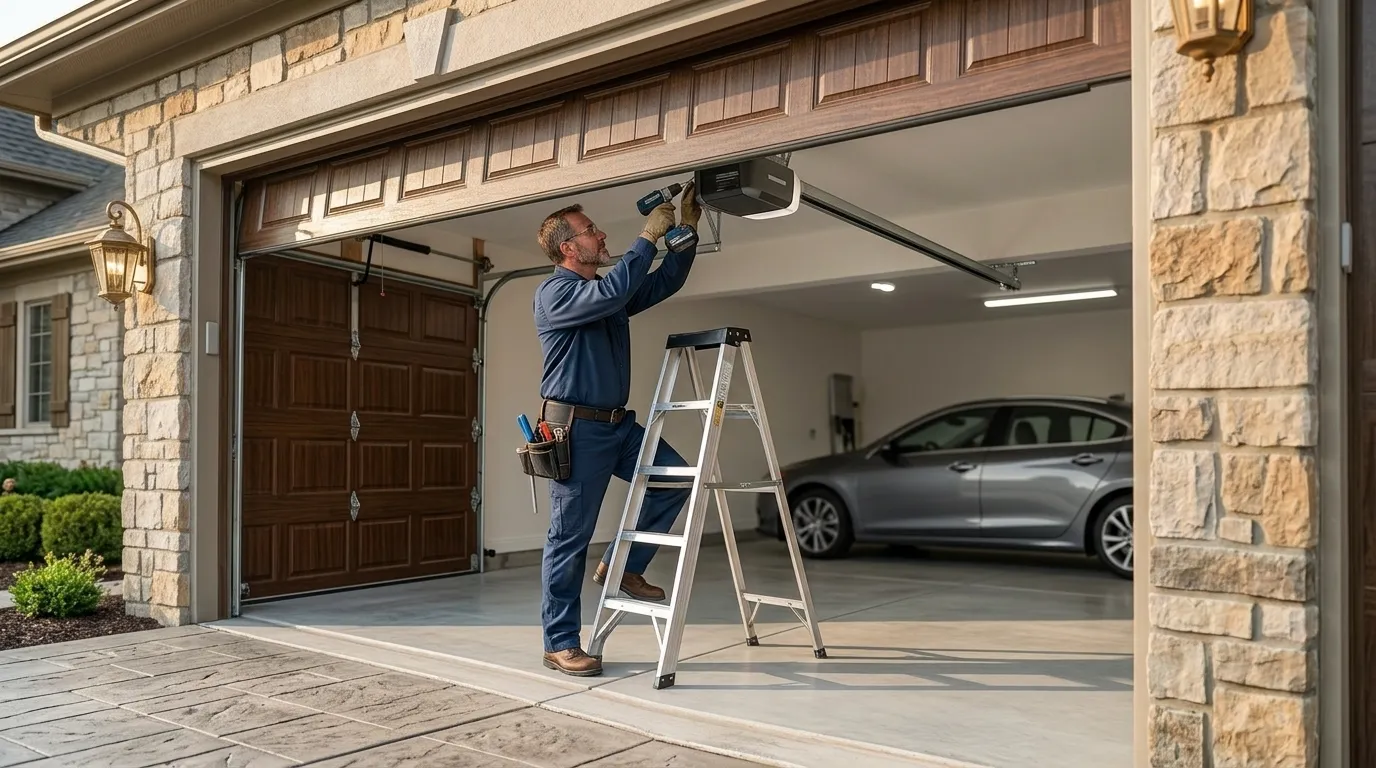
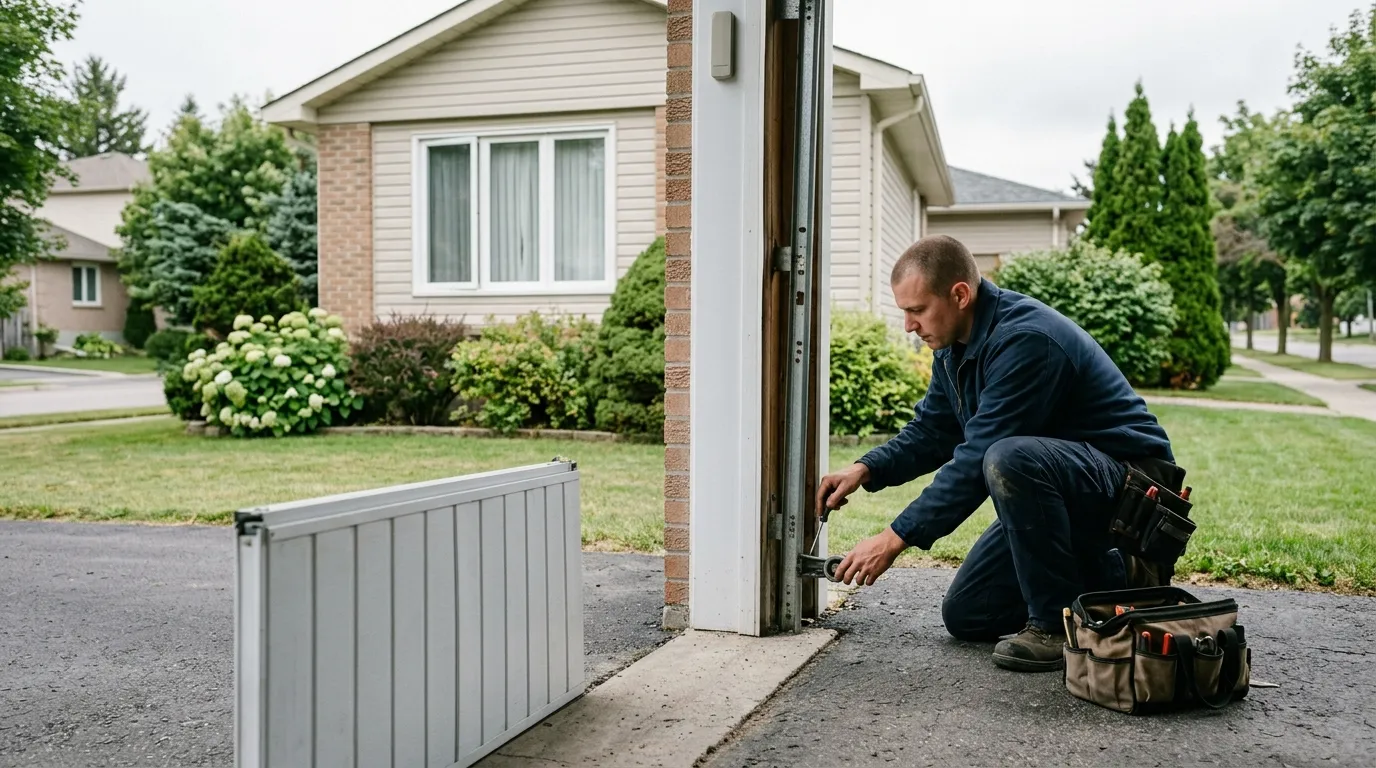
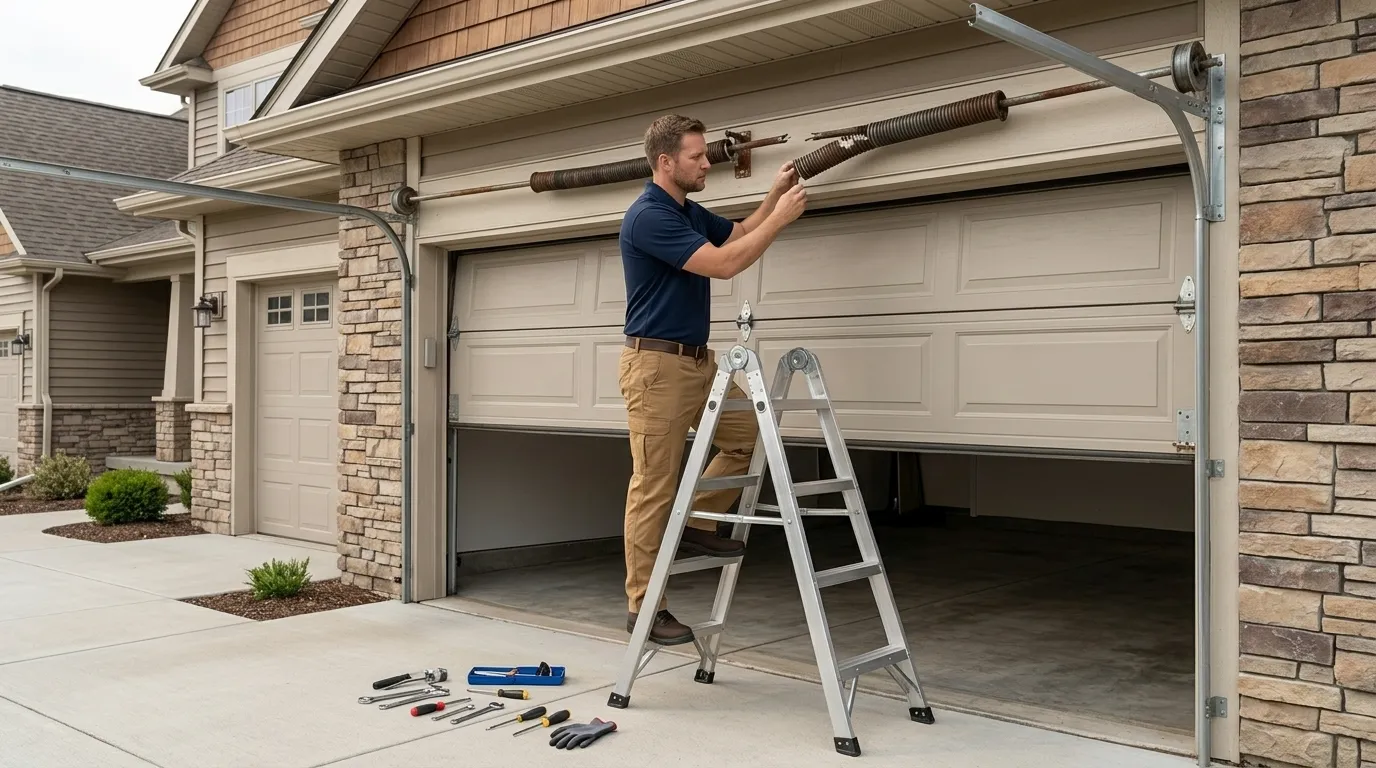
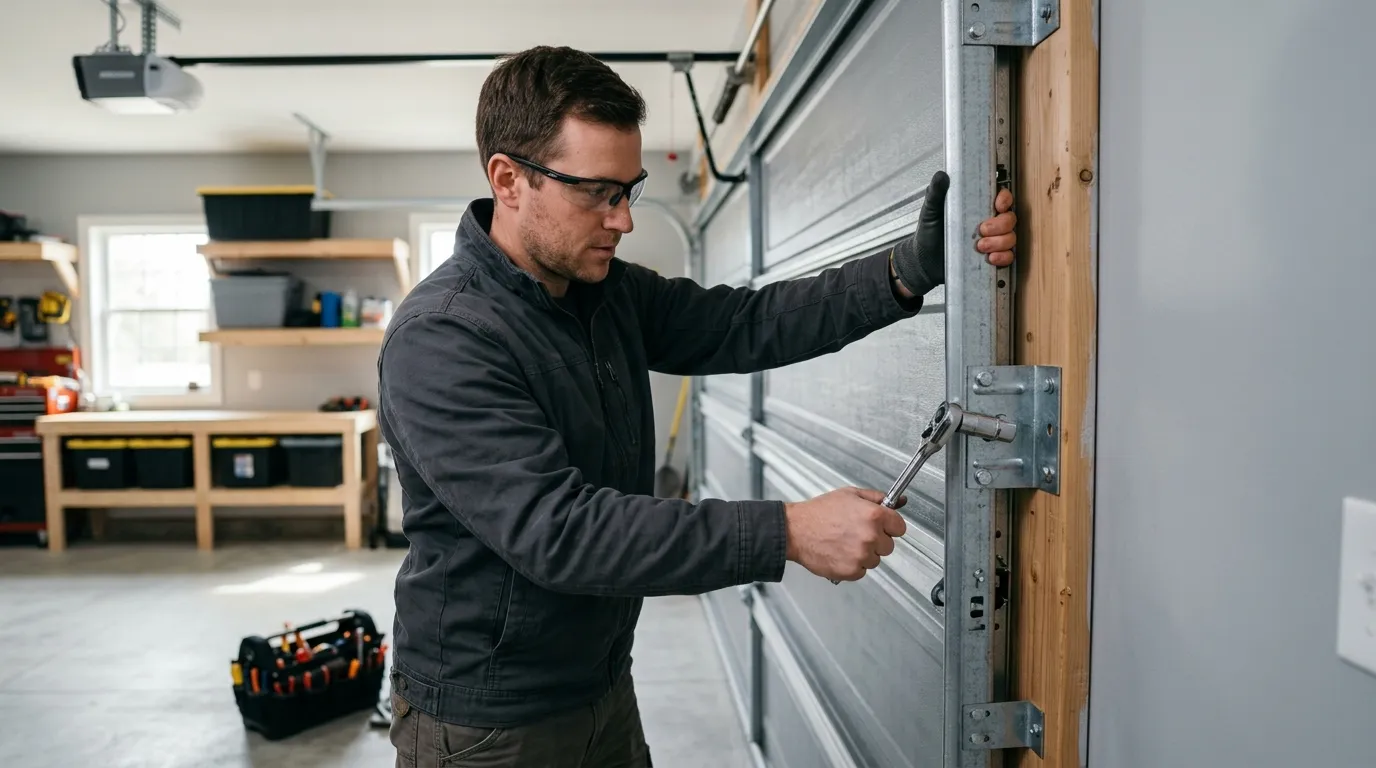
Given the era most of this area's housing falls into, the calls we run most are torsion spring replacement, opener swaps where the original unit has outlived its gears, and track realignment after seasonal cold has shifted a panel out of true. On a house from the early end of that 1947-2006 range, we'll sometimes find a door that's structurally fine but running on hardware nobody stocks anymore - in that case, replacing the whole assembly is usually cheaper over time than chasing parts.
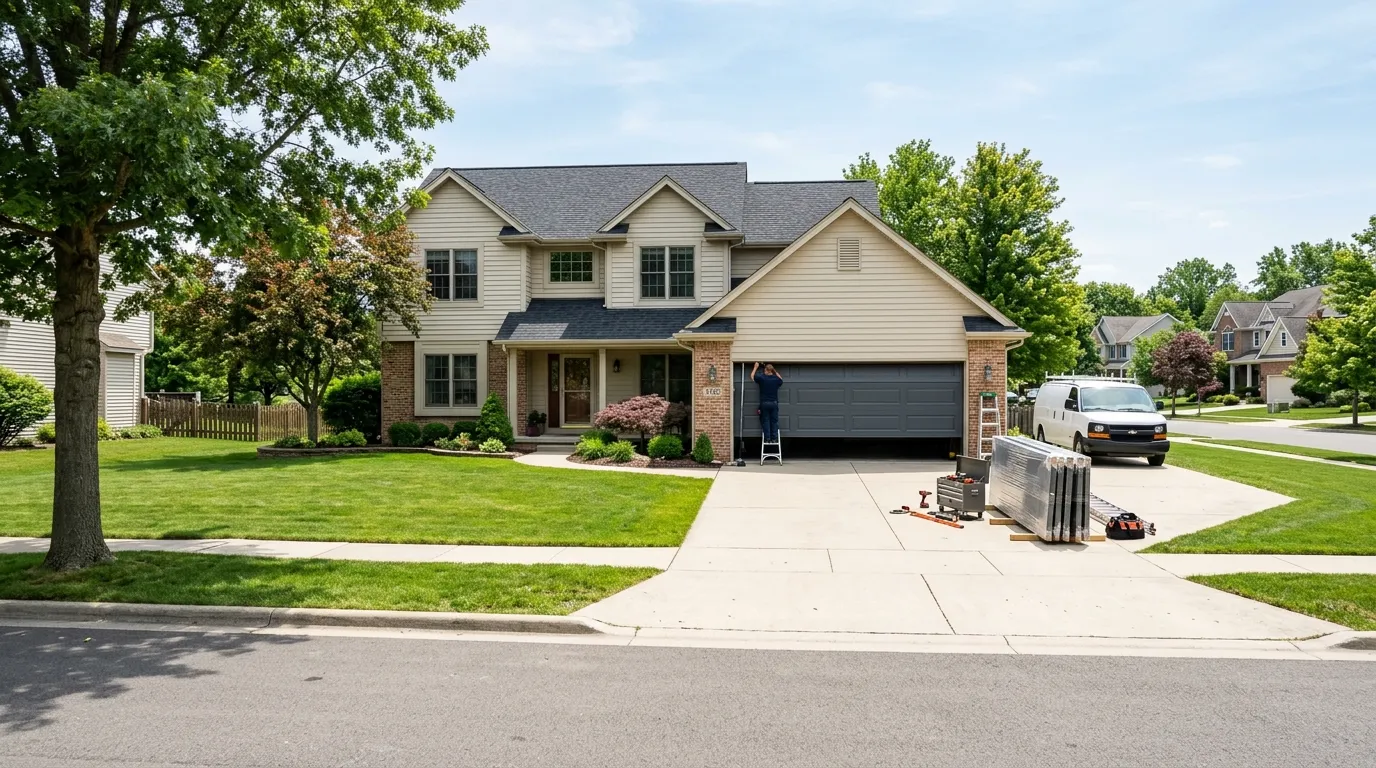
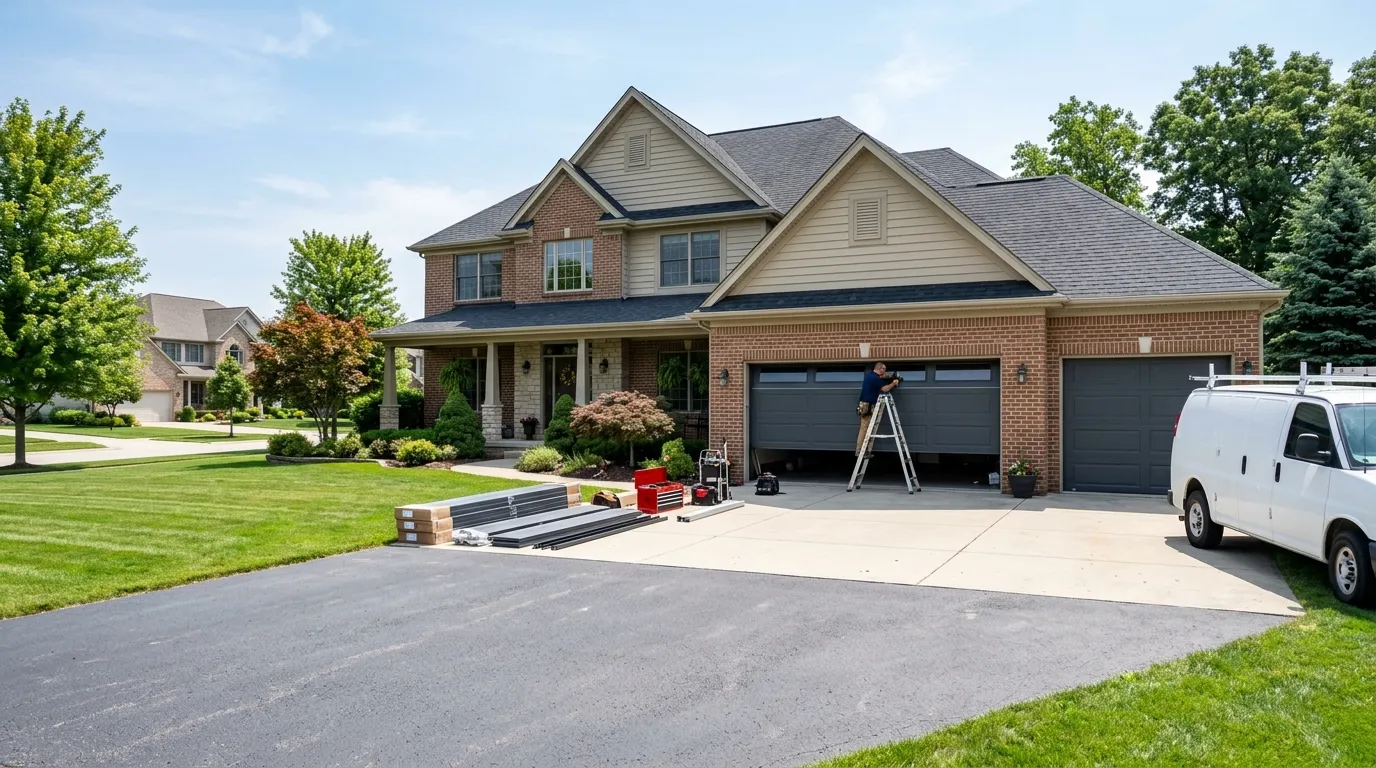
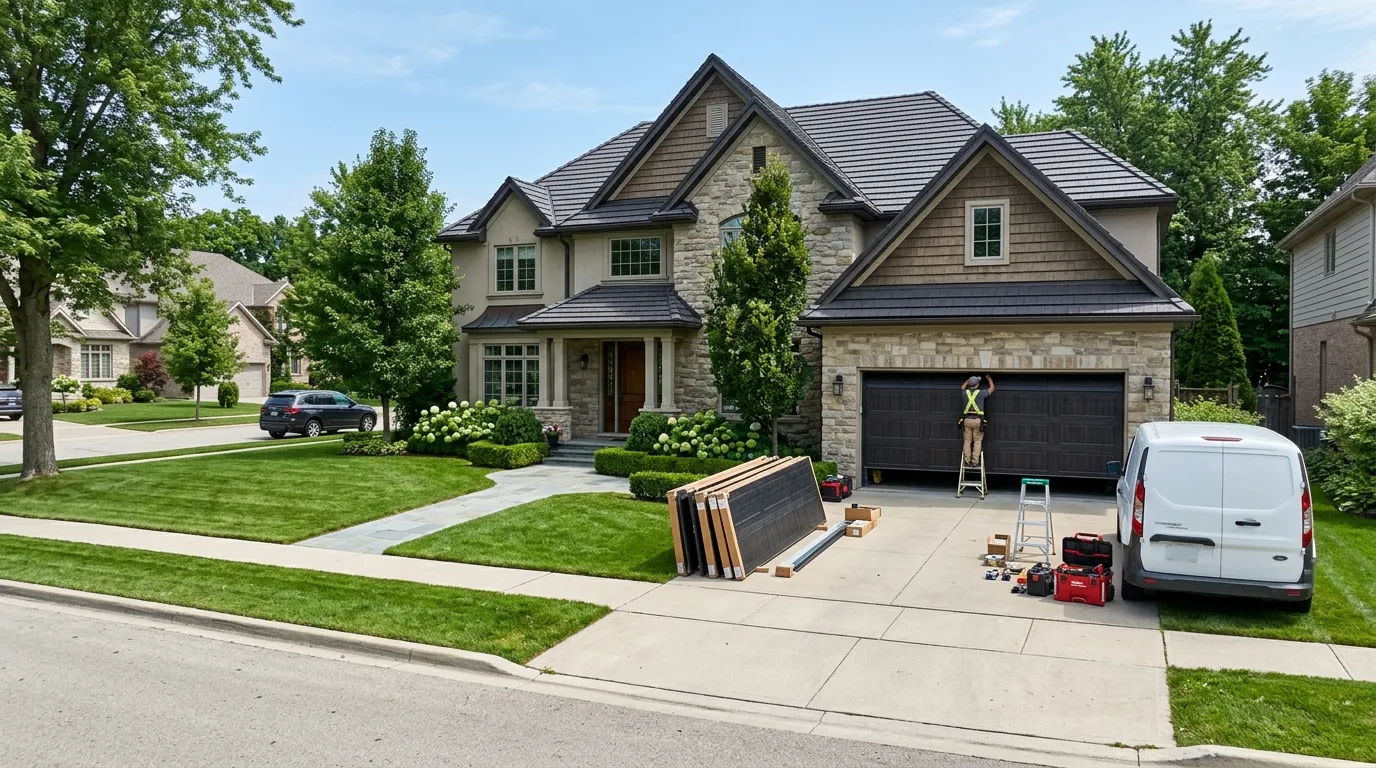
One honest limit: we don't do glass panel fabrication or custom architectural door builds. If a home needs a nonstandard size or a specialty material, that's outside what we handle, and we'll say so rather than take the job and improvise. For standard steel and aluminum sectional doors, springs, cables, rollers, and openers, that's where the bulk of our work sits, and it's the work this area's housing age actually calls for.