The Doors Around Here
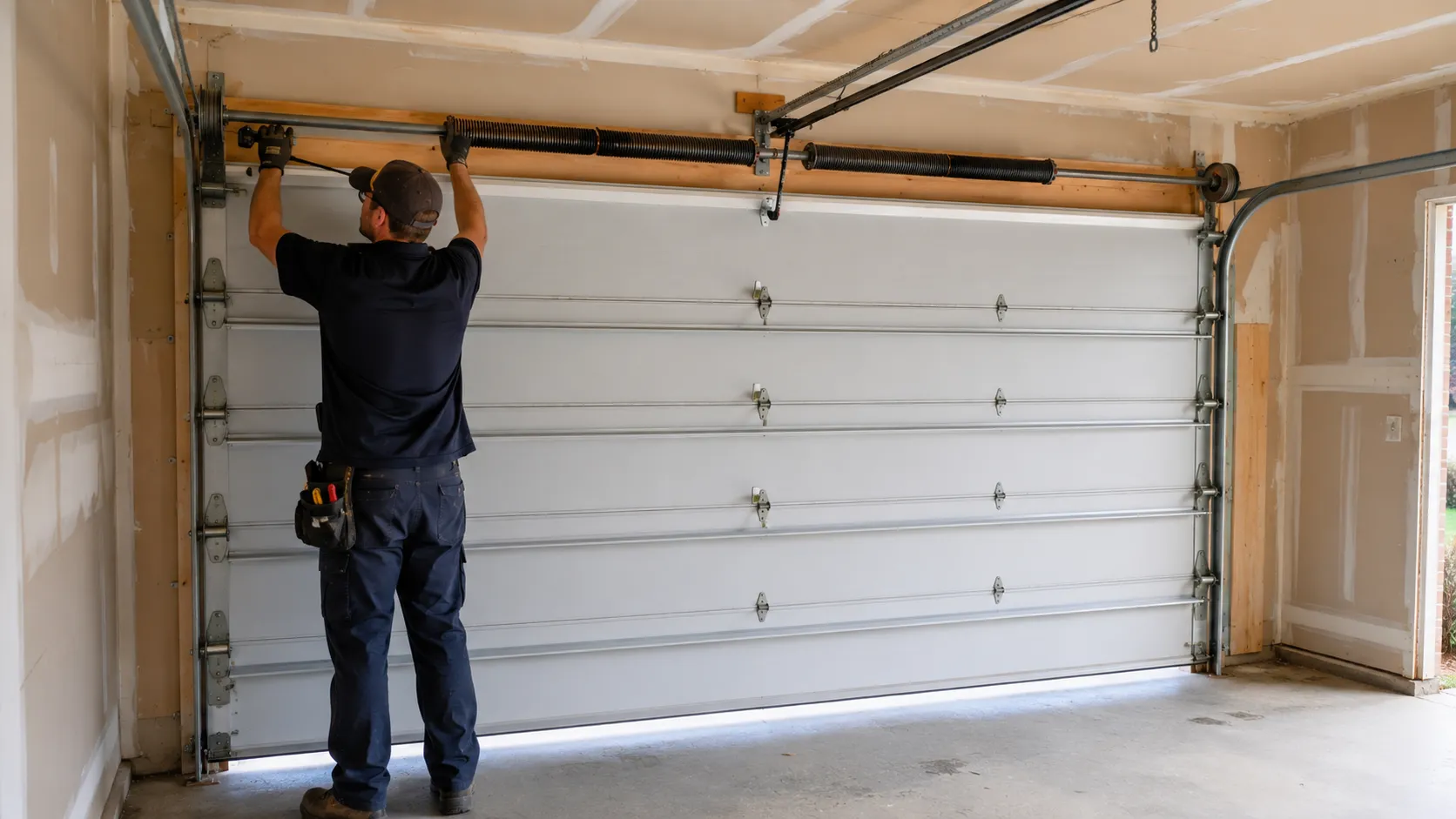
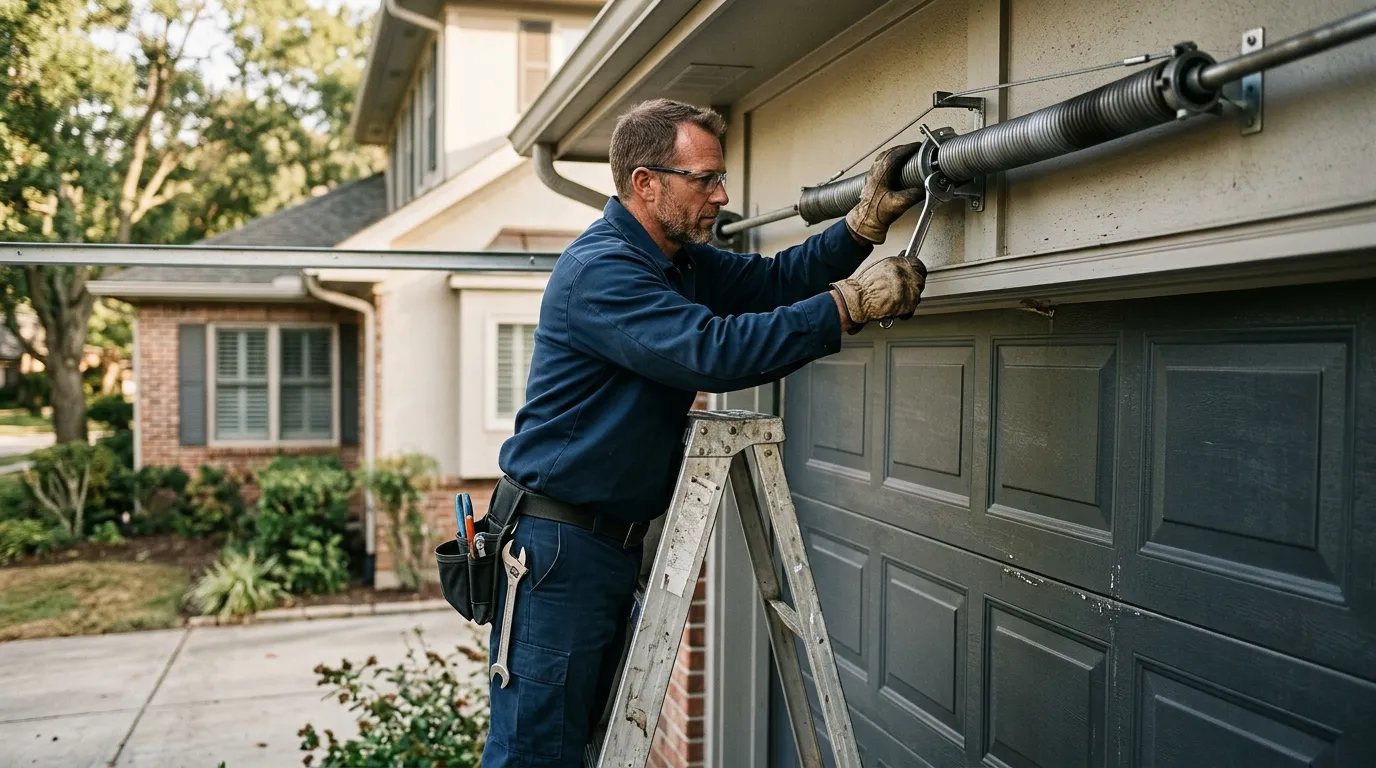
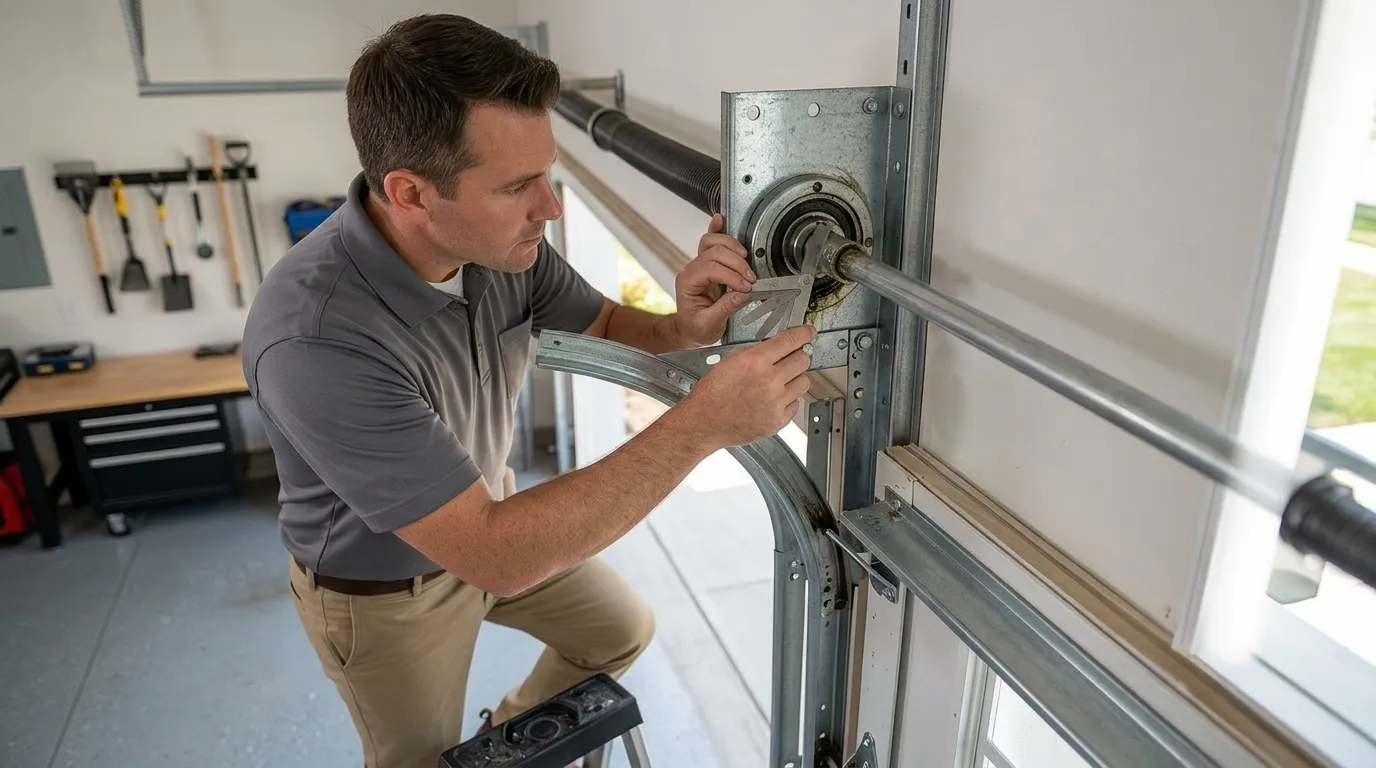
With a median build year around 1981, a lot of garages in this stretch of Denver still carry their original torsion hardware or a first-generation replacement. That's the practical reality of a neighborhood built out over six decades - you get galvanized springs rated for loads and cycle counts that don't match what's sold today, and openers from the 90s and early 2000s that are now well past their designed service life.
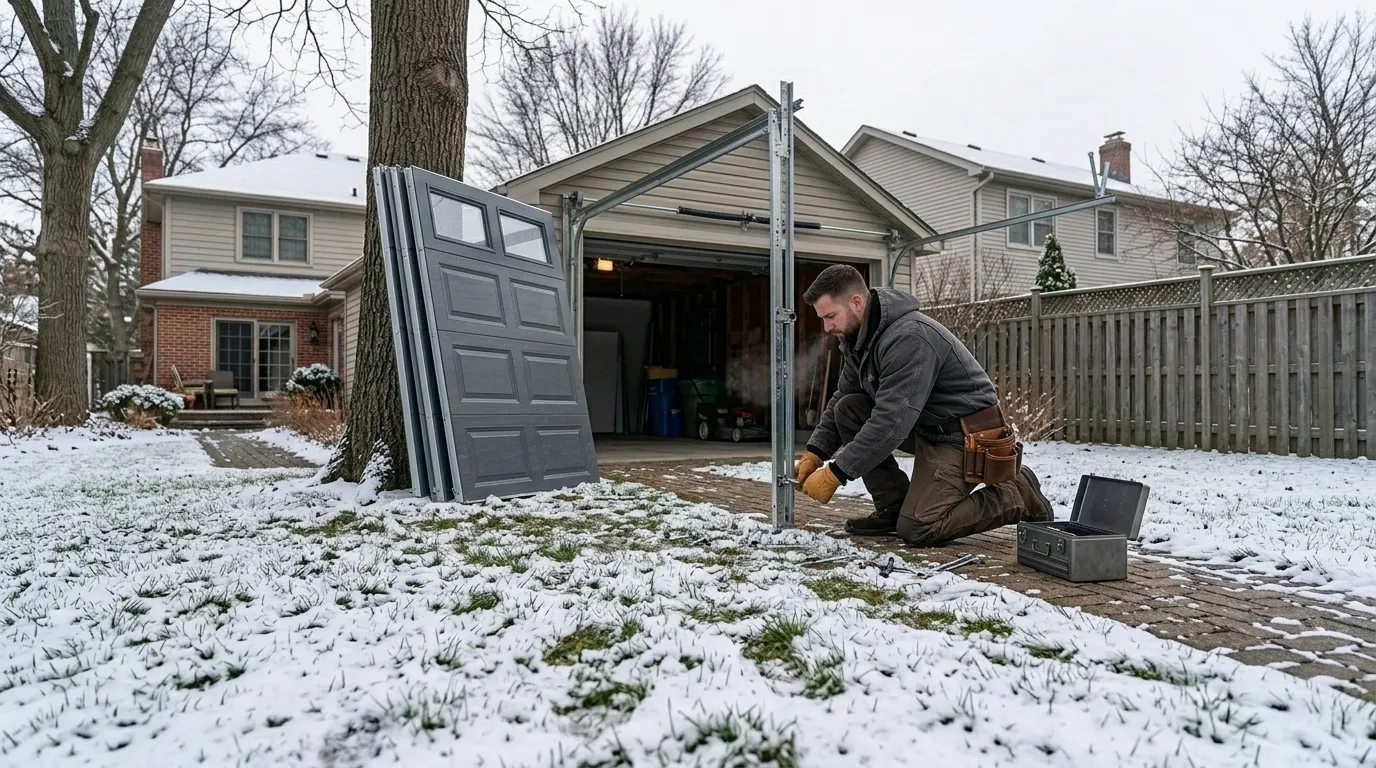
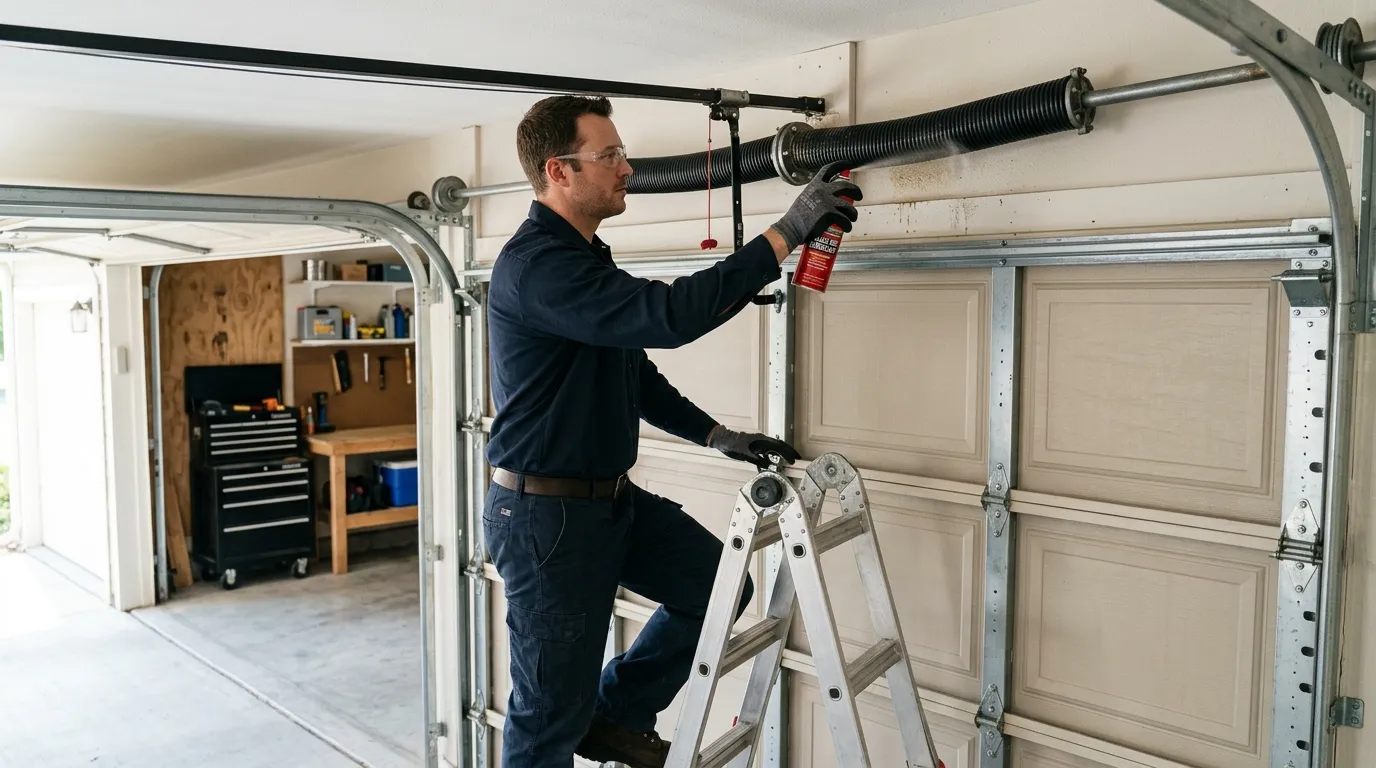
Denver sits in a severe cold climate band, and that matters more here than people expect. Steel contracts in low temperatures, lubricant thickens, and a spring that's been marginal all summer will often let go on the first hard cold snap. Weatherstripping on doors from the 80s and 90s tends to be original or a single replacement, and it's usually the first thing to fail once winter sets in - you'll feel it as a draft along the bottom seal before you ever hear a spring go.
Typical Work
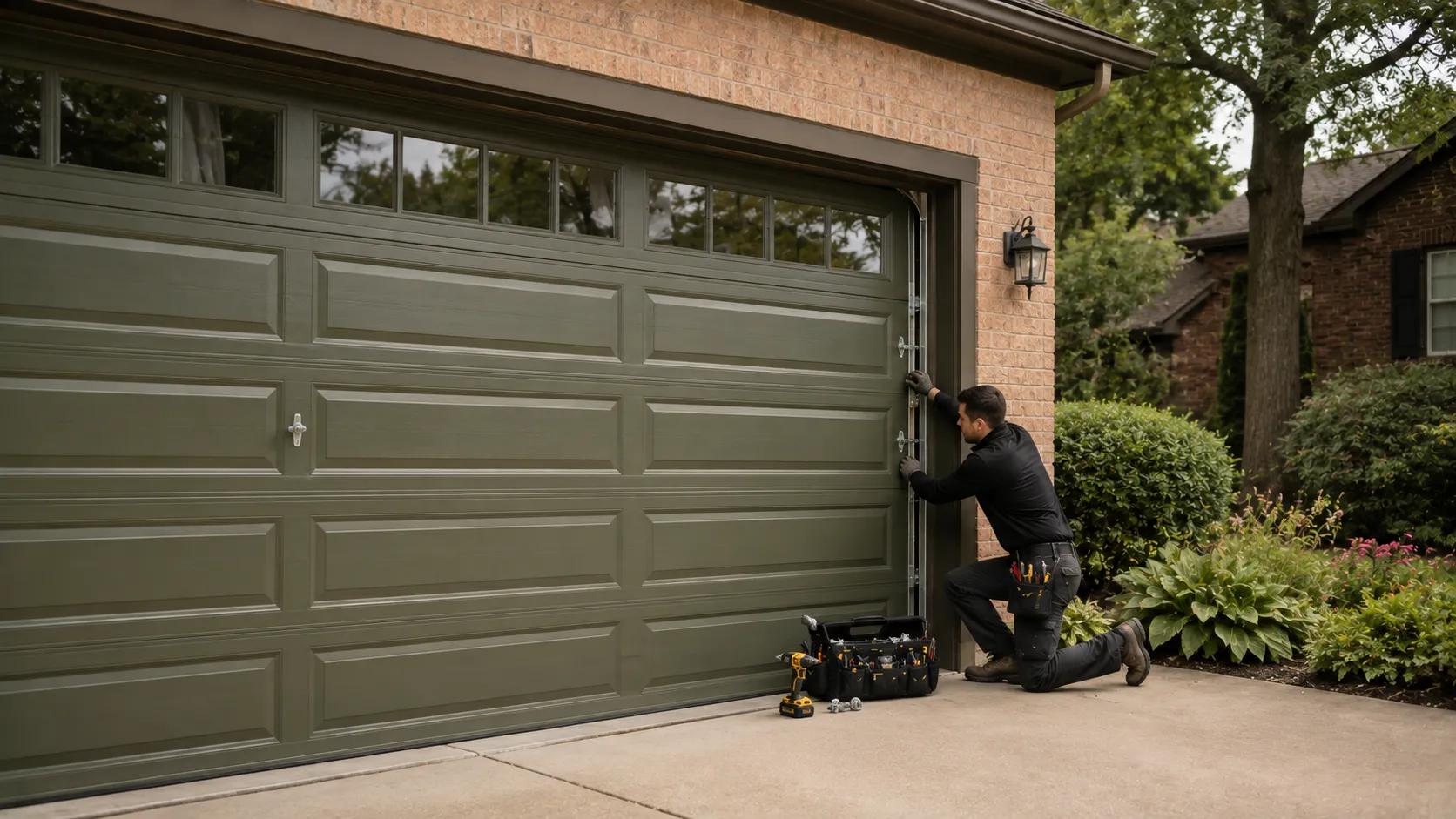
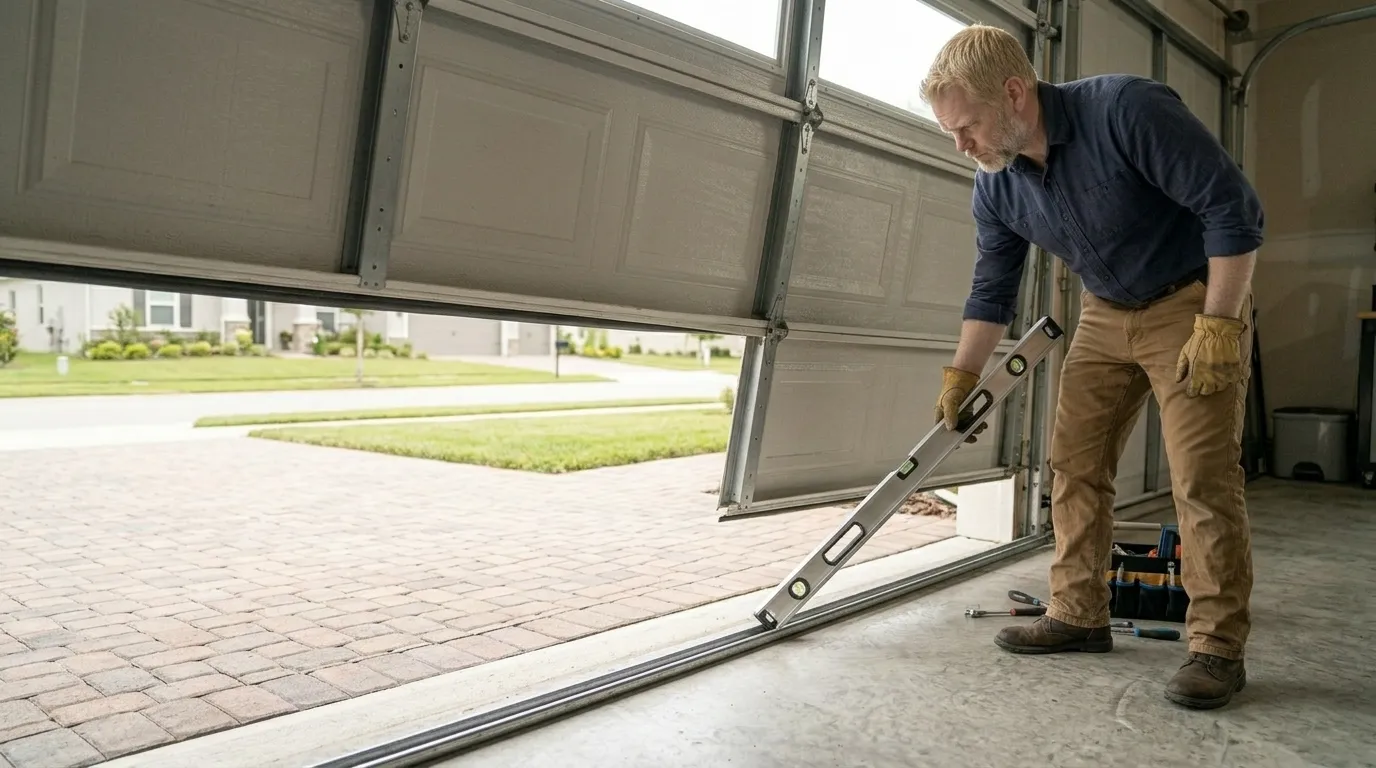
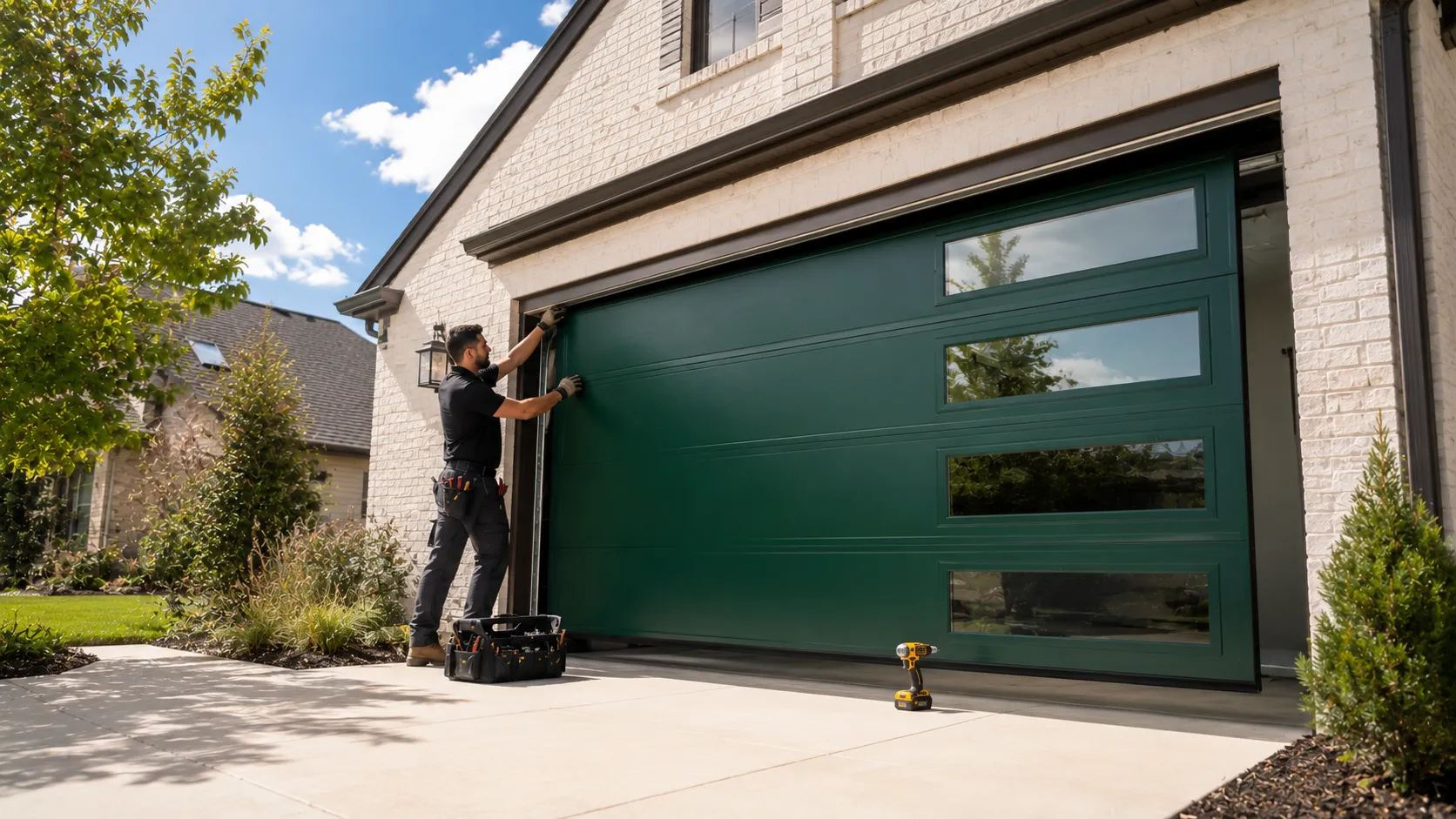
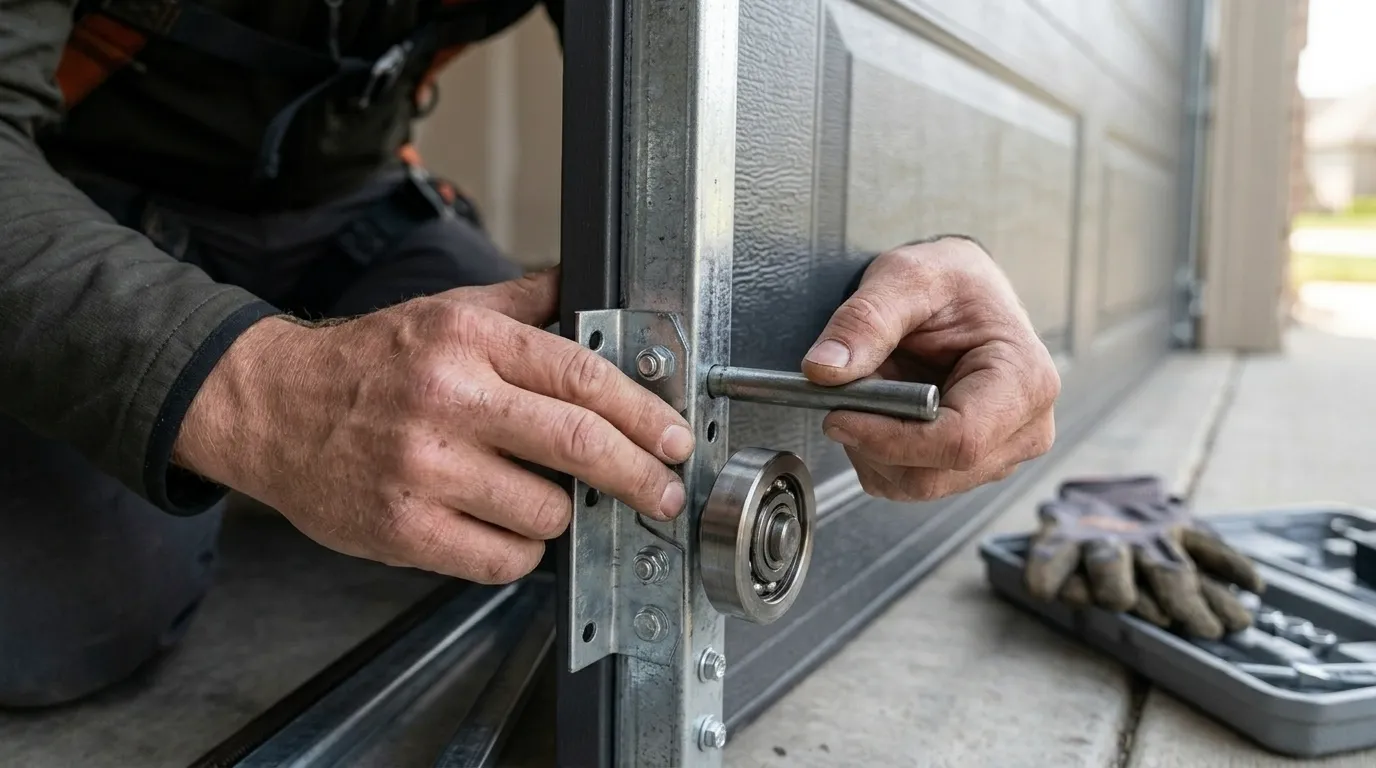
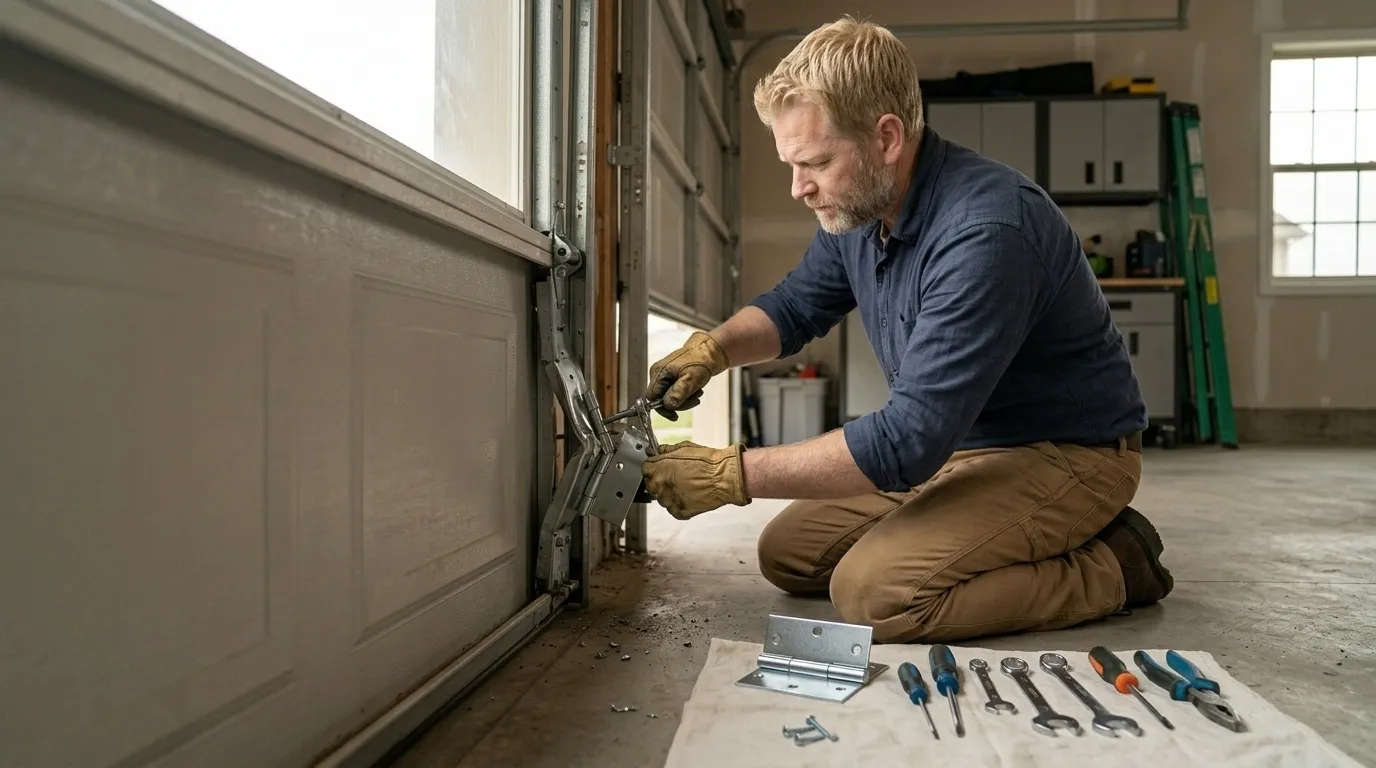
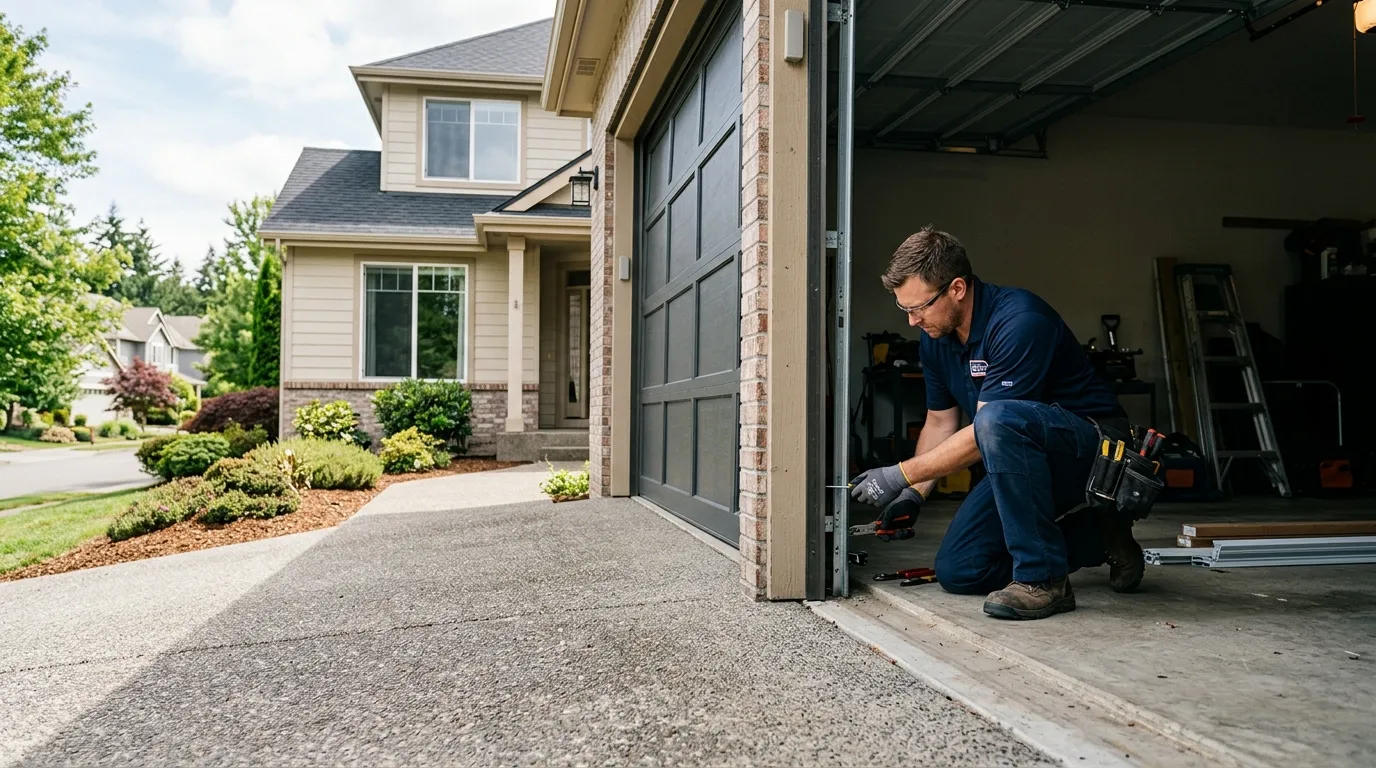
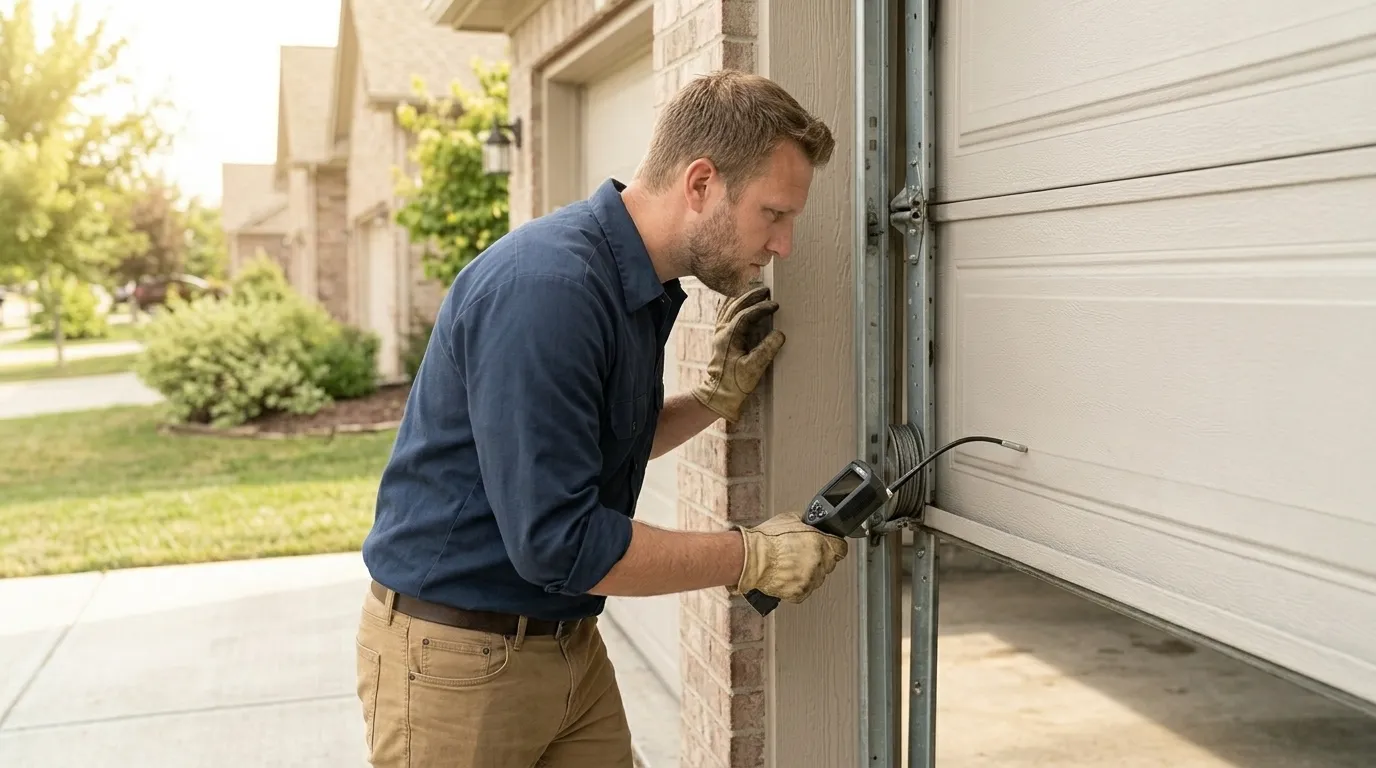
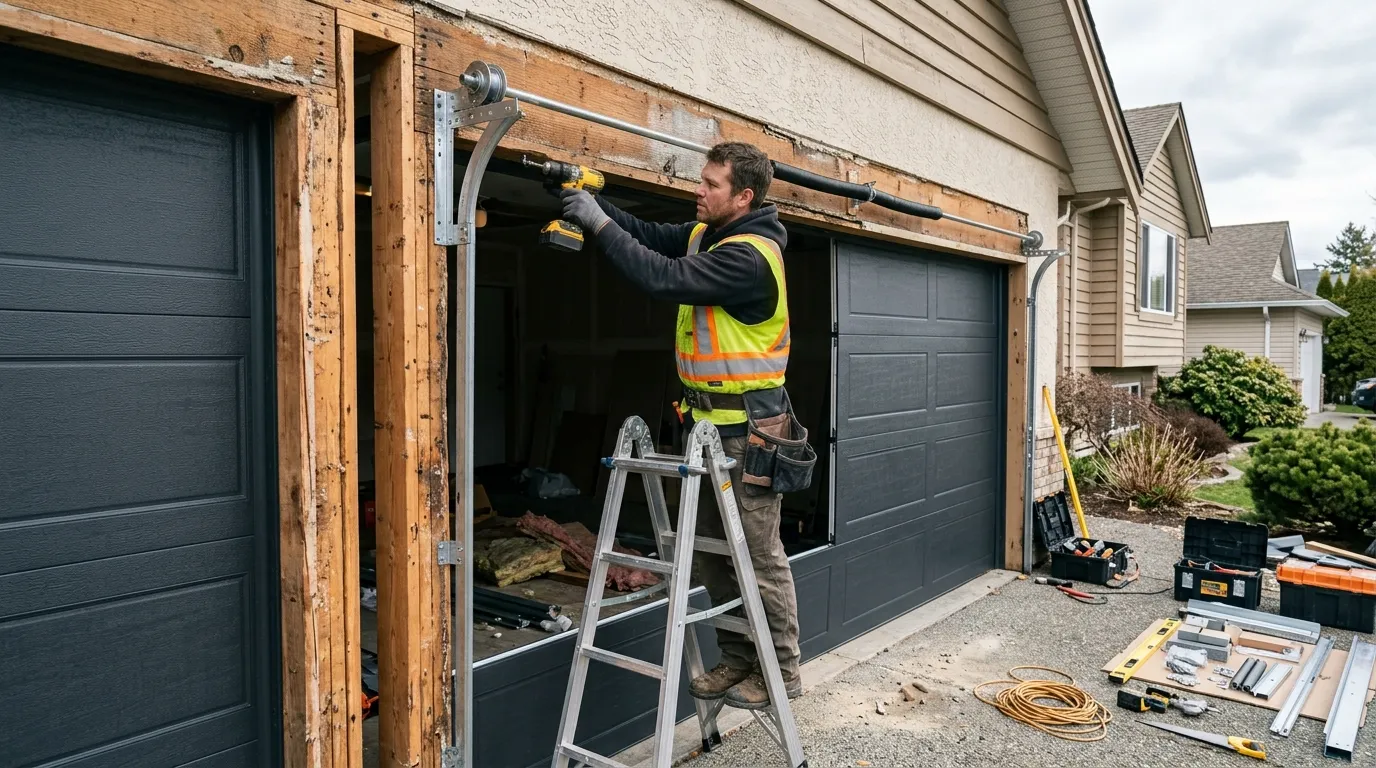
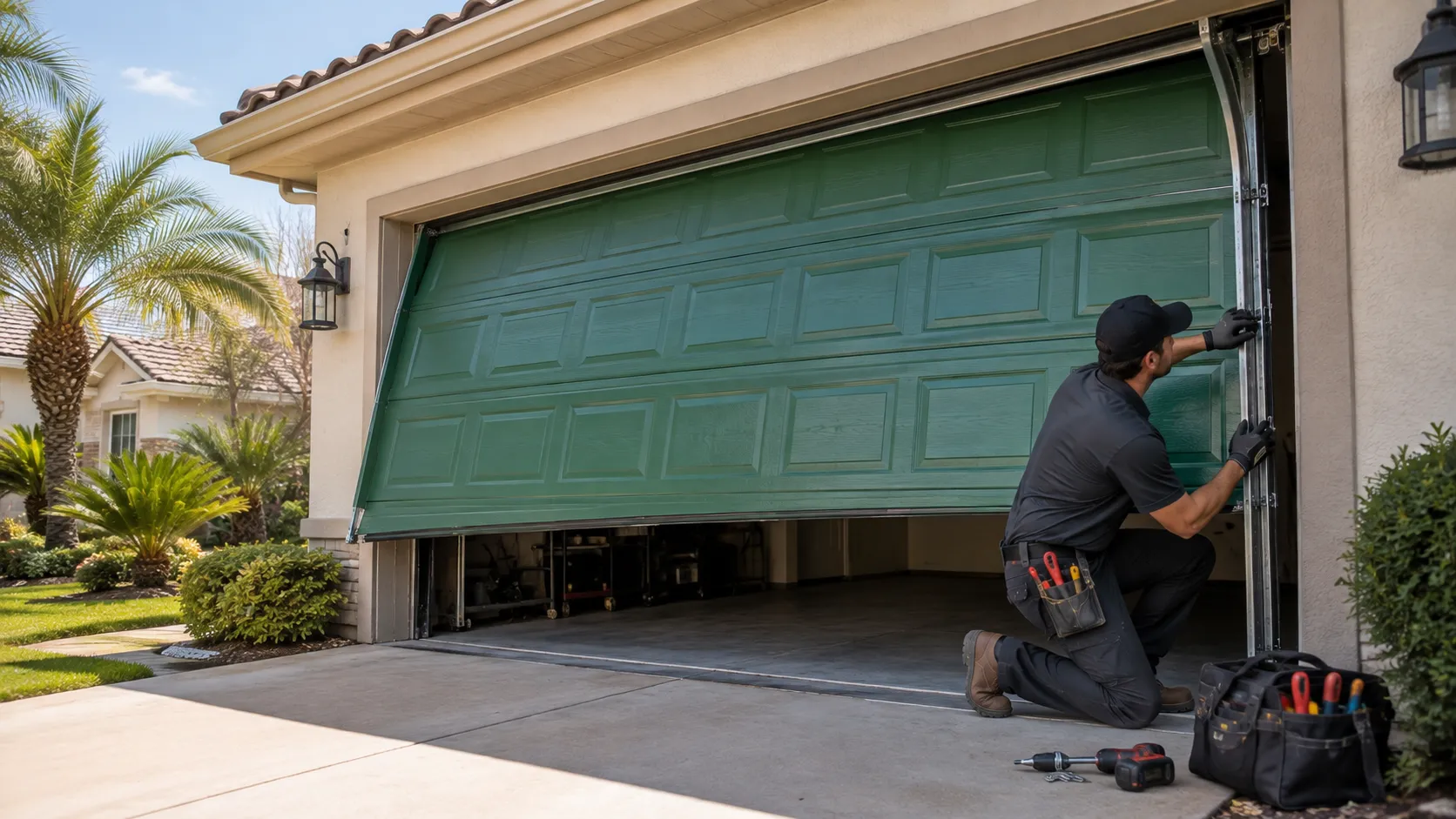
Most calls we get from this part of Denver break down into a handful of categories: torsion spring replacement on doors installed before the mid-90s, roller and cable swaps where age has made the whole system noisy and rough, and opener replacements where the original motor has outlived its gears or circuit board. On homes closer to the newer end of the build range, the work leans more toward panel damage or track alignment than full hardware replacement.
One honest limitation: if your door was installed before the mid-1980s and the track or drum hardware is genuinely obsolete, we may recommend replacing the whole unit rather than chasing parts that are getting harder to source. We'd rather tell you that up front than have you pay twice. Across the wider service area - 219,760 households, with 96,547 of those owner-occupied houses - this is the single most common decision point homeowners face on doors from this era.