24/7 Emergency Service Open 7 days · 7am–8pm Serving Denver, CO & nearby
(720) 738-8063
Denver, CO

When the Power Goes Out, Your Opener in Denver Doesn't Just Pause

Denver homes built 1947-2006 often run openers that fail hard in a winter power cut. Here's what the cold and the housing stock here actually do to them.

When the Power Goes Out, Your Opener in Denver Doesn't Just Pause

The Problem

A garage door opener is a small motor doing a job that used to be done by hand, and the moment the power drops, it stops being useful at all. In a lot of Denver houses that's not a minor inconvenience - it's the only way in or out of the garage, and if the garage is attached, sometimes the only easy way into the house.

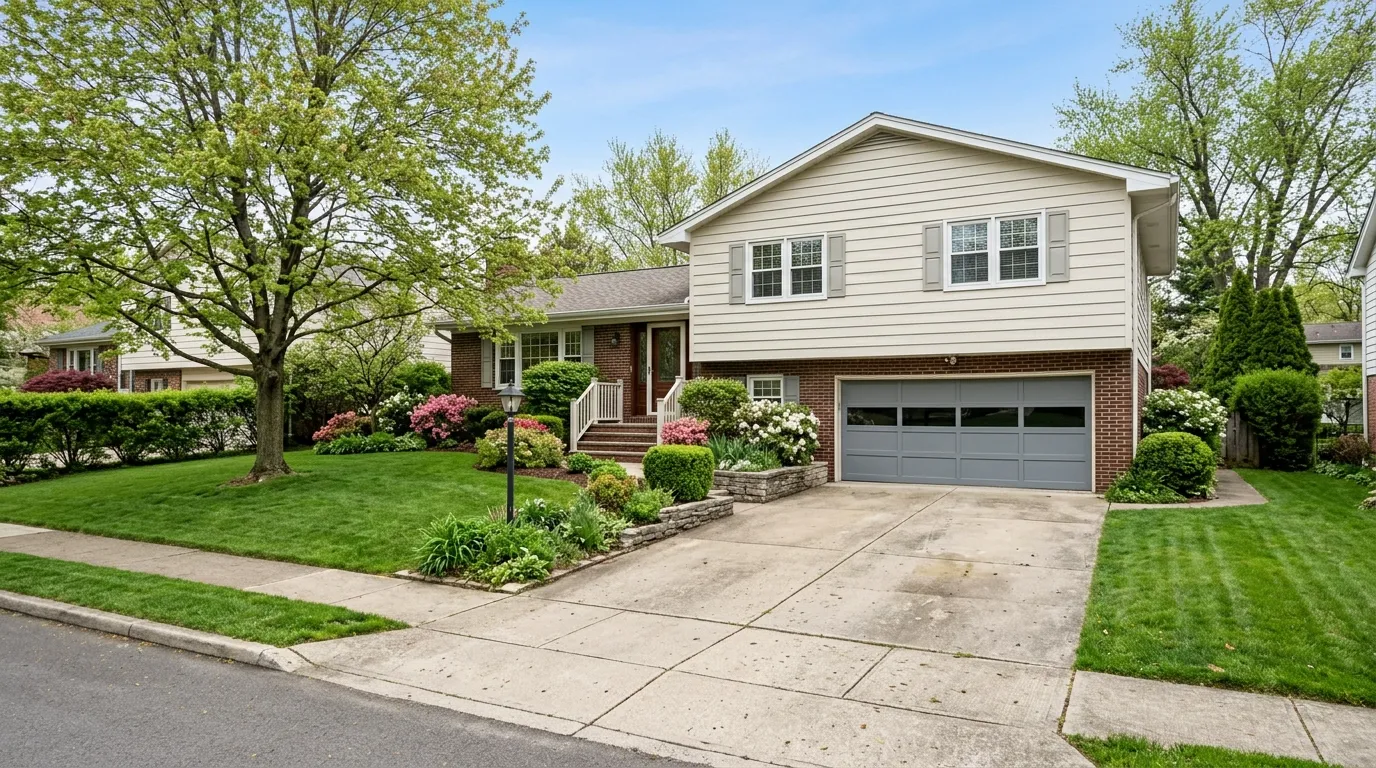
Most of the opener units we pull off walls here came in with houses built anywhere from 1947 to 2006, with the median build year sitting around 1981. That's a long stretch of different opener generations: some chain-drive units from the 80s and 90s that never had battery backup as an option, some newer belt-drive models that do but were never wired for it. When the power cuts, the door doesn't fail open or fail closed on its own logic - it just stops wherever it was, and now you're pulling the release cord and lifting a door that might weigh 130 to 180 pounds by hand.

The fix people reach for first - just leave the car outside, wait it out - works fine until it's an ice storm and you need the car.

Where People Go Wrong

The most common mistake is assuming the opener and the door are the same problem. They're not. A dead opener with a properly balanced door is a five-second manual release and a lift. A dead opener with a door that's out of balance - springs worn, cables stretched, rollers dragging in the track - turns into someone hurting their back or, worse, the door coming down on its own once it's disengaged from the motor.

Given that a lot of the housing stock across the 31 named areas in this service area dates to the 1980s and 90s, a big share of these openers and their springs are original or close to it. People replace the opener when it quits and never look at the spring underneath it, because the opener is the part making noise and the spring is just sitting there. Springs don't announce themselves until they snap.

The other error: buying whatever battery-backup opener is cheapest without checking if the household actually needs it for daily function versus occasional storm coverage. Not every garage needs a $400 solution for two outages a year.

What the Weather Here Does to It

This area sits in a cold, severe climate band, and cold does two things to an opener system that don't show up in mild climates. First, grease inside the motor housing and on the drive screw or chain thickens, which makes the motor work harder to do the same lift - that's extra strain on a part that's already old in a lot of these houses. Second, cold snaps here often come with the kind of grid strain that causes power cuts, so the exact weather that makes your opener struggle mechanically is the same weather most likely to cut its power supply entirely.

That combination - a strained motor and an unreliable grid - is why battery backup matters more here than in a climate that doesn't get genuinely cold. A backup battery that can crank a cold, stiff door open still beats a battery sized only for a mild-climate summer outage.

We don't stock every opener battery-backup model on the market. If yours is an older proprietary unit, we'll tell you honestly if a replacement opener is the better call rather than chasing a part that's hard to source.

The Seasonal Bit

Late fall through winter is when we see the calls stack up - cold-stiffened openers plus outages plus holiday travel meaning nobody's home to notice the door stuck half-open. If your household relies on the garage as the main entry, which is common in the owner-occupied houses that make up the bulk of the roughly 96,547 in this area, it's worth testing the manual release before the first real cold snap, not during it.

Given the median household income here runs around $101,450, a battery backup unit or a newer opener with one built in isn't out of reach for most households in this area, and it's a smaller bill than an emergency call at 9pm when the door won't budge and the power's out. We'd rather walk you through what your specific opener needs than sell you a backup system your unit can't use.

How it works

From “it’s stuck” to “it’s fixed”

Tell us what’s wrong - Denver garage door service

Tell us what’s wrong

Describe the symptom - won’t open, loud bang, opener runs but the door won’t move.

On-site diagnosis - Denver garage door service

On-site diagnosis

A technician tests the door under power and by hand and finds what actually failed.

Clear, up-front plan - Denver garage door service

Clear, up-front plan

You get the fix that’s needed and what drives the cost - before any work starts.

Repaired & tested - Denver garage door service

Repaired & tested

The repair is done, the door is set true and tested, and the work area left clean.

Serving Denver, CO - tell us what your door’s doing and we’ll take it from there.

How we work

What to expect

  • Diagnosis firstEvery visit starts by finding what actually failed - not a pre-written parts list.
  • The right part for the doorSprings and openers matched to the door’s weight and age, so the fix holds up.
  • Straight answersWhen a repair makes more sense than a replacement - or the reverse - you hear it plainly.
  • Clean, careful workTension released safely, hardware set true, the door tested under power before we leave.
Questions

Frequently asked

Straight answers about garage door repair in Denver. Still unsure? Ask us directly.

Will a battery backup opener actually lift my door in a power cut?

Most battery backup units are built to run the opener through several cycles on battery power, even in cold. Given how cold-band winters here can stiffen an older motor, we size the backup to the door's weight and the opener's age rather than assuming a one-size battery works.

My opener is original to the house - should I just replace it?

Depends on the age. A lot of houses in this area date to the 1980s and 90s, and openers from that era rarely have battery backup as an option at all. If yours is one of those, replacing it usually makes more sense than trying to retrofit backup power onto it.

Is it safe to manually release the door during a power cut?

It's safe if the door is properly balanced - springs and cables in good shape. If the door is heavy to lift by hand or drops on its own once released, that's a spring problem, not an opener problem, and it needs a look before you keep using the manual release.

Ready to get your garage door sorted?

Tell us what it’s doing and where you are in Denver - we’ll take it from there.

Request a QuoteCall