Where People Go Wrong
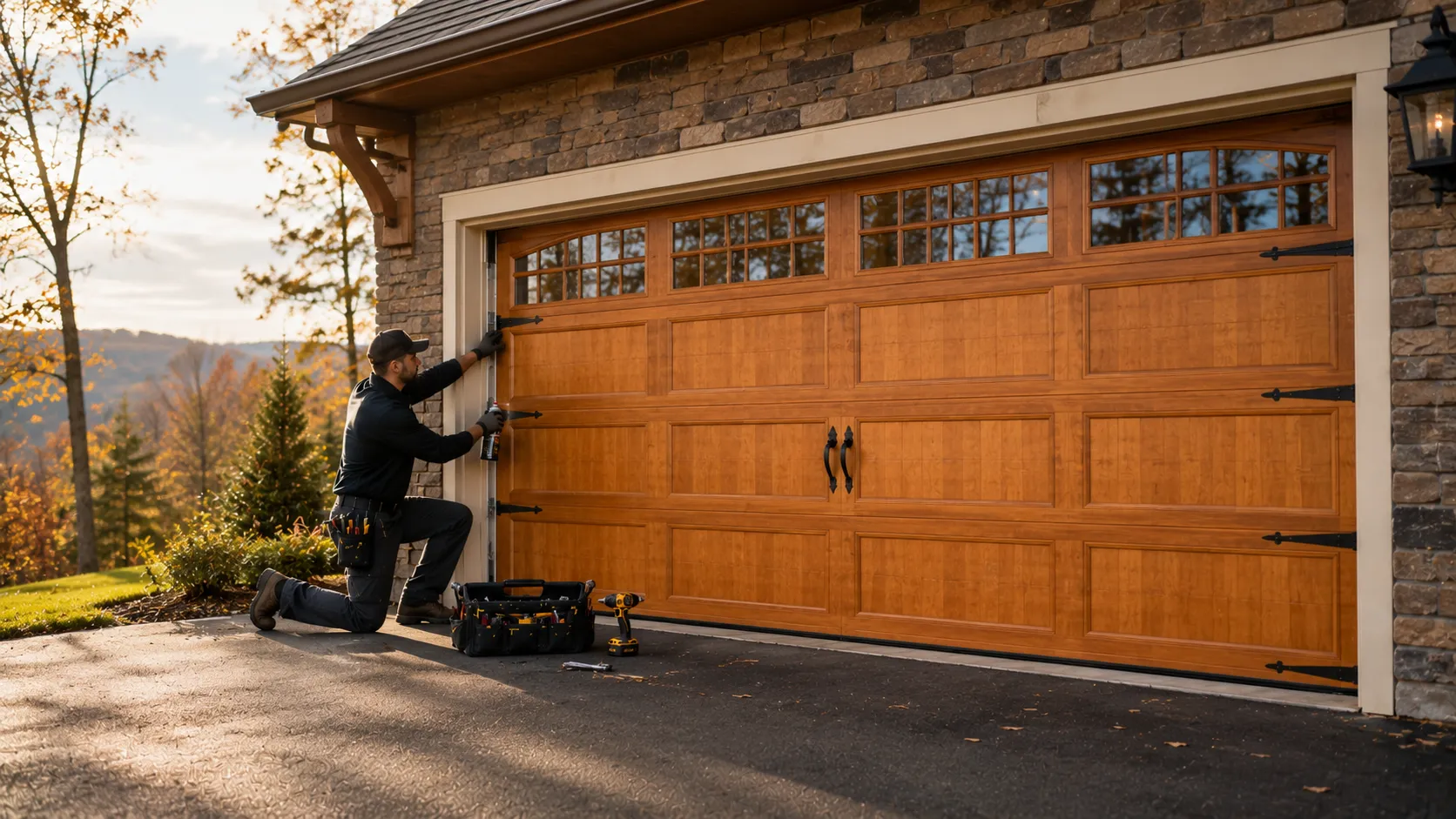
The most common mistake we see is spraying WD-40 on everything and calling it maintenance. WD-40 is a solvent, not a lubricant - it strips what grease is left on rollers and hinges and leaves them louder in a month. On doors from the 1980s and 90s stock that makes up most of this area, the hardware wasn't built for synthetic lubricants that came later, so using the wrong product actually accelerates wear on original steel rollers.
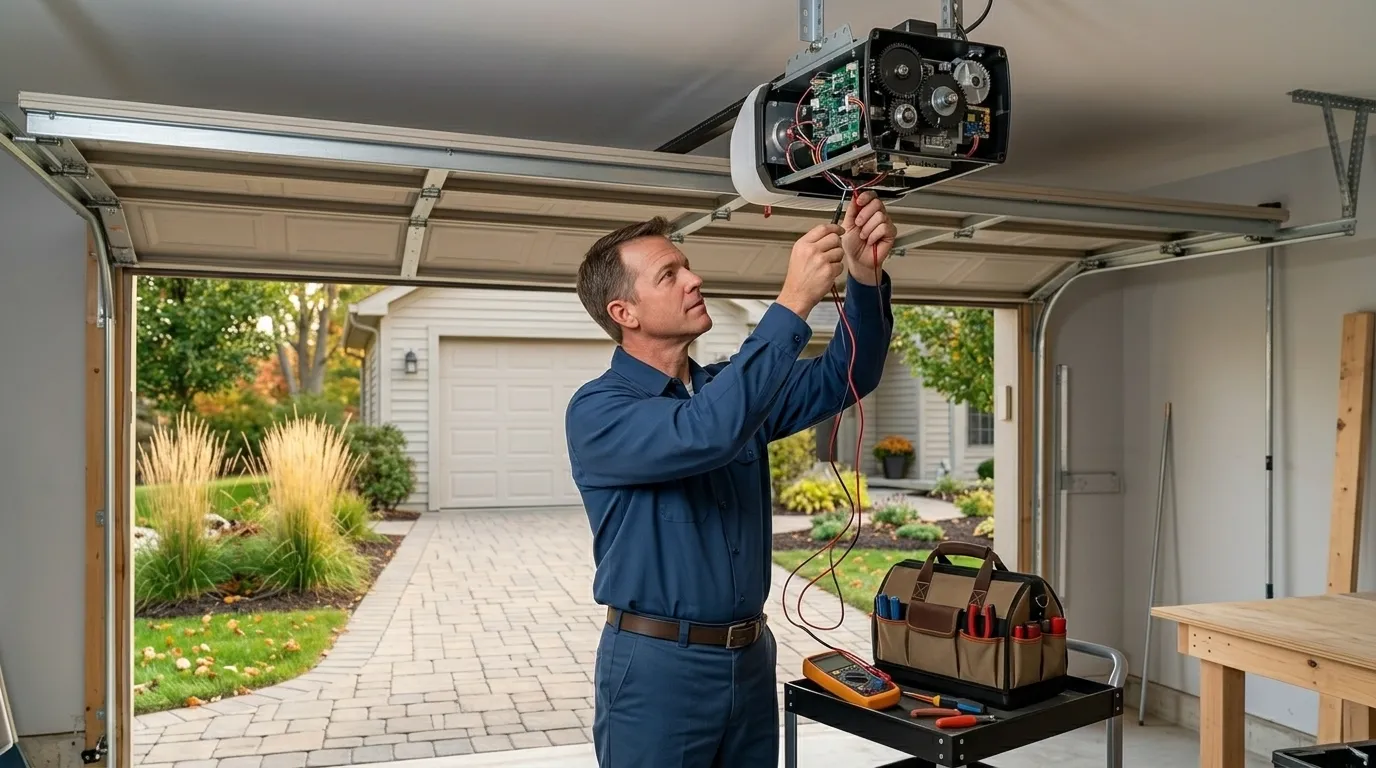
The second mistake is tightening the track bolts on a noisy door before checking spring balance. If a door is noisy because a torsion spring has lost tension, cinching the track down just masks the symptom until the opener burns out trying to compensate. We won't tighten fasteners on a door we haven't balanced first - that's the one thing we'd rather turn down a quick fix on than hand back a door that fails again in a month.
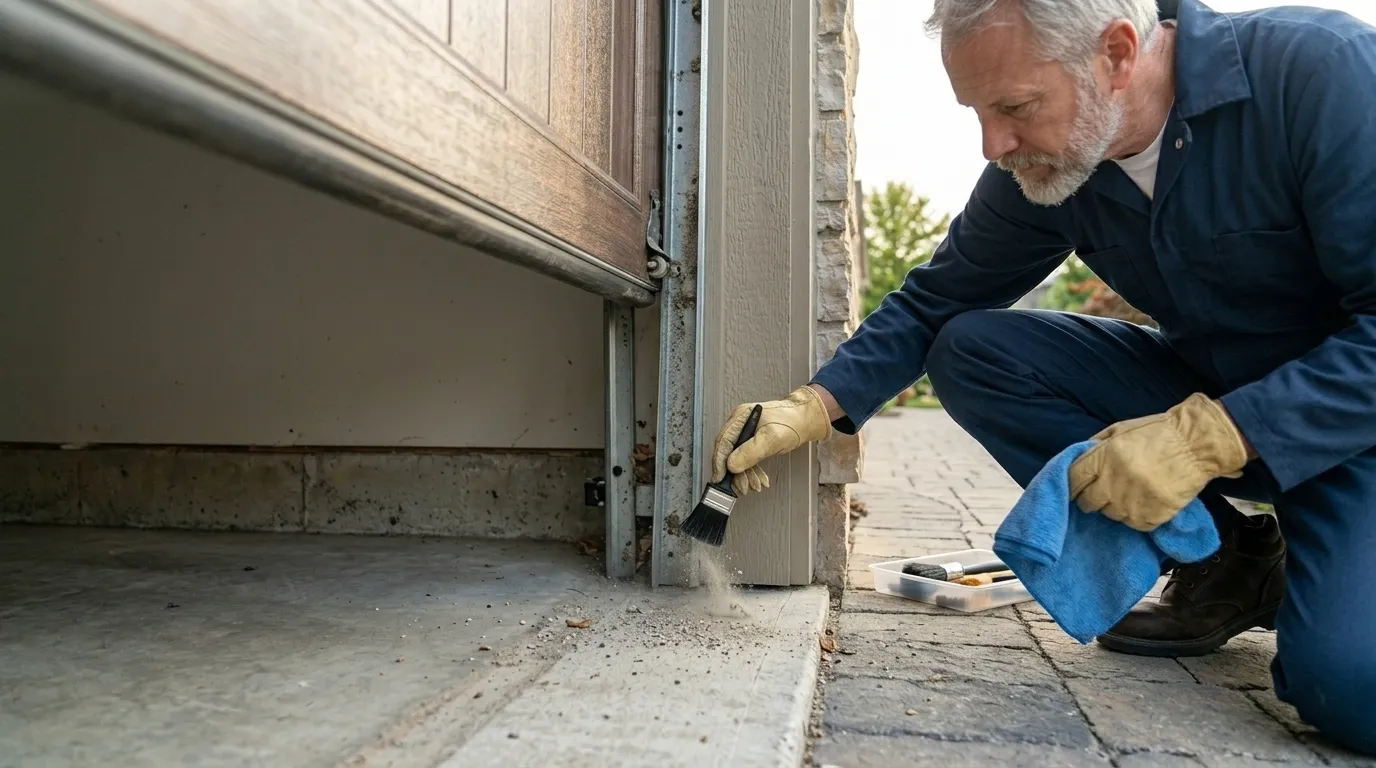
Third: people wait. A door built when the median house here went up, around 1981, has hardware that's had four decades of Front Range temperature swings working on it. A new noise on a door that old isn't cosmetic.
What the Weather Here Does to It
This area sits in a severe cold climate band, and that matters more for garage doors than most homeowners think. Steel torsion springs contract in cold air, which changes the wind tension the opener has fought all summer. A spring that was quietly weak in July can announce itself with a bang in a cold snap, because the metal is stiffer and less forgiving right when the load hasn't changed.
Lubricant does the same thing in reverse. Grease that flowed fine in warm months thickens up when temperatures drop, and a hinge or roller that was silent turns into a squeal overnight - not because anything broke, but because the grease itself changed state. On older hardware, common across the 1980s and 90s housing stock here, that thickened lubricant also means more resistance for the opener motor, which is its own kind of noise: a labored hum instead of a smooth pull.