The Doors Around Here
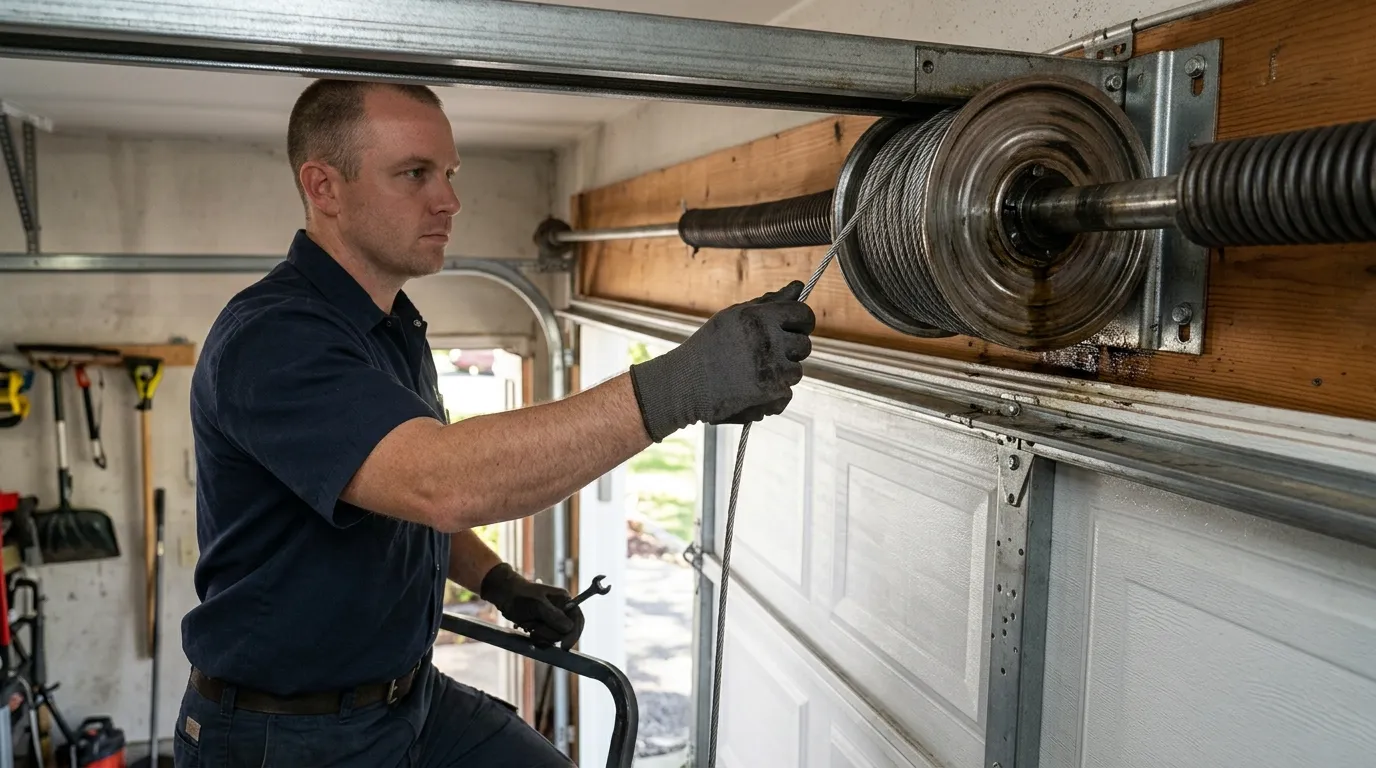
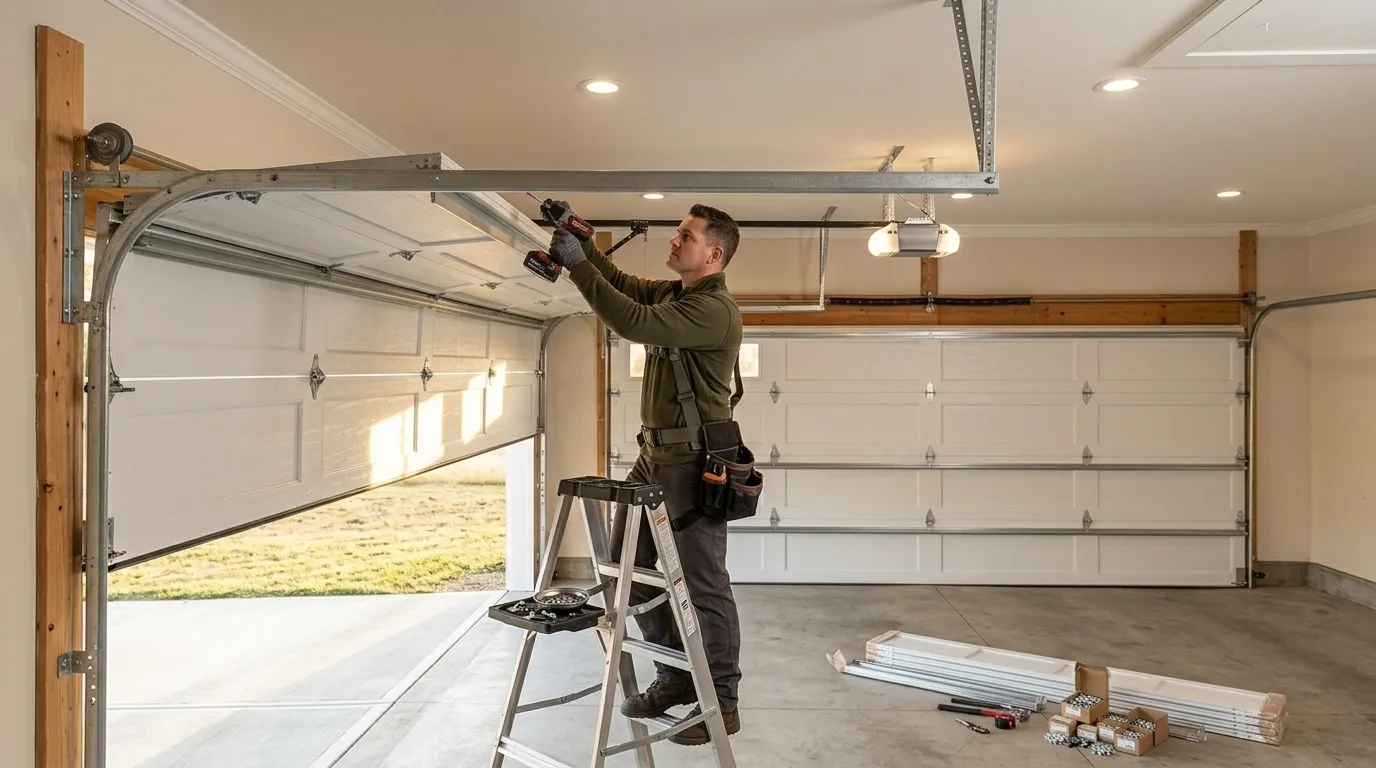
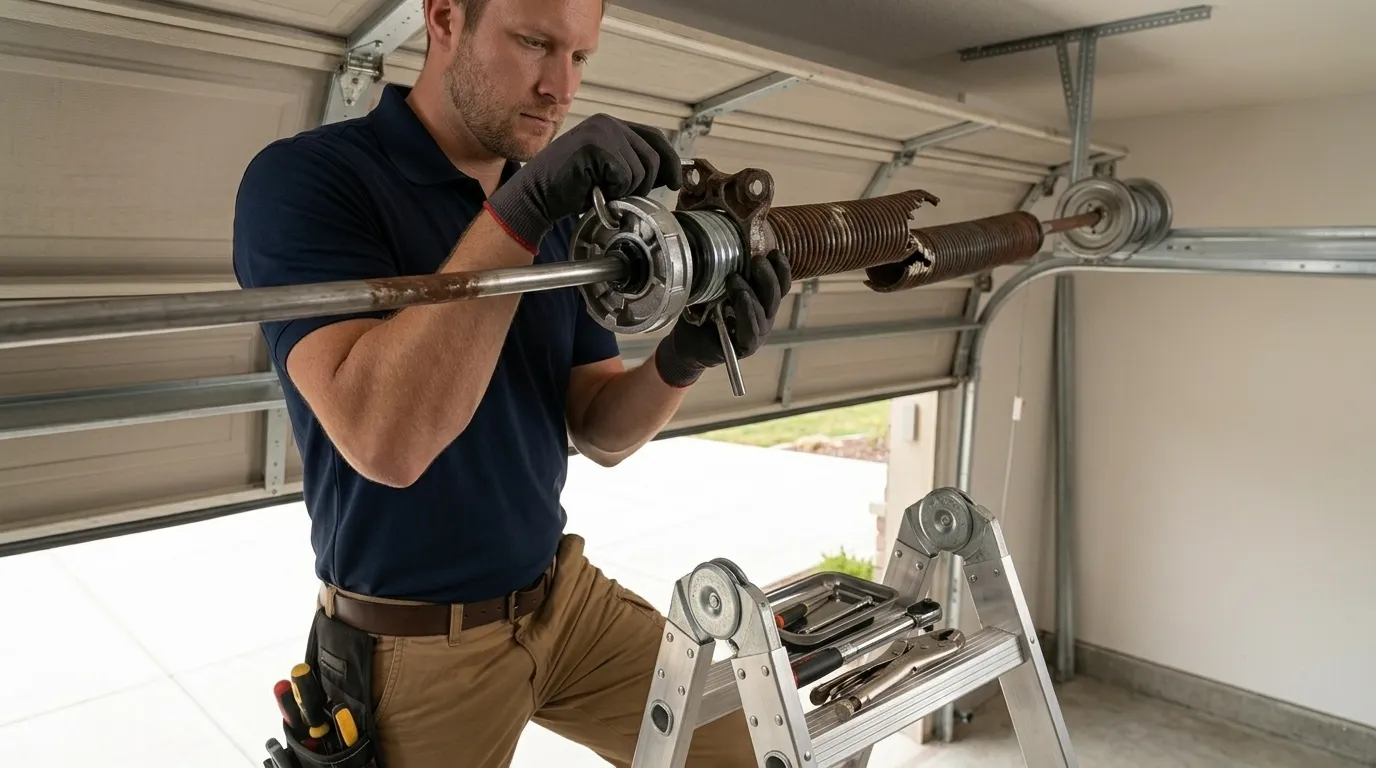
A door installed when this neighborhood's typical 1980s or 90s house went up has usually had one, maybe two, spring replacements by now if the original owner kept up with it - and a lot of owners didn't. Torsion springs from that period were often undersized for the door weight builders were putting in by then, especially on double-wide openings, so we see more spring fatigue here than you'd expect from houses this age.
Denver's winters are the other factor. This is a cold-severe climate band, and steel tracks and rollers that sit unheated in a garage for a Front Range winter get brittle faster than the same parts would somewhere milder. Nylon rollers crack, track brackets pull loose from swelling and contracting wood jambs, and openers with older logic boards start misreading the safety sensors when the cold gets into the wiring.
We won't tell you every door here needs the same fix - a house built in 1985 and one built in 2004 have different bones even on the same block. But the range we're working within, 1947 to 2006 with a median around 1981, means most of the doors we touch in this part of Denver are original hardware on aging torsion systems, not newer belt-drive setups.
Typical Work
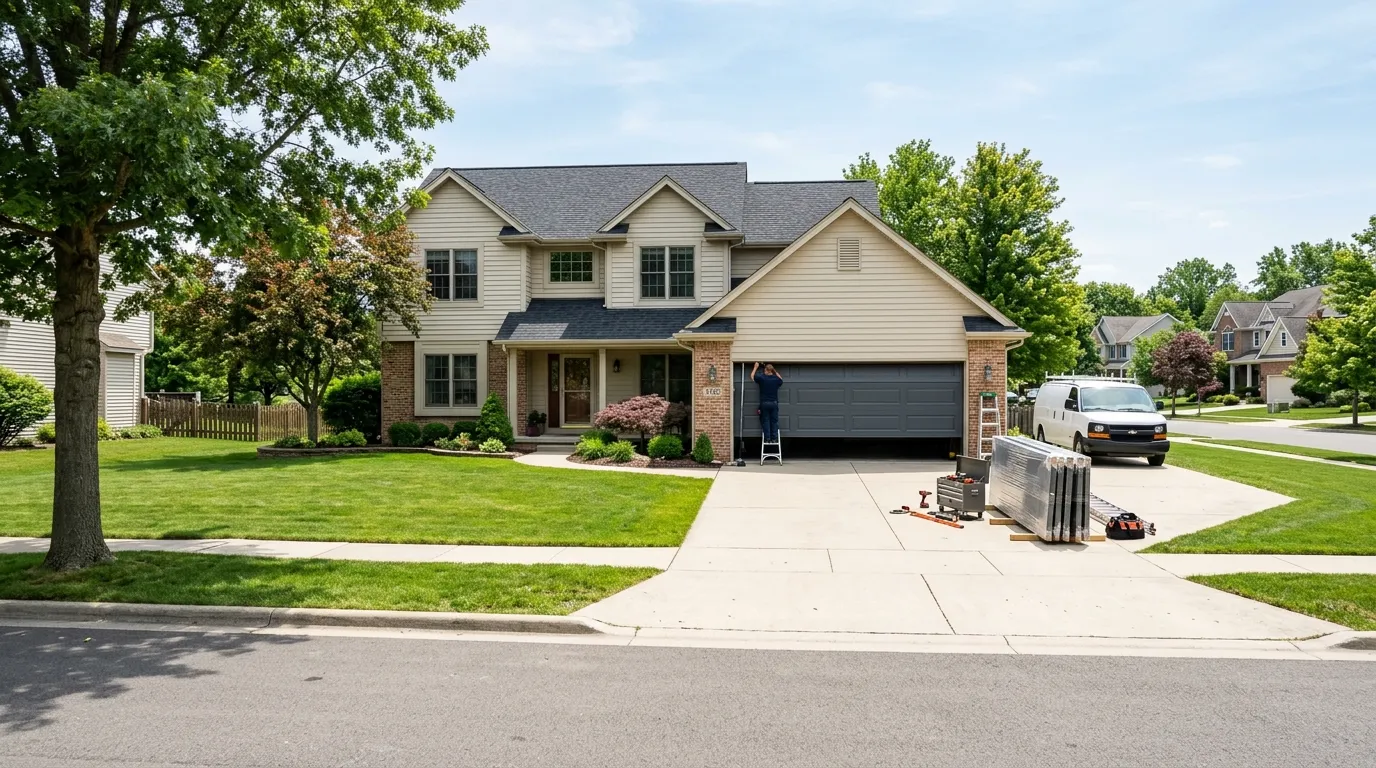
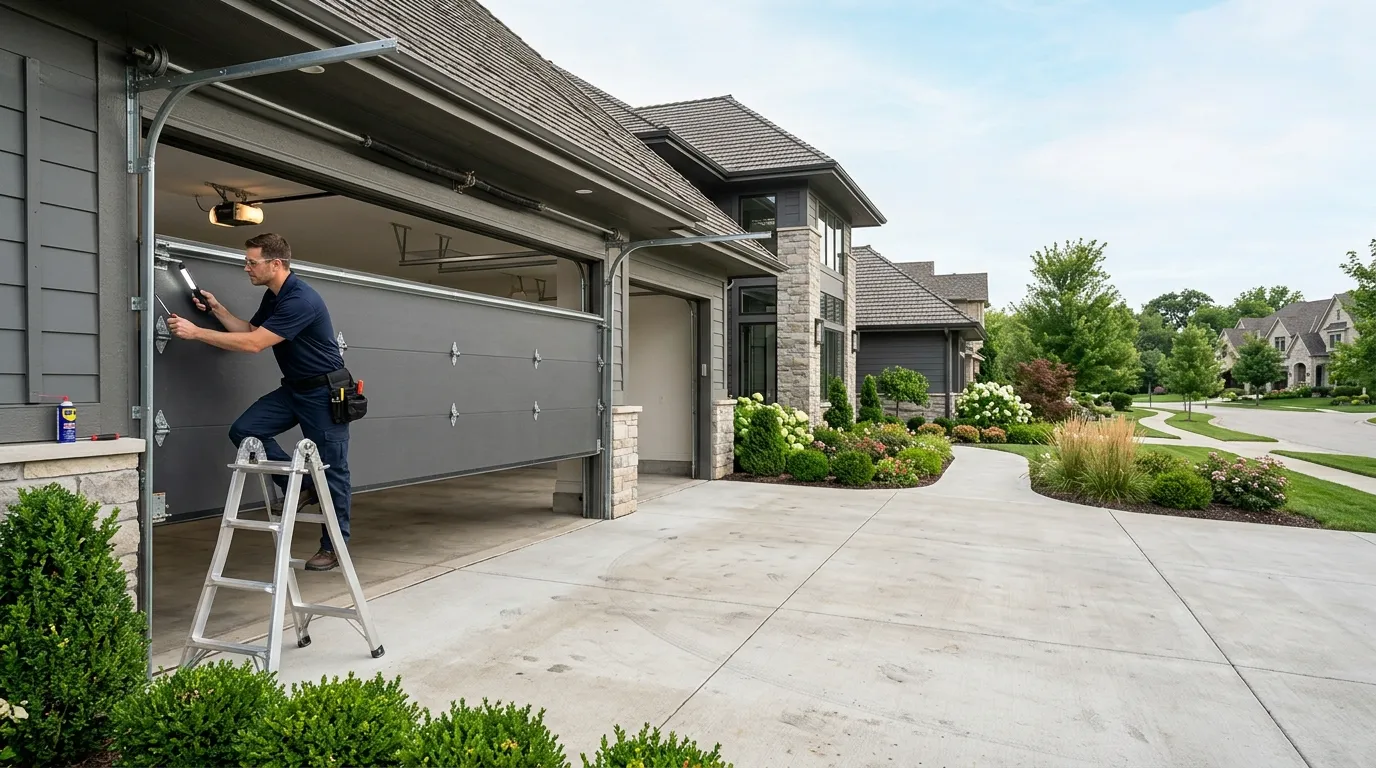
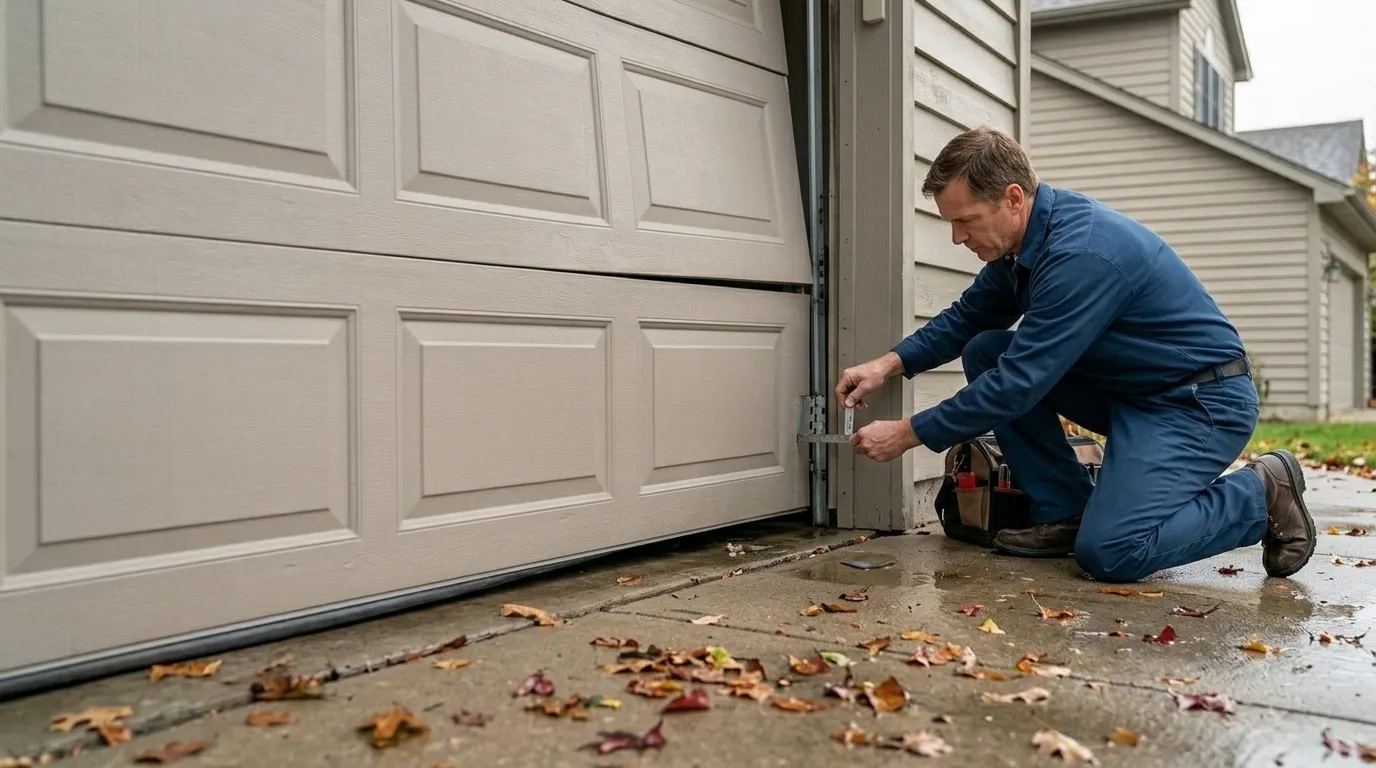
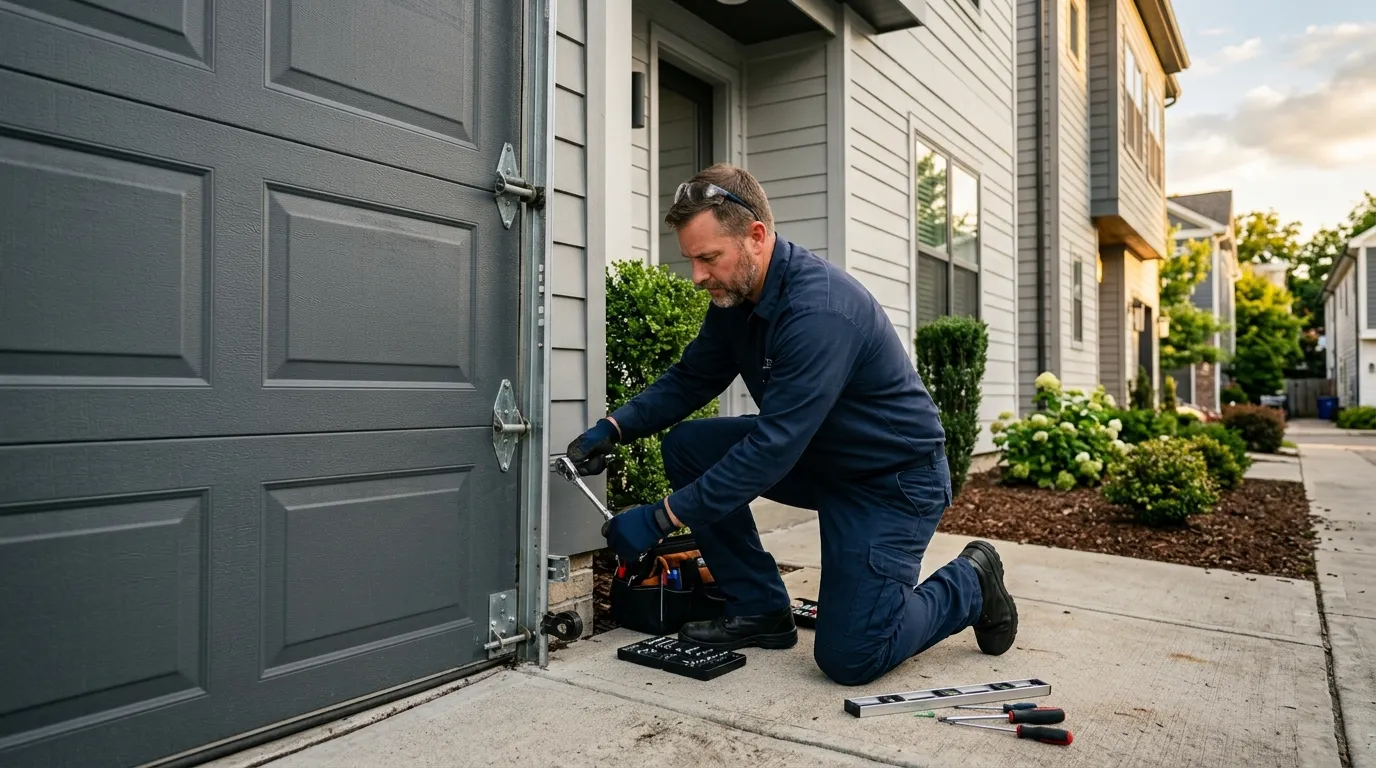
Most of what we do in North Park Hill is spring replacement, track realignment, and opener repair on doors that are old enough to have outlived their first set of hardware but not old enough that the owner's thought about full replacement. Cable fraying and roller failure show up a lot too, tied to that same cold-weather wear.
We'll be straight with you: if a door's opener logic board is failing along with worn springs and a bent track, sometimes patching each piece separately costs more than a new unit would, both in parts and in our time. We'll tell you when we think that's the case instead of running up a bill fixing three things on a door that's on its way out anyway.
What we don't do here is guess at your specific street or block - we haven't been given landmark-level detail for this neighborhood, so we're not going to invent one to sound local. What we can tell you, reliably, is what houses built in this era and this climate tend to need, and that's usually enough to know what's in your garage before we even open the truck.