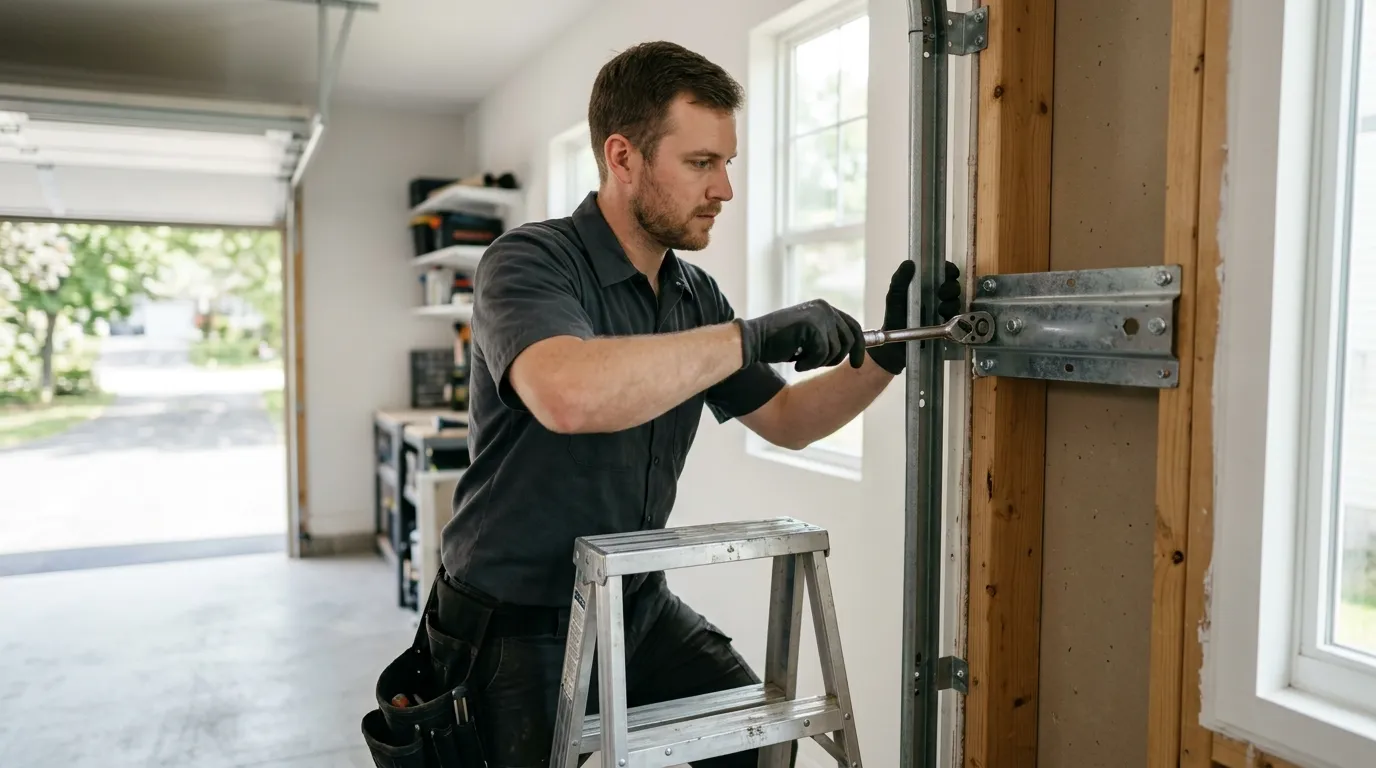
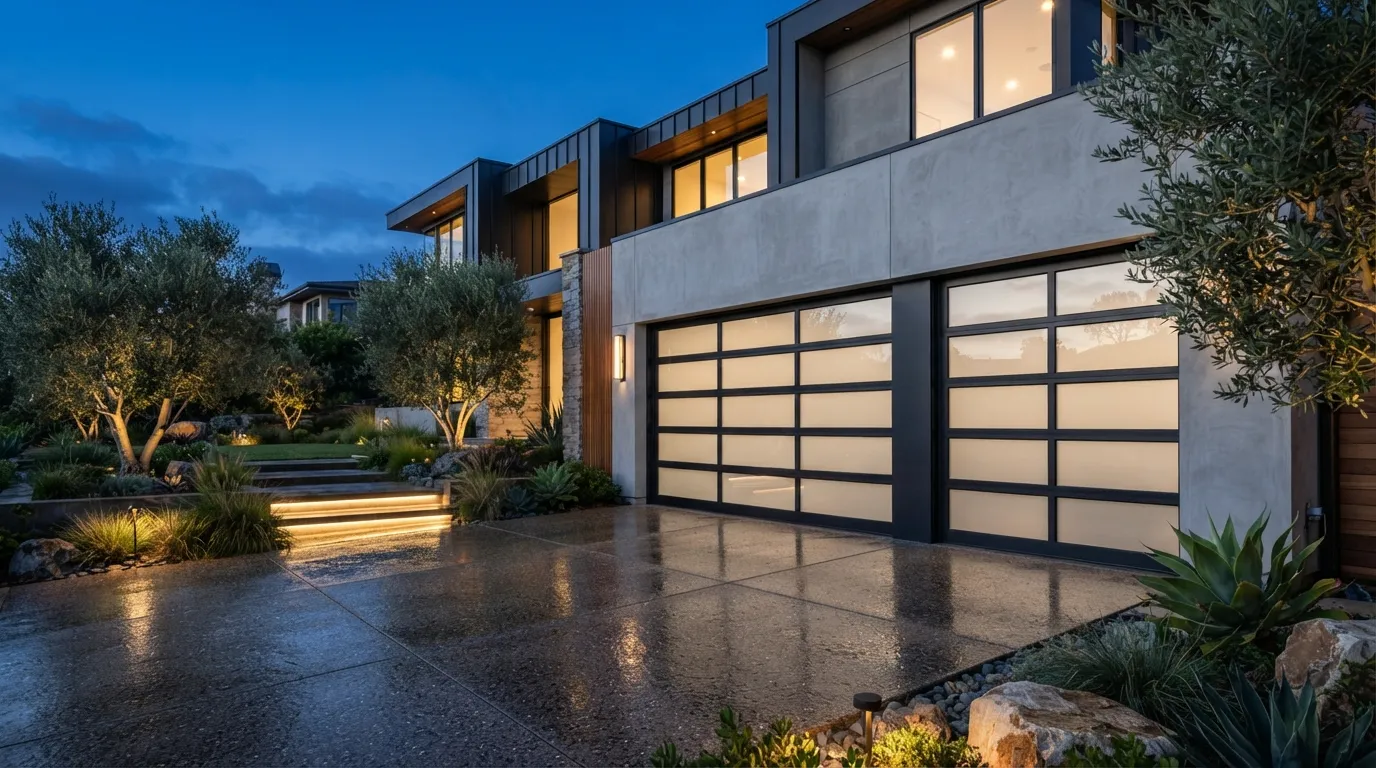
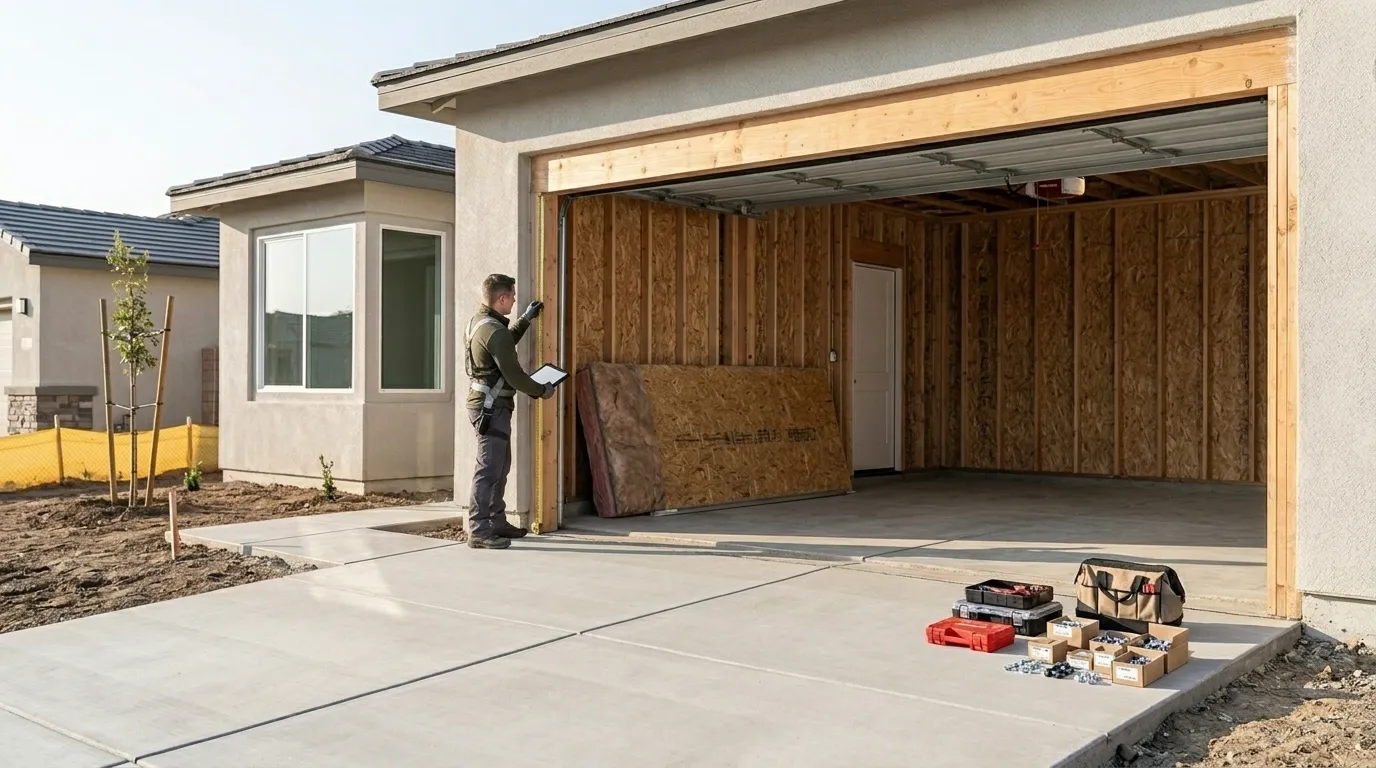
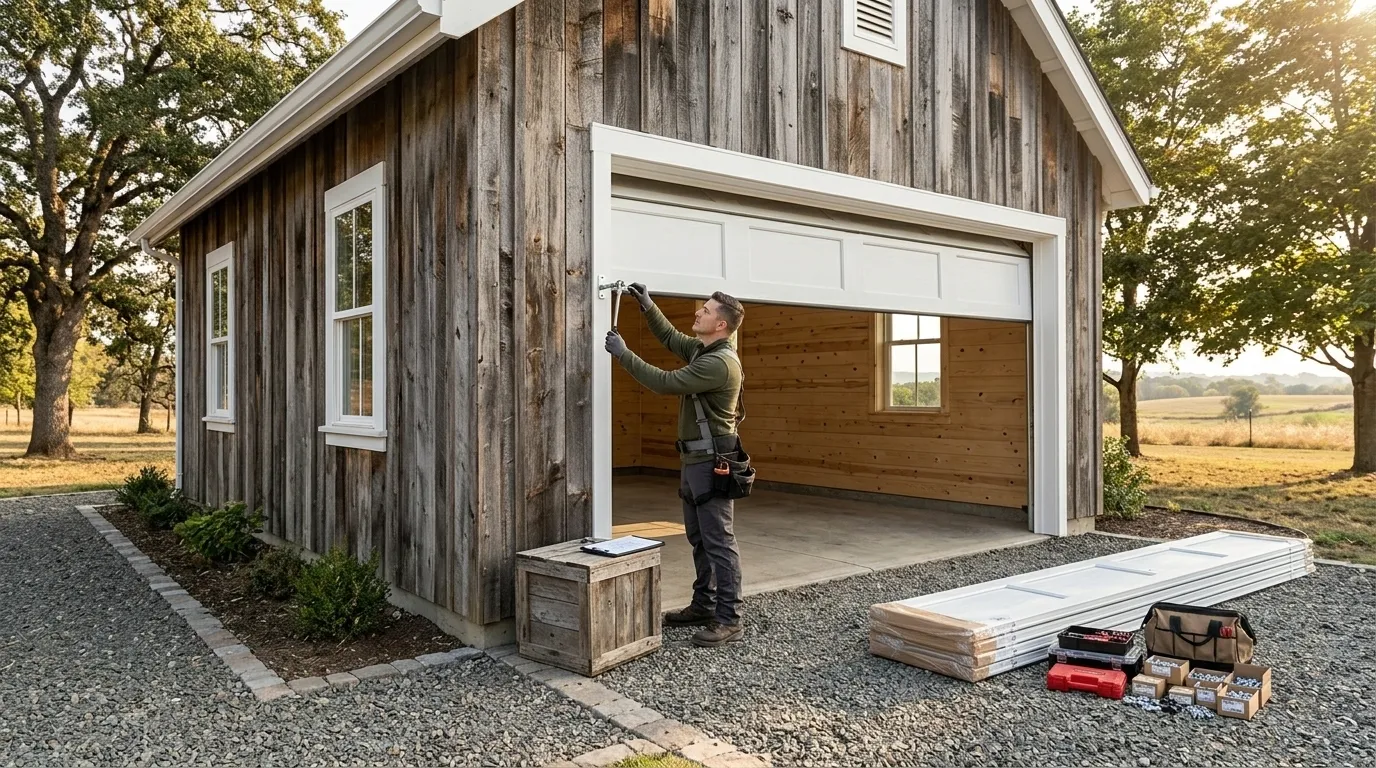
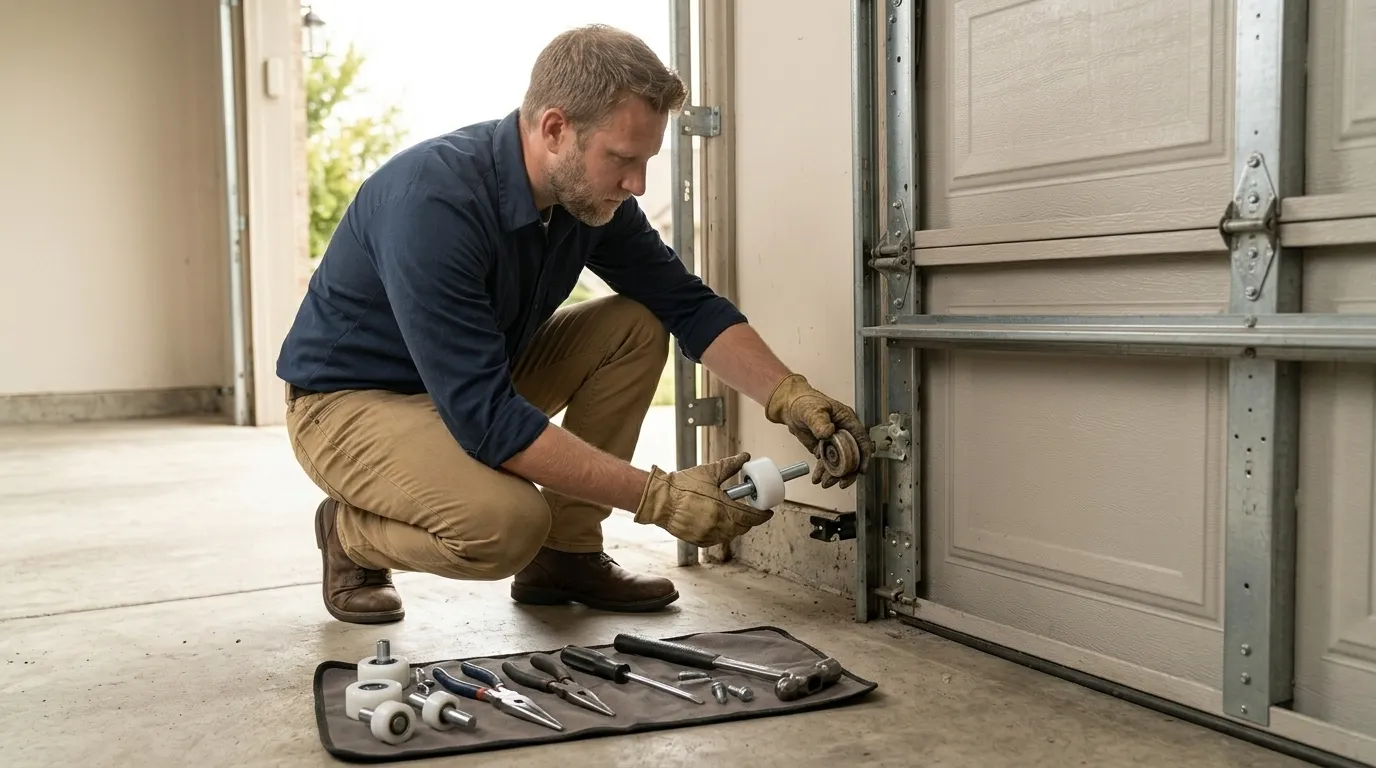
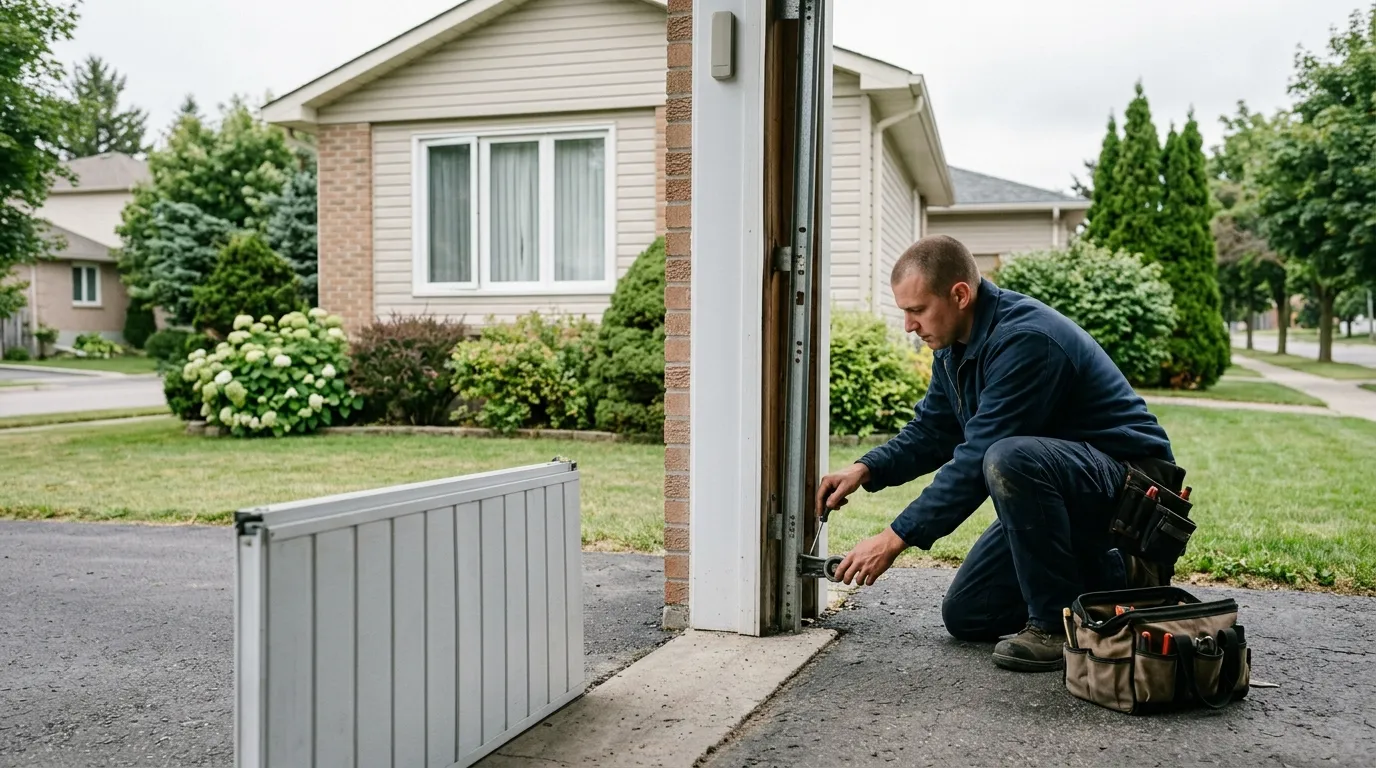
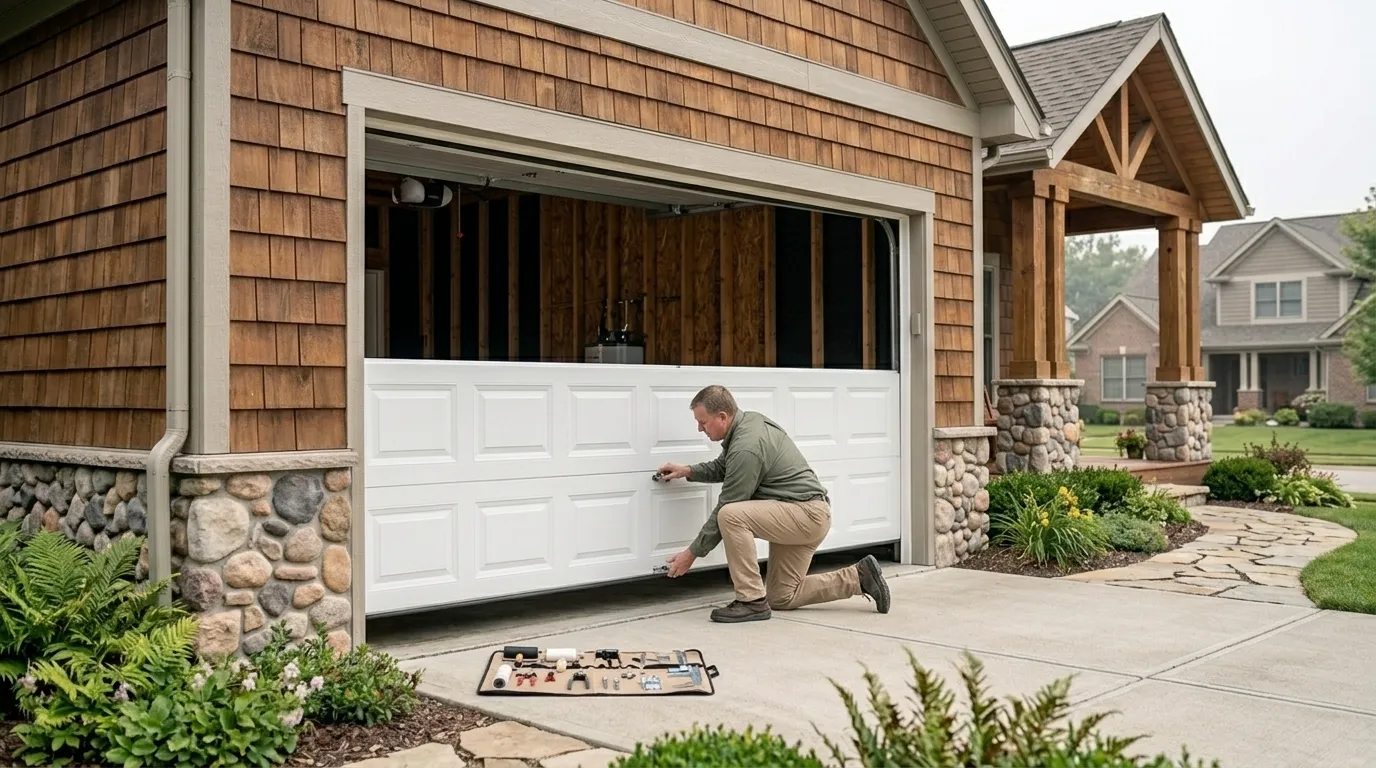
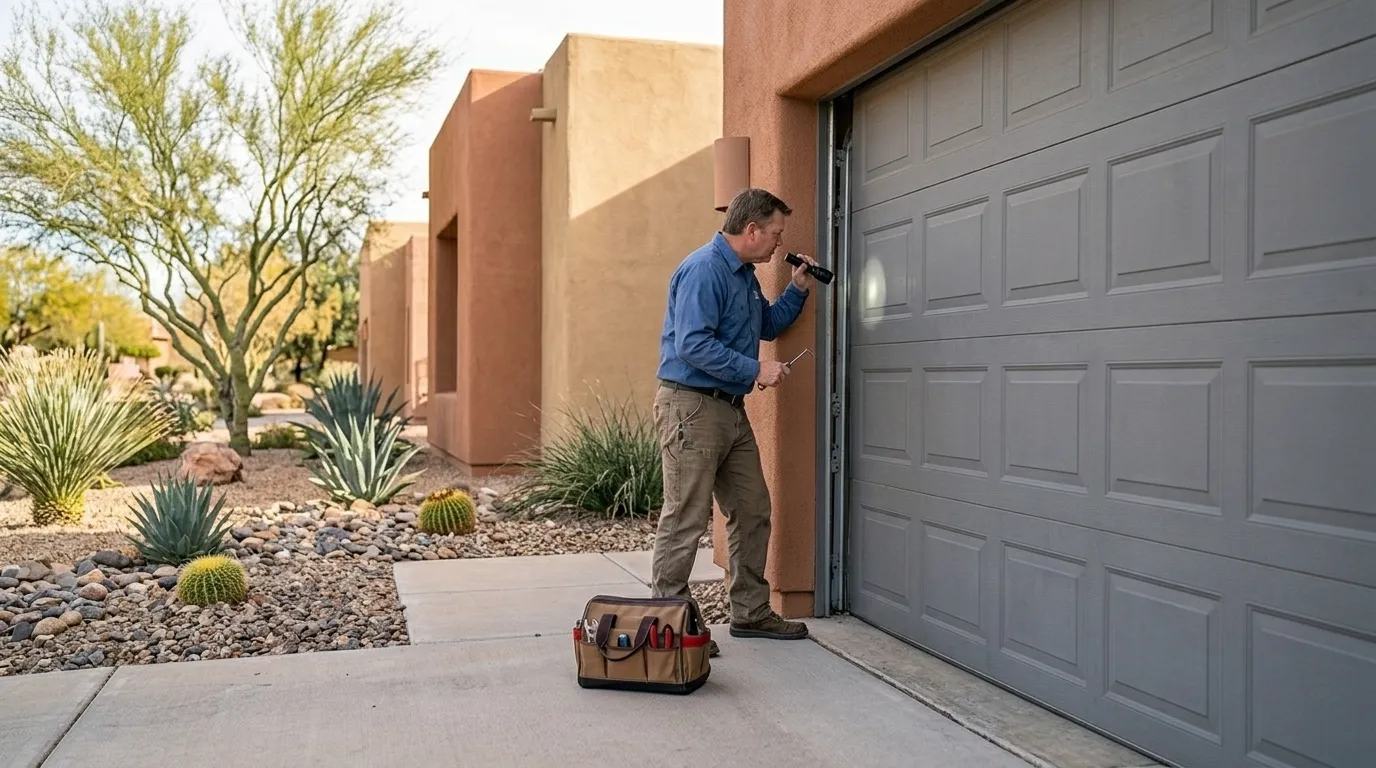
New garage door installation in Denver, CO, sized for the original openings built into homes from 1947 to 2006 and rated for our severe cold winters here.
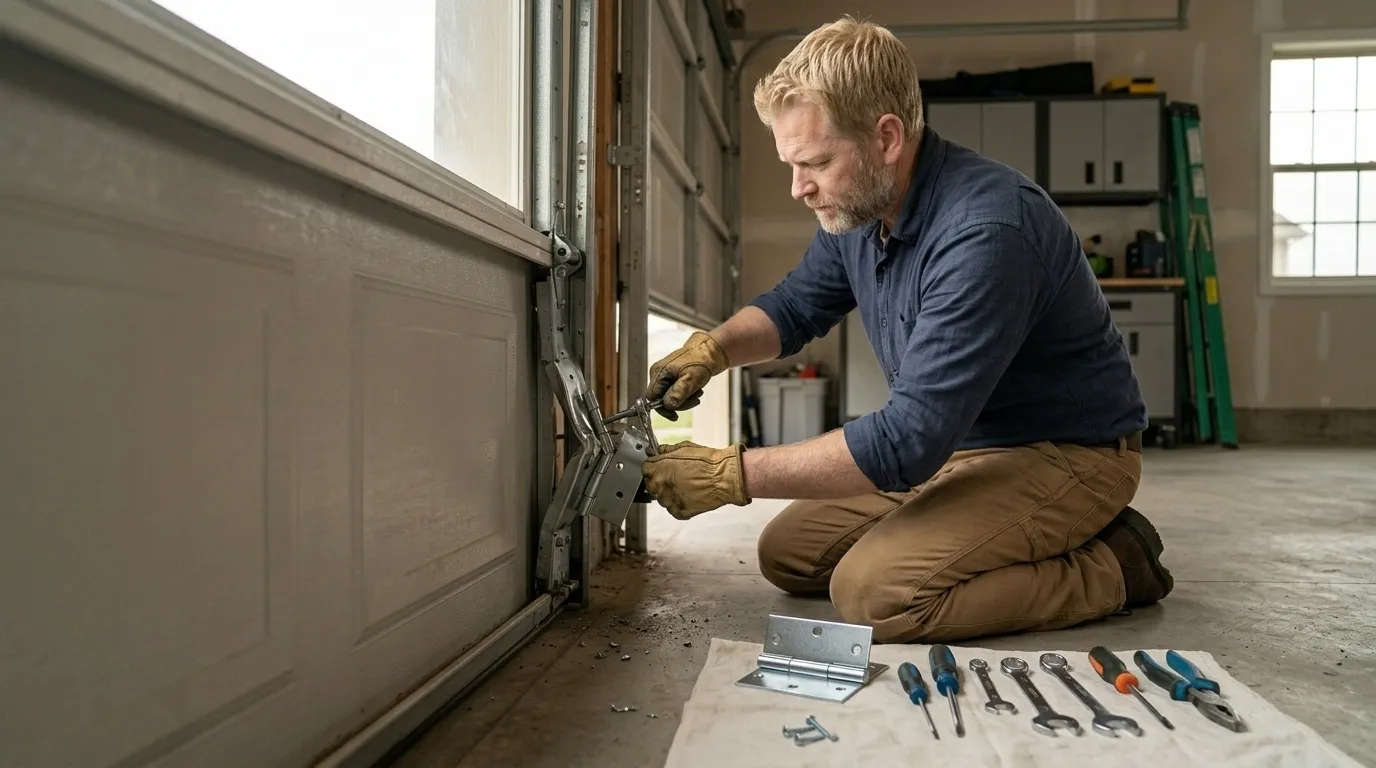
A new install here isn't just bolting a door into a hole. Most of the openings we work with were framed for houses built between 1947 and 2006, with the bulk of that stock going up in the 1980s and 90s across the 31 areas we cover. That means we're often matching a new door to track hardware, header clearance, and jamb widths that don't match what's on the shelf at a big box store. We measure the opening, check the header for room to run a modern torsion spring setup, and confirm the framing can carry the extra weight of an insulated panel, since a lot of these houses were built with lighter doors in mind. Given our cold winters, we default to insulated steel or composite panels rather than the single-layer doors that came standard when these houses were built. That adds weight, which sometimes means upgrading the spring and opener mounting at the same time, not just swapping the door face. One limitation worth saying up front: if your opening is a nonstandard size from an older custom build, we may need to order the door rather than install off the truck, which adds time to the job.
Why This Fails Locally
The failure pattern we see traces straight back to when these houses were built. A door installed in 1985 is pushing forty years old, and most weren't insulated at all, which matters in a climate band rated severe cold. Steel panels without a thermal break flex more with temperature swings, and over decades that flexing loosens seams, cracks weatherstripping channels, and lets the panel bow at the bottom corners. Original hardware from that era was also sized for a lighter, uninsulated door. When an owner swaps in a heavier replacement door without upgrading the spring or the track, the new door works the old hardware harder than it was built for, and something gives sooner than it should. Across a service area with 96,547 owner-occupied houses, this is less an isolated fault and more a predictable outcome of housing age meeting the sustained cold. It's not that anything was built wrong. It's that a door and hardware set speced for 1980s conditions is being asked to do a 2020s job, in weather that hasn't gotten any easier on it.
How Long You Are Without the Door
For a standard-size opening, we can usually get a new door on and running the same day, since panel sizes common to this era's housing stock are ones we stock. Where it stretches out is on the nonstandard openings we mentioned above, or on installs where the header or track needs rework to handle a heavier insulated door. In those cases the door itself may need to be special-ordered, and that's outside our control once it leaves the manufacturer. We won't promise a specific turnaround here because it depends entirely on what's on the truck versus what needs to ship in. What we can say is that a full opener disconnect-to-reconnect on a same-day job means your garage isn't sitting open overnight, and we sequence the work so the old door stays functional right up until the new one is ready to hang. If a custom order is required, we'll tell you that at the estimate, not after the old door is already off the track.
What You Are Seeing
If your house falls in that median 1981 build range, the signs to watch for are usually about age catching up with the panel and hardware, not sudden damage. Bottom panel edges that have started to bow or rust from decades of ground moisture. Weatherstripping that's cracked stiff rather than pliable, which is common once a door's insulation has broken down under repeated cold cycles. A door that feels noticeably heavier to lift by hand than it used to, which often means the spring was sized for the original lighter panel and is now undersized after a partial repair somewhere along the way. Daylight around the frame that wasn't there when the house was newer. None of these mean the opener is at fault, and that's worth separating out before assuming you need a new motor along with a new door. If what you're seeing is limited to a single dented panel on an otherwise sound door, replacement of the whole unit usually isn't the right call, and we'll say so rather than sell a full install you don't need.
How it works
From “it’s stuck” to “it’s fixed”
01
Tell us what’s wrong
Describe the symptom - won’t open, loud bang, opener runs but the door won’t move.
02
On-site diagnosis
A technician tests the door under power and by hand and finds what actually failed.
03
Clear, up-front plan
You get the fix that’s needed and what drives the cost - before any work starts.
04
Repaired & tested
The repair is done, the door is set true and tested, and the work area left clean.
Serving Denver, CO - tell us what your door’s doing and we’ll take it from there.
Do you install garage doors on older Denver homes with nonstandard openings?
Yes, though if your opening doesn't match a standard size we stock, the door has to be special-ordered from the manufacturer, which adds time to the job. We measure first and tell you at the estimate whether your opening is standard or custom before any work starts.
Will a new door fit my old torsion spring and track?
Not always. Doors built for houses from the 1980s and 90s were often lighter and uninsulated, so a heavier insulated replacement can need an upgraded spring and sometimes new track. We check the existing hardware against the new door's weight before we install, not after.
Is an insulated door worth it here?
Given our severe cold winters, most owners get real value from an insulated steel or composite door over an uninsulated original, especially on an attached garage. It won't outperform your home's actual wall insulation, but it does cut the cold air moving through that panel.
How do I know if I need a new door instead of a repair?
If the damage is one dented or cracked panel and the rest of the door and hardware are sound, repair is usually the better call. Full replacement makes sense when the panel, weatherstripping, and spring are all showing age from the same original 1980s or 90s installation.
Ready to get your garage door sorted?
Tell us what it’s doing and where you are in Denver - we’ll take it from there.