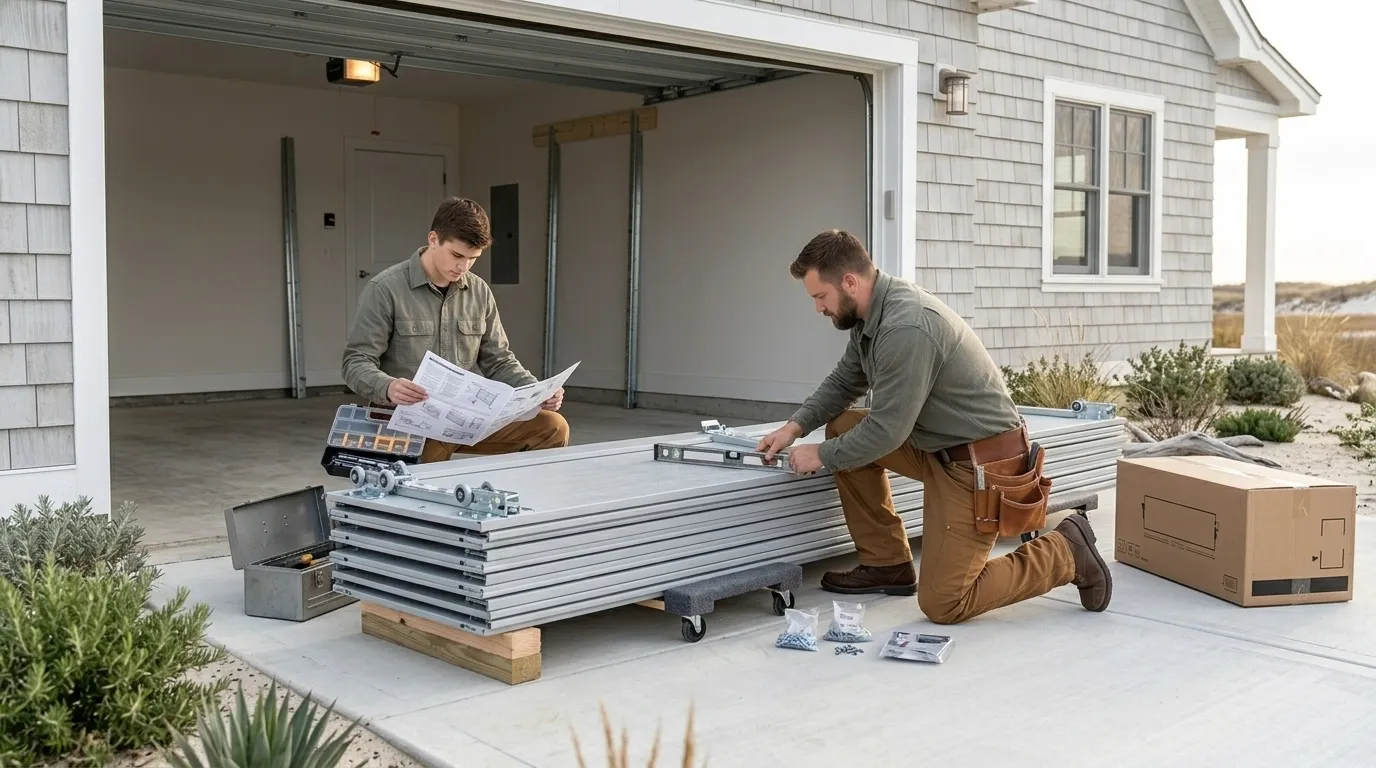
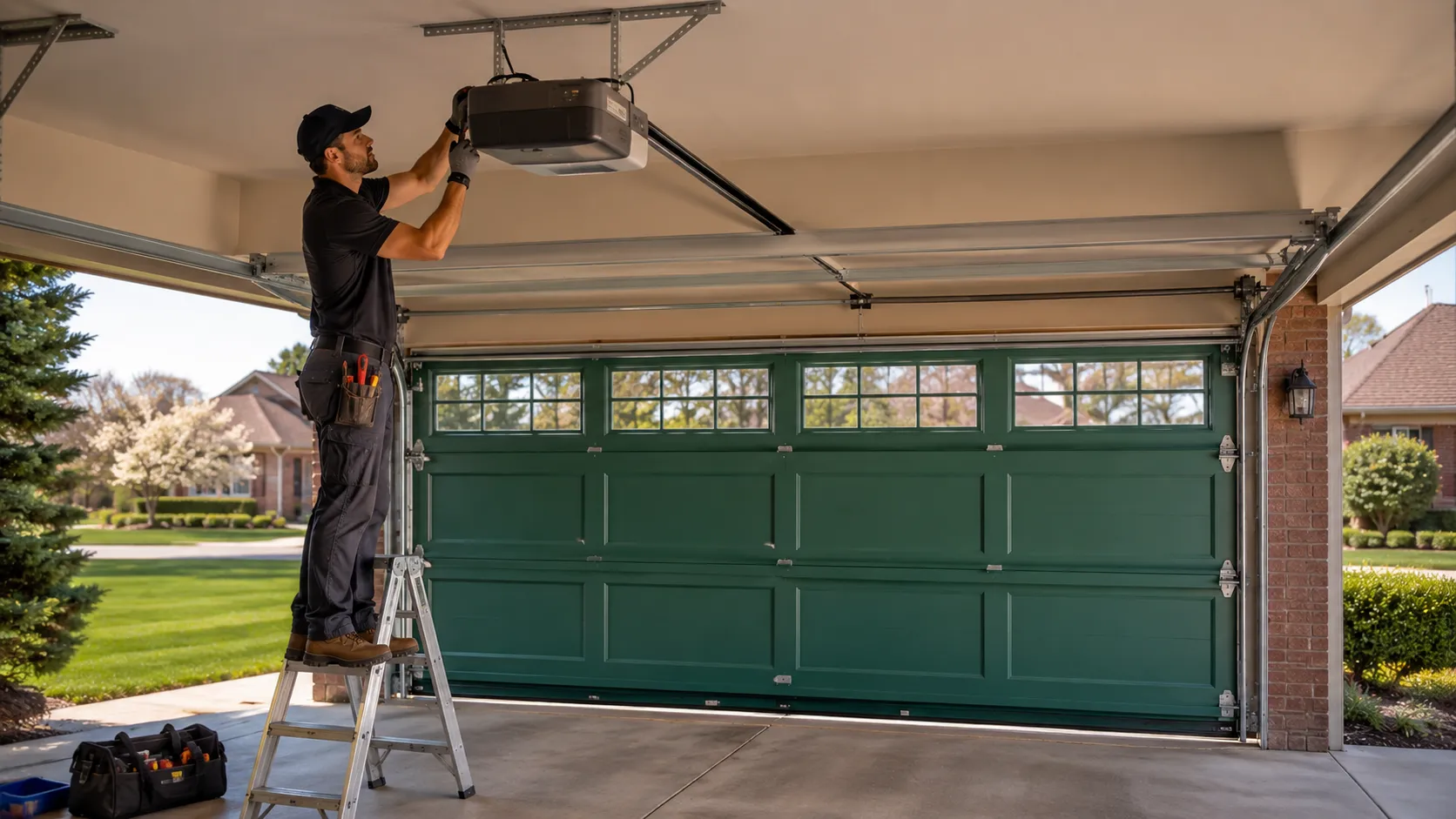
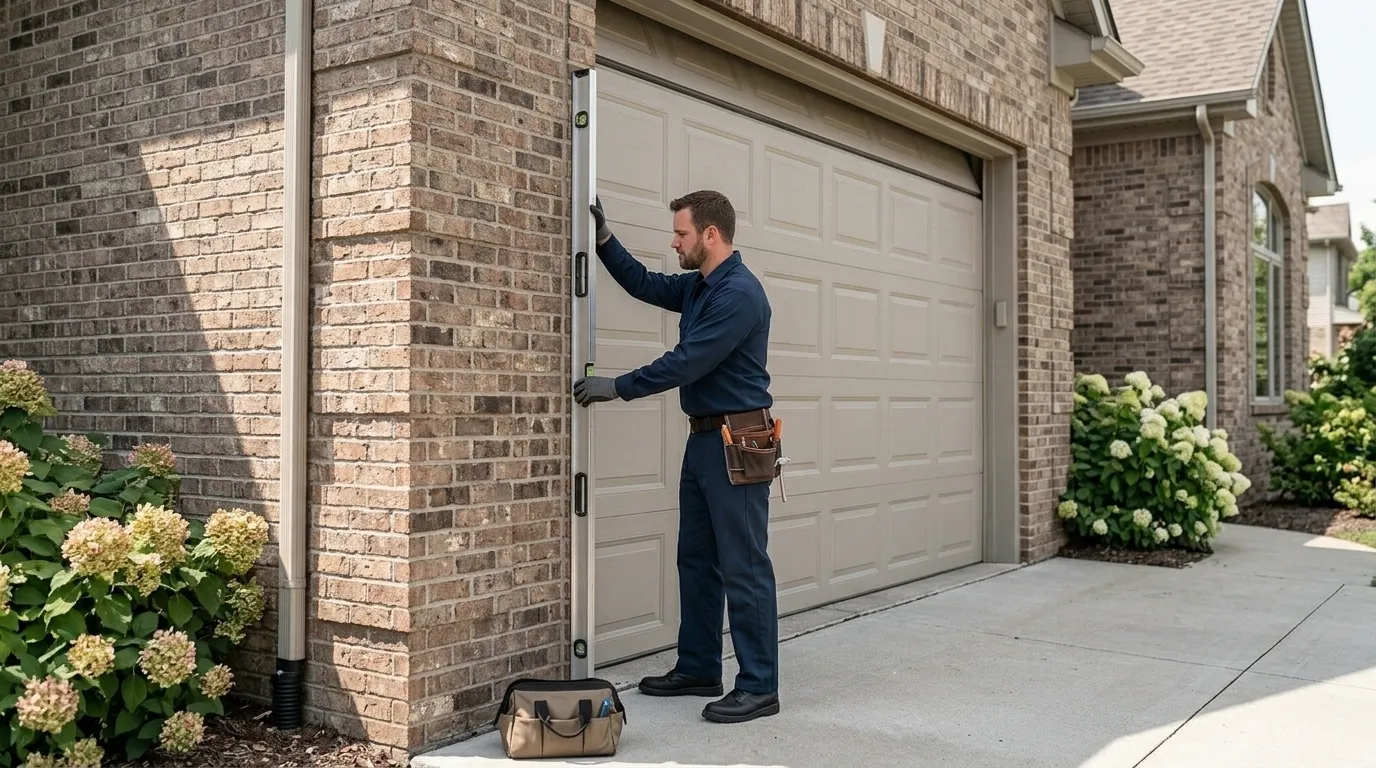
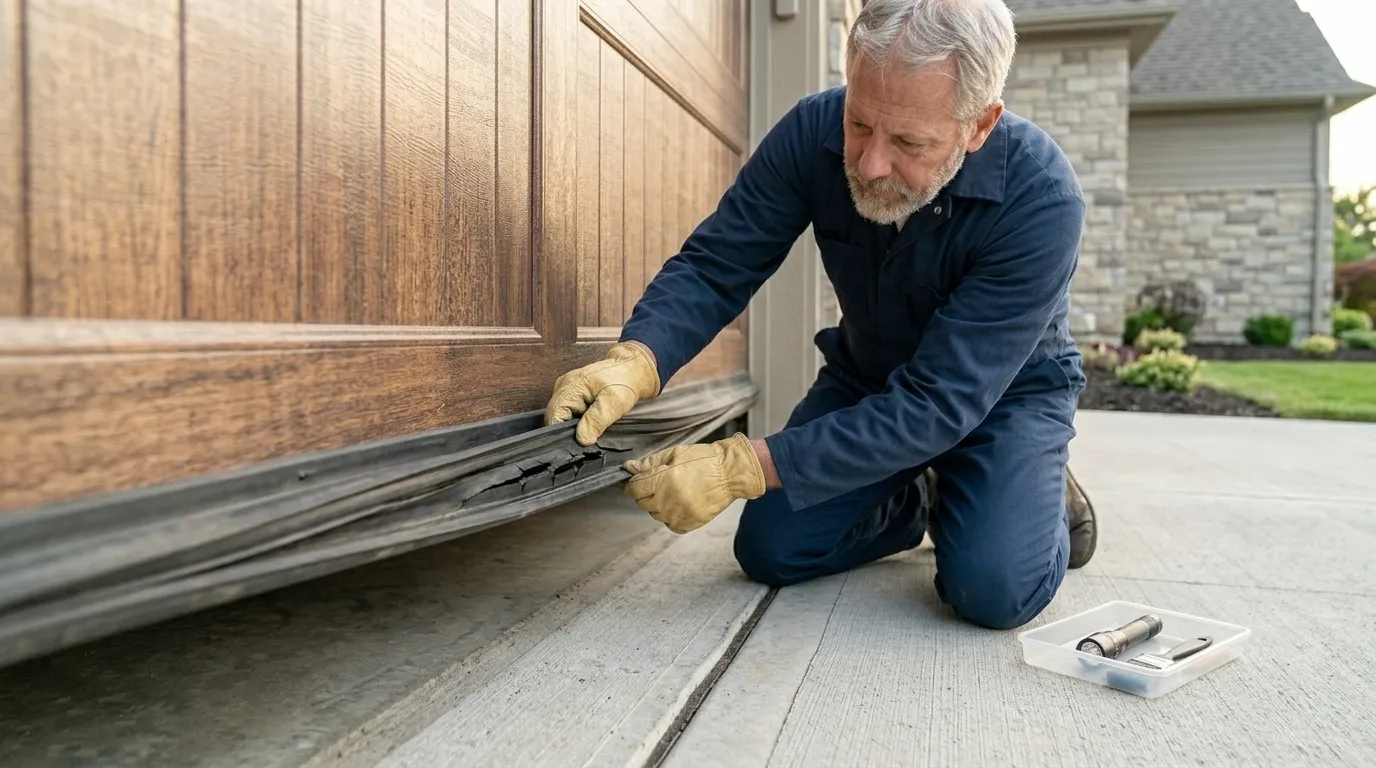
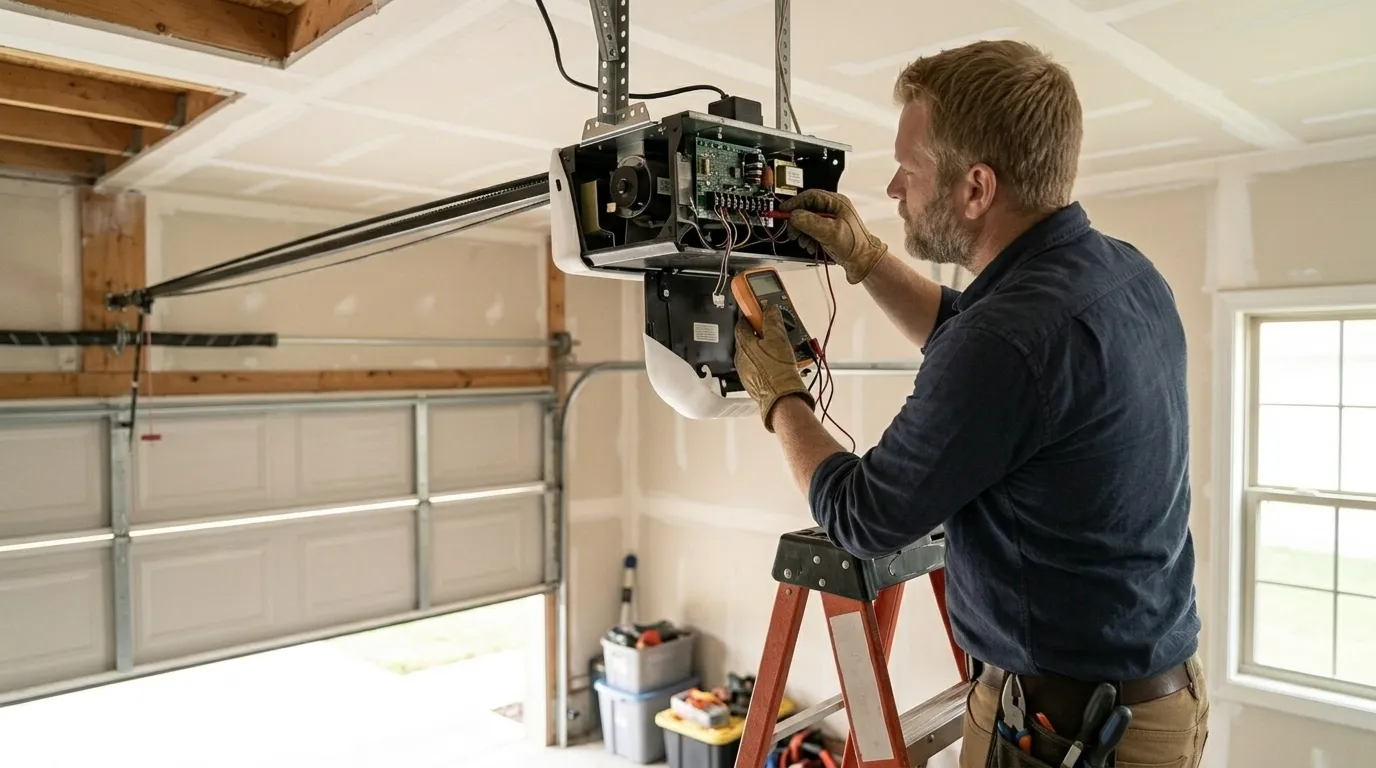
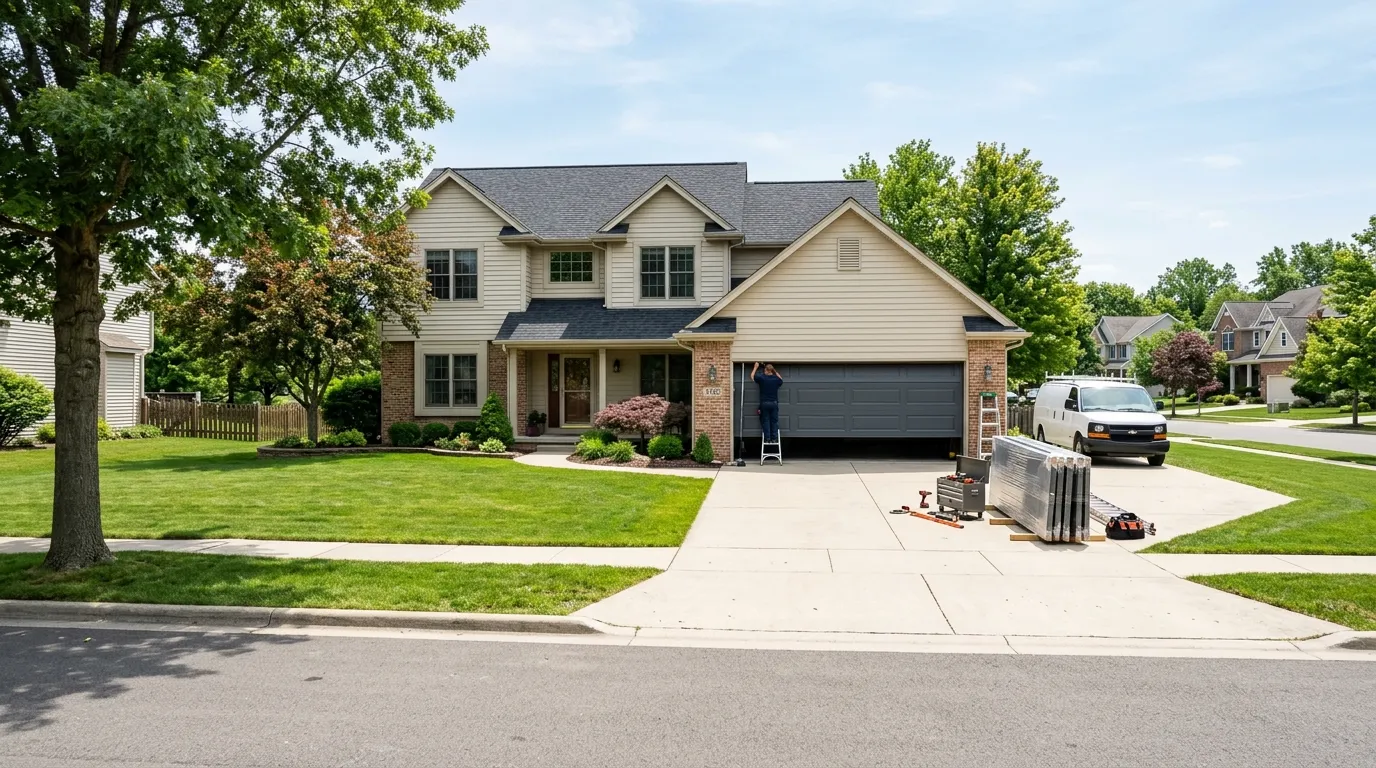
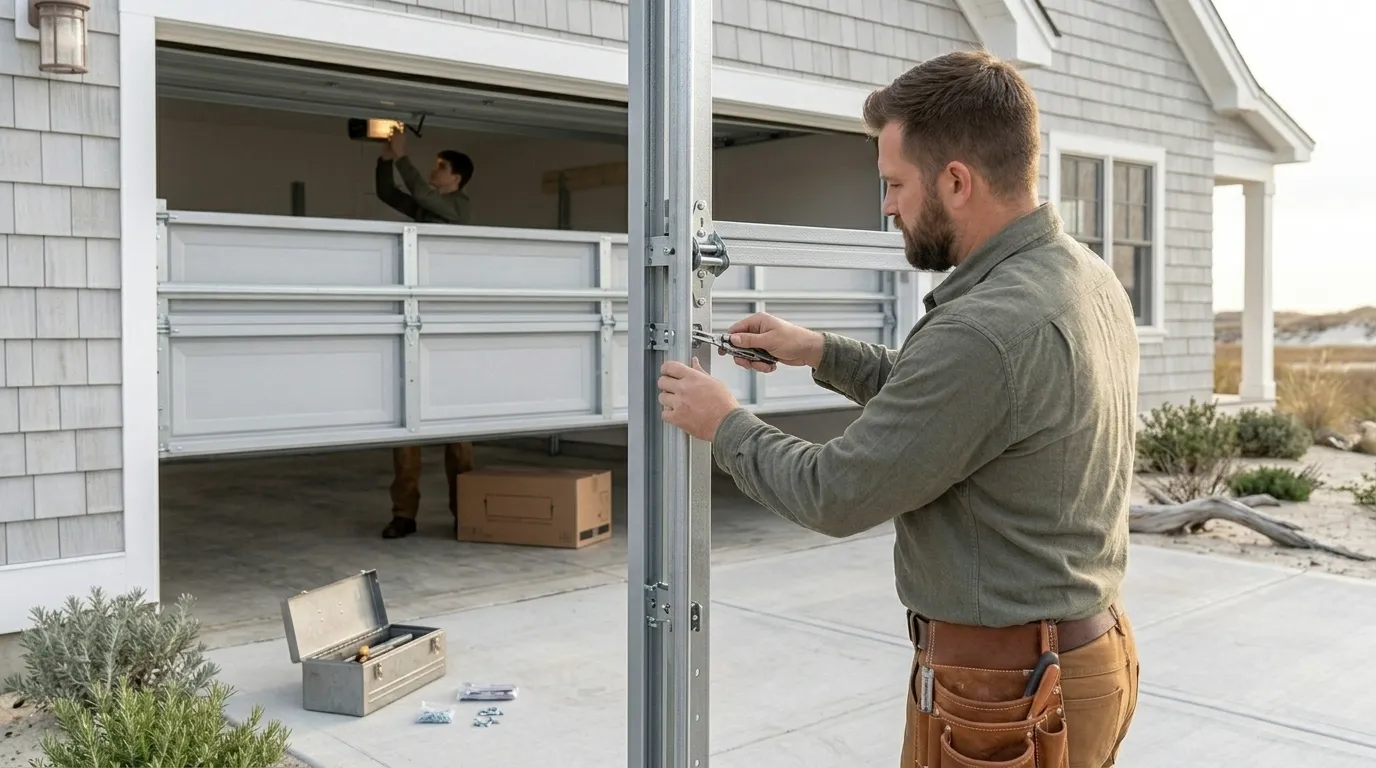
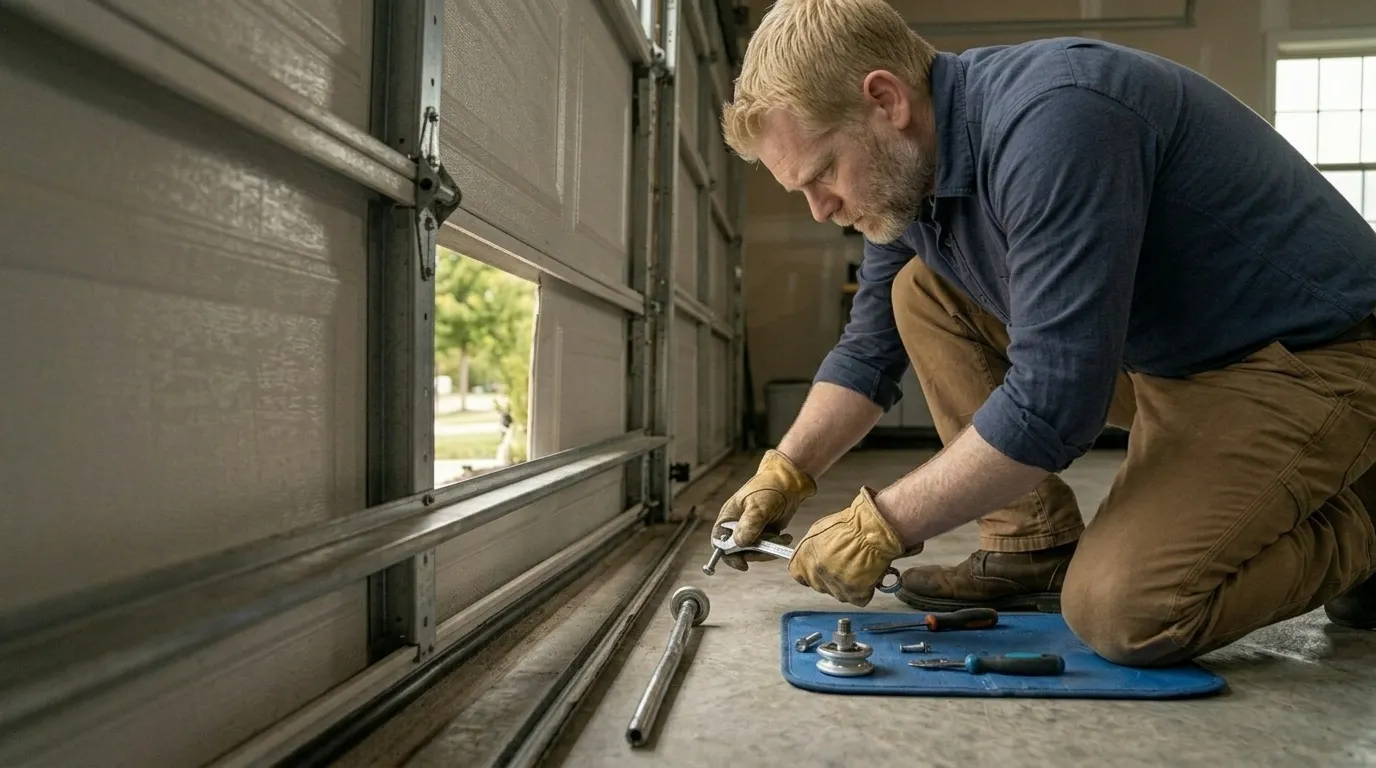
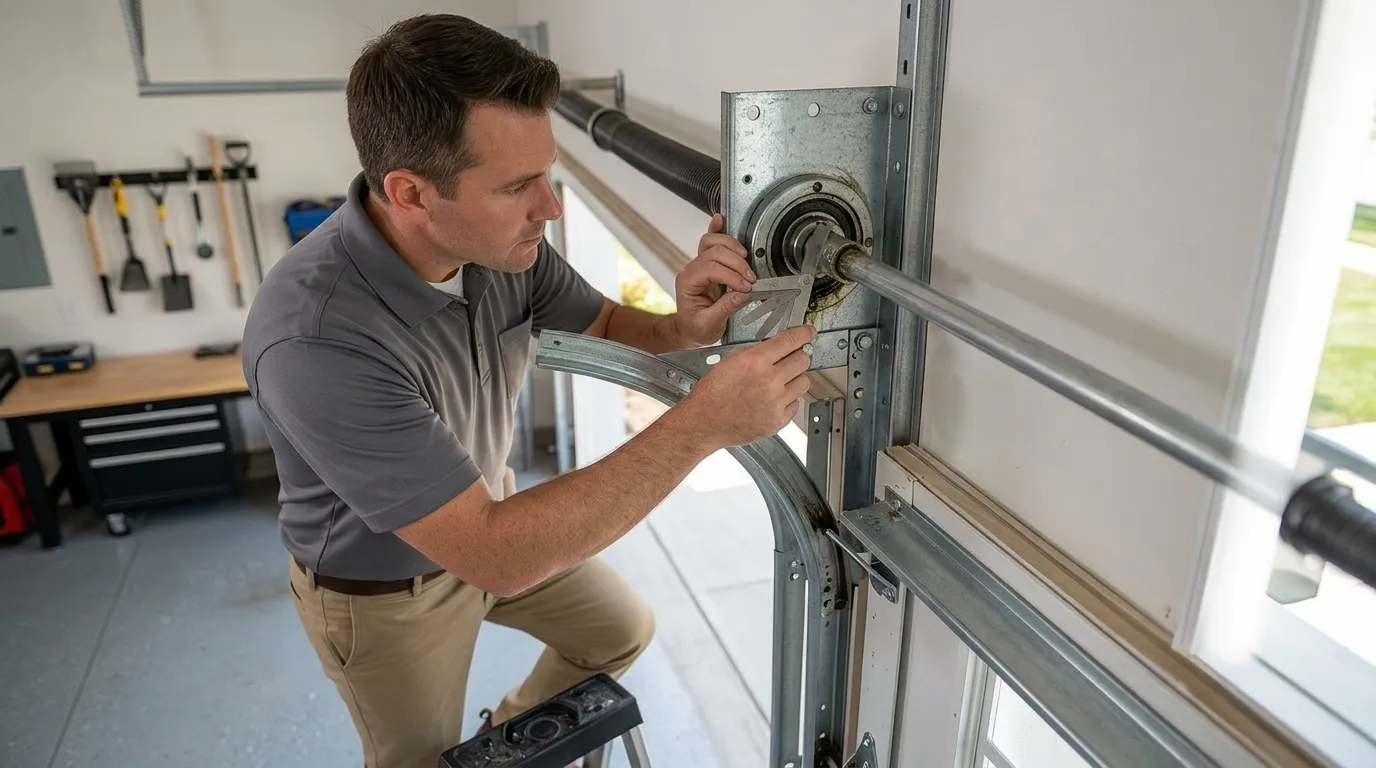
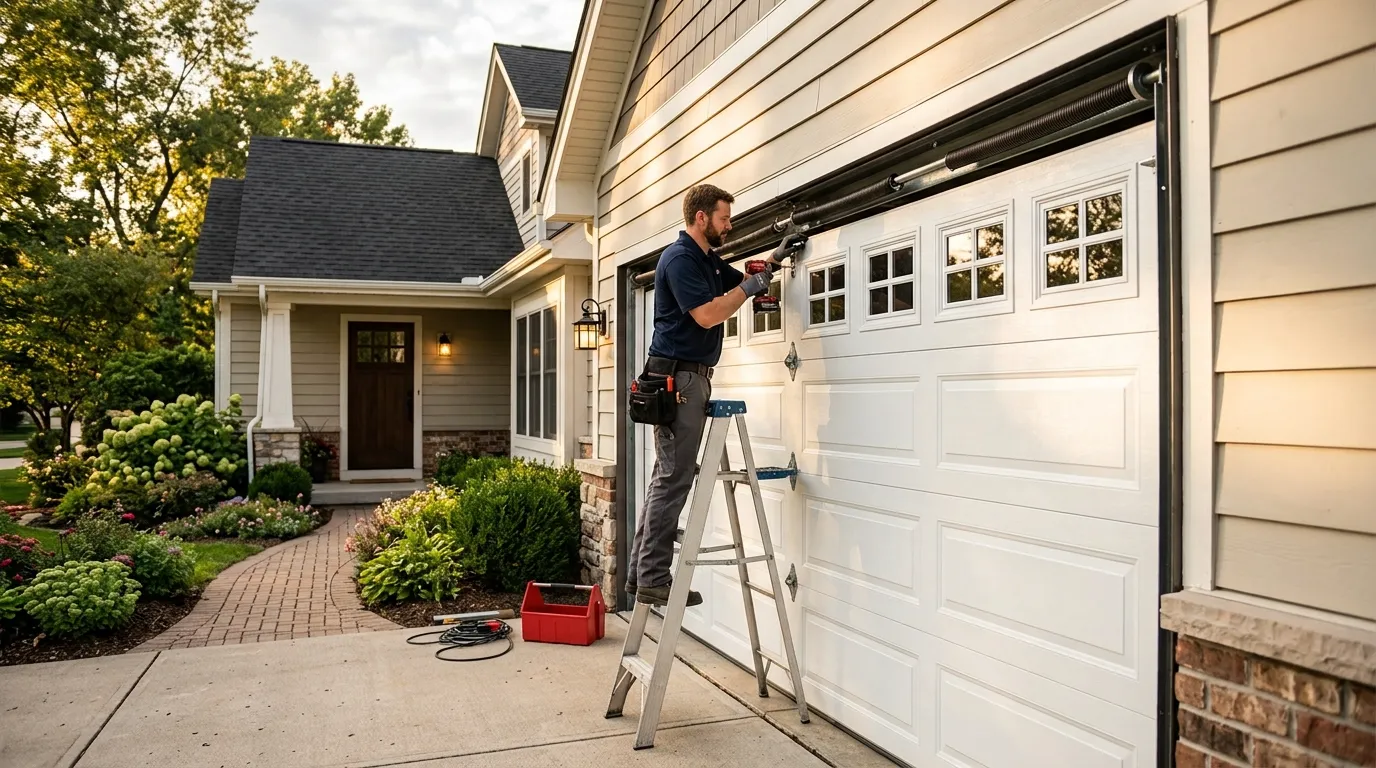
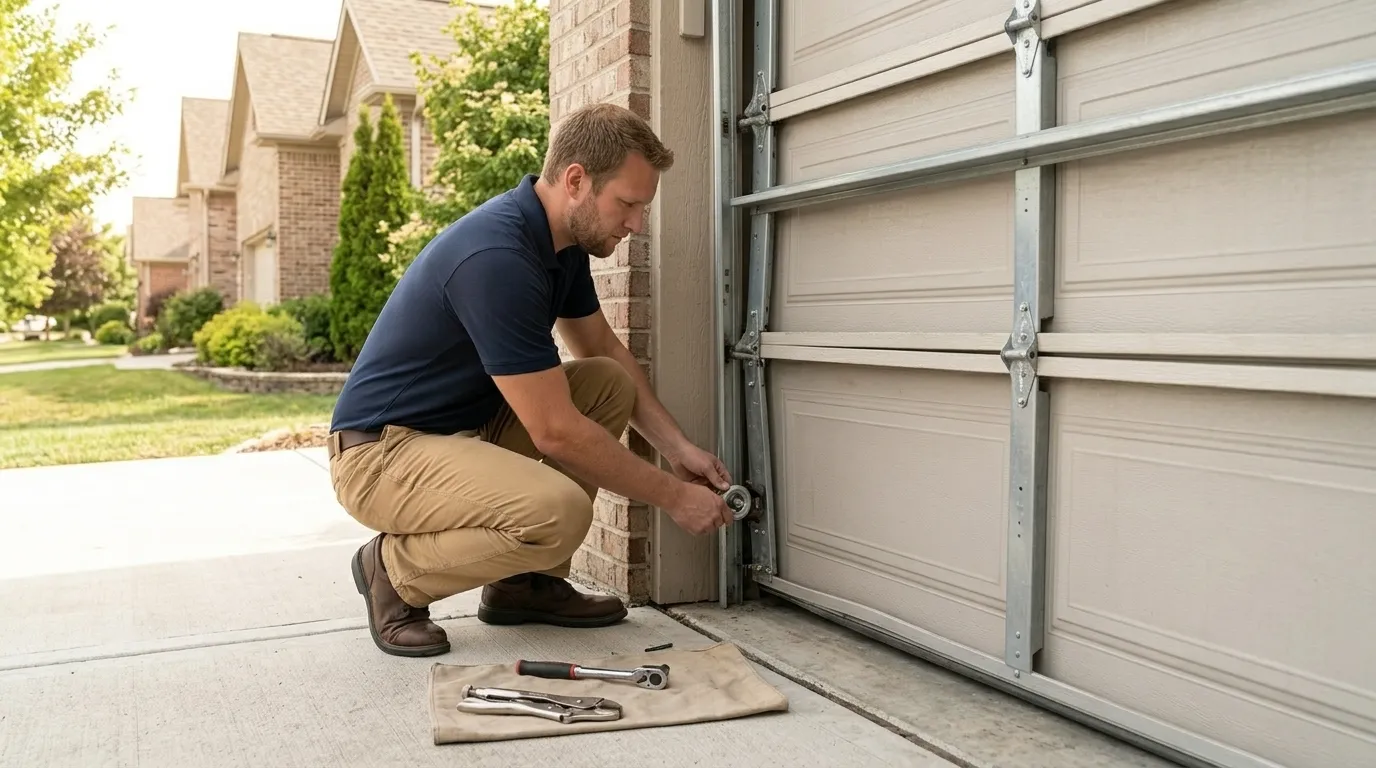
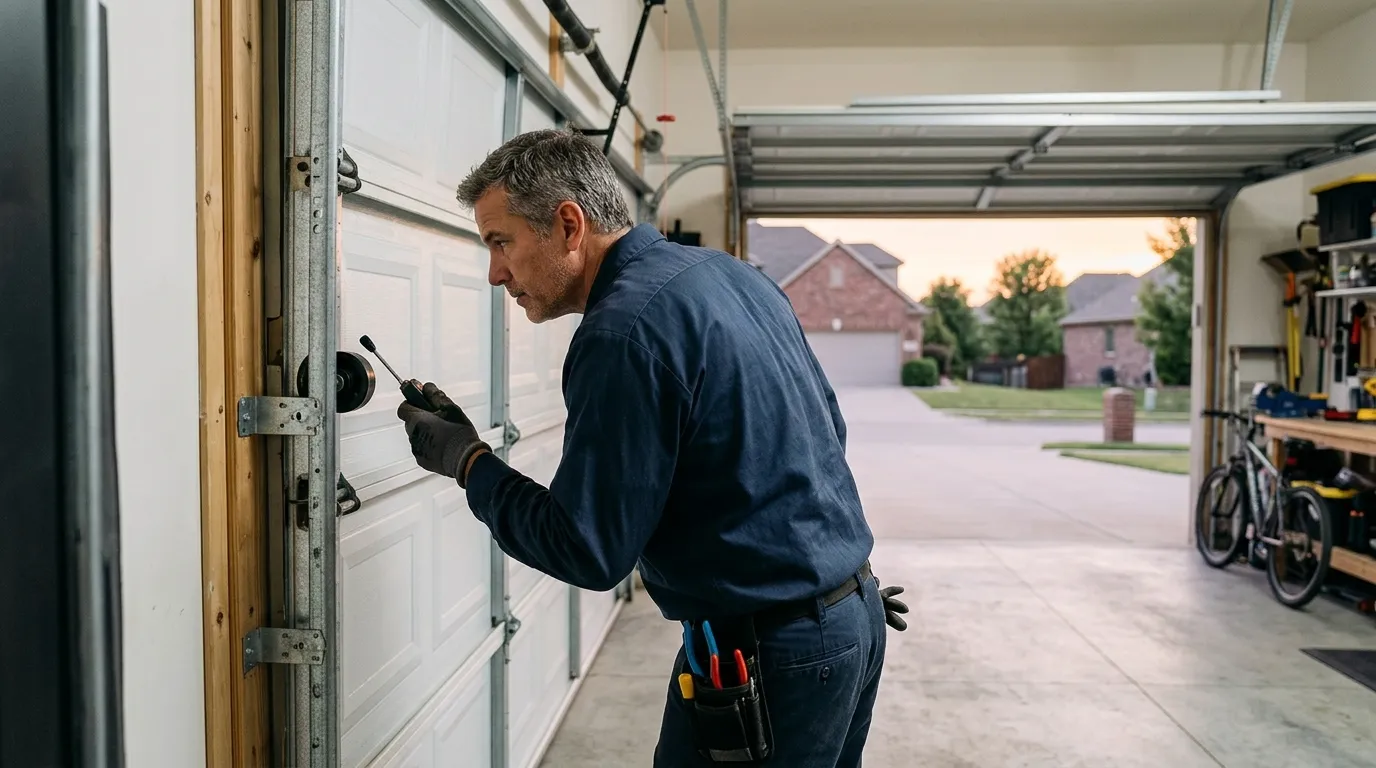
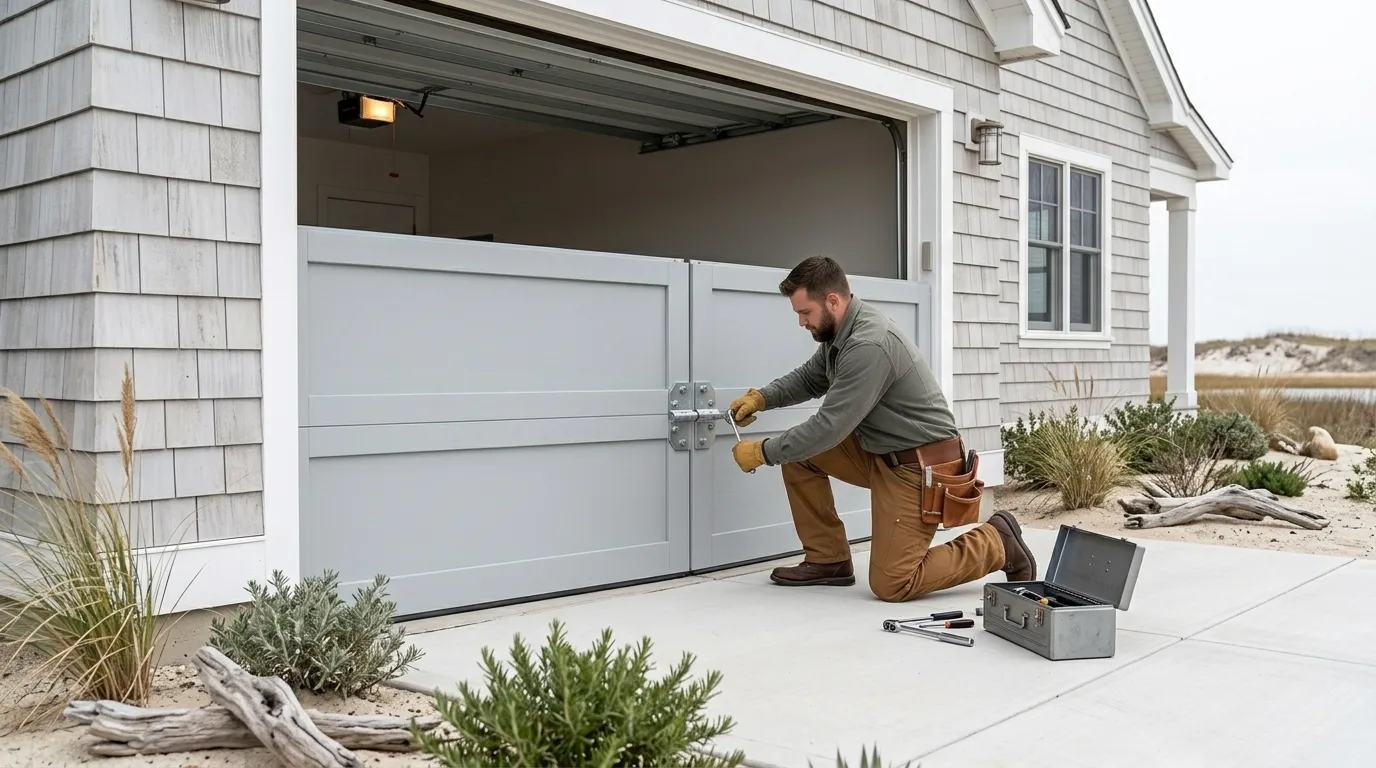
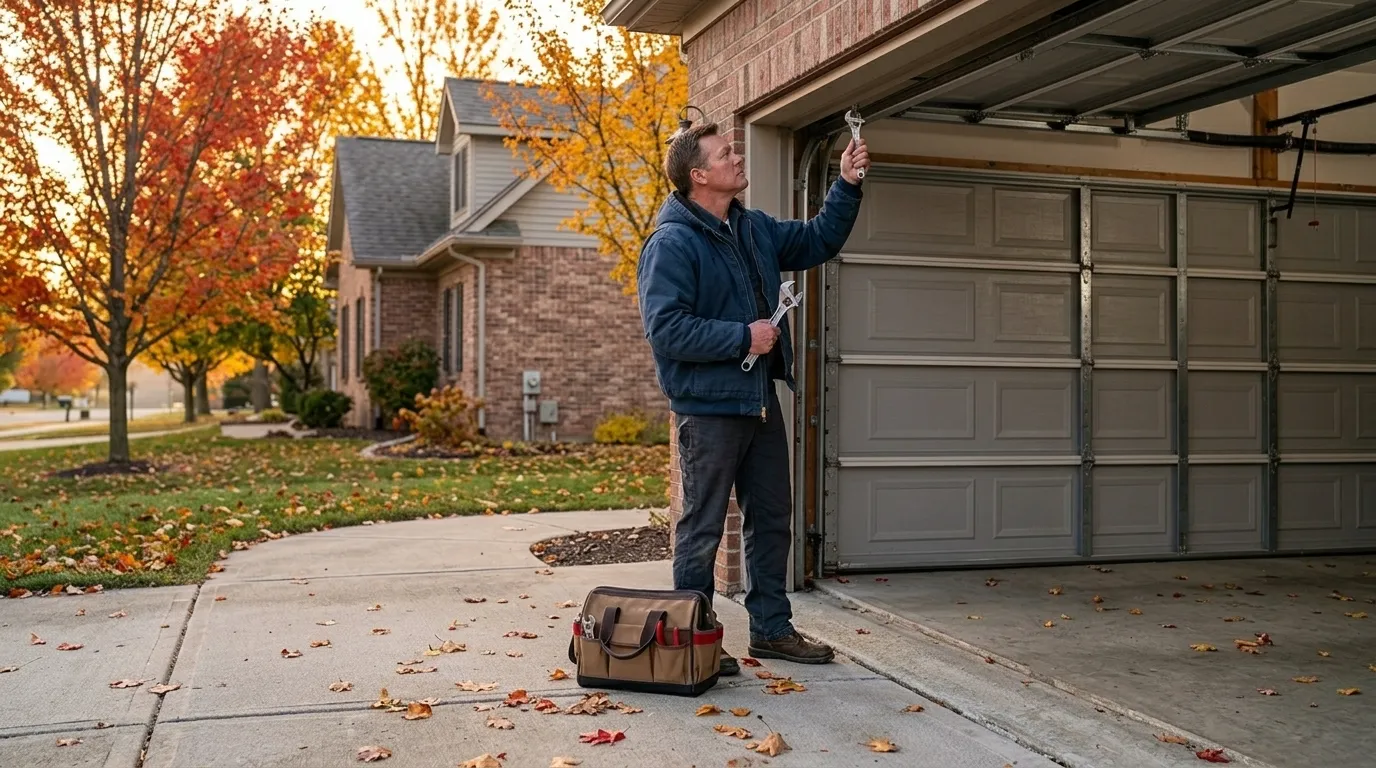
Most calls we run in Denver break down into three jobs: a broken torsion spring, a failed opener, or a door that's come off its track. The spring job means winding down the old spring, pulling the shaft, and matching wire size and length to the door weight - get that wrong and the door either won't lift or slams down. Opener repairs usually come down to a stripped gear, a dead circuit board, or a sensor that's drifted out of alignment. Track work is bent rail, worn rollers, or hardware that's pulled loose from the jamb over decades of use.
We carry standard torsion spring stock sized for the doors common across this area, but if your door is an older custom width or an odd track configuration from the original build, that part may need to be ordered. That's the one honest limit here: a same-day fix on a common spring size is realistic, a same-day fix on a discontinued or oversized door is not.
With 96,547 owner-occupied houses across this service area, we see the same handful of failure patterns over and over, which is why most repairs go faster than homeowners expect once we're on site and looking at the actual hardware.
Why This Fails Locally
Housing across this service area was built between 1947 and 2006, with the median landing at 1981 - which means a huge share of doors are running original or first-replacement torsion hardware from that era. Springs rated for 10,000 cycles in the 1980s have long since worn past their life, and a lot of homeowners don't know a spring has a lifespan until it snaps.
Denver's climate band is classed severe cold, and that matters for steel hardware. Torsion springs contract in freezing temperatures, which raises tension on a spring that's already fatigued, and that's when a spring that's been fine all summer lets go on the first hard cold snap. Openers see the same stress - cold makes chain drives and belt drives bind slightly, so a gear that was already marginal strips under the extra load.
Across the 31 named areas that make up this service territory - from tighter 1980s-90s tract housing to older postwar stock closer to the center - the mix of age and cold is consistent enough that spring failure in winter is close to routine, not an outlier.
How Long You Are Without the Door
A standard torsion spring swap on a common size, done on site, typically has the door back in operation the same visit. Opener board or sensor repairs run similar timing once we've diagnosed the fault. What extends the wait is parts availability - if your door needs a spring size we don't carry on the truck, or an opener model that's been discontinued, that part has to be sourced before the job finishes, and we won't guess at a fix that risks the door coming down wrong.
We won't quote you a fixed hour count here because it depends on what's actually broken and whether the part is in stock, but the general pattern holds across the area: common failures on common doors go fast, older or custom hardware takes longer. If a repair isn't worth it - a door that's cracked, warped, or has multiple failed components at once - we'll say so rather than patch something that'll fail again in a season.
What You Are Seeing
A door that won't budge and an opener that hums without moving usually means a broken torsion spring - don't try to force it open manually, since the cables can whip under tension. A door that opens partway then reverses is often a sensor that's out of alignment or dirty, which is common after a hard freeze shifts the frame slightly. Loud banging or a door that jumps in its track points to worn rollers or bent rail, not a spring problem.
If the opener runs but the door doesn't move at all, check the gear inside the unit before assuming it's the motor - stripped nylon gears are a frequent failure on openers installed in the 1980s and 90s that are still hanging on. A door that's noticeably heavier to lift by hand than it used to be is a spring losing tension gradually, which is worth calling in before it breaks outright in cold weather.
How it works
From “it’s stuck” to “it’s fixed”
01
Tell us what’s wrong
Describe the symptom - won’t open, loud bang, opener runs but the door won’t move.
02
On-site diagnosis
A technician tests the door under power and by hand and finds what actually failed.
03
Clear, up-front plan
You get the fix that’s needed and what drives the cost - before any work starts.
04
Repaired & tested
The repair is done, the door is set true and tested, and the work area left clean.
Serving Denver, CO - tell us what your door’s doing and we’ll take it from there.
Why did my garage door spring break in the middle of winter?
Torsion springs lose strength gradually as they cycle, and Denver's severe cold band adds extra tension to steel that's already fatigued. A spring that held on through a mild fall often lets go on the first hard freeze because the metal contracts and the working load goes up right when the spring has the least left to give.
Is my garage door spring a standard size?
If your home was built in the median range for this area, around 1981, there's a good chance it uses a common torsion spring size we carry on the truck. Older postwar builds and custom-width doors sometimes use sizes we have to order, which is the one thing that can turn a same-day repair into a two-visit job.
Can I replace a broken spring myself?
We don't recommend it. A torsion spring under tension can cause serious injury if the winding bars slip or the wrong wire gauge is used for the door weight. This is one job worth paying a trade for rather than learning on your own garage.
My opener runs but the door won't move - is that the motor?
Not usually. On openers from the 1980s and 90s especially, the more common culprit is a stripped internal gear, not the motor itself. It's a cheap part but requires opening the unit, so it's worth having someone check before you assume you need a full opener replacement.
Ready to get your garage door sorted?
Tell us what it’s doing and where you are in Denver - we’ll take it from there.