Is Your Old Denver Garage Door Worth Fixing, or Time to Replace It
Denver's housing stock runs 1947 to 2006 with a 1981 median build year. Here's how to tell if your door's age and this climate mean repair or replacement.
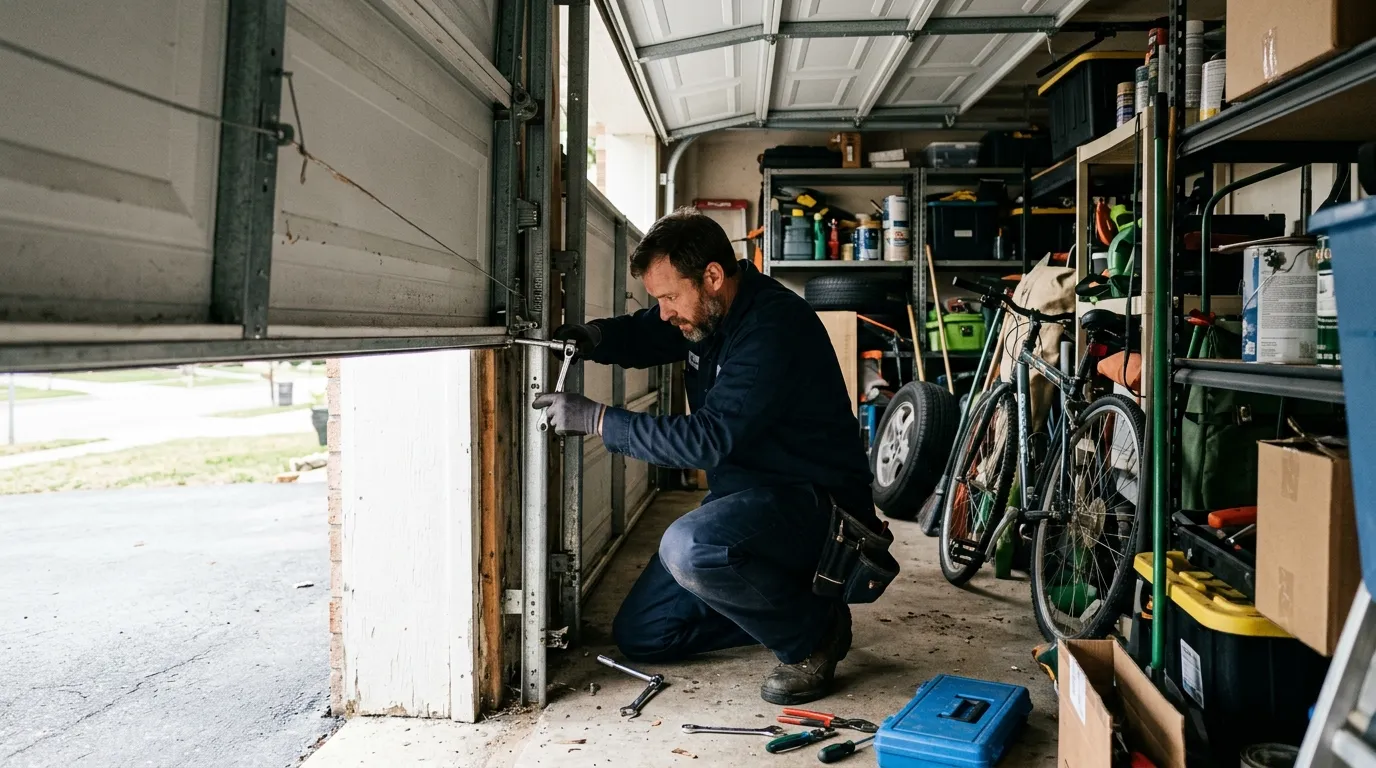
Denver's housing stock runs from 1947 through 2006, with the median house built around 1981. That means a huge share of the doors we look at aren't the door that came with the house anymore, but a replacement from sometime in the 80s or 90s, on original hardware that never got swapped out. The door might look fine. The track might be straight. But the spring, the rollers, and the cable drums are often thirty-plus years old, sized for a lighter door than the one bolted to them now if a prior owner upgraded to steel insulated panels. That mismatch is the real problem, not the cosmetic wear people call us about. A door that looks tired from the outside can have hardware that's actually the bigger risk, and a door that looks fine can be one cold morning away from a snapped spring. Age alone doesn't tell you which one you've got. What tells you is when the springs were last changed, whether the track was ever reset for a heavier panel, and whether the opener still has the force settings from whoever installed it decades ago.
Where People Go Wrong
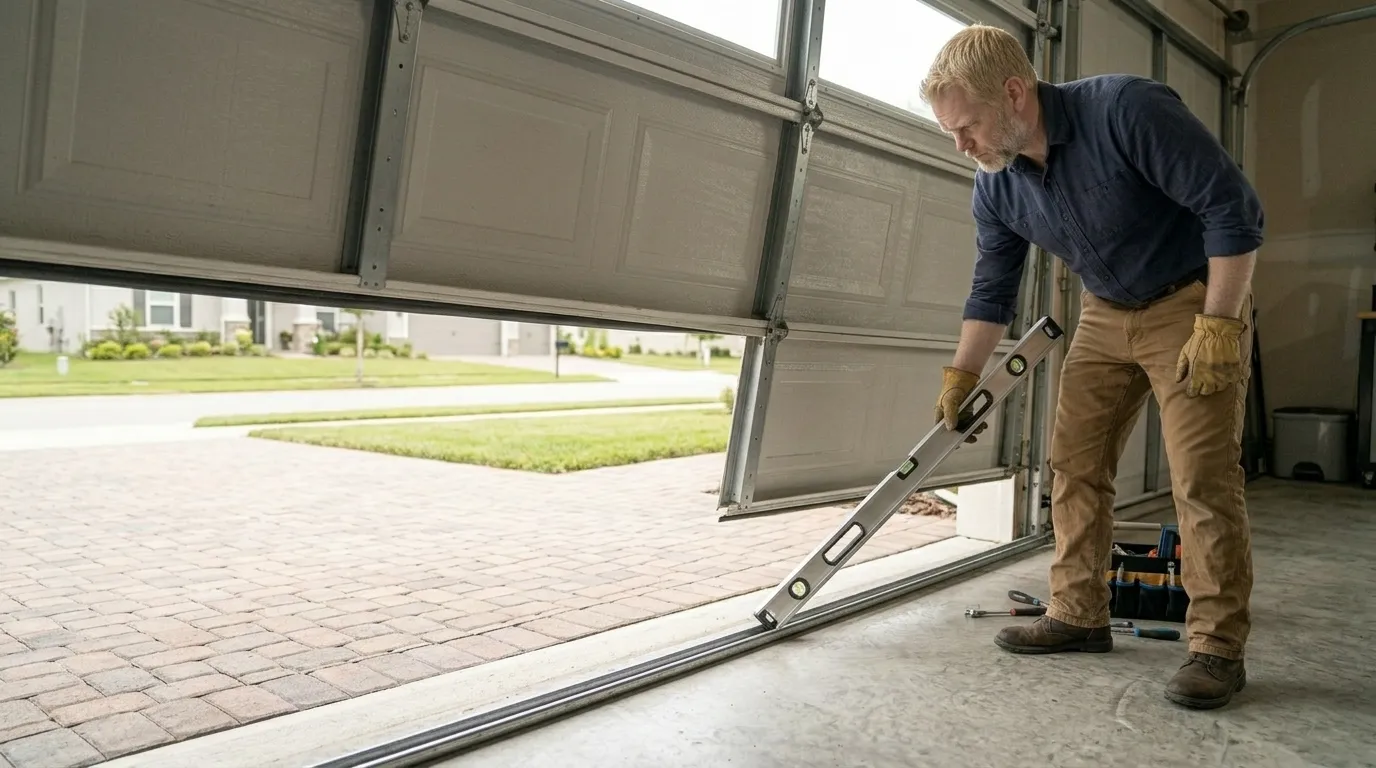
The most common mistake we see across the 1980s-90s stock that makes up most of the area's housing is treating a noisy door as a lubrication problem when it's actually a worn roller or a bent track section. WD-40 on a bearing that's already pitted buys you two weeks, not two years. The second mistake is replacing a spring without checking the drum and cable it's paired with - if the door is original to a house built in the early 80s, that cable has flexed tens of thousands of cycles and it's due, spring change or not. The third: assuming a door from that era needs full replacement because it's 'old.' A well-built panel door from the 80s or 90s, with sound tracks and a hardware reset, can run another decade. What decides it isn't the birth year on the door - it's whether the opener, springs, and cable have ever been touched since. If none of them have, you're not fixing an old door, you're fixing three worn parts on a door that happens to be old.
What the Weather Here Does to It
This is a cold, severe-climate service area, and that changes what fails first. Steel contracts in hard cold, and a torsion spring that's already fatigued is far more likely to snap on a sub-freezing morning than in July - the metal has less give left in it right when the temperature swing is greatest. Nylon rollers get brittle and crack in the same conditions. Weatherstripping on an older door, especially the vinyl seal at the bottom panel, hardens and splits after enough winters of that swing, which lets cold air and meltwater track into the garage. None of that means the door is finished. It means the parts that take the brunt of a cold snap - springs, rollers, bottom seal - are the ones worth inspecting before winter, not after something breaks in it. A door with a sound frame and panels can take a new spring and seal and be good for years more, even in this climate.
The Seasonal Bit
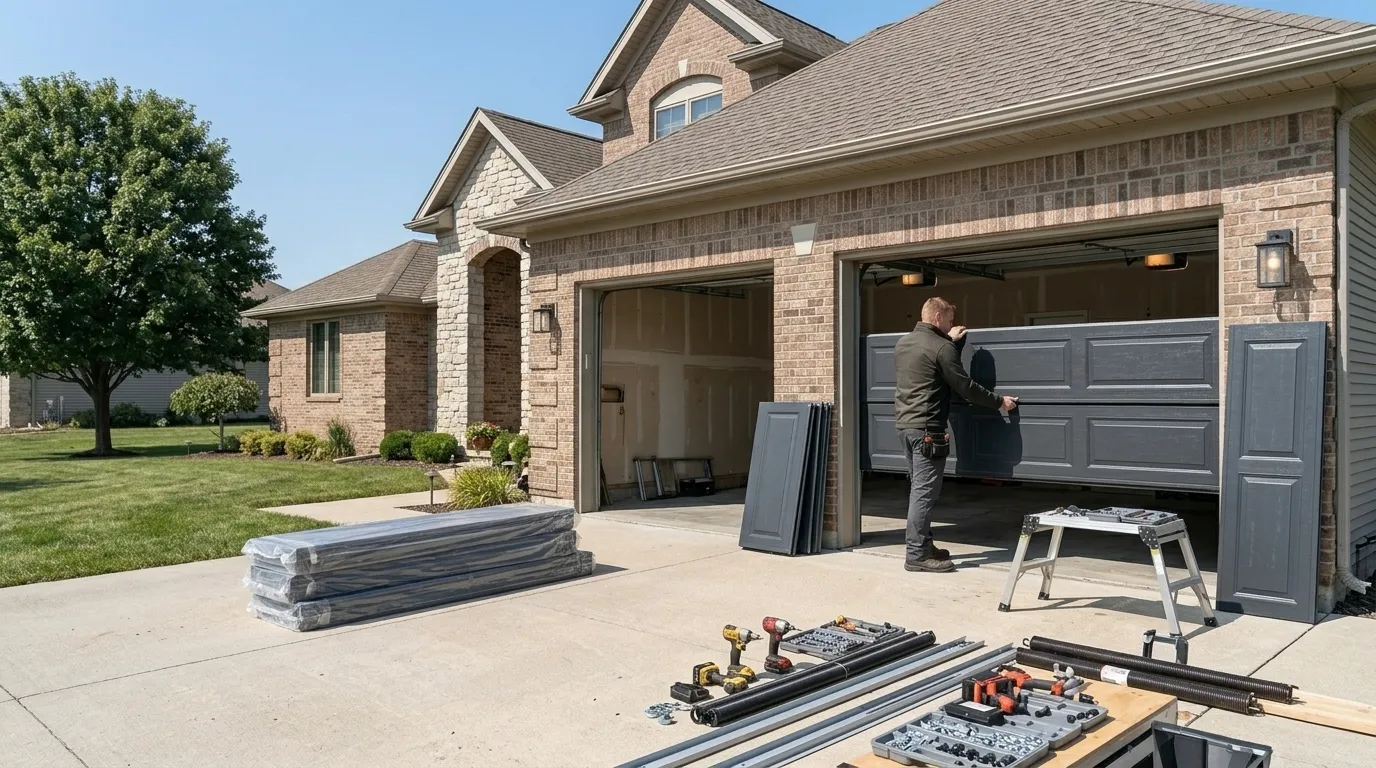
With median household income at $101,450 across the service area and roughly 96,547 owner-occupied houses among 219,760 households, a lot of homeowners here are weighing a repair bill against a full replacement on a door that's easily old enough to have paid for itself. Our honest answer: if the panels and track are square and the only issues are spring, cable, rollers, or seal, fix it - that's a fraction of replacement cost and it buys real years, even with winters like this one. If the door has been reinforced or shimmed more than once, or the track shows rust-through rather than surface rust, that's a different conversation, and no amount of new hardware fixes a frame that's failed. We won't sell a repair on a door that's actually done, and we won't push a replacement on one that still has life in it. One limitation worth saying plainly: if your door is a less common size or an older custom panel, matching parts can mean a longer wait than a standard door, and we'll tell you that up front rather than after the job starts.
How it works
From “it’s stuck” to “it’s fixed”
01
Tell us what’s wrong
Describe the symptom - won’t open, loud bang, opener runs but the door won’t move.
02
On-site diagnosis
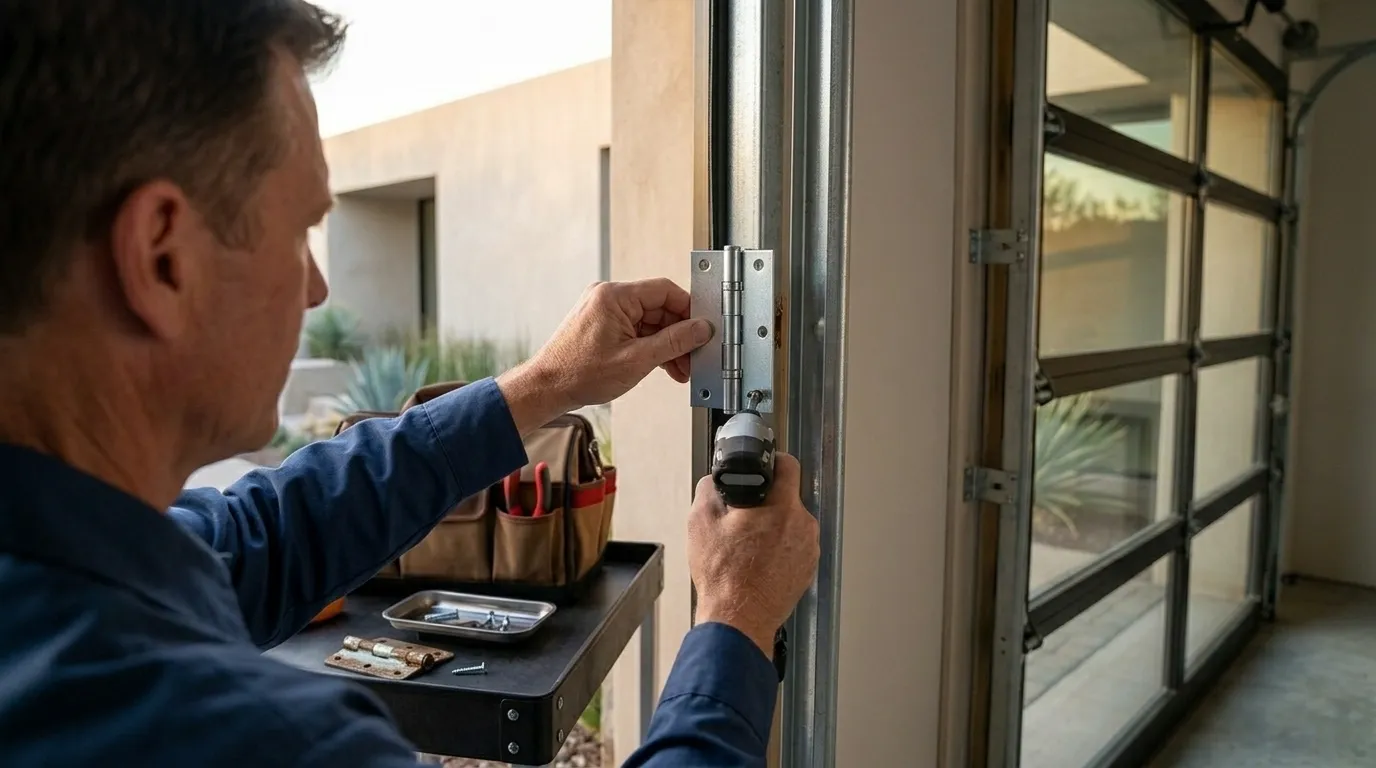
A technician tests the door under power and by hand and finds what actually failed.
03
Clear, up-front plan
You get the fix that’s needed and what drives the cost - before any work starts.
04
Repaired & tested
The repair is done, the door is set true and tested, and the work area left clean.
Serving Denver, CO - tell us what your door’s doing and we’ll take it from there.
How do I know if my garage door is original to the house?
If your house was built between 1947 and 2006, check the manufacturer sticker inside the track rail - a date there earlier than the mid-90s usually means original hardware even if the panels were swapped later. If there's no sticker or it's worn off, the spring size and drum style can usually tell us on-site.
Does cold weather here actually break garage door springs?
Yes. In this cold, severe climate, steel springs lose flexibility in hard freezes, and a spring that's already fatigued from age is far more likely to snap on a cold morning than in warmer months. It's not the cold causing the failure so much as the cold exposing wear that was already there.
Is it cheaper to repair or replace an older door?
Depends what's actually worn. A spring, cable, roller, or seal replacement is a fraction of a full door's cost and can add years of service. If the track has rust-through or the frame has been reworked more than once, replacement usually makes more sense long-term.
My door is from the 80s - should I just replace it?
Not automatically. A lot of the area's housing dates to that era, and a solid steel panel door from then can still run well if the springs, cable, and rollers have been kept current. Age on its own isn't the deciding factor - service history is.
Ready to get your garage door sorted?
Tell us what it’s doing and where you are in Denver - we’ll take it from there.