The Doors Around Here
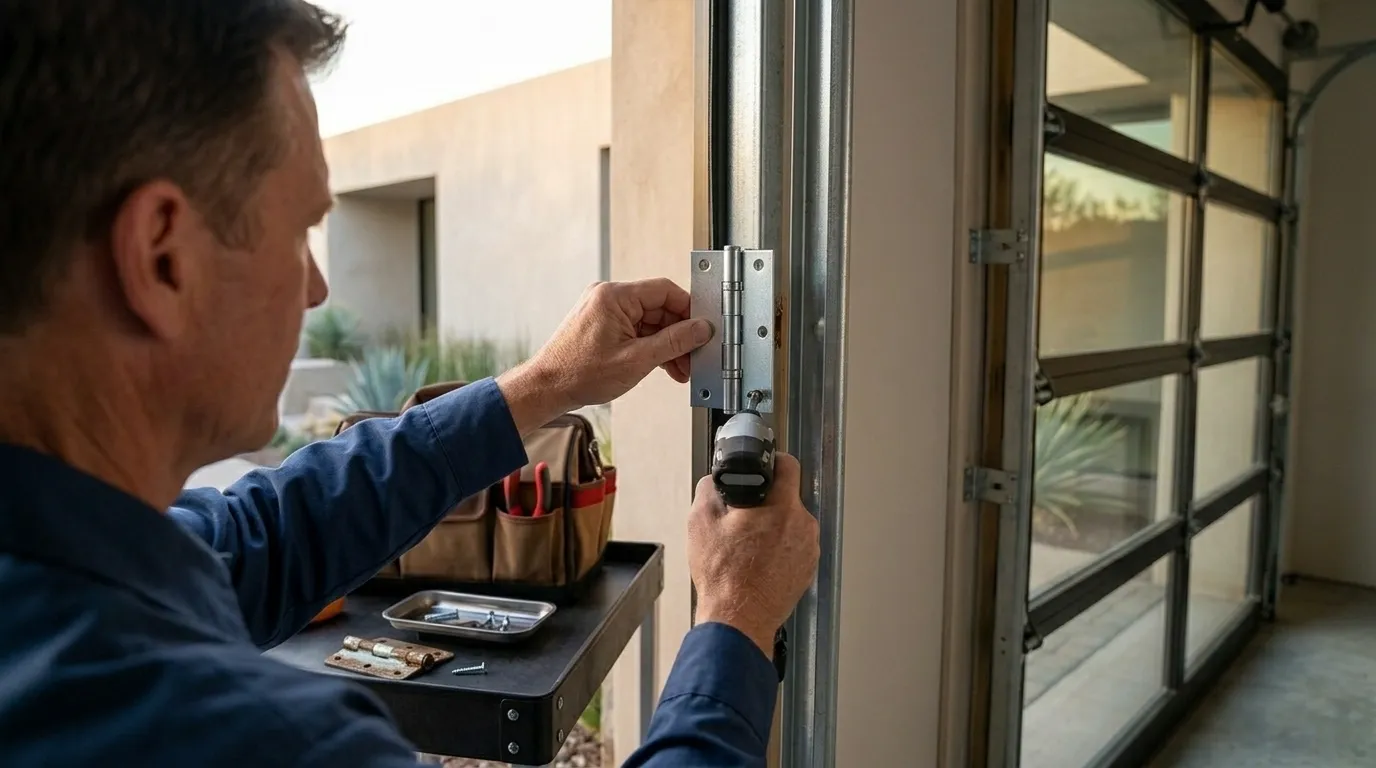
Doors on houses from the late 1940s through the 1960s were not built for double garages or for the loads modern insulated sections put on old track. If your house in Whittier is on the older side of that 1947-2006 build range, there's a decent chance the opener has been swapped once or twice already but the track and jamb hardware never got touched. That's the part that fails first - not the opener, the mounting.
The climate band here is cold and severe, and that's not a marketing phrase, it's a load spec. Steel contracts hard on the coldest mornings, torsion springs lose a little tension in the cold, and nylon rollers that were fine in July start binding in January. On an older door in this neighborhood, that combination shows up as a spring that finally lets go on the first hard freeze of the season, or a door that starts dragging on one side because the track shifted a fraction of an inch over twenty winters. We see it every year, and it's not random - it's the housing stock meeting the weather.
Typical Work
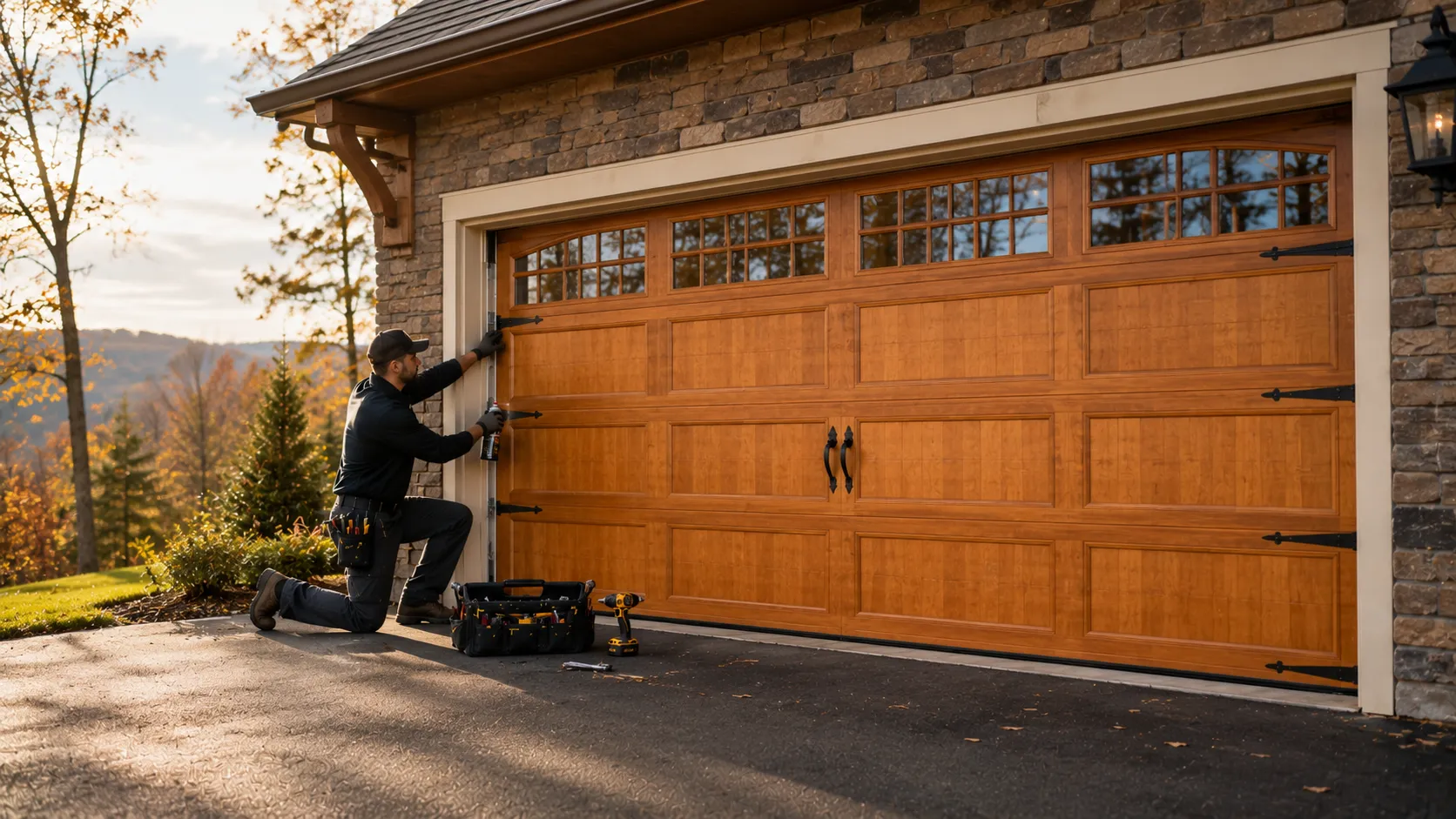
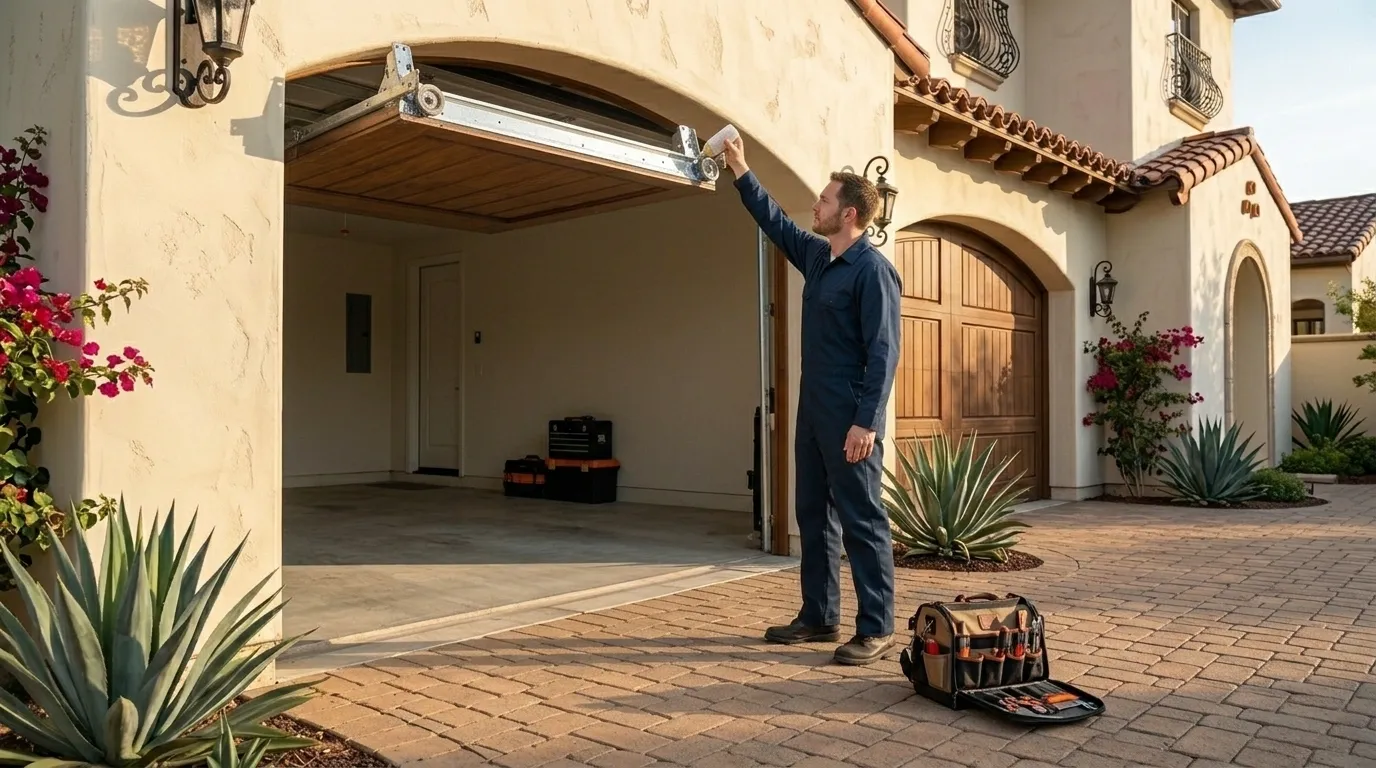
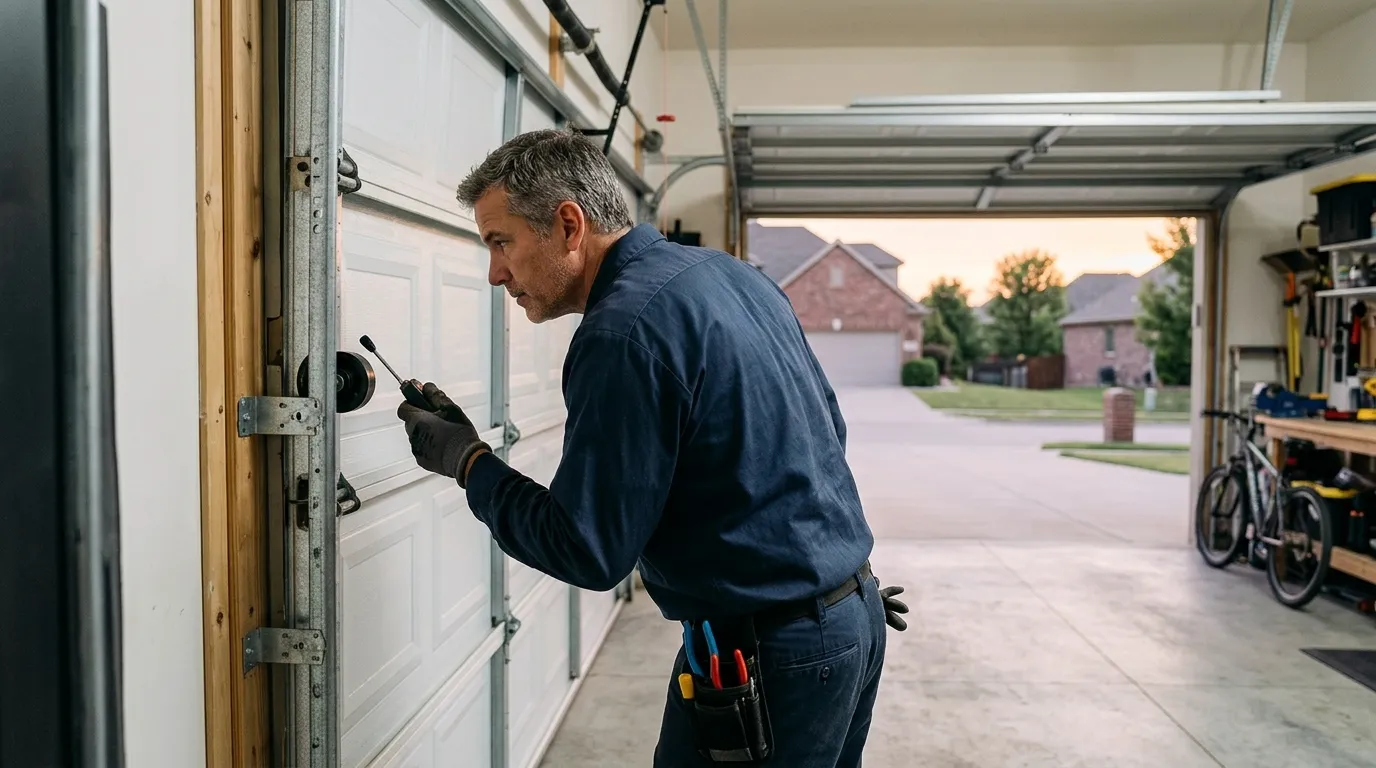
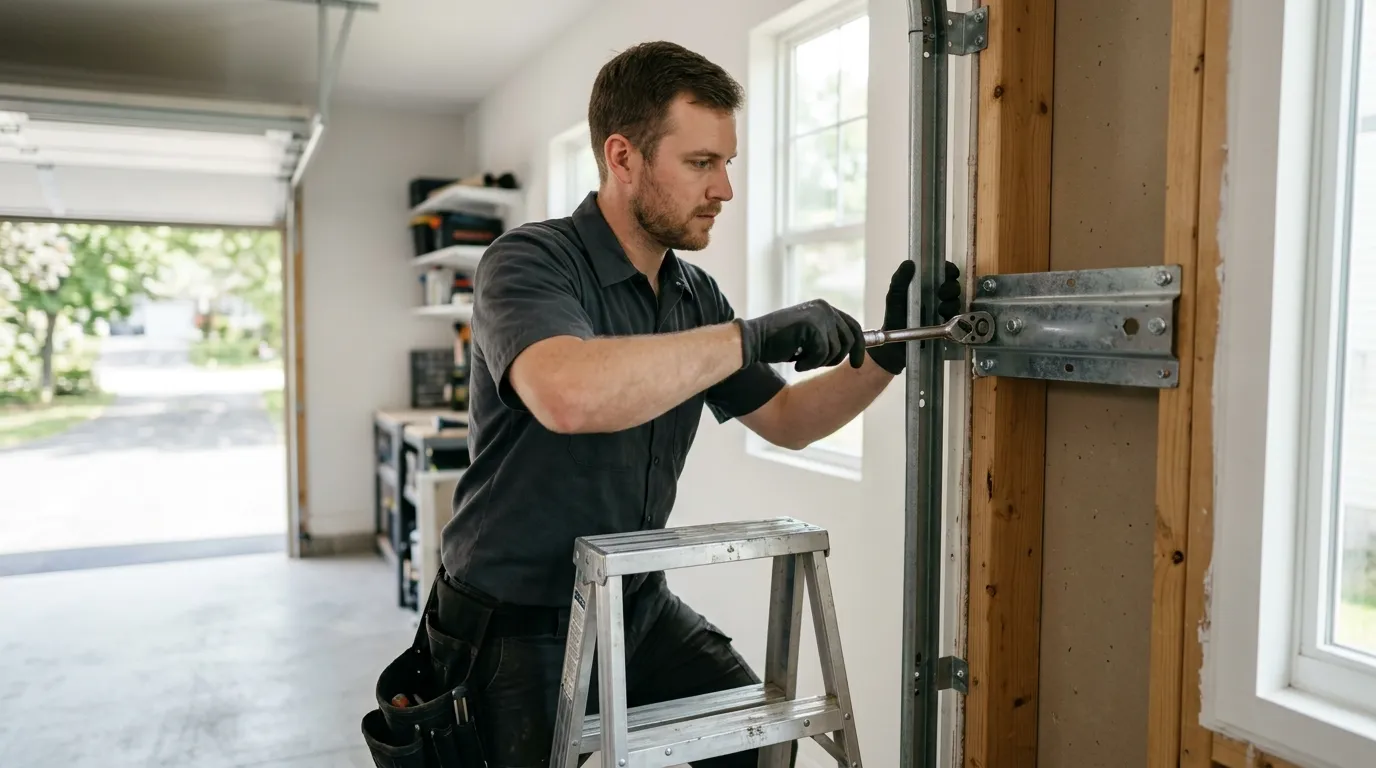
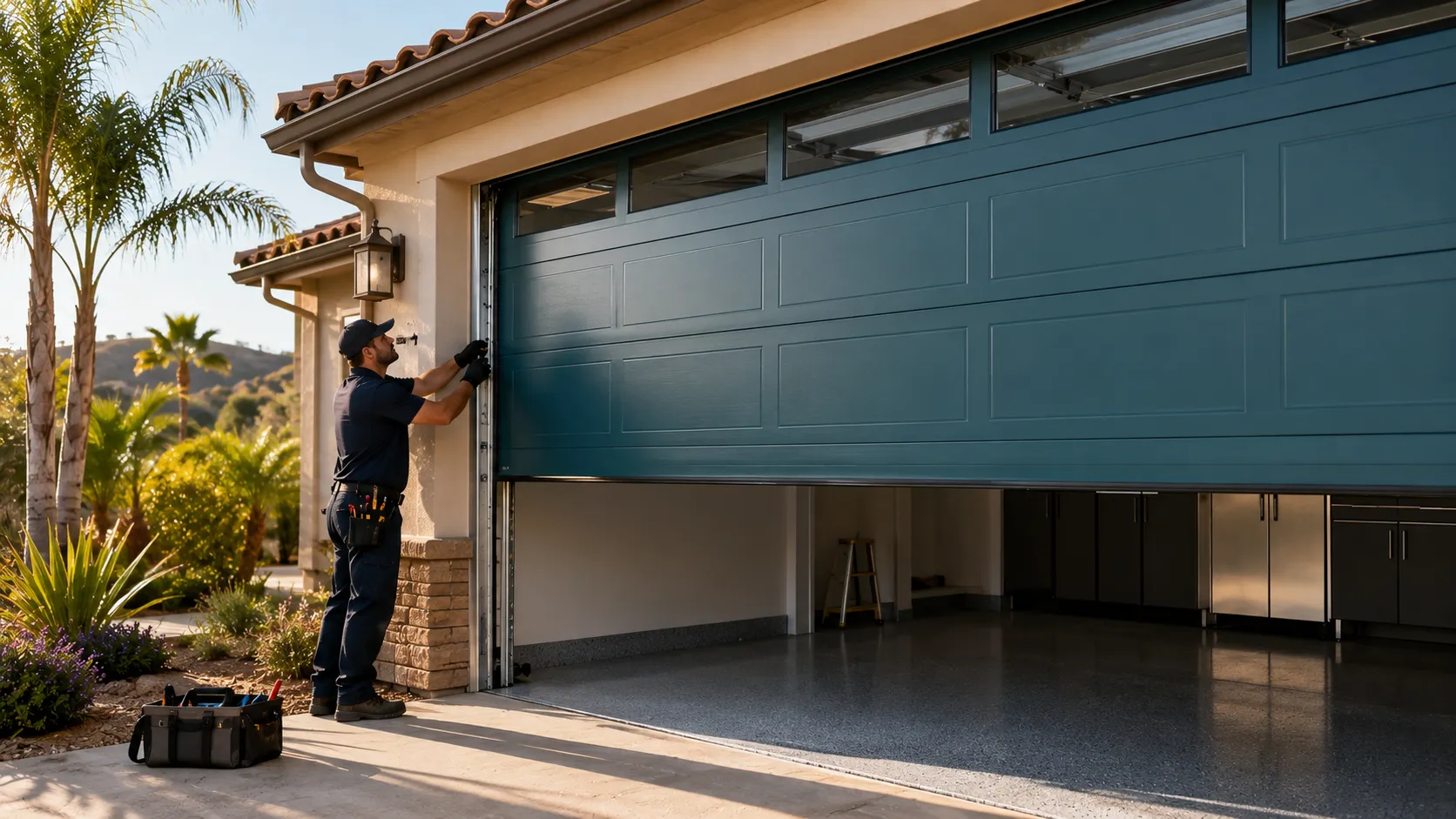
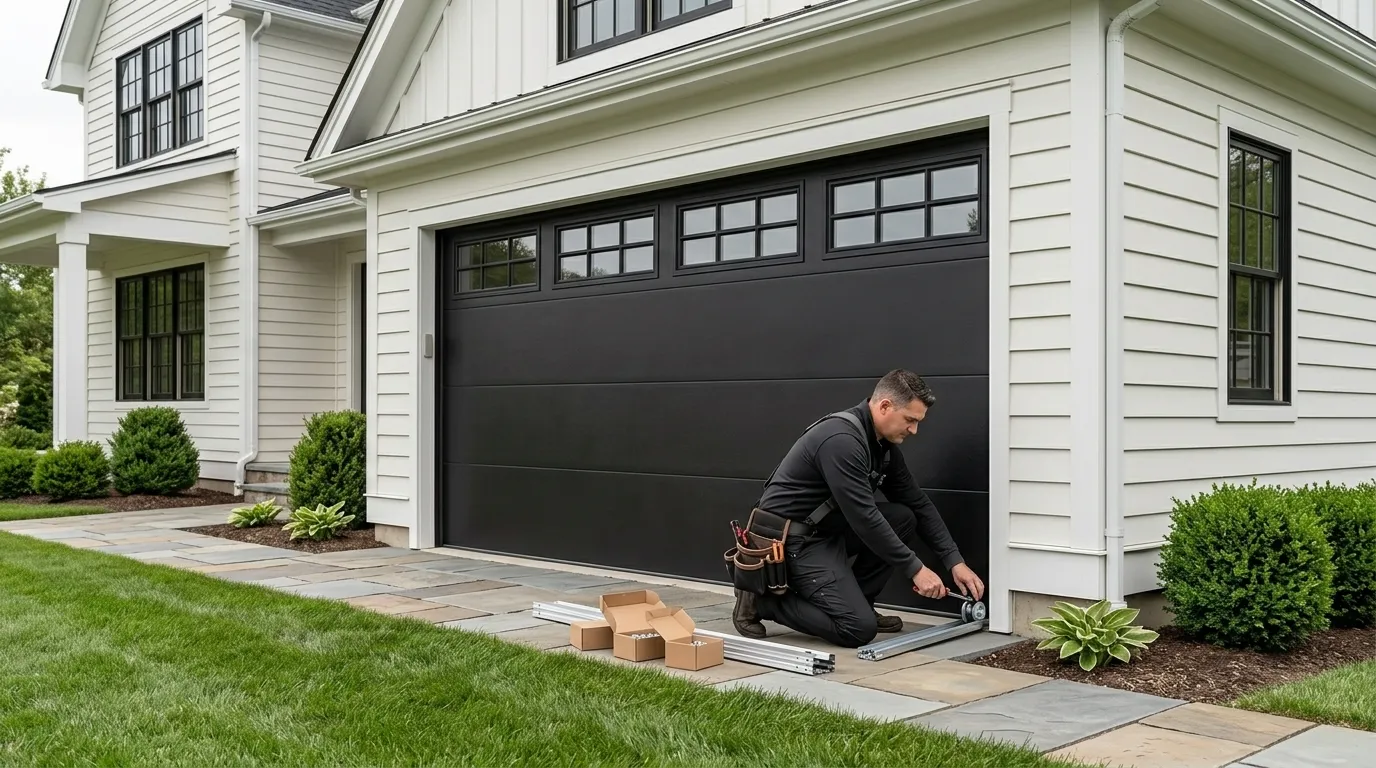
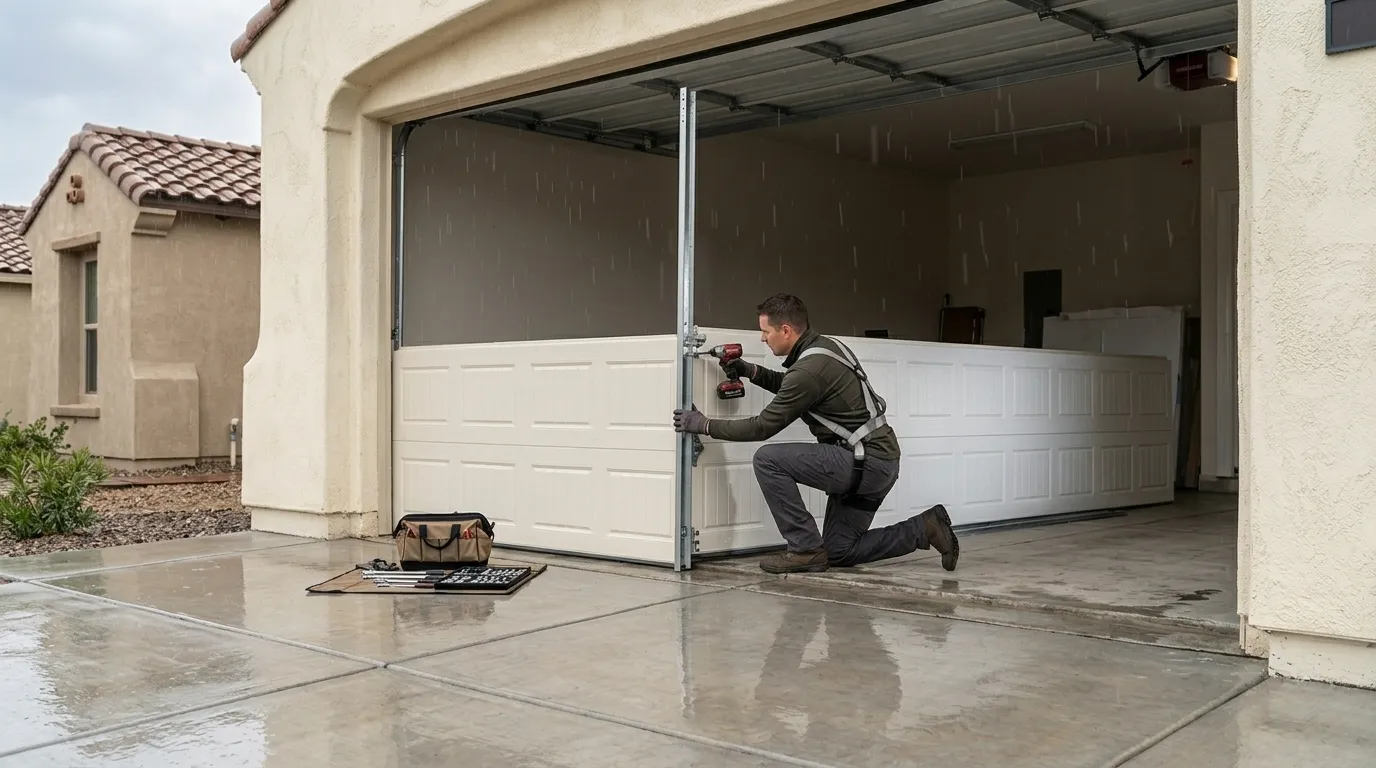
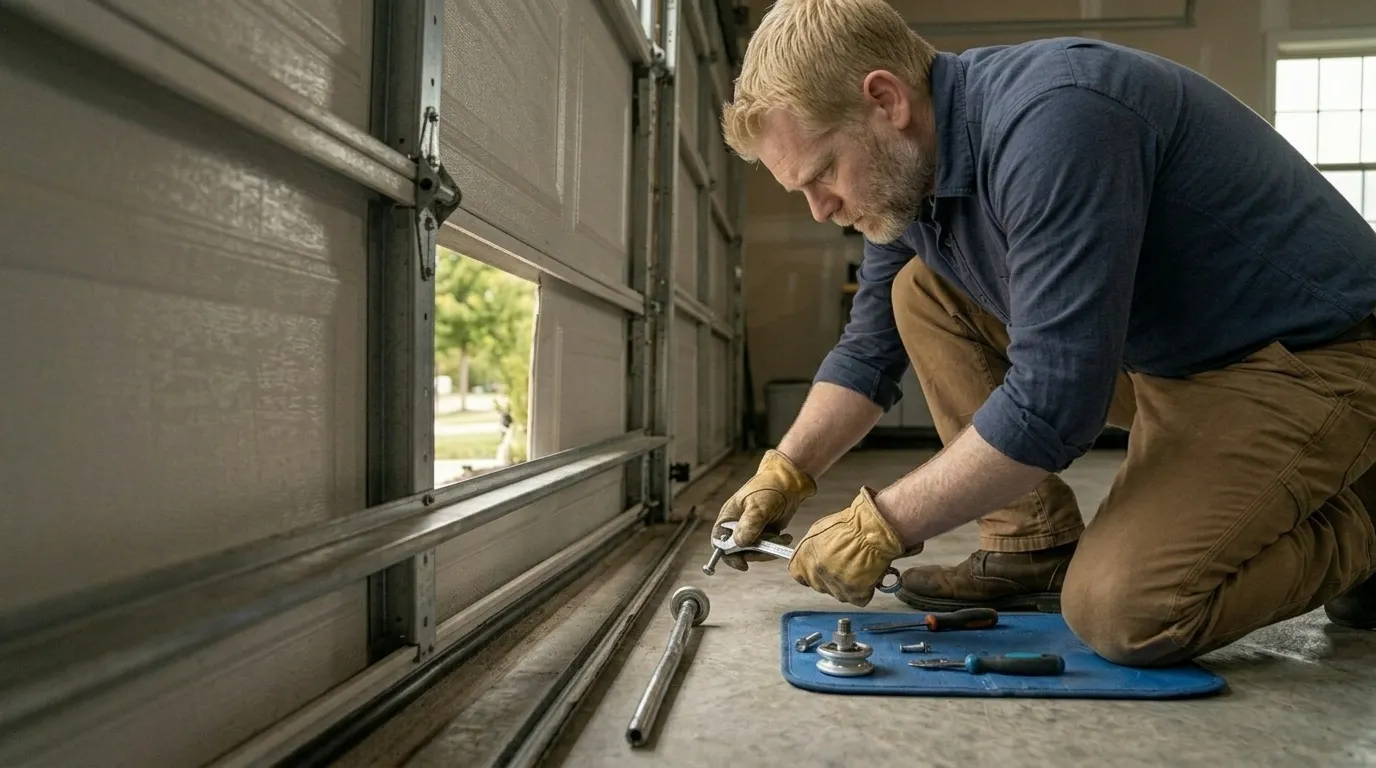
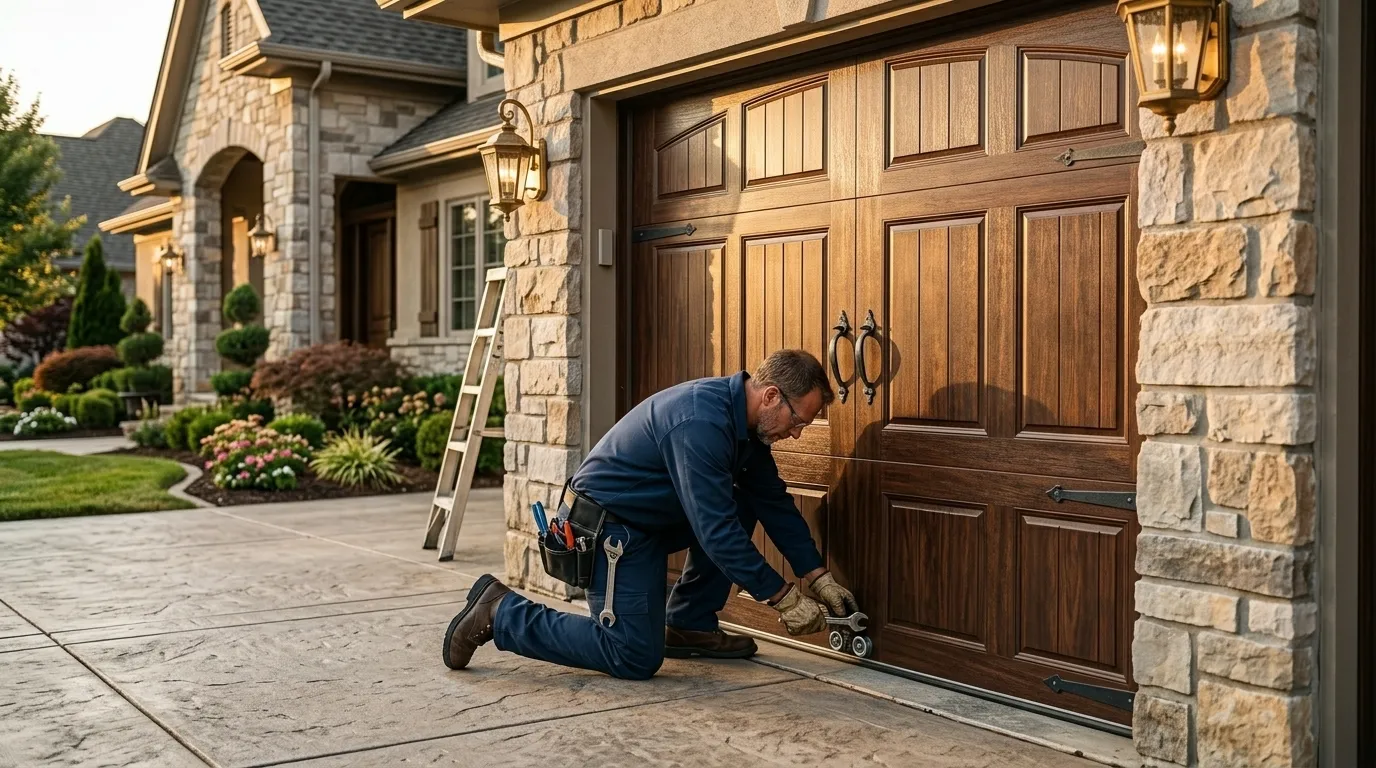
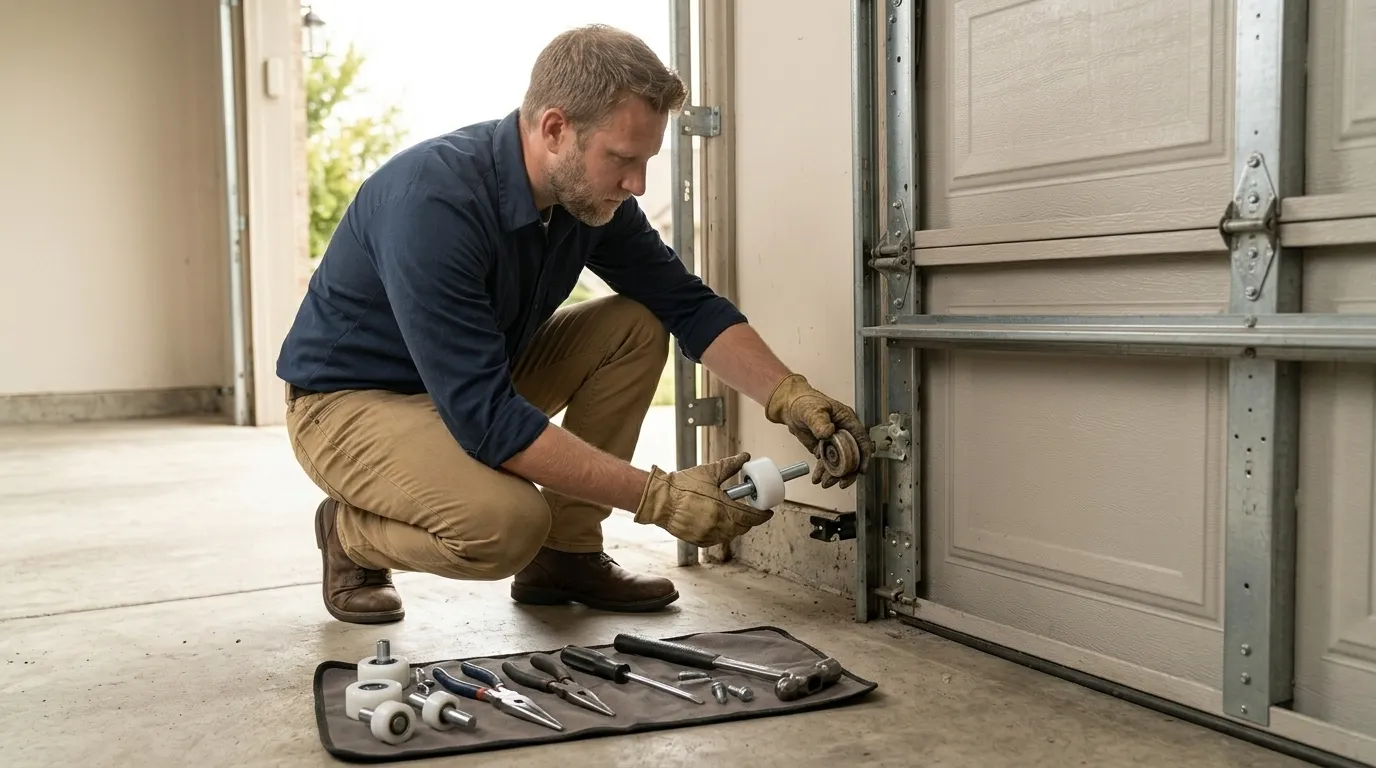
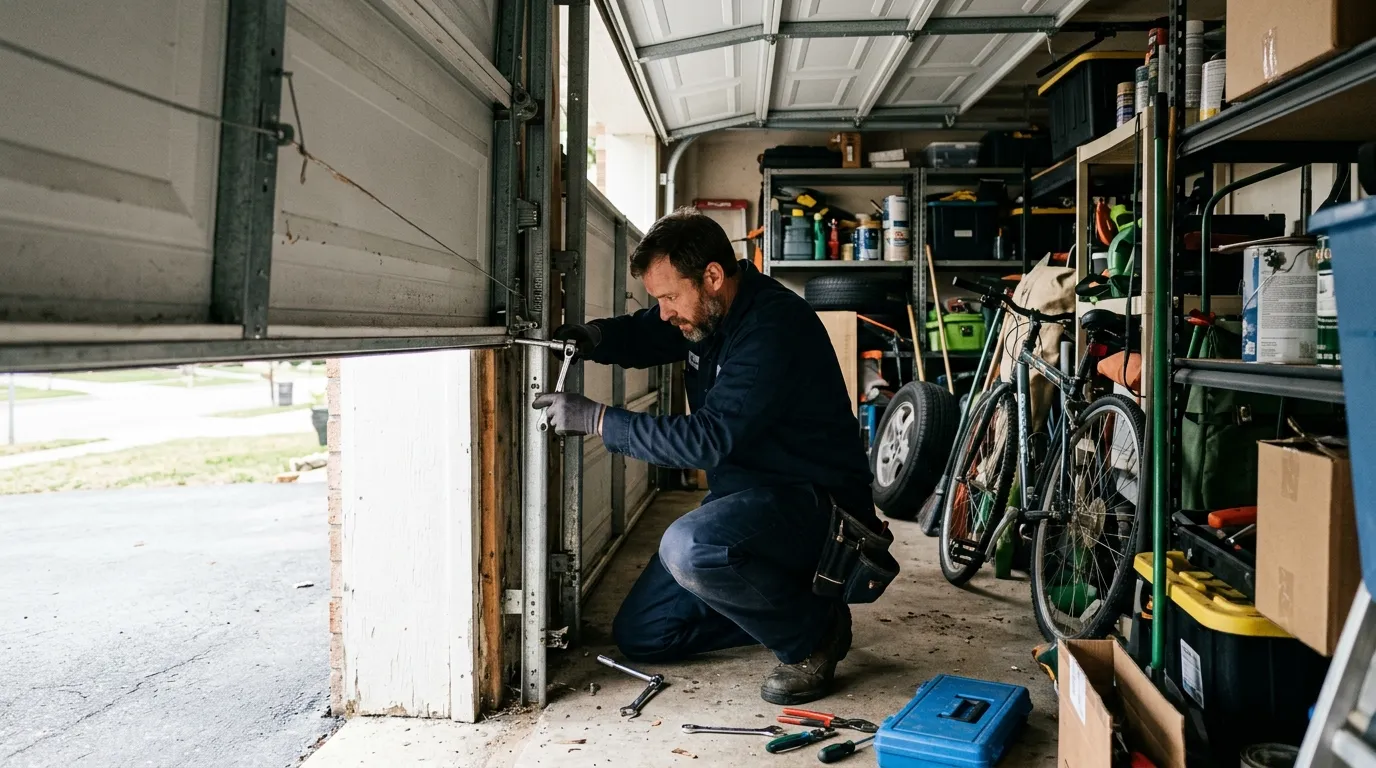
Most of what we do in Whittier is repair work tied to age: torsion spring replacement, roller and cable swaps, and track realignment on doors that have been fighting cold-weather contraction for decades. Full replacements come up more on the older end of the stock, where a single door was never upgraded to handle a heavier insulated section and the frame needs work along with the door itself.
We'll be straight about one limit: if your opener or door is a less common size or an older brand no longer supported, parts can take longer to source than a same-week job, and we'll tell you that up front rather than promise a date we can't hit. For most standard repairs on homes in this part of Denver, though, it's a straightforward call - spring, cable, track, or opener - and we can usually get to it without a special order.