Serving Westminster, 13 miles from our Denver base. We know the 1980s-era doors and torsion hardware common on this side of town, and what tends to fail on them.
Westminster's housing stock centers on a median build year of 1987, a bit newer than the wider service area's 1981 median. That six-year gap matters more than it sounds like. Houses from the late 1980s were framed for garage doors with steel torsion springs mounted on a center bracket, extension springs largely phased out by then, and openers wired for 1/3 or 1/2 horsepower chain-drive units. You still see plenty of the original steel sectional doors, unfoamed or lightly insulated, hung on tracks sized for lighter panels than what's sold today. With roughly 47,995 households in Westminster, a good share of those doors and openers are original or on their second opener since the house was framed up. That's a lot of 30-plus-year-old hardware still doing its job, until a spring finally lets go.
How That Shows Up in the Door
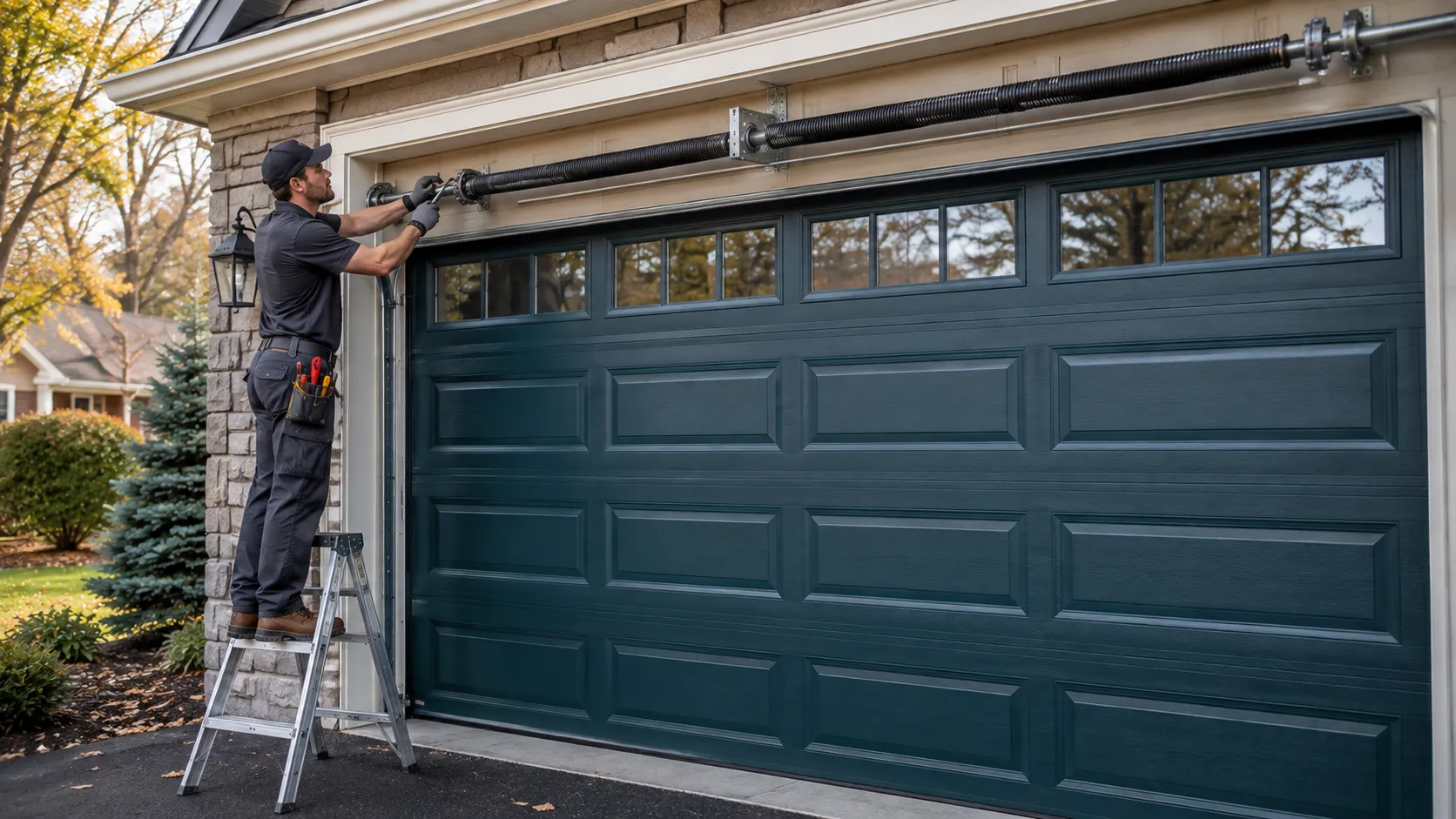
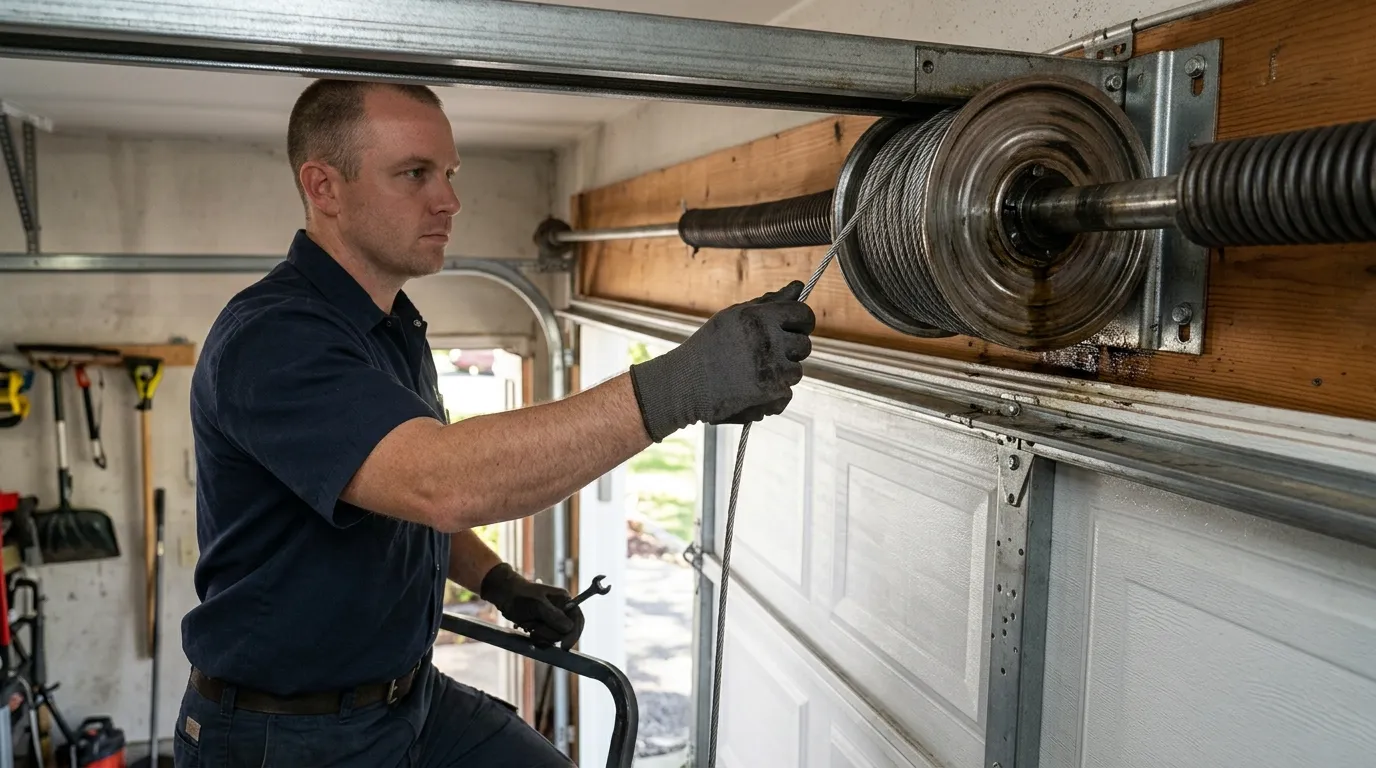
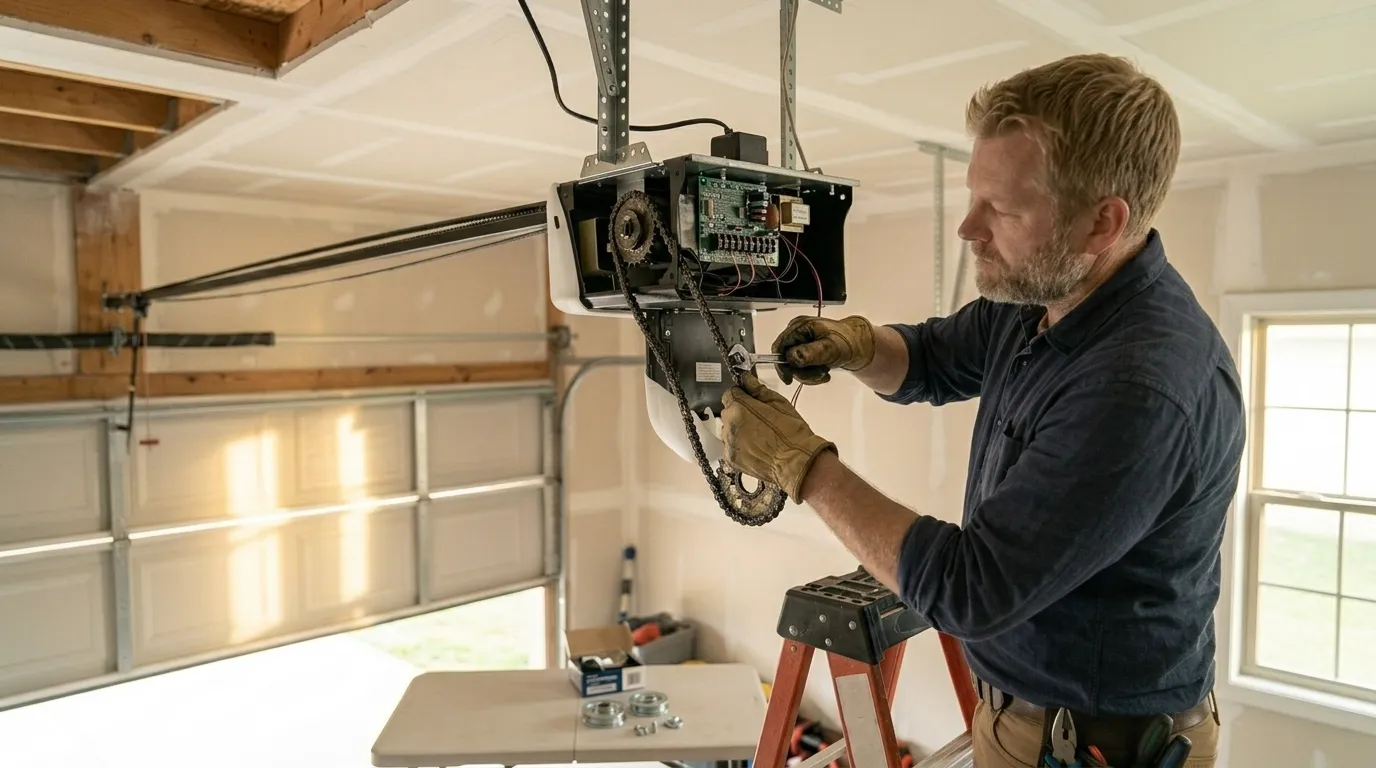
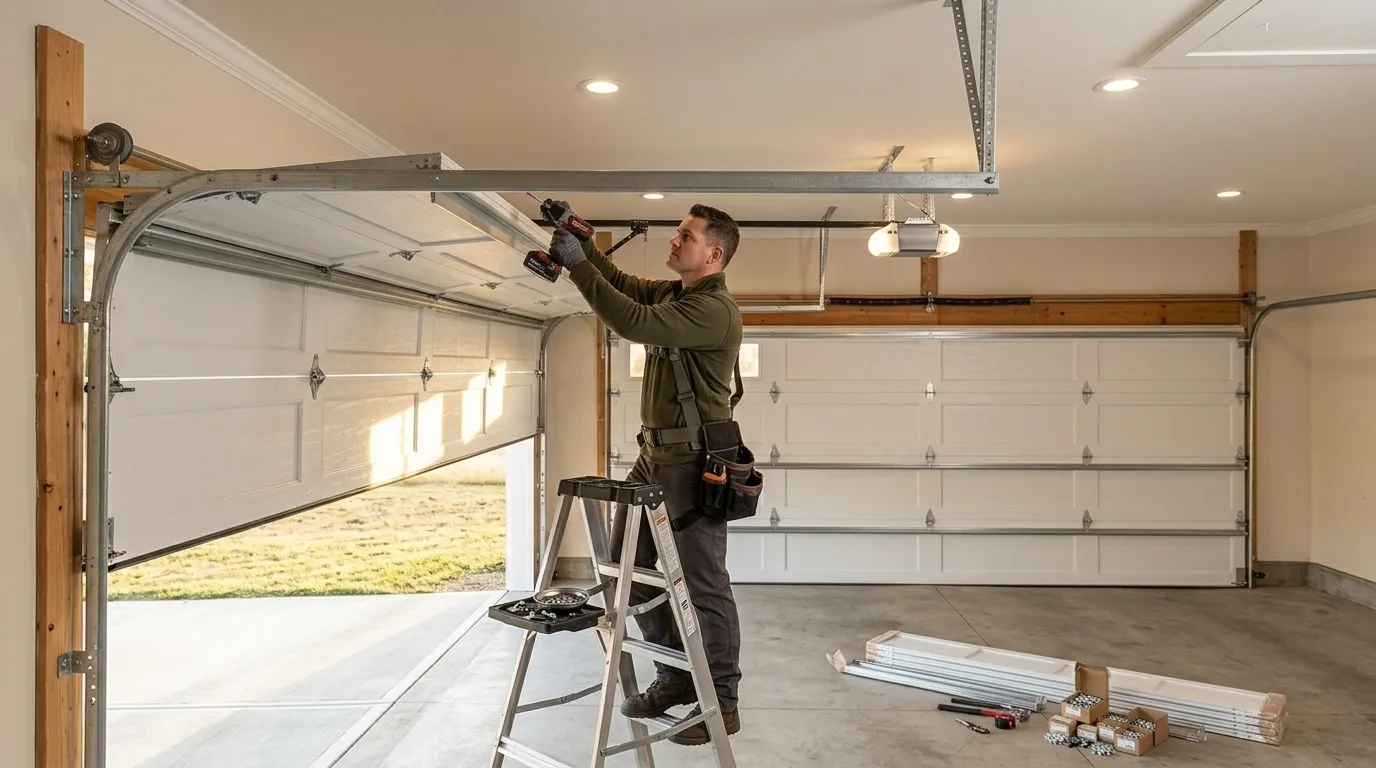
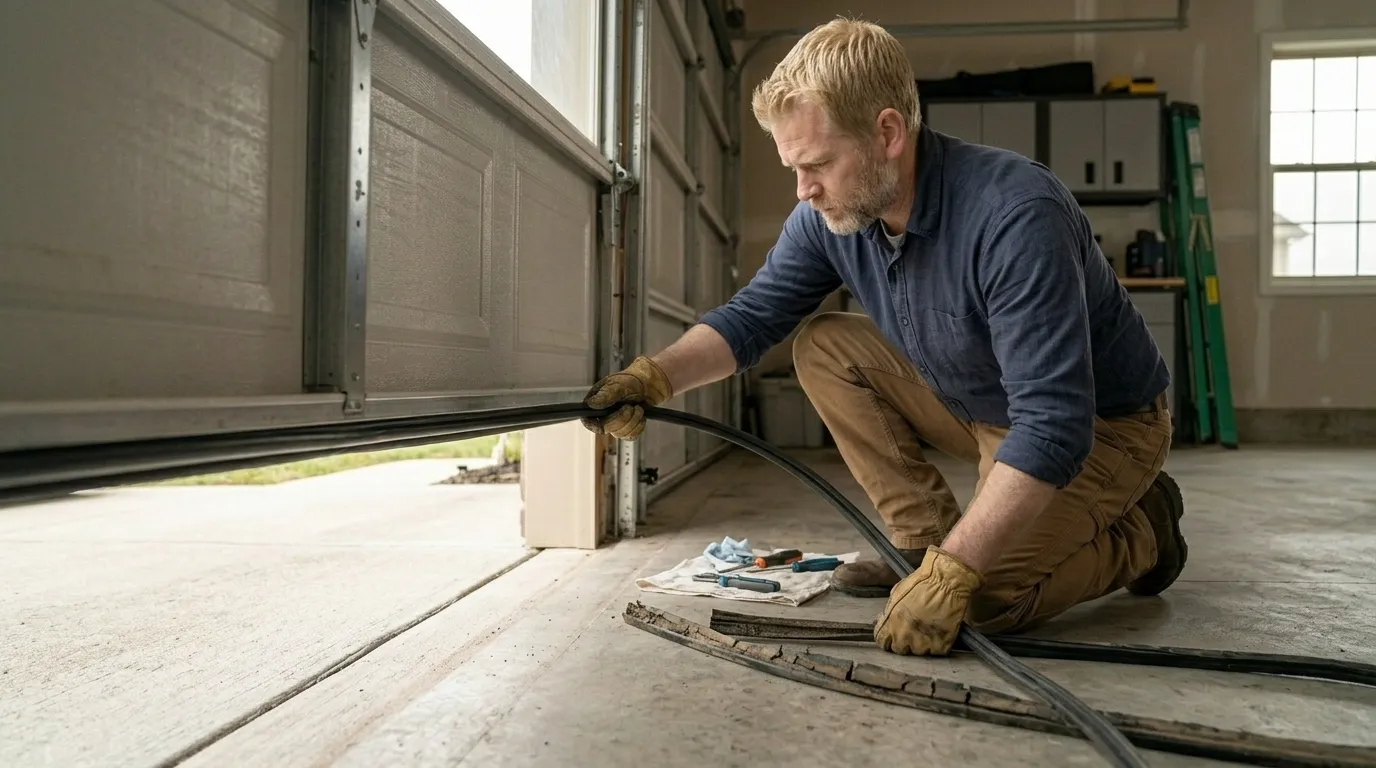
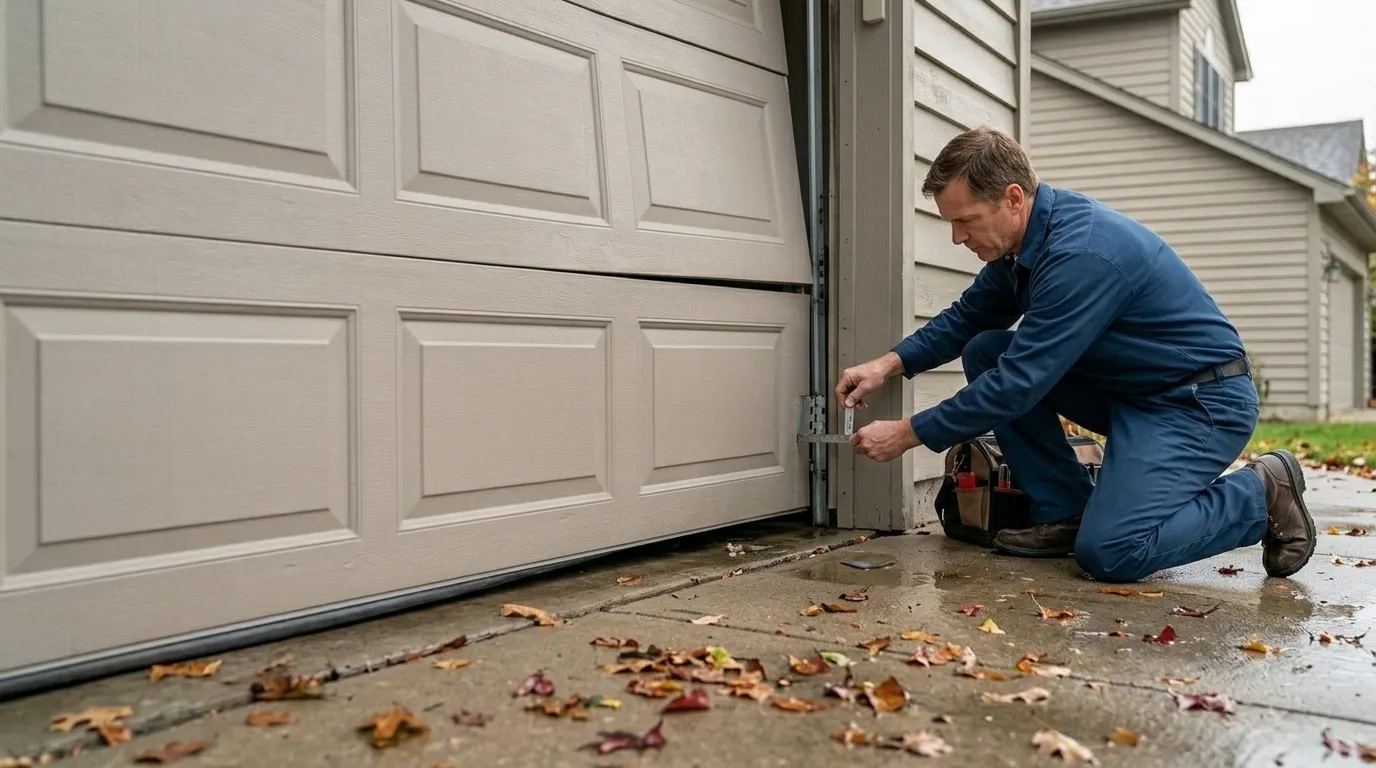
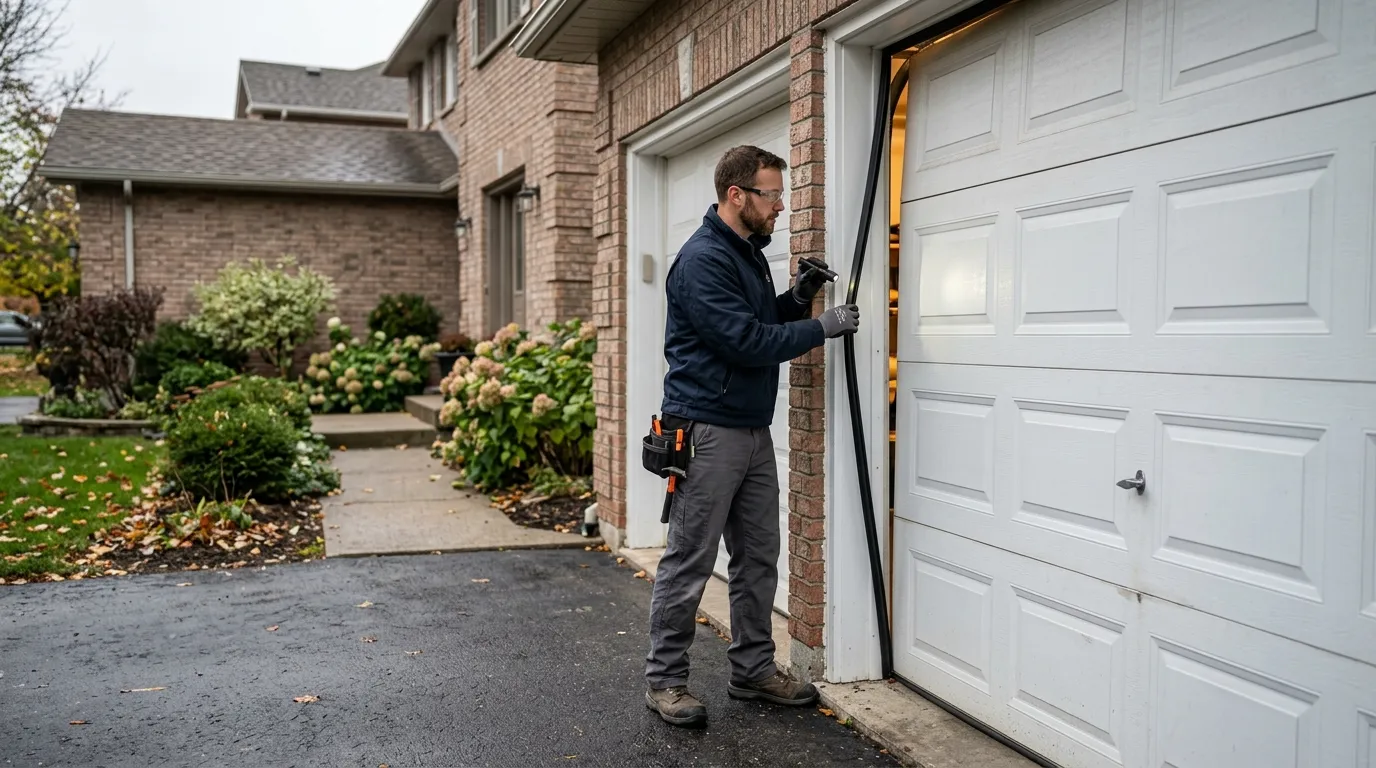
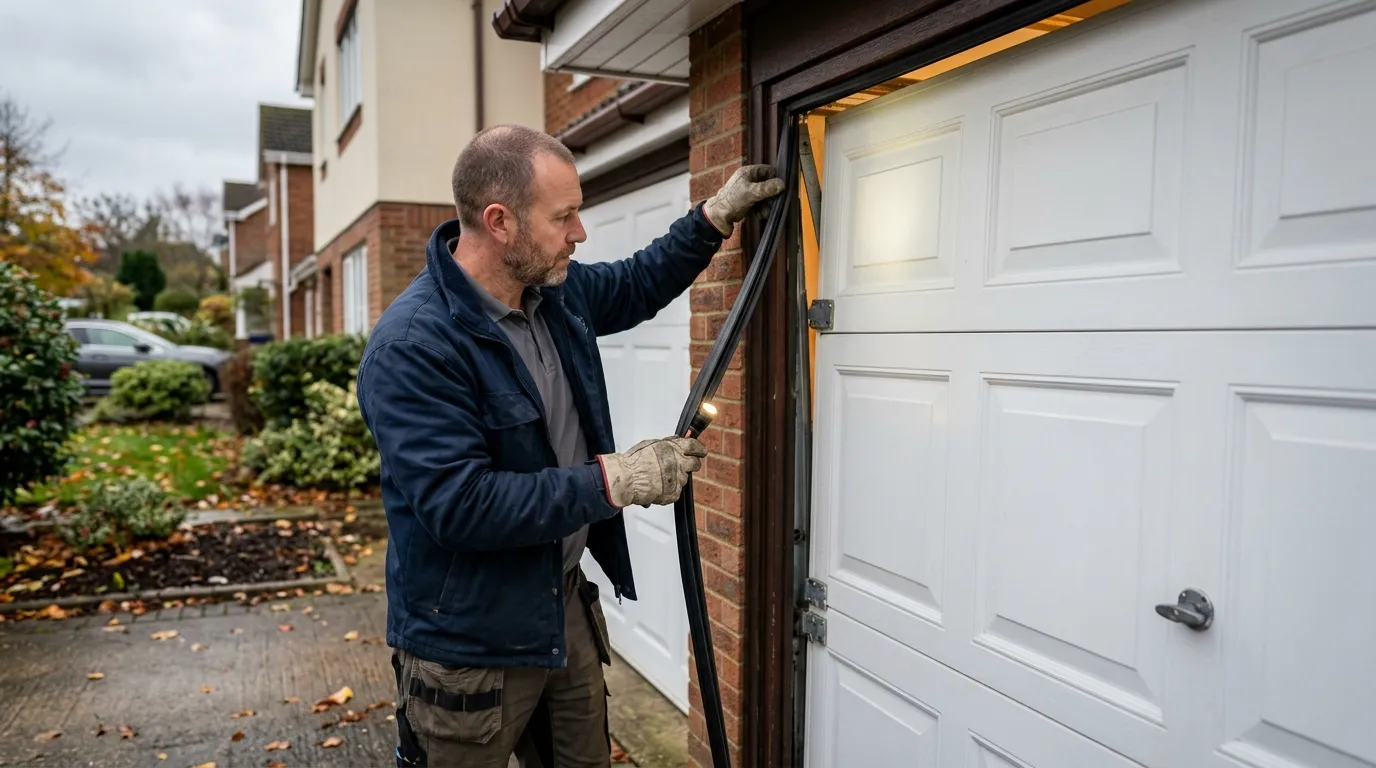
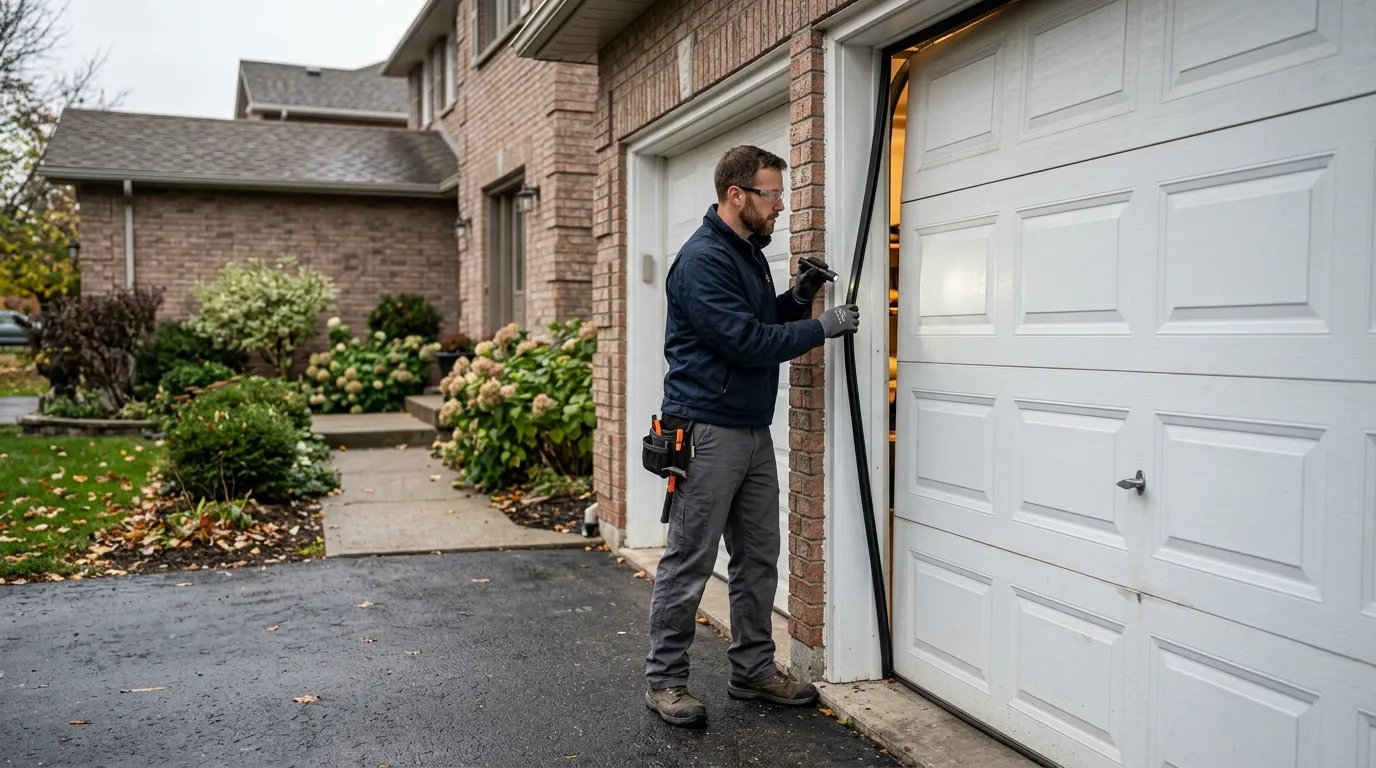
Doors from this era fail in specific ways. The torsion springs on a late-1980s double door were wound for the door's original weight, so if a homeowner swapped in a heavier insulated door later without upsizing the spring, the opener strains on every cycle and the spring wears out faster than it should. Track brackets from this build era are also lighter gauge than current code calls for, so a door that's drifted out of alignment tends to bind on the rollers instead of just rattling. We see cracked bottom rollers and stretched cables on these houses more than we see opener logic-board failures, because the mechanical parts simply outlive the electronics. Given the area's cold, severe winter climate, cold-stiffened lubricant on old rollers and hardened rubber seals add to that wear pattern every year. None of this means replace the whole door - most of the time it's a spring and roller job, not a teardown.
Getting Here
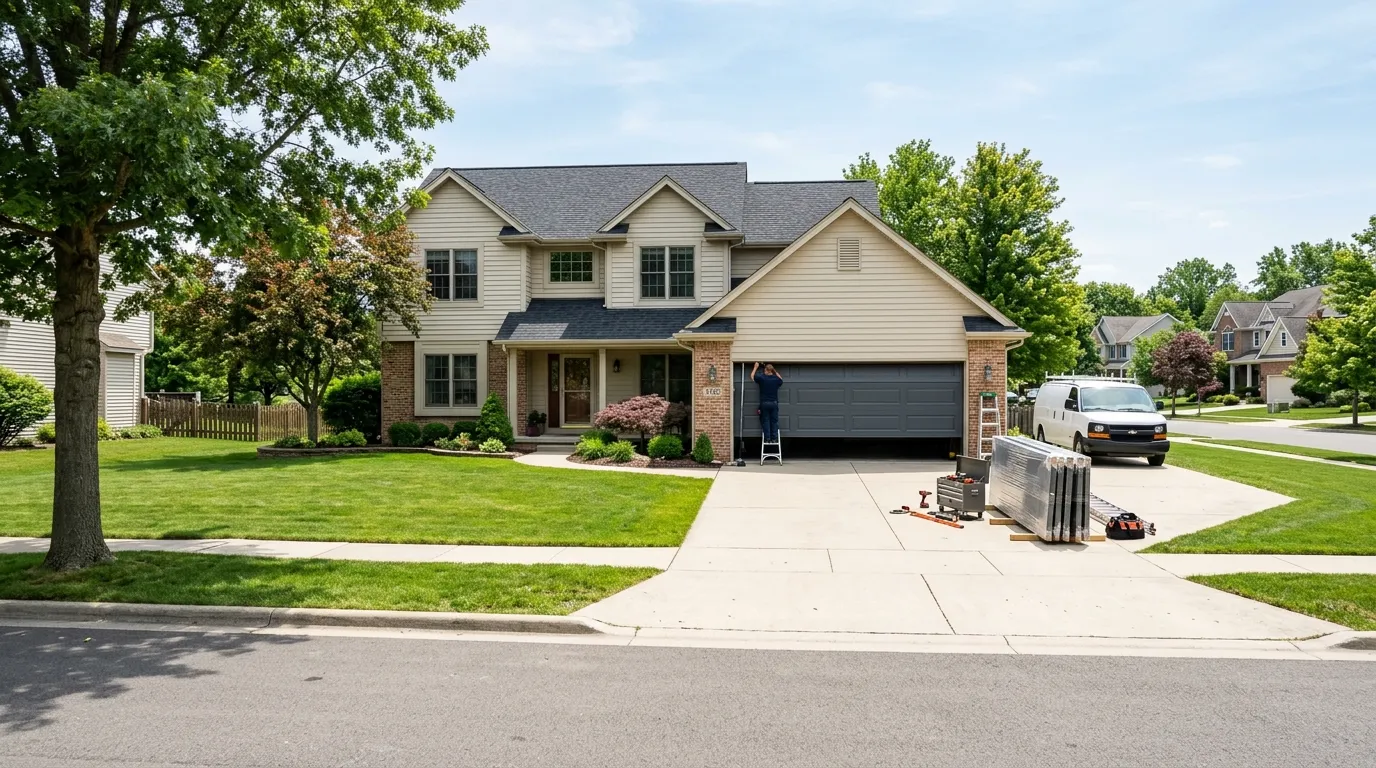
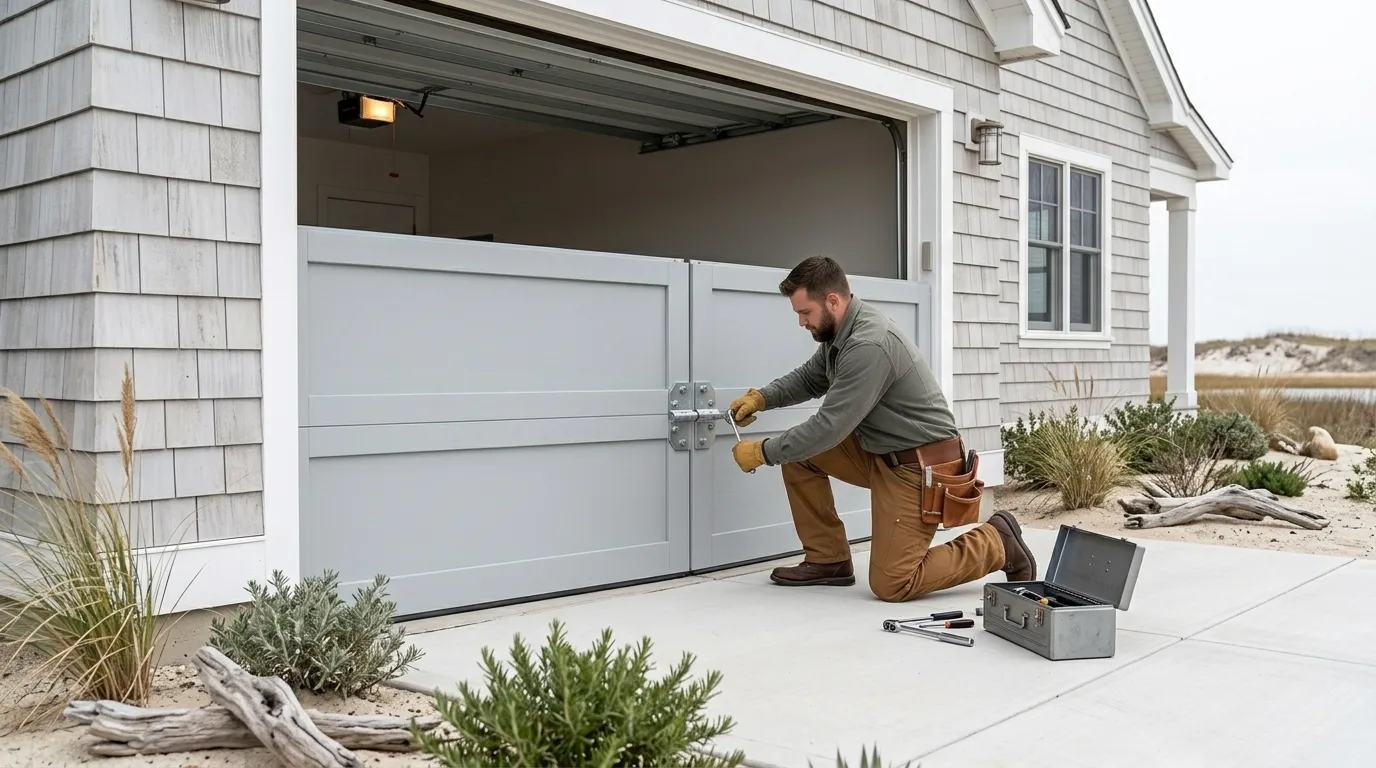
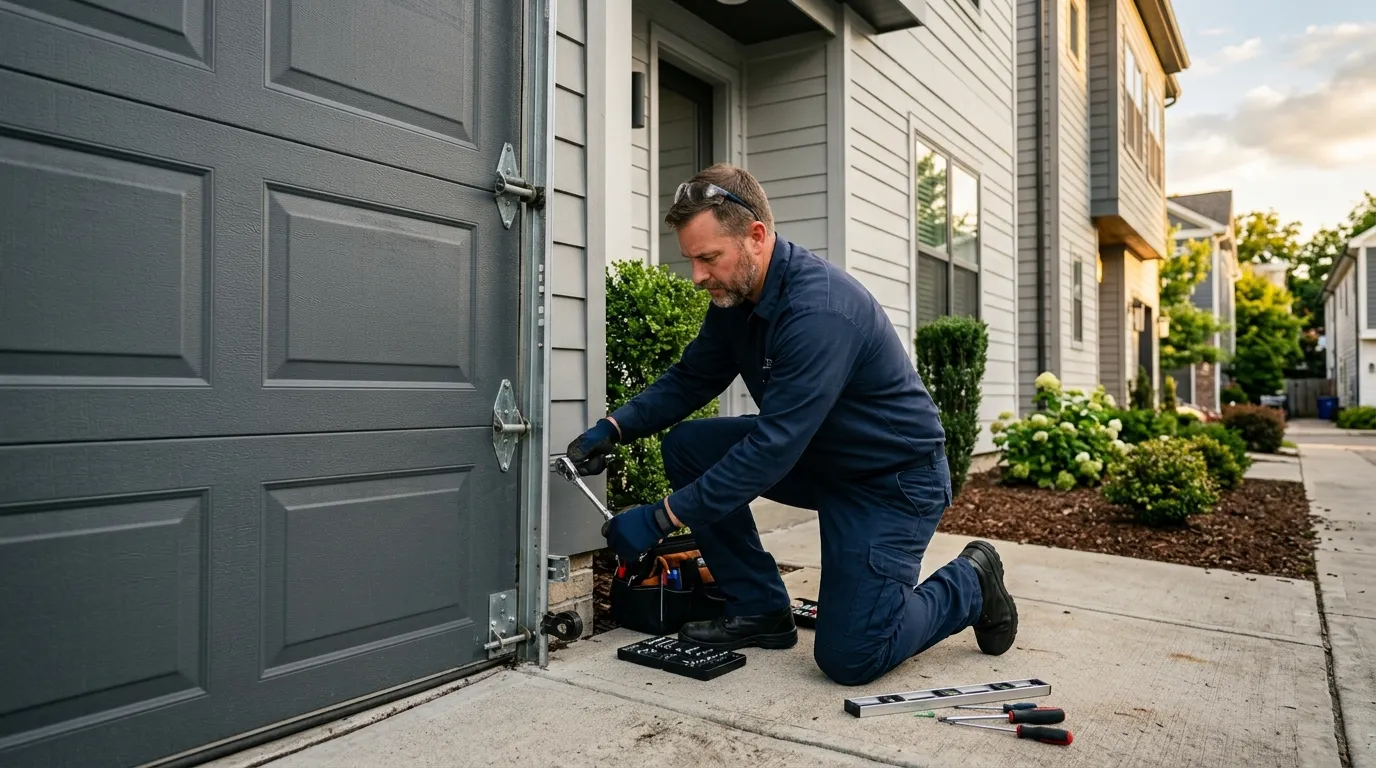
We run out of Denver, about 13 miles from Westminster depending on which side of town you're on. We don't keep a depot in Westminster itself, so we're not the crew that shows up in ten minutes - we're honest about that up front. What we do bring is a truck stocked for the hardware that's actually common here: torsion springs sized for 1980s-era doors, replacement rollers, and cable sets that fit older track widths. If your door needs a part we don't carry on the truck, we'll tell you that on the spot rather than string out a return visit.
Older vs Newer Streets
Not every block in Westminster dates to the same era, and the difference shows on the doors. Streets built earlier tend to have the lighter steel doors and center-bracket torsion springs described above. Newer infill and later-phase construction closer to the 1987 median or after often has insulated doors with two springs on wider tracks, closer to what's sold new today. If you're not sure which category your house falls into, the opener is a decent clue: a plain chain-drive unit with a pull-cord light usually points to older stock, while a belt-drive opener with a wall keypad usually means the door was replaced or the house was built later in that range. Either way, with median household income here at $96,145, most owners we talk to want the repair that actually fixes the fault rather than a wholesale replacement - and for a spring or roller problem, that's usually the right call.
How it works
From “it’s stuck” to “it’s fixed”
01
Tell us what’s wrong
Describe the symptom - won’t open, loud bang, opener runs but the door won’t move.
02
On-site diagnosis
A technician tests the door under power and by hand and finds what actually failed.
03
Clear, up-front plan
You get the fix that’s needed and what drives the cost - before any work starts.
04
Repaired & tested
The repair is done, the door is set true and tested, and the work area left clean.
Serving Denver, CO - tell us what your door’s doing and we’ll take it from there.
About 13 miles from our Denver location. We travel out to Westminster for jobs but don't keep a depot in town, so factor drive time into scheduling rather than expecting an on-the-spot arrival.
Why does my 1980s garage door keep needing spring work?
Torsion springs were wound for the door's original weight. If a heavier insulated door went in later without a spring upgrade, or the spring is simply original to a house built around 1987, it's worn past its cycle life. That's the most common call we get in this area.
Is it worth replacing an old steel door instead of repairing it?
Depends on the door. If the panels are dented or rusted through and the track is bent, replacement often makes more sense than another repair. If it's a spring, roller, or cable issue on an otherwise straight door, repair is usually the cheaper and faster fix.
Do you stock parts for older track widths?
We carry torsion springs, rollers, and cable sets sized for the 1980s-era hardware common in this area. If a job needs something outside what's on the truck, we'll say so rather than guess.
Ready to get your garage door sorted?
Tell us what it’s doing and where you are in Denver - we’ll take it from there.