Garage Doors in West Pleasant View: Built Different, Fixed Different
West Pleasant View homes date to a 1975 median build year, older than the wider service area. See how that changes spring sizing, track wear, and opener swaps here.
West Pleasant View's median year built sits at 1975, a good six years ahead of the 1981 median across the wider service area we cover out of Denver. That gap matters more than it sounds. Doors and openers installed in the mid-1970s were built to a different set of standards than anything from the 1980s or 90s boom that fills out most of the surrounding 31 named areas. With 1,716 households in this pocket, you're looking at a smaller, older concentration of garage doors than what we see in the newer subdivisions closer to Denver.
A lot of these original doors have already been swapped out once or twice over the decades, but the openers behind them and the track hardware bolted to the framing often haven't been touched since the house was built or the first major remodel. That means when something fails here, it's frequently original hardware failing for the first time, not a five-year-old part wearing out early. We don't guess at what's behind your wall panel before we see it, but the build year gives us a strong starting point on what kind of spring, drum, and track setup to expect before the truck even leaves Denver.
How That Shows Up in the Door
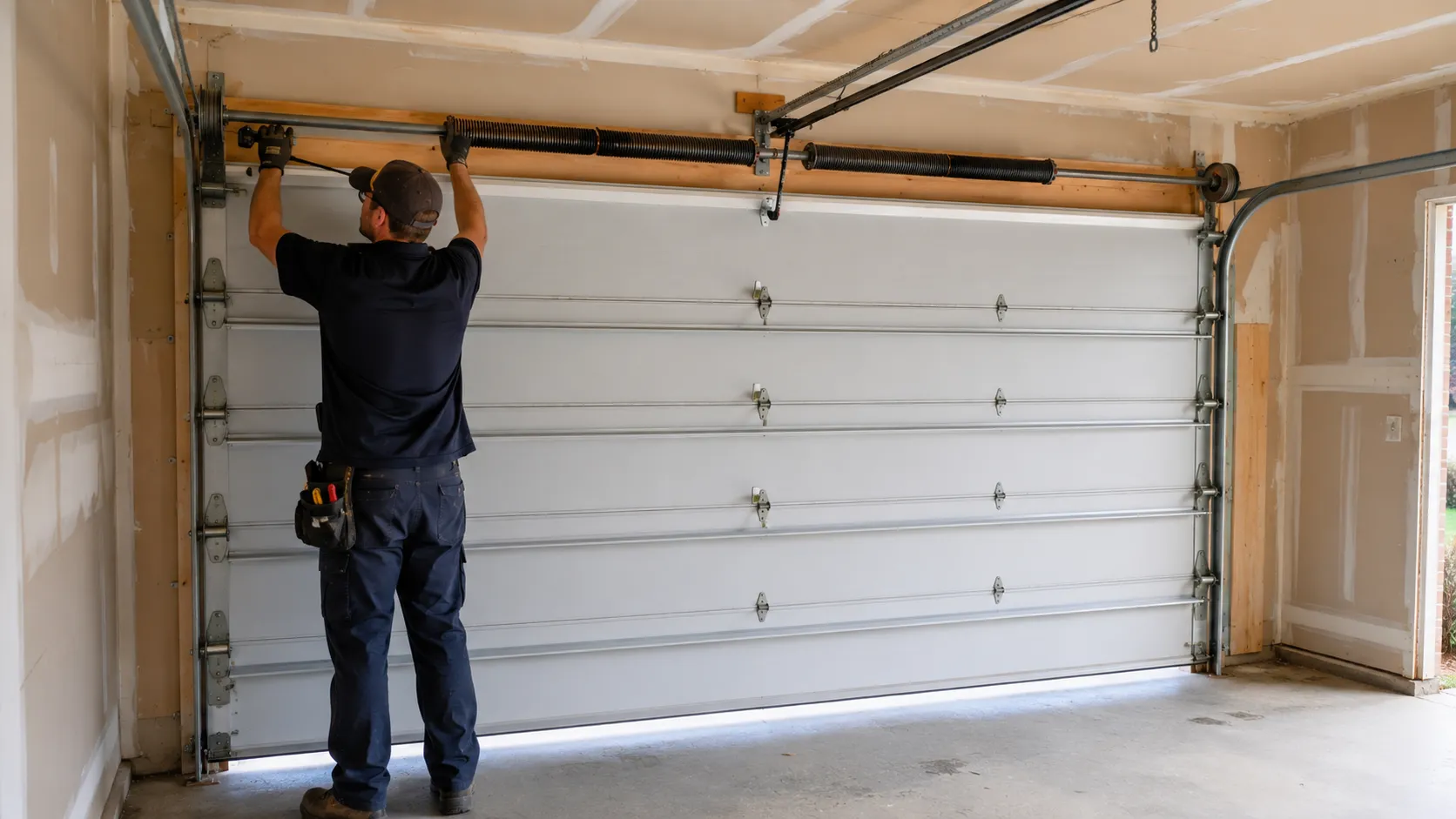
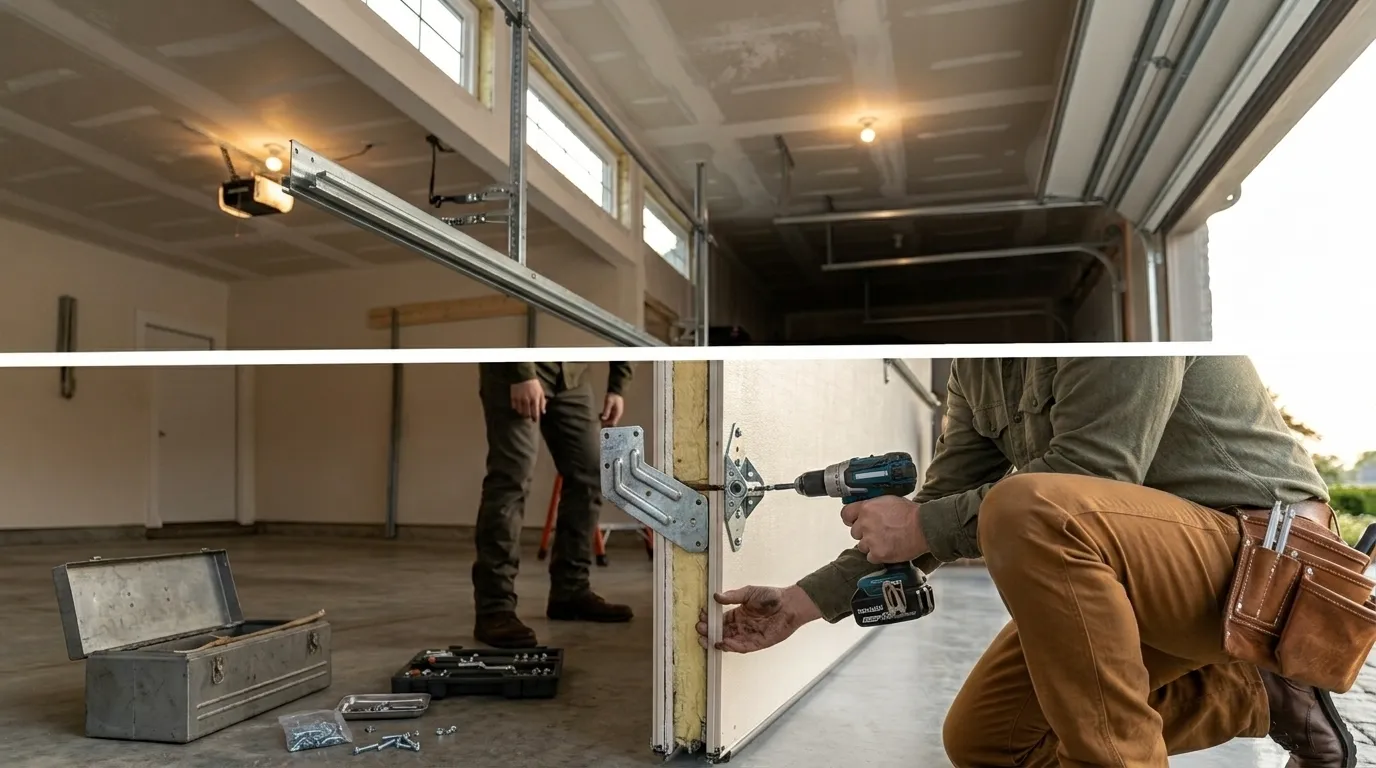
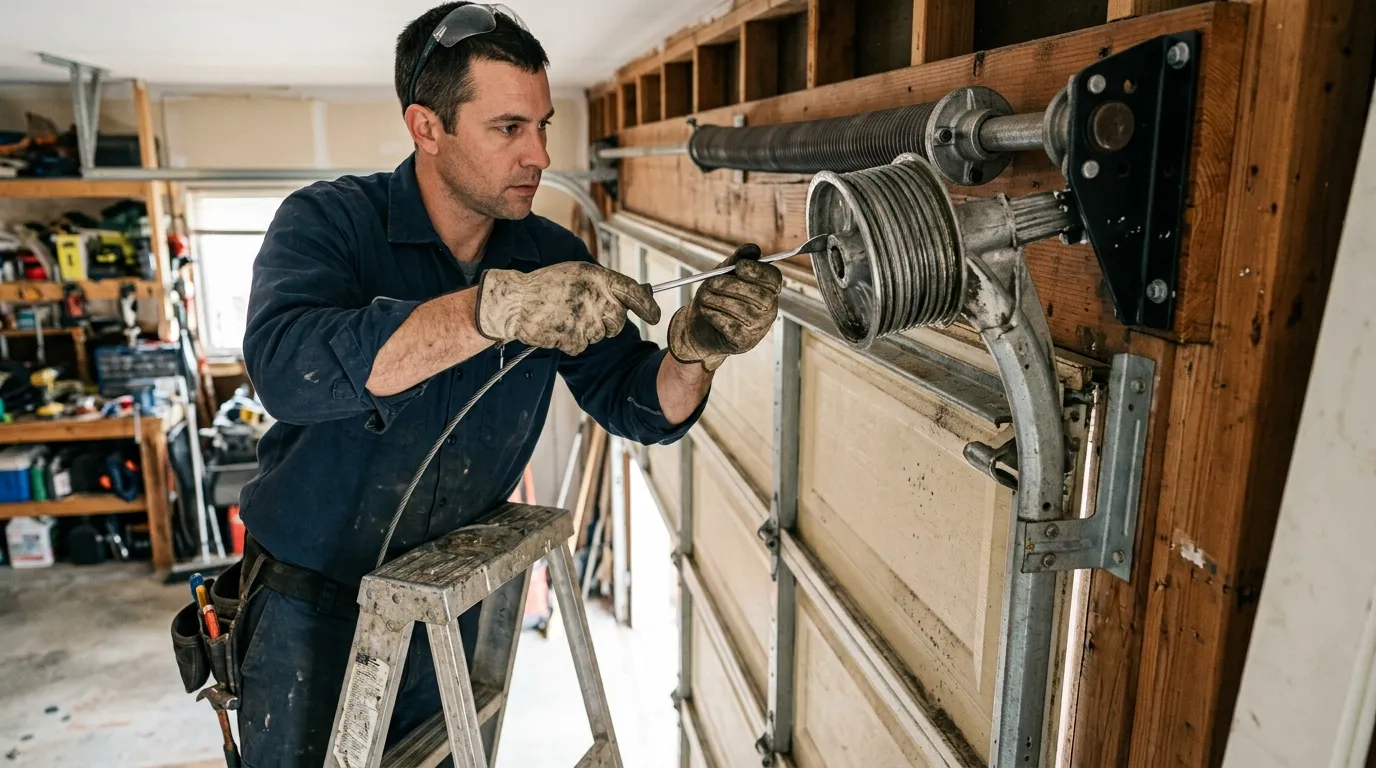
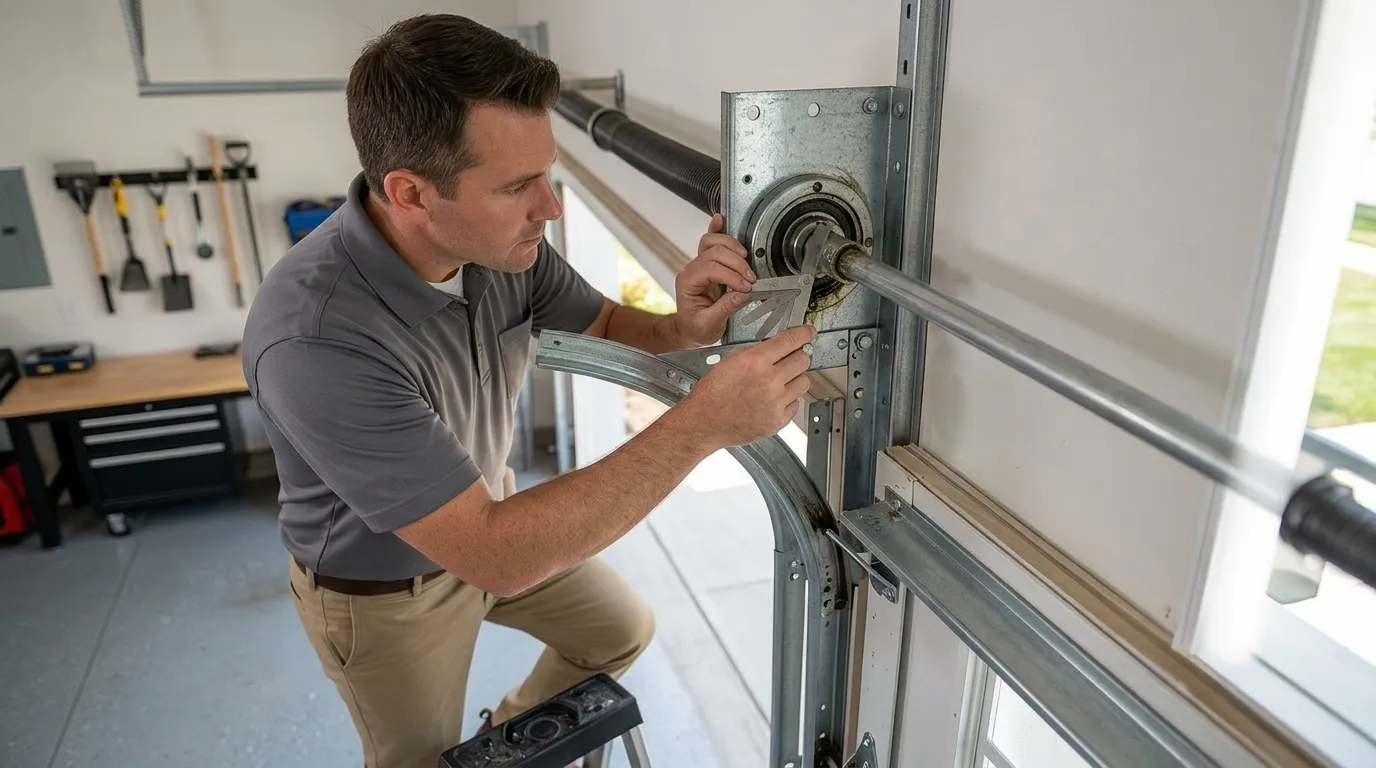
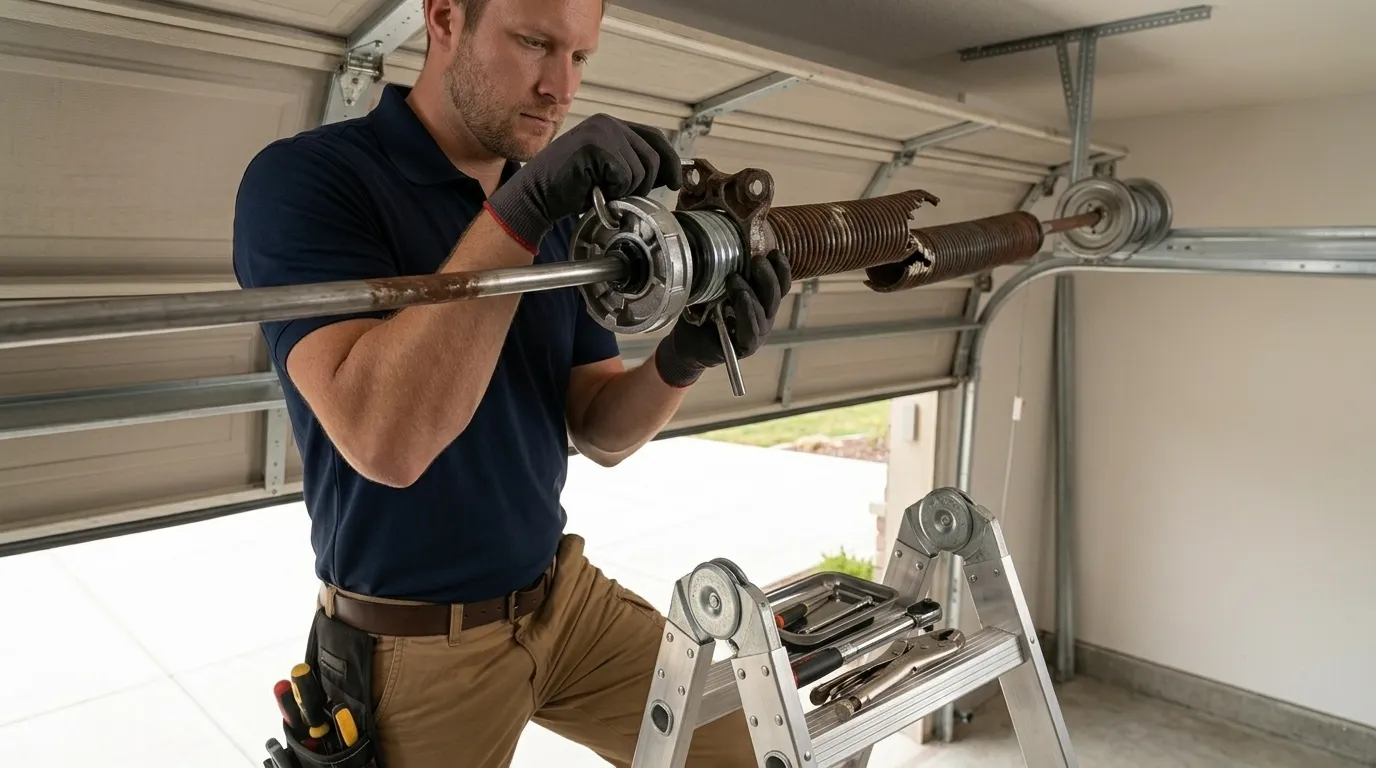
A 1975-era garage in this part of the metro was almost certainly framed for a single torsion spring on a lighter door than what gets installed today. If a previous owner ever upgraded to a heavier insulated door without upgrading the spring to match, that spring has been working harder than it was sized for, for years. That's one of the more common failure patterns we run into on houses from this build era: a spring that looks fine until the day it snaps mid-cycle.
Track alignment is another one. Original 1970s track brackets were often fastened directly to framing that's since shifted or settled over fifty-plus years, which shows up as a door that binds on one side or rollers that jump the track under load. None of this is unique to any one house, but it's a pattern tied to age, not to brand or bad luck.
One honest limit: we can't diagnose a spring size or track issue over the phone. What we can tell you, based on the build year alone, is that if your door is original to the house, torsion spring failure and bracket wear are the two most likely reasons for a call, and we'll check both before we quote anything.
Getting Here
West Pleasant View sits about 16 miles out from our Denver base, on the outer edge of the area we cover. We don't run a depot or drop-in office here, so every job starts with a truck coming from Denver rather than a crew already stationed nearby. That distance doesn't change how the door gets fixed, but it's worth knowing upfront when you're timing a repair around a workday.
We cover this stretch alongside a wide ring of other areas at similar or shorter distances, including Ken Caryl (18 mi), Morrison (19 mi), and Columbine (16 mi), which sit in the same general radius. Knowing the distance and the road time going in means we can plan the visit realistically instead of promising something we can't back up from across town.
Older vs Newer Streets
Not every block in West Pleasant View was built in the same decade, even with a 1975 median. Older streets closer to the original build-out tend to carry the torsion-spring, single-opener setups described above, with hardware that's original or one generation removed. Newer infill and remodeled lots on the same streets are more likely to have a modern opener with a heavier door and updated spring sizing already matched to it.
The practical difference: a call from an older-stock house is more likely to be spring or bracket related, while a call from a newer or remodeled property tends to be opener electronics, a worn drive gear, or a sensor issue rather than a structural one. We treat every call as its own inspection regardless of the street, but knowing the age split ahead of time means we bring the right parts on the first trip more often than not, cutting down on a second visit for a part we didn't expect to need.
How it works
From “it’s stuck” to “it’s fixed”
01
Tell us what’s wrong
Describe the symptom - won’t open, loud bang, opener runs but the door won’t move.
02
On-site diagnosis
A technician tests the door under power and by hand and finds what actually failed.
03
Clear, up-front plan
You get the fix that’s needed and what drives the cost - before any work starts.
04
Repaired & tested
The repair is done, the door is set true and tested, and the work area left clean.
Serving Denver, CO - tell us what your door’s doing and we’ll take it from there.
Is my garage door original to the house if it was built in 1975?
It's possible but not guaranteed. Many houses from this build era have had at least one door replacement over the decades. What's more often original is the track hardware and opener mounting, which is why we check those even when the door itself looks newer.
Do you have a local office in West Pleasant View?
No. We run out of Denver, about 16 miles away, and cover West Pleasant View along with a wide ring of surrounding areas. There's no depot here, just a truck coming out for the job.
Why would my spring fail if the door looks fine?
On older homes, a spring sized for a lighter original door can be overworked for years if the door was upgraded to something heavier without a matching spring change. It often looks fine right up until it doesn't, which is a common pattern in houses from this build era.
How do you know what parts to bring before seeing the door?
We don't guess blind, but a house's build year narrows the likely hardware a lot. A 1975 median build year points toward single torsion spring setups and older track brackets, so we plan for those first and adjust once we're on site.
Ready to get your garage door sorted?
Tell us what it’s doing and where you are in Denver - we’ll take it from there.