Garage Doors in Watkins: Newer Builds, Different Failure Points
Watkins homes mostly went up after 2001, later than the rest of the Denver service area. See how that changes spring sizing, opener age, and what breaks first here.
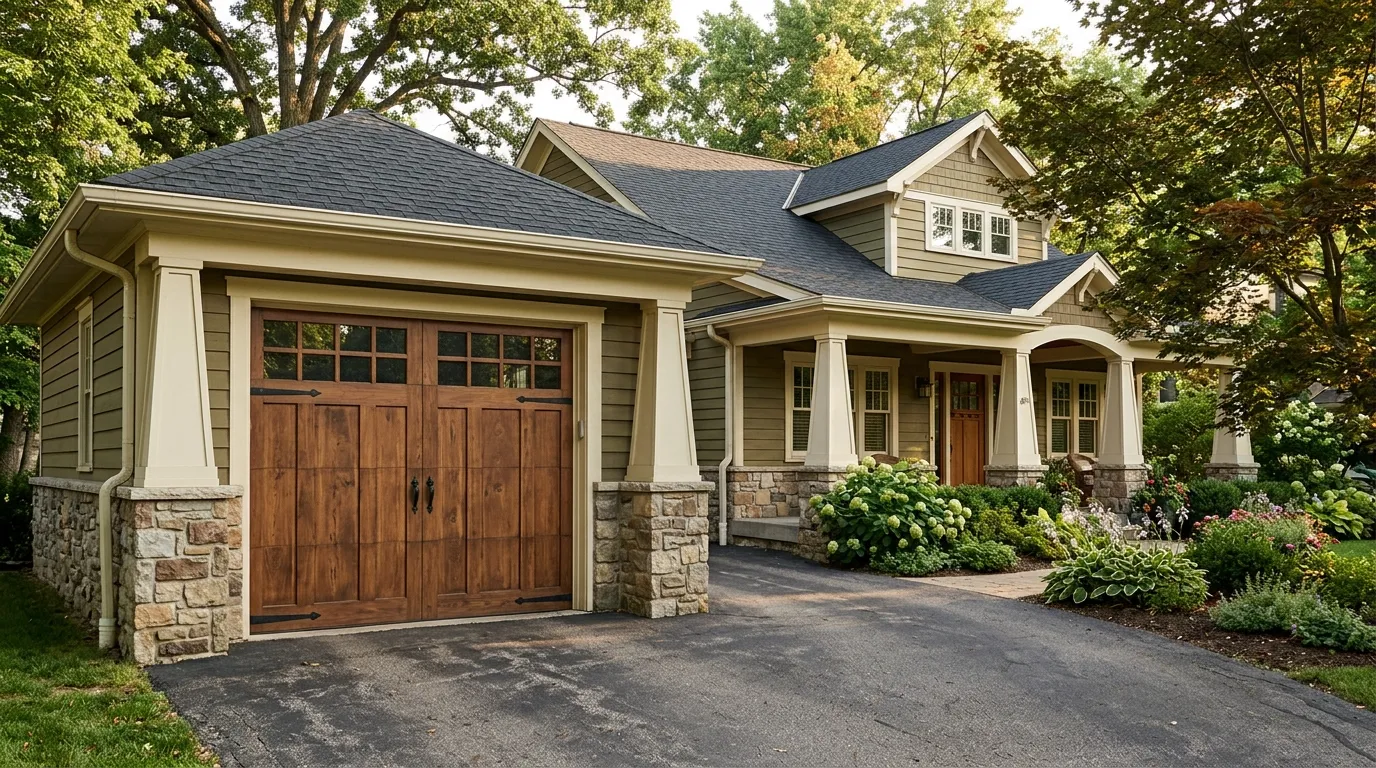
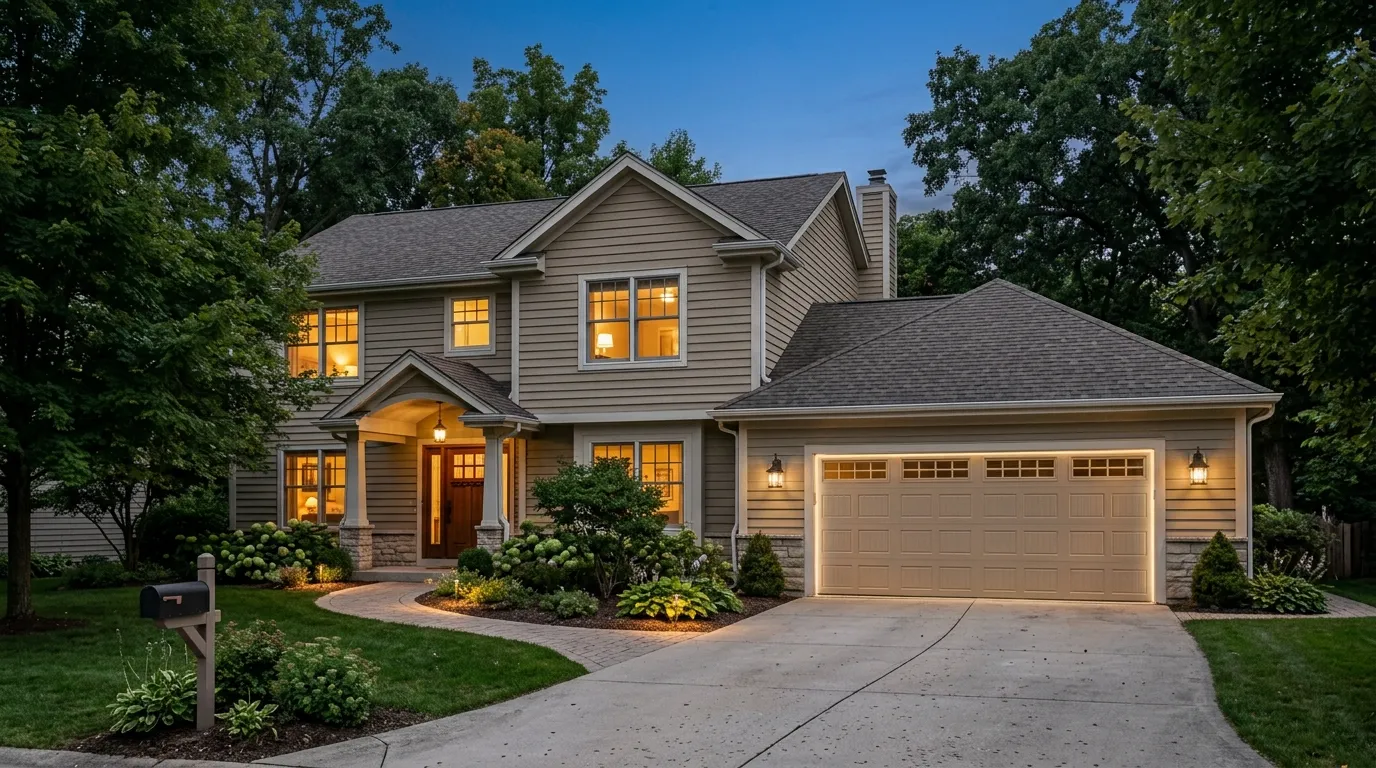
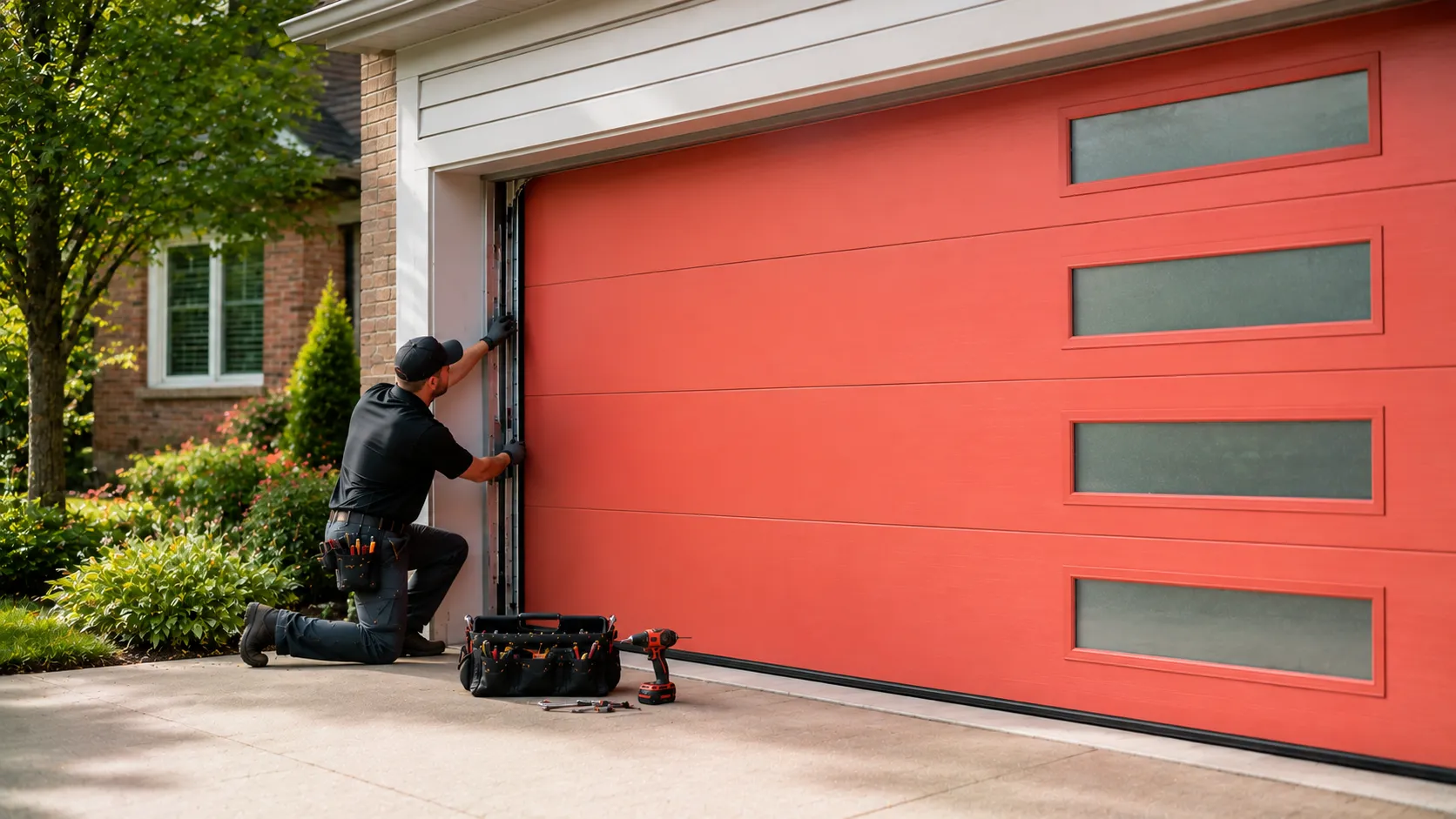
Across the wider Denver service area the housing stock runs 1947 to 2006 with a median build year of 1981, but Watkins sits well outside that middle. The 383 households out here center on a median build year of 2001 - two decades newer than the typical house this company works on elsewhere in the area. That's a meaningful gap. A door installed in 1985 and a door installed in 2001 are not the same product: different spring wind counts, different track gauge, different opener drive types were standard by the time most Watkins garages went up. Median household income here runs $157,321, well above the $101,450 median for the broader area, and it shows in the doors themselves - more insulated steel, fewer of the thin single-layer panels you still find on 1980s builds closer to Denver. That doesn't mean nothing breaks. It means what breaks, and when, looks different than it does on the older streets this company also covers.
How That Shows Up in the Door
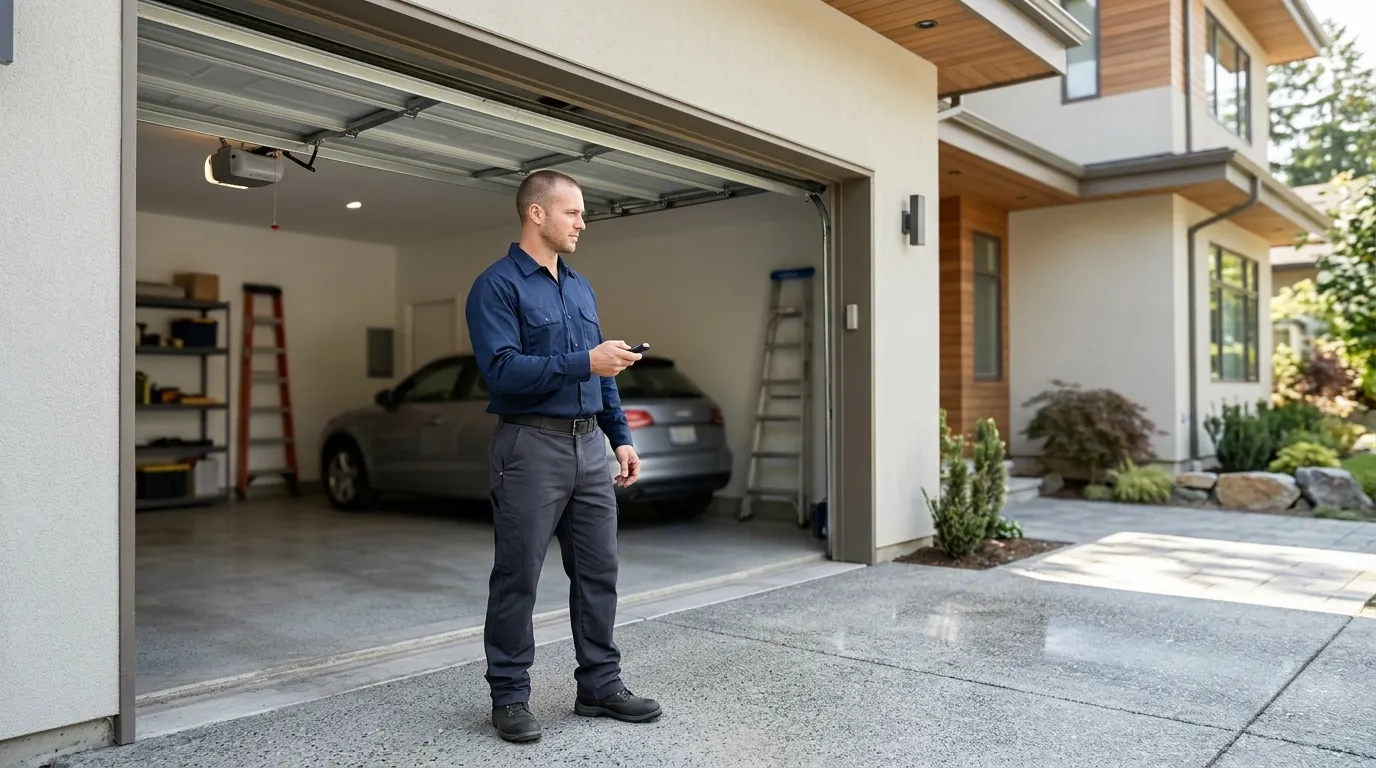
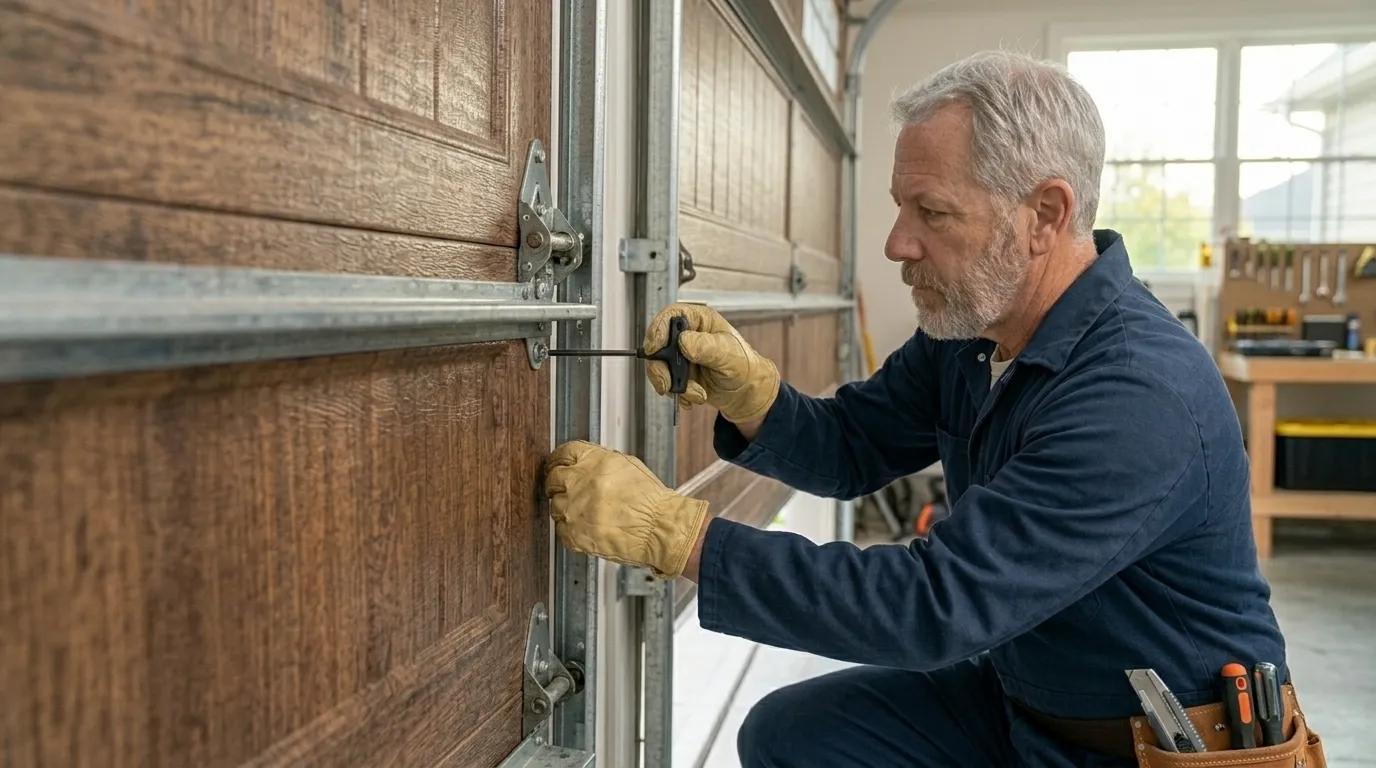
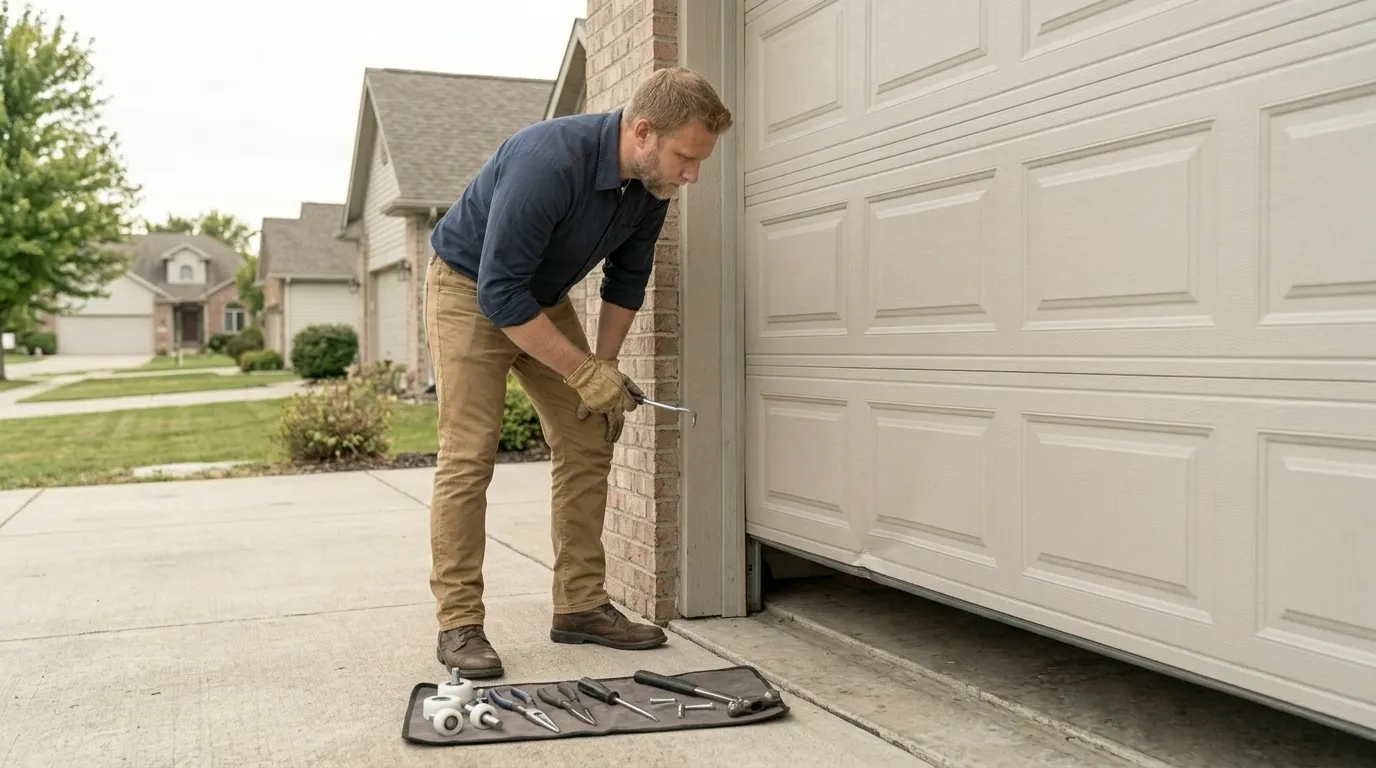
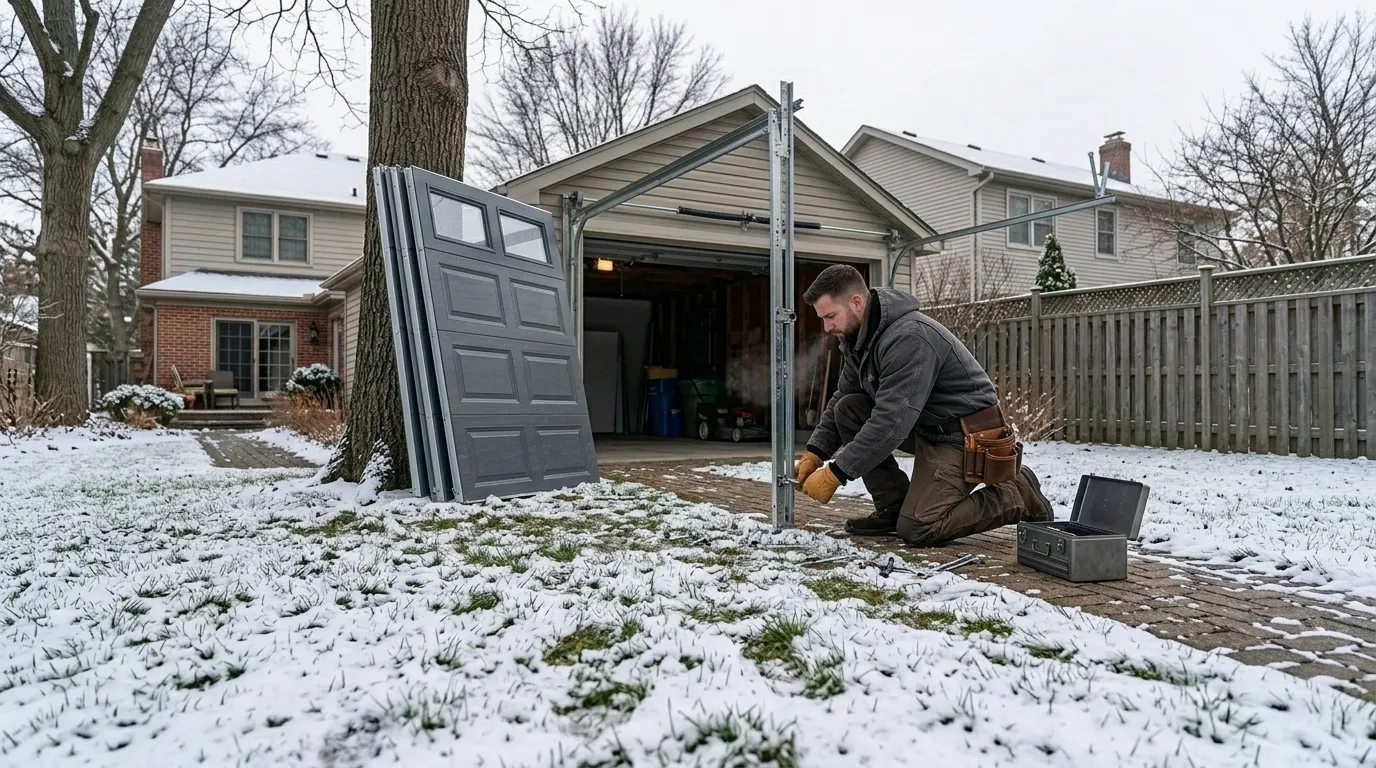
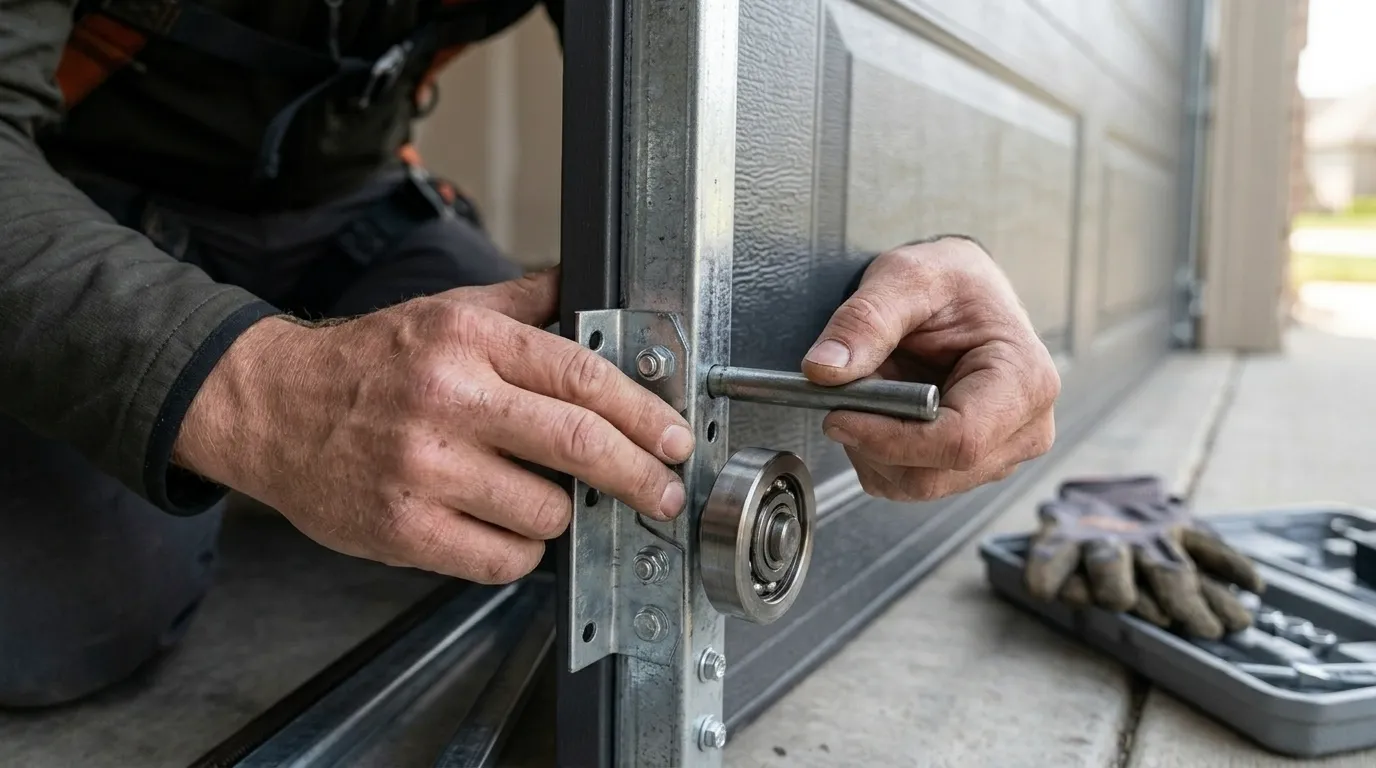
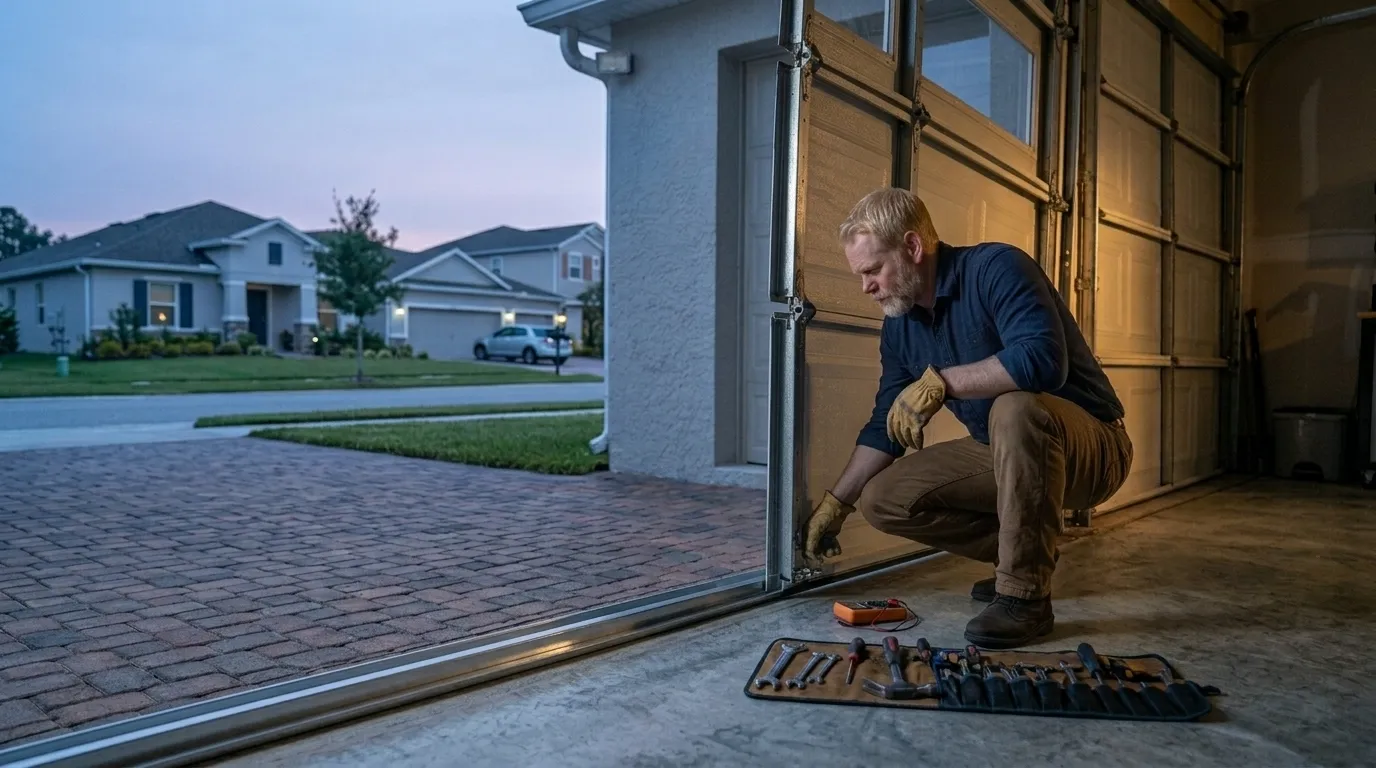
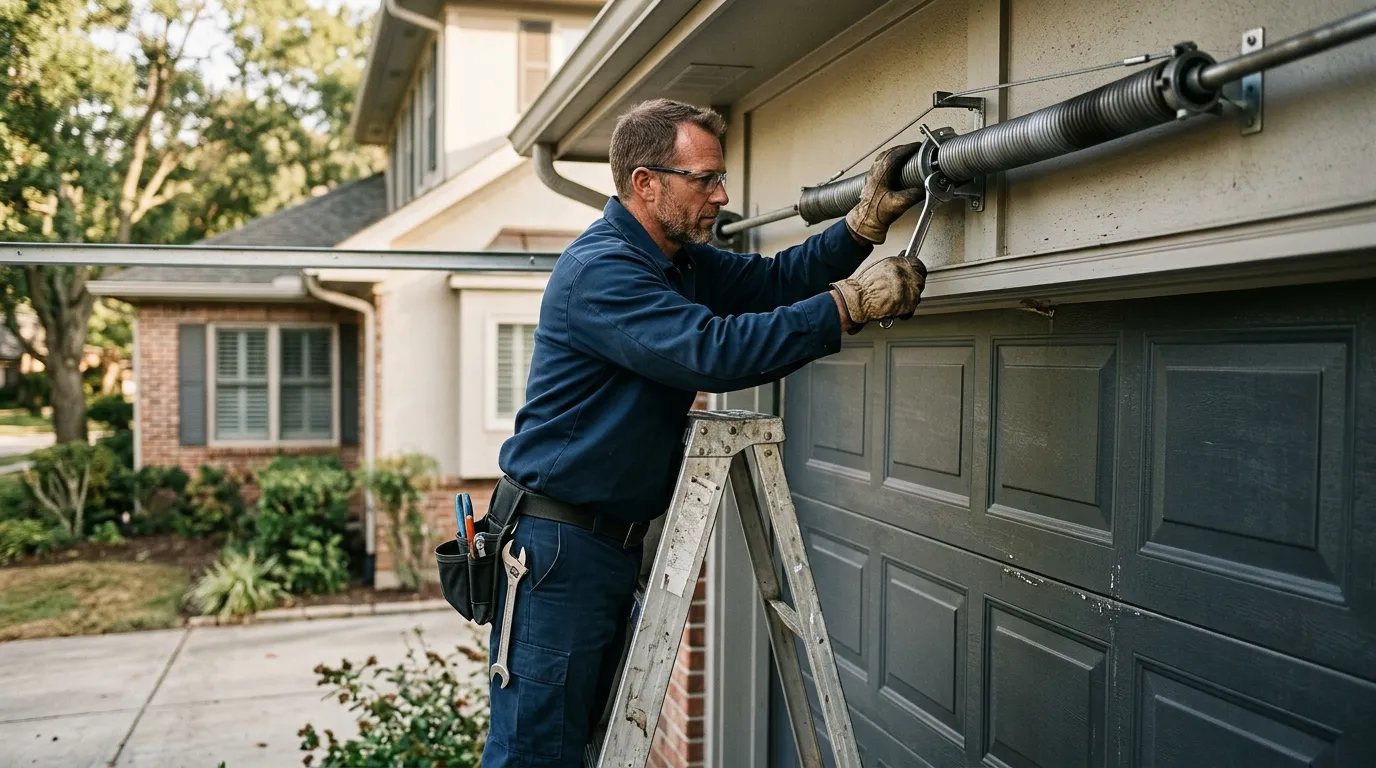
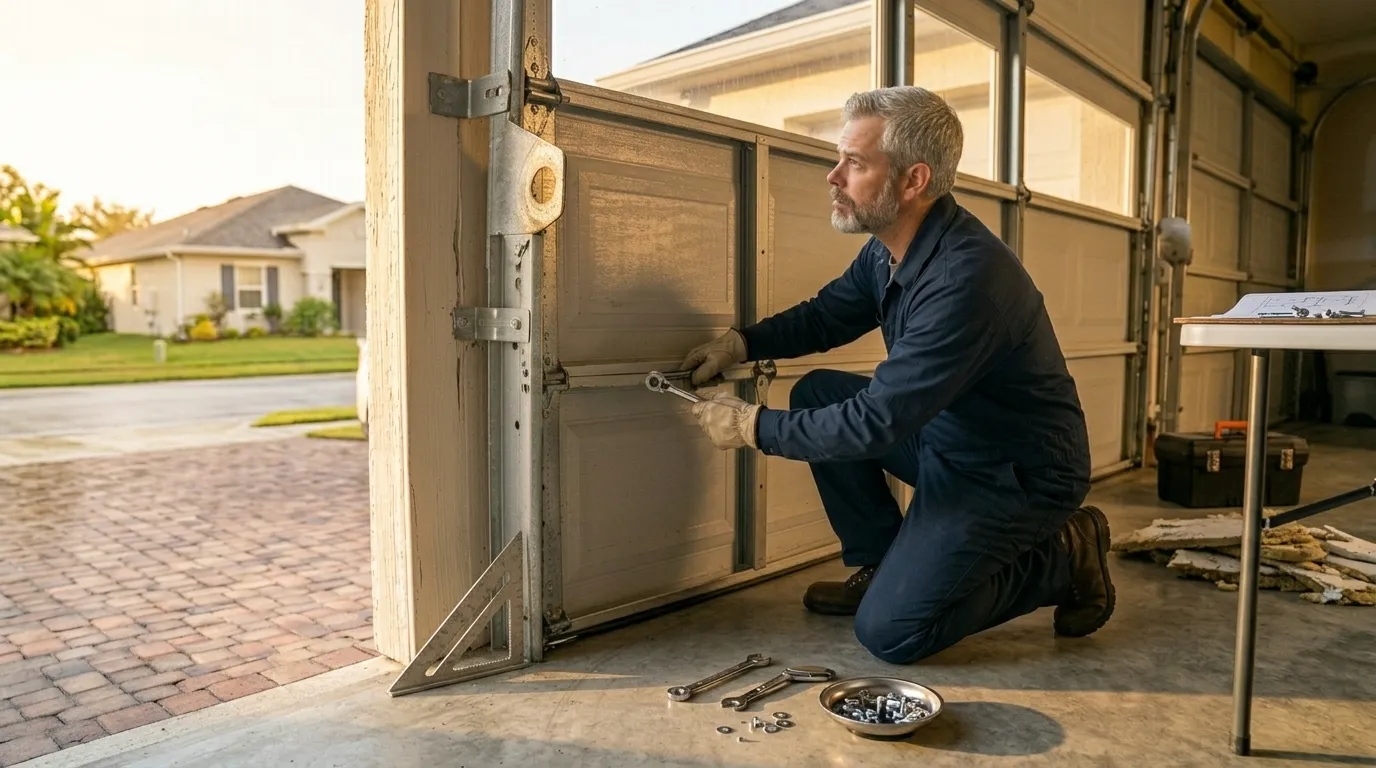
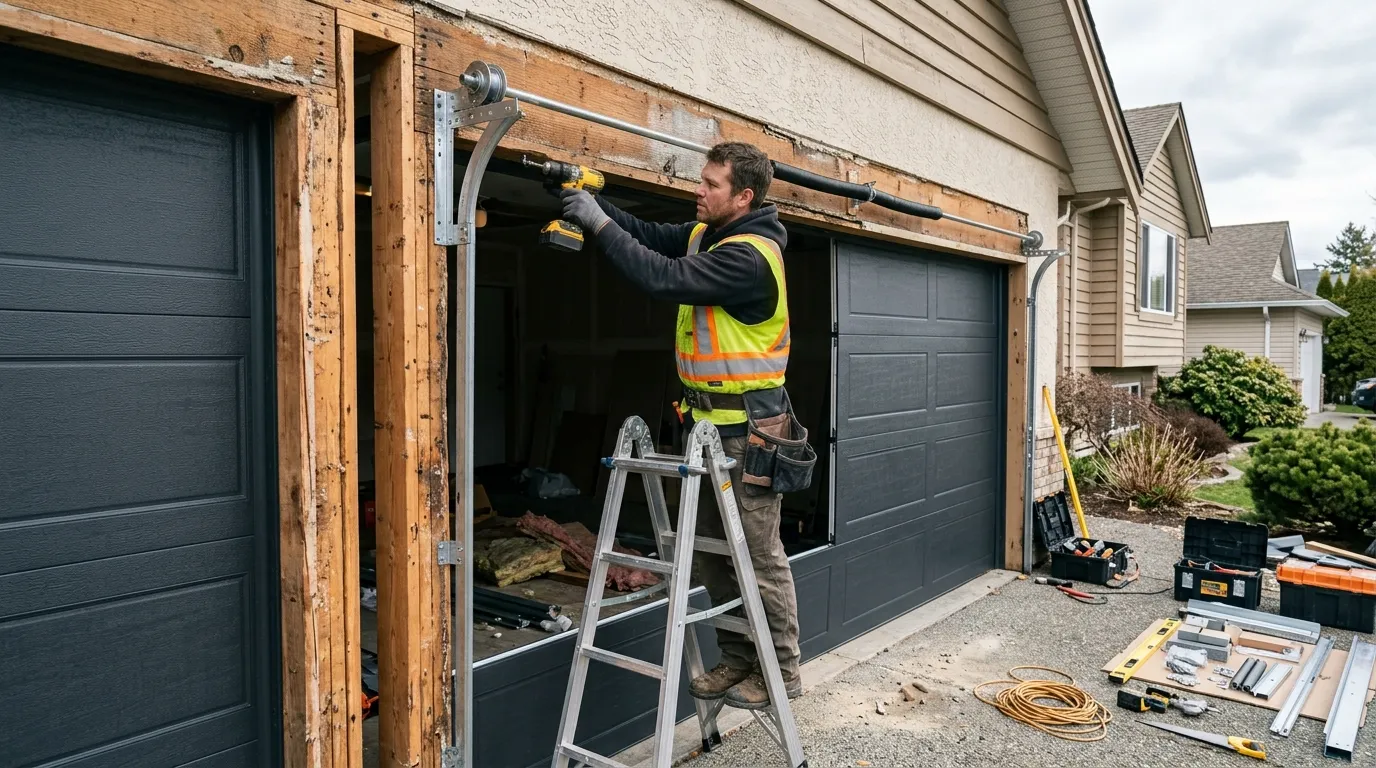
A house built in 2001 is old enough now that the original springs are wearing out - torsion springs are rated in cycles, not years, and 20-plus years of daily use is right in the range where they let go. But because these are newer builds, the springs are almost always torsion-style on a standard shaft, not the older side-mounted extension setups that show up on pre-1980 stock. That matters for parts: a broken spring here is usually a straightforward swap, not a hunt for obsolete hardware. Openers from that era are chain or belt drive with a 1/2 horsepower motor, typically still functional but past the point where the logic board and safety sensors are original equipment. In a severe cold climate, the failure that actually shows up first on 20-year-old doors is usually the opener's drive belt or gear-and-sprocket kit, not the door panel itself - the panels were built for insulation from day one out here.
Getting Here
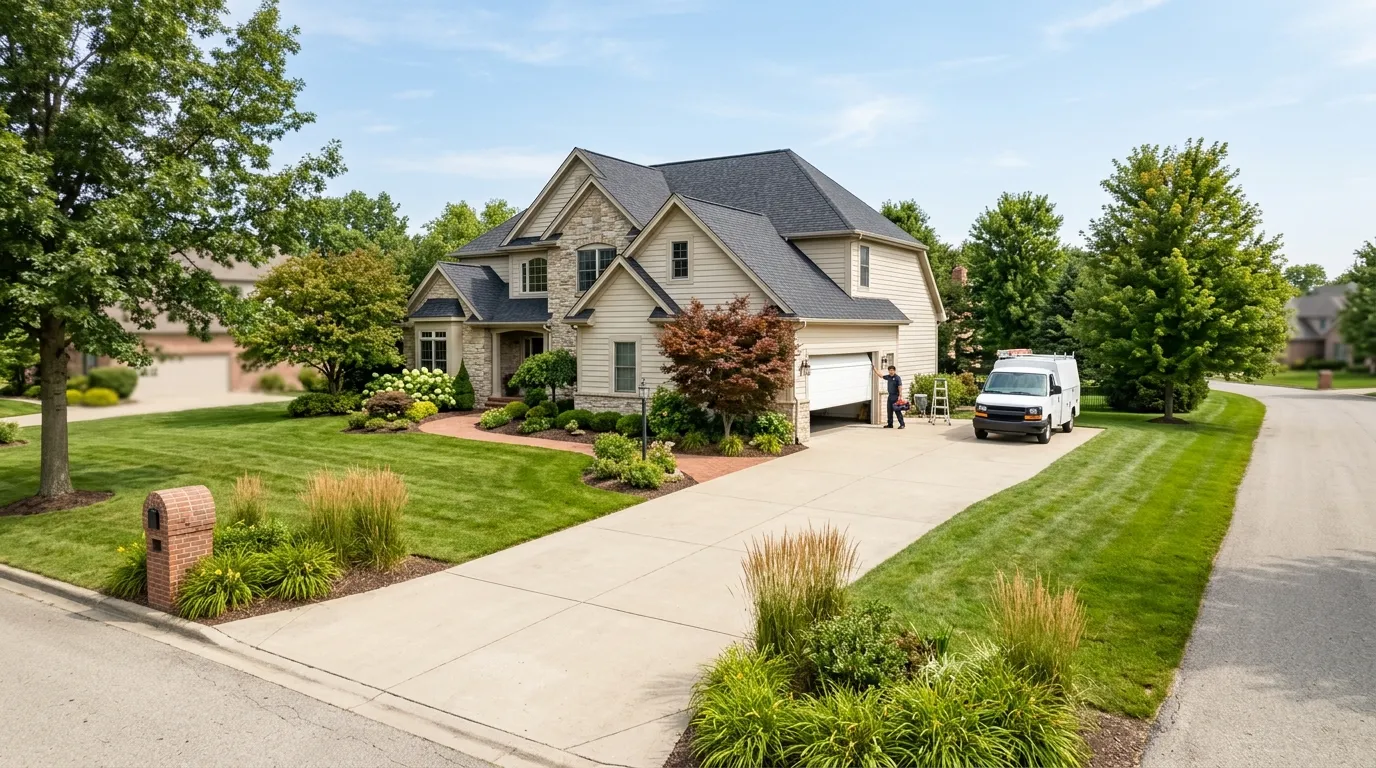
Watkins sits about 17 miles from Denver, which is farther out than most of this company's service area. There's no branch or depot out here - the truck comes from Denver for every job, which this company won't pretend otherwise about. That distance doesn't change the work once a tech is on-site, but it's worth knowing up front if you're comparing a same-day call against something scheduled a day or two out. Nearby points in the service area include Watkins itself along with Sable Altura Chambers and Fitzsimons closer in toward Denver, and Todd Creek and Grand View Estates at a similar 15-mile range on the other side of the map.
Older vs Newer Streets
The rest of the service area splits roughly into pre-1980s stock and 1980s-90s stock across 31 named areas, and most repair calls from those neighborhoods involve original one-piece doors, side-wound springs, or openers old enough that replacement parts aren't stocked anymore. Watkins doesn't have much of that problem. With a median build year of 2001, the housing here is closer to two decades old than four, and the common call is a worn torsion spring, a failing opener circuit board, or a sensor knocked out of alignment - not a full teardown of legacy hardware. The honest tradeoff: because Watkins is farther from Denver than most of the coverage area, this company can't promise the same turnaround on a same-day emergency call that a closer neighborhood might get. If a spring lets go on a Friday afternoon, plan for the truck to come from Denver, and expect the tech to be working with newer, more standard parts once they're on site.
How it works
From “it’s stuck” to “it’s fixed”
01
Tell us what’s wrong
Describe the symptom - won’t open, loud bang, opener runs but the door won’t move.
02
On-site diagnosis
A technician tests the door under power and by hand and finds what actually failed.
03
Clear, up-front plan
You get the fix that’s needed and what drives the cost - before any work starts.
04
Repaired & tested
The repair is done, the door is set true and tested, and the work area left clean.
Serving Denver, CO - tell us what your door’s doing and we’ll take it from there.
Are Watkins garage doors older or newer than the rest of the Denver area you serve?
Newer. The broader service area runs a median build year of 1981, but Watkins households center on 2001 - about 20 years younger. That means torsion springs on standard shafts and 1/2 horsepower openers are the norm here, not the older side-mounted extension springs found on 1980s-era doors elsewhere.
Do you have a location in Watkins?
No. This company works out of Denver and travels to Watkins for every job, about 17 miles each way. There's no depot or branch out here, which is worth factoring in if you're weighing a same-day repair against a scheduled visit.
What actually breaks on a 2001-built garage door?
Usually the torsion spring, which wears out on a cycle count regardless of age, or the opener's drive belt, gear-and-sprocket kit, or circuit board. The insulated steel panels common on Watkins builds hold up well; the moving parts and the opener electronics are what give out first after two decades.
Ready to get your garage door sorted?
Tell us what it’s doing and where you are in Denver - we’ll take it from there.