The Doors Around Here
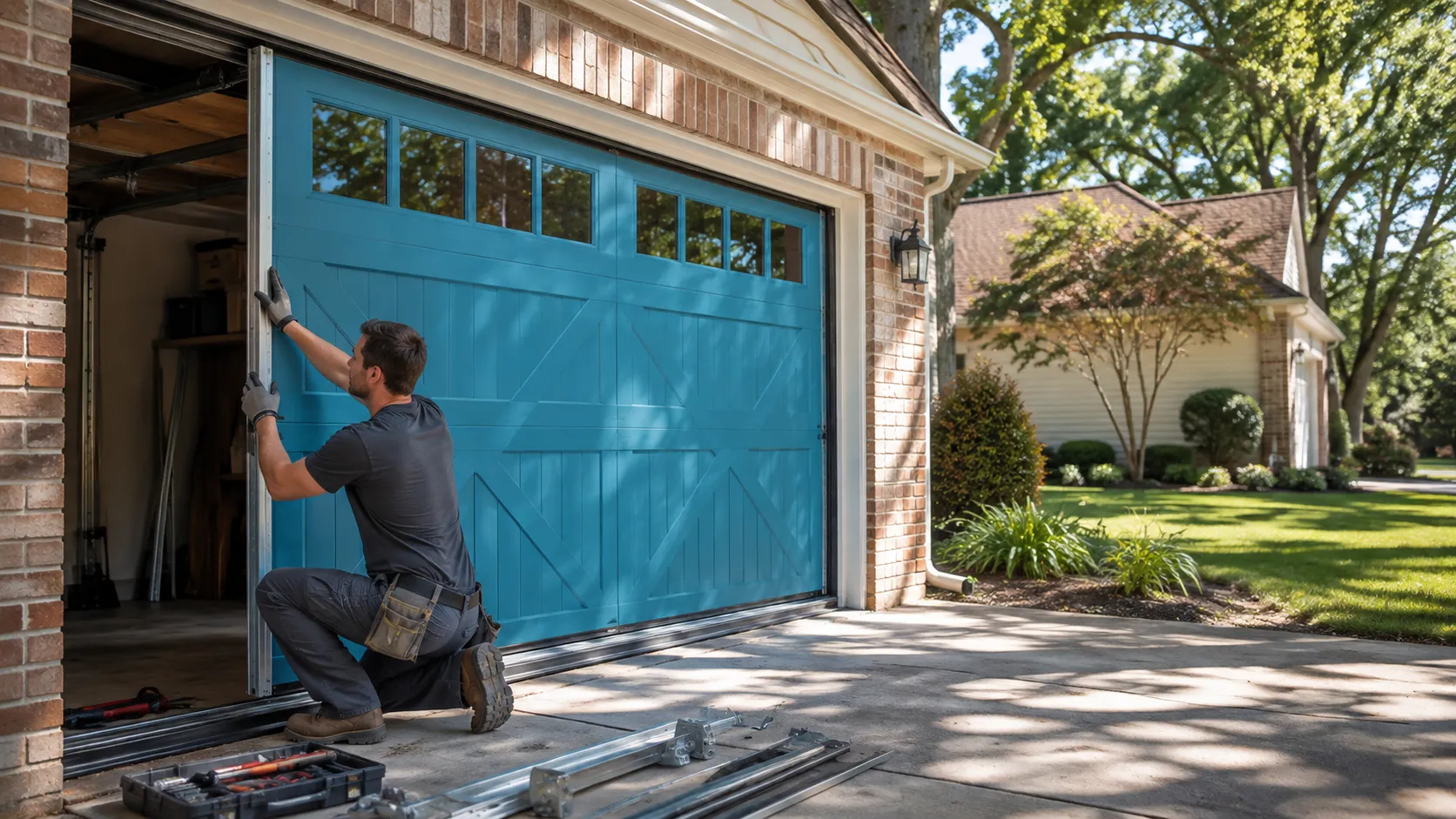
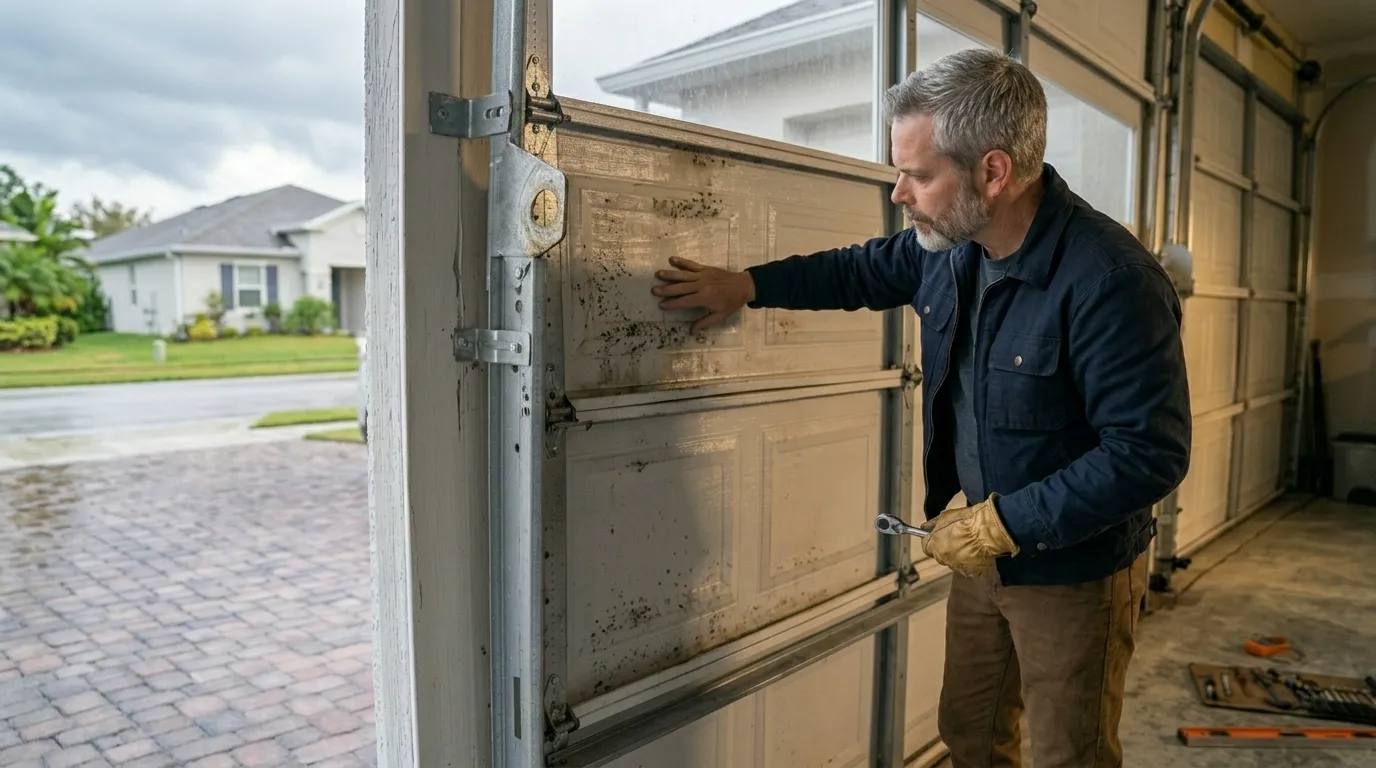
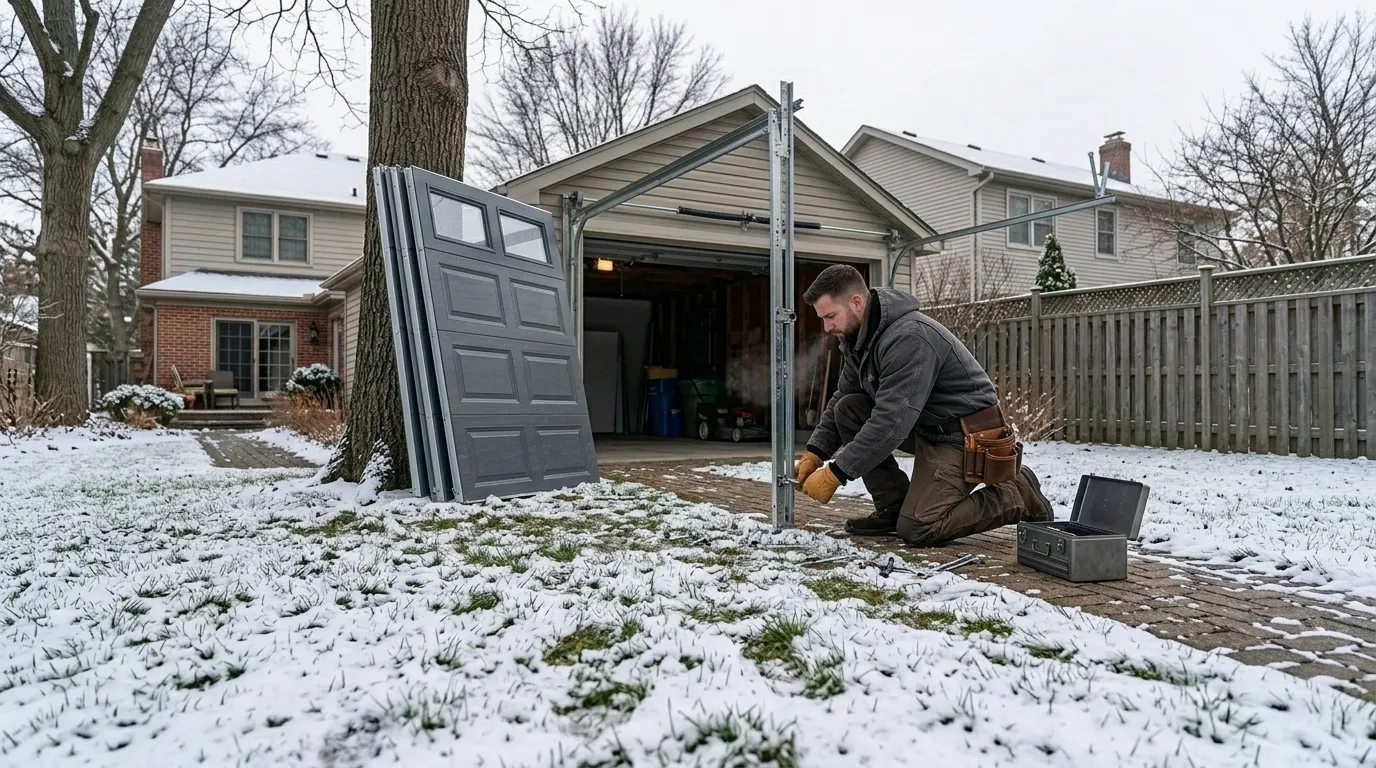
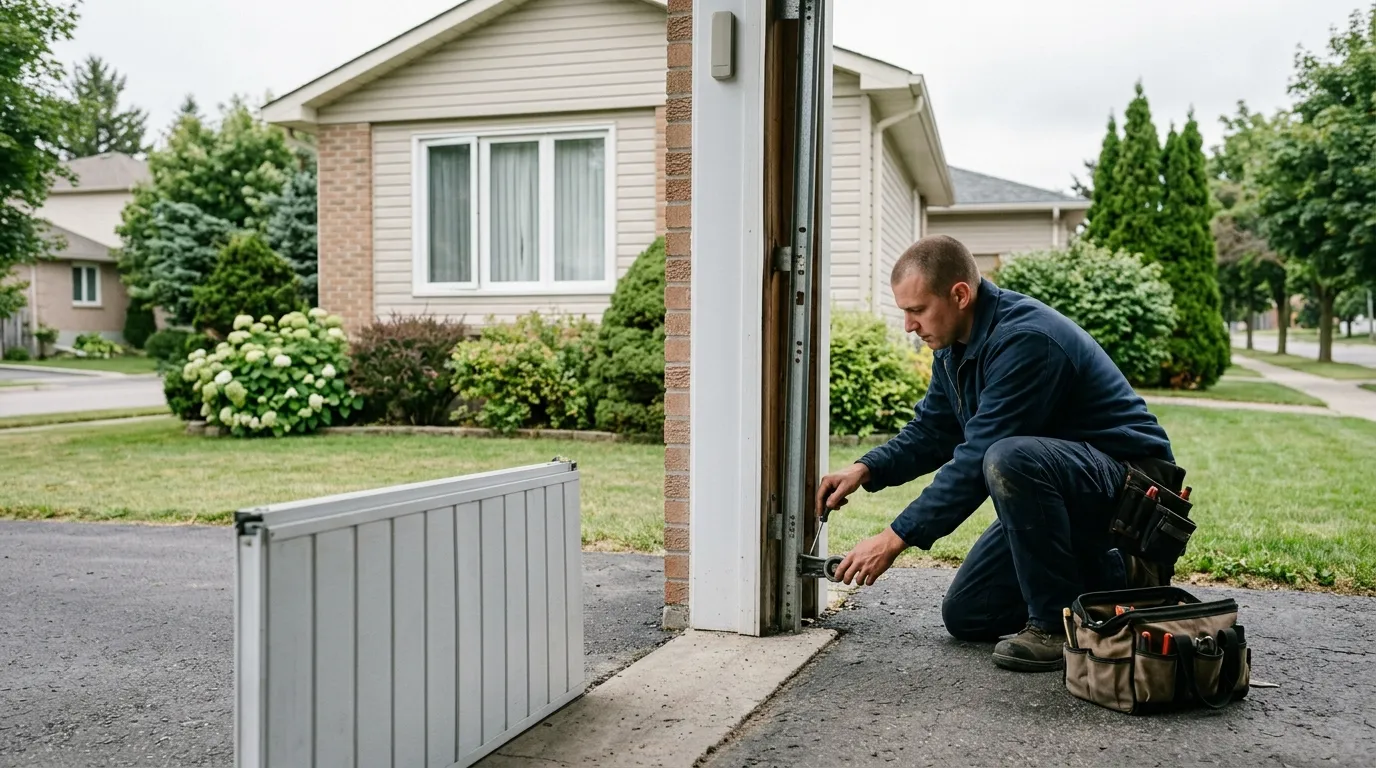
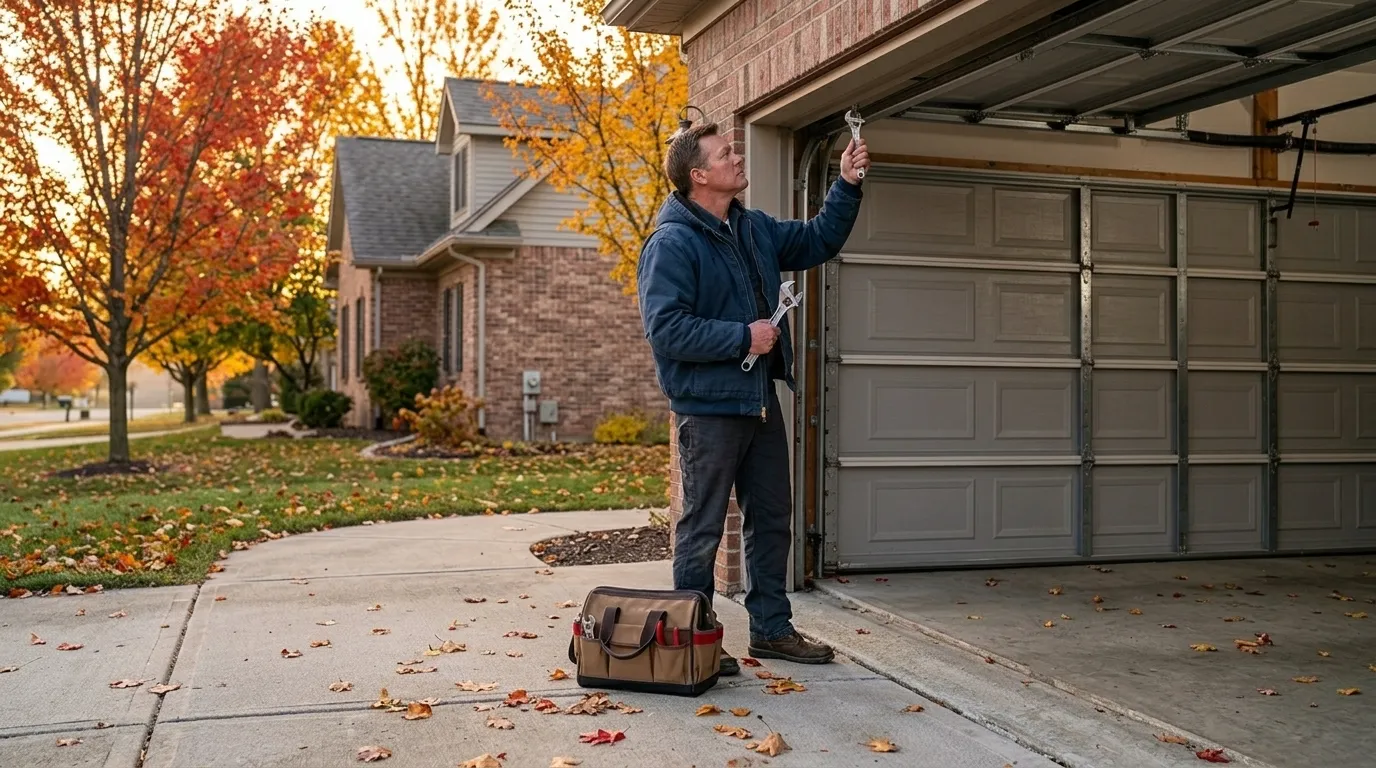
Because the surrounding service area's homes were mostly built from the late 1940s through the mid-2000s, you get a real mix of door generations even within a few blocks of each other. Older sections lean on doors and openers from the earlier part of that window - heavier steel, simpler chain-drive openers, and springs that have had decades to fatigue. Newer builds closer to 2006 are more likely to have lighter insulated panels and belt-drive openers with circuit boards that fail differently than a worn spring does. Denver's winters count as a severe cold climate, and that's not a small detail for a garage door. Cold makes steel springs more brittle right when they're under the most tension, and it stiffens grease in rollers and hinges until a door that worked fine in August starts binding or dropping unevenly in January. If your door has gotten noisier or slower to close as it's gotten colder outside, that's the climate doing exactly what it does here every year, not a coincidence.
Typical Work
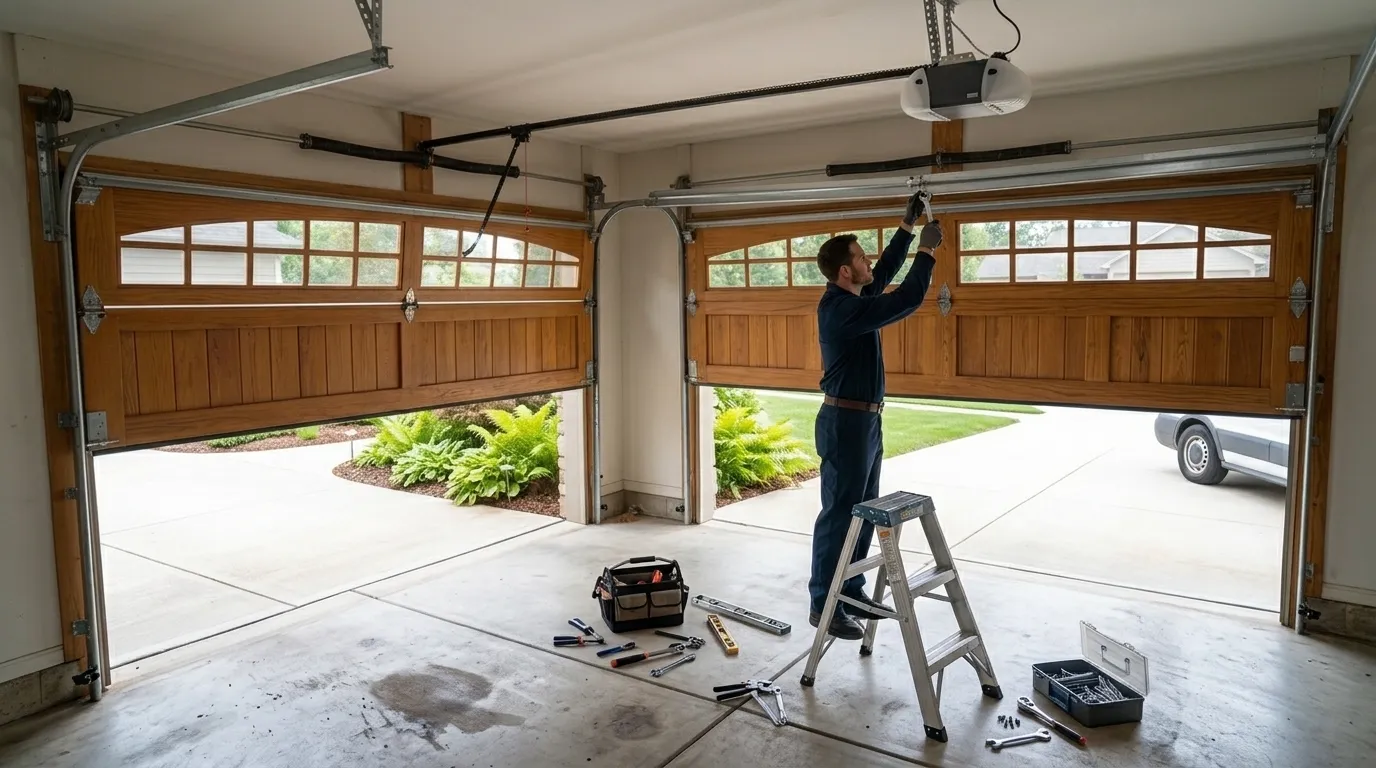
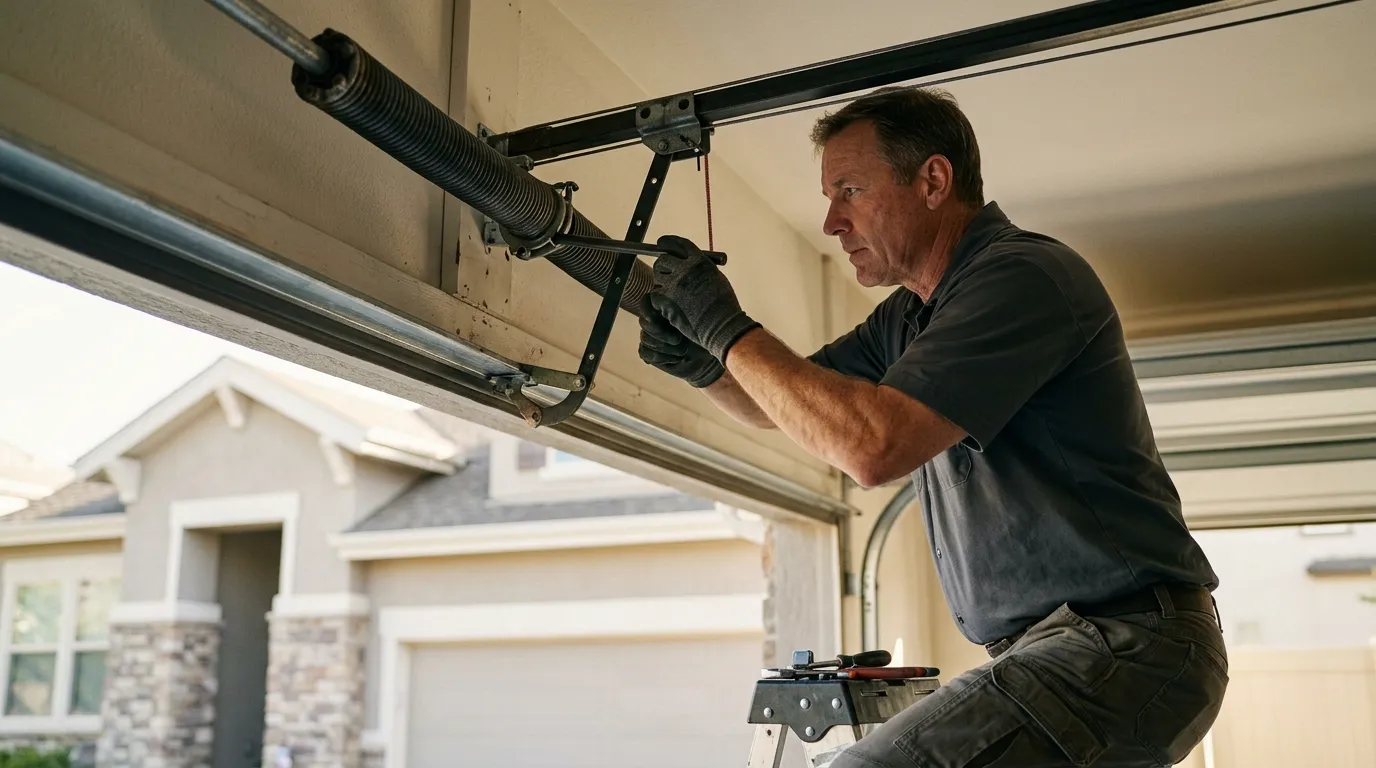
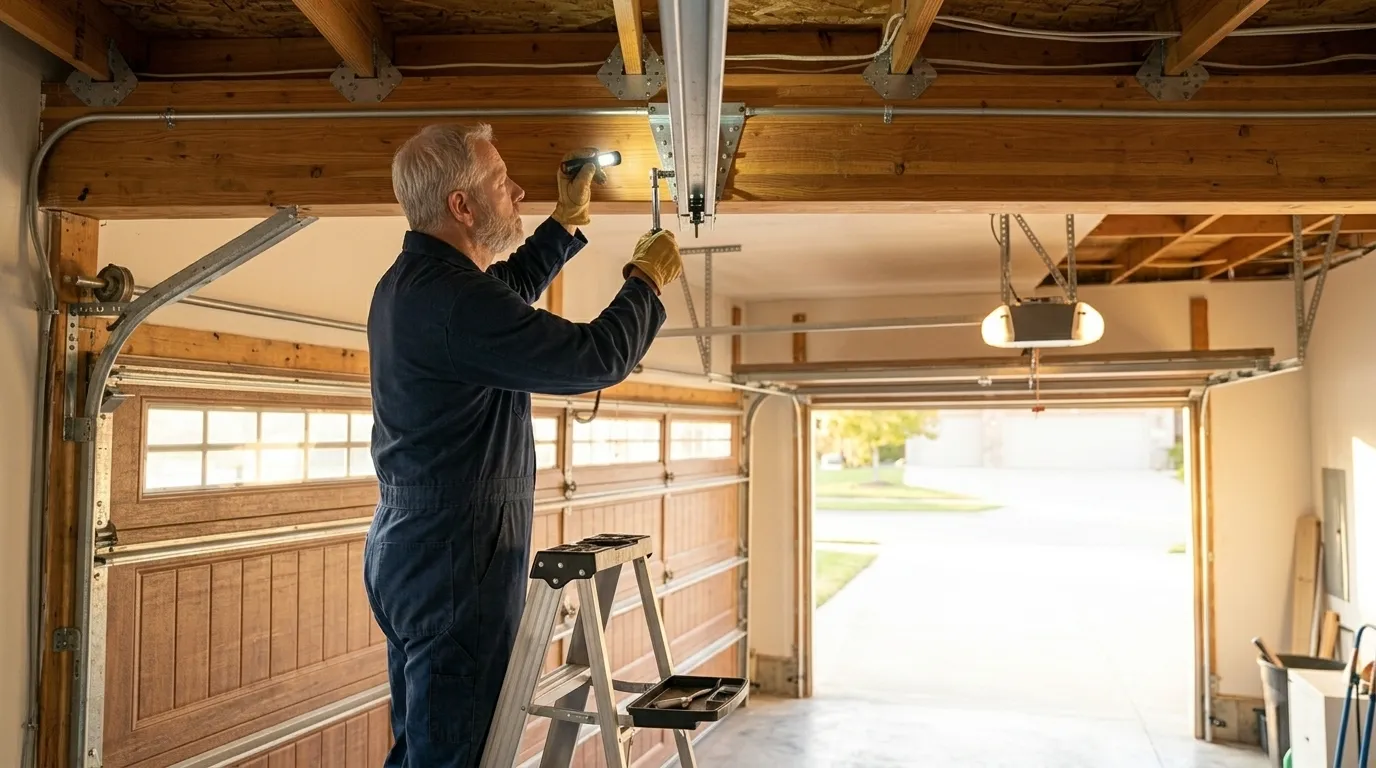
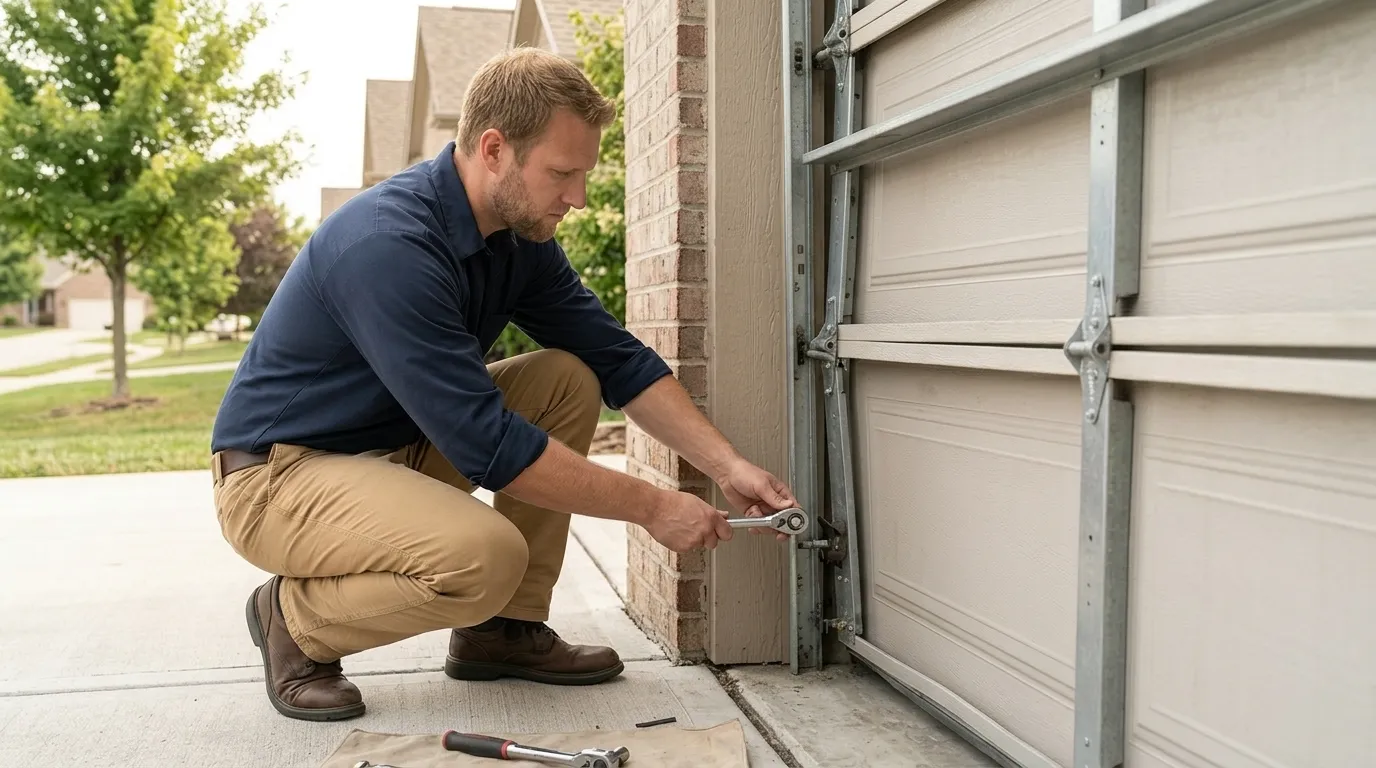
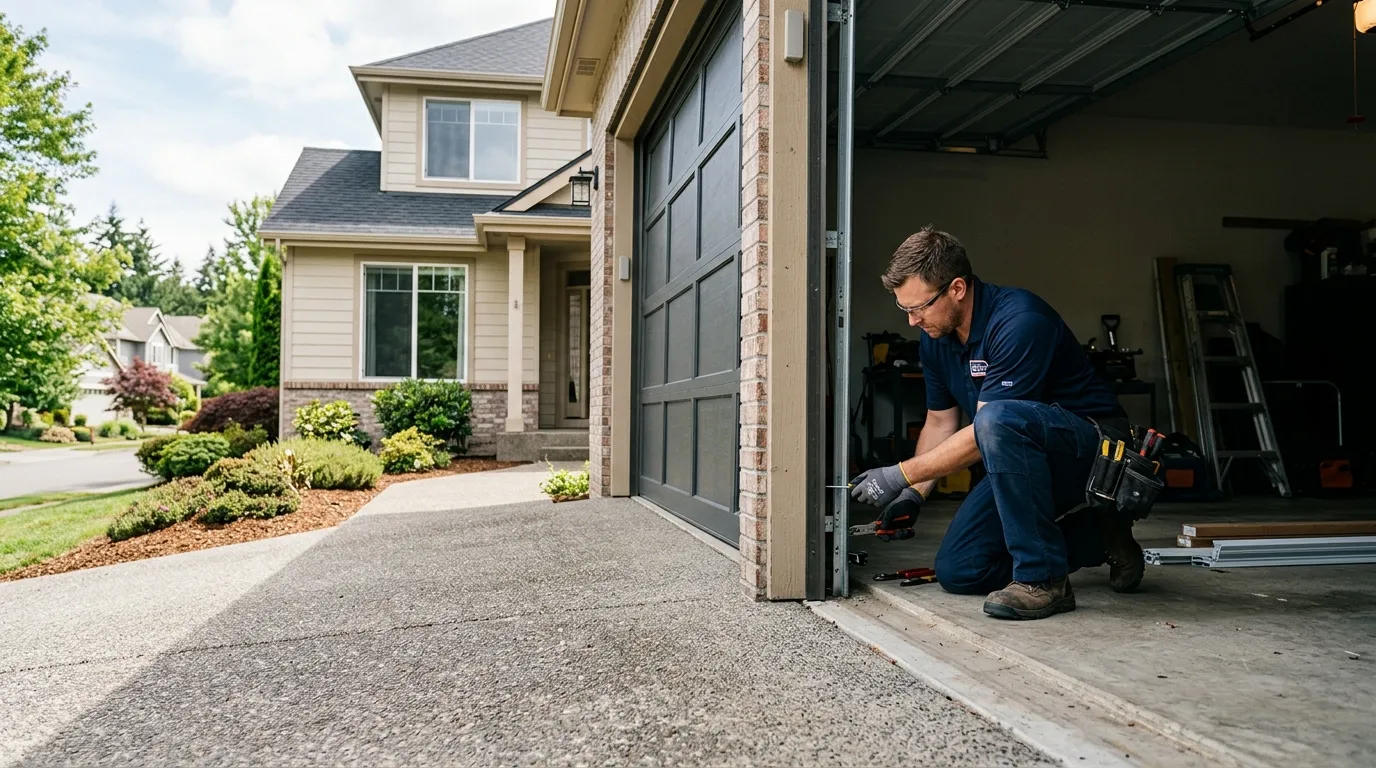
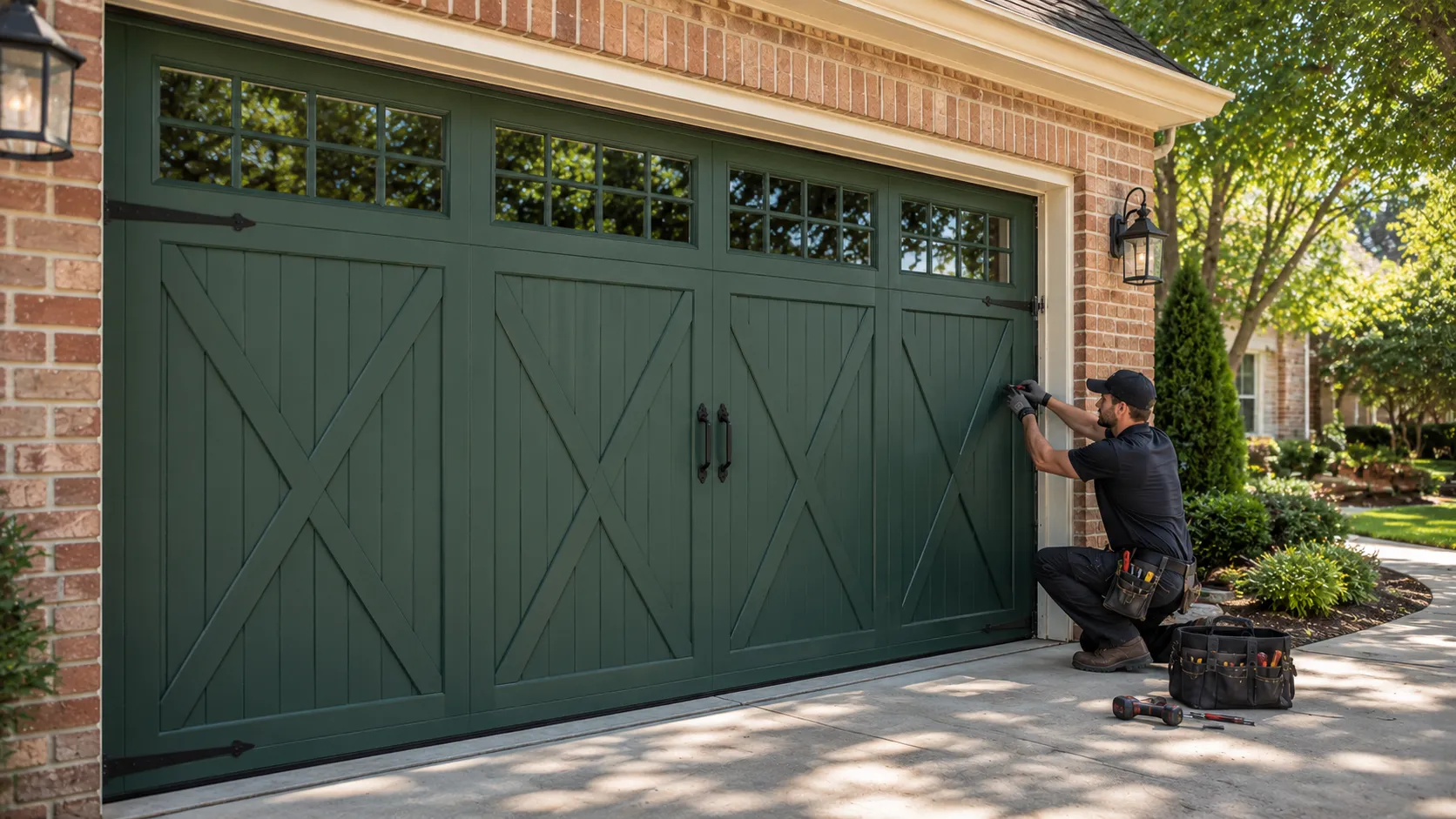
Most calls in this kind of housing stock break into a few categories: torsion springs that let go after years of temperature swings, openers old enough that replacement parts are getting hard to source, and worn rollers or cables on doors that have been cycled a couple thousand times too many. Given the median household income for the service area sits around $101,450, we see plenty of owners who'd rather fix a door once, correctly, than keep patching it - and plenty who ask us straight out whether repair or replacement makes more sense on an older unit. Here's the honest limitation: if your opener is old enough that the manufacturer no longer makes boards or logic modules for it, we're not going to pretend we can special-order a part that doesn't exist anymore. At that point replacement is the real answer, not another repair visit. We'll tell you when that's the case instead of running up a bill on a unit that's done.