Serving Twin Lakes from Denver, 8 miles out. We work on the 1970s-era doors and hardware common on this side of the service area, in Denver's cold winters.
Twin Lakes' housing stock centers on 1976, which puts it on the older edge of the wider service area, where the median build year runs closer to 1981 across the 1947-2006 range we see on calls. That five-year gap matters more than it sounds. A house framed in the mid-1970s was very likely fitted with a garage door and opener that predate the safety and insulation standards that became common by the 1980s. With 3,274 households in Twin Lakes, it's a smaller pocket than some of the newer-built areas we cover, but the doors here tend to be original longer, simply because fewer of these streets have turned over through full remodels. Median household income here is $93,818, a bit under the $101,450 average across the broader coverage area, which we mention only because it tends to track with how many owners are still running first-generation openers rather than replacing on a schedule. None of this is a knock on the neighborhood - older stock just means older parts, and that's the piece worth knowing before something breaks.
How That Shows Up in the Door
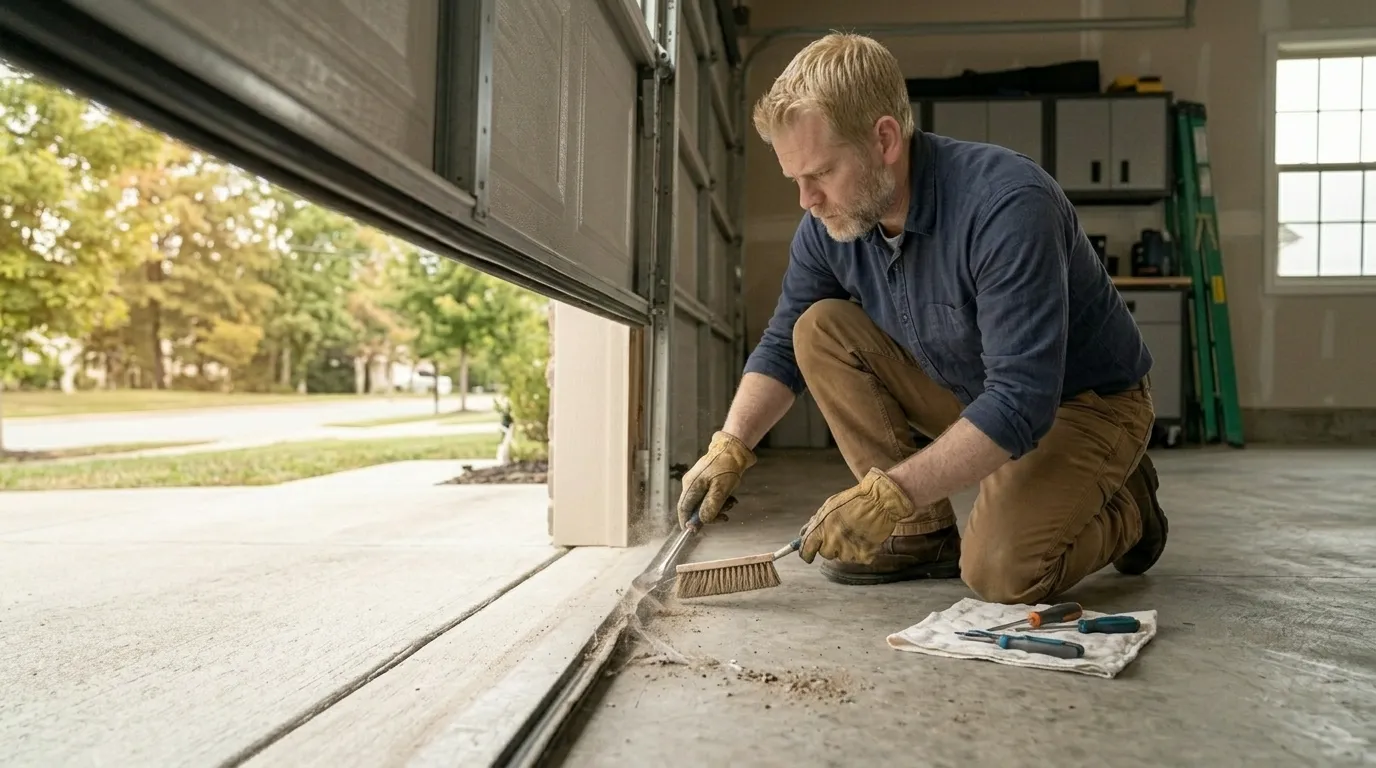
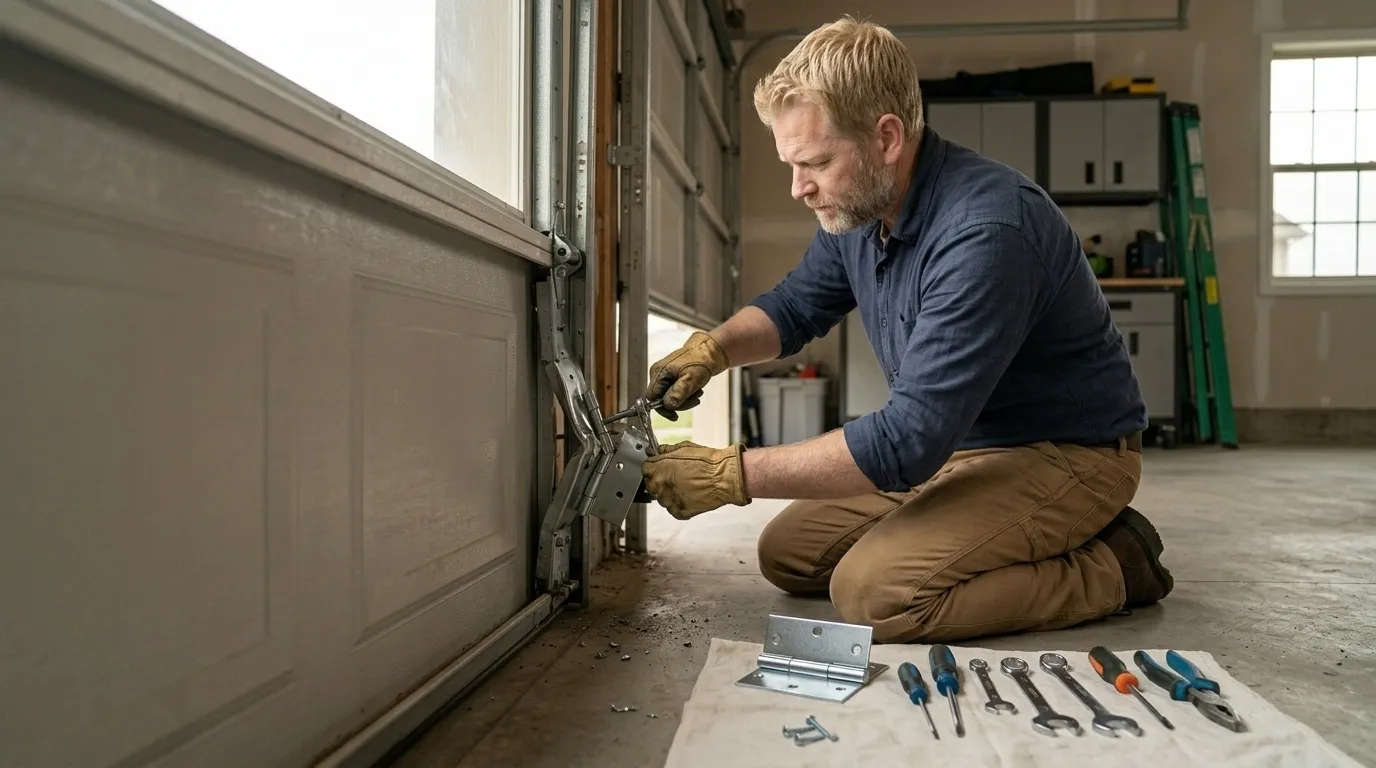
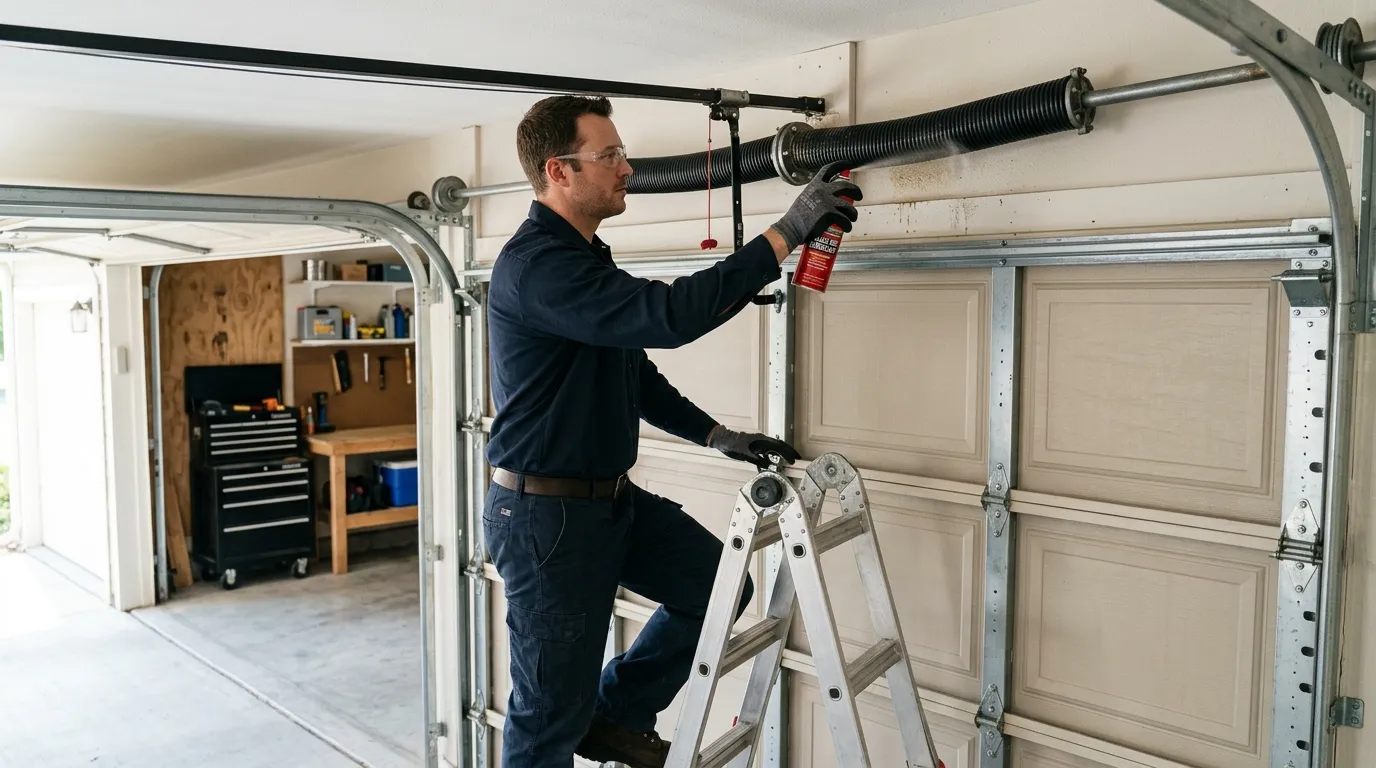
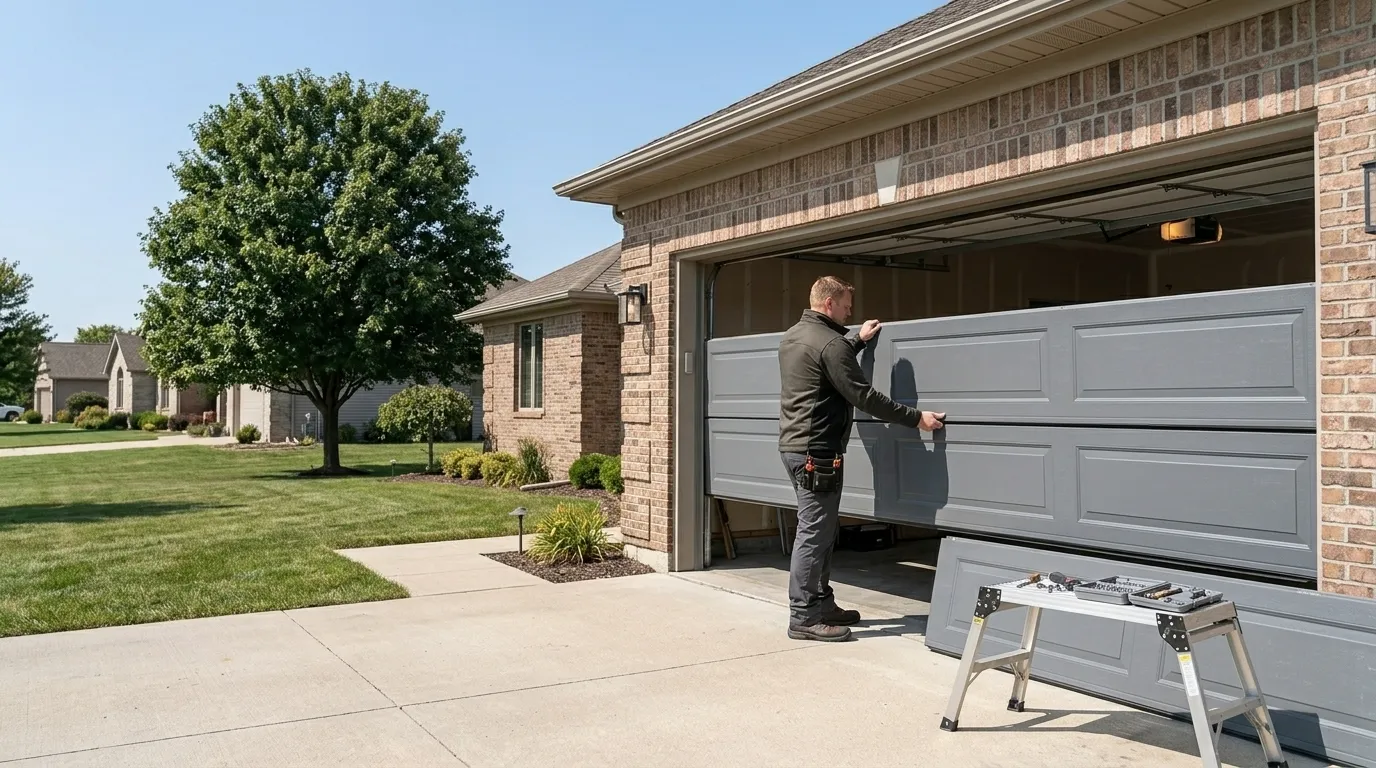
On a 1976-era door, the common failure is a torsion spring that's simply outlived its wind count, paired with a track that's been repainted or patched instead of replaced. Steel sectional doors from that period often ran a single spring on a two-car opening, which was standard then and undersized by today's expectations - it's why the door feels heavy to lift by hand once the spring starts to go. The climate band this area sits in is classified cold and severe, and that matters for these older doors specifically: the steel contracts in winter, seals that were never insulated to begin with shrink further, and hardware that's already forty-plus years old is more likely to bind or crack in low temperatures. We don't stock every obsolete opener logic board from that era on the truck - if your unit needs a specific part no longer made, that sometimes means a return trip once we track one down, or a conversation about whether replacement makes more sense than chasing parts for a discontinued model.
Getting Here
Twin Lakes sits about 8 miles out from our Denver base, on the way past Berkley and Sherrelwood if you're marking it on a map, and near Northglenn and Westminster in the broader run of towns we cover on that side. We don't keep a depot or drop point in Twin Lakes itself - every job starts from Denver, so the distance is part of scheduling a visit, not a knock against the area. It's a straightforward stretch of road, not a detour through downtown traffic, which keeps the trip predictable for both ends of a service call.
Older vs Newer Streets
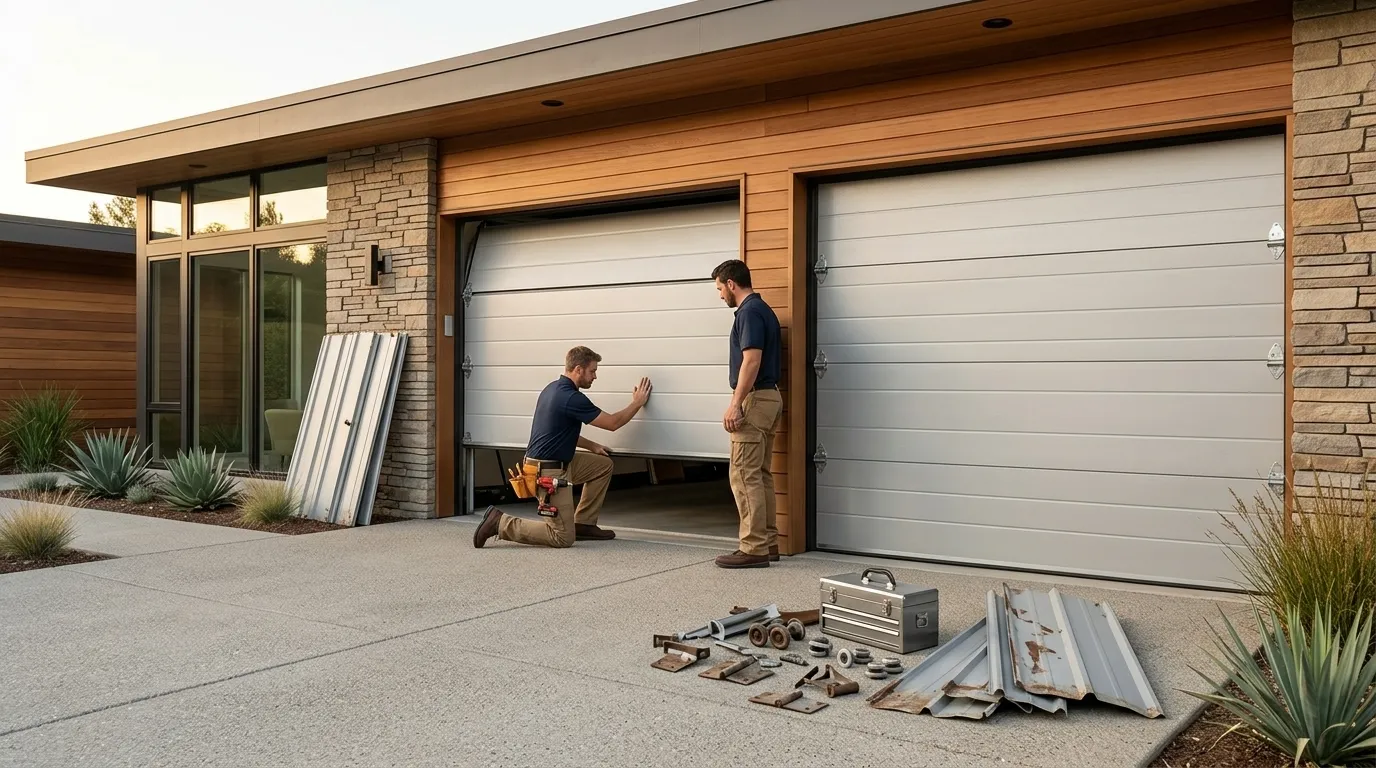
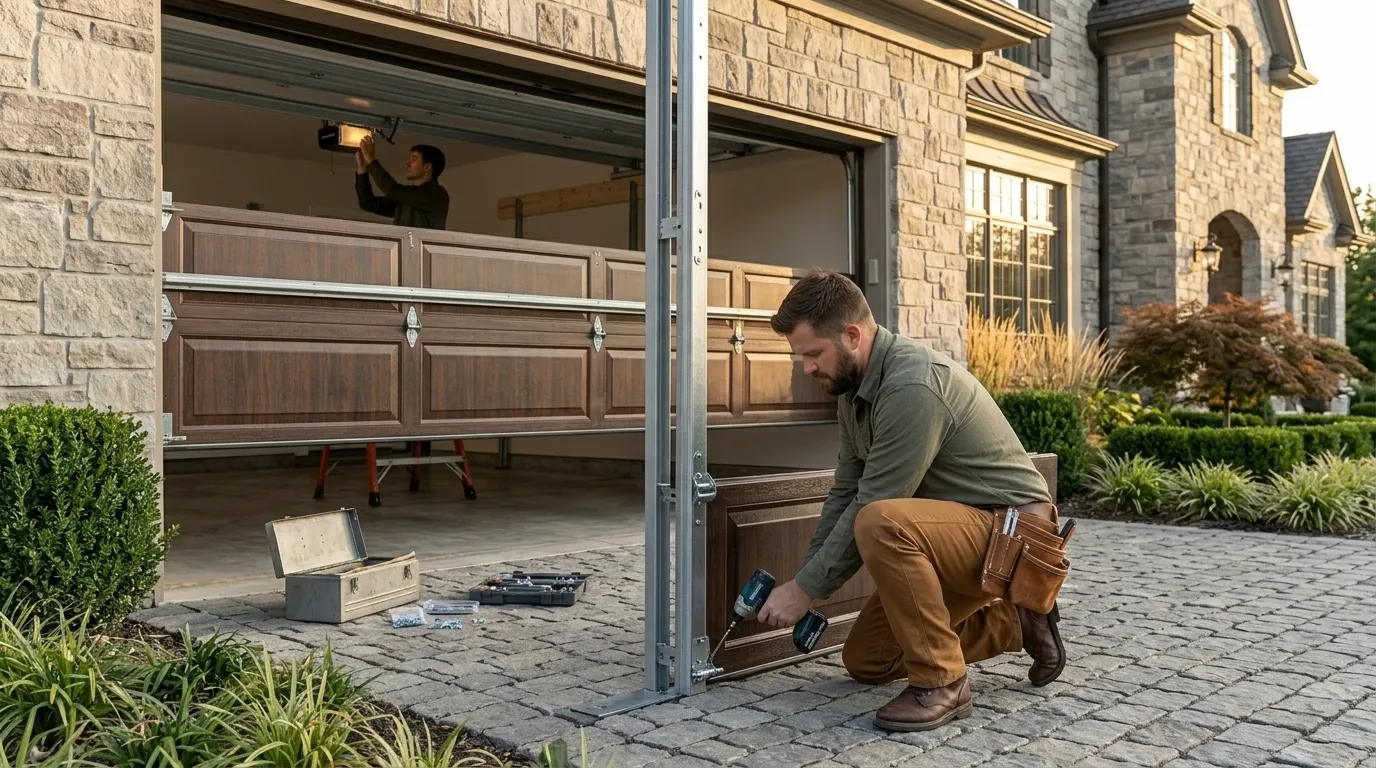
Not every block in Twin Lakes was built in the same stretch of years, and it shows once you start comparing doors house to house. The streets closer to the 1976 median tend to have the original steel doors and single-spring torsion setups described above, sometimes with a replacement opener bolted onto old track because the track itself still holds. Newer infill or rebuilt homes - and there are some scattered through this area, since the wider service area's build range runs all the way to 2006 - are more likely to have insulated doors, dual springs on double-wide openings, and openers with battery backup, which matters more here given the cold-severe winters this area sits in. If you're not sure which category your house falls into, the giveaway is usually the spring: one thick spring across the top means older stock, two means someone's already updated it.
How it works
From “it’s stuck” to “it’s fixed”
01
Tell us what’s wrong
Describe the symptom - won’t open, loud bang, opener runs but the door won’t move.
02
On-site diagnosis
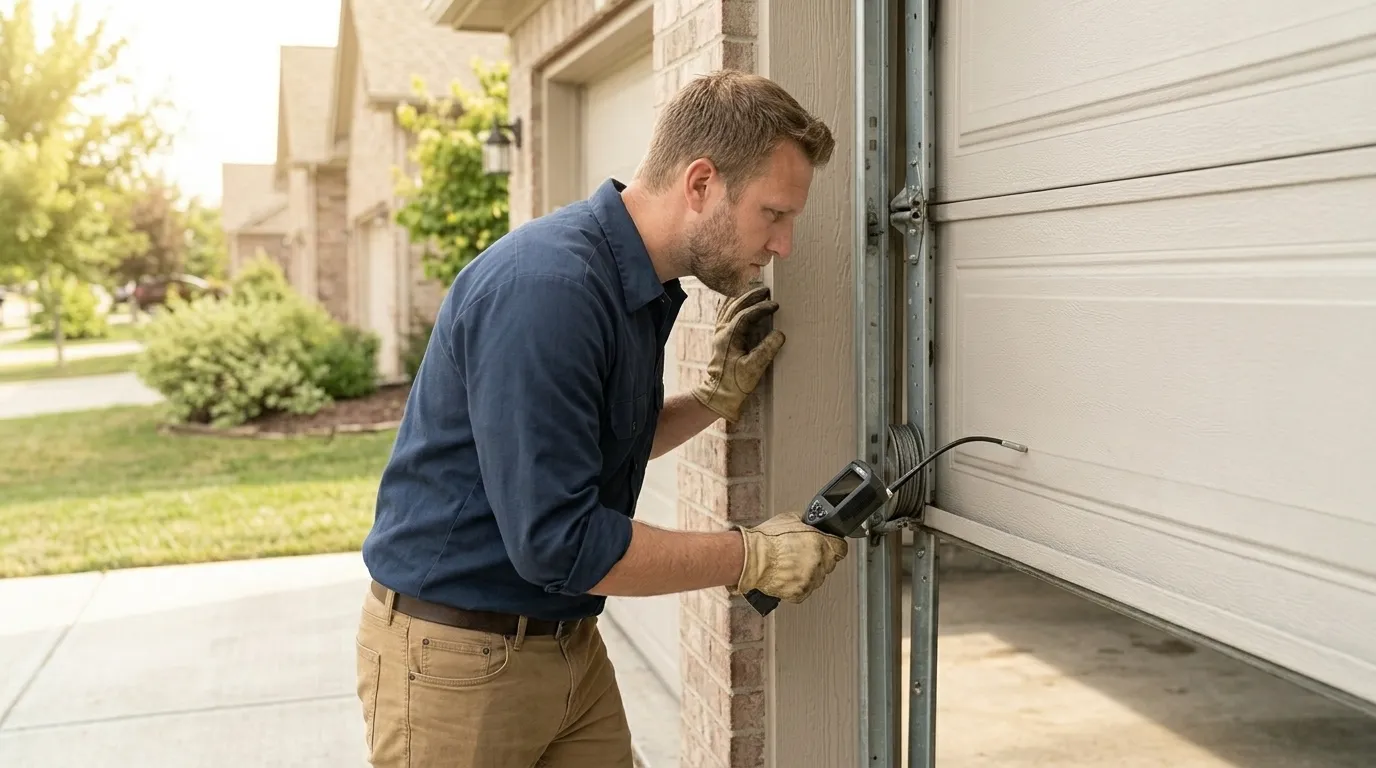
A technician tests the door under power and by hand and finds what actually failed.
03
Clear, up-front plan
You get the fix that’s needed and what drives the cost - before any work starts.
04
Repaired & tested
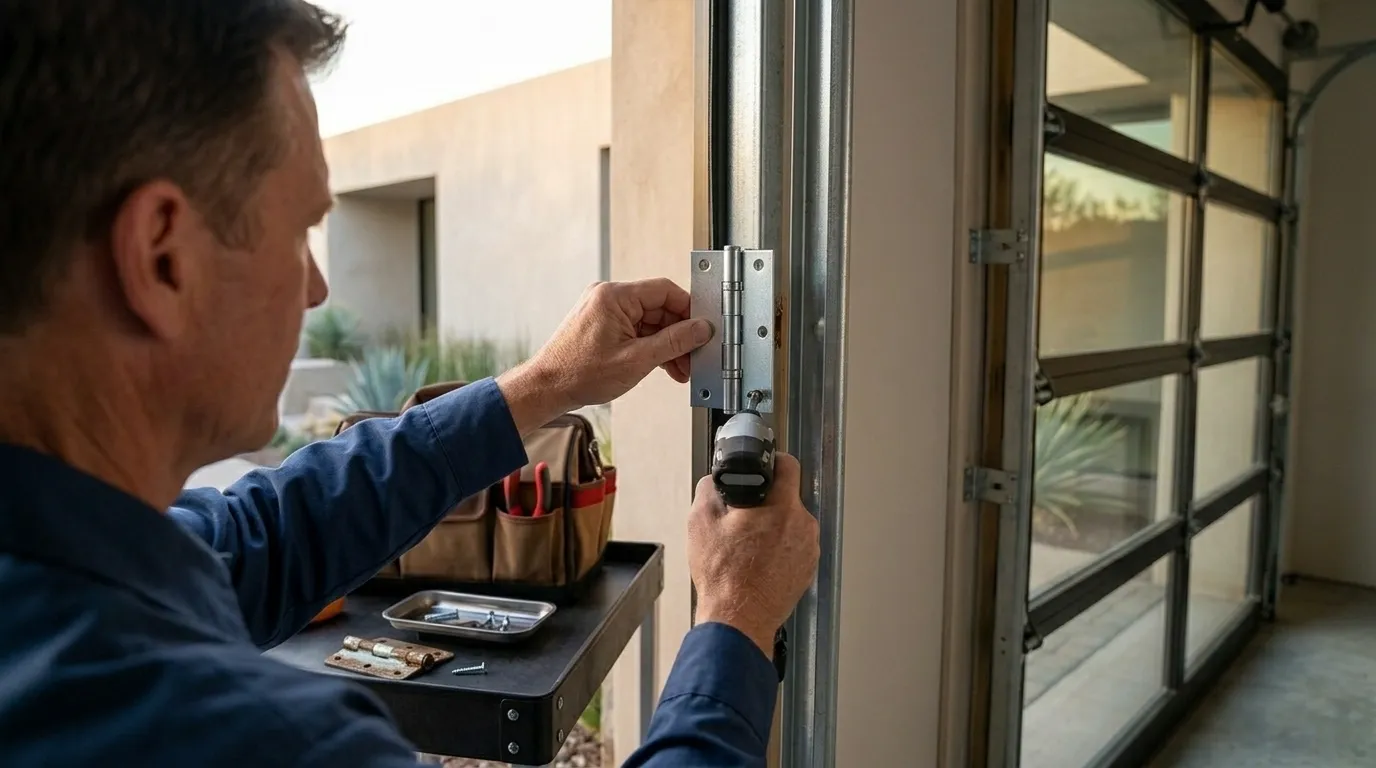
The repair is done, the door is set true and tested, and the work area left clean.
Serving Denver, CO - tell us what your door’s doing and we’ll take it from there.
No, we run out of Denver and drive out to Twin Lakes for every call, about 8 miles each way. There's no local depot here - the truck comes from Denver, which is worth knowing when you're thinking about scheduling.
Why does my opener feel outdated compared to newer houses nearby?
Twin Lakes' median home dates to 1976, which is older than much of the surrounding service area. A lot of houses here still run original or first-replacement openers from decades ago, without the battery backup or safety sensors that became standard later.
Can you get parts for a garage door this old?
Often yes, but not always off the truck. Some opener boards and hardware from the 1970s are no longer made, so a repair on a house that old sometimes takes a return visit once we source the right part instead of a generic substitute.
Does the cold weather actually affect an older door more?
This area sits in a cold-severe climate band, and older steel doors and un-insulated seals contract more in low temperatures than newer insulated models. That's part of why aging hardware in Twin Lakes tends to bind or crack sooner than the same age door somewhere milder.
Ready to get your garage door sorted?
Tell us what it’s doing and where you are in Denver - we’ll take it from there.