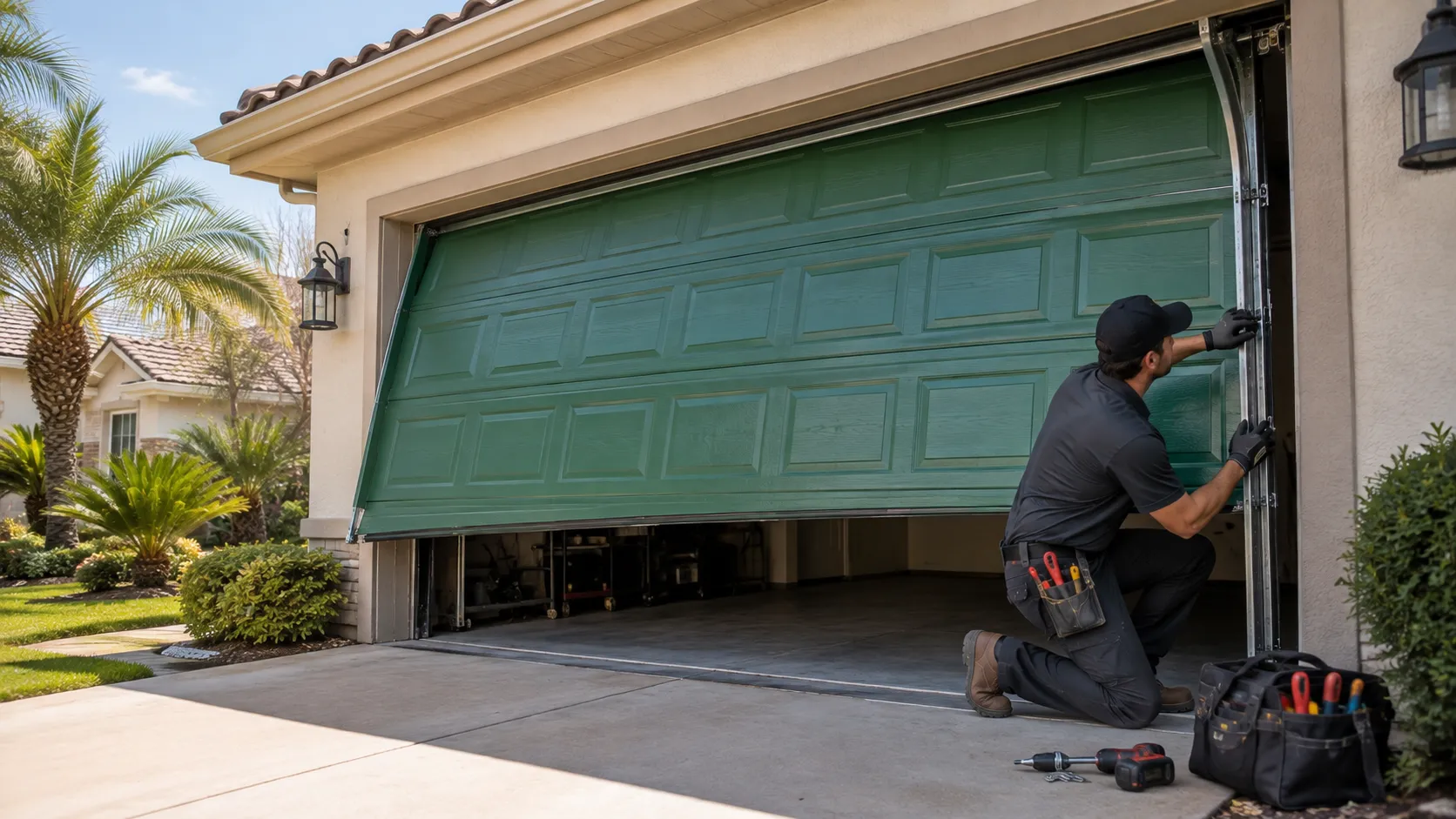
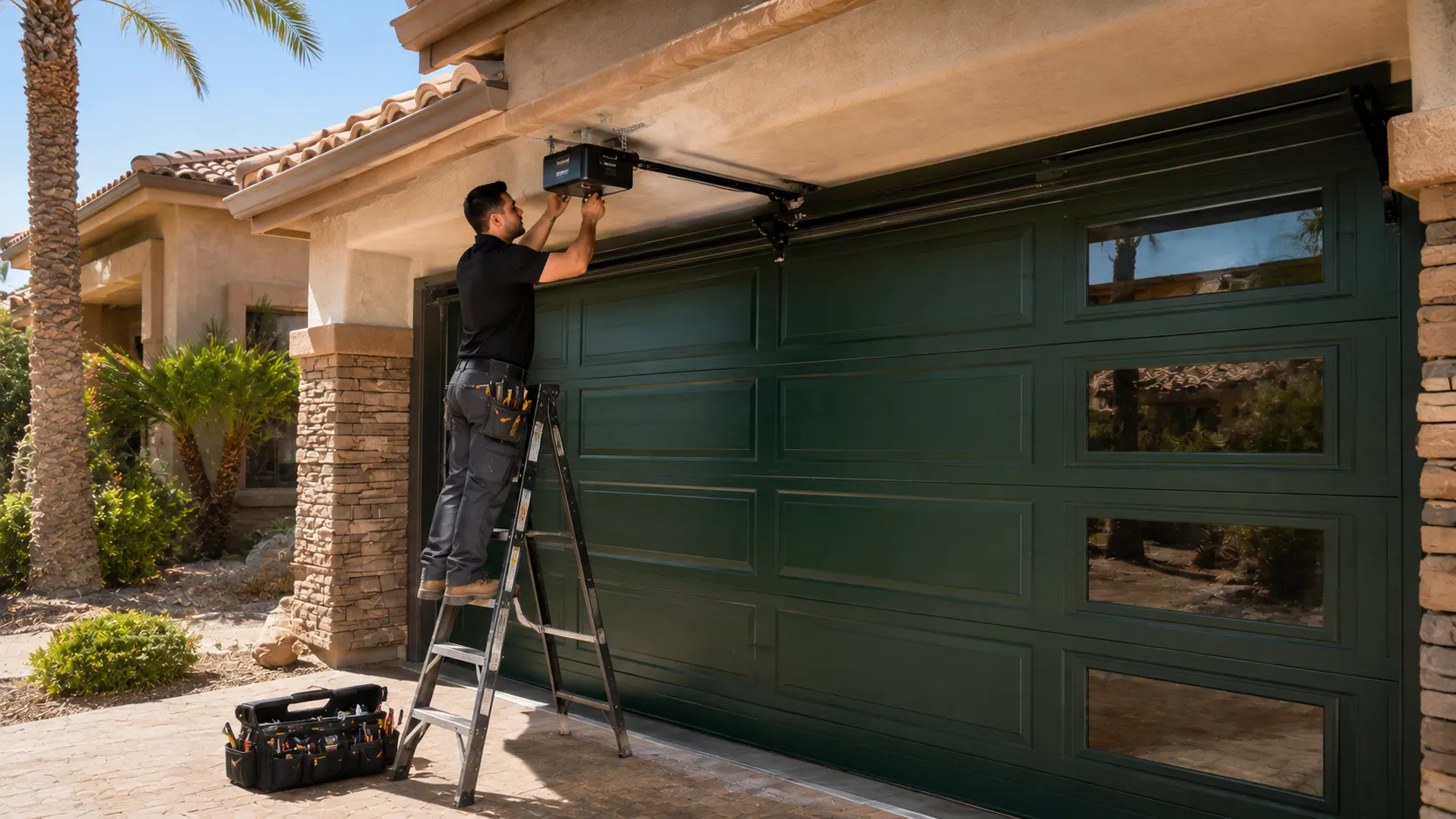
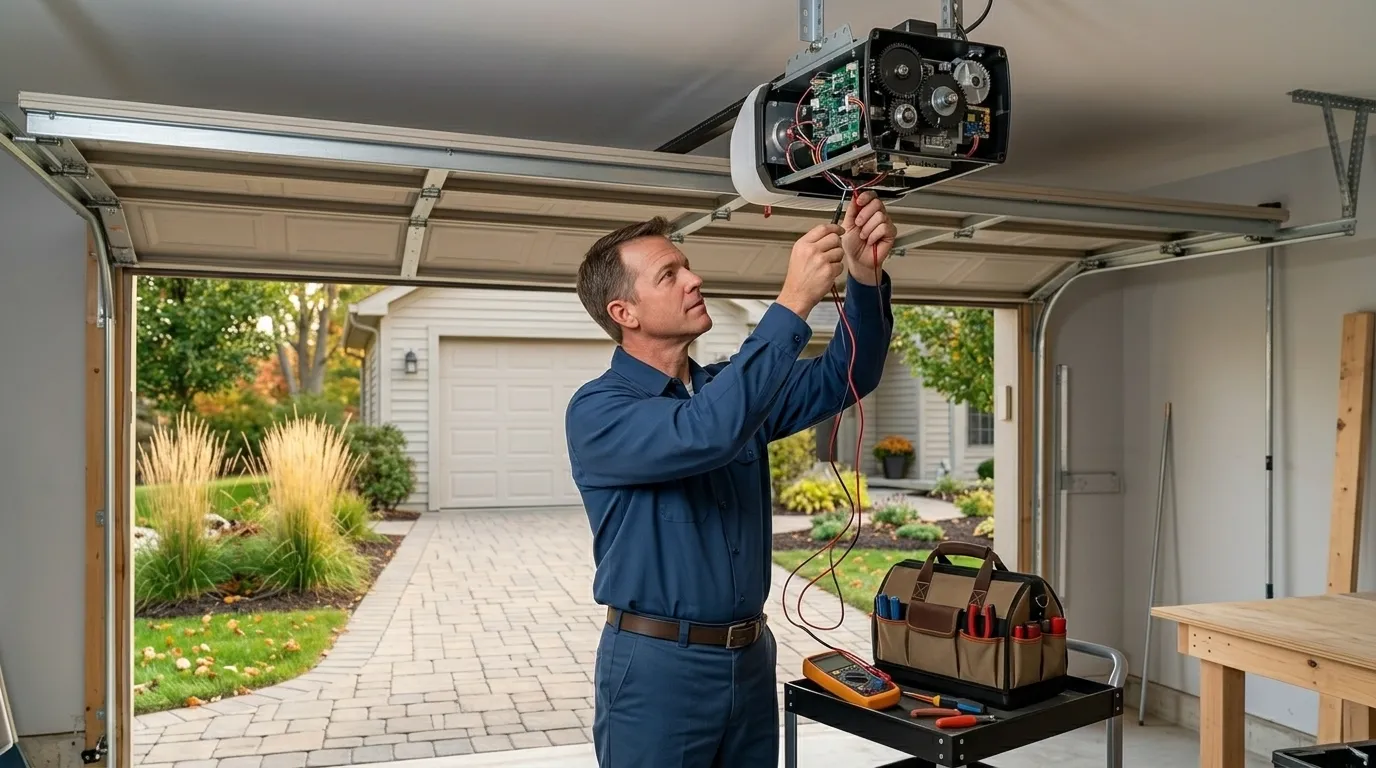
Sherrelwood homes date to around 1966, older than the service area's 1981 median. We travel from Denver for spring, opener, and track repairs on that older hardware.
Sherrelwood's houses cluster around a median build year of 1966, which puts this neighborhood noticeably ahead of the wider service area, where the median sits closer to 1981 and stock runs from 1947 up through 2006. That fifteen-year gap matters more than it sounds. A house built in the mid-1960s was framed for the garage doors of that era: single-layer steel or wood panel doors, often on extension springs mounted along the horizontal track rather than the torsion bar setups that became standard later. With 6,314 households in Sherrelwood, a good share of these original openings never got upsized when doors were replaced, so you'll find modern doors squeezed onto framing that was never built for them. That mismatch is the first thing we check before quoting any repair here, because it changes what parts fit and what the job actually takes.
How That Shows Up in the Door
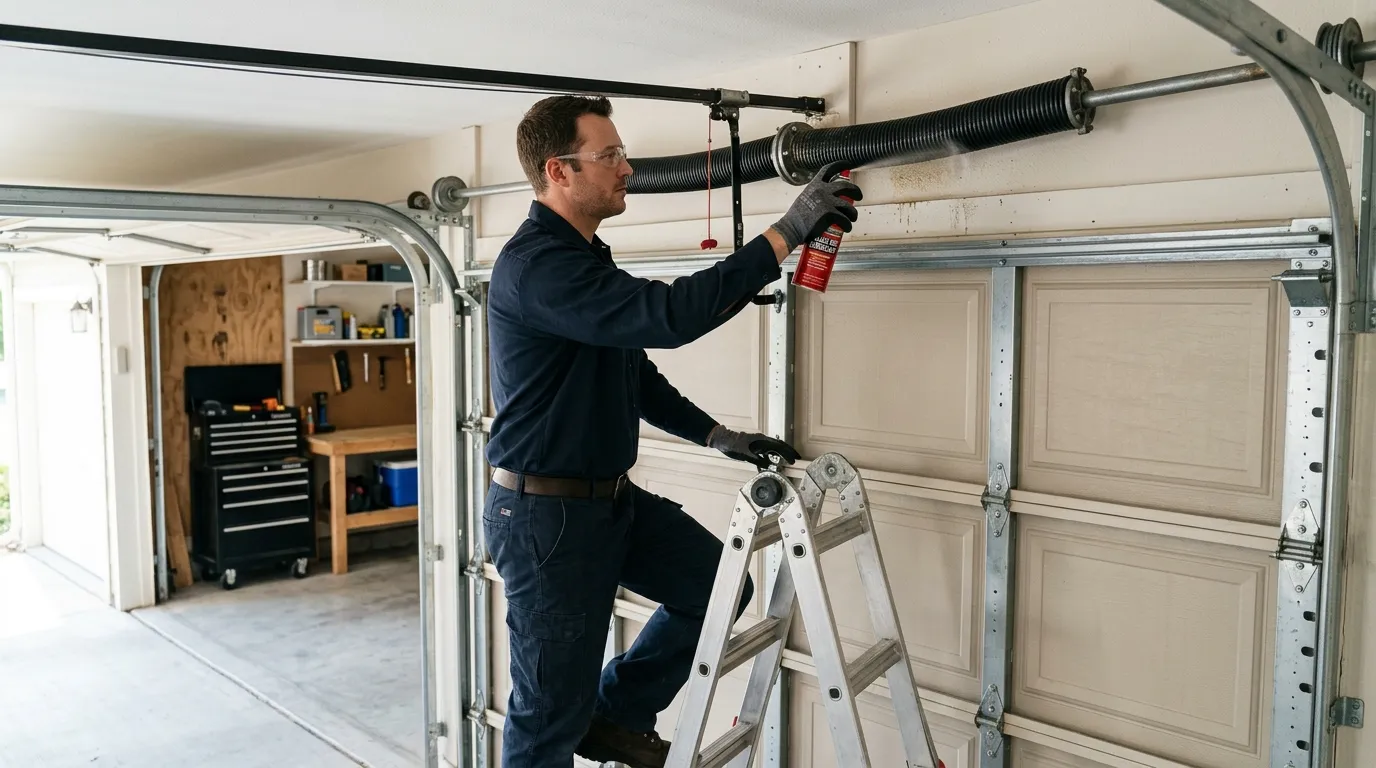
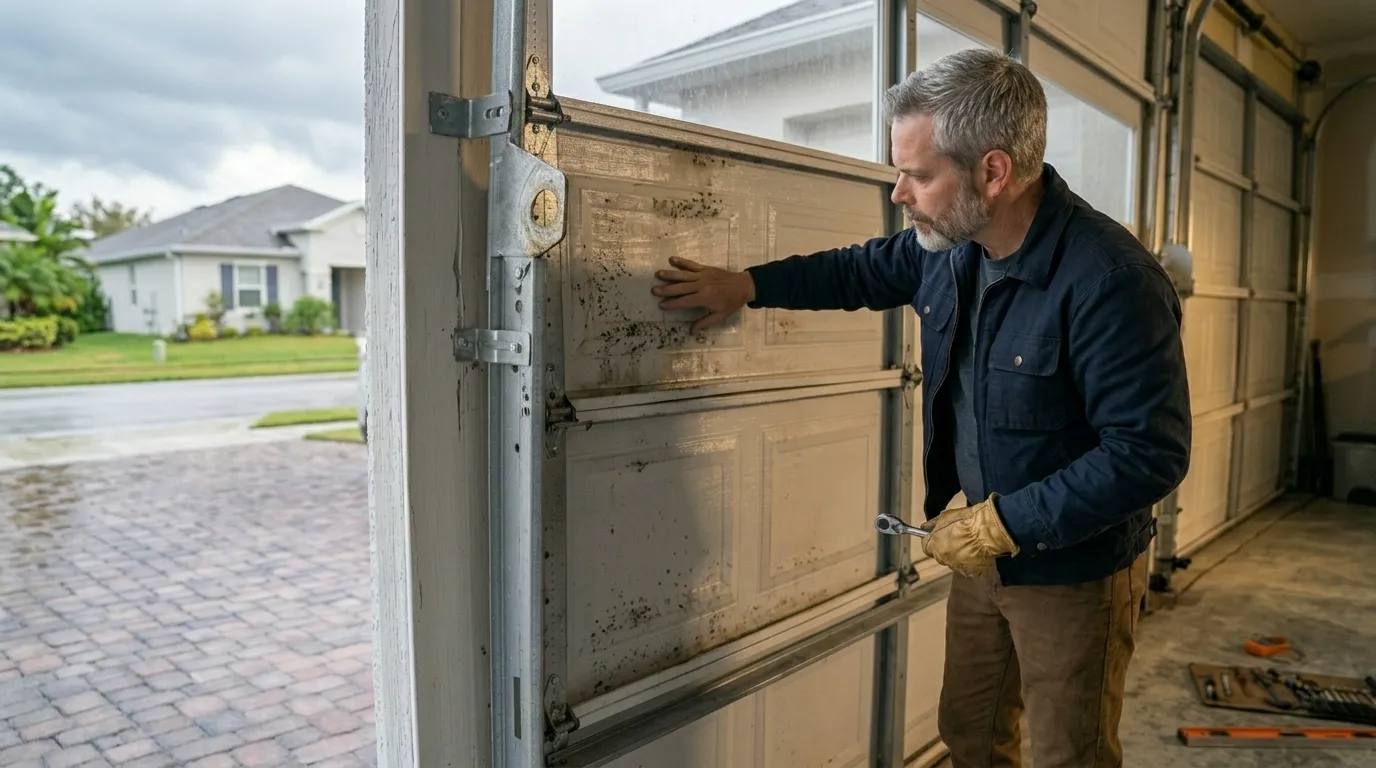
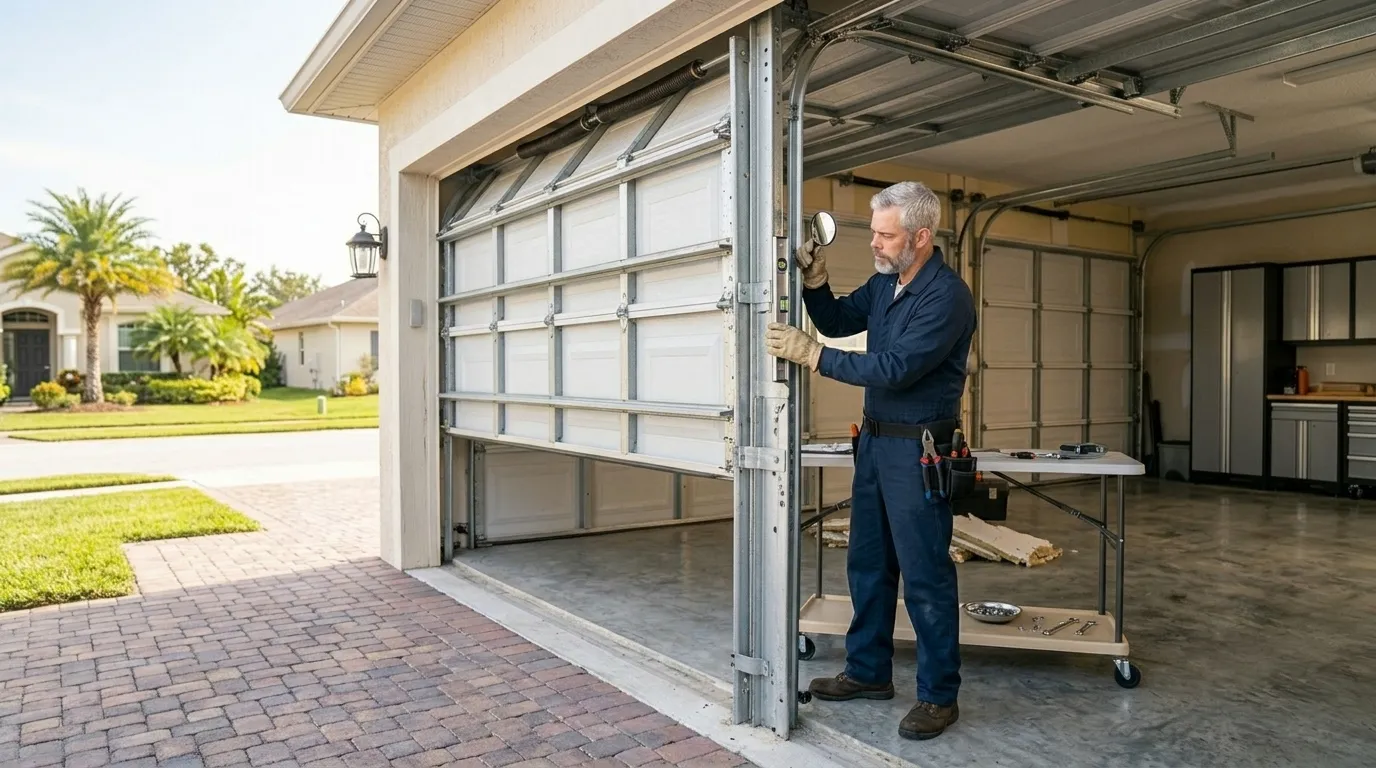
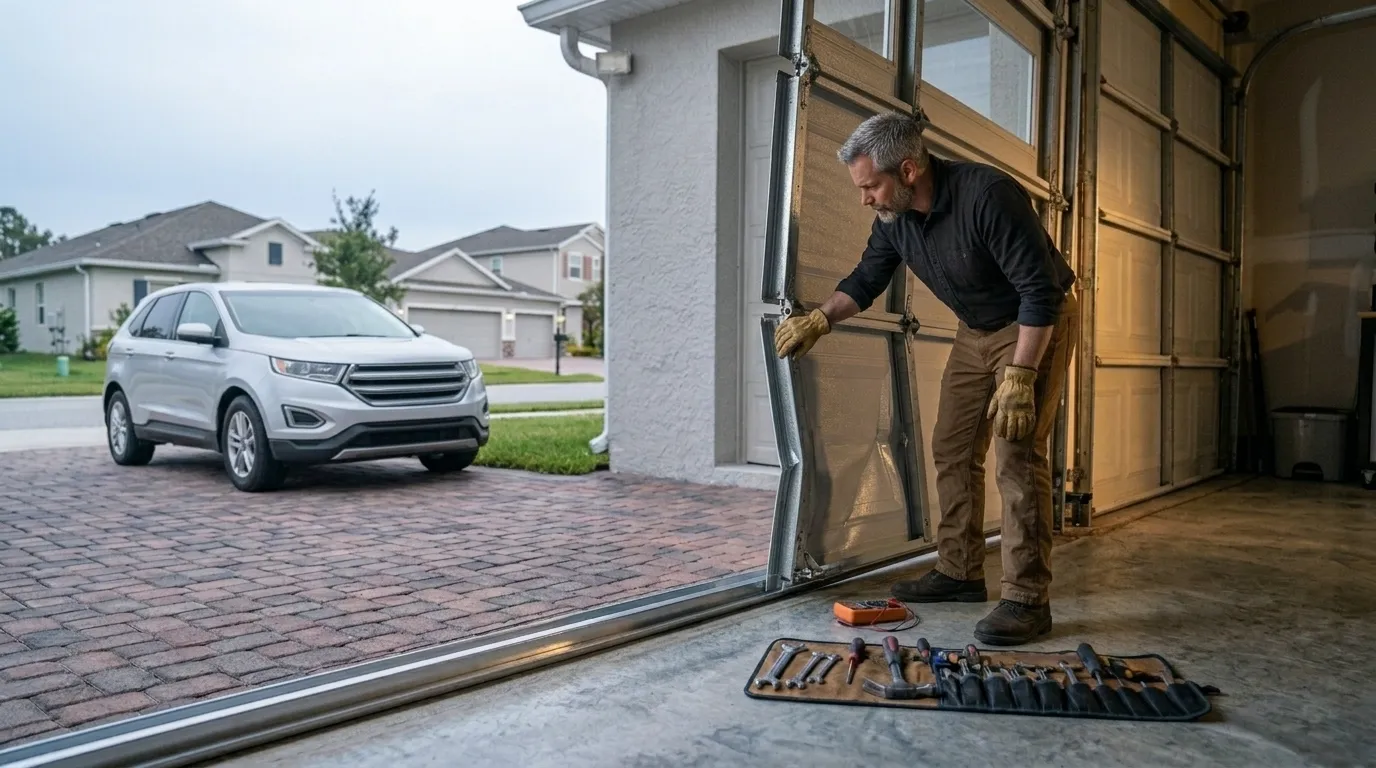
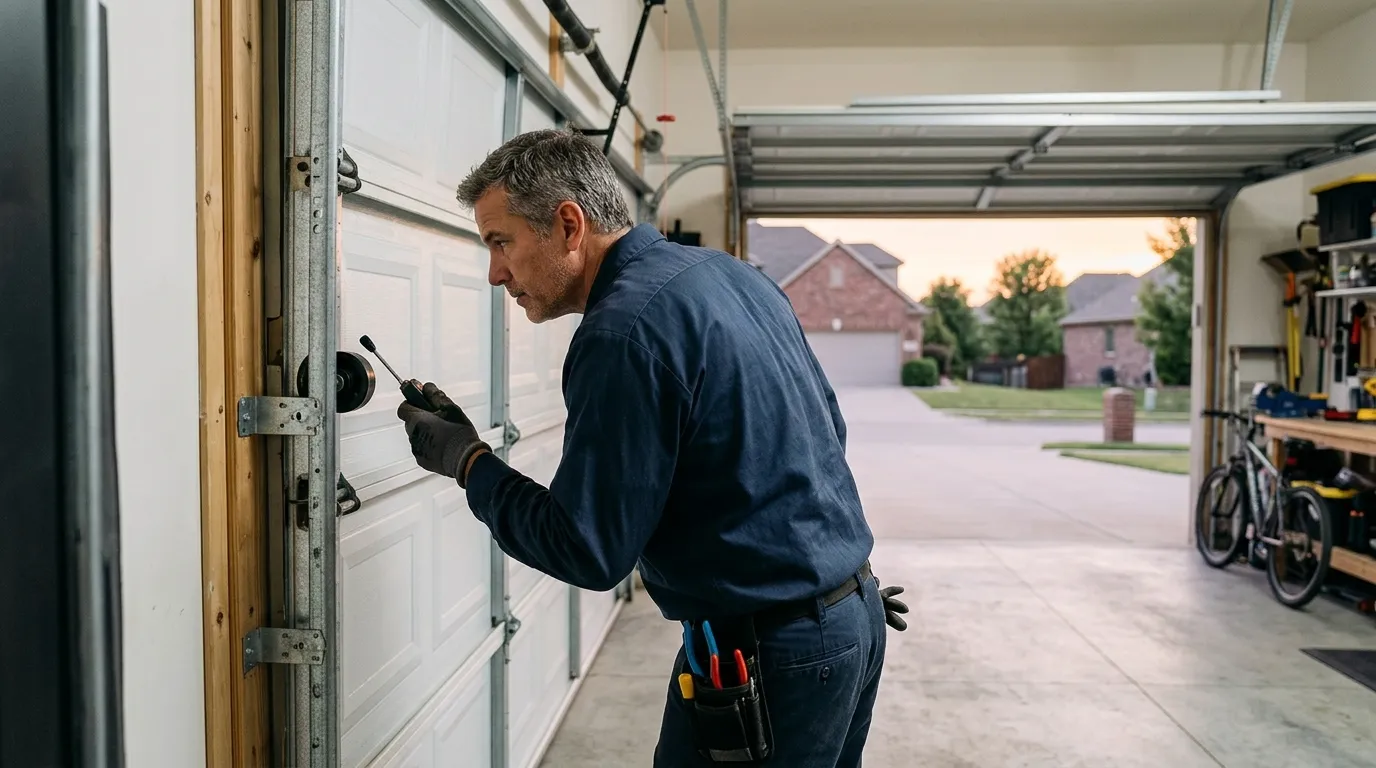
Older extension-spring systems don't fail the same way torsion springs do. They stretch, the safety cables (if they were ever added) corrode, and the pulleys wear a groove that lets the cable jump track. In a neighborhood built out around 1966, we see more of that pattern than we see clean torsion-spring breaks. Add in the cold-band winters that hit the whole service area, and steel hardware from that period has had six decades of expansion and contraction to work loose - hinges elongate, rollers flatten, and the track brackets pull away from framing that's shifted slightly over time. None of this is dramatic, but it's why a Sherrelwood service call often turns into a hardware conversation, not just a spring swap. One honest limitation: if the opening itself is out of square from decades of settling, we can true up the track, but we won't force a modern door into a frame that needs carpentry work first - that's a call for a contractor, not a garage door repair.
Getting Here
We run out of Denver, about 8 miles from Sherrelwood, and we don't keep a separate depot in the neighborhood. That distance is short enough that it doesn't change how we schedule or price a job here - it's a routine run, not a special trip. Sherrelwood sits among a wide ring of areas we also reach, including Federal Heights and Northglenn at similar distances, and closer-in spots like Berkley and Twin Lakes. We mention the mileage plainly because we'd rather set expectations up front than pretend we're already parked around the corner.
Older vs Newer Streets
Not every block in Sherrelwood dates to the same stretch of construction, and the service area as a whole spans houses built anywhere from 1947 to 2006. On the older streets - closer to that 1966 median - expect narrower door openings, extension springs, and hardware gauges that newer doors weren't designed around. On any newer infill or remodeled properties, you're more likely to find torsion springs on a header-mounted bar, which fail differently and get serviced differently. Knowing which era a specific house falls into before a technician shows up saves a callback for the wrong spring size or cable length. If you're not sure which category your door falls into, the paint date on the spring or the style of the track brackets usually tells us right away.
How it works
From “it’s stuck” to “it’s fixed”
01
Tell us what’s wrong
Describe the symptom - won’t open, loud bang, opener runs but the door won’t move.
02
On-site diagnosis
A technician tests the door under power and by hand and finds what actually failed.
03
Clear, up-front plan
You get the fix that’s needed and what drives the cost - before any work starts.
04
Repaired & tested
The repair is done, the door is set true and tested, and the work area left clean.
Serving Denver, CO - tell us what your door’s doing and we’ll take it from there.
Why do so many Sherrelwood garage doors still have extension springs instead of torsion springs?
Because a large share of the neighborhood's houses were built around 1966, when extension springs mounted along the horizontal track were the common setup. Torsion bar systems became standard later, so unless a door's been fully replaced with modern hardware, the original extension-spring configuration is often still there.
Do you have a shop in Sherrelwood?
No. We run out of Denver, about 8 miles away, and travel to Sherrelwood for service calls. It's a short, routine drive for us, not a special dispatch, but we don't keep equipment or staff stationed in the neighborhood itself.
Will winter weather make an old spring fail faster here?
Cold, severe-winter conditions across the service area put more stress on aging steel hardware - springs, cables, and hinges all move more with temperature swings. On a door with original 1960s-era hardware, that extra decades-long wear tends to show up as stretched springs or worn pulleys before anything else.
Ready to get your garage door sorted?
Tell us what it’s doing and where you are in Denver - we’ll take it from there.