The Doors Around Here
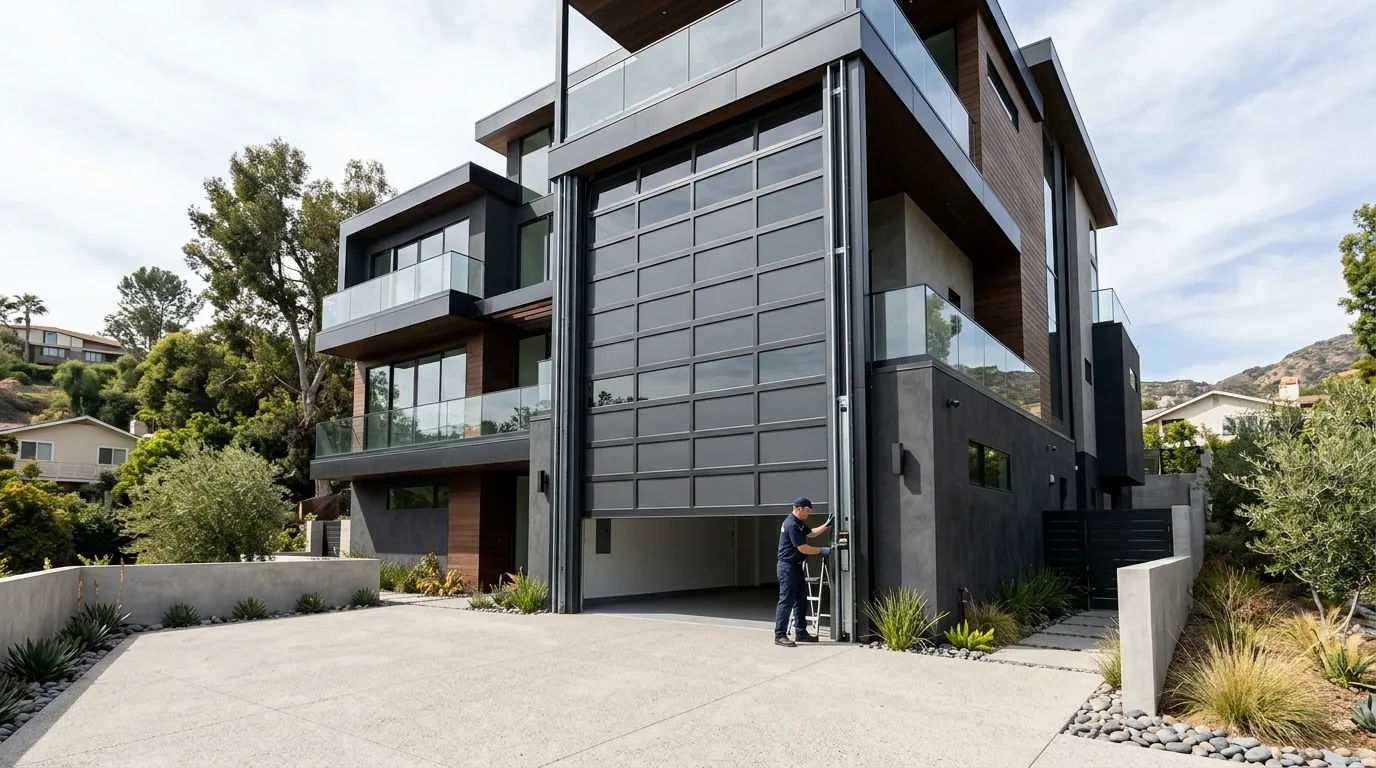
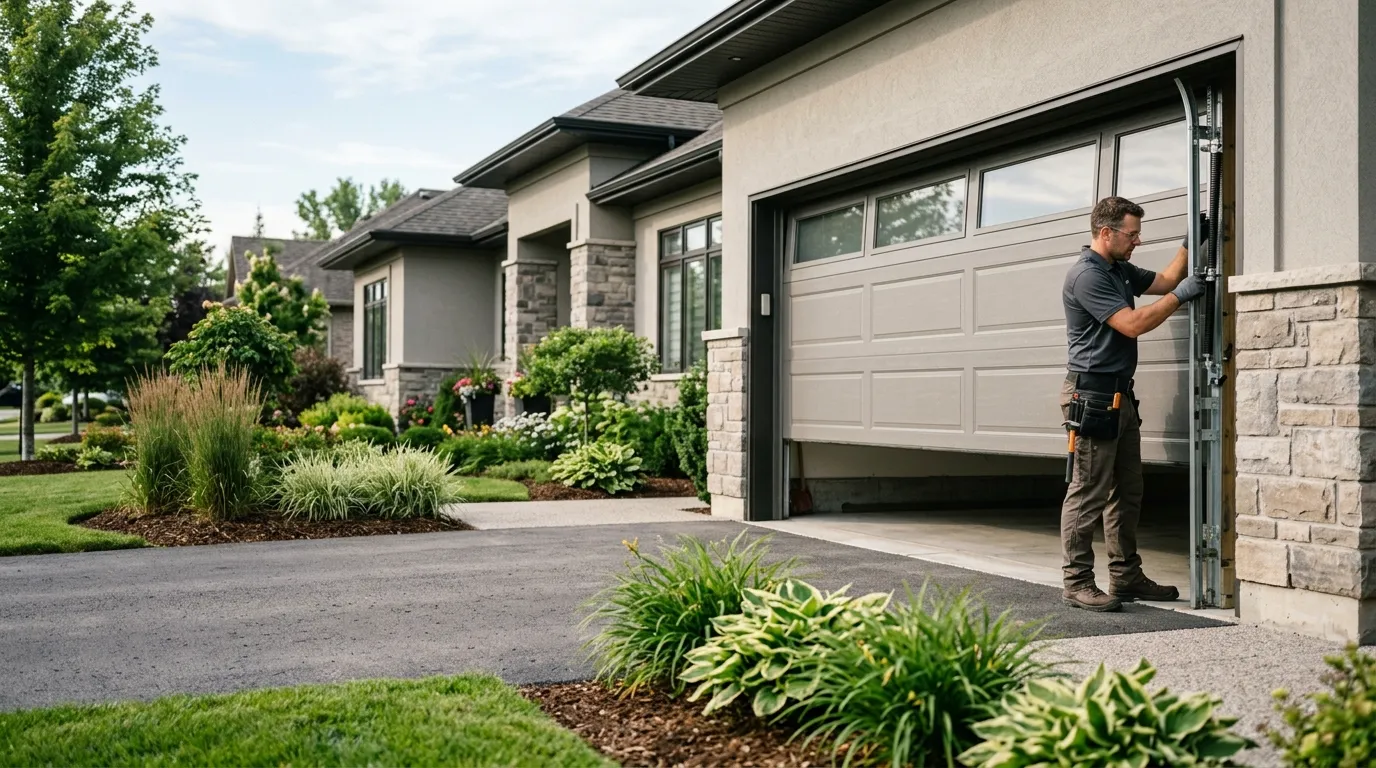
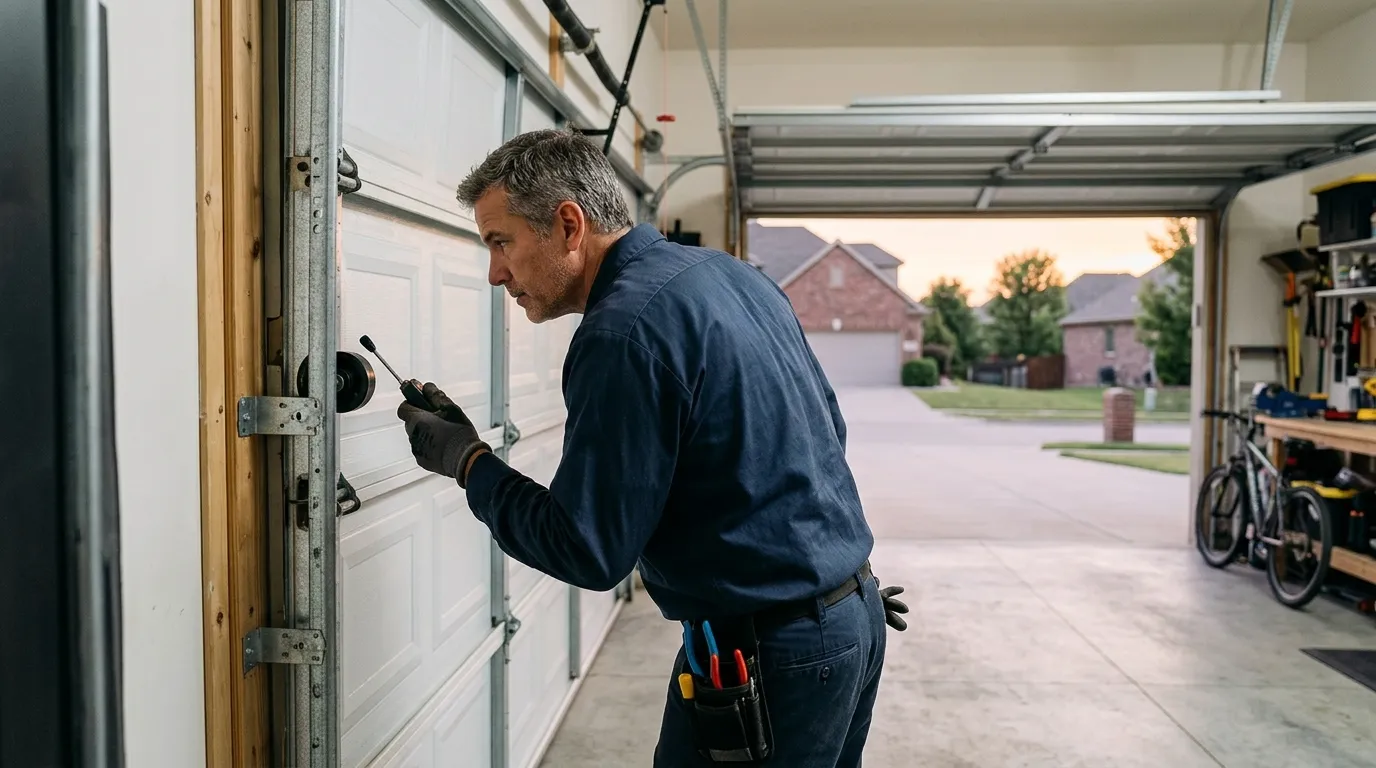
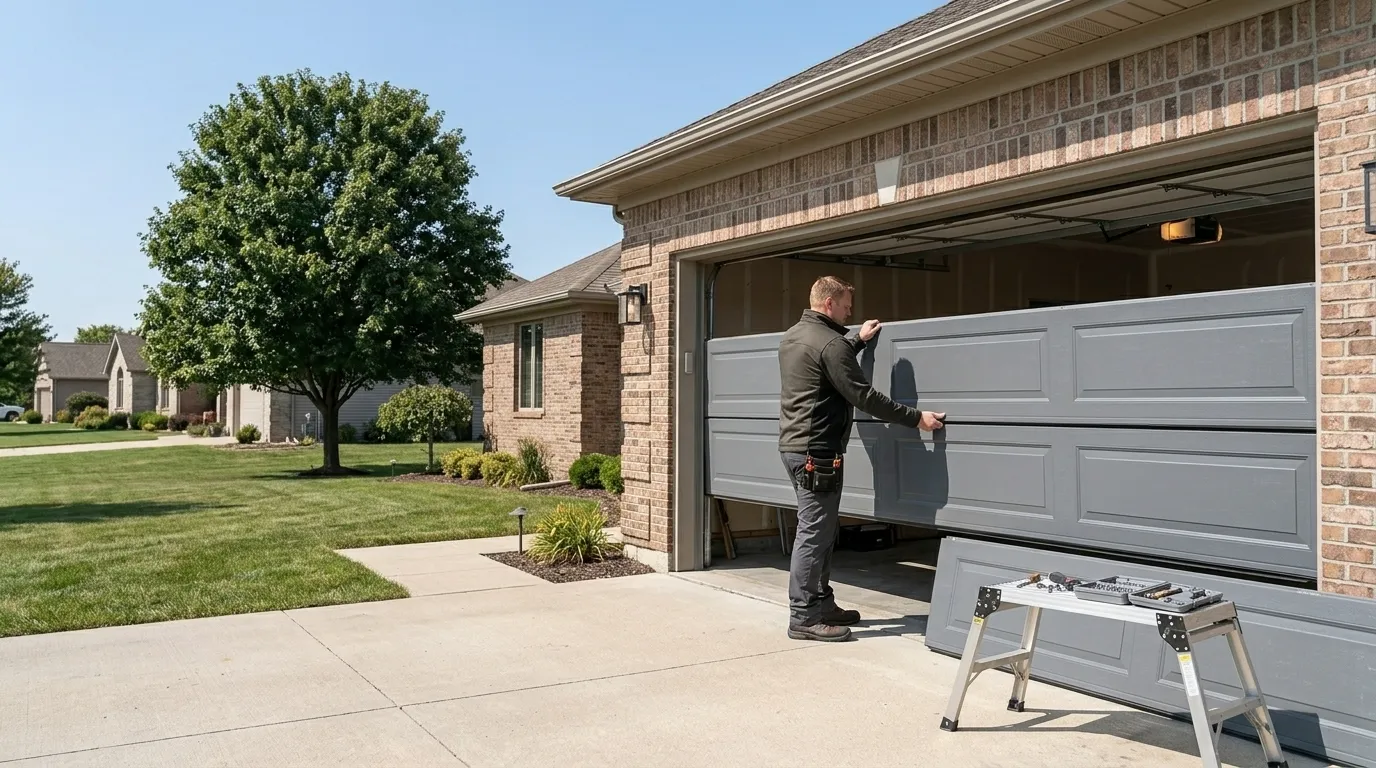
Housing across the broader service area was built mostly between 1947 and 2006, with the bulk going up in the 1980s and 90s - a long build-out that means a real mix of door ages on any given block, including here. Older sections carry doors and openers from the earlier end of that range, often chain-drive units and steel doors with hardware that's shown its age. Newer infill has lighter panels and screw-drive or belt openers. What ties it all together is the climate: this is a cold-severe band, and cold does specific things to garage doors. Steel rollers get brittle and start chipping. Nylon rollers stiffen and bind in the track. Torsion springs, already the part under the most stress in the whole system, lose a little life with every hard freeze-thaw cycle. Openers with worn gears struggle more in cold air, not less. None of this is unique to one house - it's the trade-off of a door system built for a Denver winter, whatever decade it went in.
Typical Work
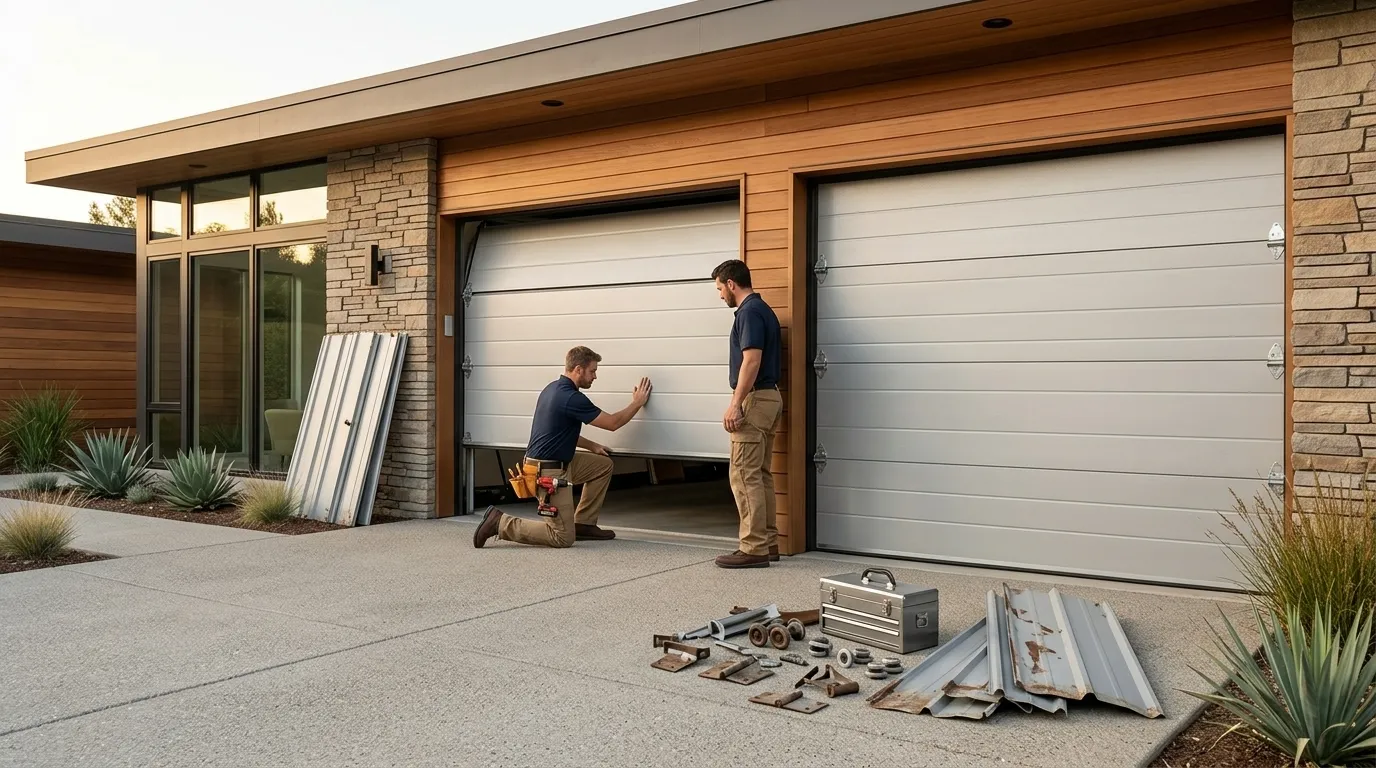
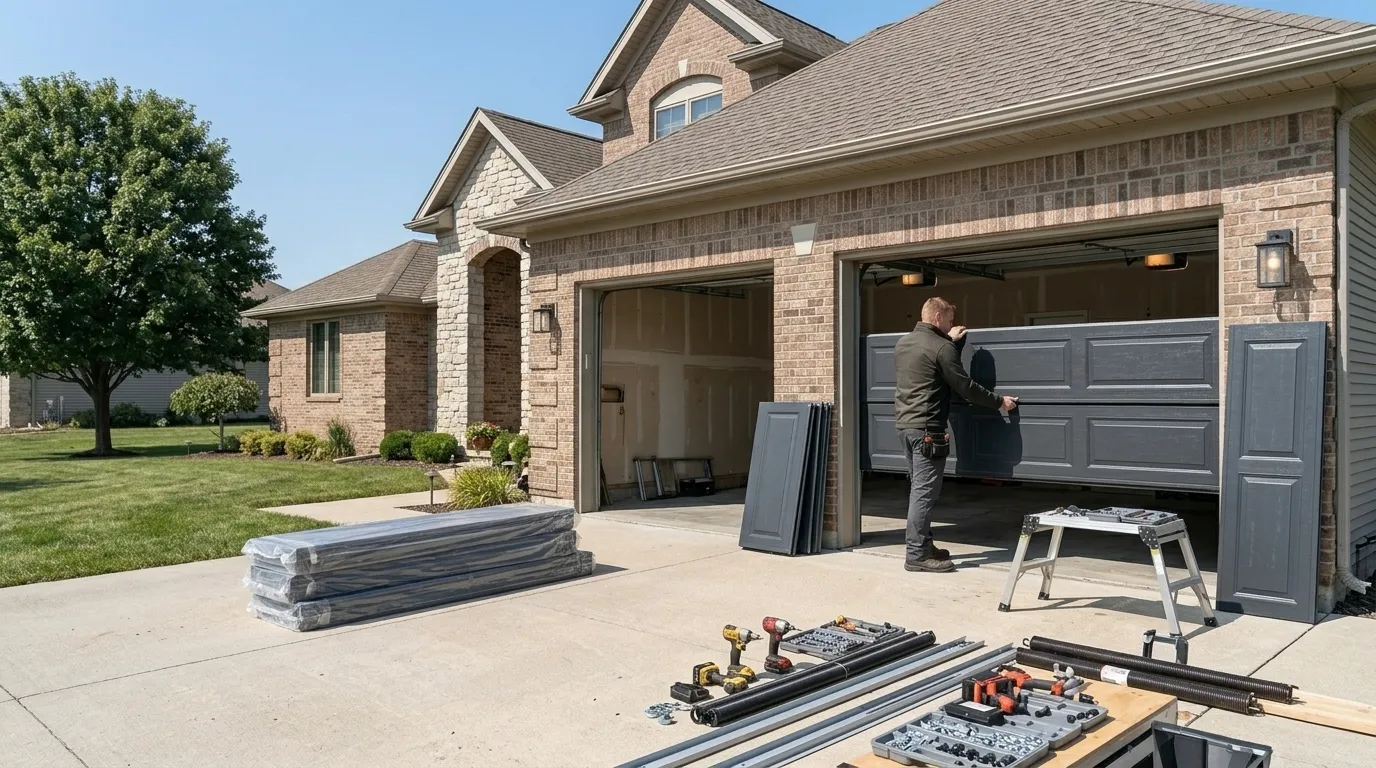
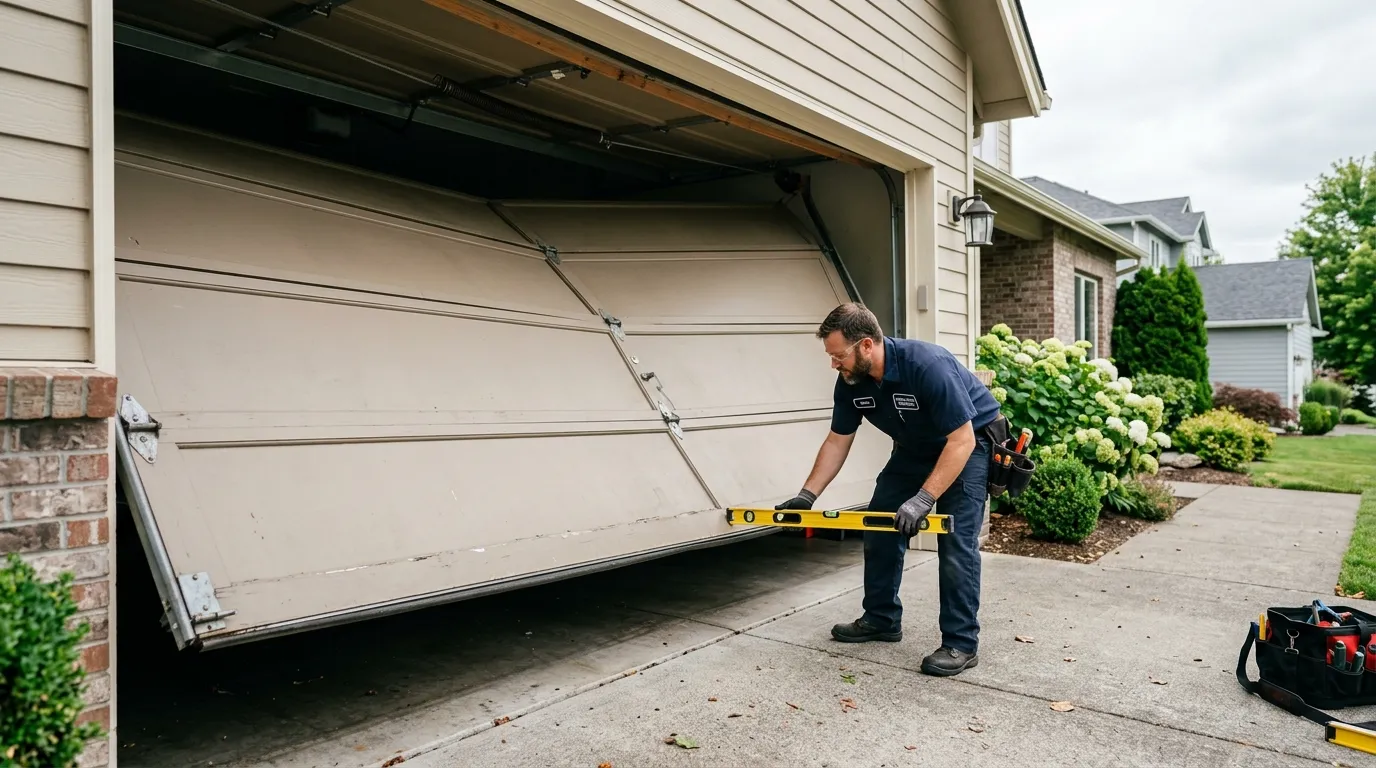
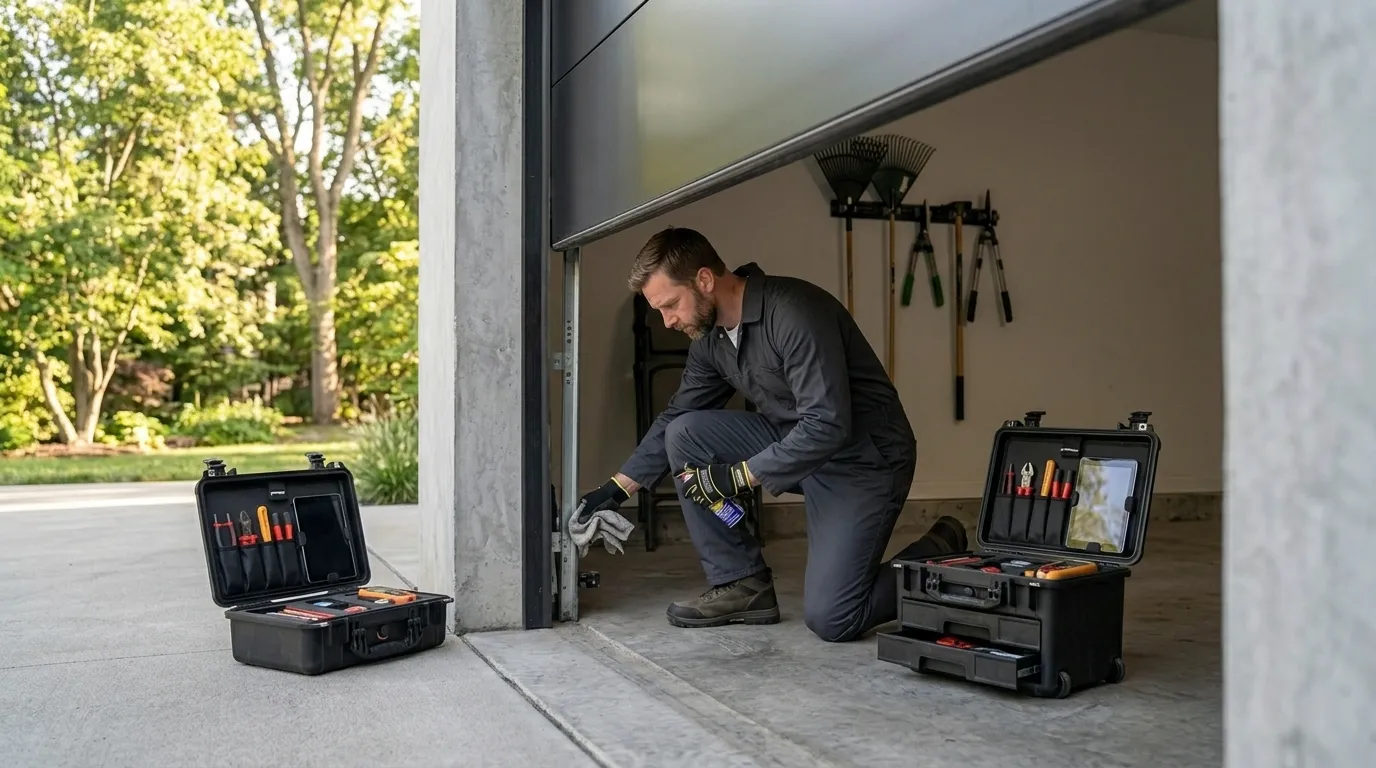
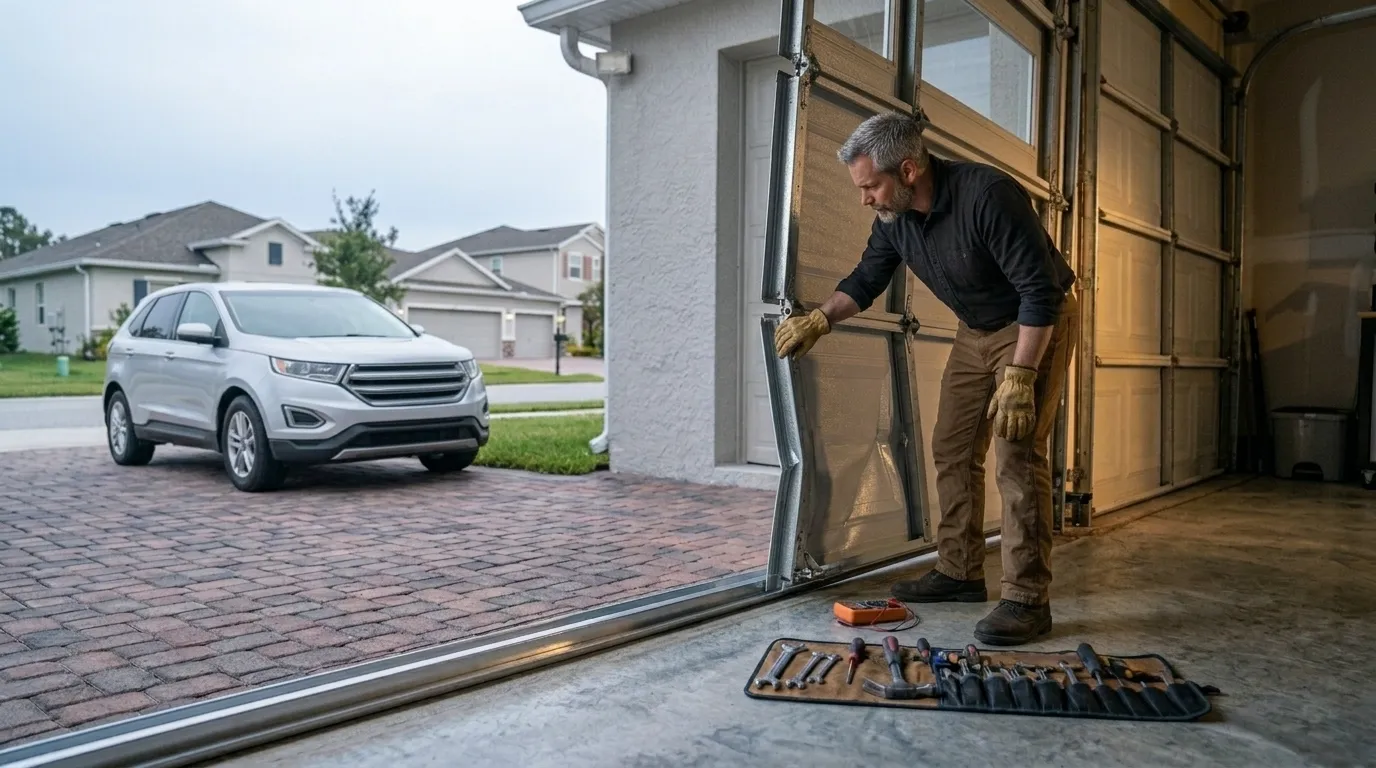
Given the age spread here, the calls we run are pretty consistent: broken torsion springs, worn rollers that have started grinding in the track, and openers old enough that replacement parts are getting harder to source. On the older end of the 1947-2006 range, we sometimes run into doors or opener models that are flat-out discontinued - no parts, no drop-in replacement, and at that point patching the old unit costs more over time than swapping it. That's the honest limit of what a repair call can do: some doors are worth fixing, some are worth replacing, and we'll tell you which is which before we quote anything. Track alignment issues turn up more in winter too, since cold makes small gaps and misalignments worse. We don't do landscaping-adjacent work like gate operators or fence automation - doors, springs, openers, and tracks are the job.