
The Doors Around Here
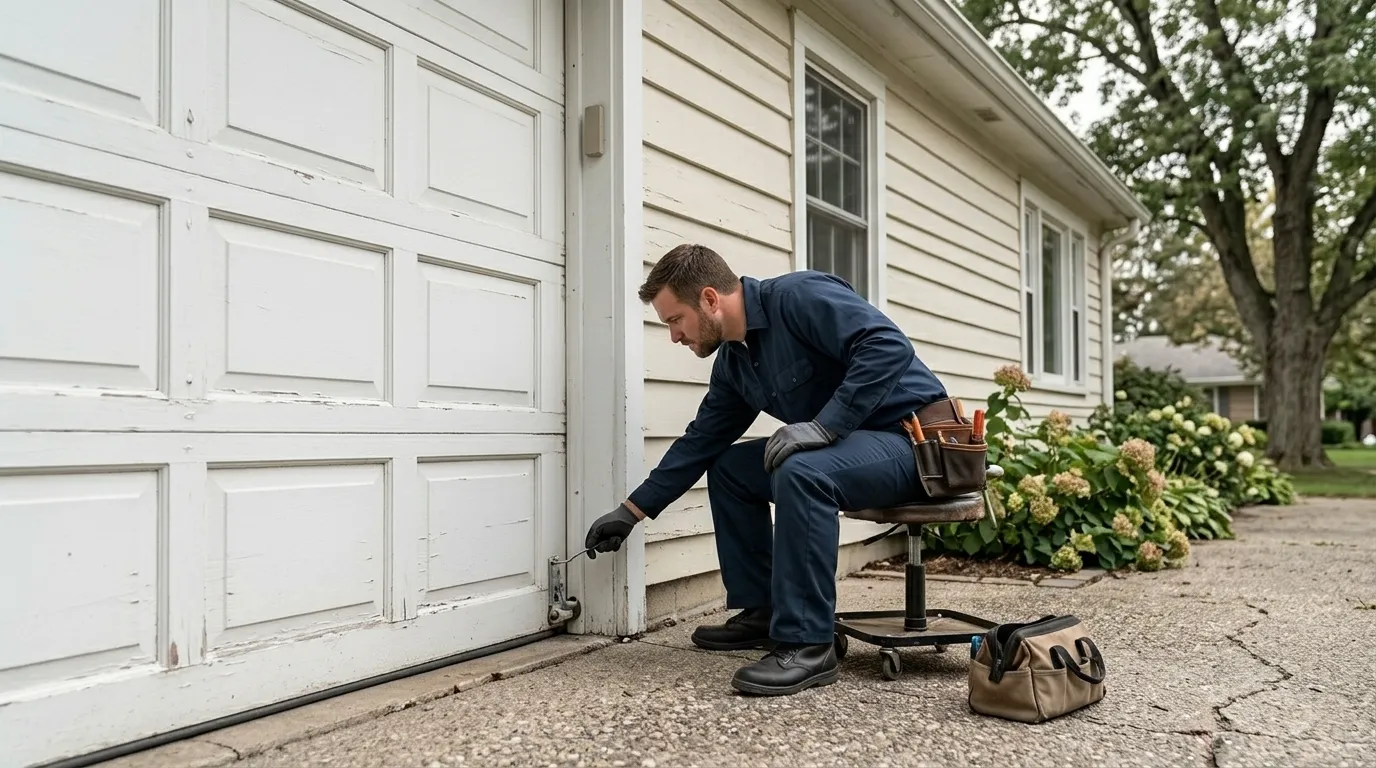
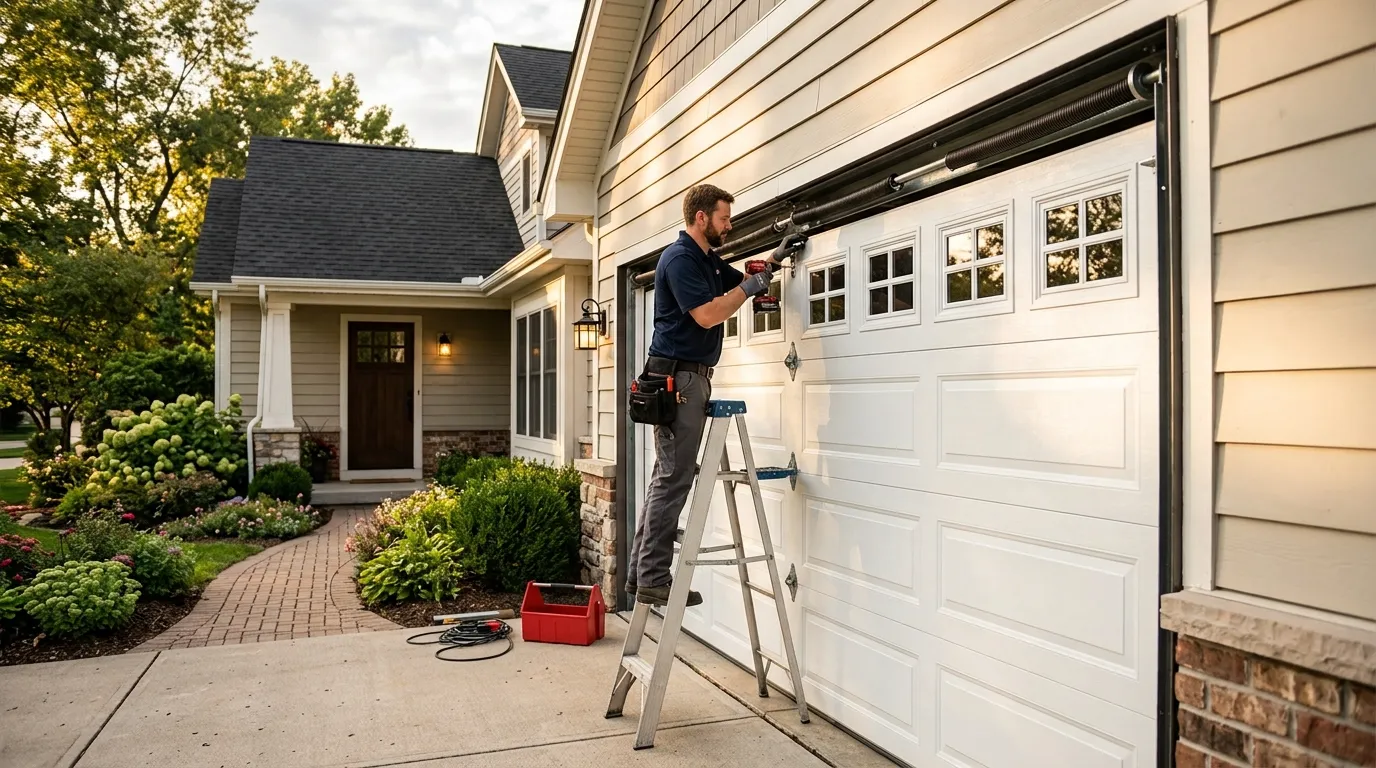
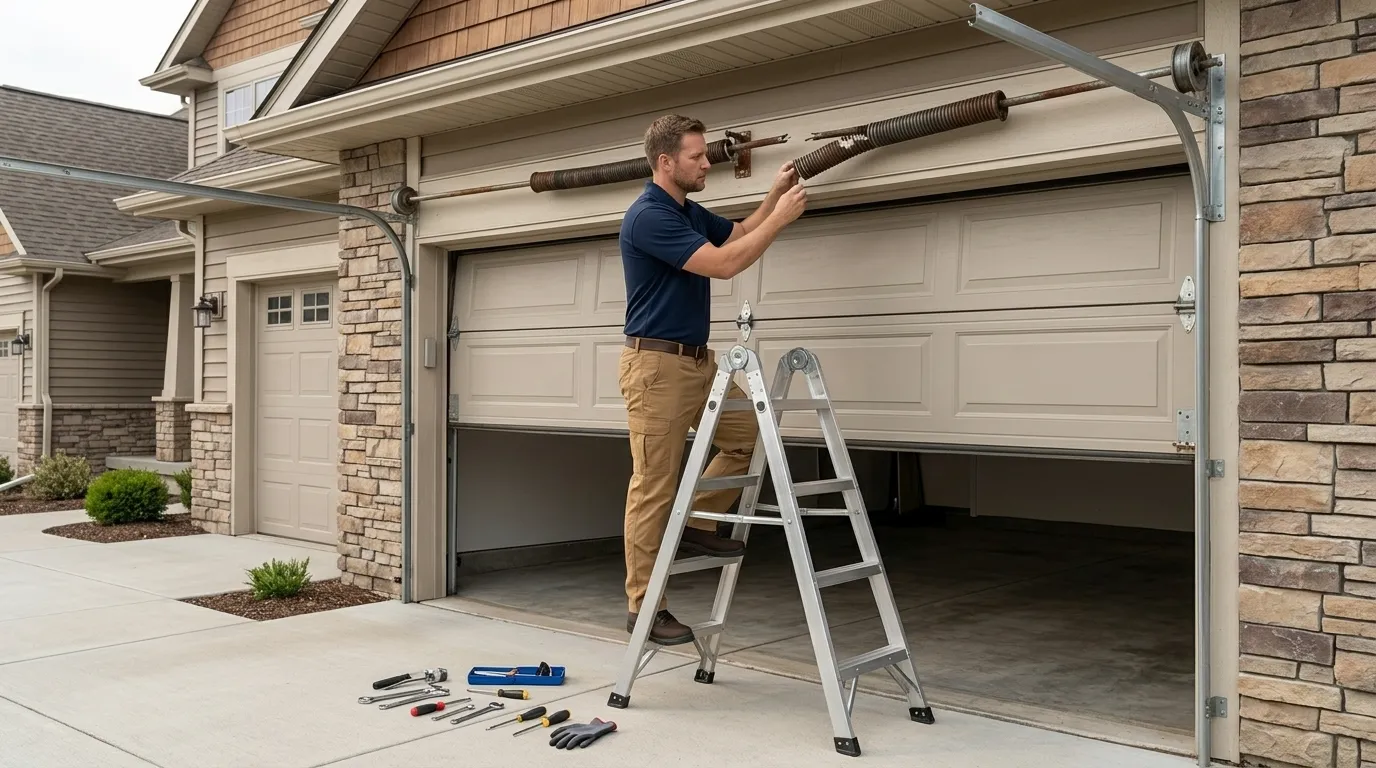
A house built in 1981, give or take a few years either side, almost always shipped with a steel sectional door on a torsion spring system - not the older single-panel doors you'd find in pre-1950s stock, and not the insulated, high-cycle springs going into new builds today. That middle-aged hardware is exactly what starts failing on a predictable schedule: springs rated for a certain number of cycles, openers with chain drives instead of belts, and galvanized track that's been through several decades of Denver winters.
Denver's climate band is classified cold and severe, which matters more than people think for a garage door. Steel contracts in low temperatures, torsion springs lose a little tension, and nylon rollers that were fine in July start binding in January. On a house from the early 80s, that's often the tipping point that turns a door that's been "a little stiff" into one that won't open at all on the coldest morning of the year.
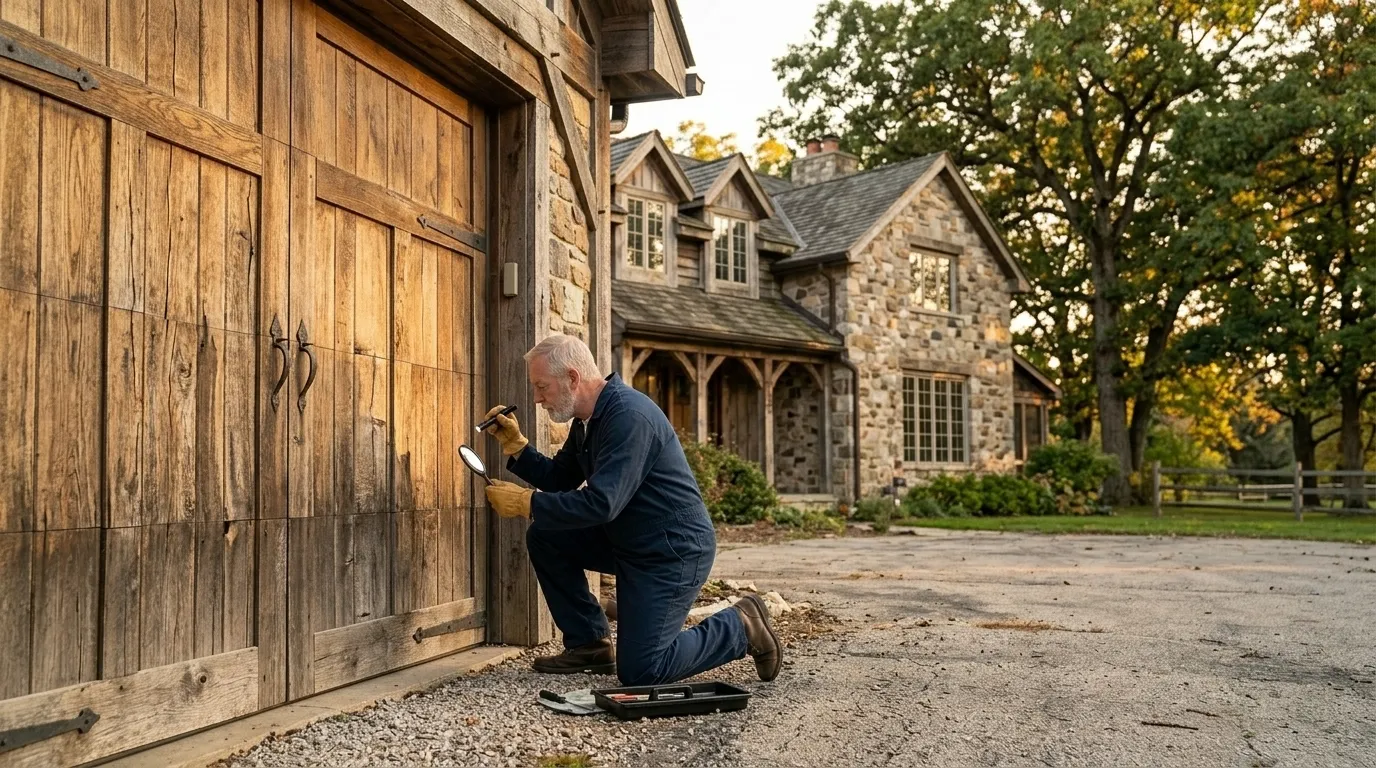
We don't stock every obsolete part from every era, and if your door dates from the earlier end of the 1947 range, some hardware may need to be special-ordered rather than pulled off the truck. We'll tell you that up front instead of stringing you along.
Typical Work
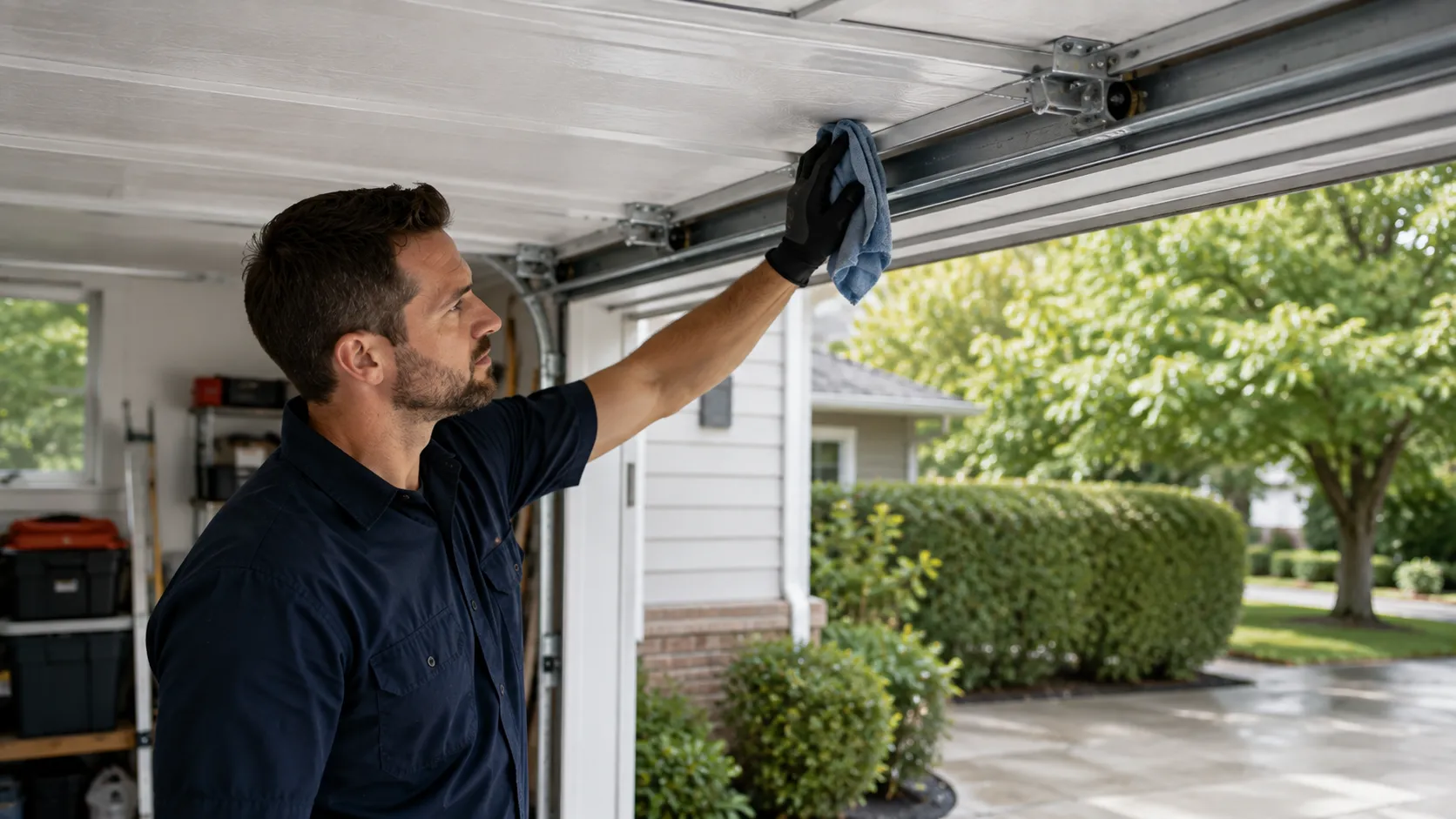
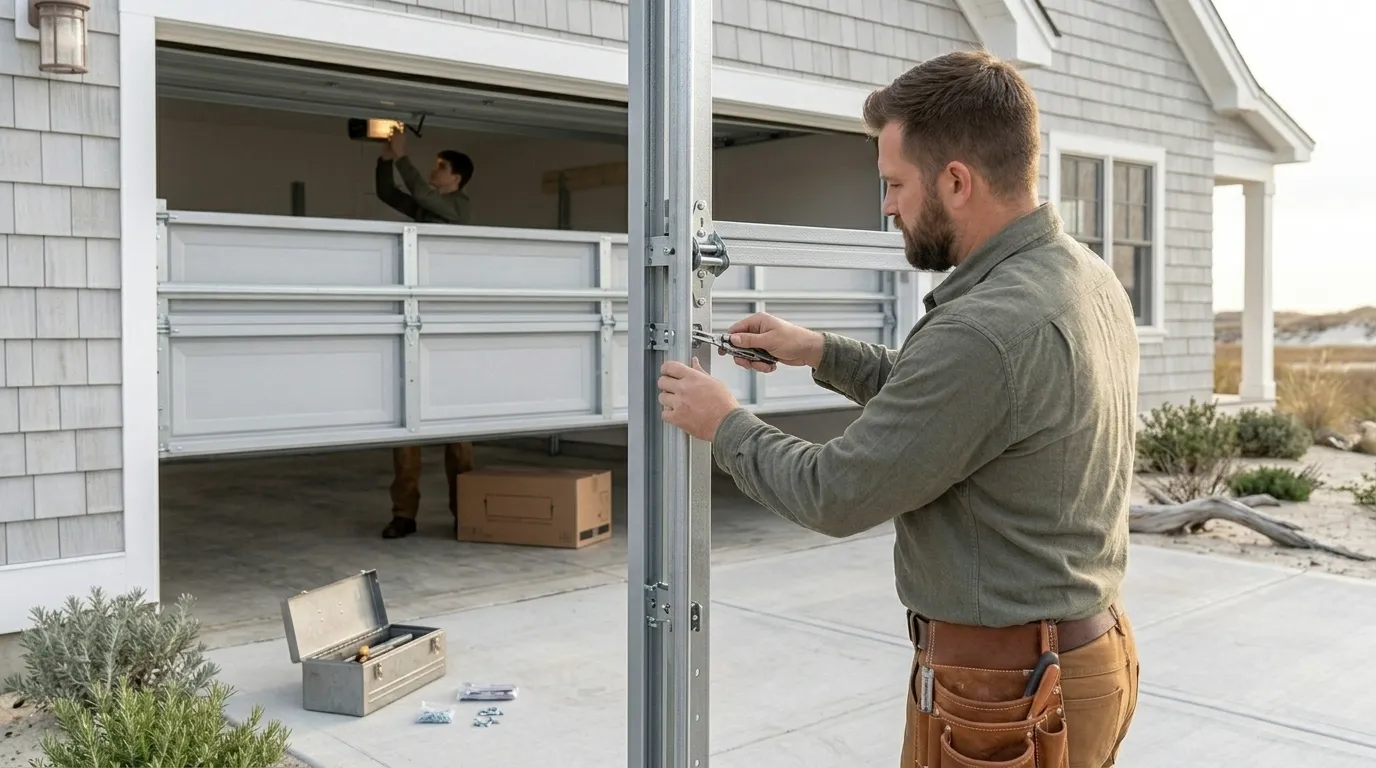
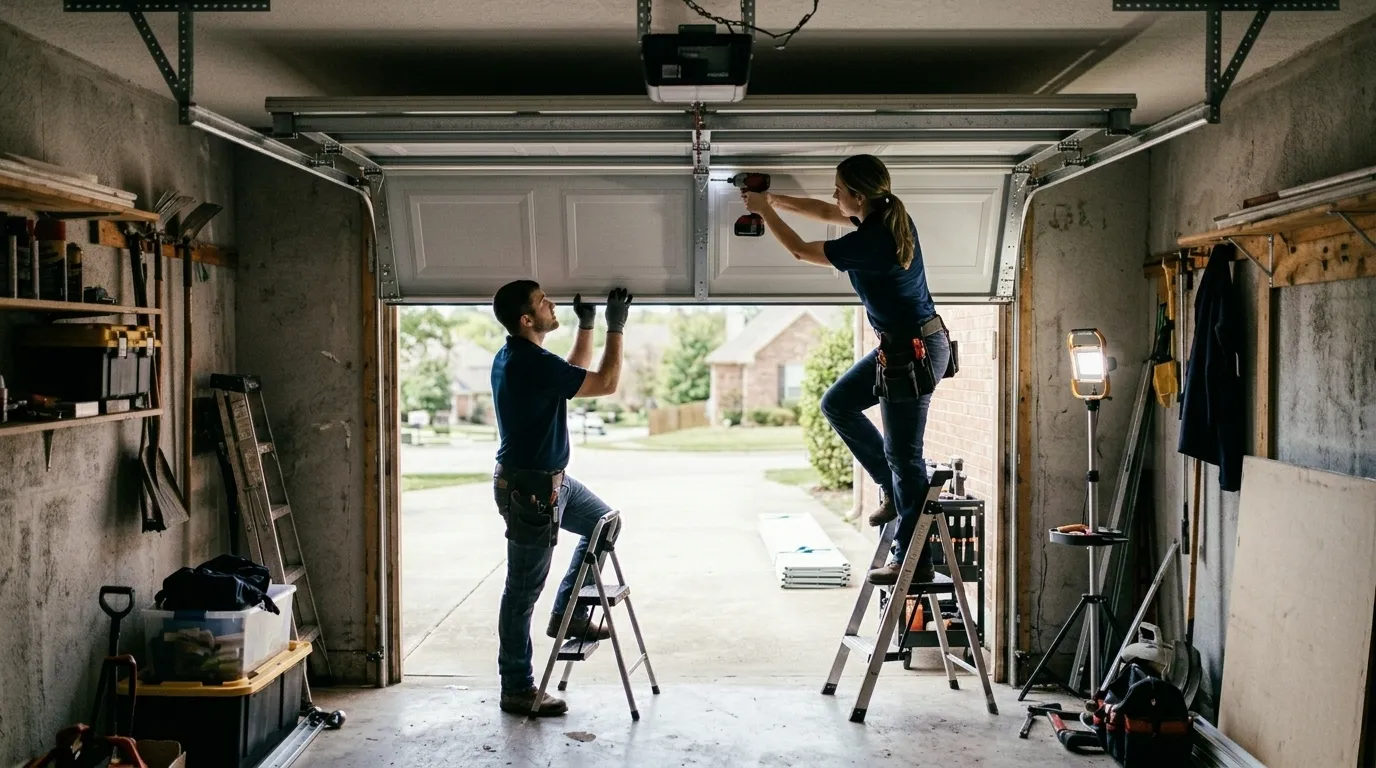
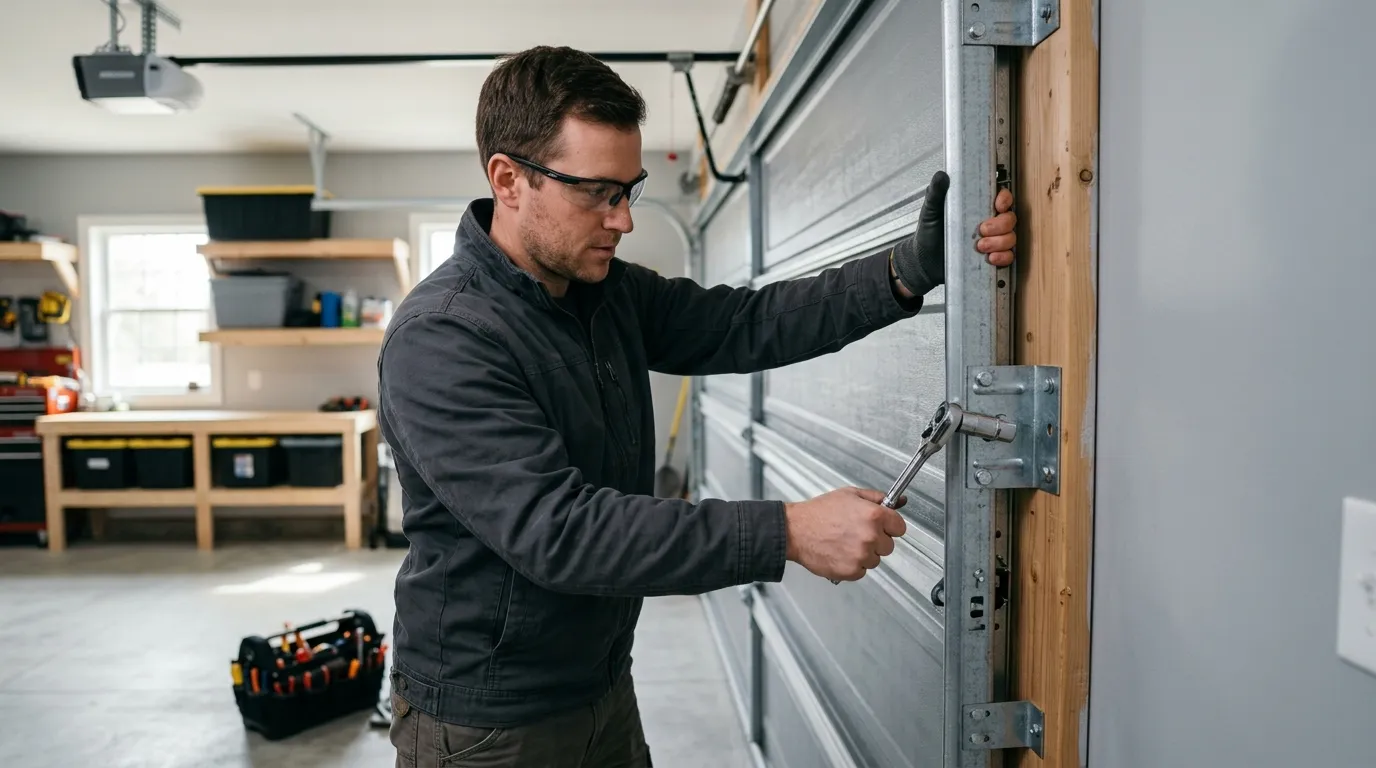
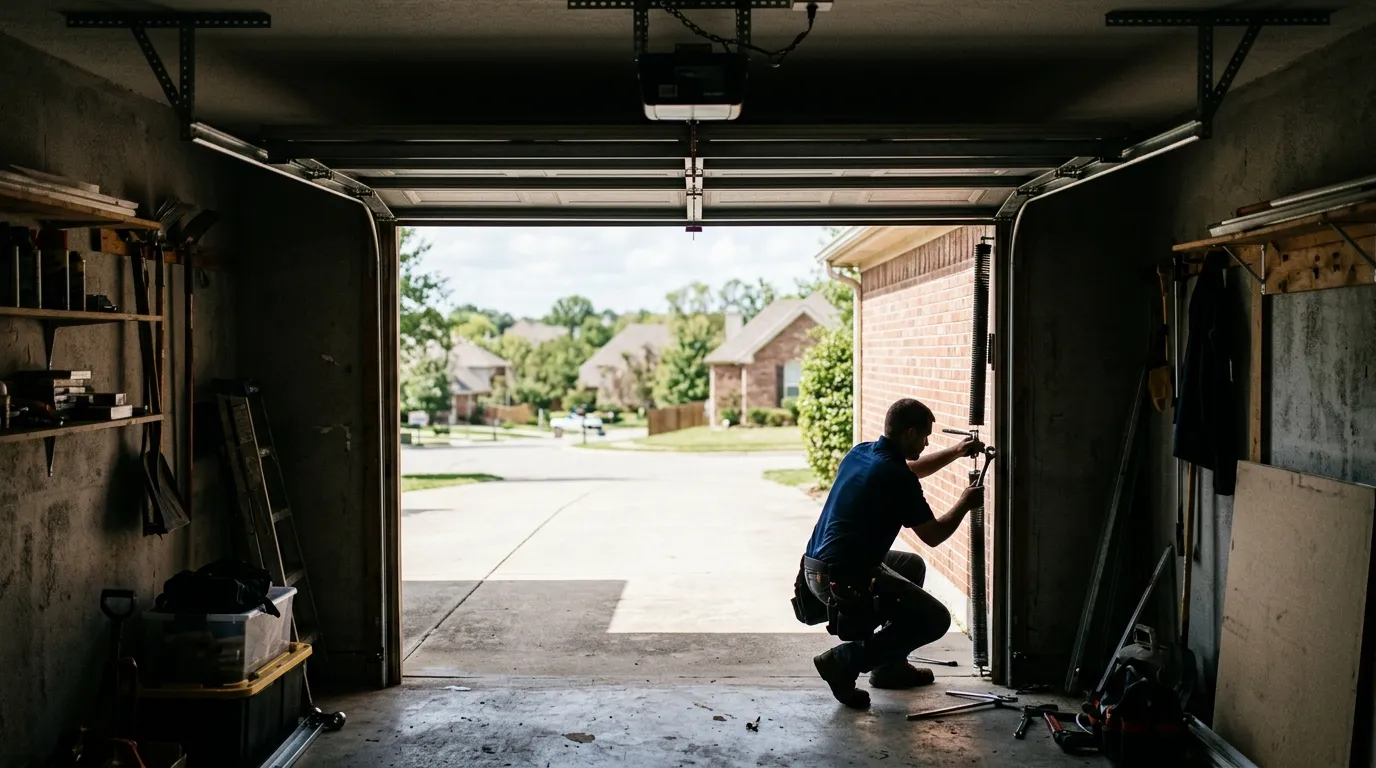
Given the age of the stock in Peterson, the calls we expect are torsion spring replacement, opener swaps on units that have outlasted their gearing, and track or roller work where cold-weather contraction has knocked things out of alignment. None of that is exotic - it's the normal wear pattern for a door installed sometime in the 1980s or 90s and never fully replaced since.
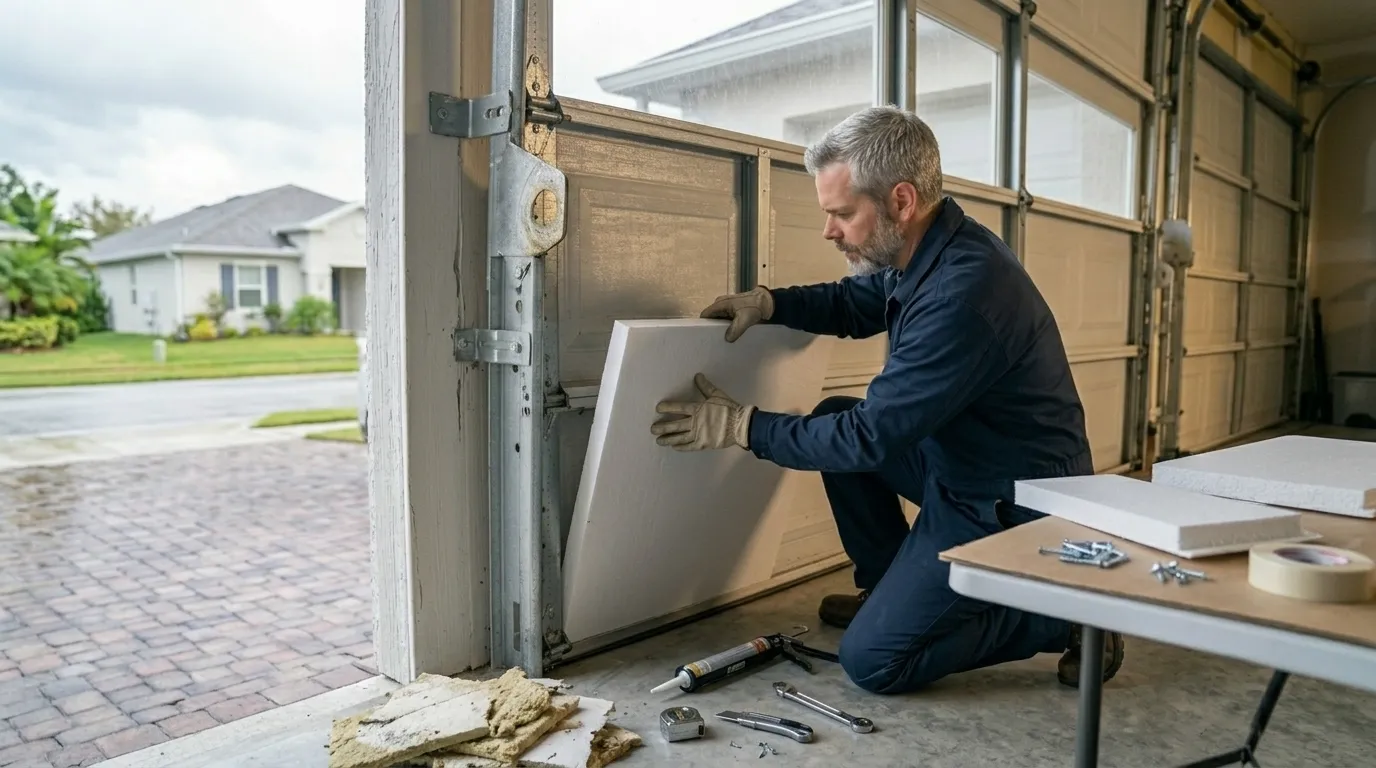
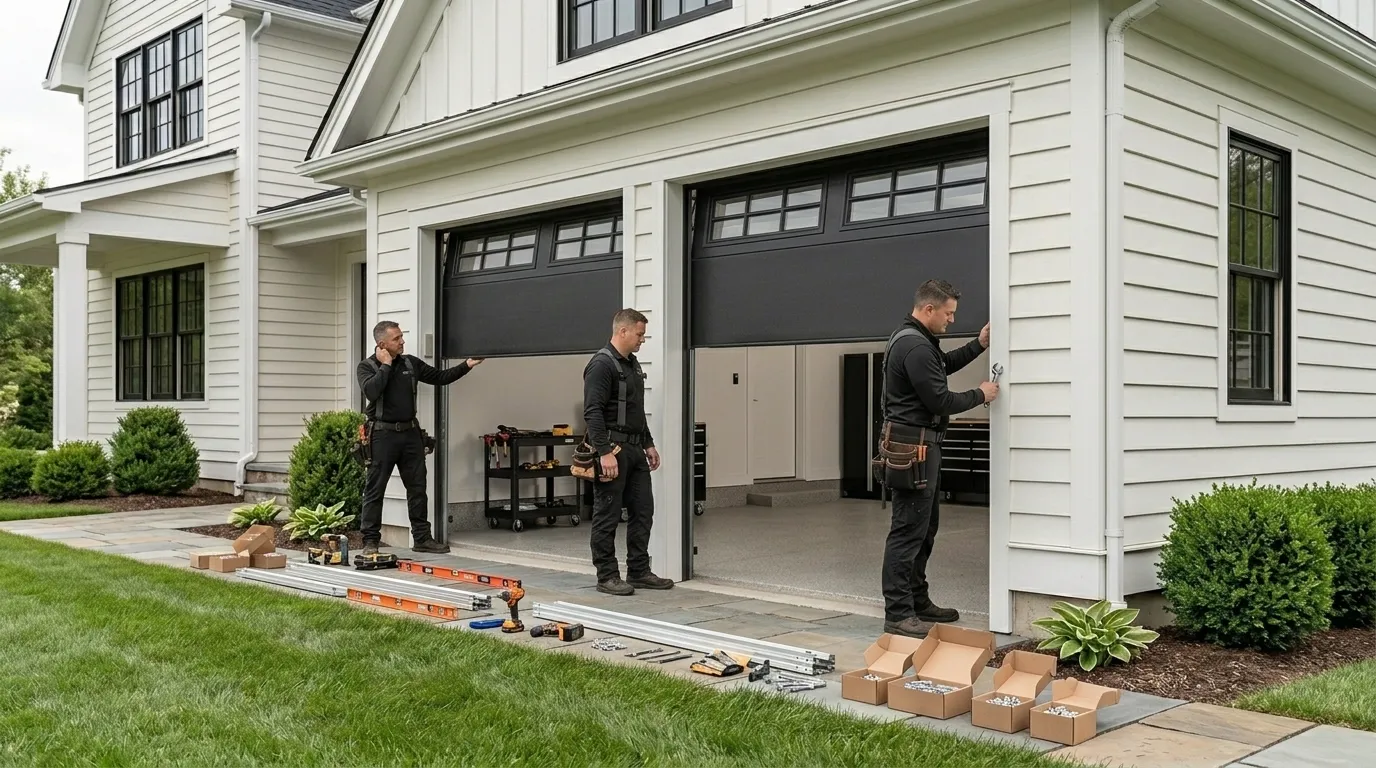
The service area median household income is $101,450, and across the roughly 219,760 households and 96,547 owner-occupied houses we cover, replacement is usually the better call once a door is past two or three major repairs rather than one more patch. We'll say that plainly: sometimes fixing the spring again isn't the smart move, and we'd rather tell a homeowner that than run up a bill on a door that's on its way out anyway.
What we won't do is guess at a job before we see it. A door that's original to a 1981 build behaves differently than one from a 2006 build, even within the same neighborhood, and we size up torsion tension and opener condition on site rather than over the phone.