How That Shows Up in the Door
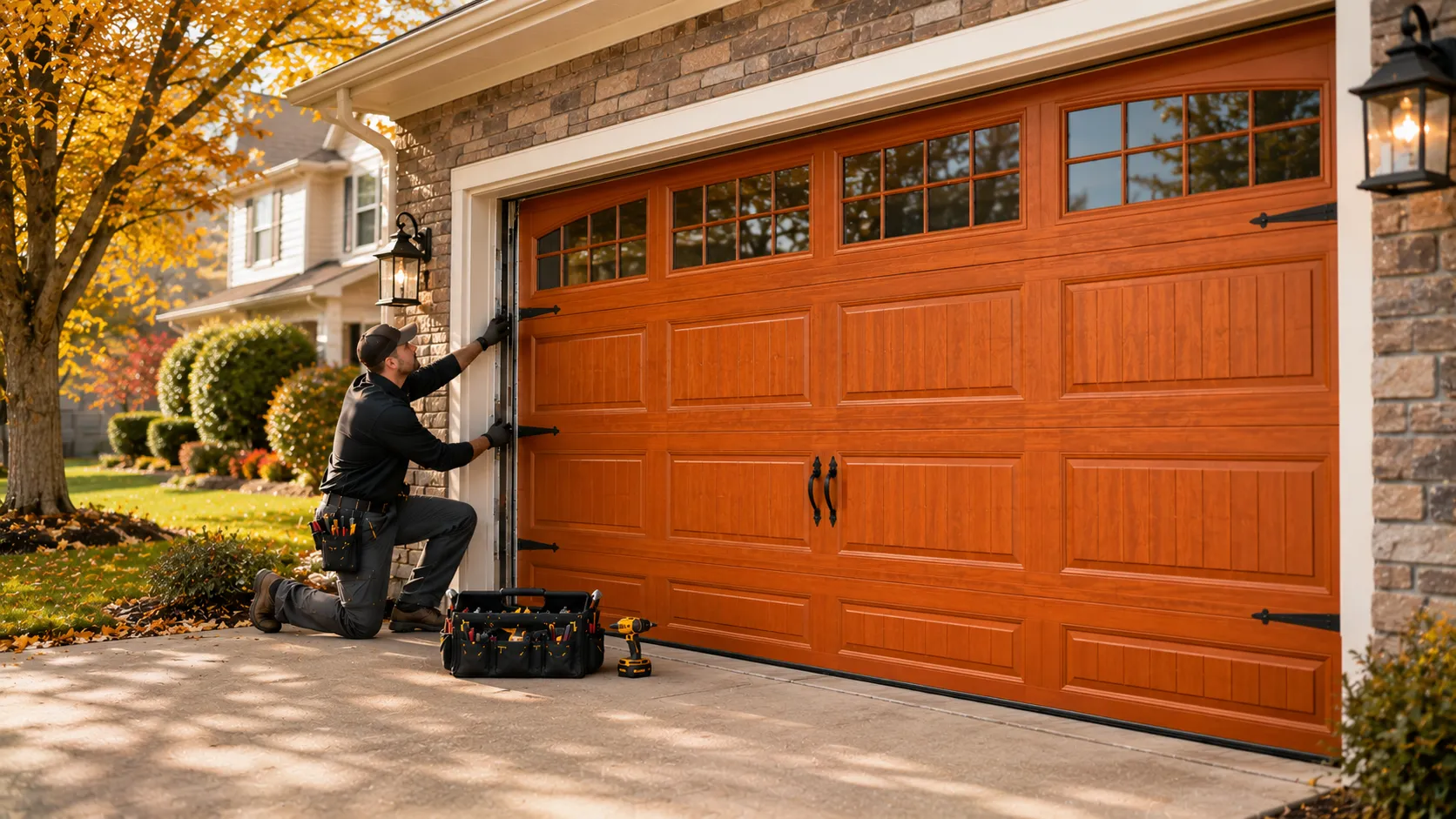
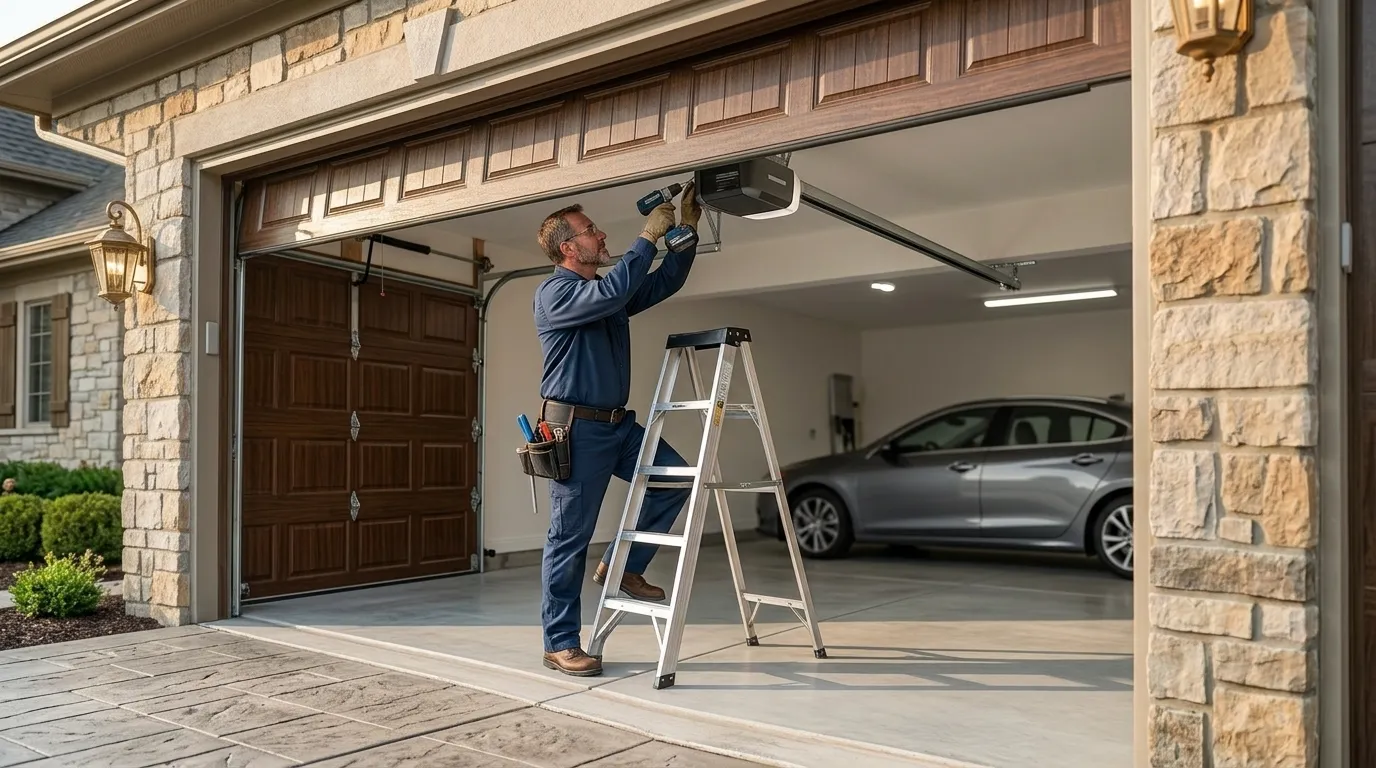
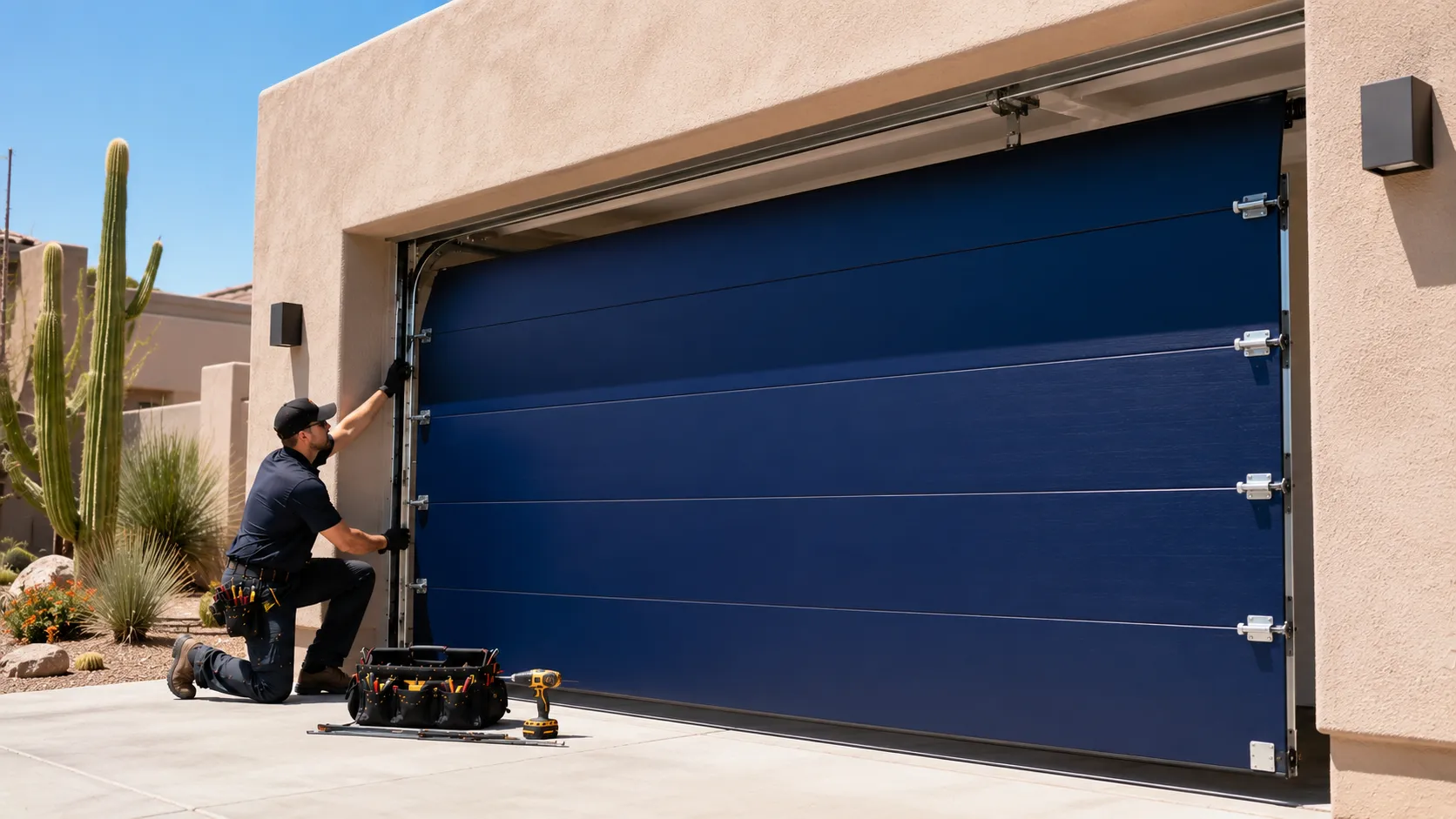
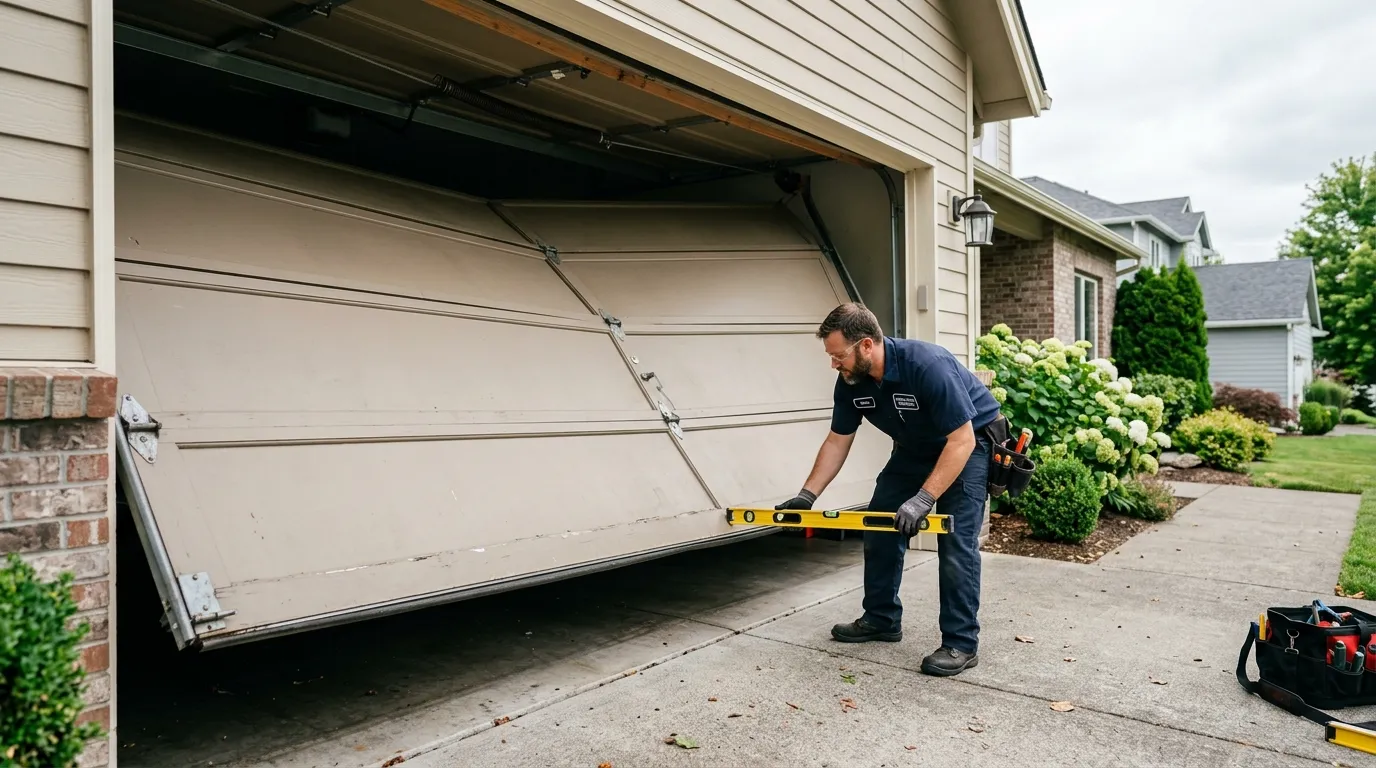
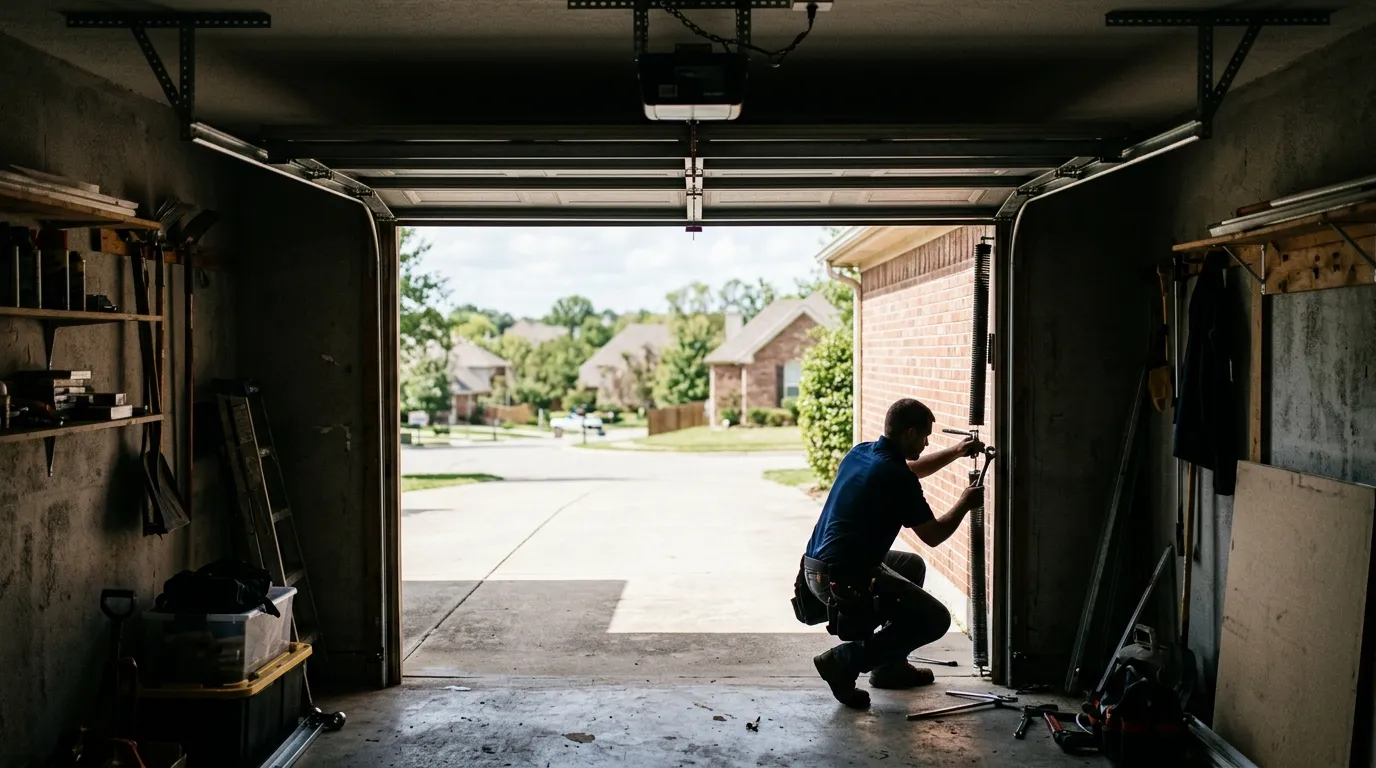
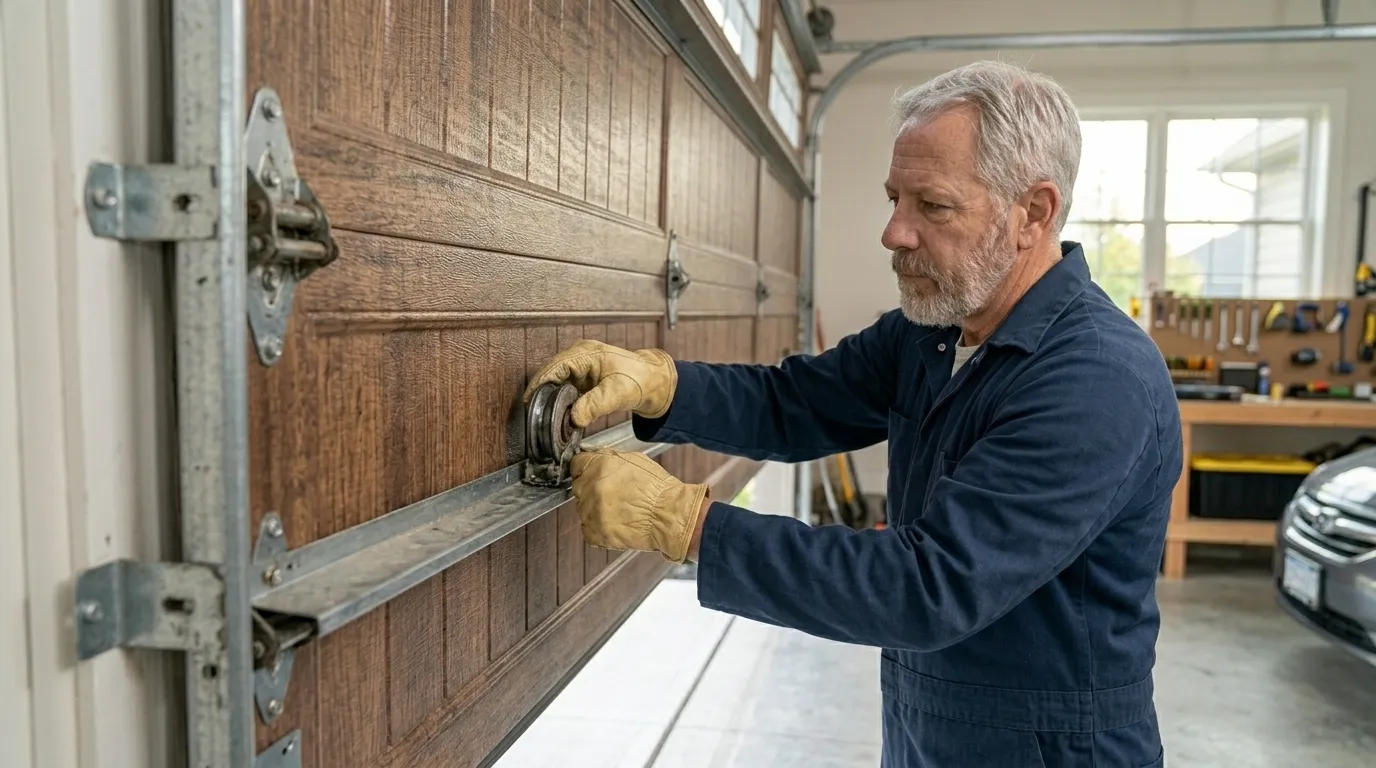
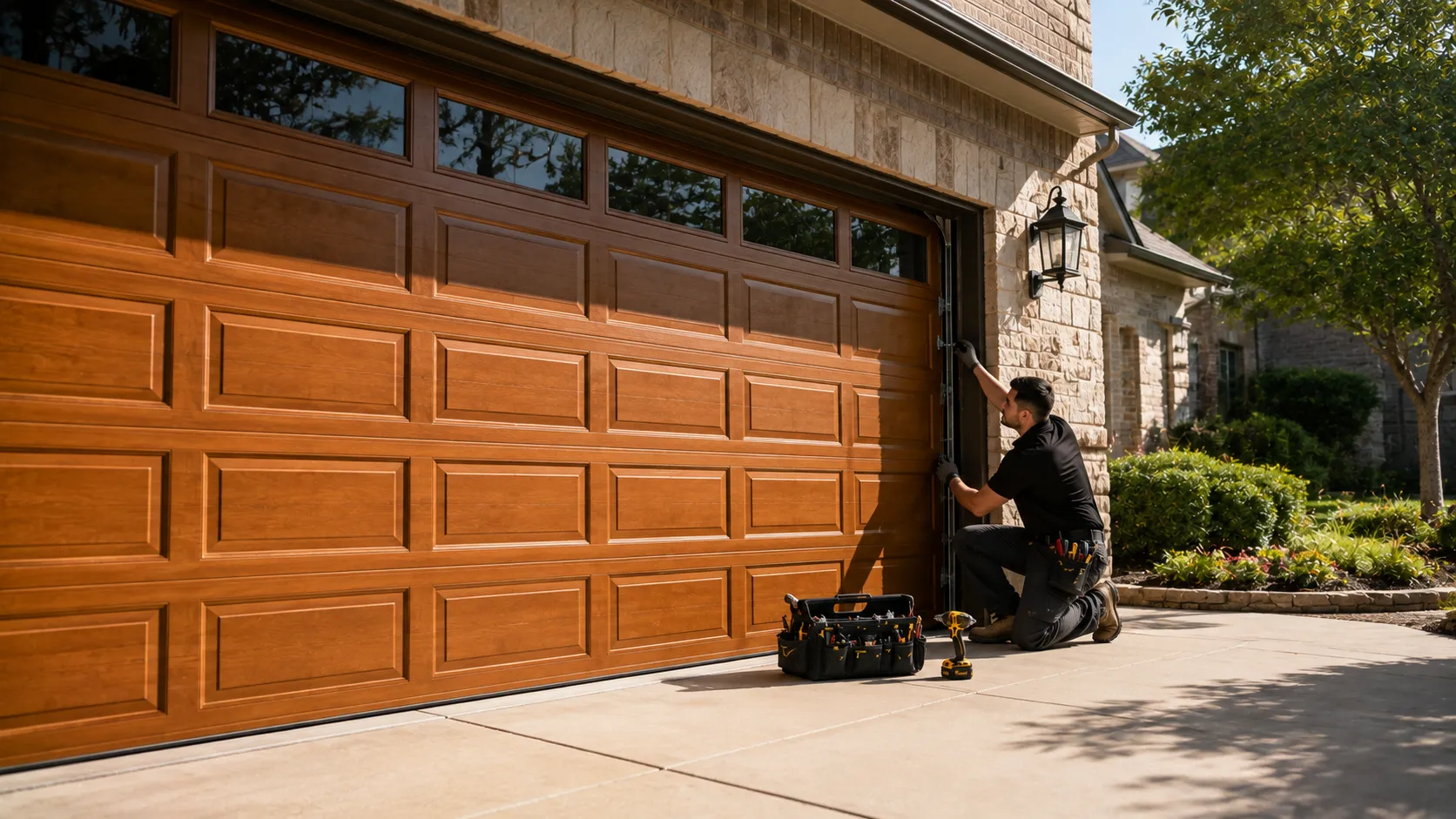
A door from 1974 almost never has the same torsion spring setup you'd find on something built after 1990. Early-70s installs commonly ran on lighter-gauge springs sized for lighter doors, and homeowners who've since upgraded to an insulated steel door are running heavier weight on hardware that was never sized for it. That mismatch is one of the most common calls we see on houses from this era - a spring that fails early because it's been working harder than it was built to.
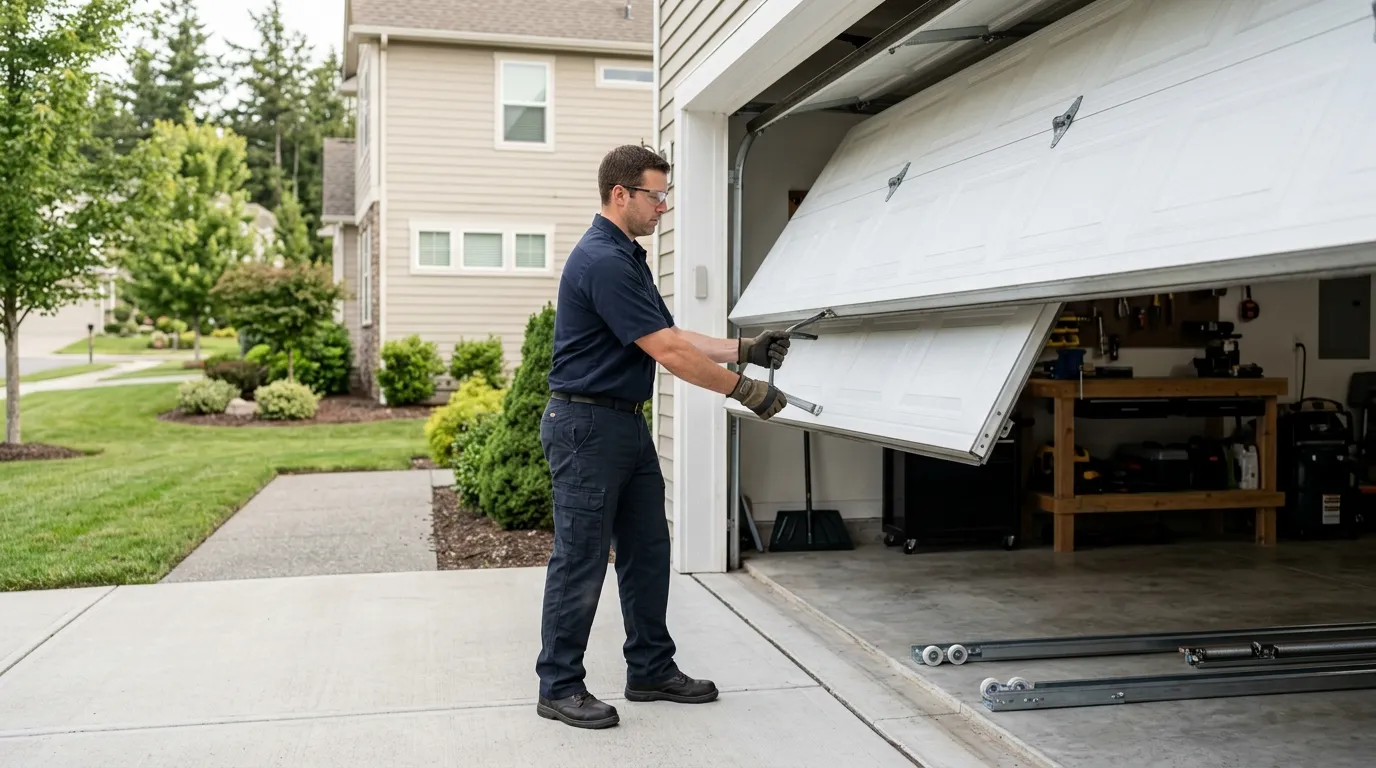
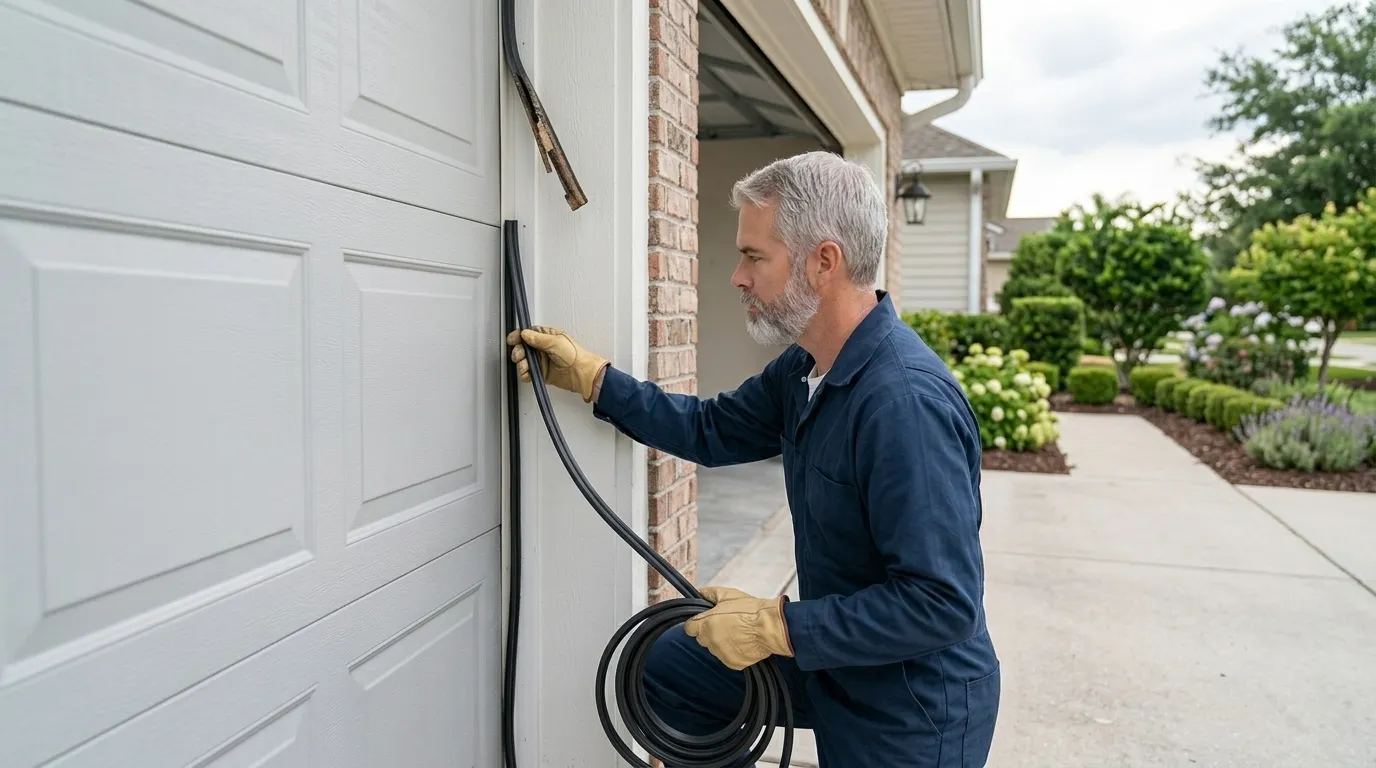
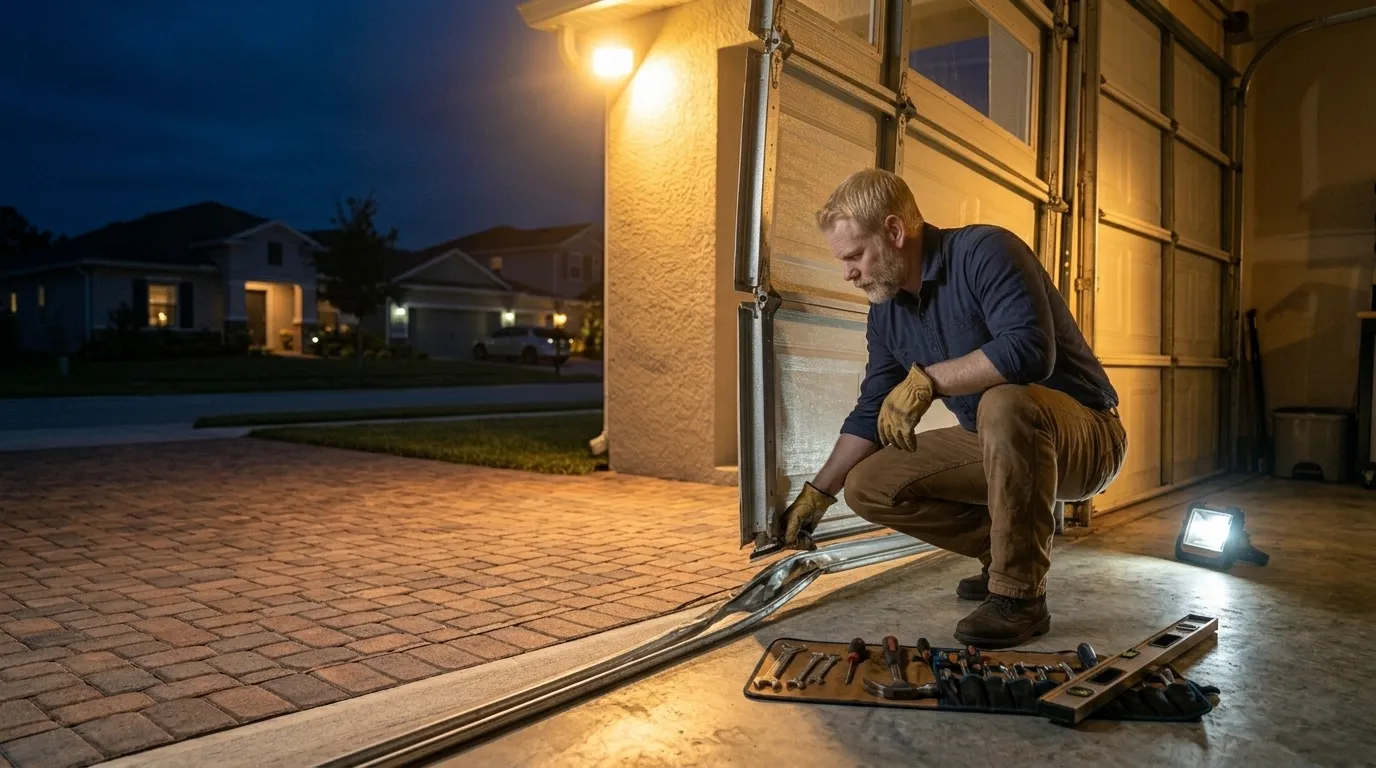
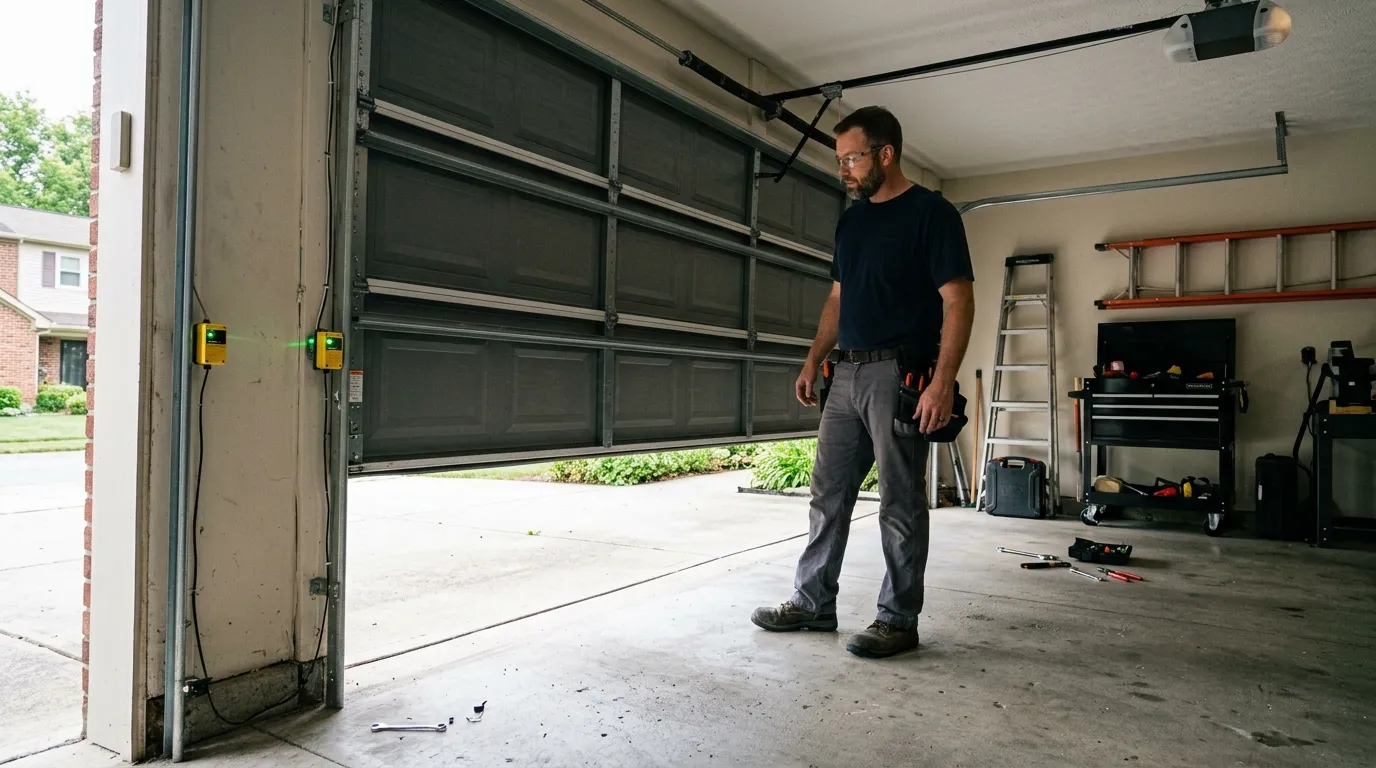
Cold is the other half of it. This area sits in a severe cold climate band, and steel contracts in low temperatures the same way it does everywhere else in the region - but on a door with 50 years of wear on the rollers and hinges, that contraction is what turns a stiff morning into a snapped cable or a jumped track. We don't treat every call the same. A 1974 door with original hardware gets a different diagnosis than a door installed in 2005, because the failure points aren't the same.
Getting Here
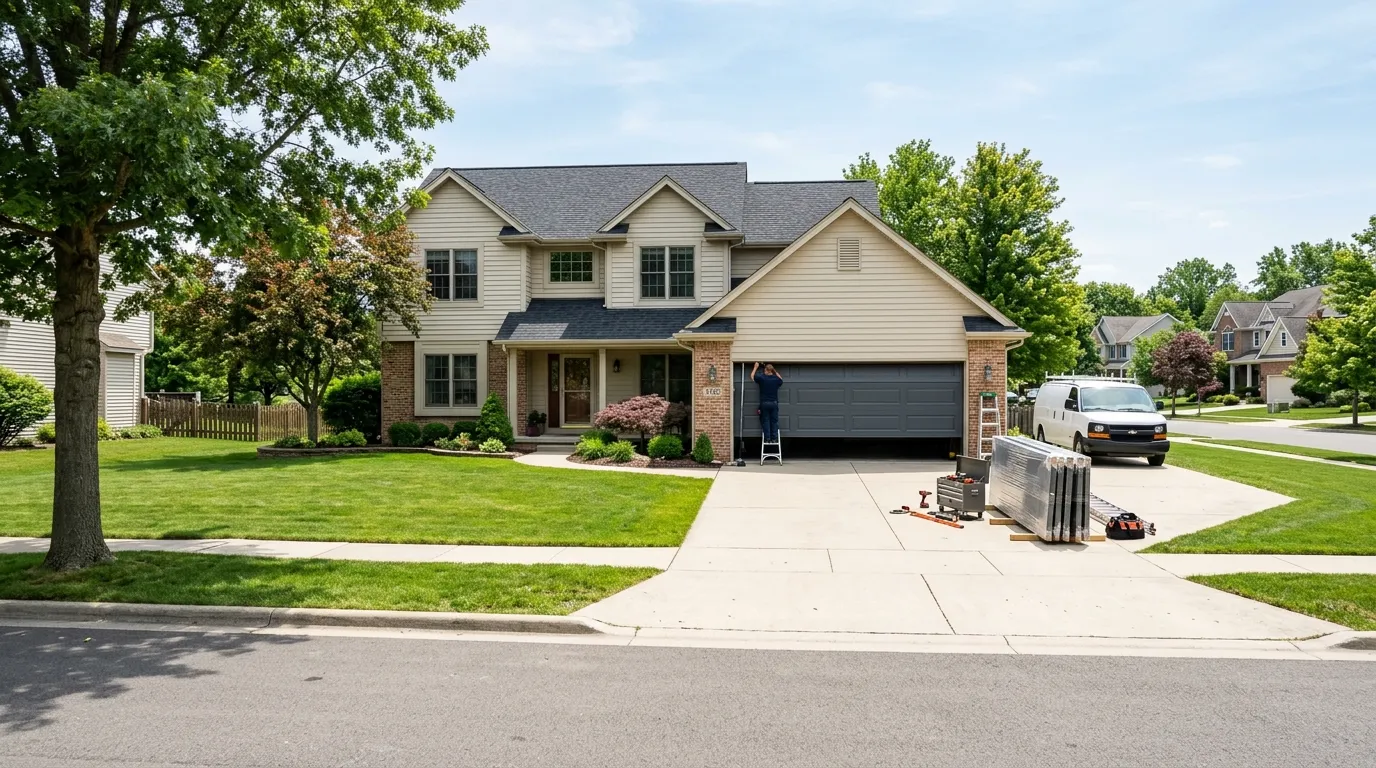
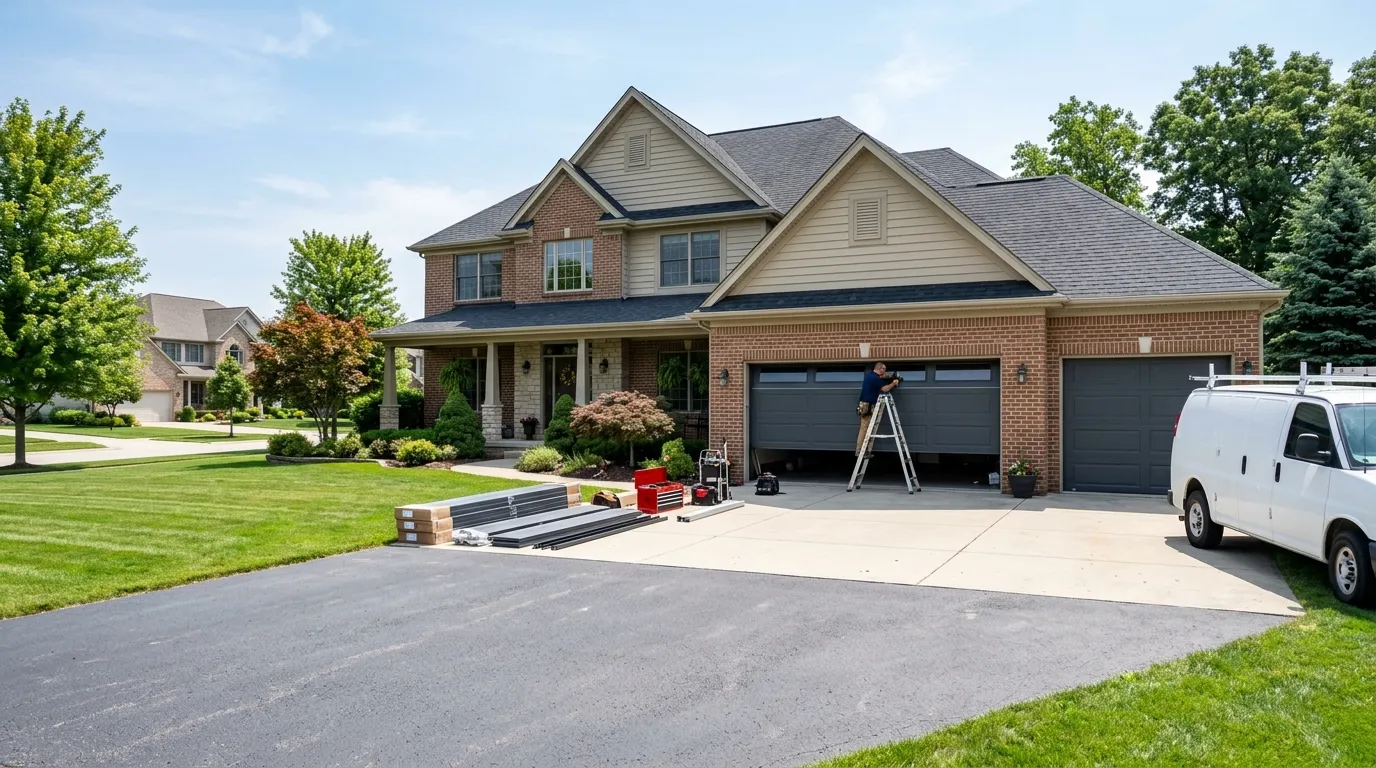
We run out of Denver, 12 miles south, and Northglenn is a straight shot up the corridor - no depot here, no local yard, just a truck dispatched from the city for each job. That distance is short enough that it doesn't change how we price or schedule work, but it's worth saying plainly: we're not based in Northglenn, we come to it.
We're honest about this because a company that claims to be