The Doors Around Here
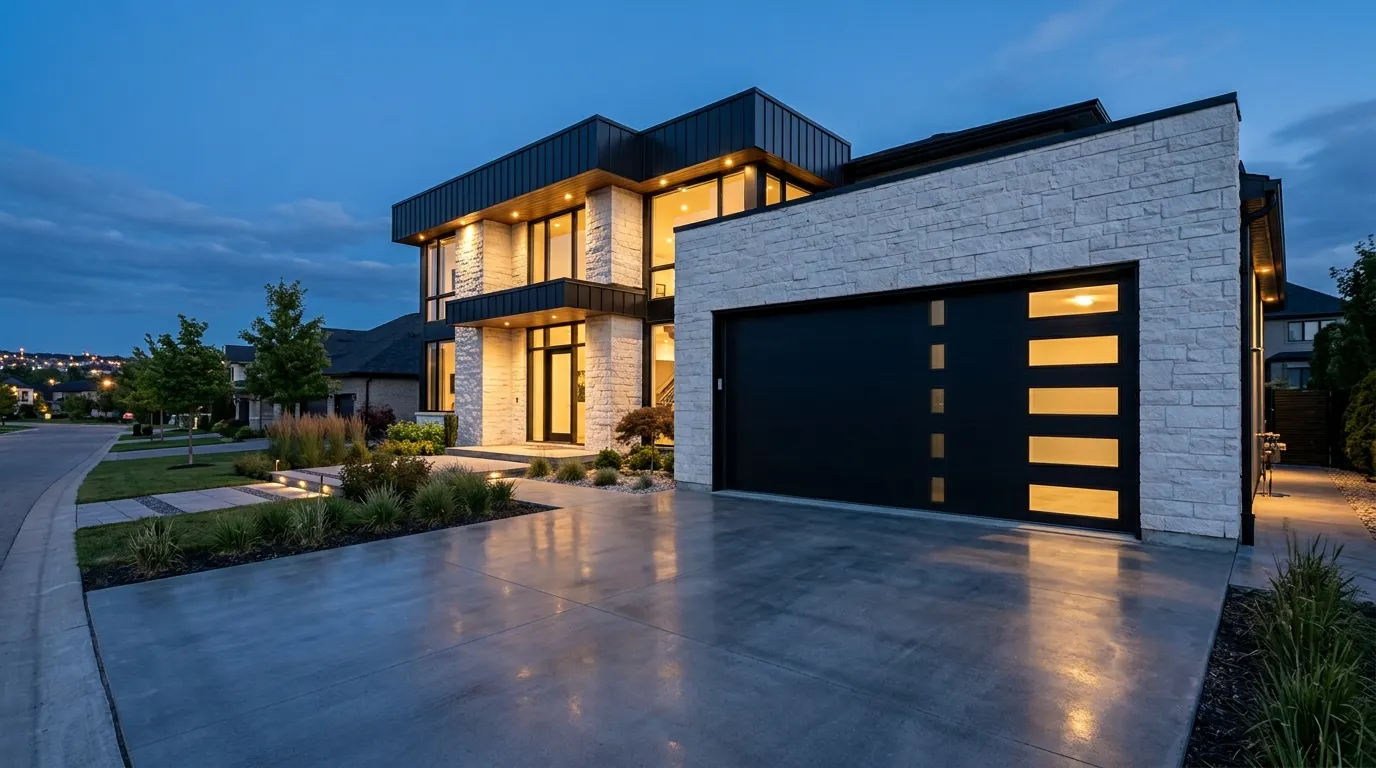
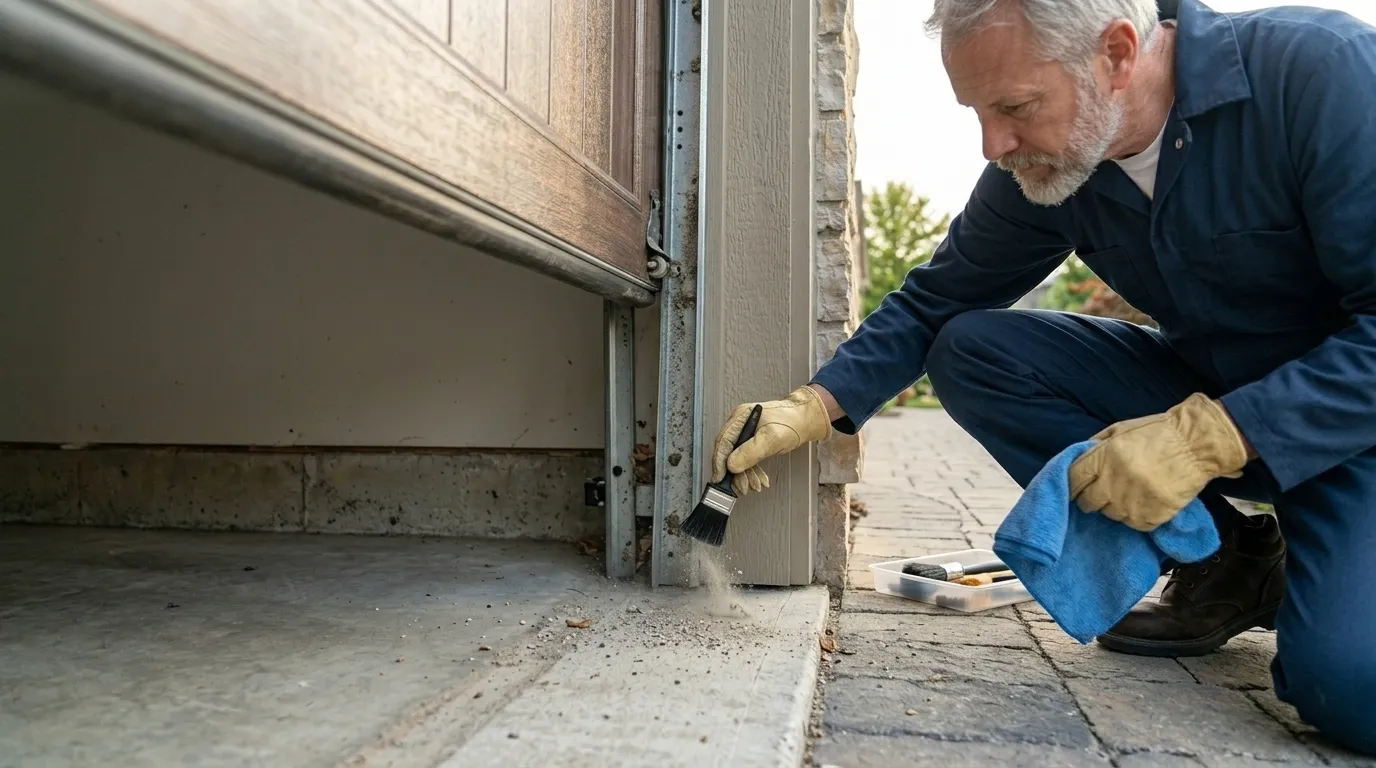
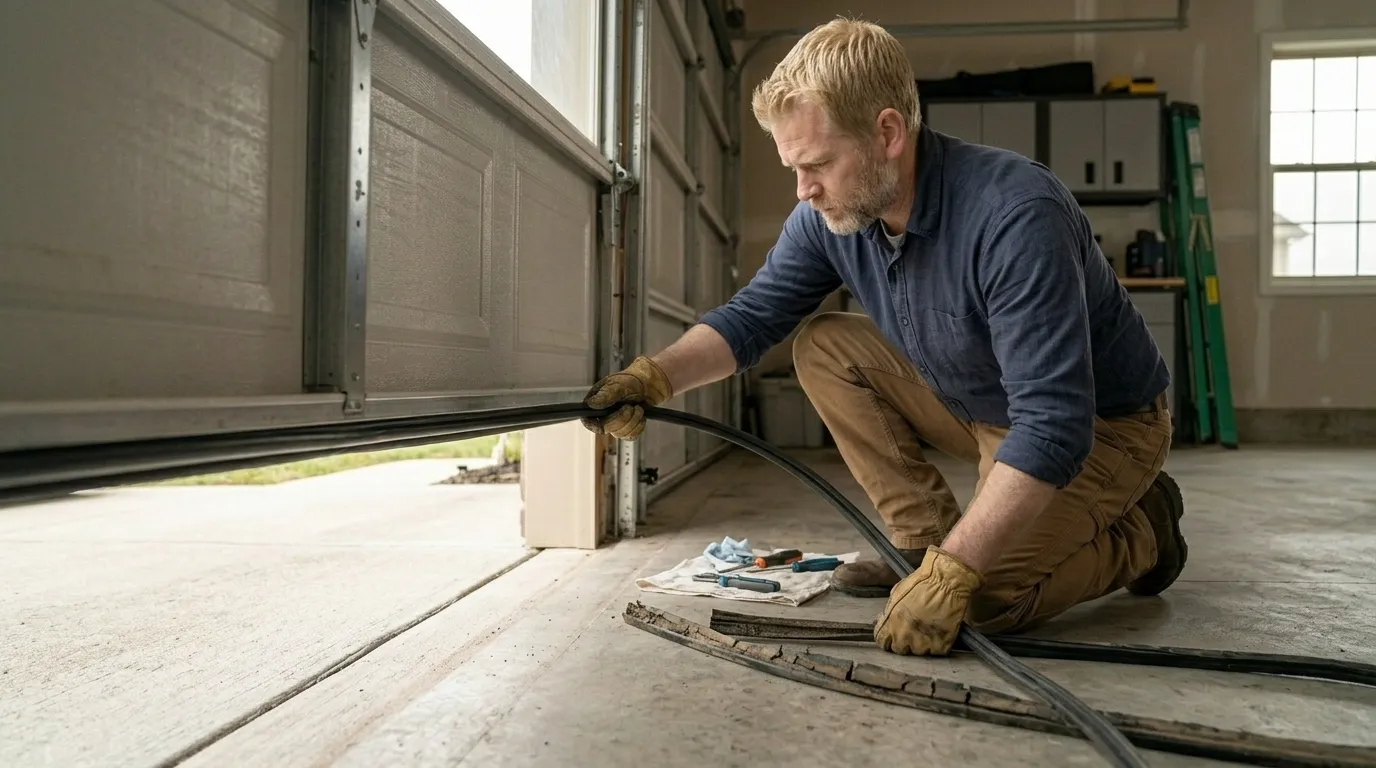
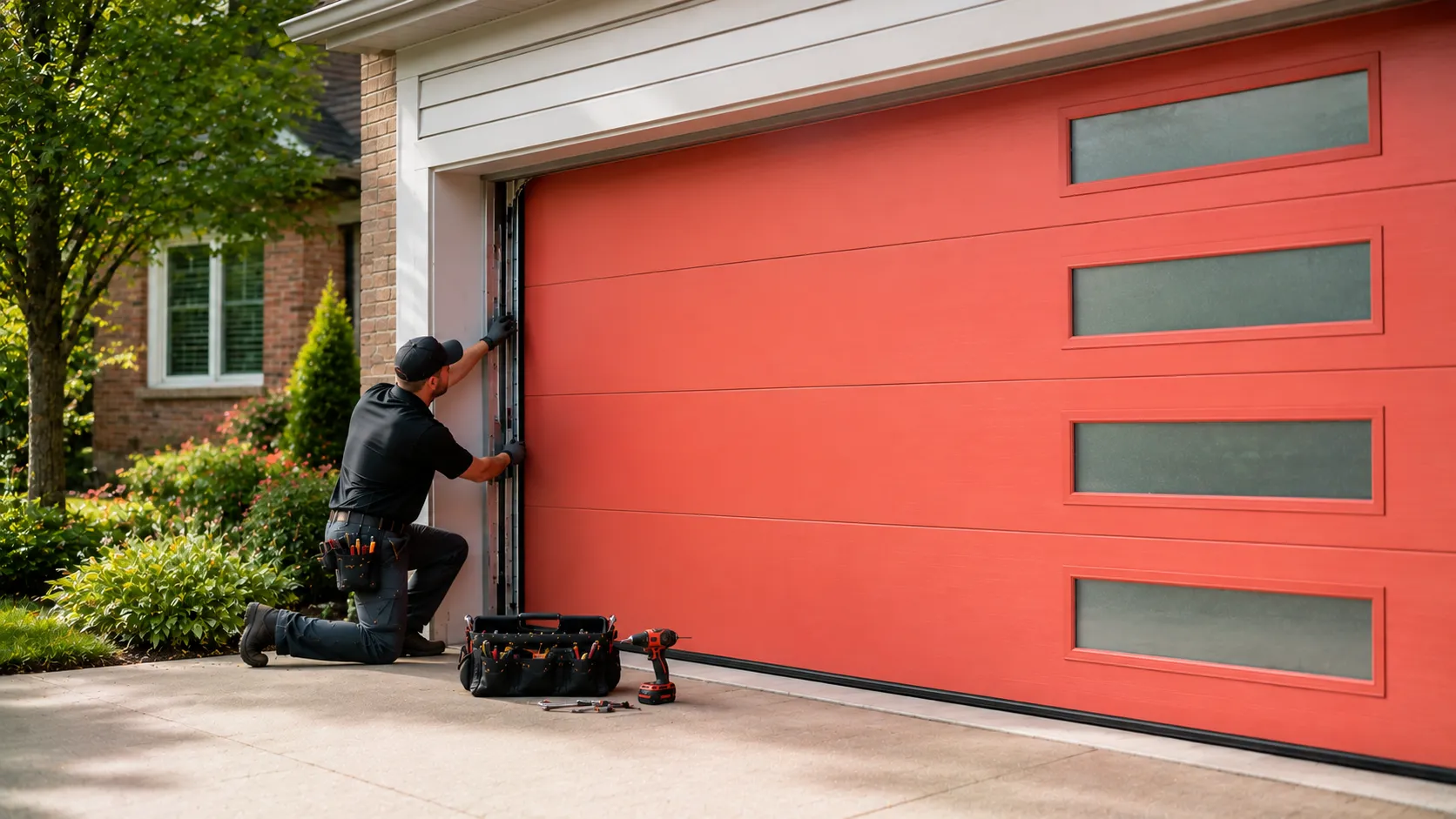
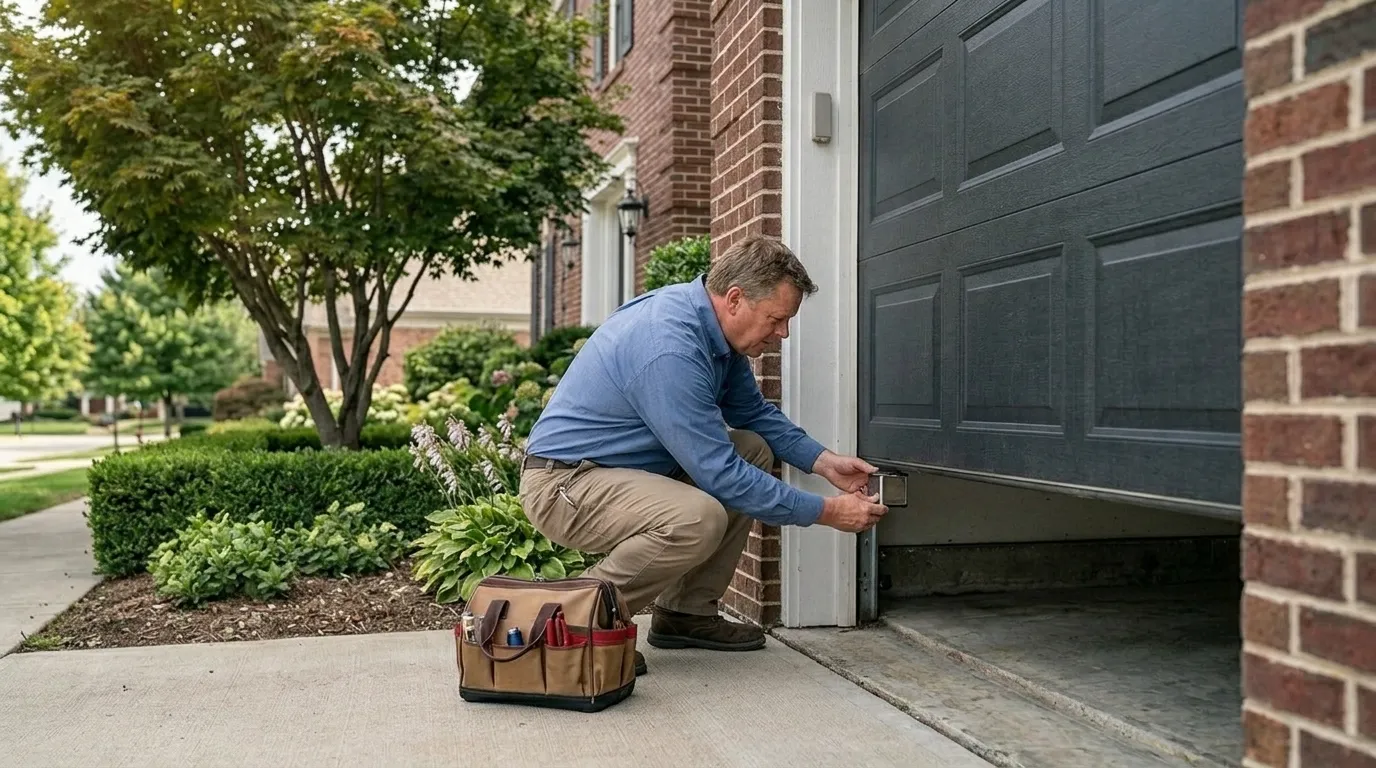
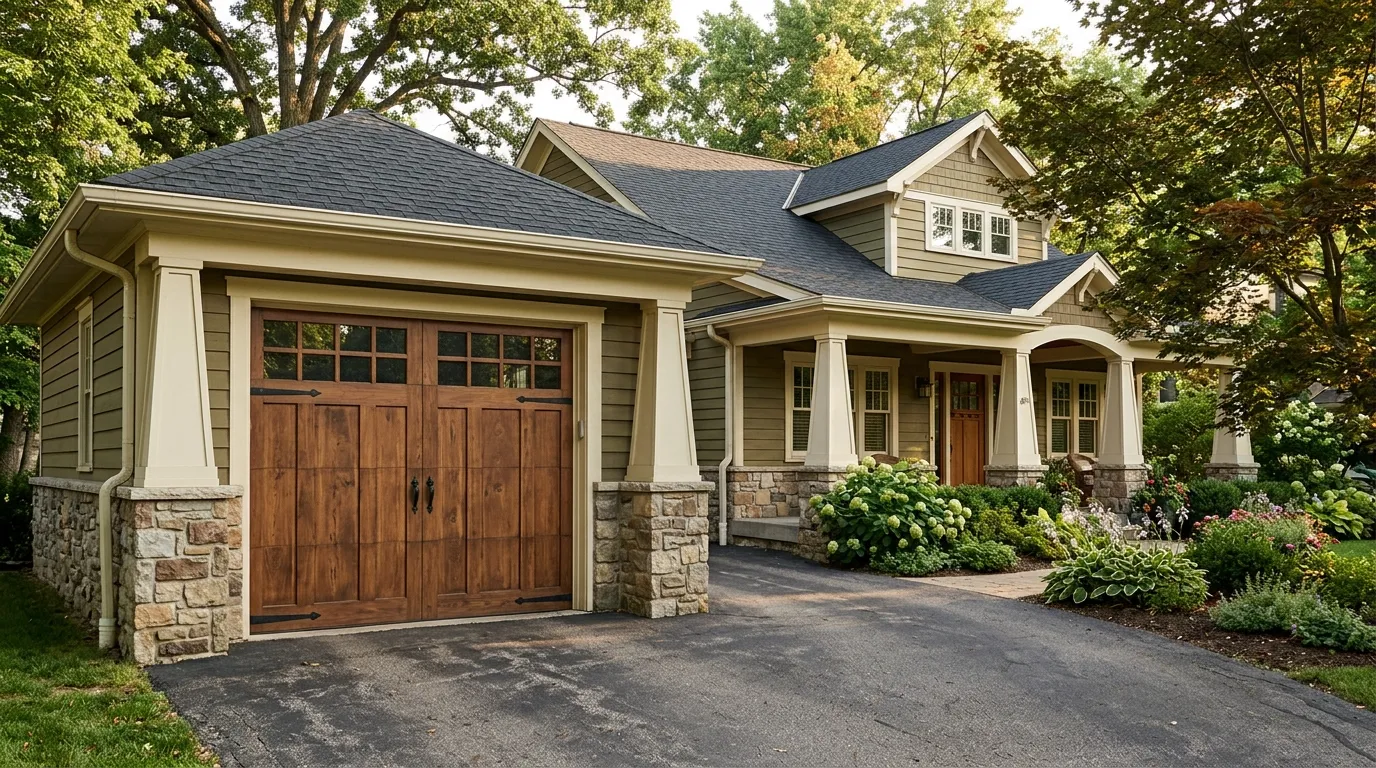
Across this whole service area, homes were built between 1947 and 2006, with the median landing around 1981, and most of the 31 named areas we work in - Northeast included - skew toward that 1980s-to-90s construction wave. That means a lot of the doors on this side of Denver are second- or third-generation replacements on original openings, and the openings themselves are sized to specs that were normal 30 to 40 years ago, not always what a modern insulated door ships in today without some adjustment. Winters here fall in a cold, severe climate band, which is the other half of the story. Steel doors without a thermal break take a beating over a Denver winter - the panels contract, the weatherstrip hardens, and springs sized for a 60-degree garage start working harder than they were built for. If your door was installed in the 80s or 90s and it's never been resprung, it's probably due, not because the door failed but because the hardware has quietly aged past its cycle count.
Typical Work
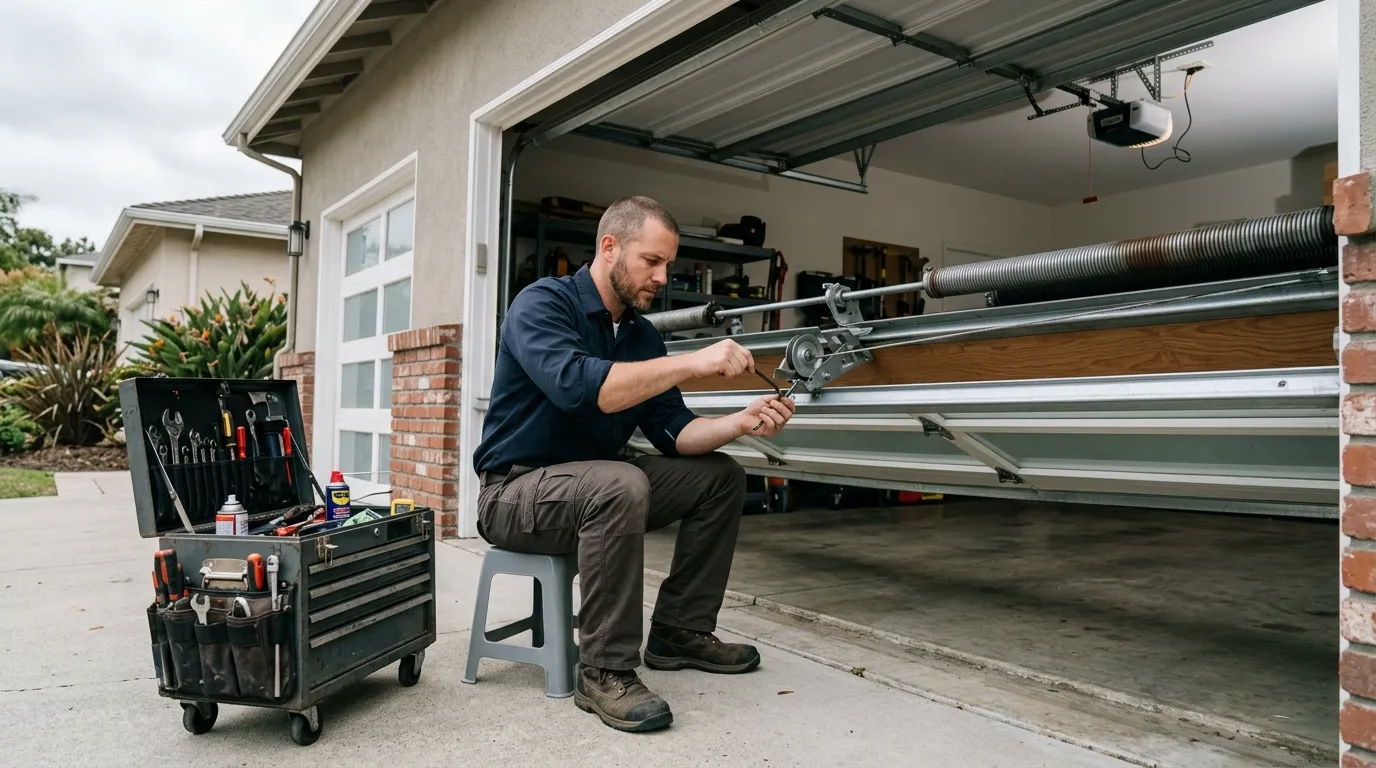
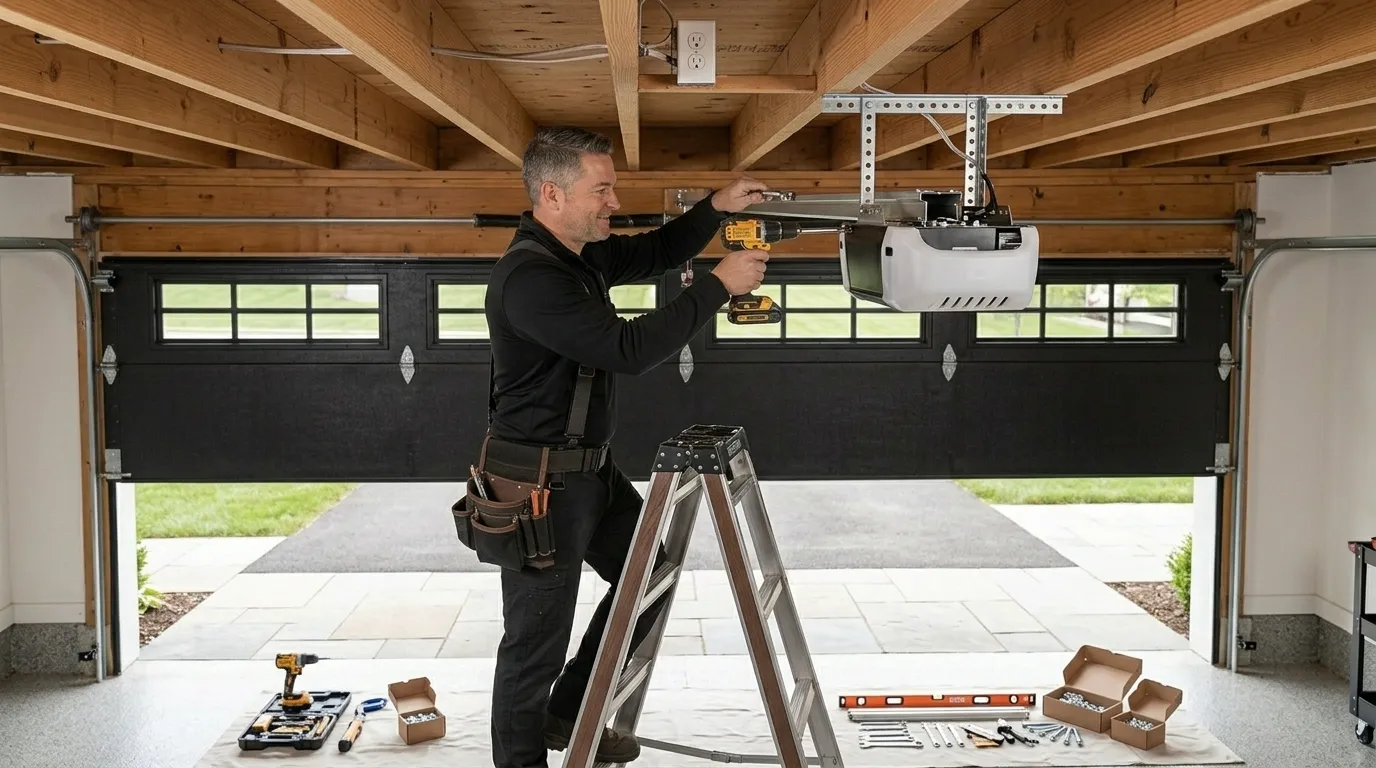
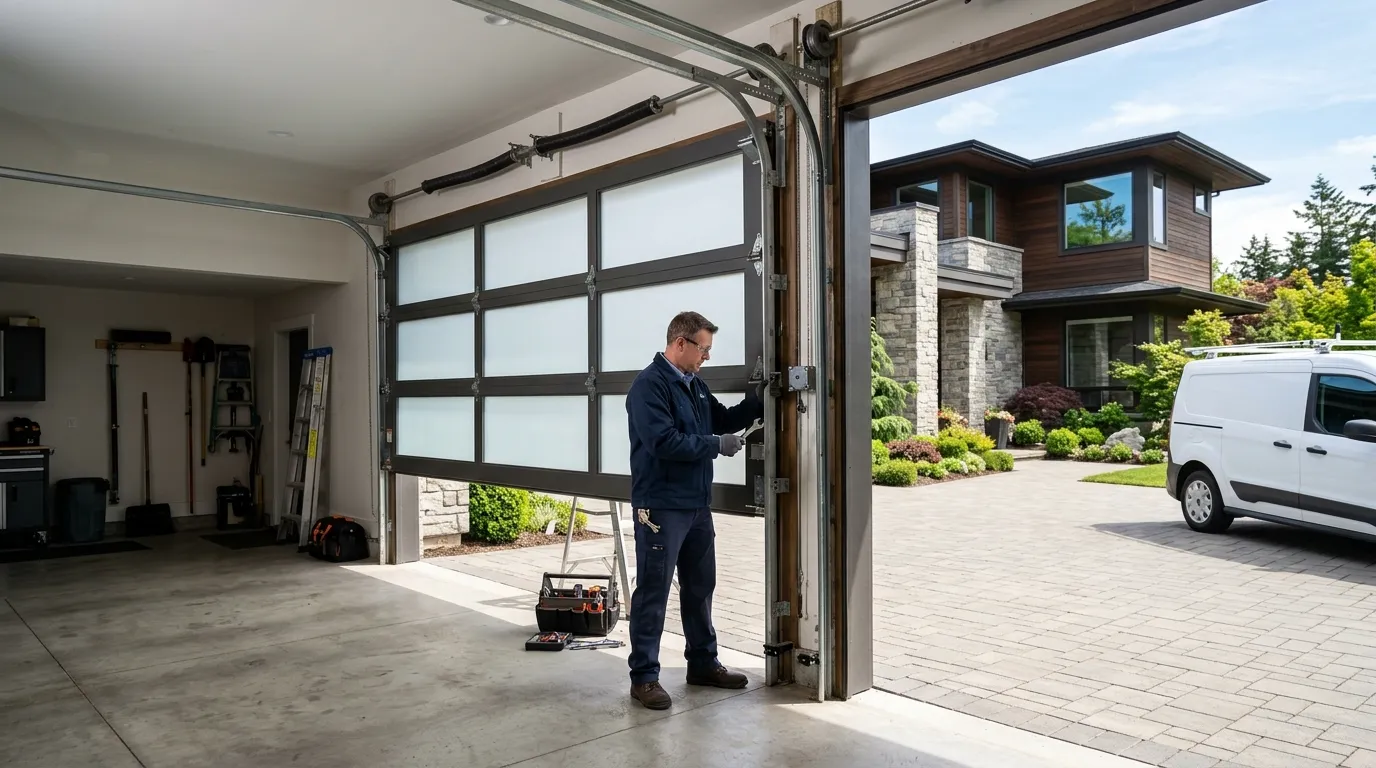
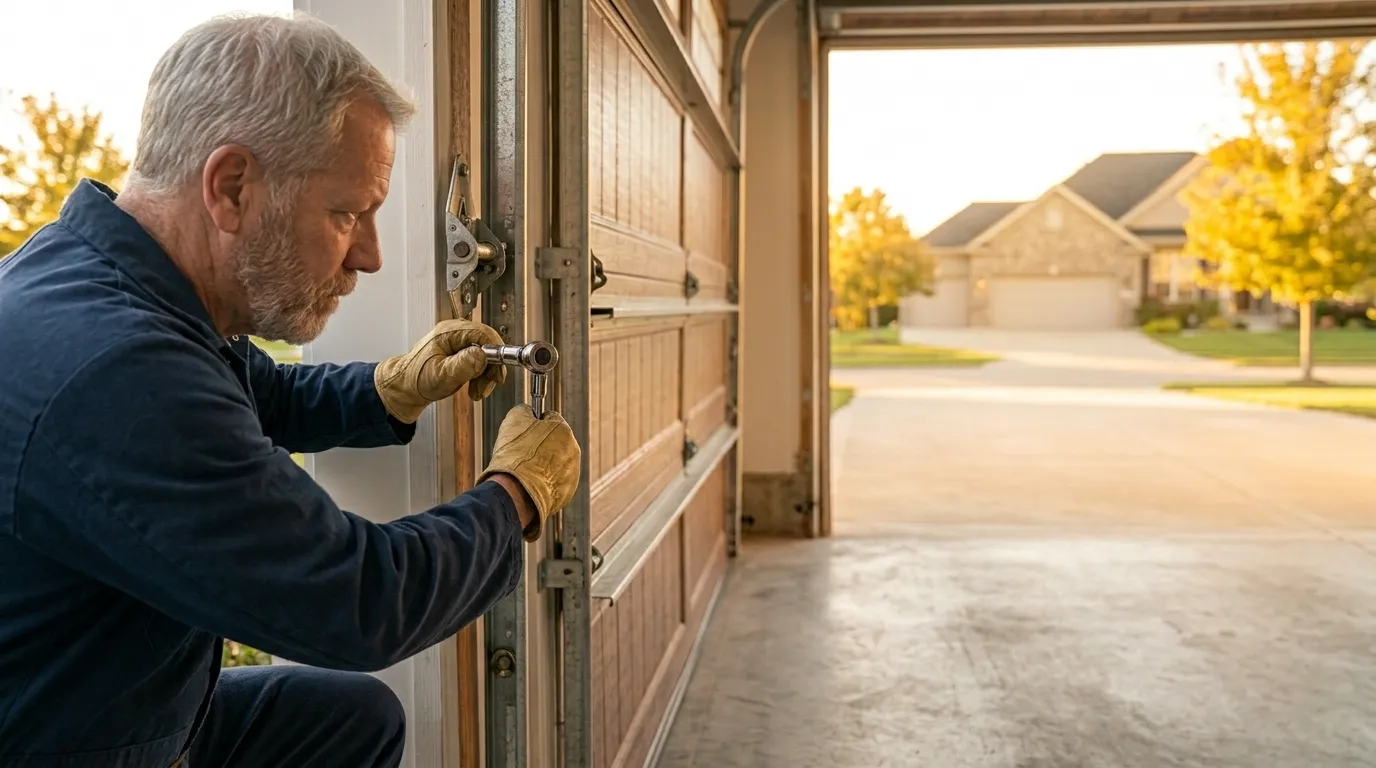
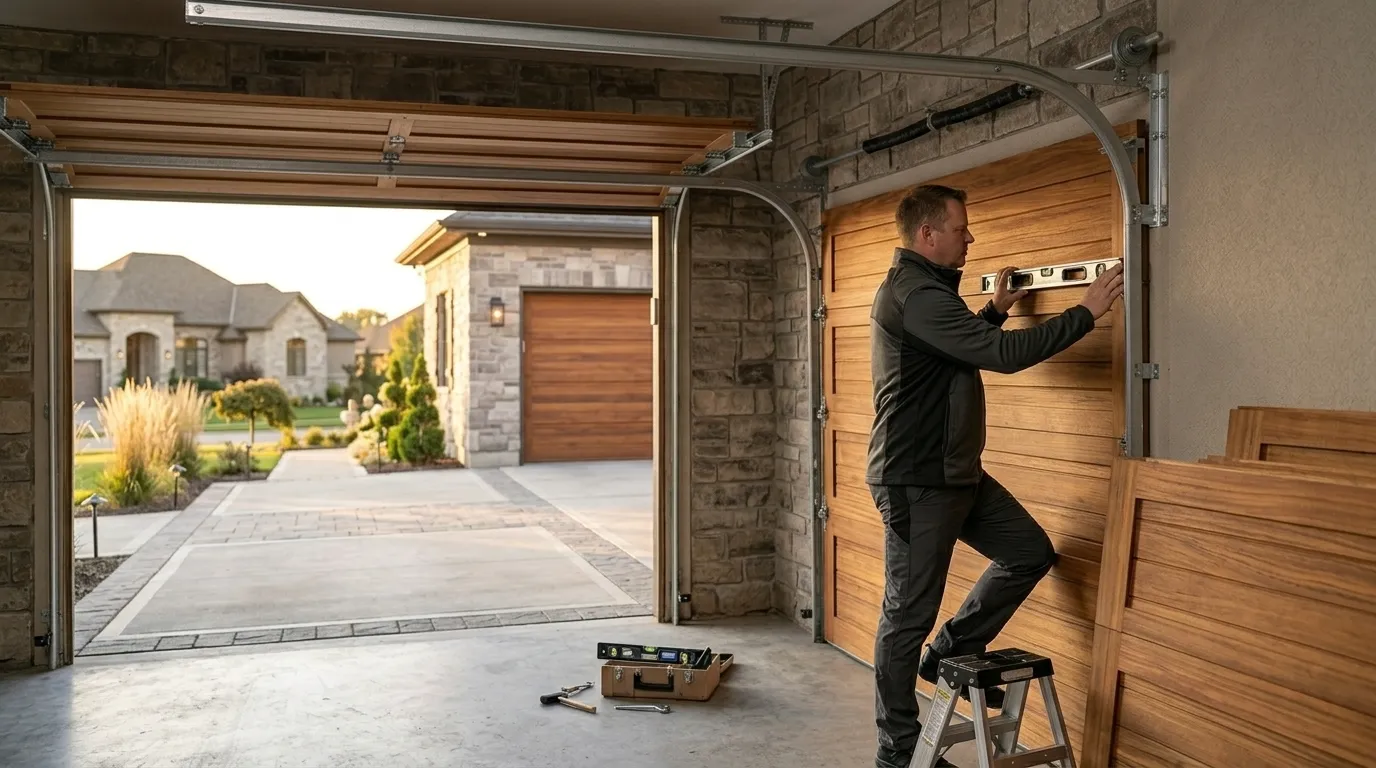
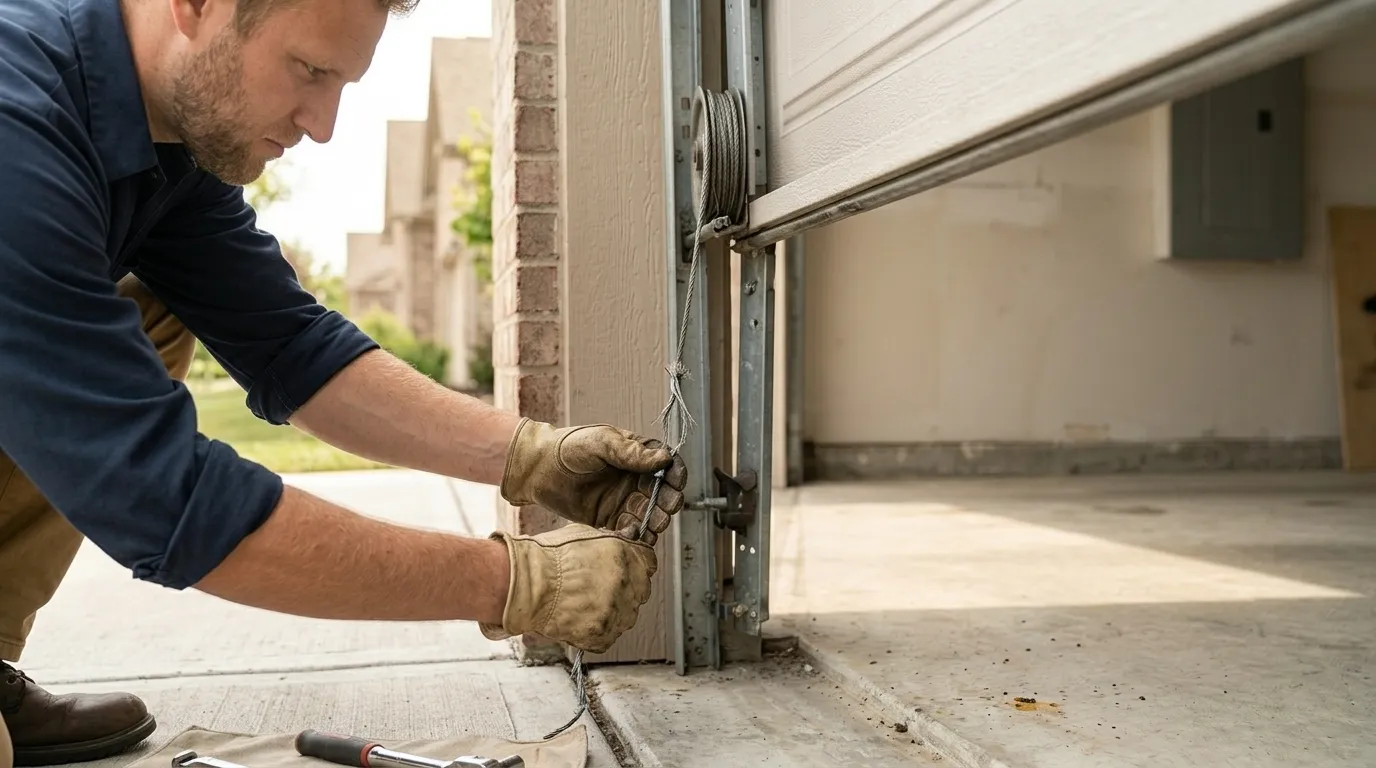
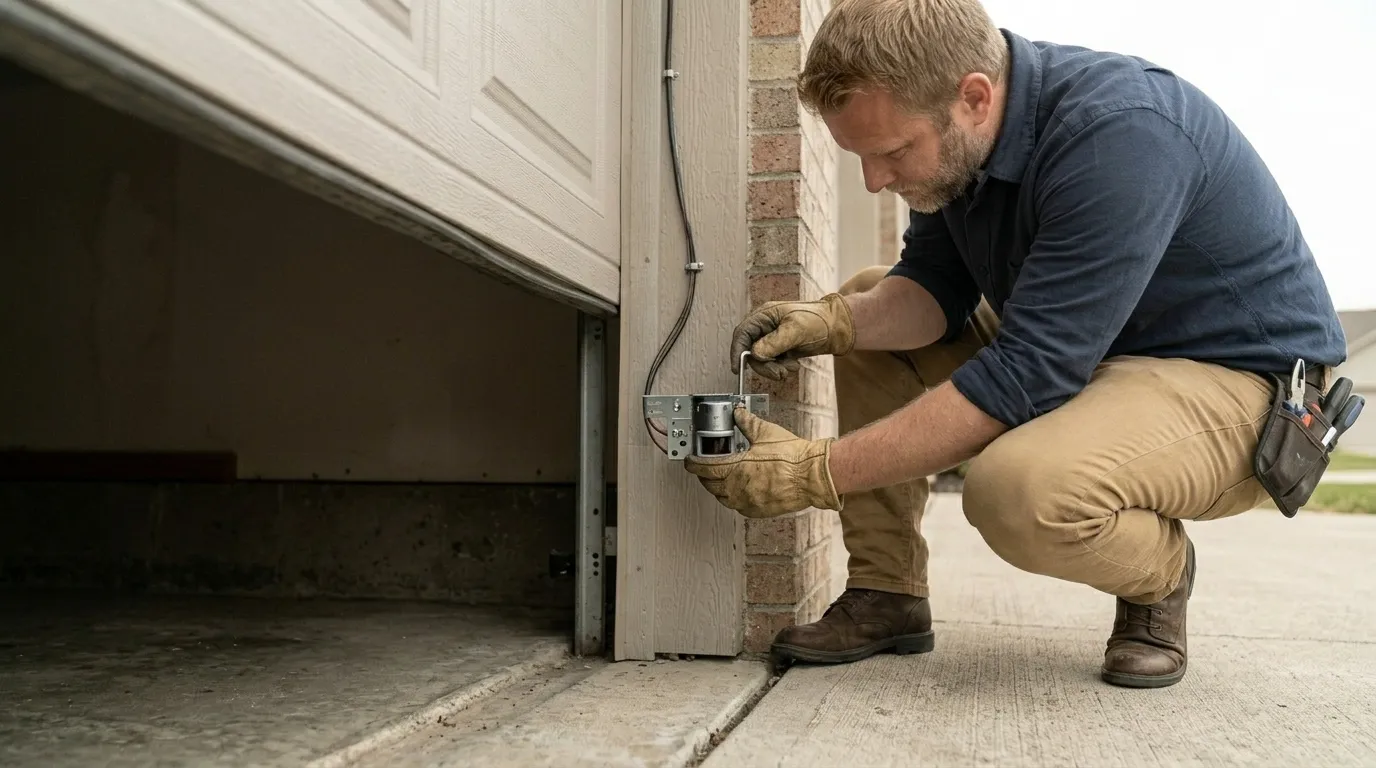
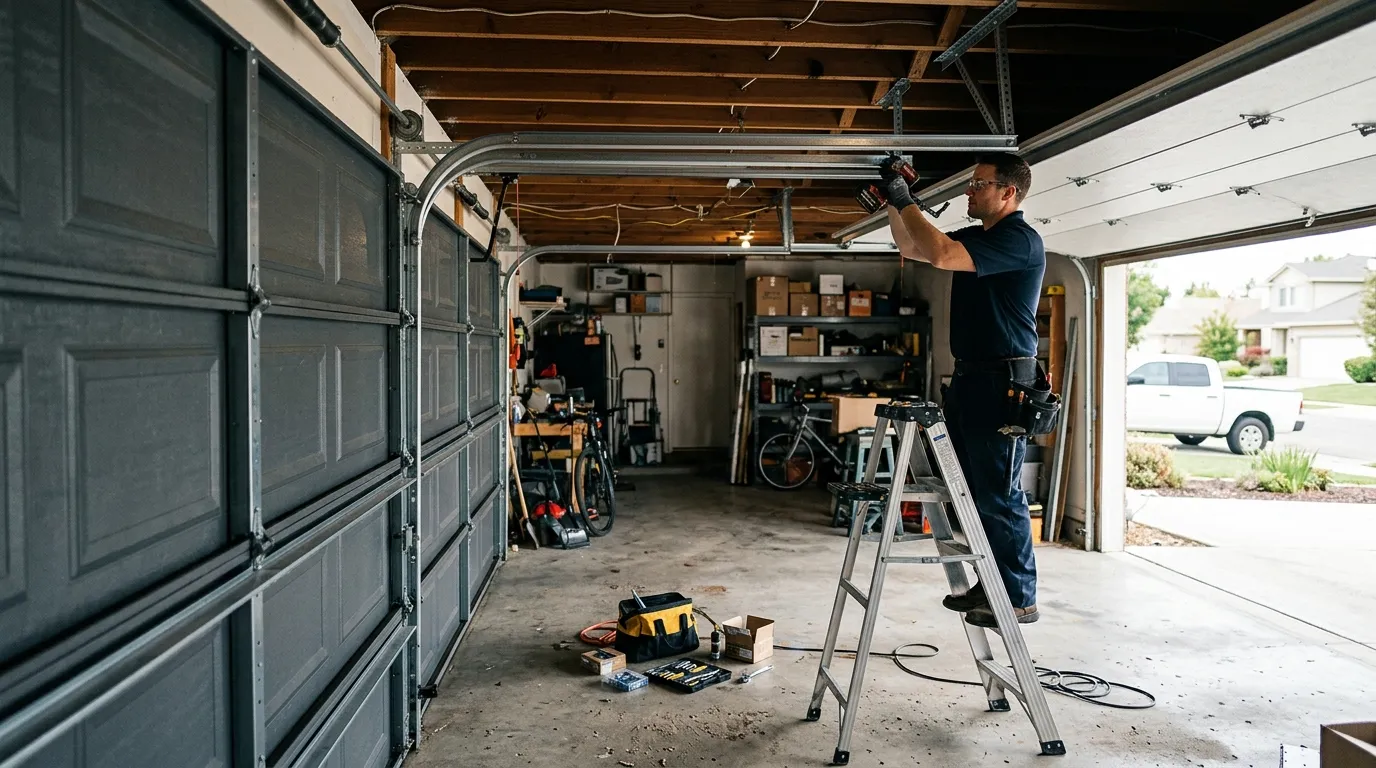
Most of what we do in Northeast is spring replacement on doors that match that 1980s-90s build window, plus opener swaps where the original chain-drive unit has outlived its gears. We also see rollers and cables that have gone stiff or frayed from repeated cold-to-warm cycling, which is a normal wear pattern in a severe cold climate and not usually a sign of a bad install. One honest limit: if a door's track or opening has shifted out of square with the house settling - common enough in homes pushing 40 to 70 years old - a straight repair won't hold, and replacing the section is the more honest recommendation even if it costs more up front. We don't stretch a patch job past the point it makes sense. Given the median household income across this service area sits around $101,450, most owners here are choosing full opener or door replacement over repeated patchwork once a door starts failing every season, and that's usually the right call.