The Doors Around Here
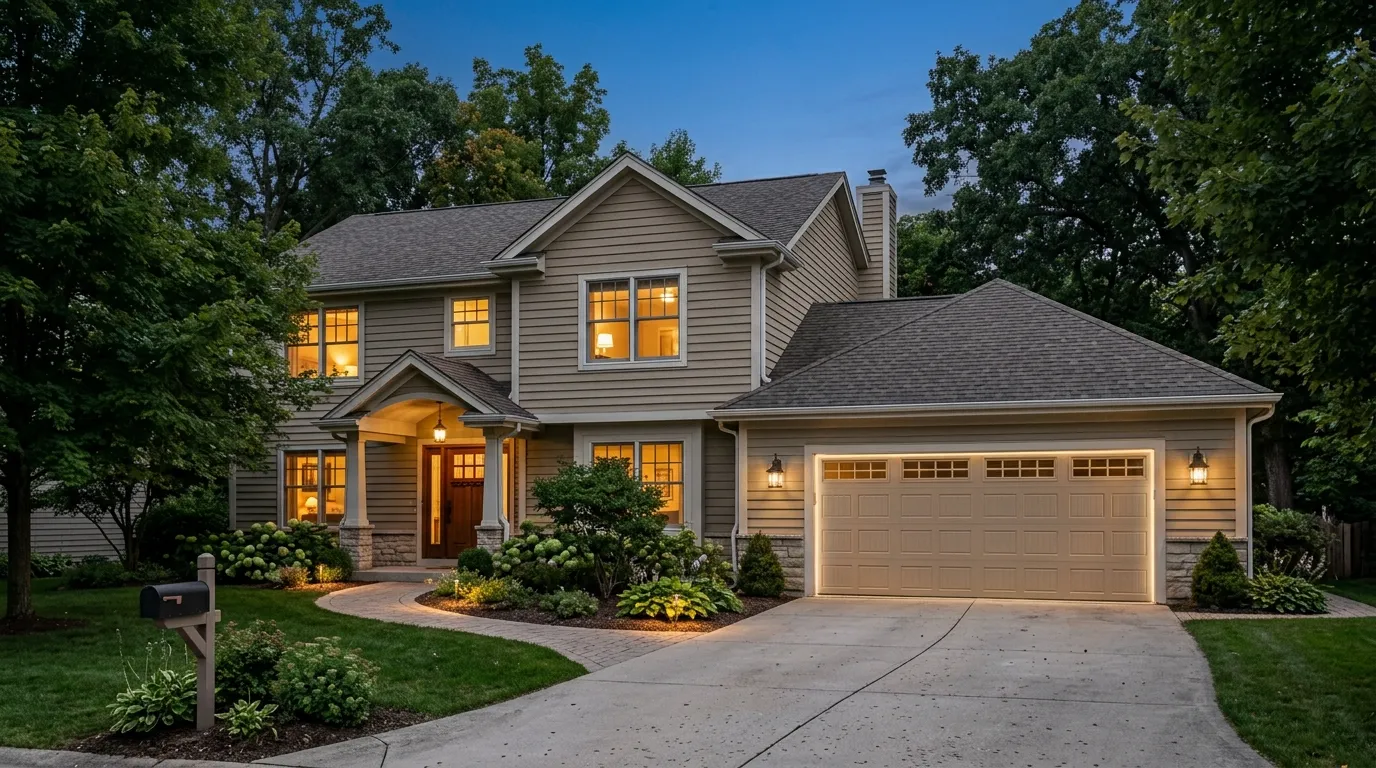
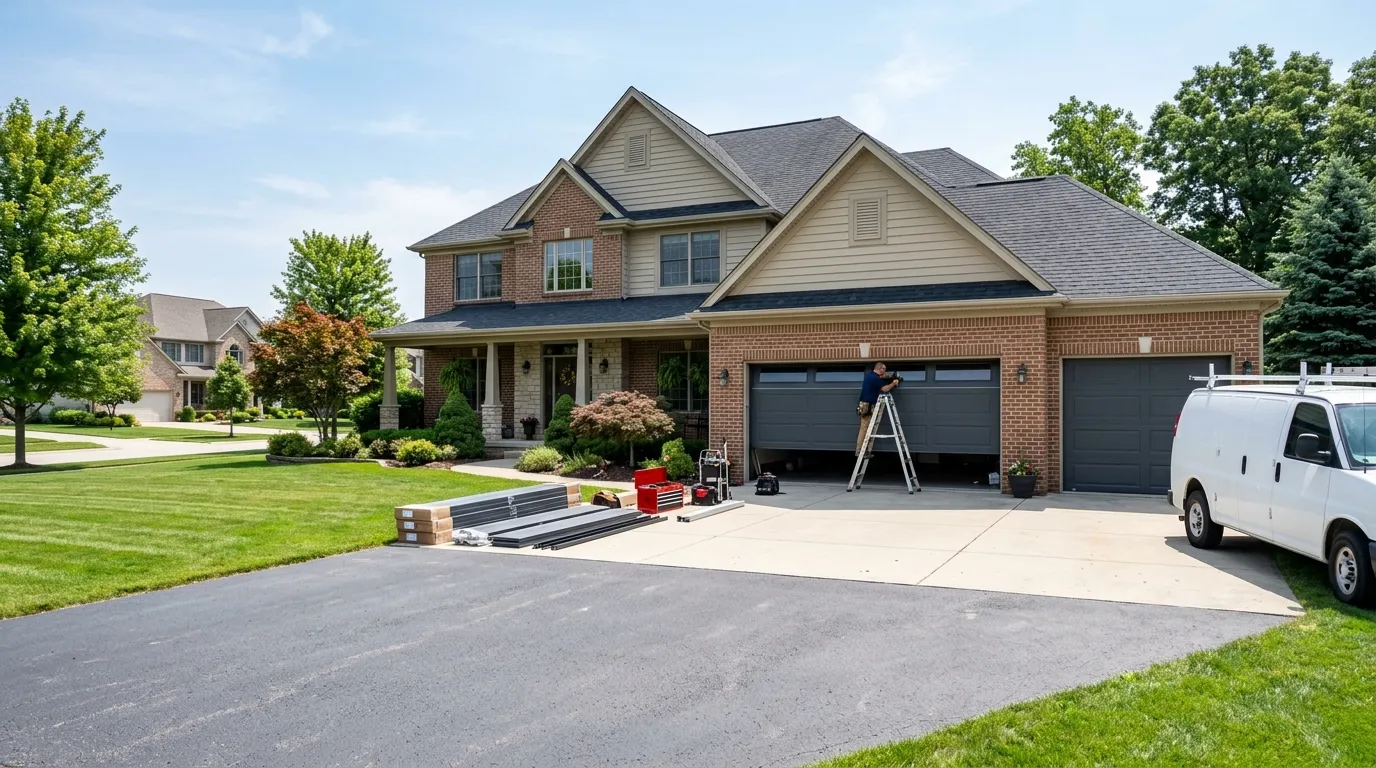
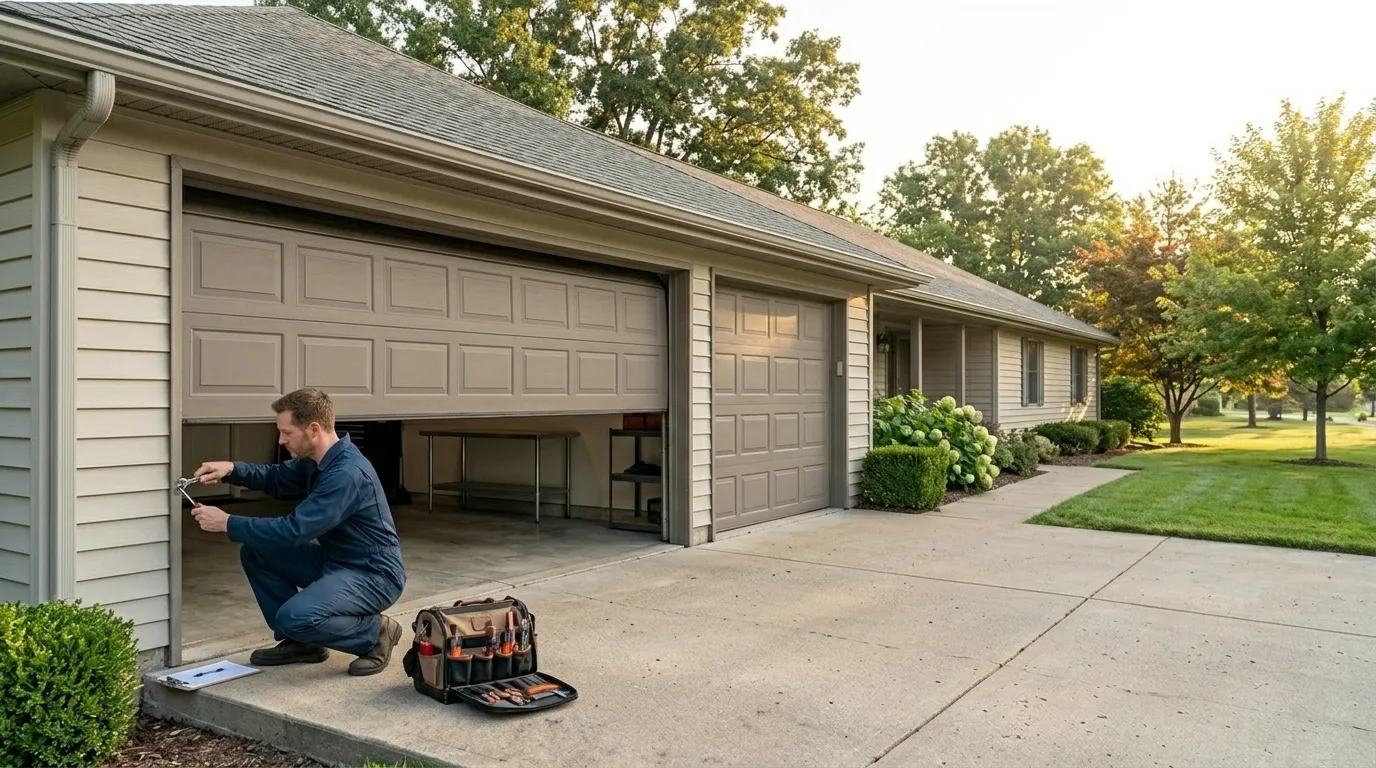
Across the service area, housing was built mainly between 1947 and 2006, with the median build year landing around 1981. Most of the stock across the 31 named areas we cover - including this one - is 1980s to 1990s construction. That's the era of steel sectional doors on extension or torsion springs, often with the first generation of chain-drive openers still bolted to the ceiling joist in some houses that never got upgraded.
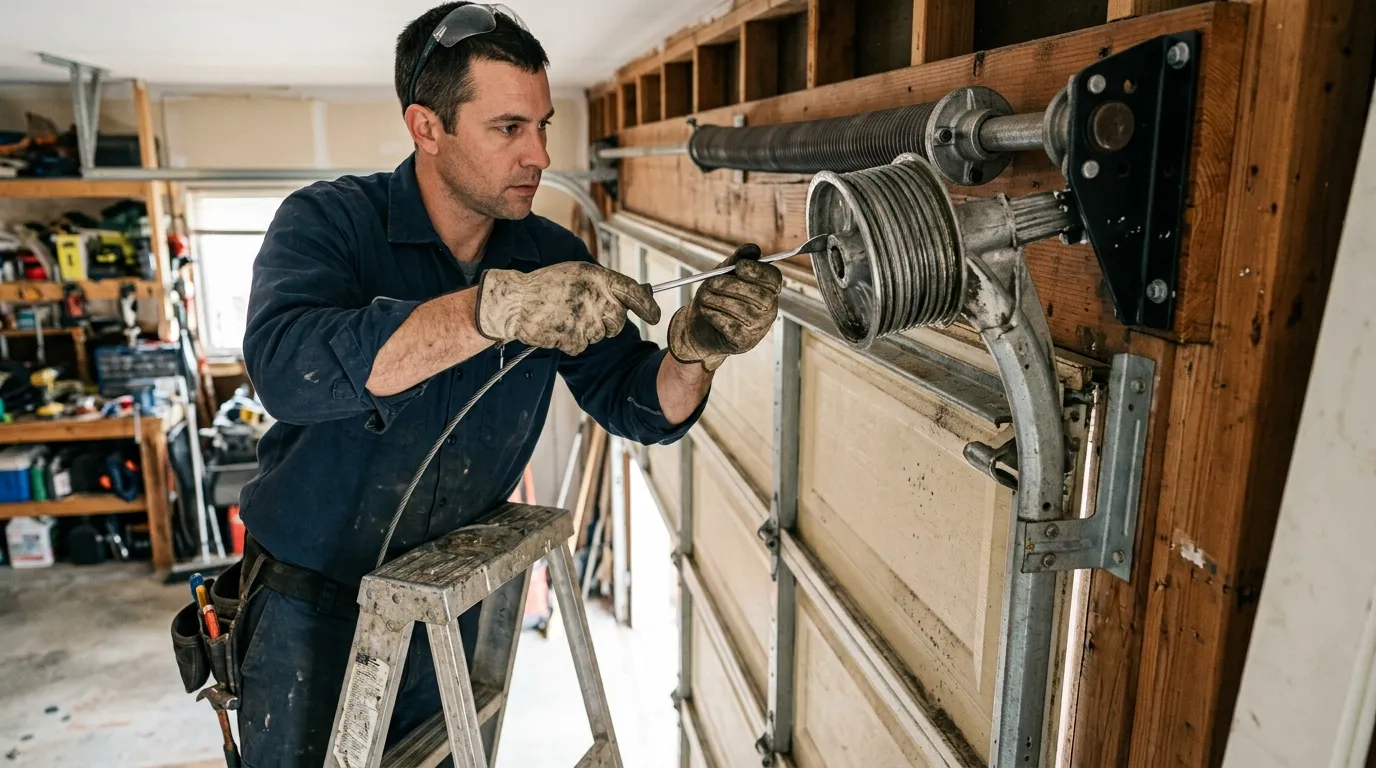
What that means practically: springs from that build window are past due, sometimes decades past. A torsion spring is rated in cycles, not years, and a door installed in 1985 has had a lot of open-close cycles by now regardless of how well it's been maintained. We also see original rollers that were never swapped, which is fine until they aren't.
The climate band here is cold and severe, which shortens the working life of lubricant, weatherstripping, and cheaper spring steel faster than a mild climate would. Cold mornings are when a marginal spring finally lets go - the metal contracts, tension shifts, and a spring that was fine in August snaps in January.
Typical Work
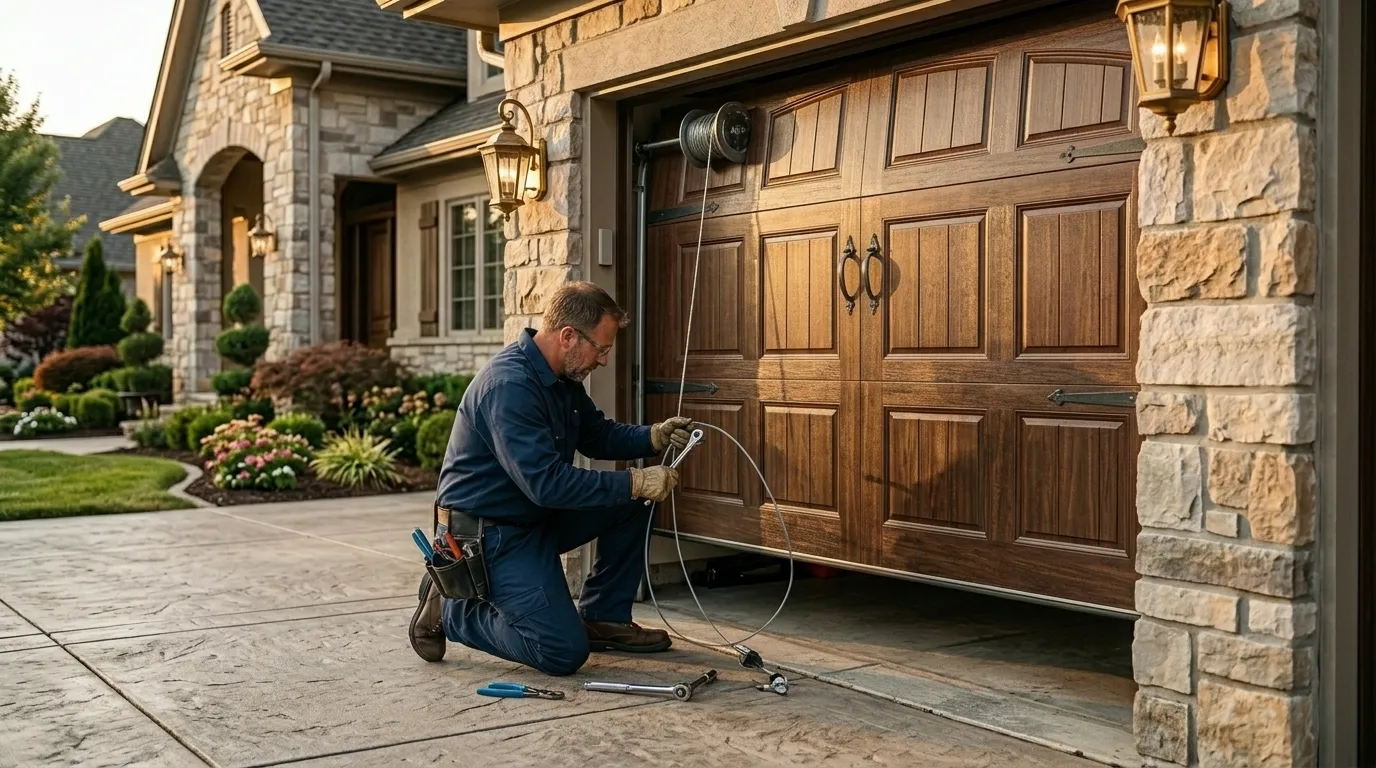
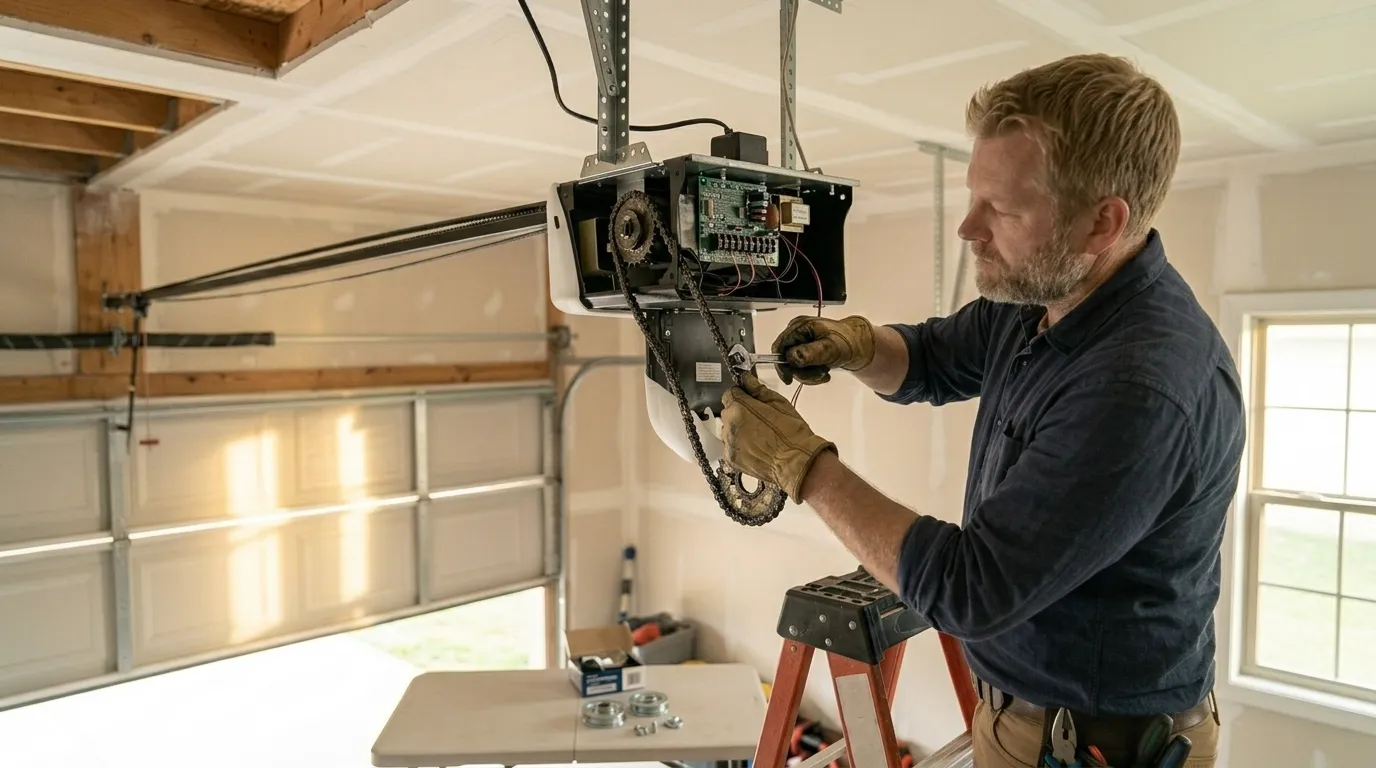
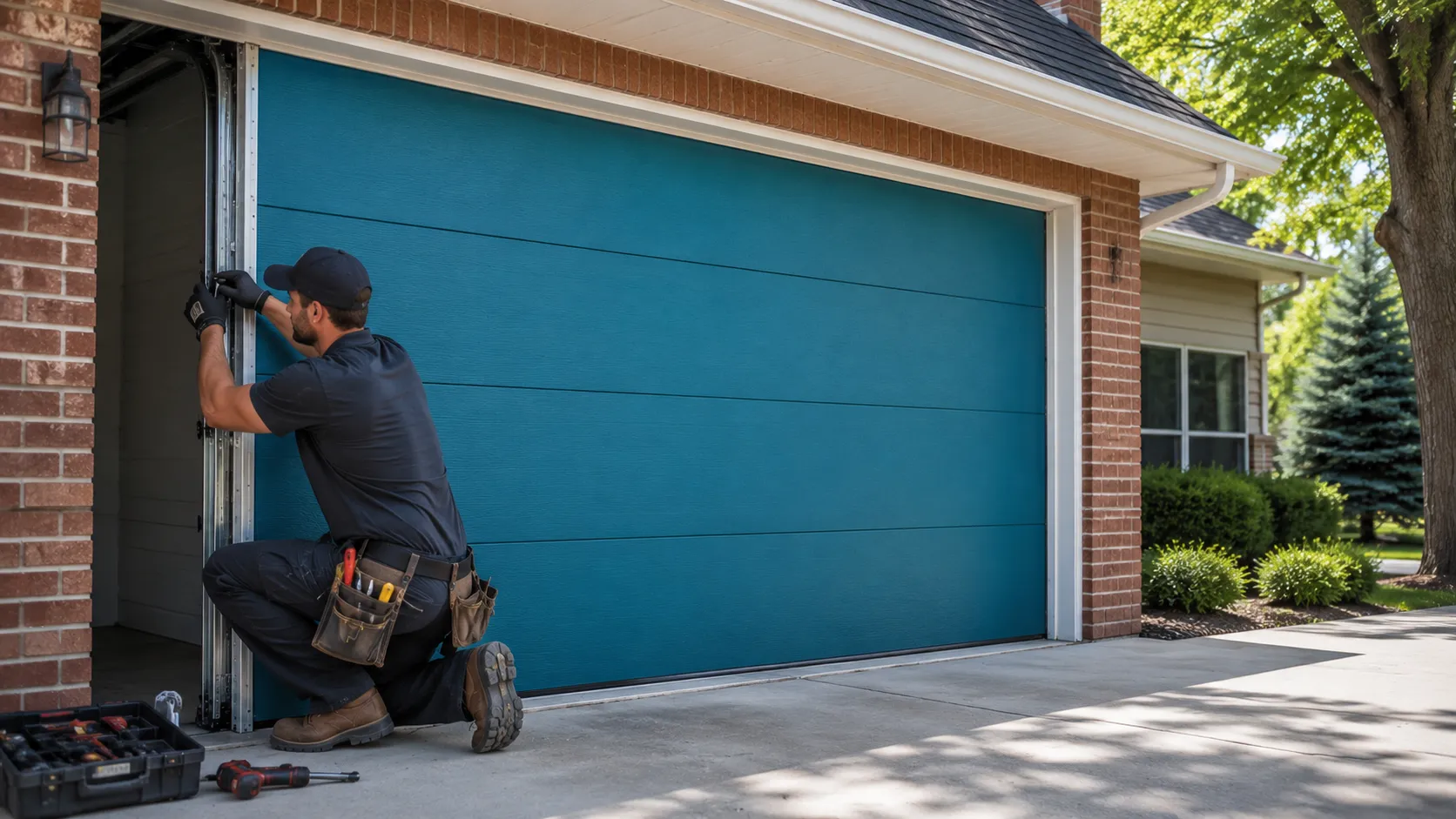
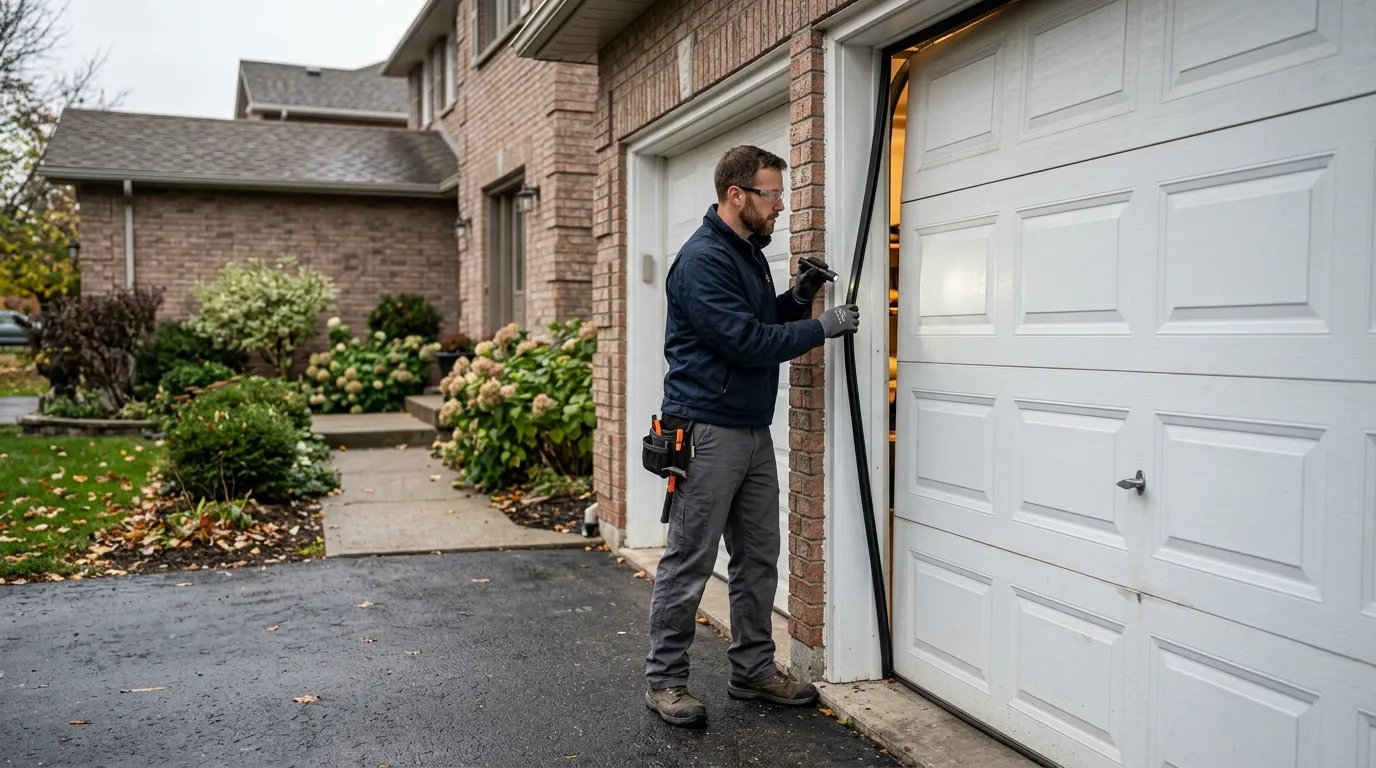
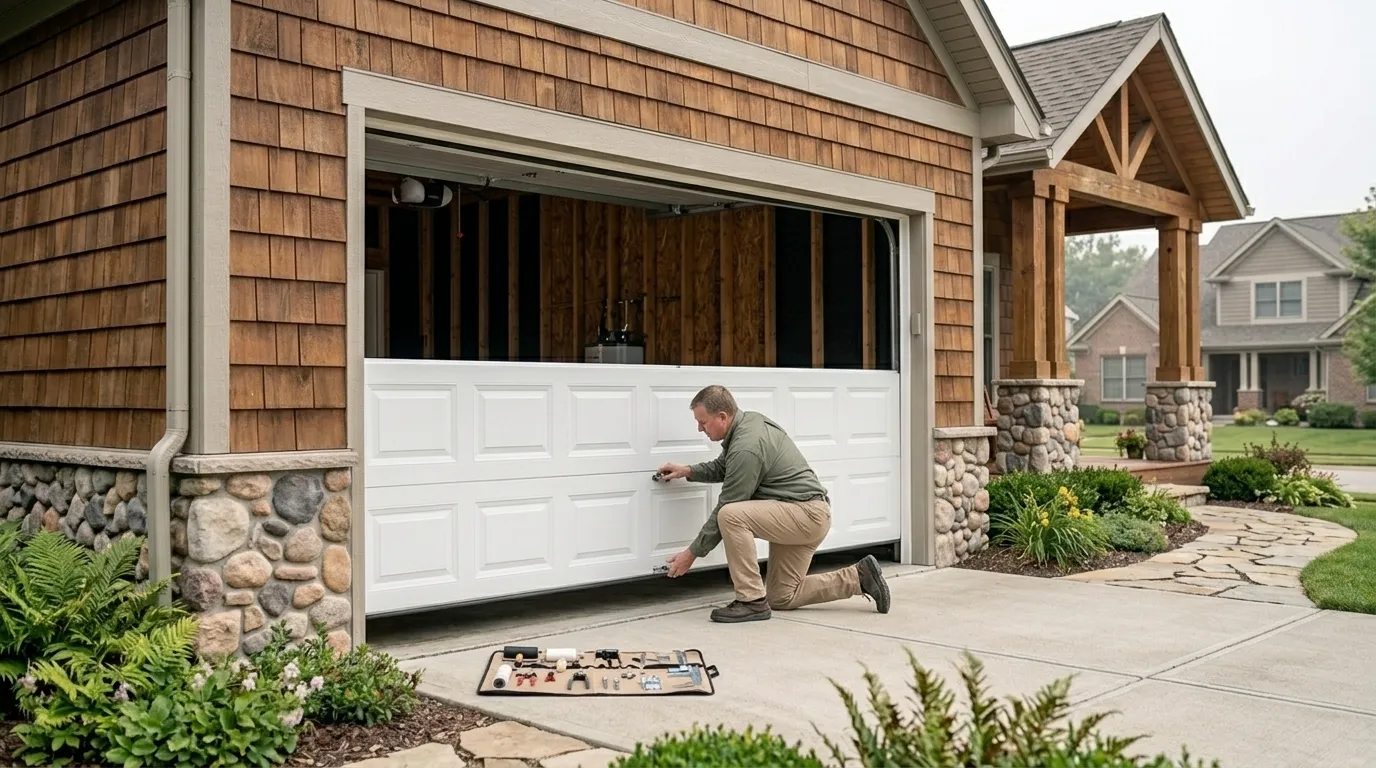
Most calls into this pocket of the city are spring replacement on doors from that 1980s-90s window, plus opener swaps where the original chain-drive unit has finally quit. We also see roller and cable replacement fairly often, since original hardware from a mid-century or 1980s build has usually never been touched.
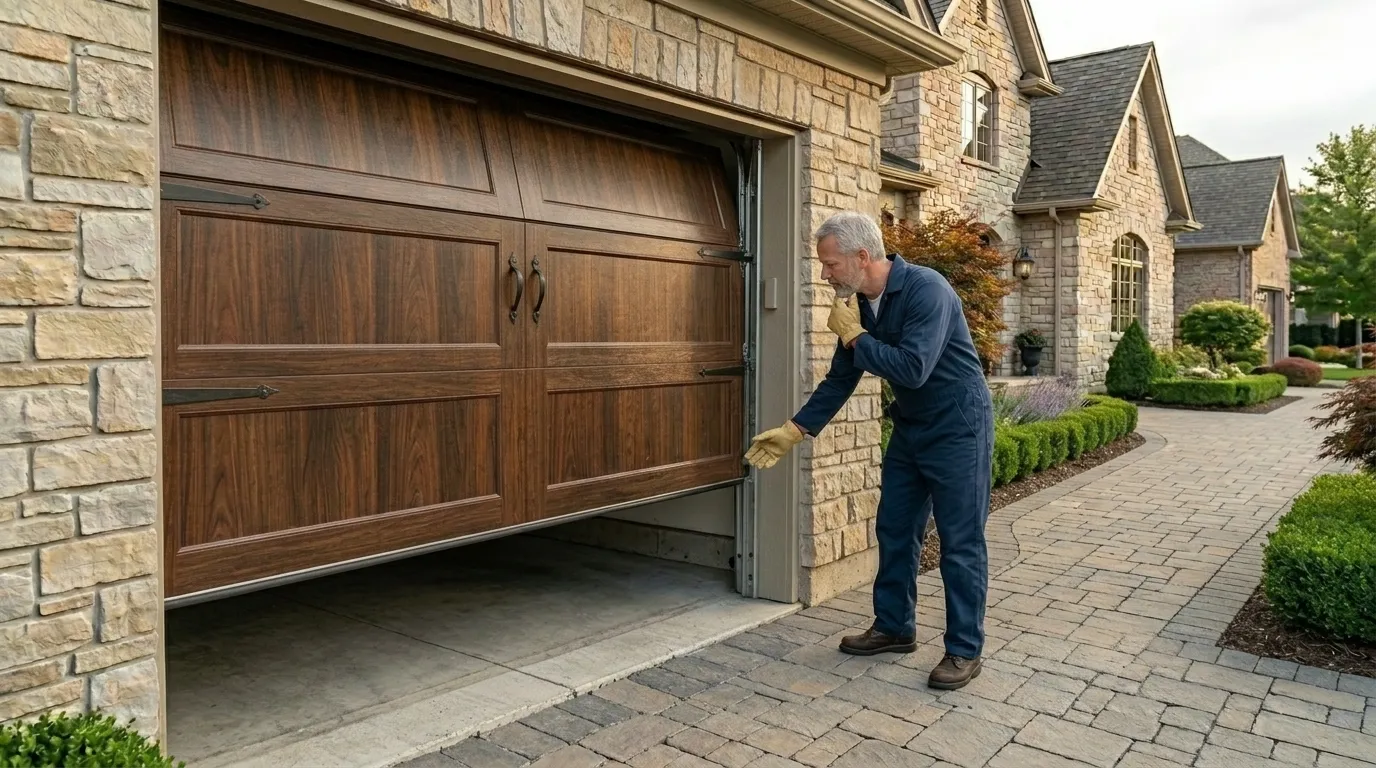
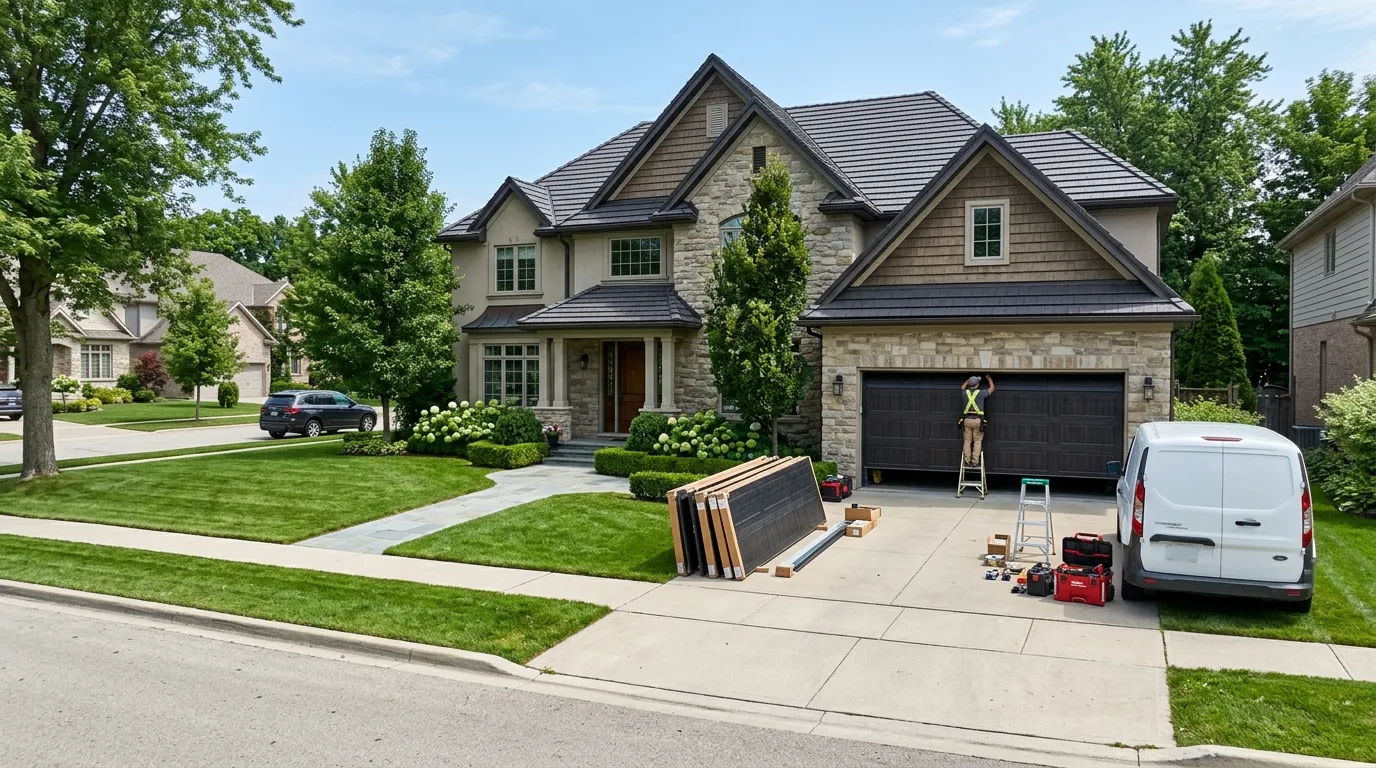
We don't do custom architectural doors or anything requiring a structural header change - that's outside what we run, and if a job needs it we'll tell you straight rather than take the call. For the standard steel sectional door on a house from this era, that's the bulk of the work, and it's usually a same-visit fix once we're on site.