Lochbuie homes mostly date to the 2000s, not the 1980s stock common across the Denver area. We travel from Denver for spring, opener, and track repairs built for newer hardware.
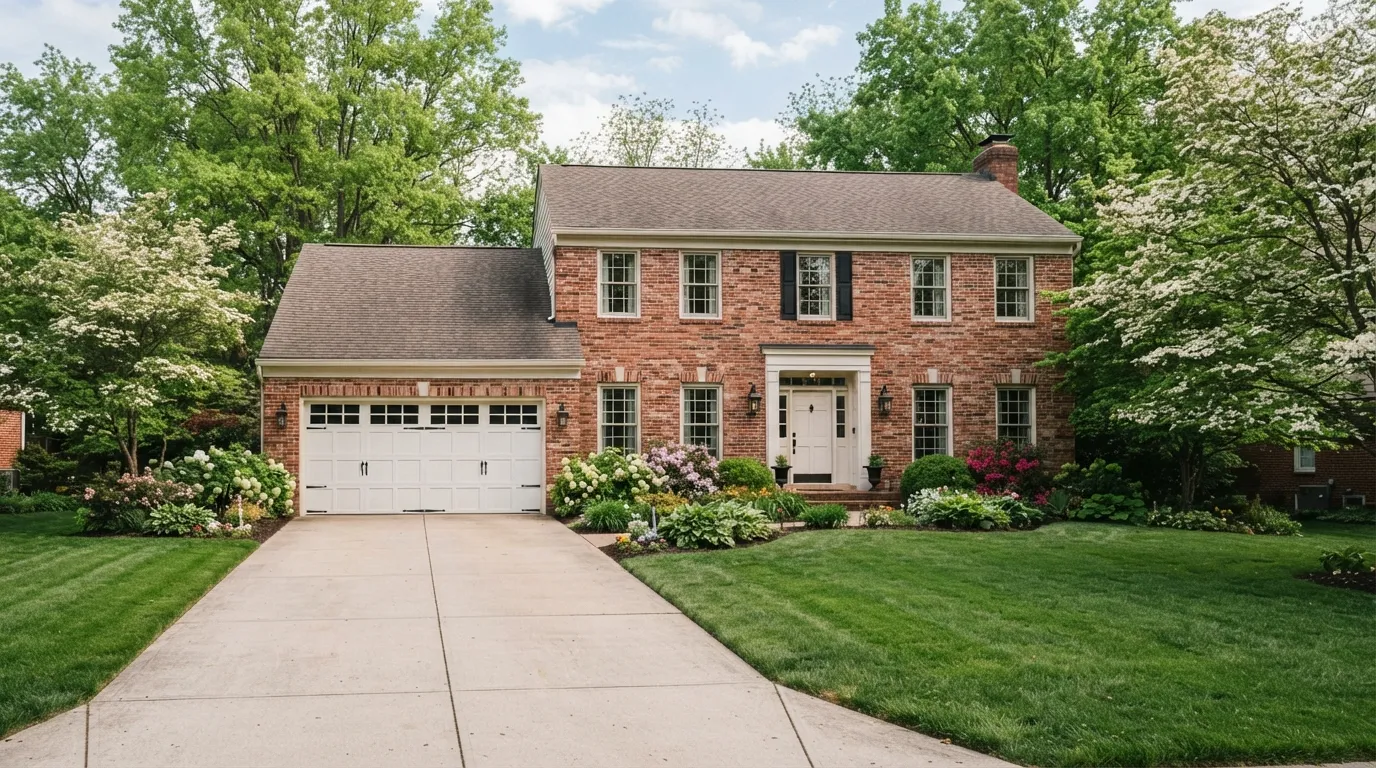
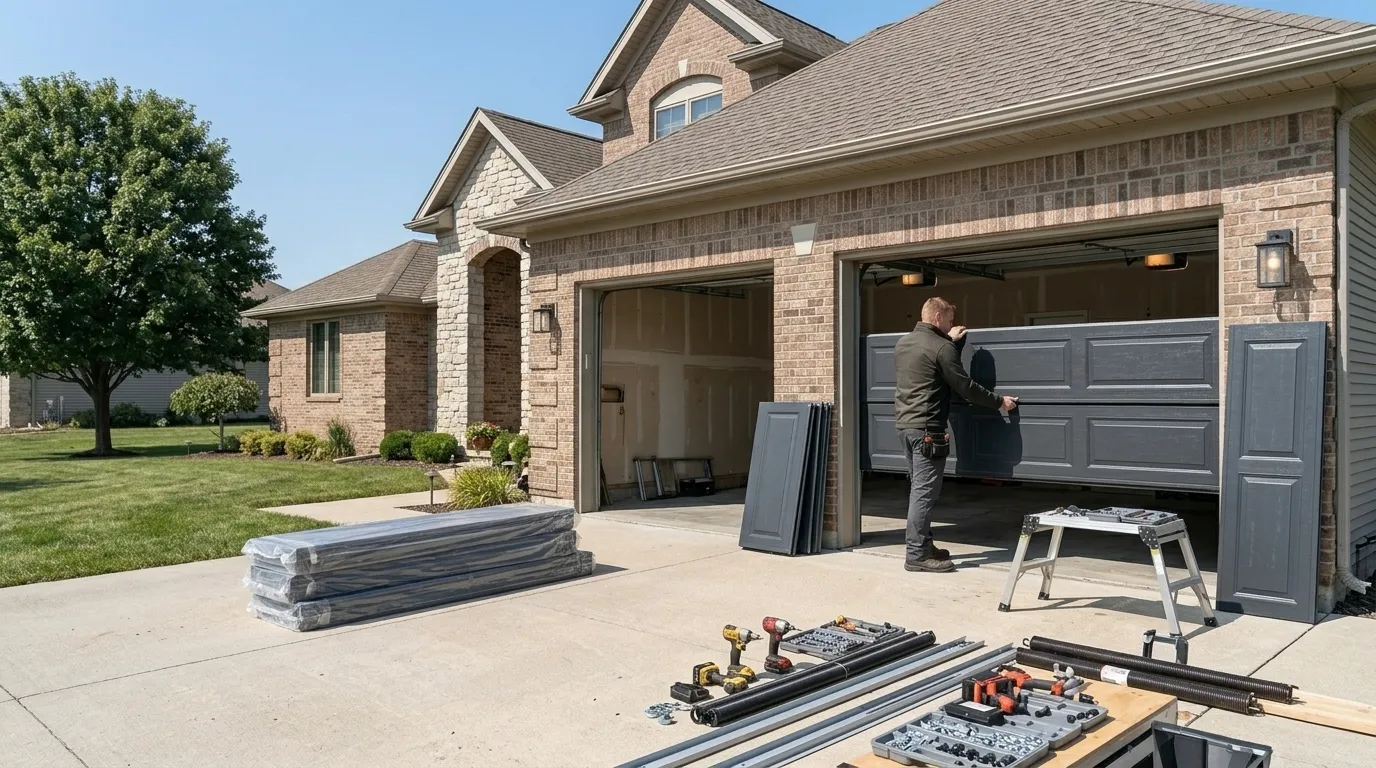
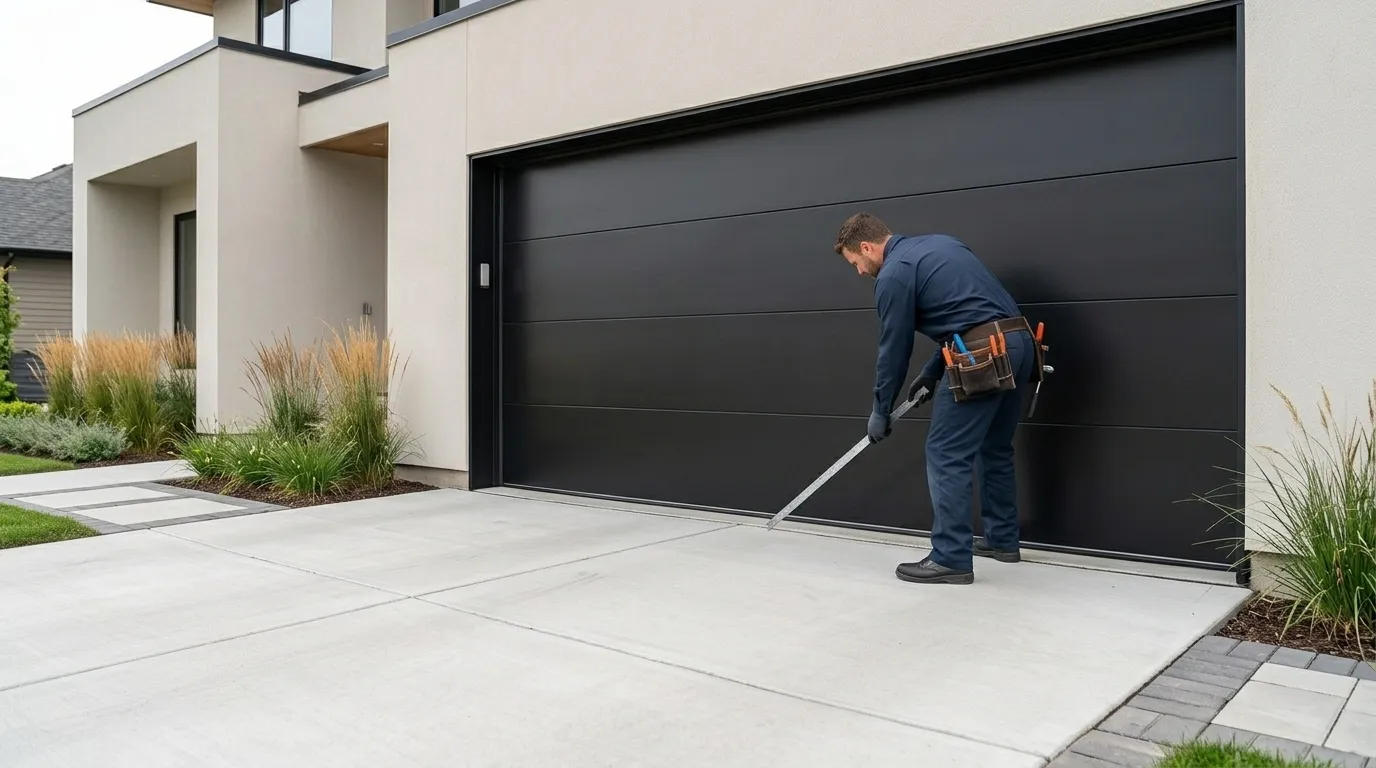
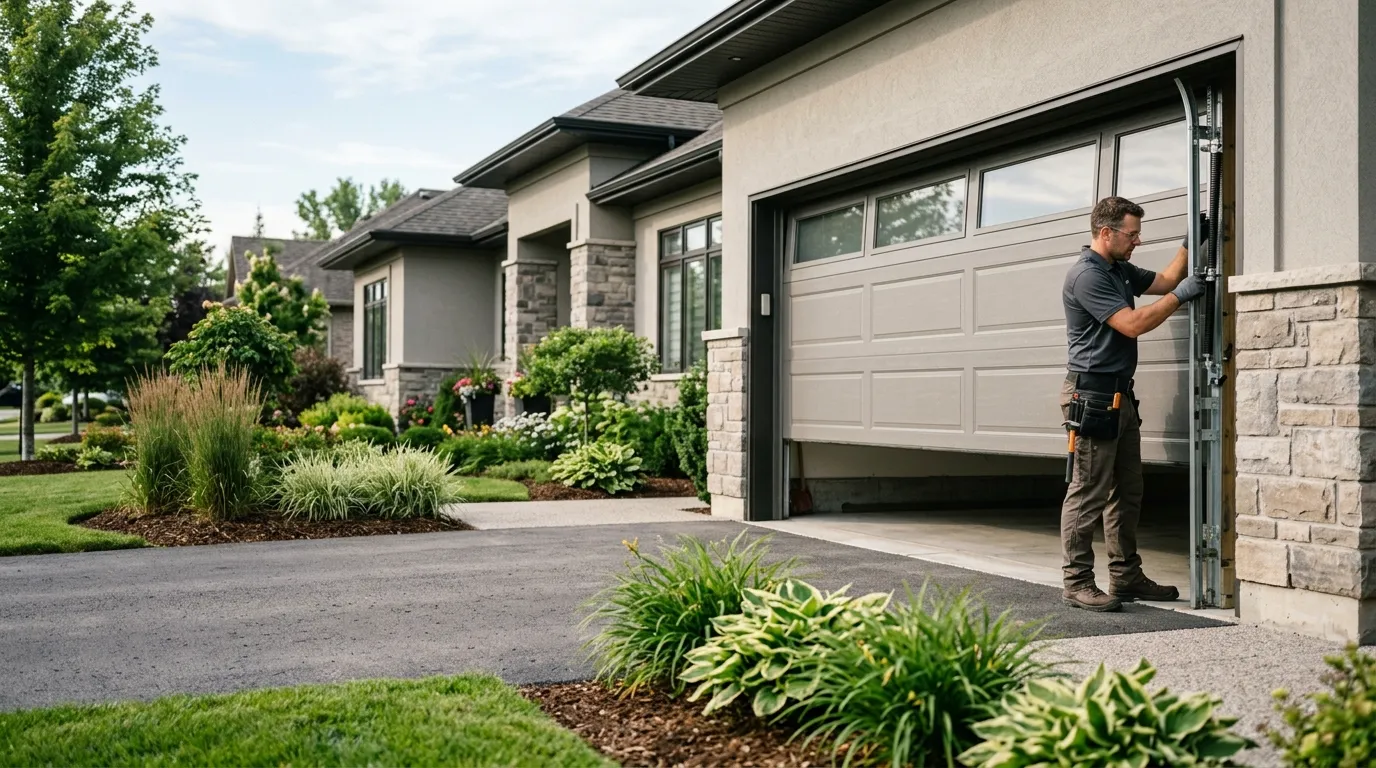
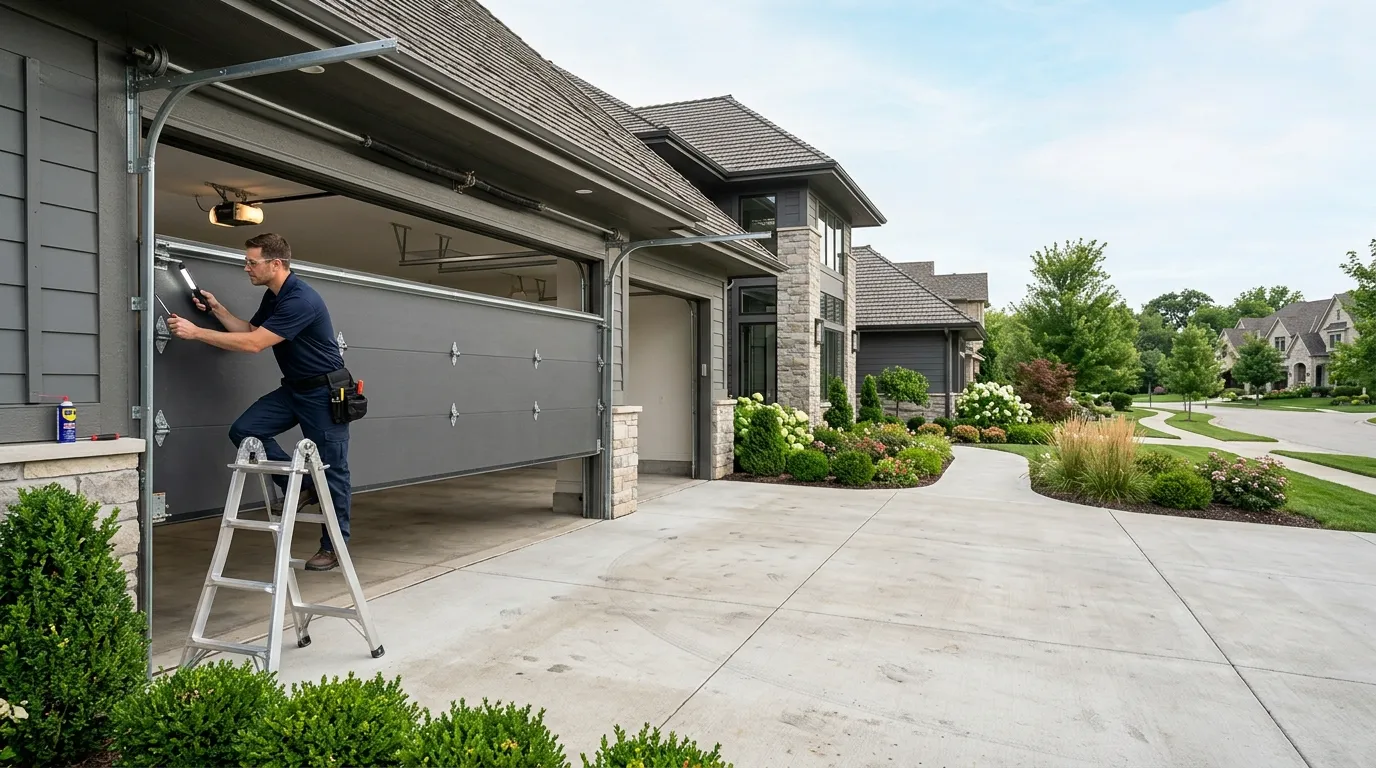
Lochbuie is one of the newer pockets we cover. Across the wider service area the median home dates to 1981, with construction spanning 1947 to 2006, but Lochbuie itself centers closer to 2005. That's two decades younger than the typical house we work on elsewhere in the territory. With 2,952 households here, it's also a smaller, tighter market than the 219,760-household service area as a whole, and the median household income of $88,548 runs below the broader area's $101,450. None of that changes how we price a job, but it does change what shows up on the truck. Newer subdivisions like this one were built to a more current code cycle, with steel sectional doors and factory-set torsion systems rather than the older hardware still common closer to Denver. When a call comes in from Lochbuie, we're not guessing at a 1970s door with mismatched replacement parts bolted on over the years. We're expecting standard track widths, factory torsion springs sized to the door weight, and openers that are still within their expected service life rather than well past it.
How That Shows Up in the Door
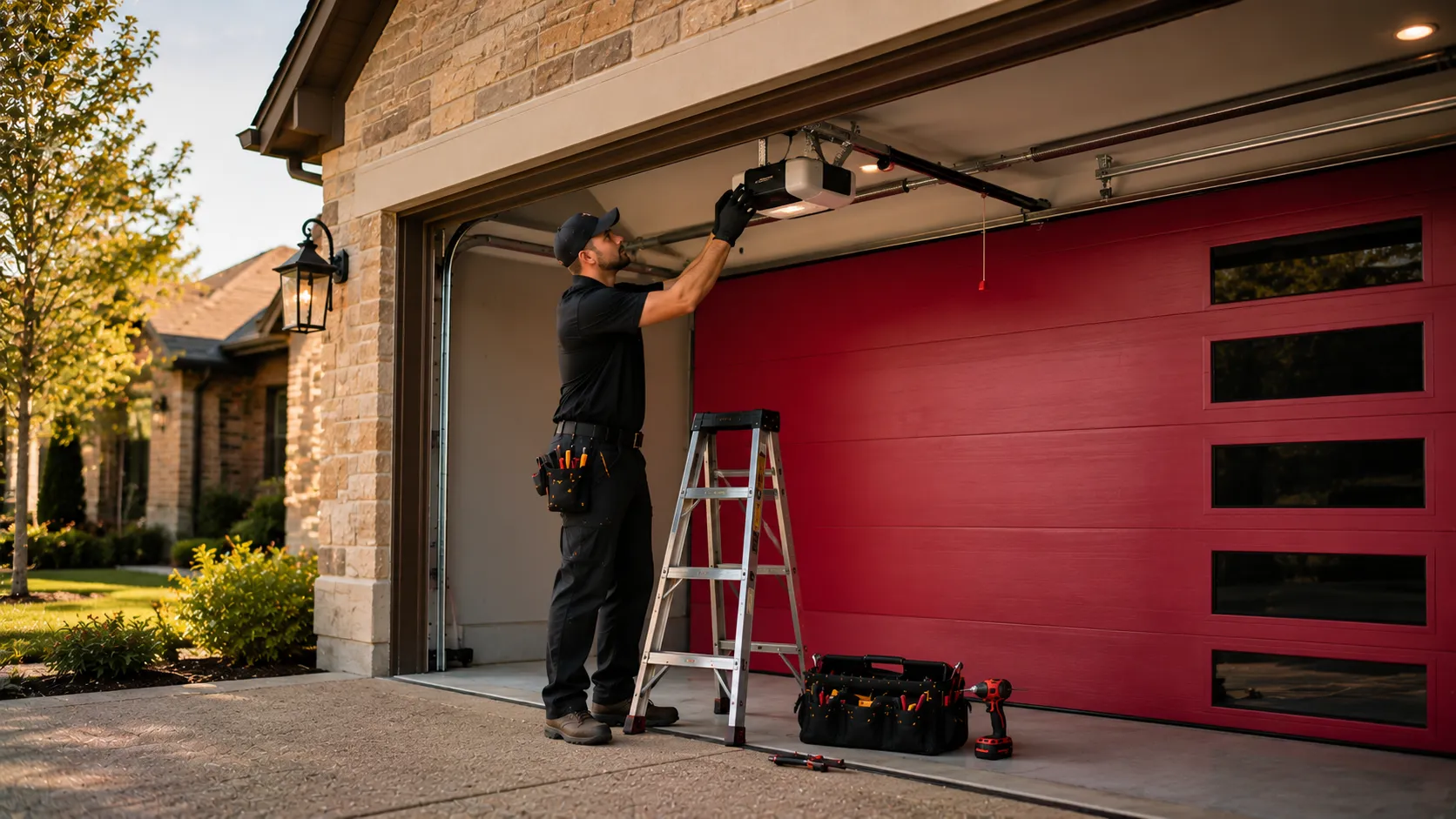
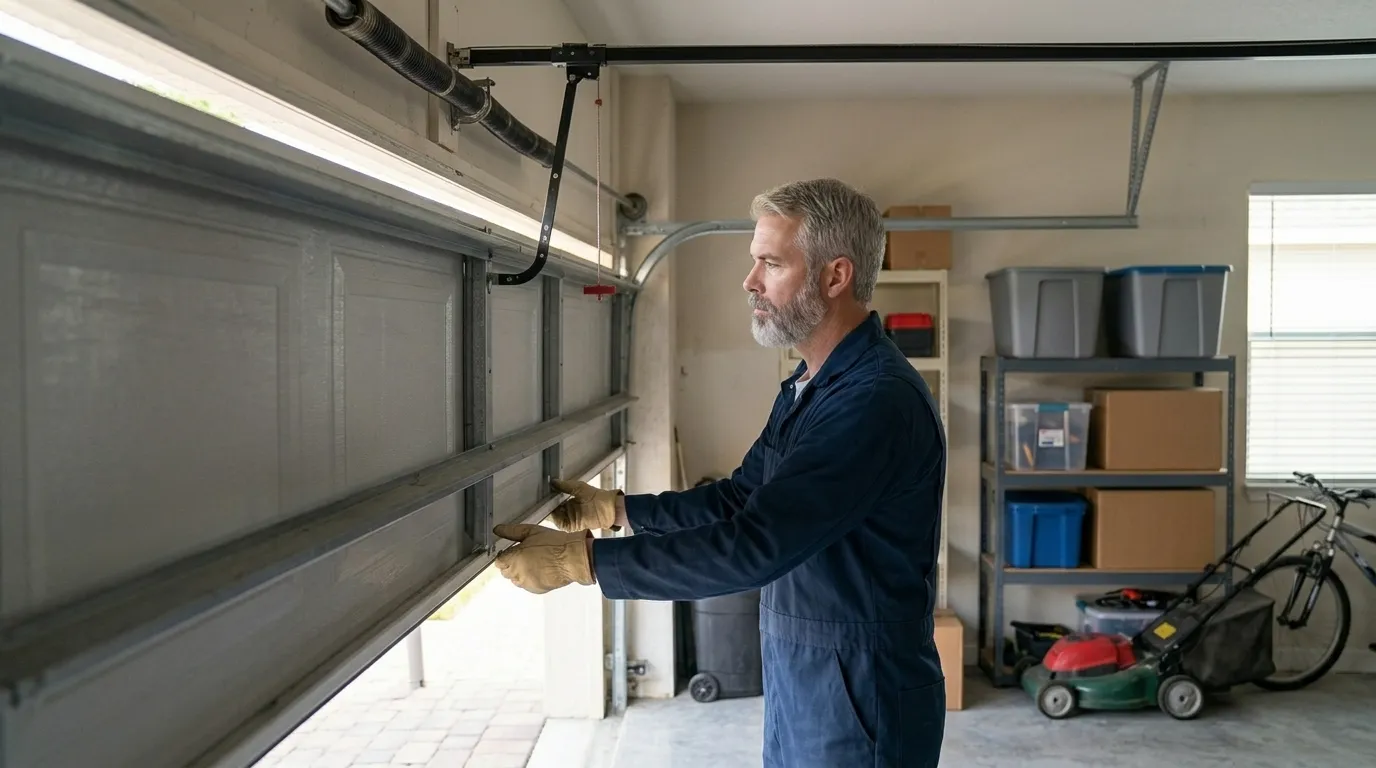
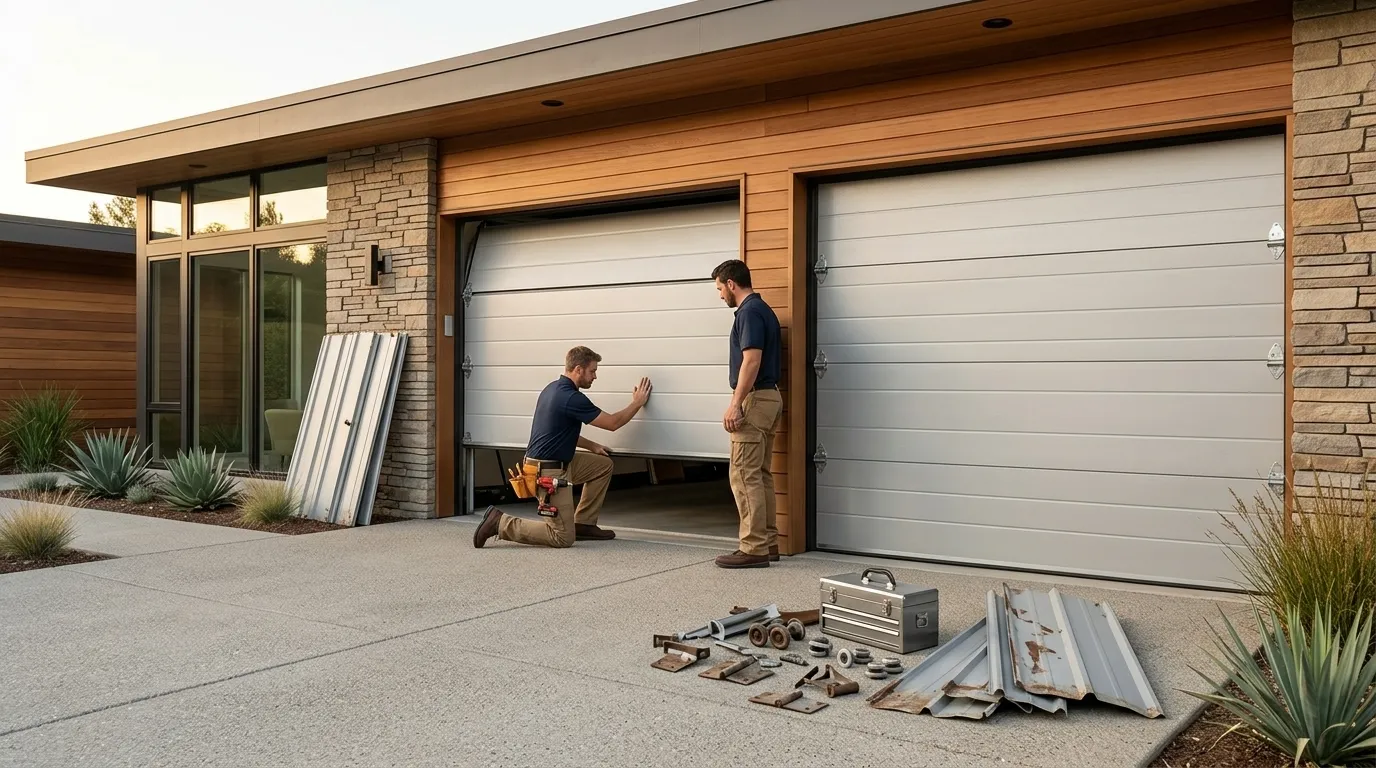
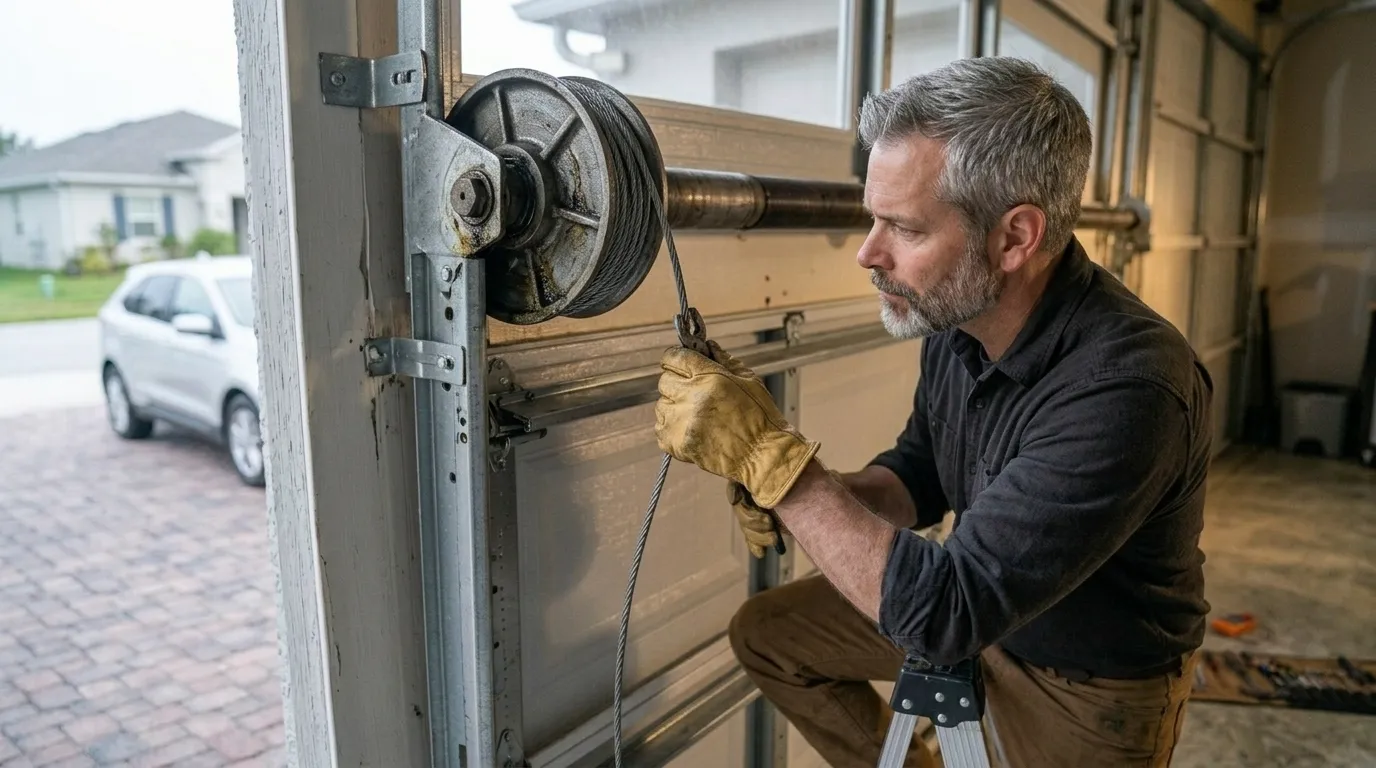
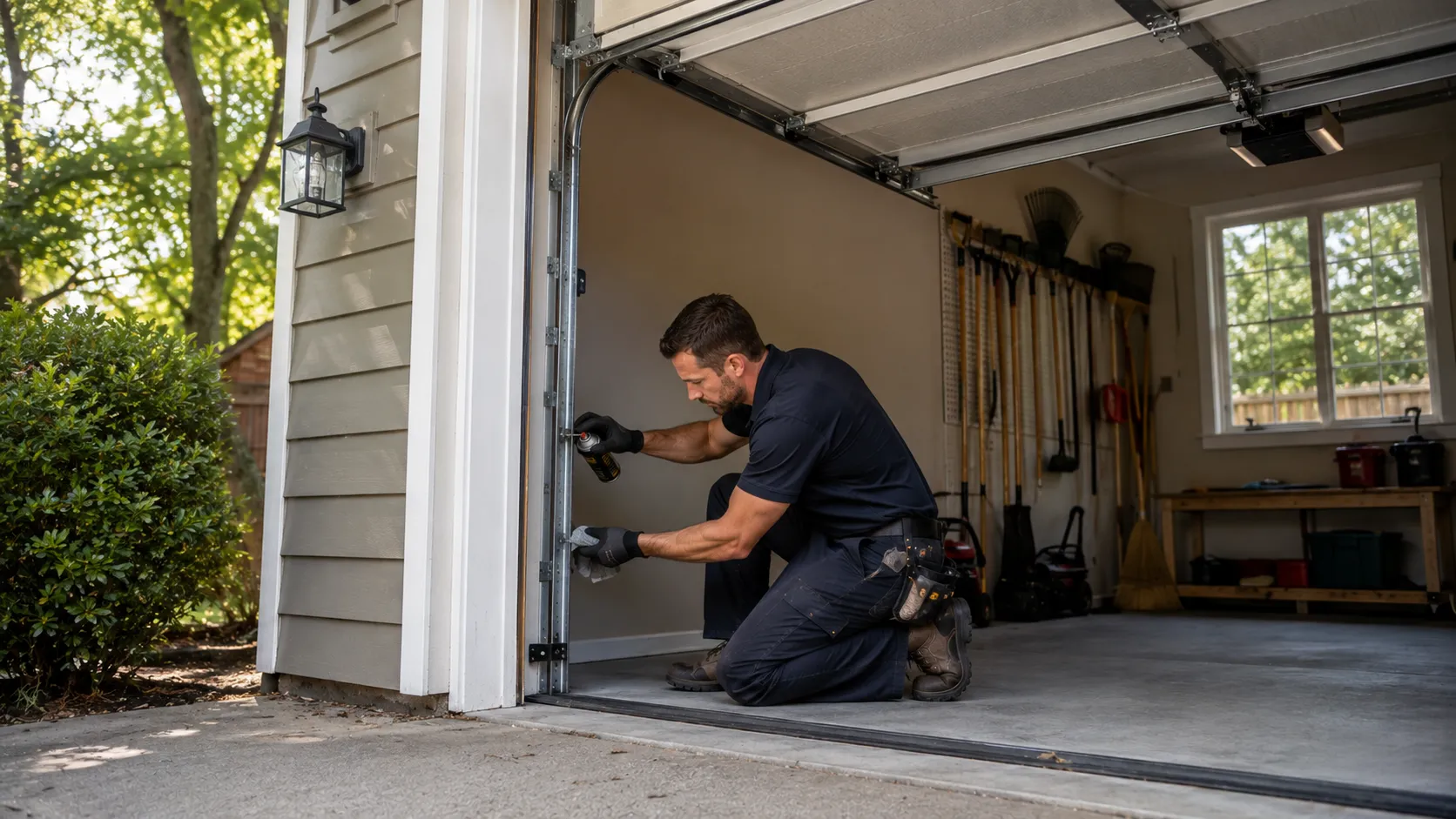
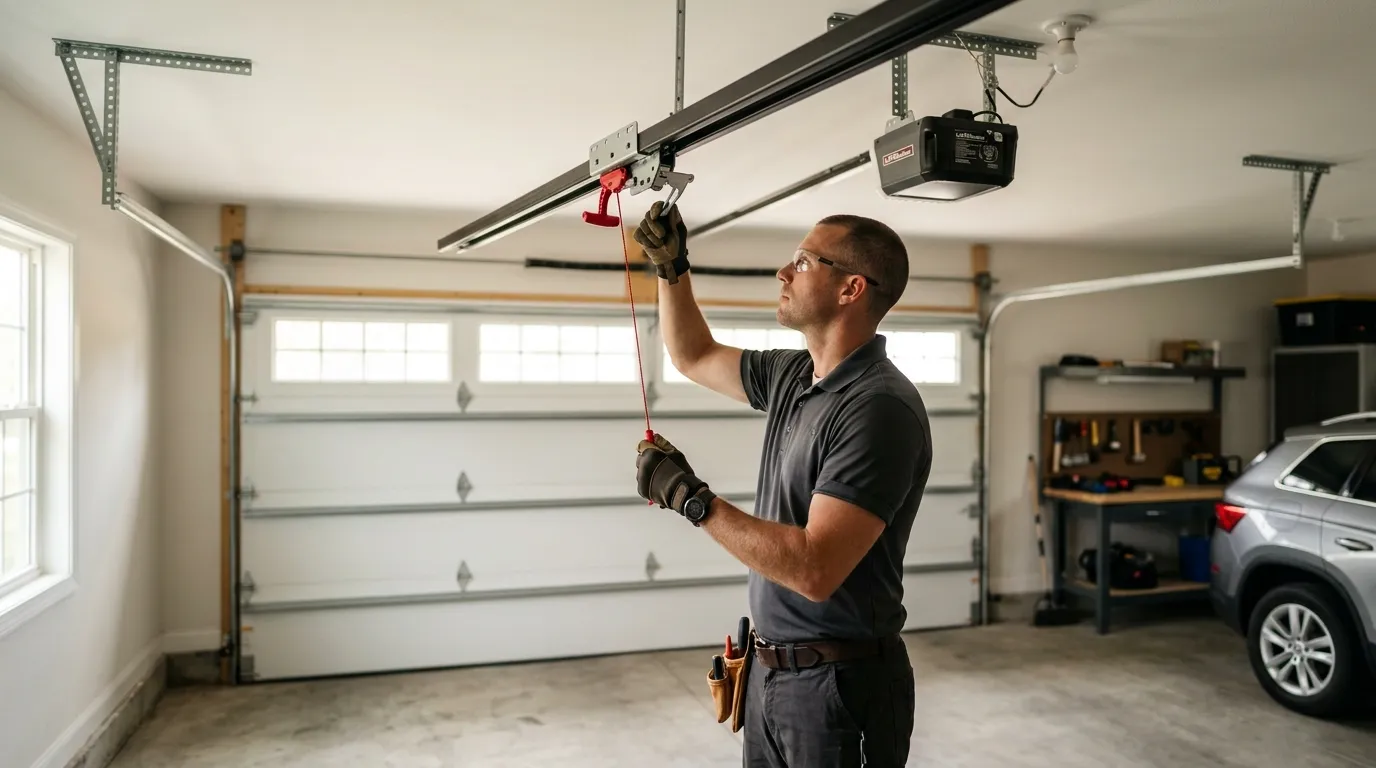
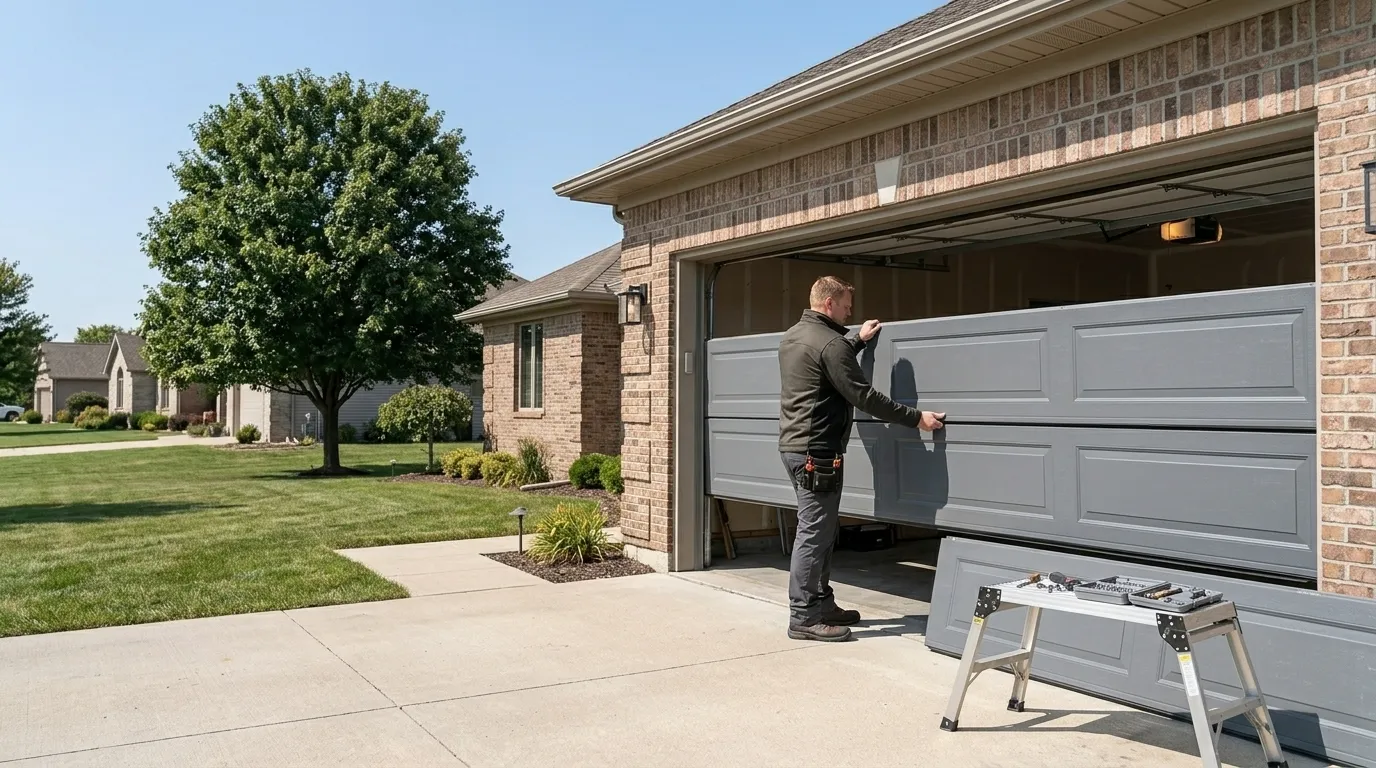
A 2005-era door in Lochbuie is still going to need spring replacement eventually - torsion springs wear out on a cycle count, not a calendar, and a well-used door hits that count regardless of build year. But the failure looks different than what we see on older stock. Newer doors here are more likely to have safety cables threaded correctly, more likely to have a photo-eye system that was actually up to code when it went in, and less likely to have a mismatched panel from a previous owner's repair. What we watch for instead is opener electronics reaching the end of their run, worn nylon rollers on doors that have had ten to fifteen winters of cold-weather cycling, and weatherstripping that's hardened and cracked from severe cold. The climate here runs cold and severe enough that rubber seals and lubricant both suffer, and that's true whether the door is from 1985 or 2005. One honest limitation: if a panel is dented or a track is bent out of true, we're not going to force a fix that won't hold - on some jobs a section replacement or a new door is the straighter path than patching hardware that's fighting you.
Getting Here
We run this call from Denver, about 19 miles out to Lochbuie. There's no depot or standing crew based in town - we travel in for the job, same as we do for the other communities on this side of the metro. Lochbuie sits well out past the closer-in stops on our route, past places like Todd Creek and Northglenn, so a Lochbuie call is one of the longer drives we make. We mention that because it matters for scheduling: we're not around the corner, and we'd rather tell you that plainly than pretend otherwise.
Older vs Newer Streets
Because Lochbuie's build-out is concentrated around the mid-2000s rather than stretched across five decades like some of the areas closer to Denver, you won't find the same mix of hardware generations on one street that you'd see in an older neighborhood. Most houses here were framed within a few years of each other, so torsion spring sizing, track gauge, and opener mounting tend to be consistent block to block. That's a small advantage for us on a service call - less guessing about what we'll find before we open the panel. It also means the common failure point across town tends to be the same one: age-related wear on springs and rollers that are all approaching the same point in their service life around the same time, rather than a patchwork of eras. If your neighbor's spring went last winter, don't be surprised if yours is close behind.
How it works
From “it’s stuck” to “it’s fixed”
01
Tell us what’s wrong
Describe the symptom - won’t open, loud bang, opener runs but the door won’t move.
02
On-site diagnosis
A technician tests the door under power and by hand and finds what actually failed.
03
Clear, up-front plan
You get the fix that’s needed and what drives the cost - before any work starts.
04
Repaired & tested
The repair is done, the door is set true and tested, and the work area left clean.
Serving Denver, CO - tell us what your door’s doing and we’ll take it from there.
Are Lochbuie garage doors different from what you see closer to Denver?
Yes. Lochbuie's homes cluster around a 2005 build year, while the wider service area spans 1947 to 2006 with a median around 1981. That means Lochbuie doors are more likely to have factory torsion springs and steel sectional panels rather than the older hardware and patchwork repairs common in older neighborhoods.
Do you have a crew based in Lochbuie?
No. We work out of Denver and drive out to Lochbuie for each job, about 19 miles each way. There's no local depot here, so scheduling is built around that drive rather than an on-the-ground presence in town.
What's the most common repair call from Lochbuie?
Spring and roller wear tends to cluster together here because most homes were built within a few years of each other in the mid-2000s. When one torsion spring reaches the end of its cycle count, others on similar-age doors nearby aren't far behind.
Will cold weather affect a newer door the same way it affects an older one?
Cold affects rubber seals, lubricant, and metal fatigue regardless of the door's age. The severe cold climate here means weatherstripping hardens and springs lose some flexibility over time, even on a door built in the 2000s rather than the 1980s.
Ready to get your garage door sorted?
Tell us what it’s doing and where you are in Denver - we’ll take it from there.