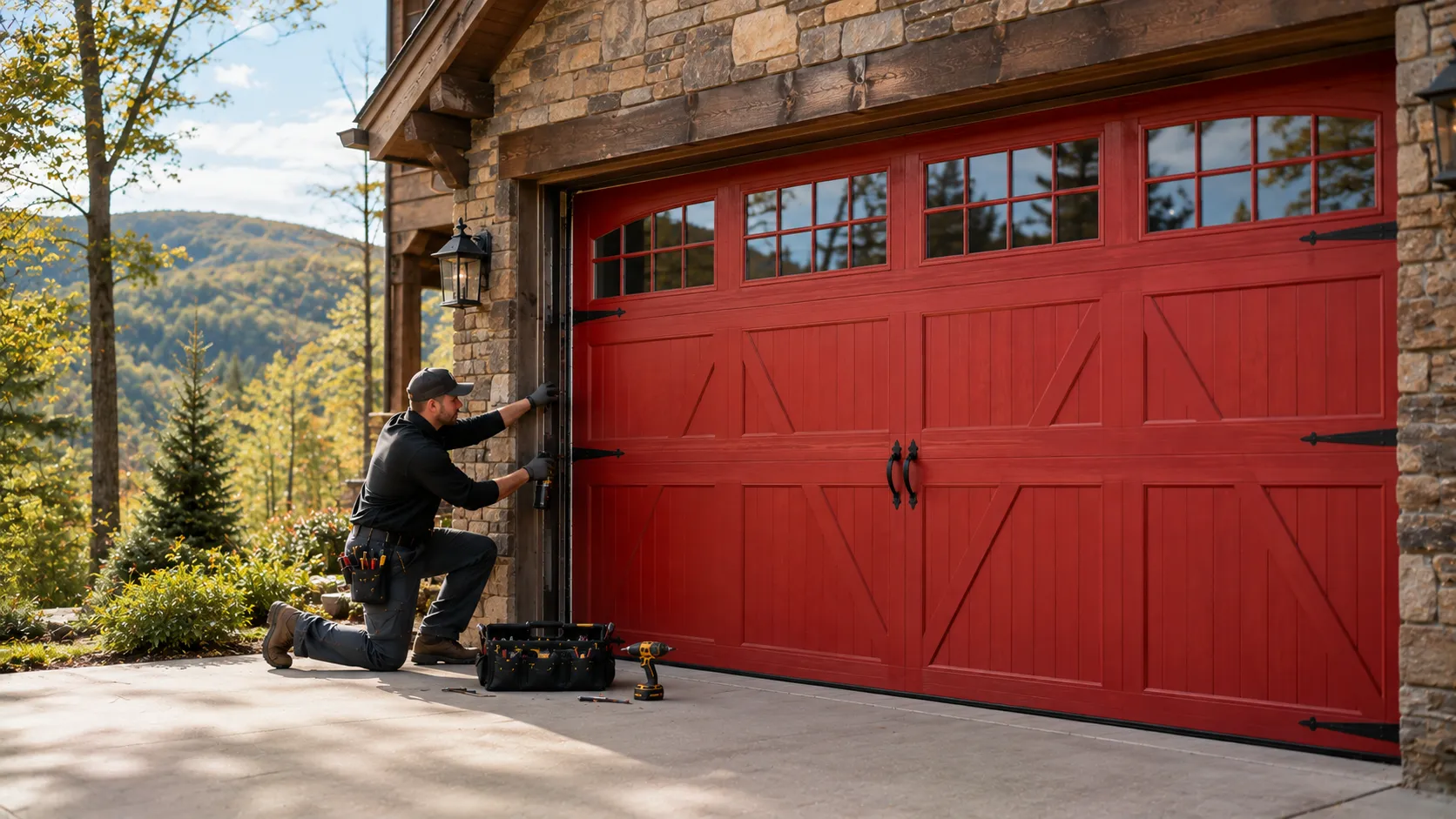
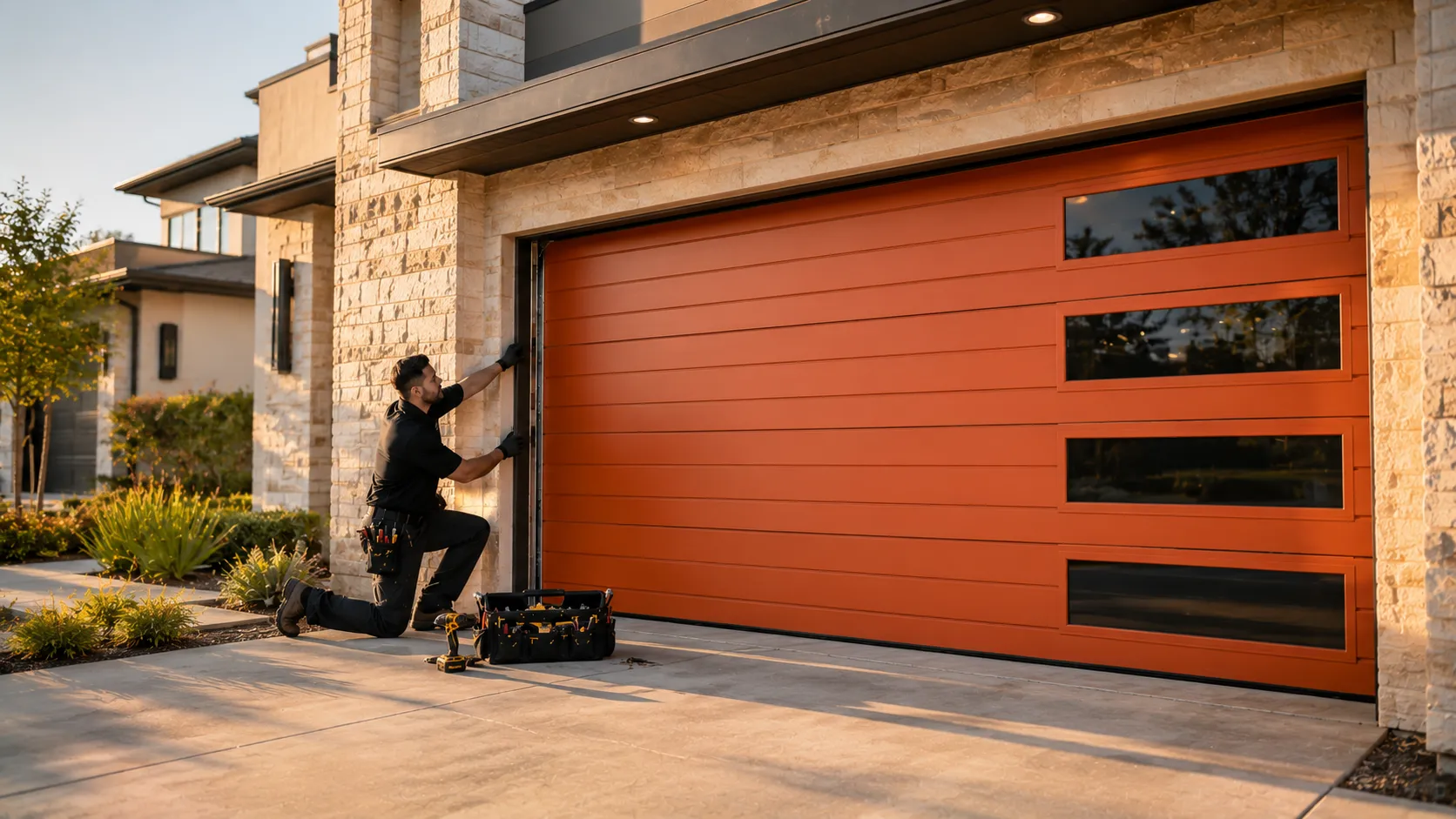
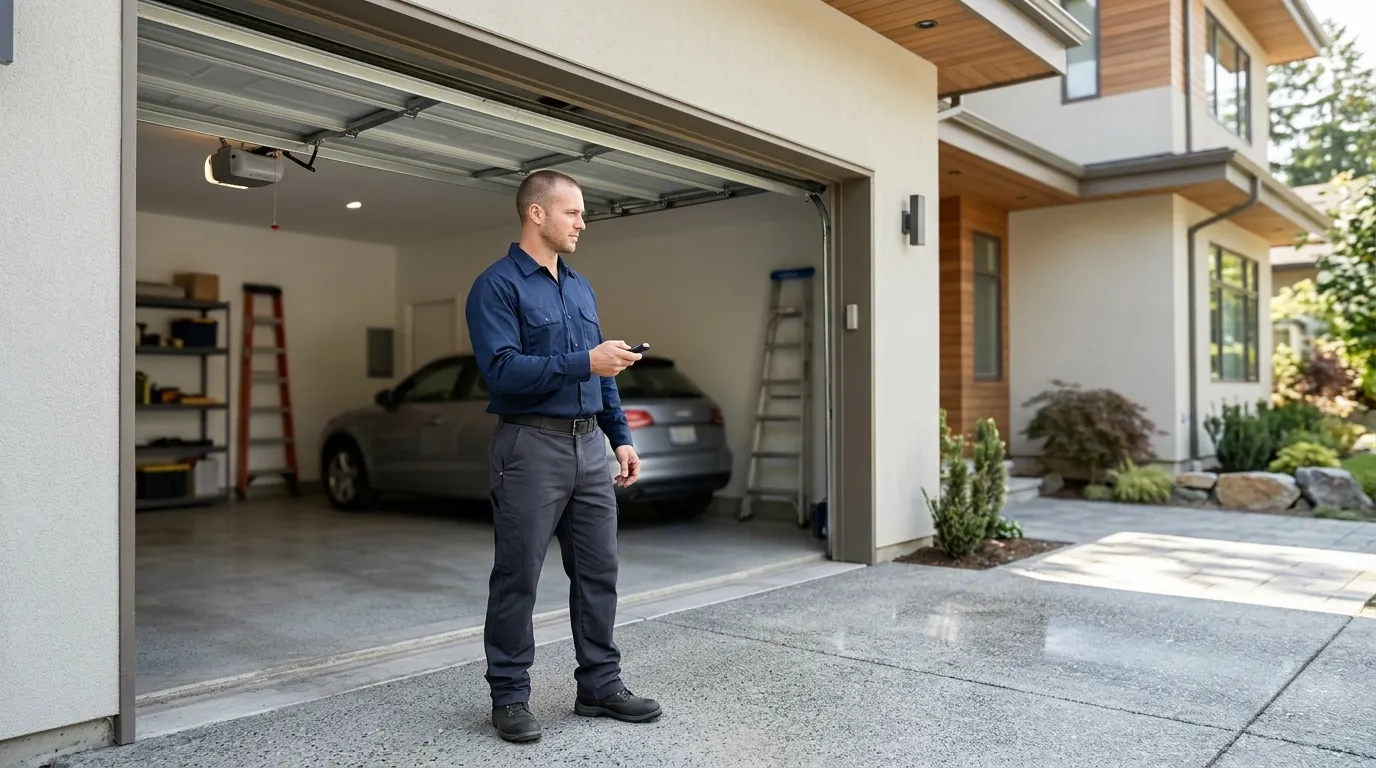
Go Denver Garage Door travels from Denver to Applewood, where most homes date to 1970 and original hardware is showing its age. Springs, openers, and panel work.
Applewood's housing stock centers on 1970, which puts it ahead of the broader service area's median of 1981 and well past the earliest homes in this region, which date back to 1947. A house built around 1970 was framed before steel-and-insulation sectional doors became standard, and long before openers carried rolling-code safety electronics. That gap matters more here than in newer pockets of the service area, where doors and openers were installed decades later on different hardware standards. If your house in Applewood still has its original door, you're looking at equipment that predates most of the safety reversal mechanisms homeowners now expect as baseline. This isn't a knock on the neighborhood - it's just what 1970 construction means for the door bolted to the house.
How That Shows Up in the Door
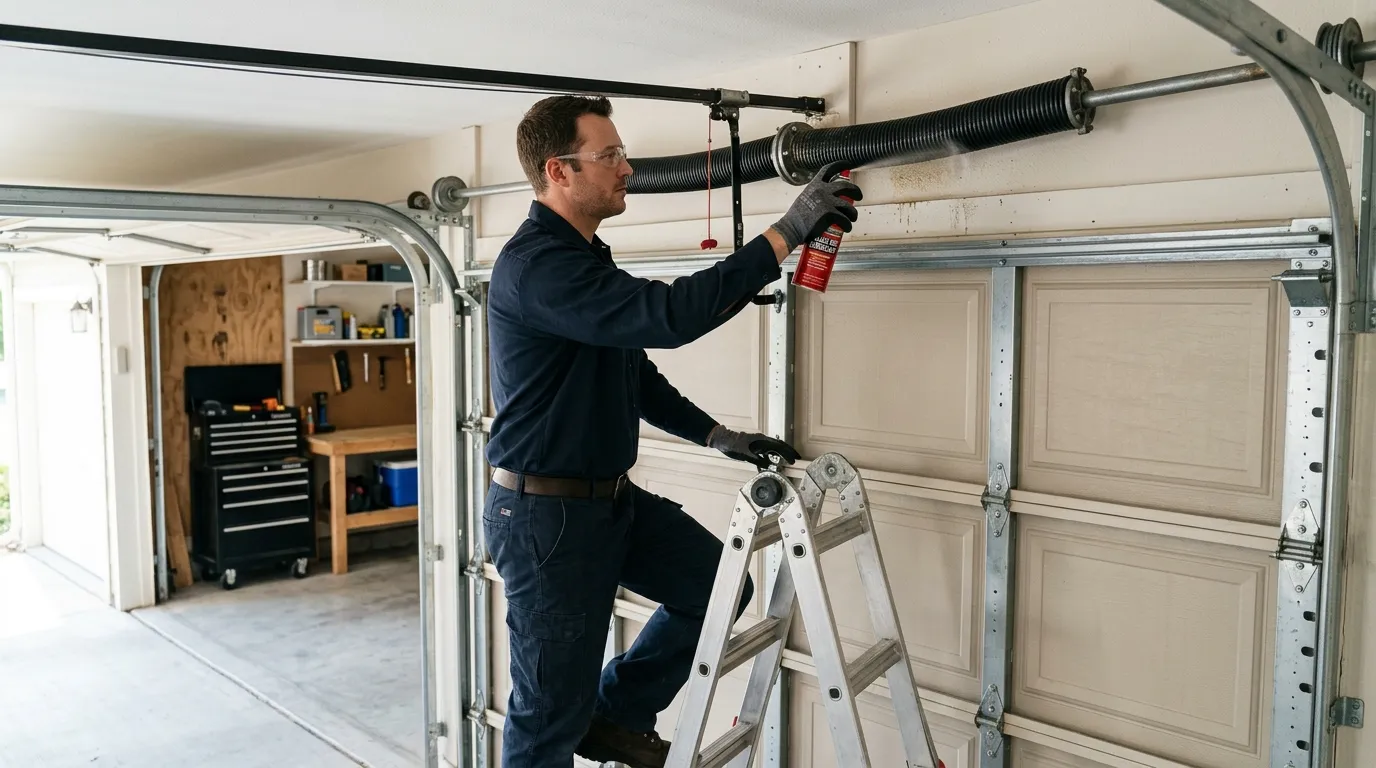
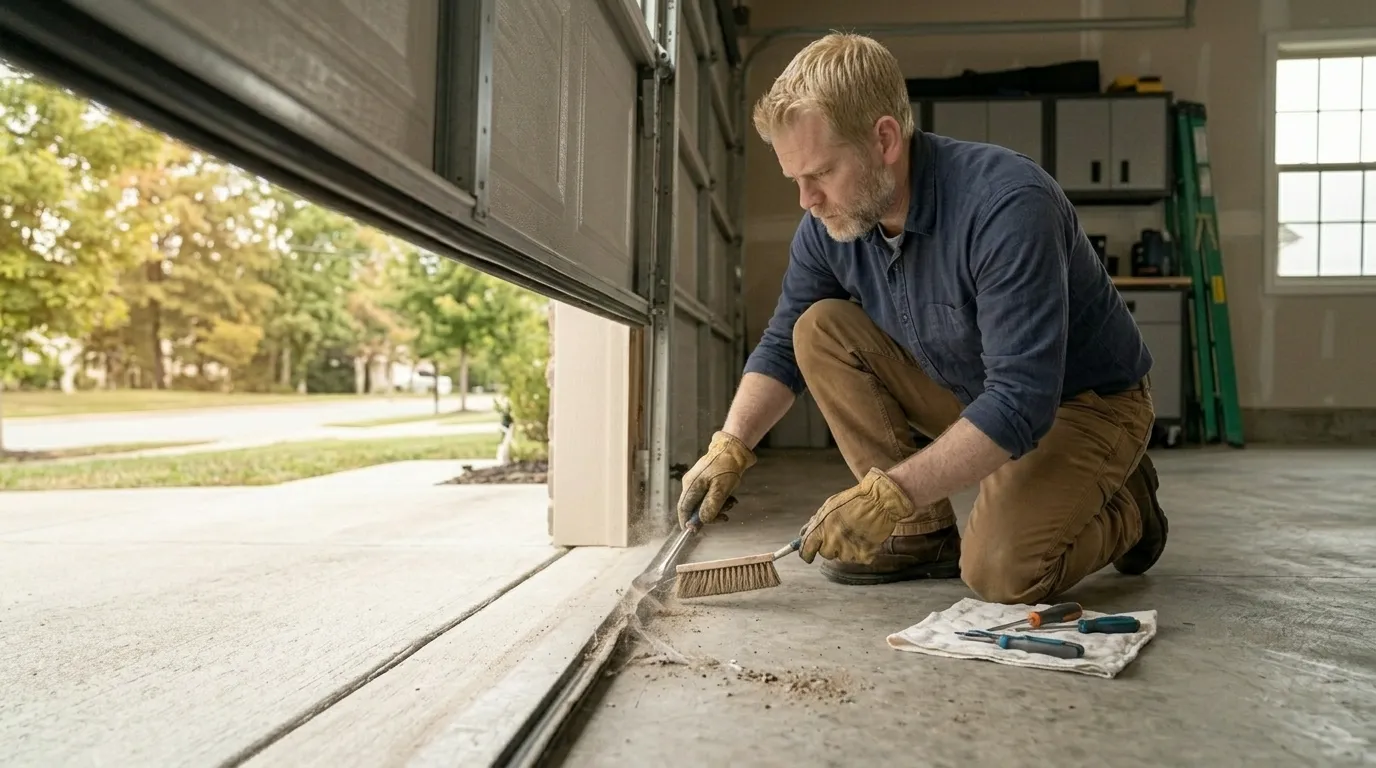
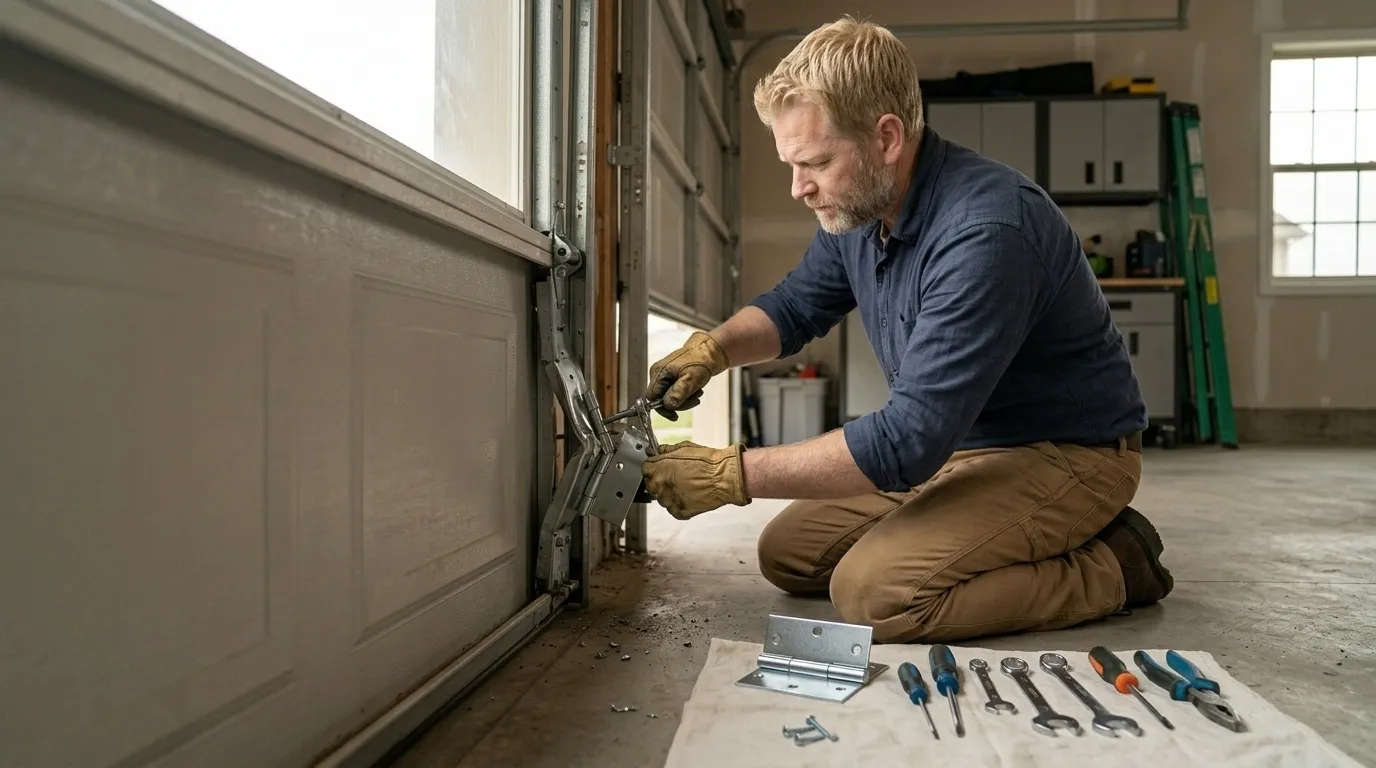
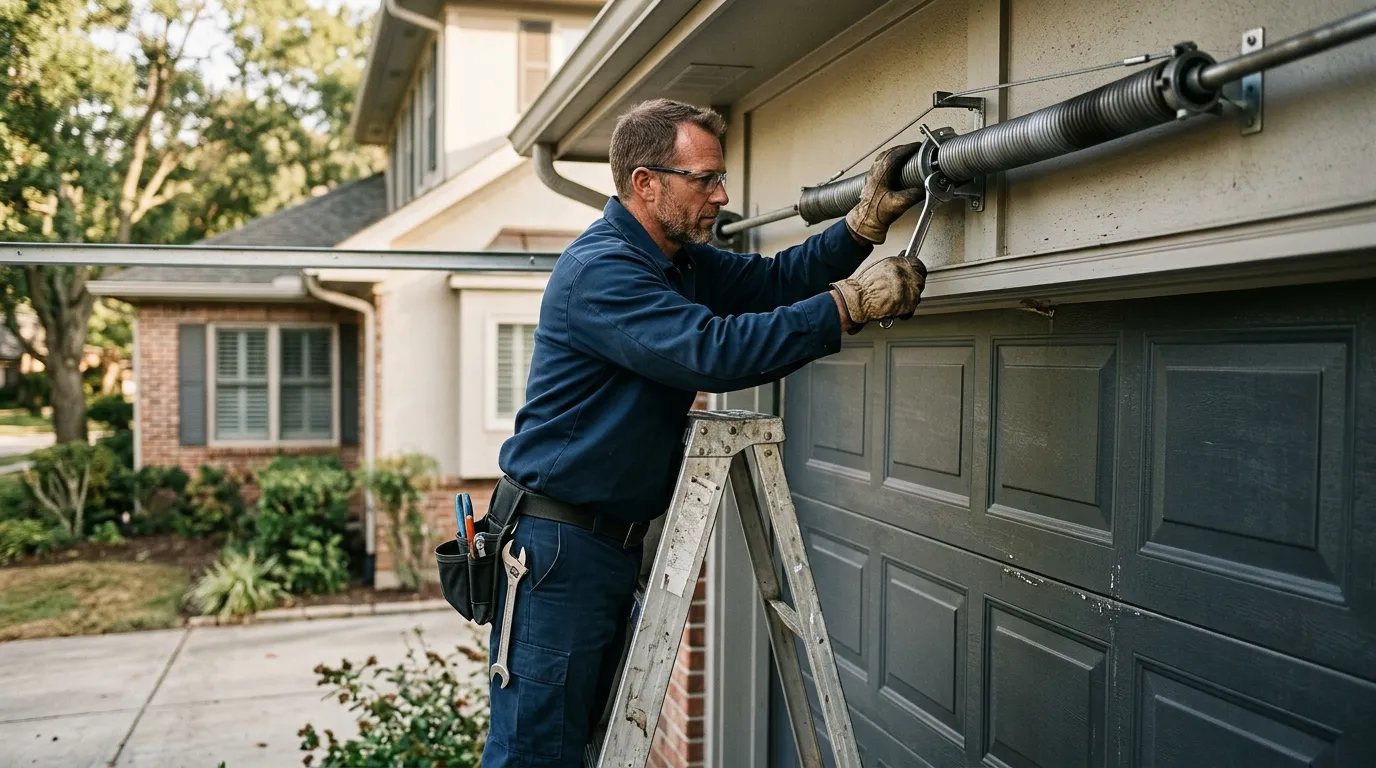
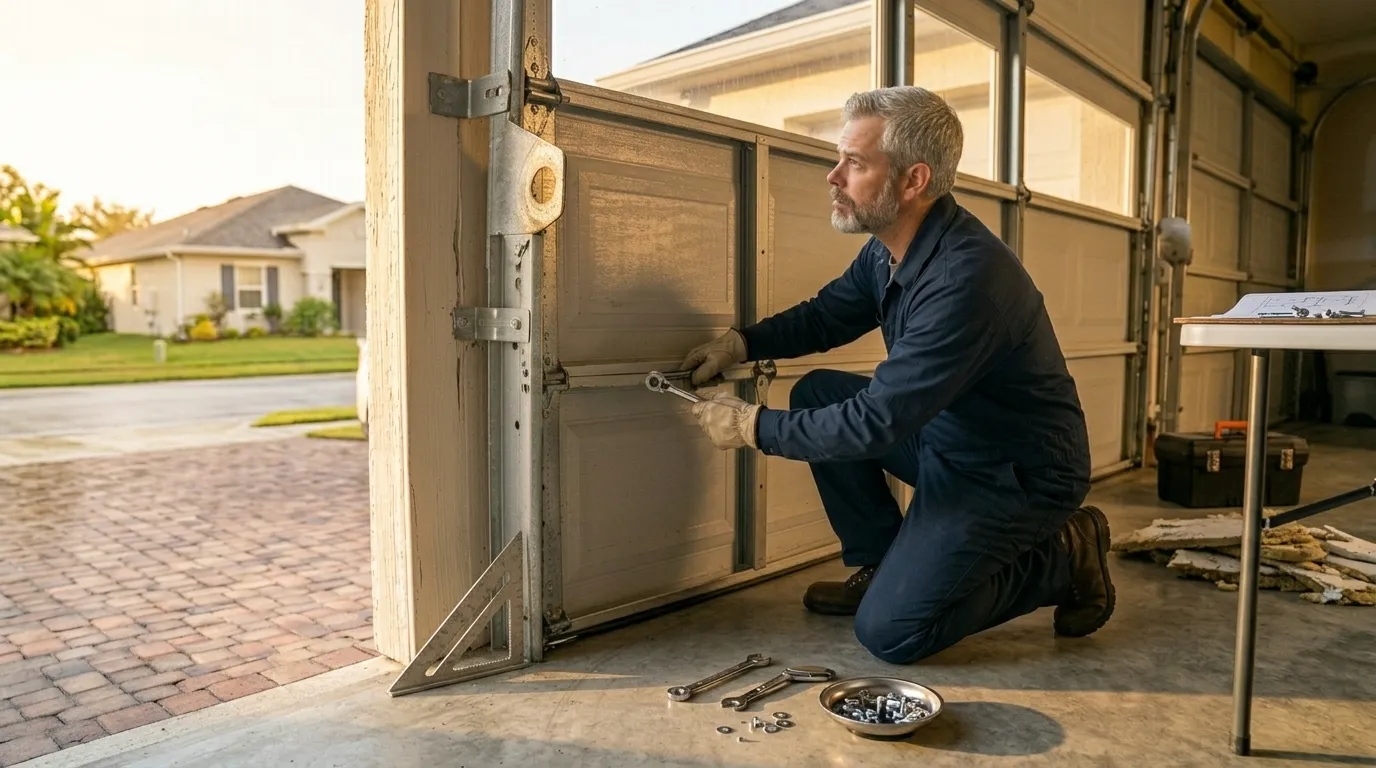
On a door installed around 1970, the common failures aren't the same as on a door from 1995. You'll see galvanized torsion springs that have simply outlived their wind count, worn ball-bearing rollers that were never swapped for nylon, and openers with chain drives and no battery backup - a real problem here given the region's severe cold winters, where a dead opener battery during a hard freeze means a door stuck shut. Track misalignment is also more common on original framing, since decades of settling shift the plumb line the track was set to. We don't recommend patching a 50-year-old spring system with mismatched parts; once the drum, cable, and spring are all original, replacing the full assembly is usually cheaper over time than repeated service calls.
Getting Here
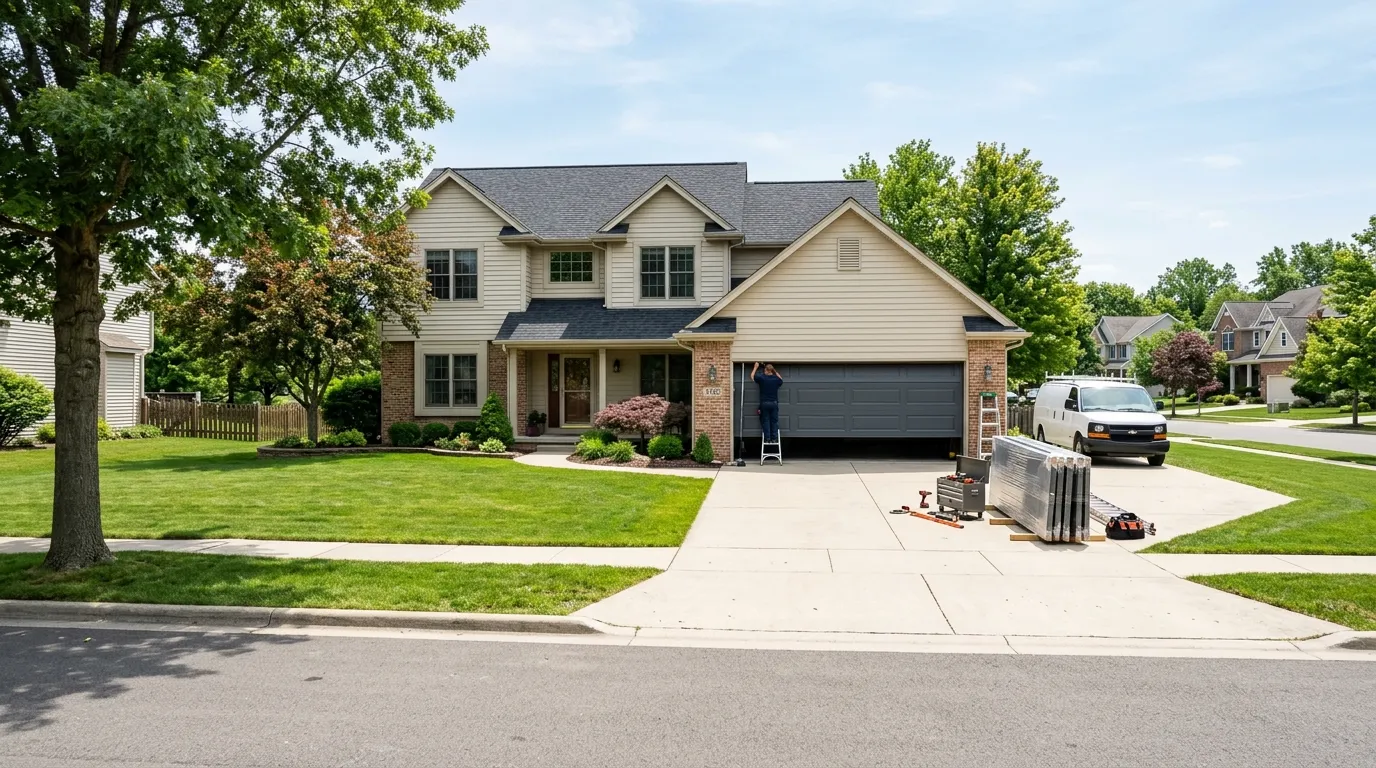
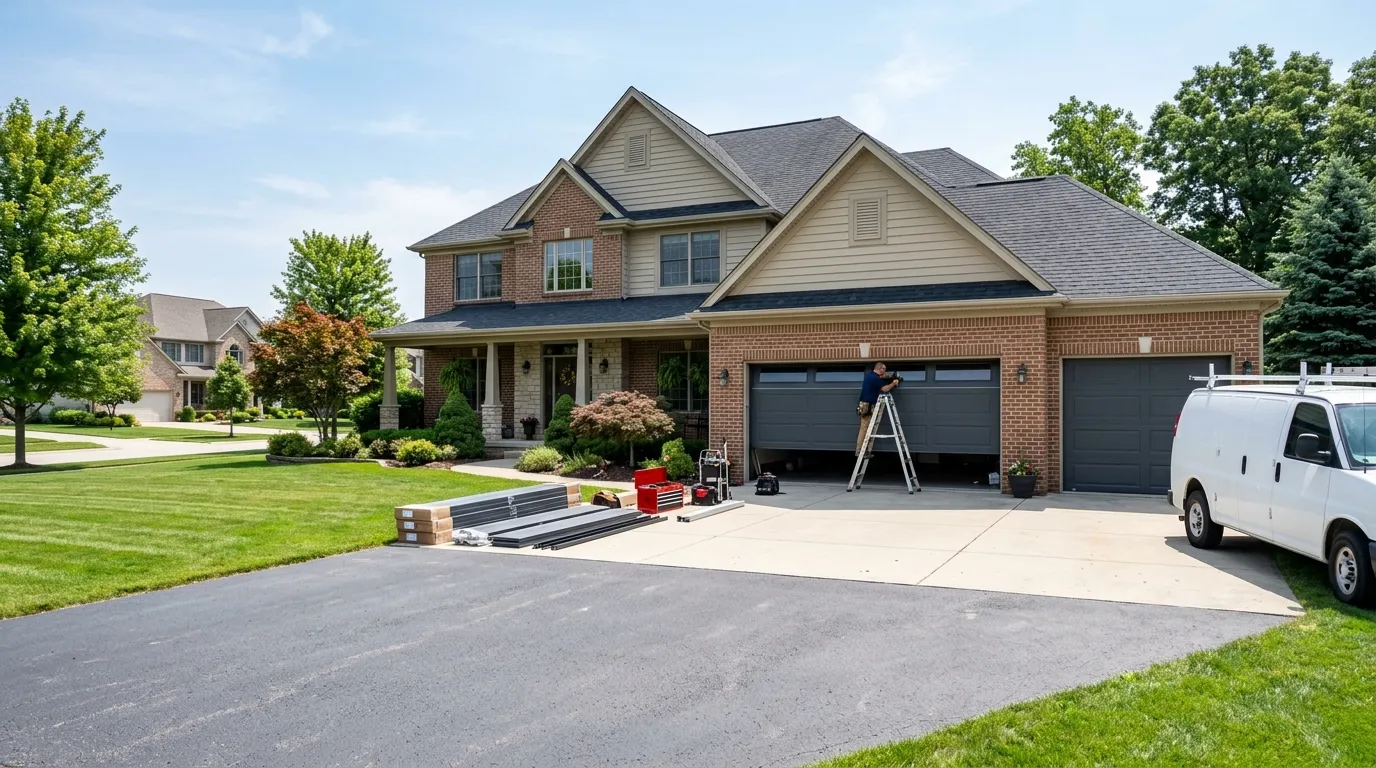
Go Denver Garage Door runs out of Denver, about 16 miles from Applewood, and we don't keep a depot or staff stationed in the neighborhood. We travel in for scheduled jobs and repairs. Applewood sits among a wide ring of communities we also reach, including Wheat Ridge at 12 miles, Ken Caryl at 18 miles, and Golden-adjacent areas farther out - but we're not claiming a presence in any of them, just a route. If you're calling from Applewood, know that the truck is coming from Denver, not from around the corner, and plan a service window with that in mind.
Older vs Newer Streets
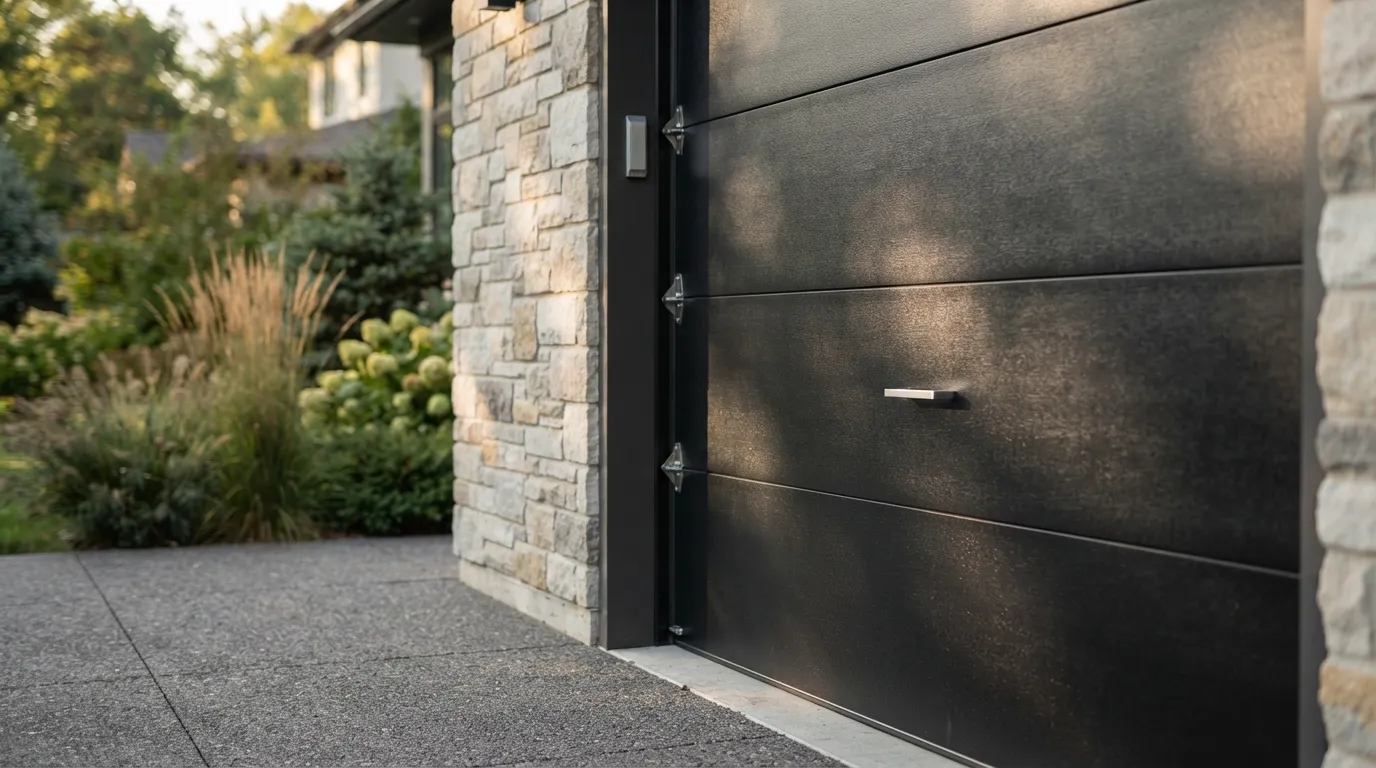
With roughly 3,424 households in Applewood and a median income of $128,988, this is a neighborhood where homeowners tend to invest in doing the job right rather than patching around it - full spring and opener replacements are common instead of piecemeal repairs. But not every block was built the same year. Streets platted earlier in the area's development carry the true 1970-era doors and hardware described above, while infill and later-built homes on the newer edges may already have galvanized torsion springs and belt-drive openers from a more recent renovation. If you're not sure which category your house falls into, the age of the door panel itself - steel with visible seams versus a smoother insulated sandwich panel - is usually the fastest tell before a tech even opens the toolbox.
How it works
From “it’s stuck” to “it’s fixed”
01
Tell us what’s wrong
Describe the symptom - won’t open, loud bang, opener runs but the door won’t move.
02
On-site diagnosis
A technician tests the door under power and by hand and finds what actually failed.
03
Clear, up-front plan
You get the fix that’s needed and what drives the cost - before any work starts.
04
Repaired & tested
The repair is done, the door is set true and tested, and the work area left clean.
Serving Denver, CO - tell us what your door’s doing and we’ll take it from there.
No. We're based in Denver, about 16 miles away, and travel to Applewood for scheduled jobs. We don't keep a depot or staff in the neighborhood, so factor drive time into your service window.
Why does my 1970s Applewood garage door break down more than my neighbor's newer one?
Homes built around 1970 often still run original torsion springs, ball-bearing rollers, and chain-drive openers without battery backup. Those parts have a finite lifespan, and after five decades of wind cycles, the springs especially are due for replacement regardless of how the door looks.
Should I repair or replace a door this old?
If the spring, drum, and cable are all original to a 1970-era install, we generally recommend replacing the full assembly rather than patching one component. Mismatched old and new parts tend to fail again sooner, which ends up costing more in repeat calls.
Ready to get your garage door sorted?
Tell us what it’s doing and where you are in Denver - we’ll take it from there.