
Serving Denver, CO & nearby
(720) 738-8063
Denver, CO

Roller Replacement for Glendale's 1980s Garage Doors

Glendale homes built around 1983 still run original steel rollers on steel track. Here's what fails, what the fix takes, and what actually drives the cost.

Roller Replacement for Glendale's 1980s Garage Doors
Denver, CO
8 services
4 service areas
Diagnosis first, then the fix

What You Pay

There's no flat number I can give you without seeing the door, and I won't pretend otherwise. What drives the cost is roller count (most doors run 10-12), roller material (steel vs. nylon vs. sealed-bearing), and whether the track itself is bent or just worn. A straight swap on a door with 10 rollers and clean track is a smaller job than one where the horizontal track has to come off because a roller seized and gouged it on the way out.

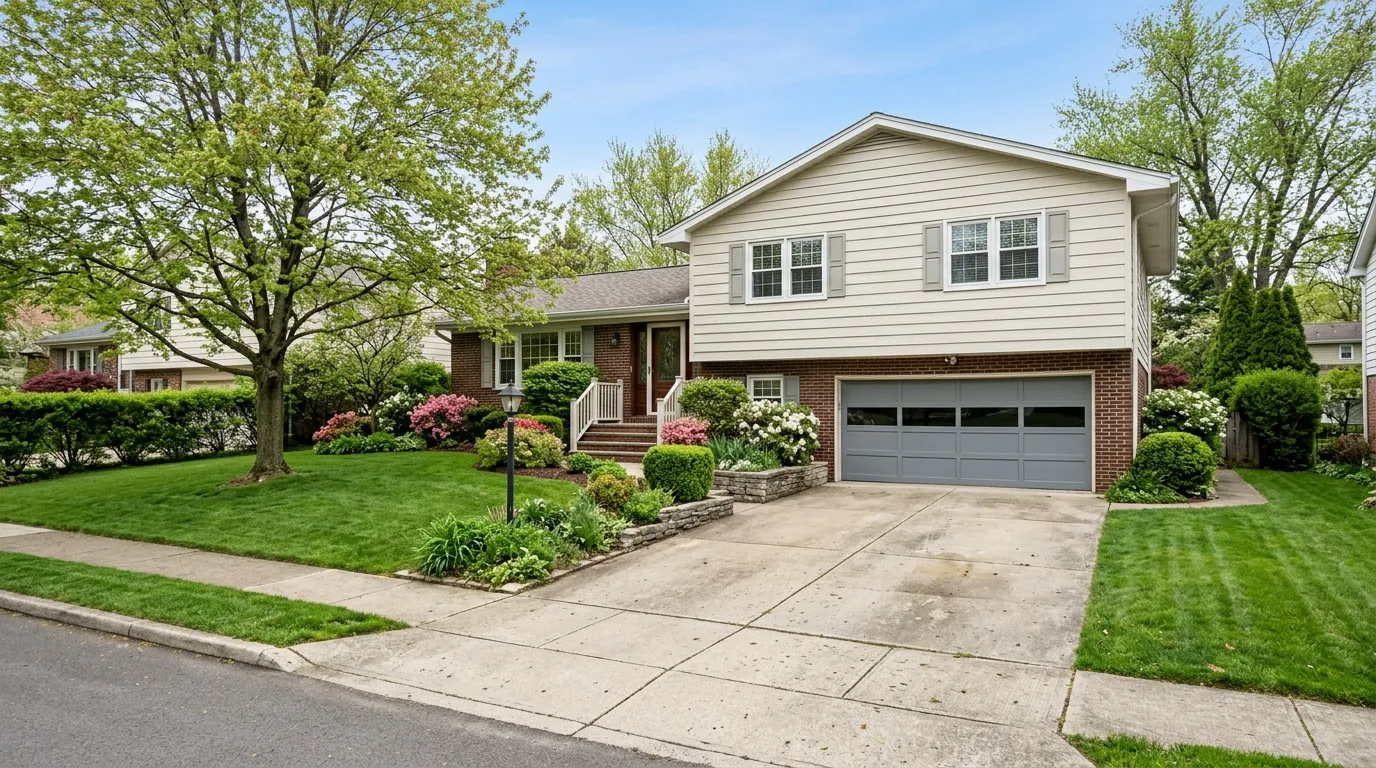
Glendale is a small town by household count - 2,678 households - and the housing stock is tight in age, mostly built around 1983. That matters for pricing because it means most doors here are running the same generation of hardware: steel rollers on steel track, no ball bearings, no nylon. When one roller goes on a door like that, the others aren't far behind, so a homeowner asking about one roller often ends up looking at a full set.

The honest limitation: I can't quote a number over the phone before I've seen whether the track is true or bent. Bent track changes the job.

Why This Fails Locally

A door built around 1983 in a Denver-area suburb like Glendale almost certainly still has its original rollers unless someone already replaced them. Steel rollers on steel track don't fail gracefully - they wear a groove, start binding, and eventually the roller stem snaps or the roller itself cracks under the door's own weight cycling up and down for four decades.

The climate makes this worse here than in a mild region. Cold-band winters mean the steel contracts, the old grease in the roller stem thickens or dries out entirely, and a roller that was merely noisy in October is seized by January. Cold also embrittles old steel, so a stem that's been flexing under load for thirty-plus years is more likely to snap on a cold morning than a warm one.

Most of Glendale's housing sits in that same build window, which means this isn't a one-house problem - it's a hardware generation problem. If your neighbor's door started grinding last winter, yours is running the same parts on the same clock.

What the Repair Takes

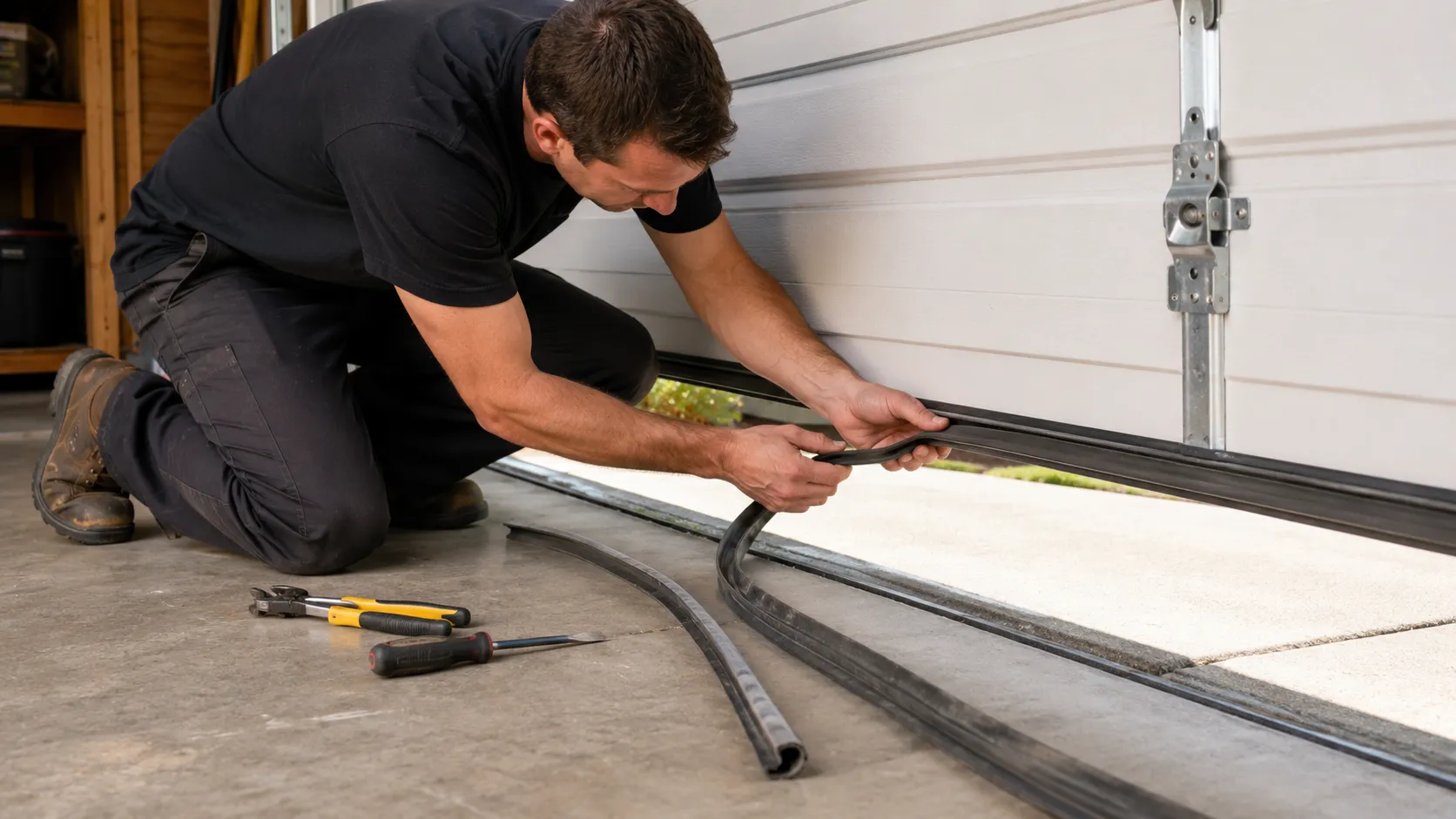
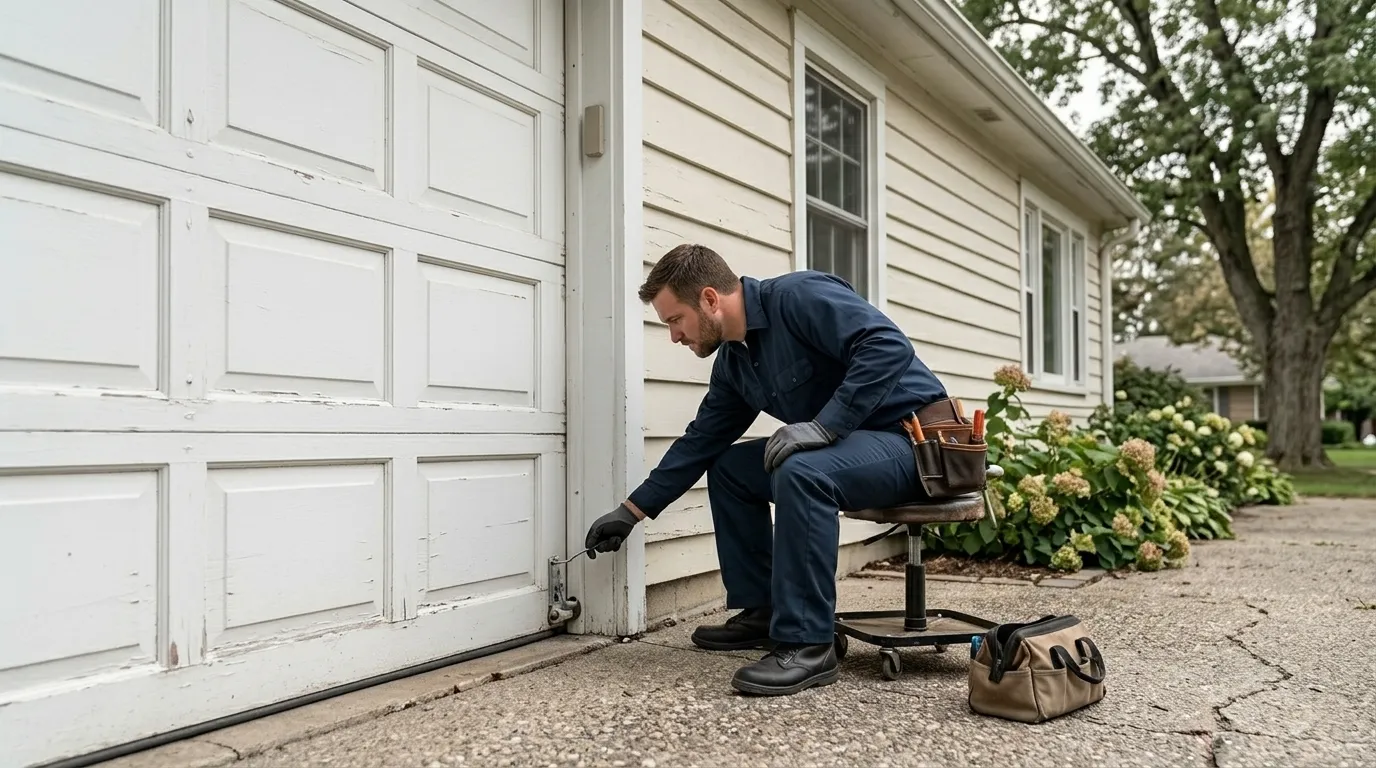
On a door with steel rollers and sound track, replacing a full set means releasing spring tension, disconnecting the opener arm, pulling each roller out of the track and hinge, and setting new ones in. If you're moving from steel to nylon or sealed-bearing rollers, that's a straight swap in the same hinge holes - no modification needed.

Where it gets longer: if the track shows a worn groove or a bend from the failed roller riding wrong before it broke, the track section has to come off and get replaced or re-aligned, not just the roller. On a 1983-era door in Glendale, I'd expect to find at least one section of track showing wear, since the roller and the track wear against each other over that many years.

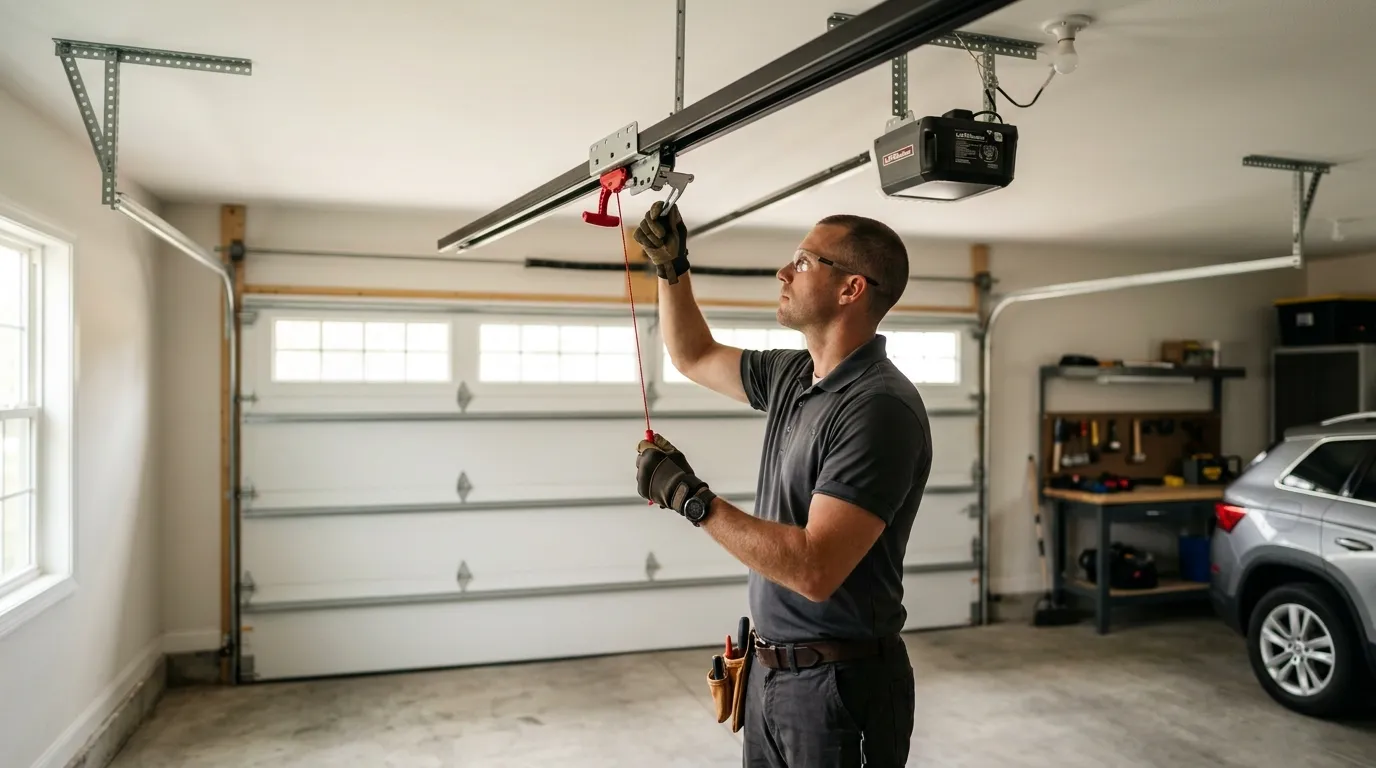
The spring system on a door this old is also worth a look while the door's open anyway - not because it's part of the roller job, but because a door with original rollers and an original spring is a door where two components are aging out at the same time. I won't sell you a spring you don't need, but I'll tell you if I see one close to the end.
Where This Job Goes Sideways

The job goes sideways when the track isn't just worn but bent, usually from a roller that seized mid-travel and got dragged instead of rolling. At that point you're not swapping rollers, you're replacing track sections, and the labor time roughly doubles.

It also goes sideways when a homeowner tries to do a partial job - replacing the two or three rollers that are visibly cracked and leaving the rest of the original set in place. On a door built around 1983, the rollers that look fine are running the same age and the same wear as the ones that failed. You end up back at this same job within a year or two, paying labor twice for parts that should have gone in once.

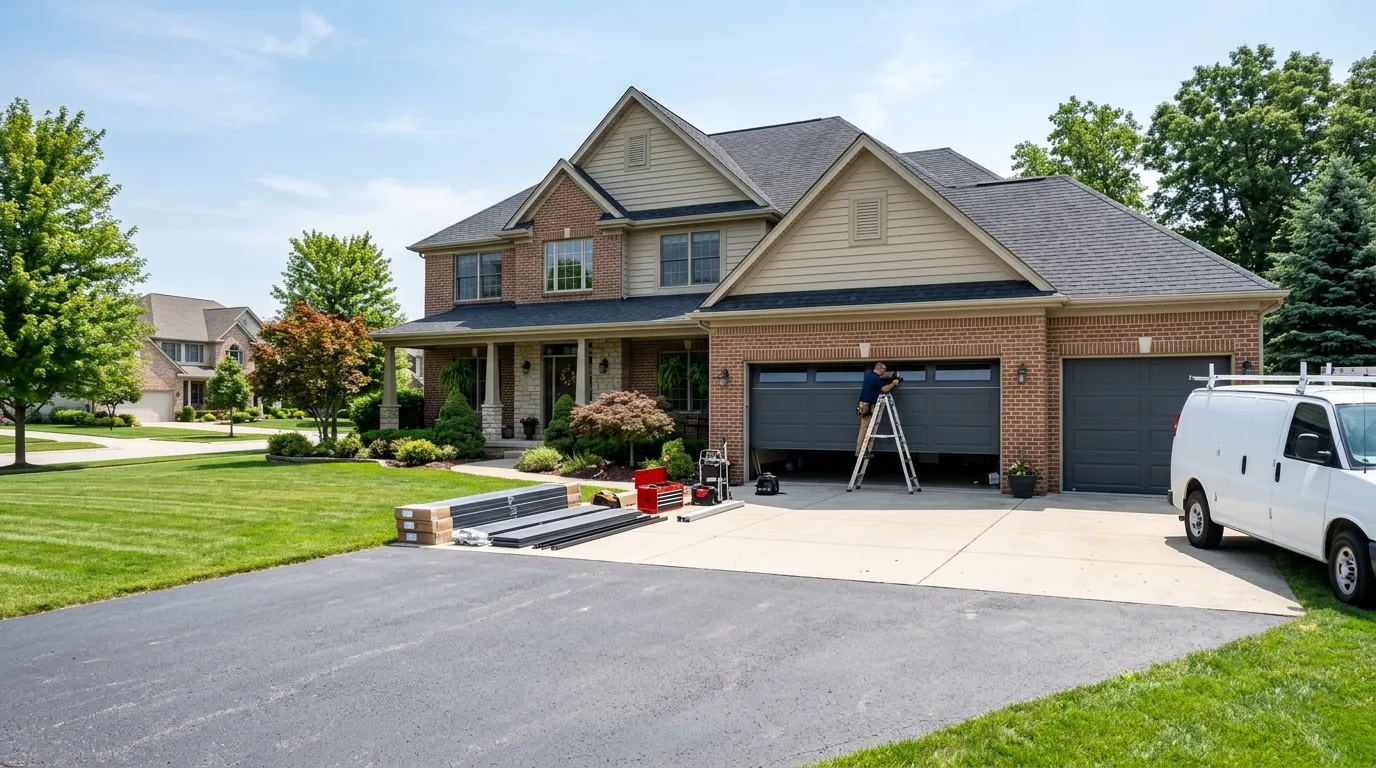
Last thing: Glendale sits about 5 miles out from where this crew is based in Denver, so there's no local branch or standing inventory sitting in town. Standard roller stock travels with the truck; anything unusual - odd hinge spacing, a discontinued track profile - means a return trip once the part's in hand.

How it works

From “it’s stuck” to “it’s fixed”

Tell us what’s wrong - Denver garage door service

Tell us what’s wrong

Describe the symptom - won’t open, loud bang, opener runs but the door won’t move.

On-site diagnosis - Denver garage door service

On-site diagnosis

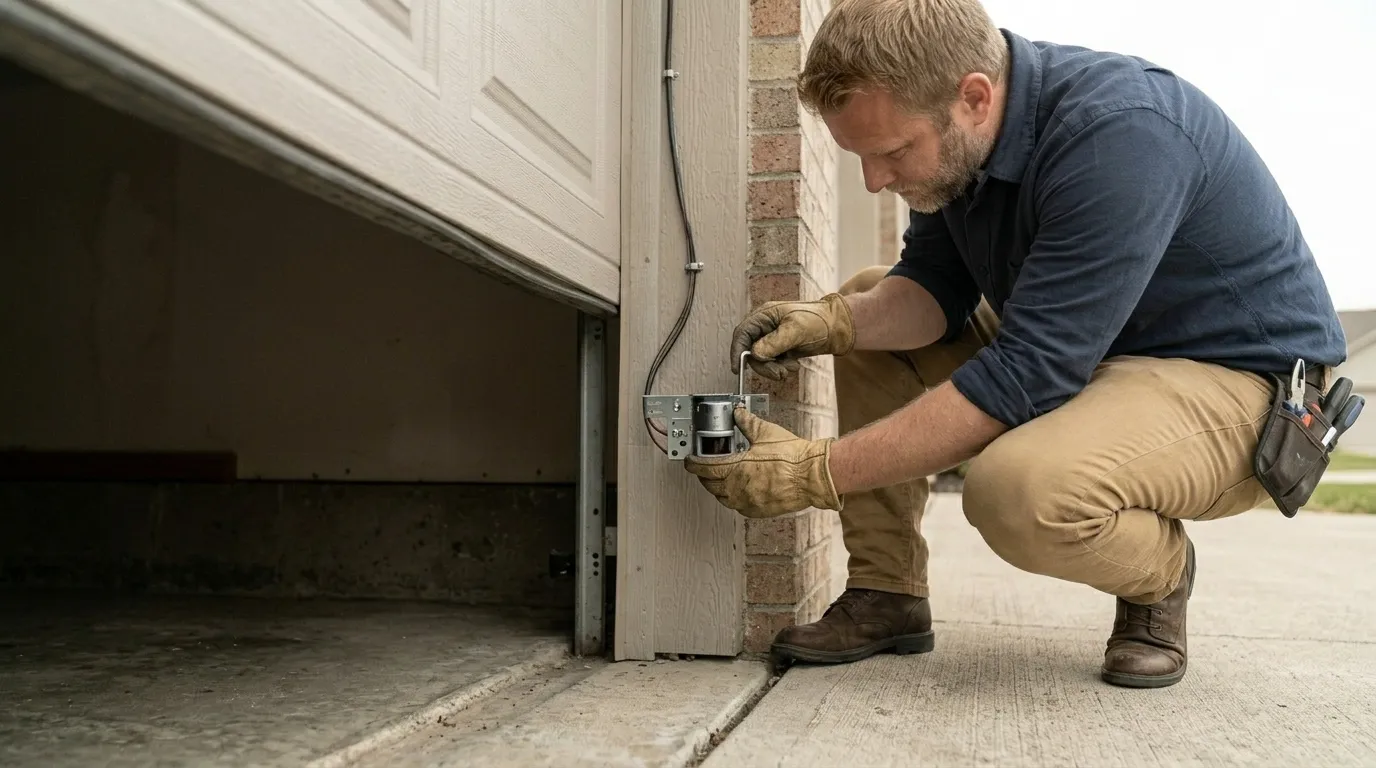
A technician tests the door under power and by hand and finds what actually failed.

Clear, up-front plan - Denver garage door service

Clear, up-front plan

You get the fix that’s needed and what drives the cost - before any work starts.

Repaired & tested - Denver garage door service

Repaired & tested

The repair is done, the door is set true and tested, and the work area left clean.

Serving Denver, CO - tell us what your door’s doing and we’ll take it from there.

How we work

What to expect

  • Diagnosis firstEvery visit starts by finding what actually failed - not a pre-written parts list.
  • The right part for the doorSprings and openers matched to the door’s weight and age, so the fix holds up.
  • Straight answersWhen a repair makes more sense than a replacement - or the reverse - you hear it plainly.
  • Clean, careful workTension released safely, hardware set true, the door tested under power before we leave.
729,019Residents in Denver
8Garage door services
4Neighborhoods & suburbs
COServing Denver, CO
Questions

Frequently asked

Straight answers about garage door repair in Denver. Still unsure? Ask us directly.

How old are the rollers on a typical Glendale garage door?

If your house dates to around 1983, which is typical for this part of Glendale, and nobody's touched the rollers since, they're original - about four decades of steel-on-steel wear. That's well past the point where failure is a matter of when, not if, especially after a cold winter.

Do you carry roller parts on the truck, or do you need to order them?

Standard steel and nylon rollers in common sizes travel with the truck. Anything non-standard - unusual hinge spacing or a track profile that's been discontinued - has to be sourced first, which means a second trip once the part's in hand.

Should I replace all the rollers or just the broken one?

On a door built in the early '80s, the rollers that haven't failed yet are the same age as the one that did. Replacing just one usually means a return call within a year or two for the next one. A full set costs more up front but you're not paying labor twice.

Does cold weather really affect garage door rollers?

Yes. Cold thickens old grease in the roller stem and makes aged steel more brittle, so a roller that's merely noisy in fall can seize or snap in a hard freeze. It's one reason roller failures cluster in the colder months here.

Ready to get your garage door sorted?

Tell us what it’s doing and where you are in Denver - we’ll take it from there.

Request a QuoteCall