New Garage Door Installation for Glendale, CO Homes
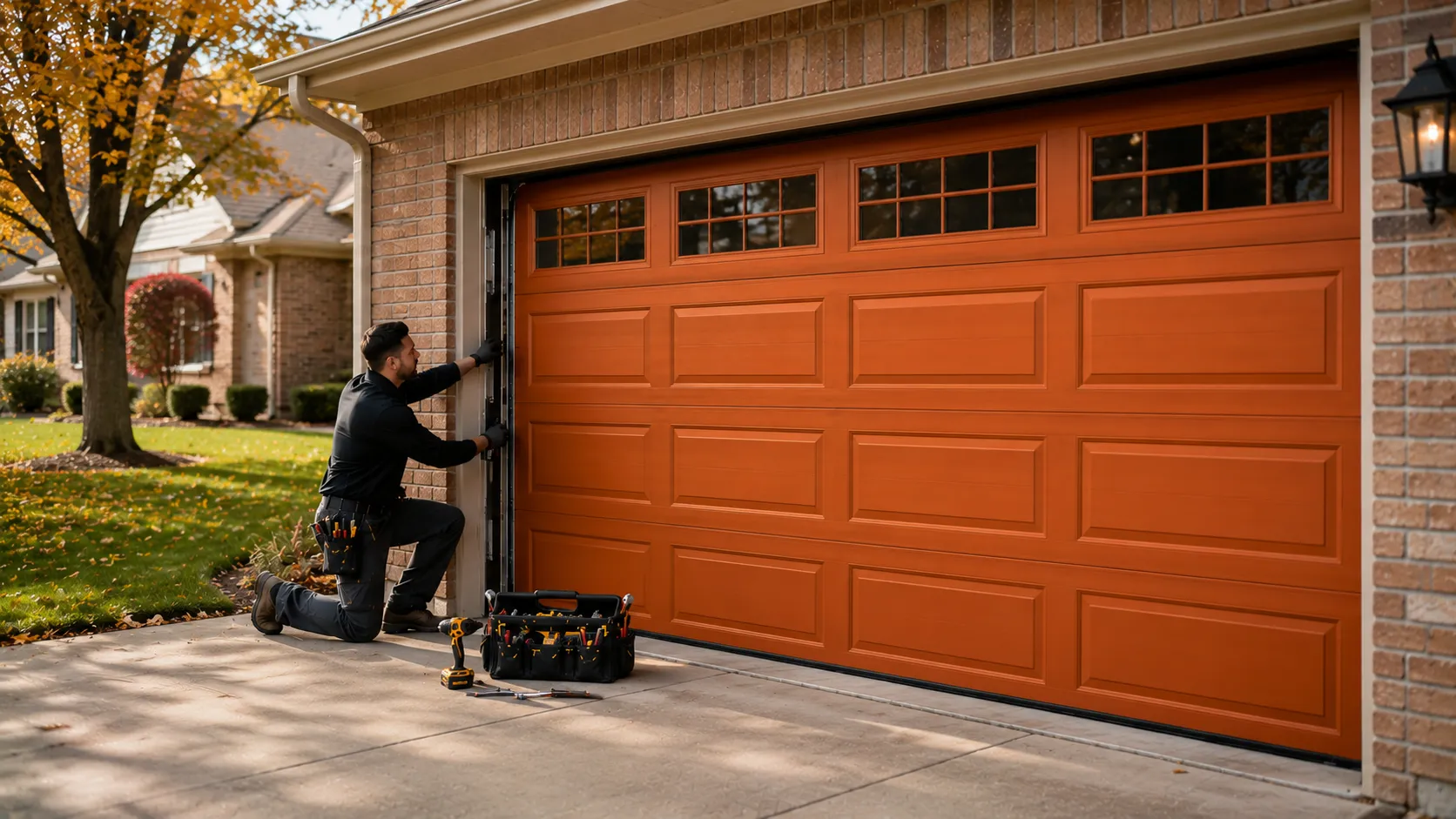
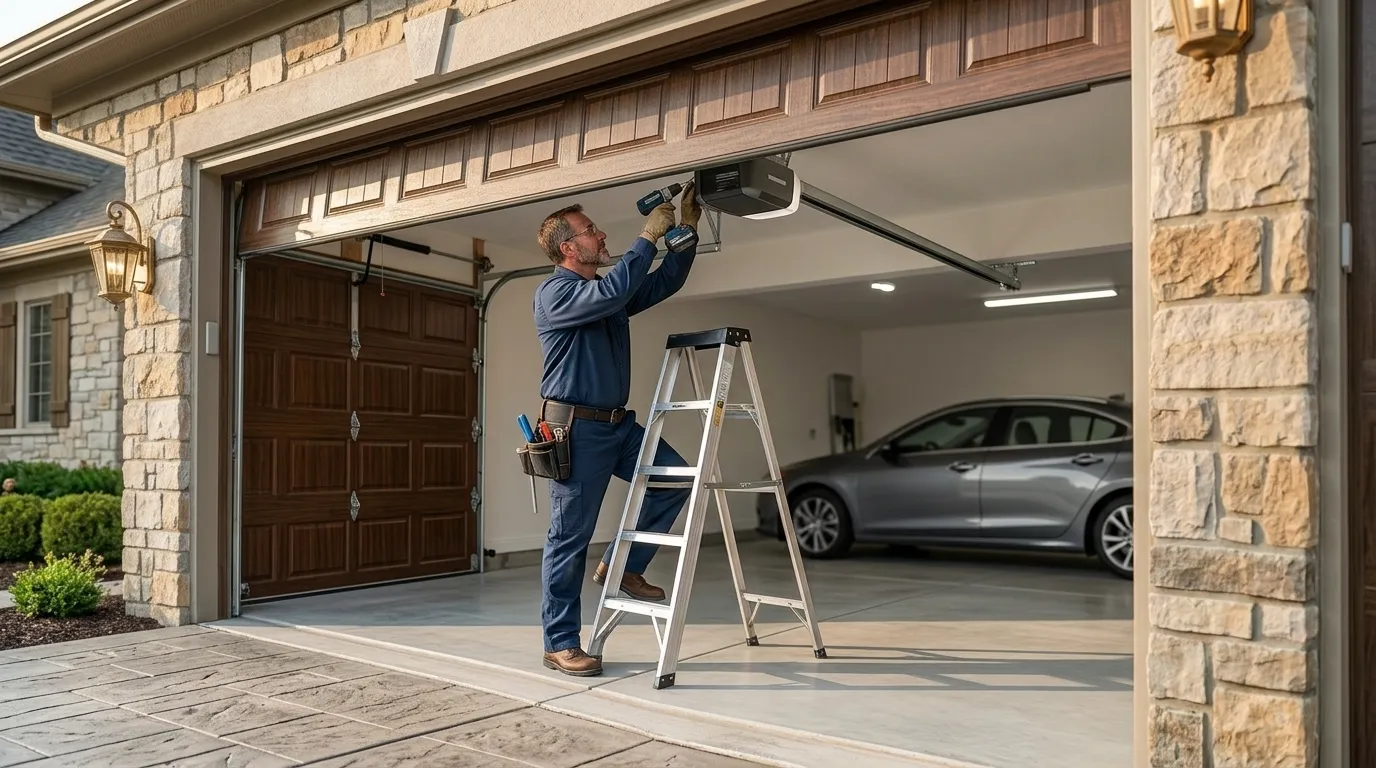
Installing a new garage door in Glendale, CO, a 5-mile trip from our Denver shop into a pocket of early-1980s houses with original hardware and severe cold winters.
Glendale sits five miles from Denver, which is close enough that a crew doesn't lose half a day getting there, but the trip is still built into how we schedule the job. We're not based in Glendale - we run out of Denver - so the quote you get accounts for that drive the same way it would for any suburb we serve outside the city itself.
What actually drives the number is the house, not the address. Median household income in Glendale runs around $68,952, noticeably under the $101,450 median across the wider service area, and that shows up in what homeowners here tend to ask for: a solid steel door with decent insulation rather than the premium wood-composite lines. We don't push a higher-end door on a Glendale job just because we carry one on the truck.
We won't quote you a number here - every house is different once we've seen the opening, the framing, and what's already bolted to it. What we can tell you is that a straightforward swap on a standard single or double opening, with hardware in reasonable shape, costs less than a job where the old track, jambs, or wiring have to be reworked to take a new door. That gap is usually bigger than people expect.
Why This Fails Locally
Most houses in Glendale went up in the early 1980s - the median build year here is 1983, squarely inside the 1947-2006 range for the broader area and right in the thick of the 1980s-90s stock that makes up most of these neighborhoods. That matters because doors and openers installed when a house was built are now past forty years old, and the springs, tracks, and drums from that era were sized for lighter doors and simpler openers than what's sold today.
The other piece is climate. This is a severe cold band, and a door built in 1983 usually has no real insulation value - a single skin of steel or a thin foam layer bonded badly by today's standard. Owners who replace only the opener and leave the original door in place are surprised the garage still runs ten to fifteen degrees colder than the rest of the house in January.
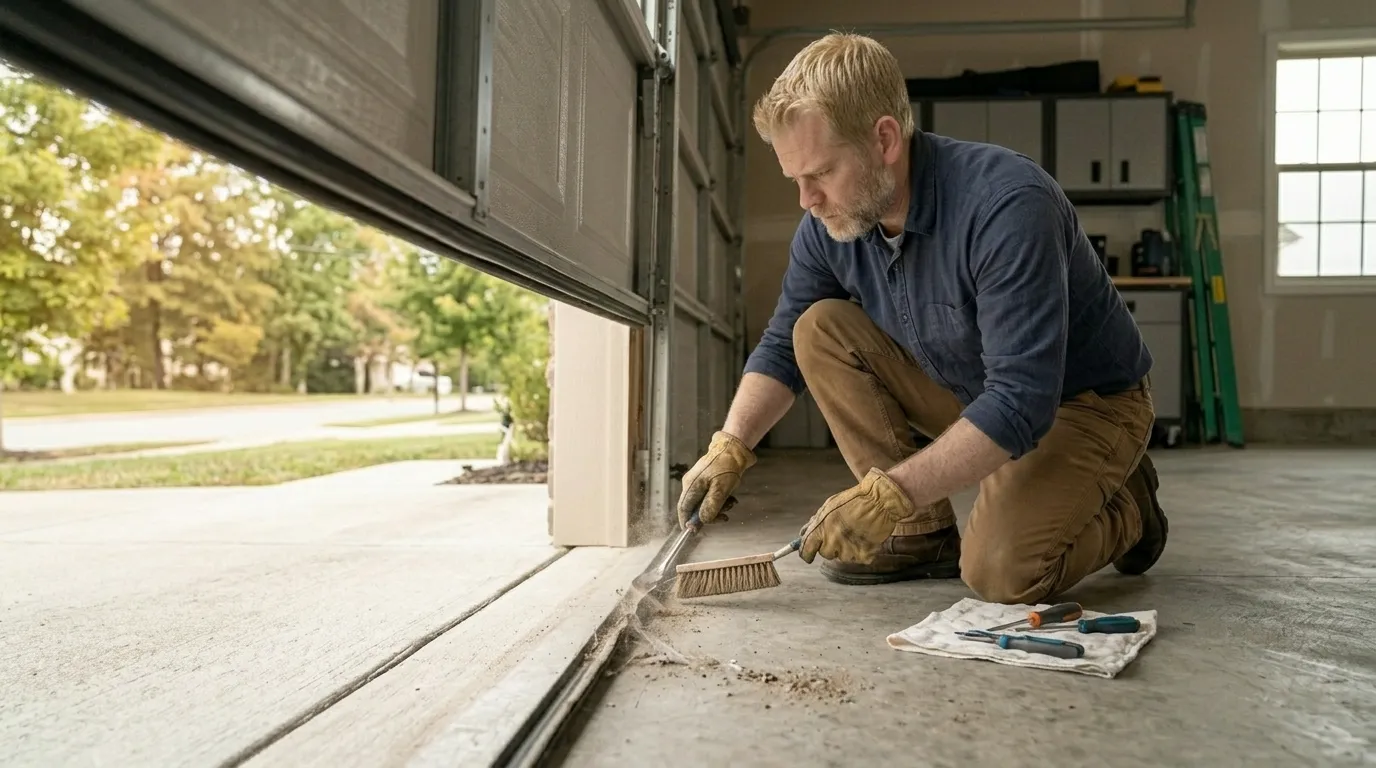
So the failure here isn't dramatic - it's not a blown spring taking out a window. It's a door that still opens and closes fine, just poorly, on hardware that was never rated for the loads a modern insulated door puts on it. Replacing the opener without replacing the door usually just moves the weak point somewhere else in the system.
What the Repair Takes
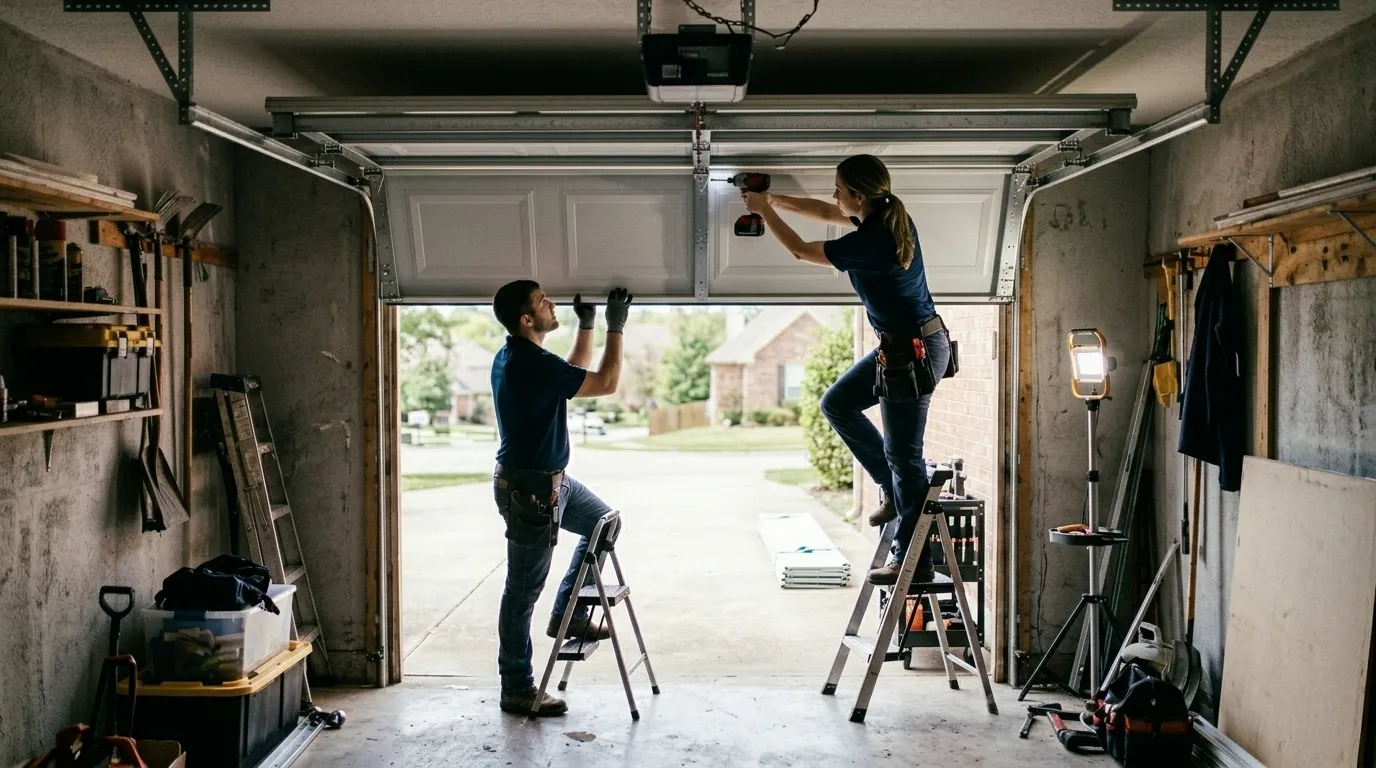
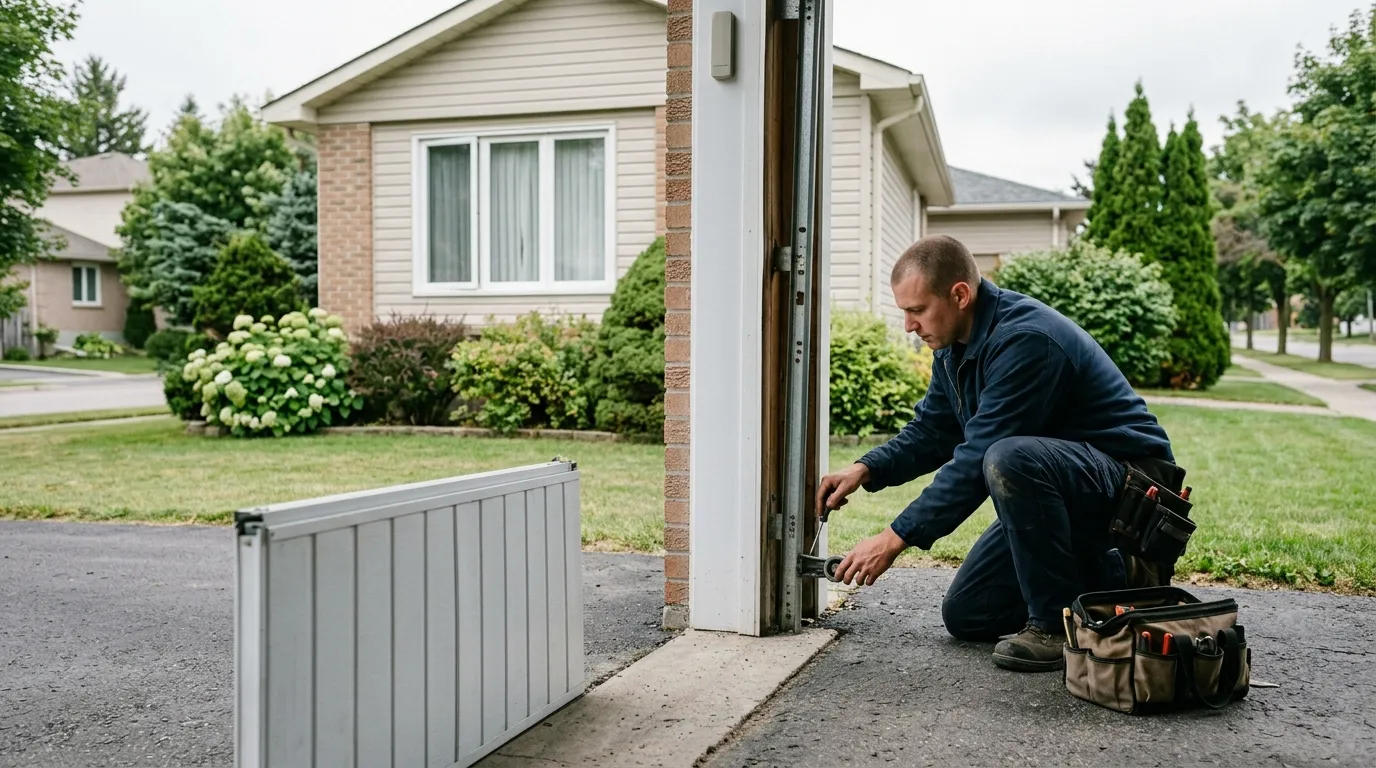
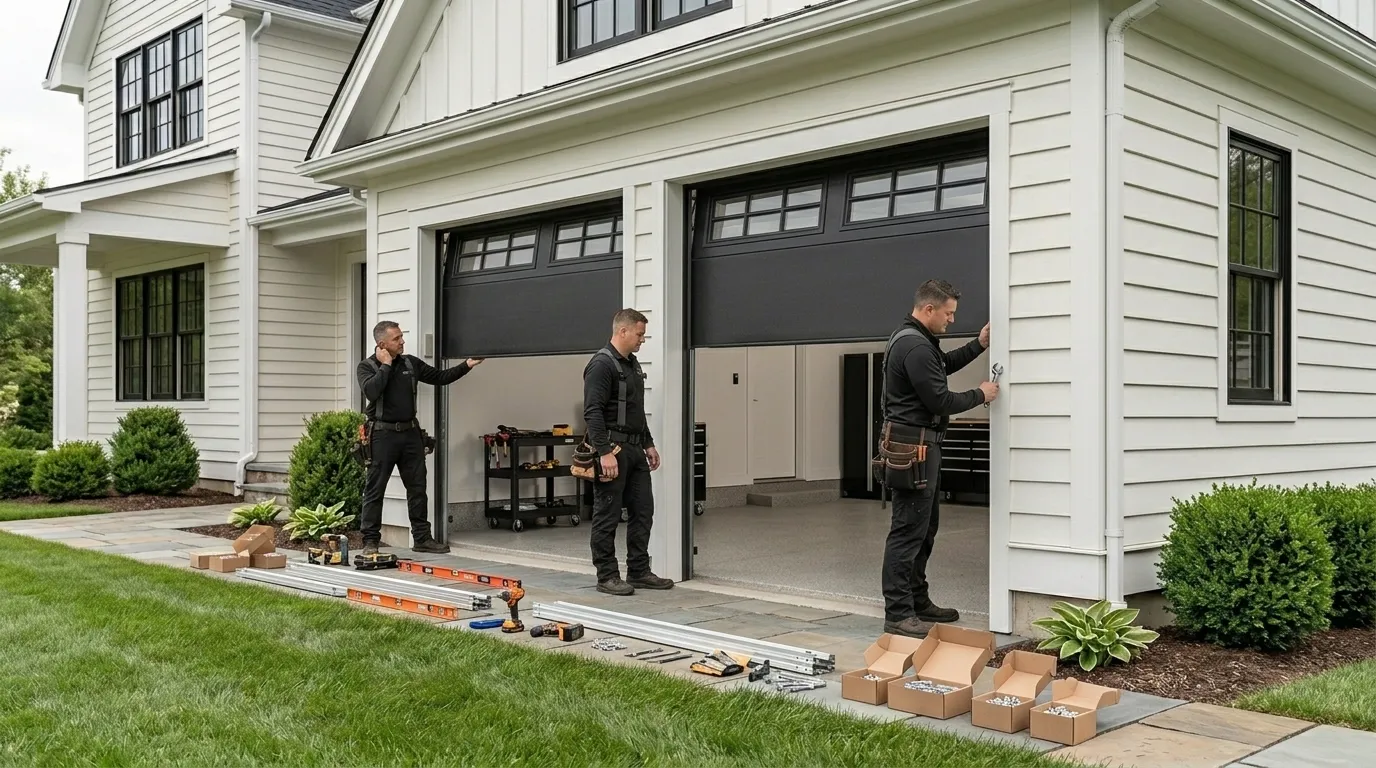
An installation on a house from this era starts with the opening itself, not the door in the showroom. Framing built in 1983 is rarely perfectly square by now, and headroom, backroom, and sideroom clearances that worked for a 1980s door don't automatically work for a new one with thicker rails or a different spring configuration. We measure before we quote a door, not after.
Because this is a severe cold climate, the door itself needs to be a genuine insulated section - not just a door with foam glued in, but one rated to hold up against the swing between a heated house and an unheated garage through a Front Range winter. That's a bigger factor here than in a mild climate, and it's worth paying for.
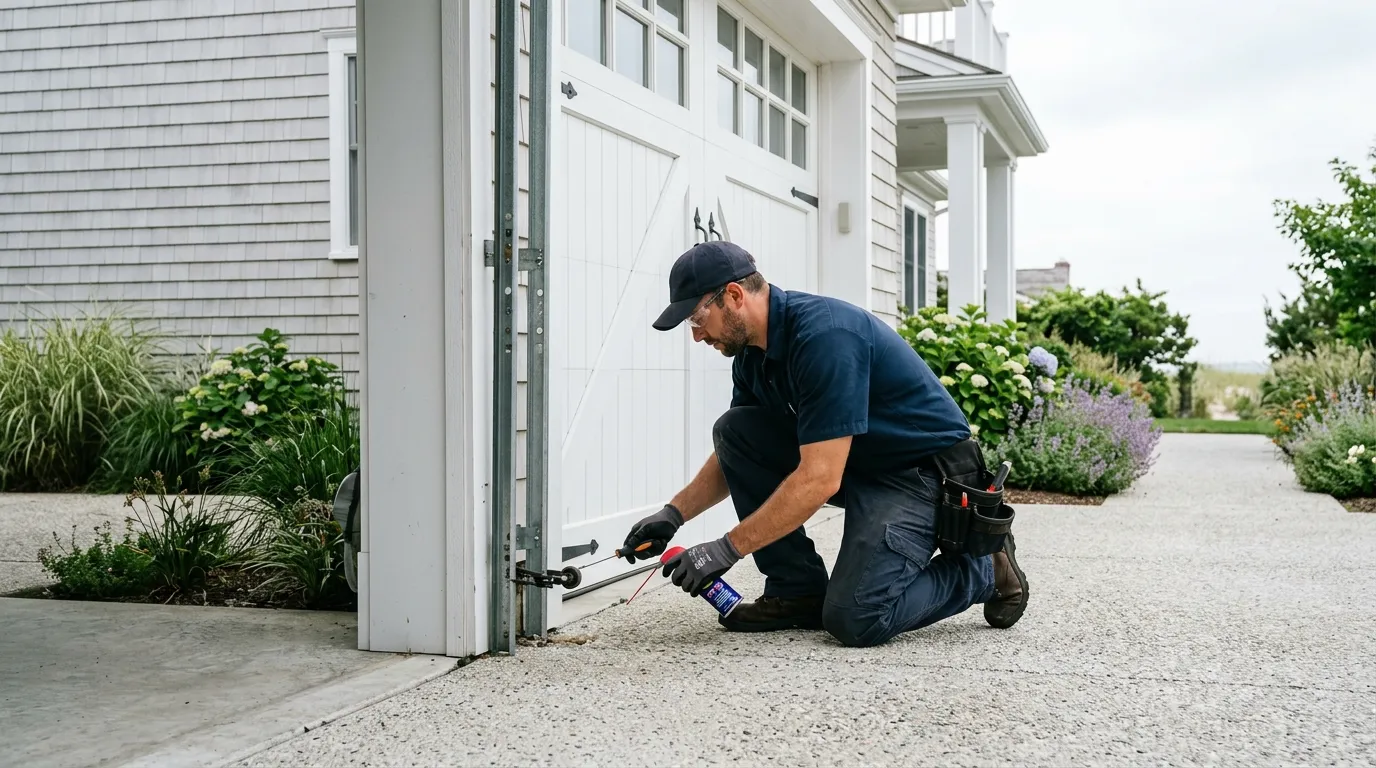
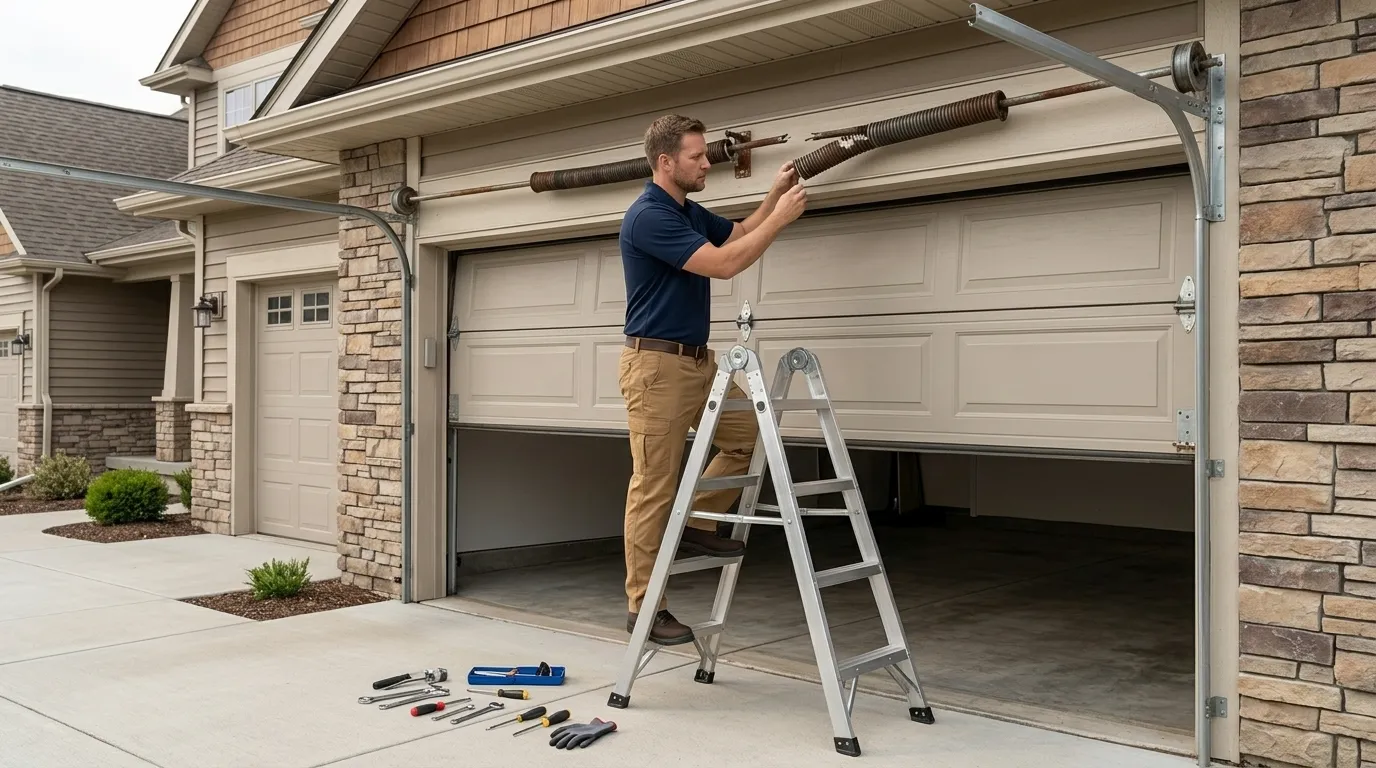
On the hardware side, torsion springs and cable drums from a house this age are almost always undersized for a new insulated door, which is heavier than the original. We replace the full spring and cable setup as part of the install rather than trying to reuse forty-year-old torsion hardware on a door it was never built to lift. That's not optional upsell - it's what keeps the new door from failing in year one.
Where This Job Goes Sideways
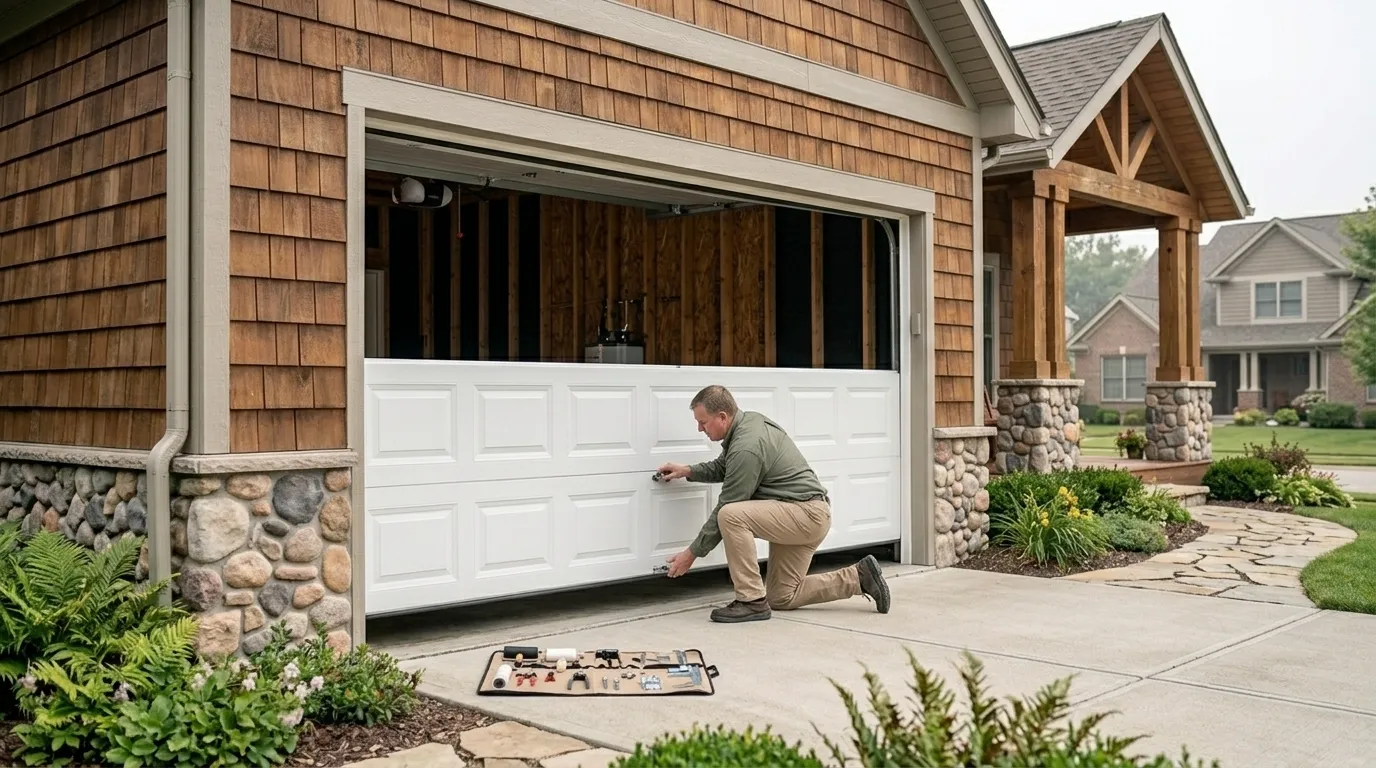
The most common surprise on a Glendale install is the track spacing. Openings framed in the early 1980s sometimes used non-standard rough openings that don't match the stud spacing modern track hardware expects, which means extra bracket work instead of a straight bolt-in. We catch this at the measuring stage, but it can add time to the job that a quote based on photos alone would miss.
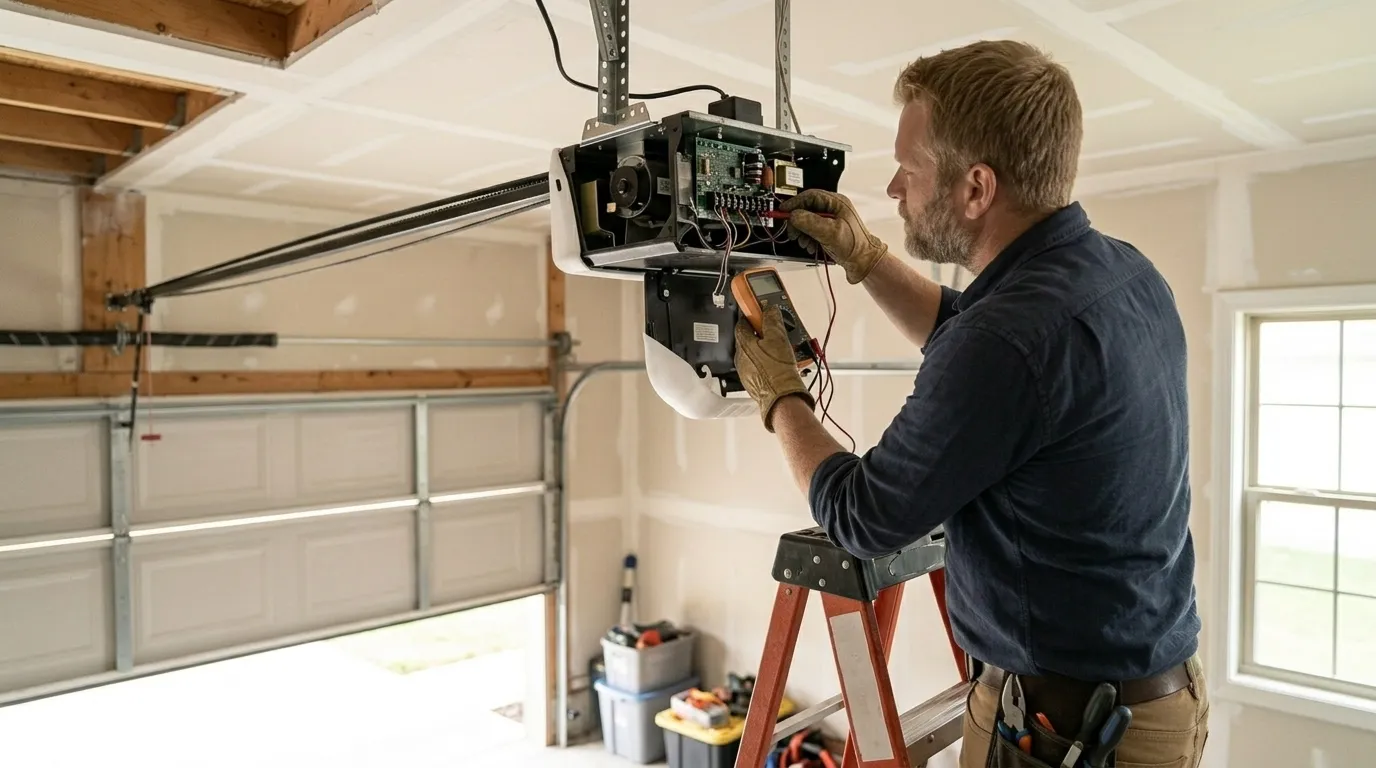
The second place things go sideways is wiring for the opener. Houses from this era often have a single outlet near the garage ceiling wired for a much lighter-draw opener than what's standard now, and running a new circuit isn't something we do - that's an electrician's job, and we'll say so rather than jury-rig a connection that trips a breaker every winter.
Here's the honest limitation: if the framing around the opening has shifted enough that the jambs are out of plumb by more than a small margin, a straight door swap won't fix the real problem, and no door - however well insulated - will seal right against warped framing. In that case the header or jamb needs carpentry work before the door goes in, and we'll tell you that up front instead of installing around it.
How it works
From “it’s stuck” to “it’s fixed”
01
Tell us what’s wrong
Describe the symptom - won’t open, loud bang, opener runs but the door won’t move.
02
On-site diagnosis
A technician tests the door under power and by hand and finds what actually failed.
03
Clear, up-front plan
You get the fix that’s needed and what drives the cost - before any work starts.
04
Repaired & tested
The repair is done, the door is set true and tested, and the work area left clean.
Serving Denver, CO - tell us what your door’s doing and we’ll take it from there.
No. We run out of Denver and travel to Glendale for every job - there's no branch or depot in town. The five-mile trip is factored into how jobs get scheduled, but it doesn't change the work itself once we're on site.
Will a new door fix the cold garage problem in my Glendale house?
Often, yes, if the original door has little or no insulation, which is common on houses built in this area's early-1980s wave. A properly insulated section makes a real difference in a severe cold climate. It won't fix drafts coming from bad weatherstripping or a warped jamb, though - those need separate attention.
Why does the quote change once you actually measure my opening?
Framing from the early 1980s isn't always square or built to today's standard spacing, and springs and cables from that era are usually undersized for a new insulated door. We won't know which of those apply to your house until we're standing in front of the opening, which is why a firm number comes after that visit, not before.
Ready to get your garage door sorted?
Tell us what it’s doing and where you are in Denver - we’ll take it from there.