Opener installs across Denver's 1947-2006 housing stock, built for cold-band winters and matched to the openers already on 96,547 owner-occupied houses here.
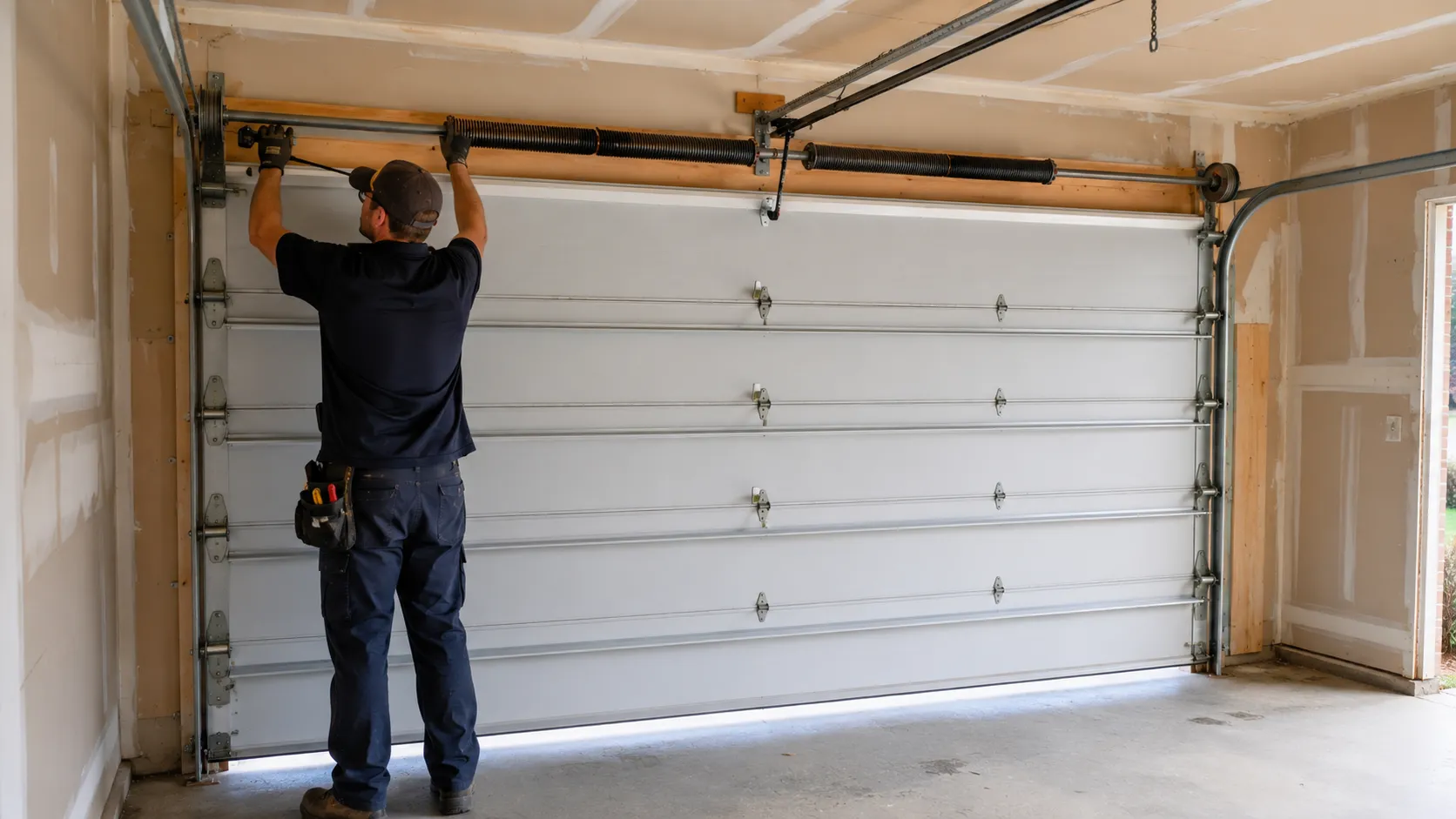
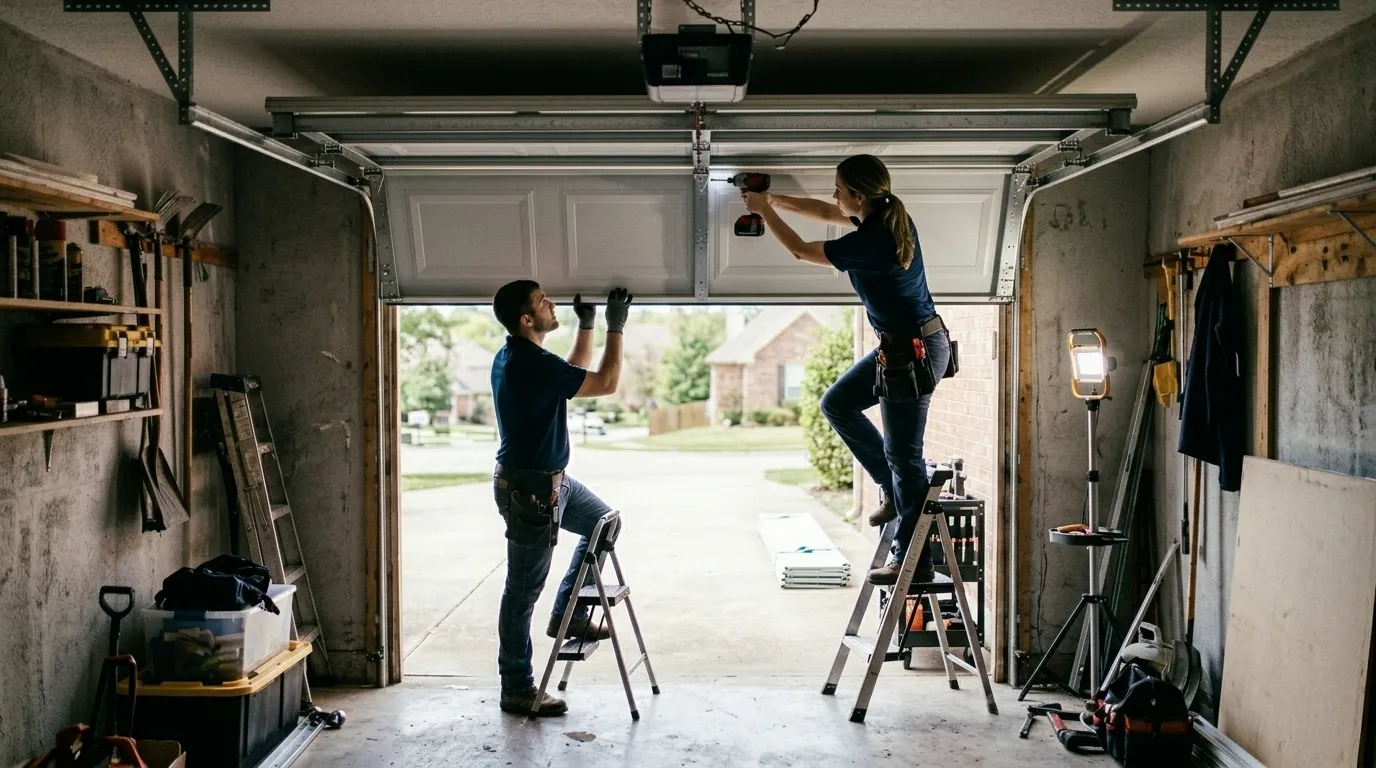
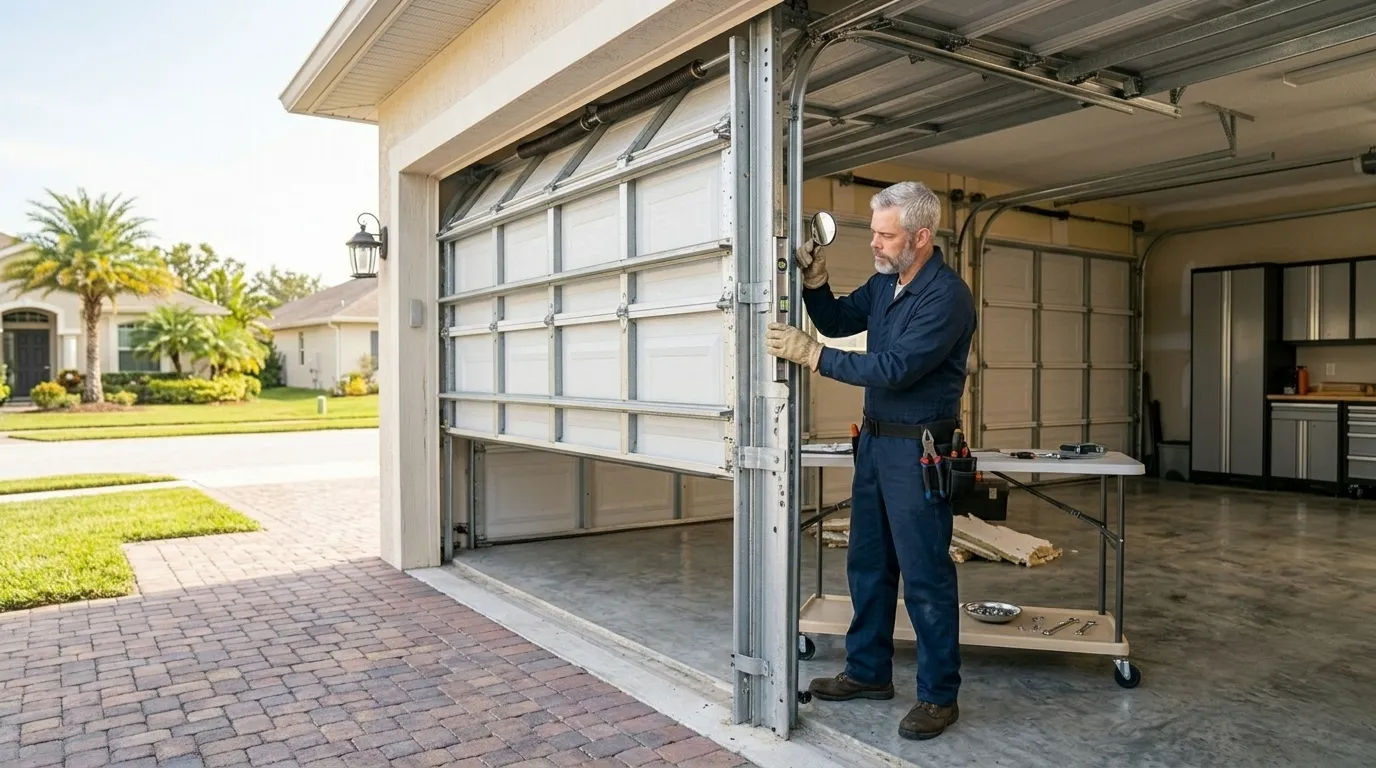
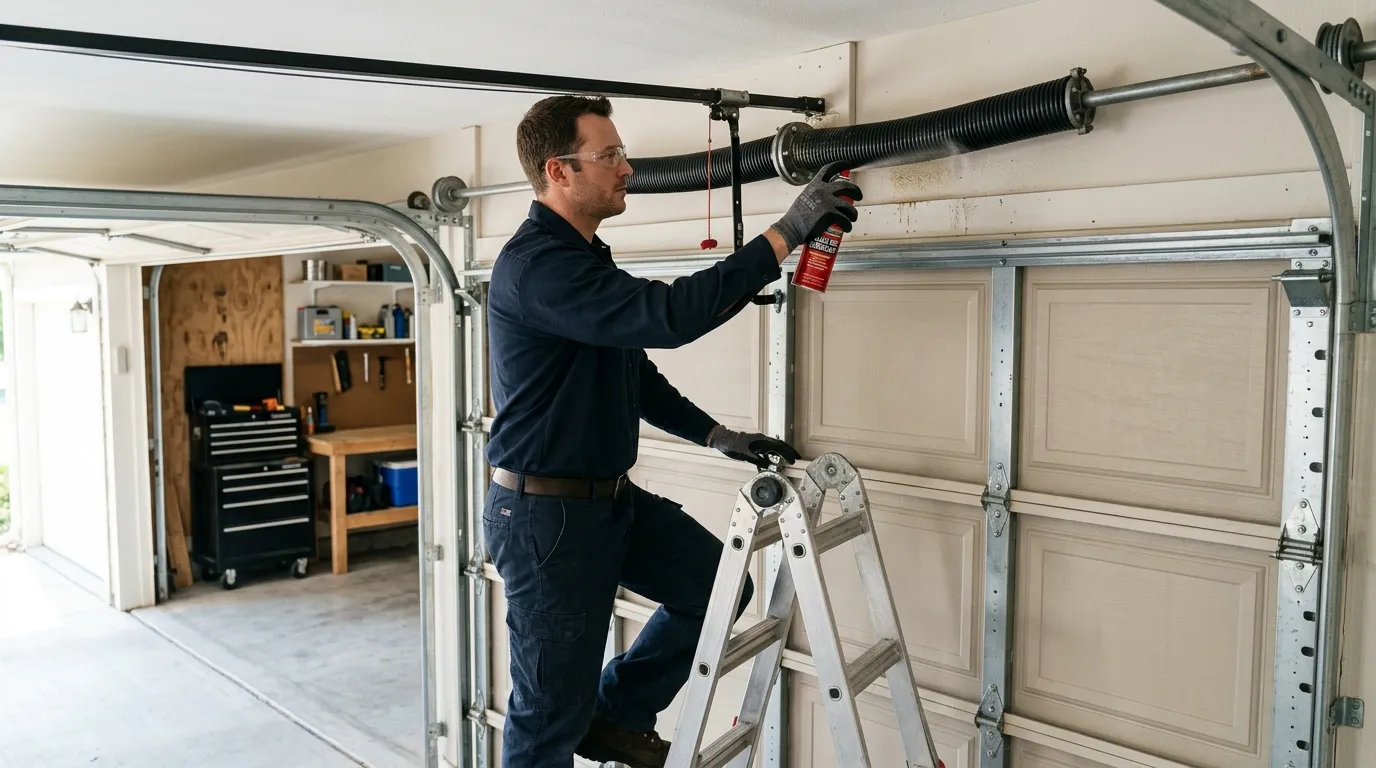
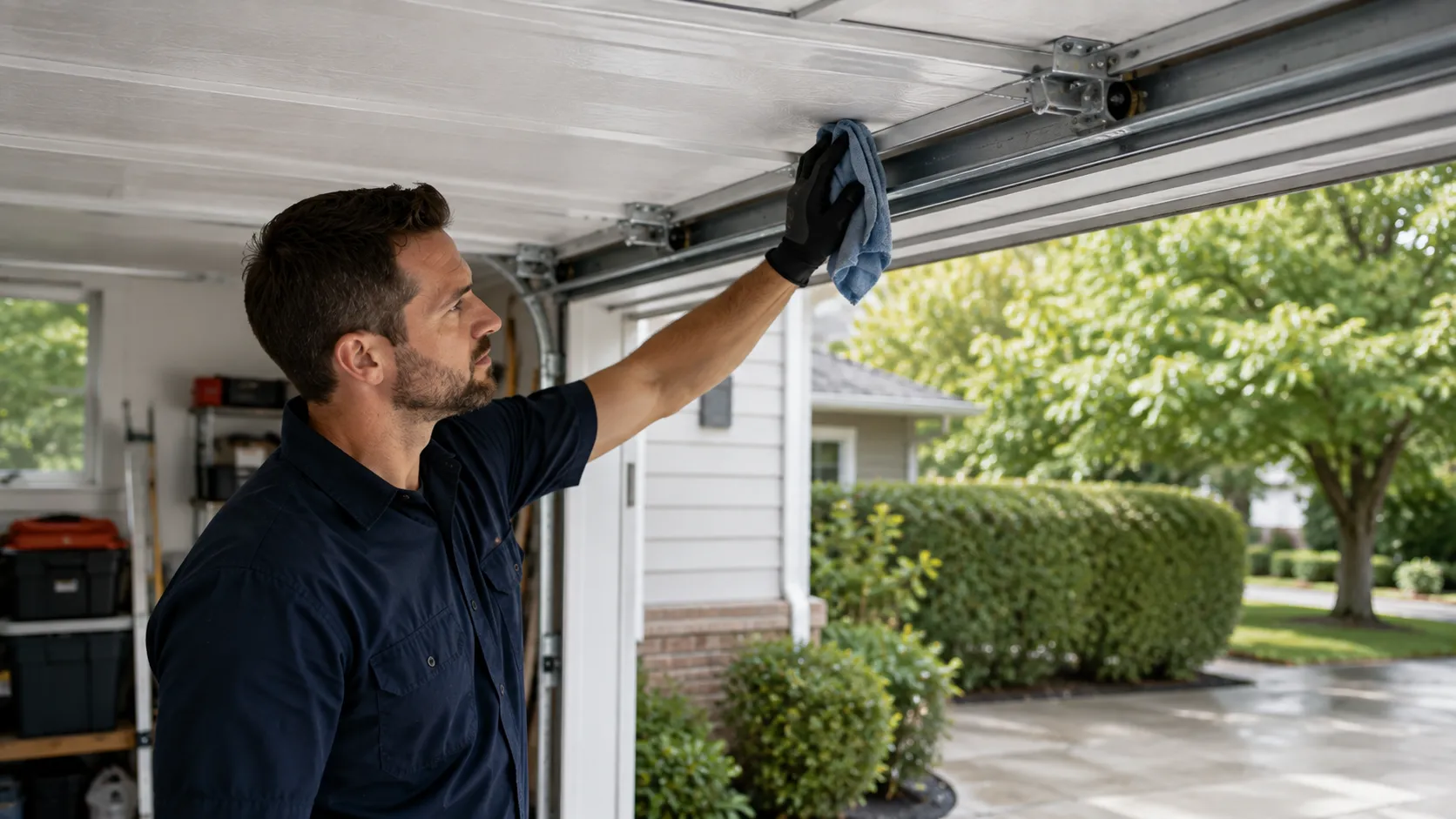
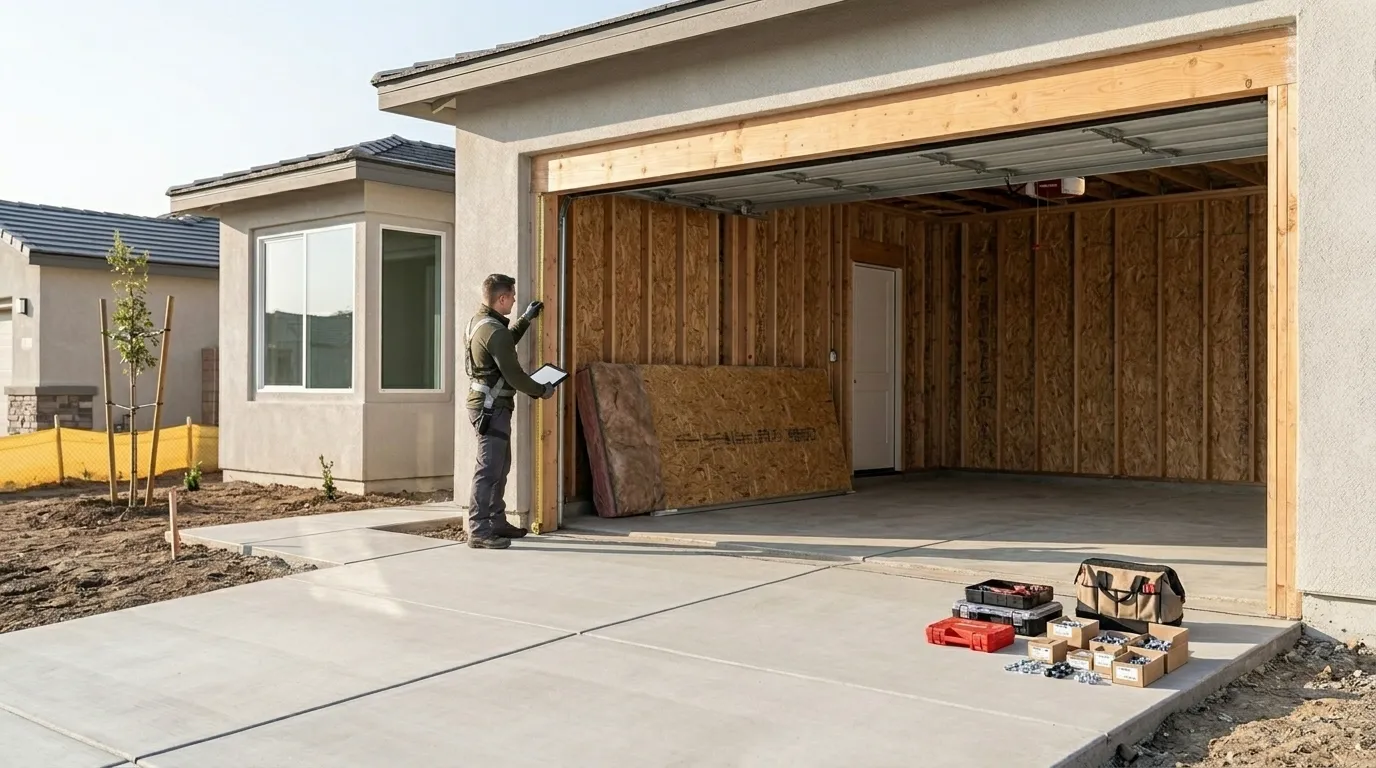
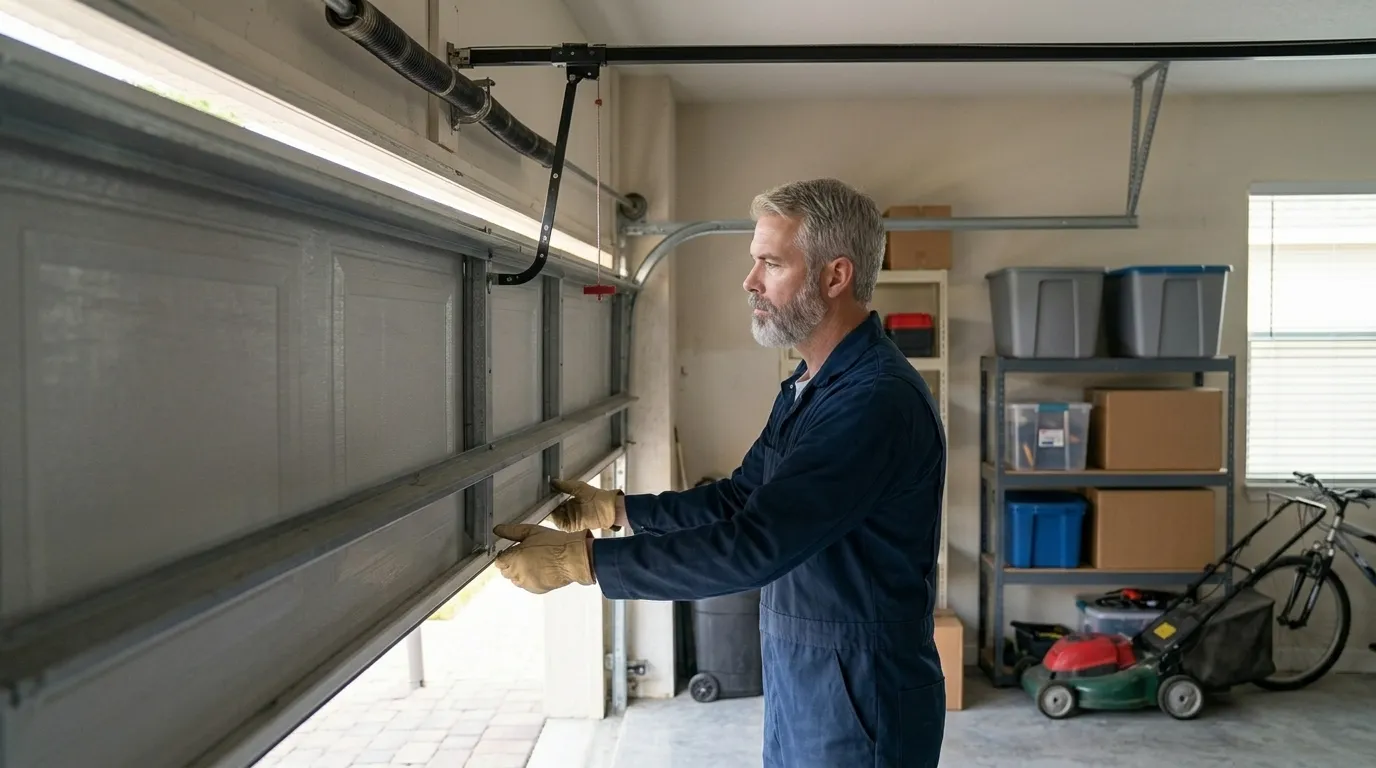
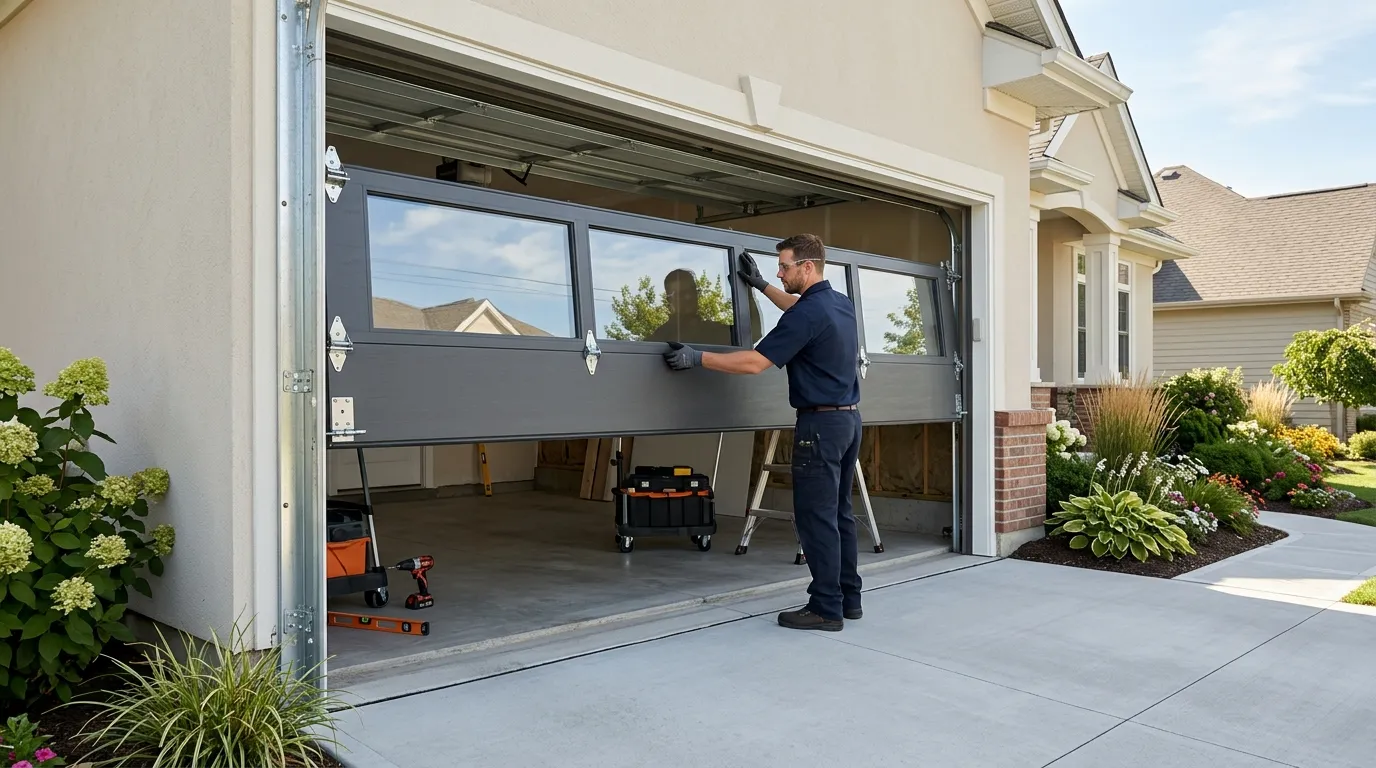
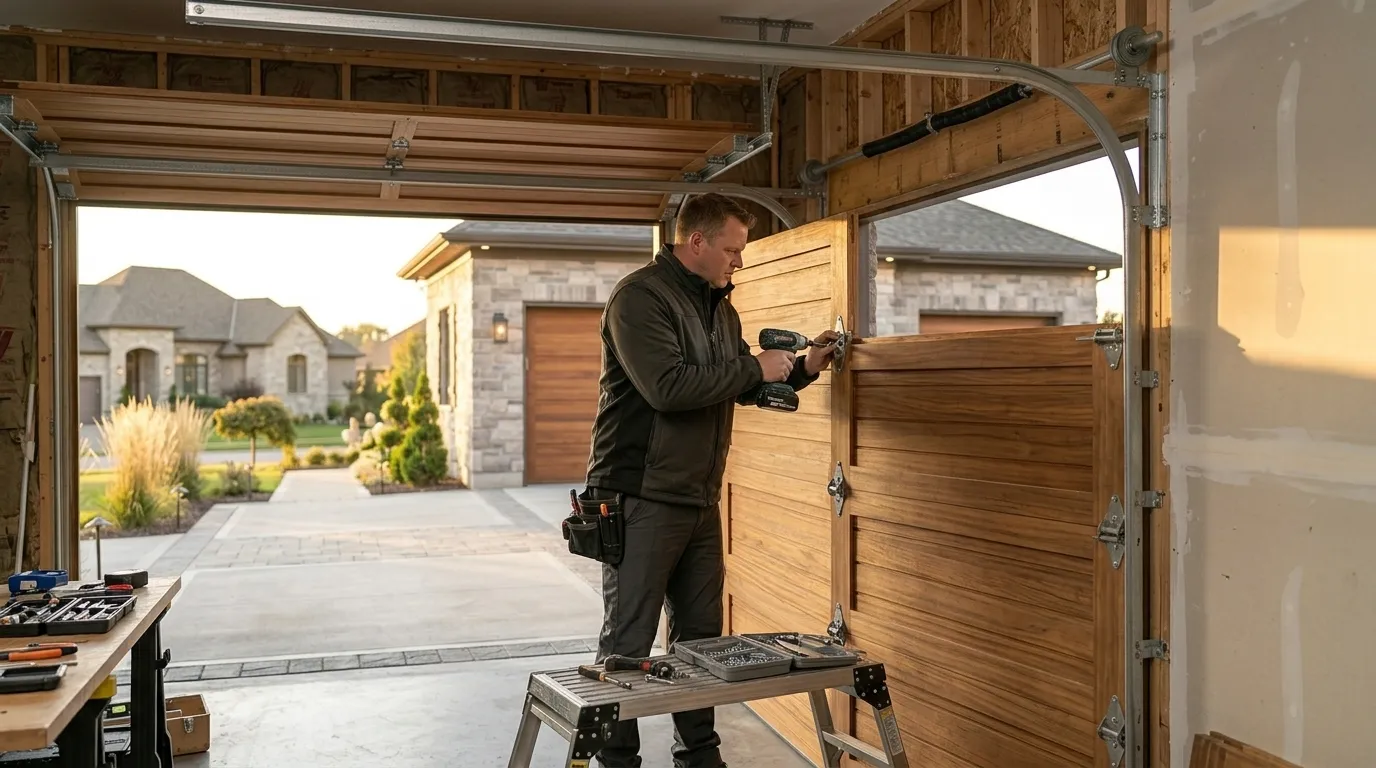
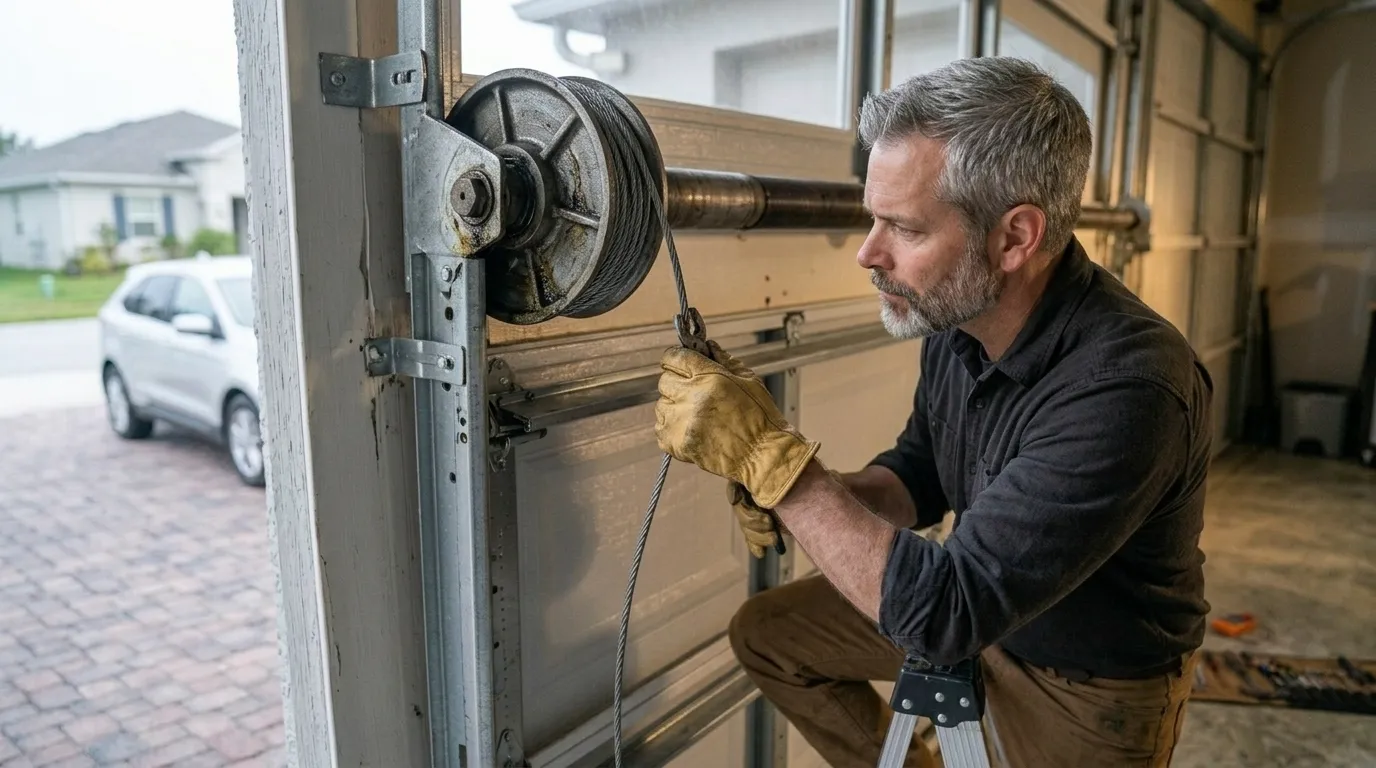
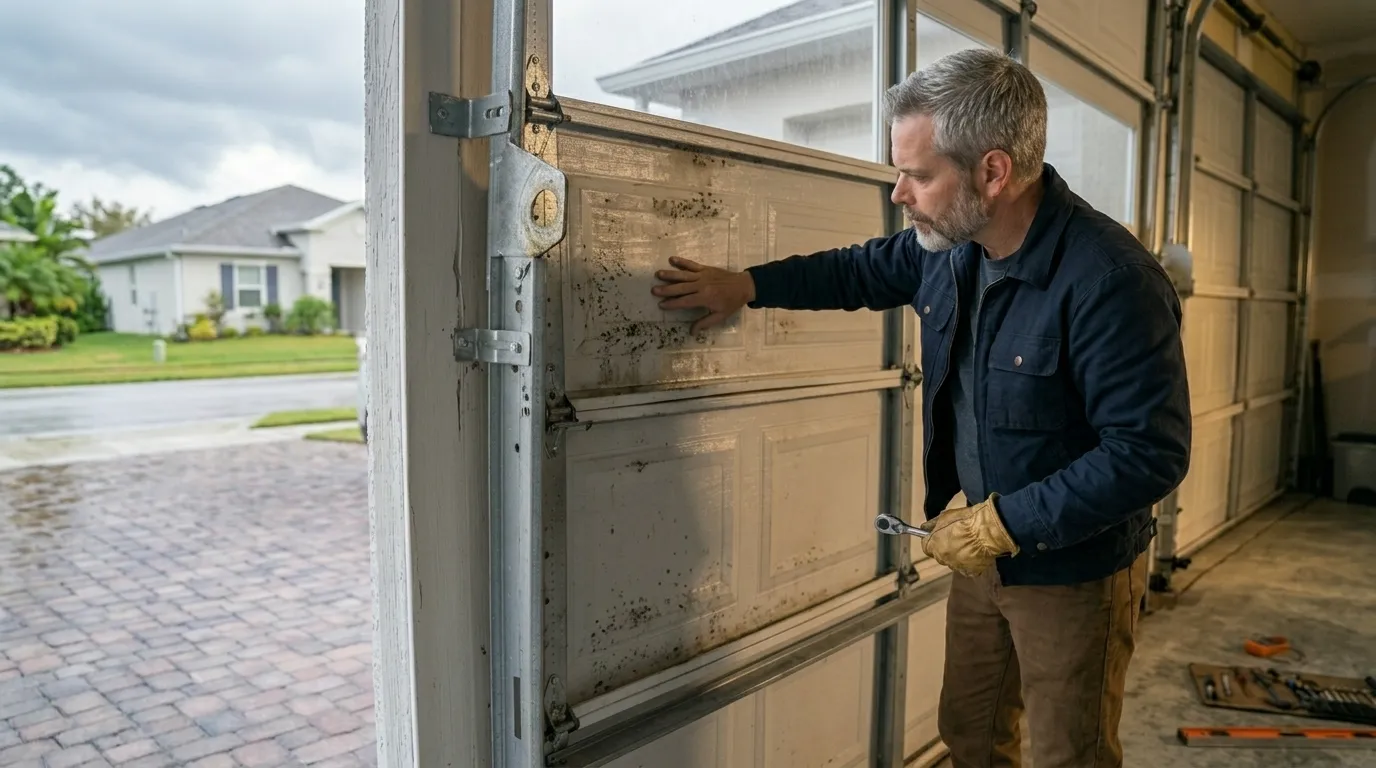
A new opener install is a half-day job when the door and track are already sound, longer when they aren't. We pull the old unit, check the rail alignment, and mount the new motor head to the same header framing that's been holding openers up in this town since most of these houses went up. Denver's housing stock runs 1947 to 2006, with a median build year of 1981, and that spread matters: a chain-drive unit from a 1980s build often bolted to framing that was never meant to carry a screw-drive rail, and a straight swap without checking that framing is how you get a header crack six months later. We check the header, the door weight, the spring balance, and the wiring before we ever hang the new motor. If the existing door is out of balance or the springs are undersized for the panel, we say so before we install, because a new opener bolted to a door that's fighting its springs will burn out inside a year. That's the honest limitation here: we won't sell you a motor as a fix for a spring problem. Once the header and balance check out, wiring the safety sensors, setting travel limits, and pairing remotes takes the rest of the visit.
Why This Fails Locally
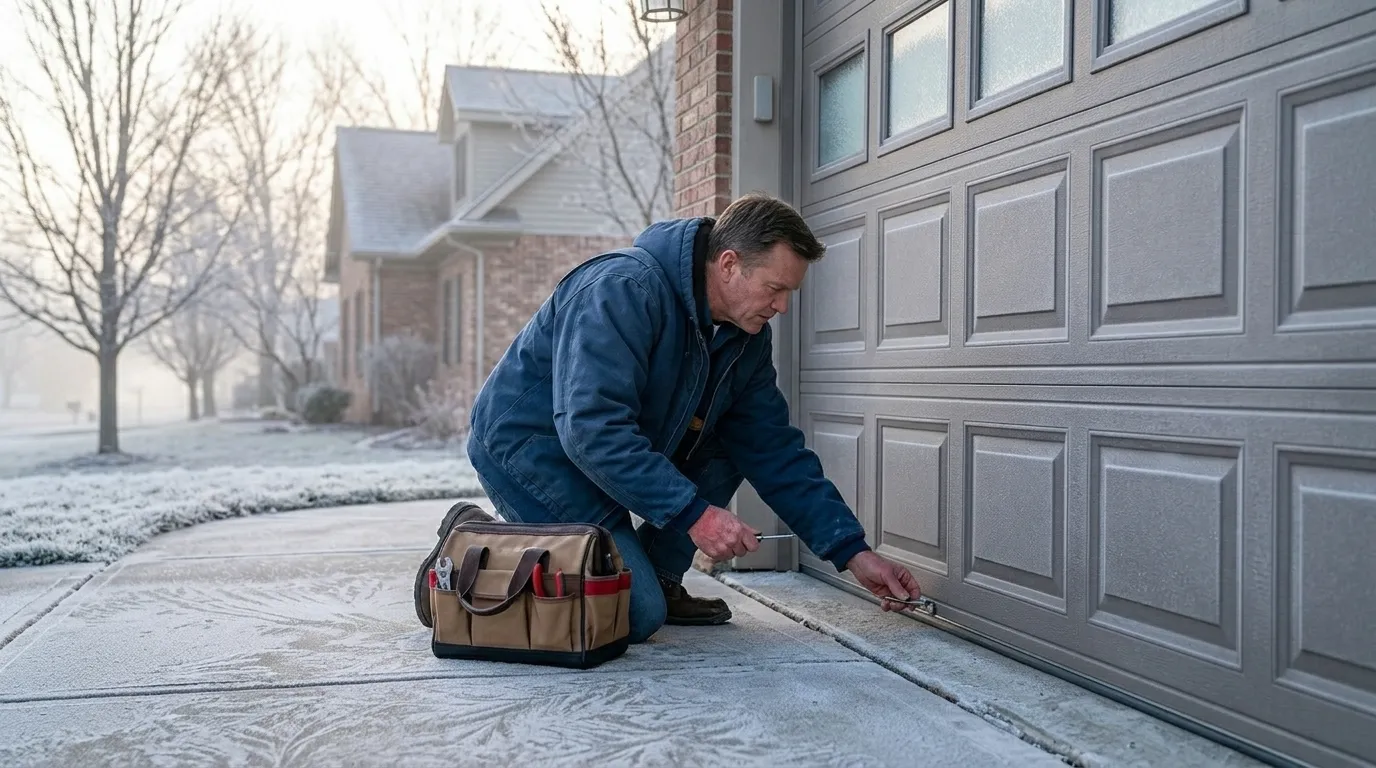
Across the 31 named areas in this service area, most homes date to the 1980s and 90s, and that generation of openers used circuit boards and gear sets that were never built for a COLD-severe winter climate band. Cold contracts the nylon gears inside older drive units and stiffens the grease in the rail, so the motor works harder every startup from November through March. Over 20-plus winters, that strain shows up as stripped gears, burnt-out circuit boards, or a motor that runs but the carriage won't move. Houses at the older end of the 1947-2006 range often still have the original low-horsepower unit, sized for a lighter door than local building code now expects on a replacement panel, which means the opener is working past its rated load every single cycle. With 96,547 owner-occupied houses across this area, we see the same failure pattern often enough that it's not a coincidence - it's what cold does to a 30-to-40-year-old drive system that was already undersized.
How Long You Are Without the Door
With the door and header in good shape, we finish an opener swap same visit, and you're opening and closing the door before we leave. If we find a header that needs reinforcing or springs that need replacing first, that adds time, because we won't leave a motor hung on a bad structure just to make the clock. Parts availability is the other variable: current openers are usually on the truck, but certain rail lengths or wall-mount kits for tighter garages sometimes need a day to source. We'll tell you at the door, not after we've started, if your job needs a second visit.
What You Are Seeing
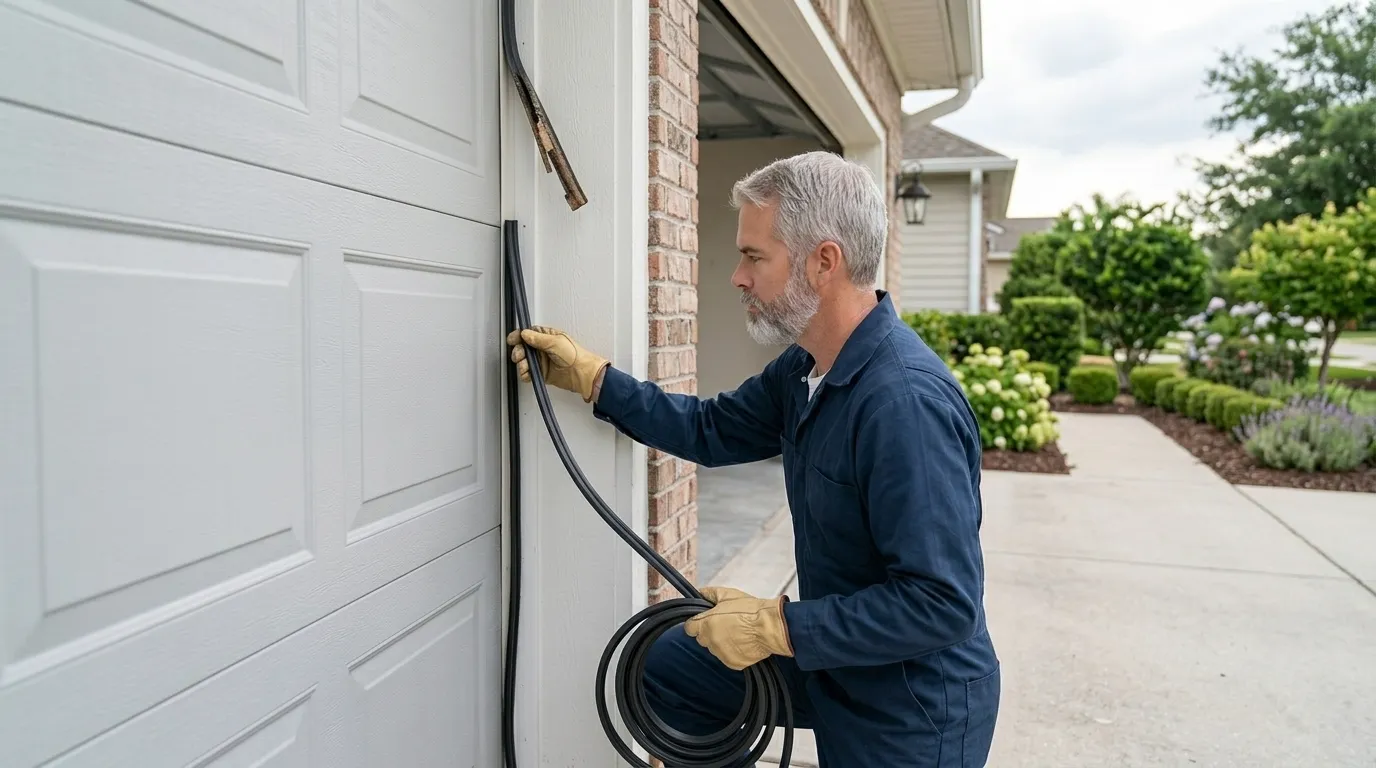
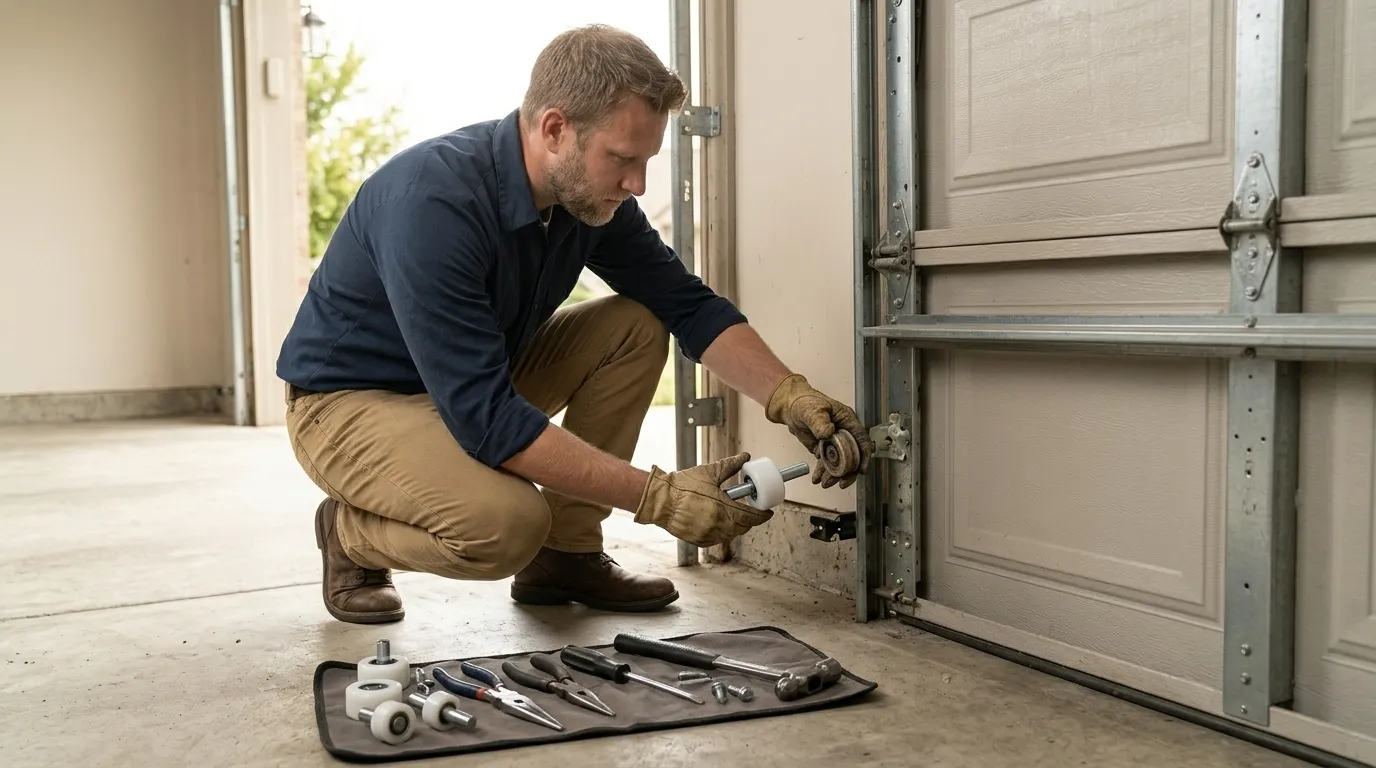
The most common call is a door that hums but doesn't move - stripped internal gears, almost always on an opener installed before the mid-1990s. Close behind is a remote that used to work fine and now only opens the door some of the time, which is a dying circuit board more often than a battery. A door that reverses right after it starts closing usually means the safety sensors are misaligned or the travel limits drifted, both fixable without a full replacement. If your opener is original to a house from the earlier end of our 1947-2006 range and it's making a grinding noise on startup, that's a gear set at the end of its life, and replacement is usually the better call than a repair at that point - we'll tell you straight if that's the case rather than billing you for a patch.
How it works
From “it’s stuck” to “it’s fixed”
01
Tell us what’s wrong
Describe the symptom - won’t open, loud bang, opener runs but the door won’t move.
02
On-site diagnosis
A technician tests the door under power and by hand and finds what actually failed.
03
Clear, up-front plan
You get the fix that’s needed and what drives the cost - before any work starts.
04
Repaired & tested
The repair is done, the door is set true and tested, and the work area left clean.
Serving Denver, CO - tell us what your door’s doing and we’ll take it from there.
How much does a garage door opener installation cost in Denver?
We don't have a set number to quote here - it depends on the opener you choose, whether your header needs reinforcing, and whether the existing wiring and sensors are reusable. We give a firm price at the house after a look at the door and framing, before any work starts.
Will a new opener work with my old garage door?
Usually, but not always. We check door weight, spring balance, and header framing before we install. If your door predates modern safety-sensor requirements or the springs are undersized, we'll flag that first - hanging a new motor on an unbalanced door just shortens its life.
Why does my opener struggle more in winter?
Denver sits in a COLD-severe climate band, and cold stiffens the grease in the rail and contracts nylon gears inside older drive units. On openers from the 1980s and 90s - common across this area's housing stock - that extra strain each winter is often what finally strips the gears.
Can you match a new opener to my existing remotes?
Sometimes. Older remotes on obsolete frequencies usually can't pair with a current opener, so most installs come with new remotes and a keypad. We'll test what you have on-site before ordering anything new.
Ready to get your garage door sorted?
Tell us what it’s doing and where you are in Denver - we’ll take it from there.