Rollers grinding or jumping track on a house built between 1947 and 2006? We replace worn rollers on Denver doors and explain why this area's cold swings wear them out fast.
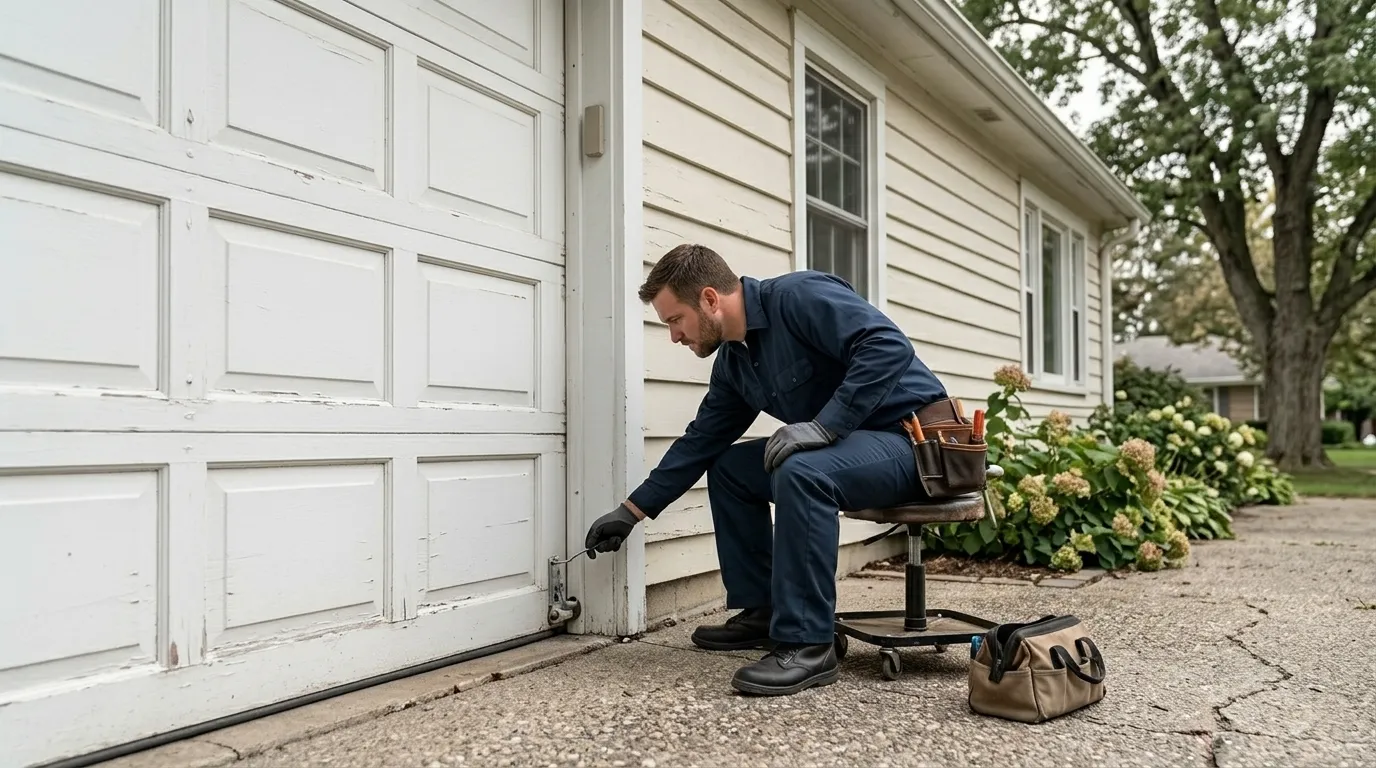
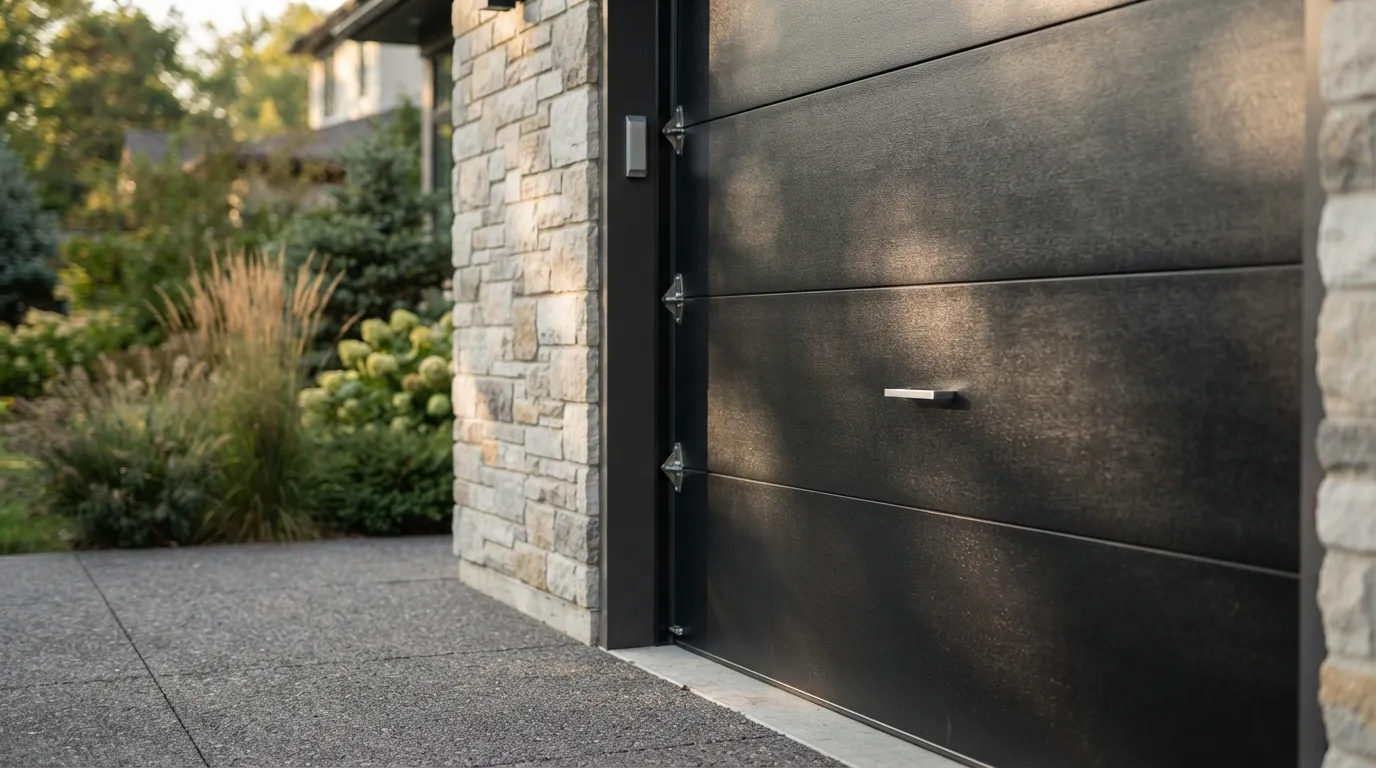
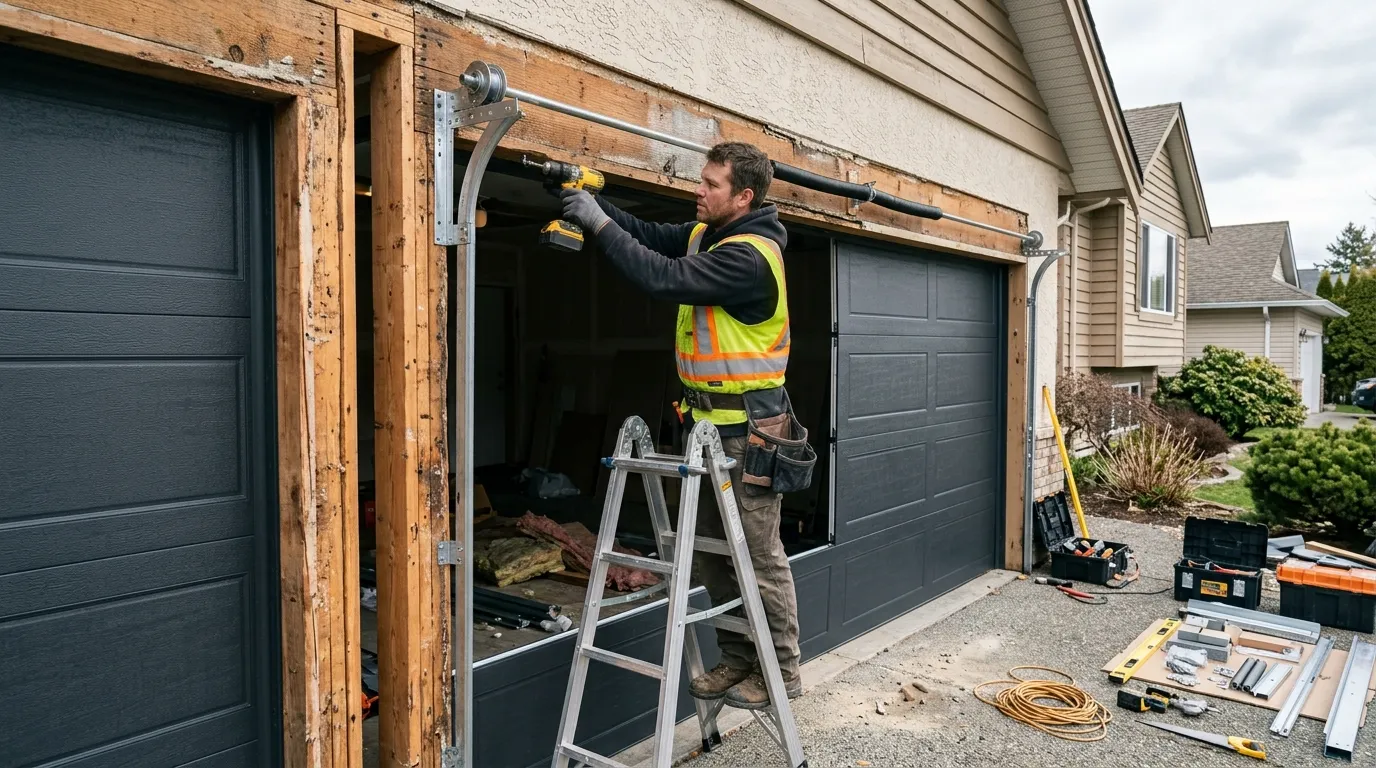
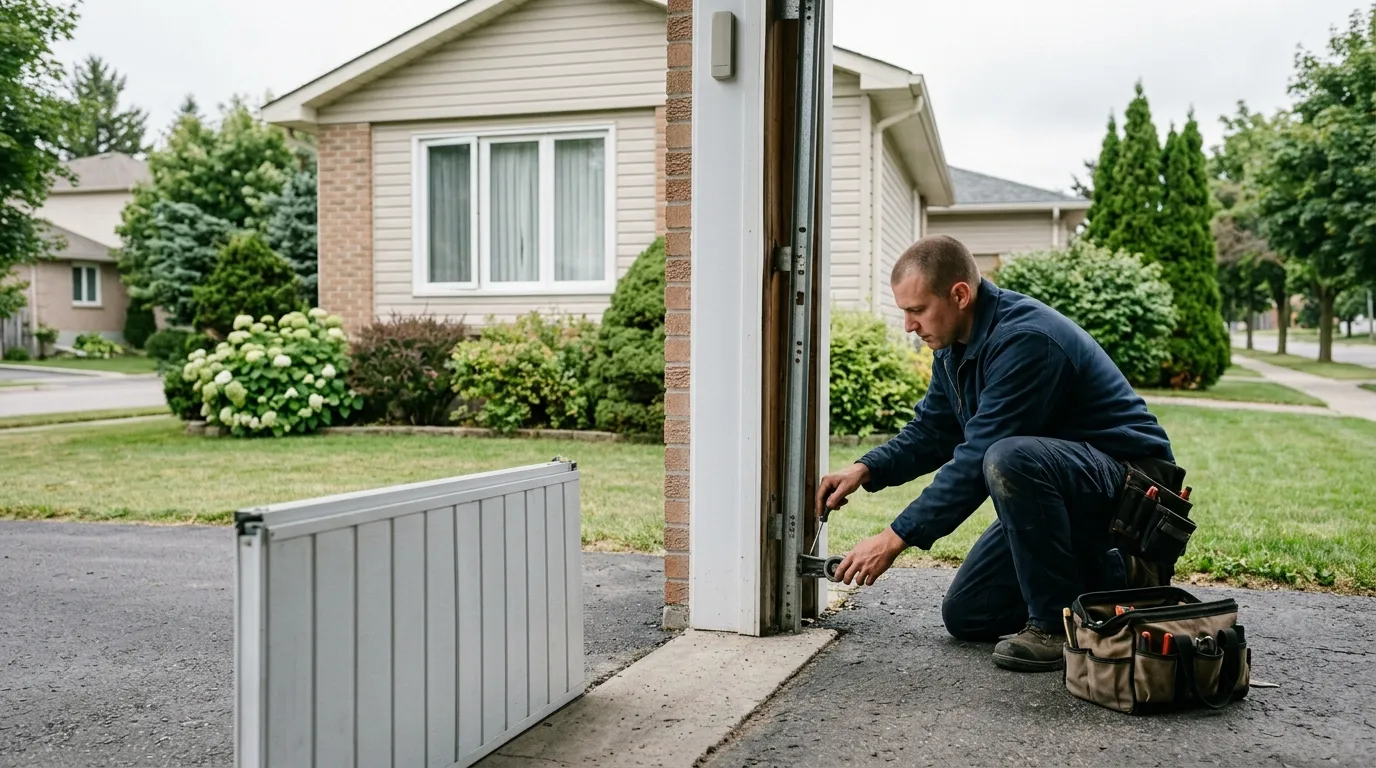
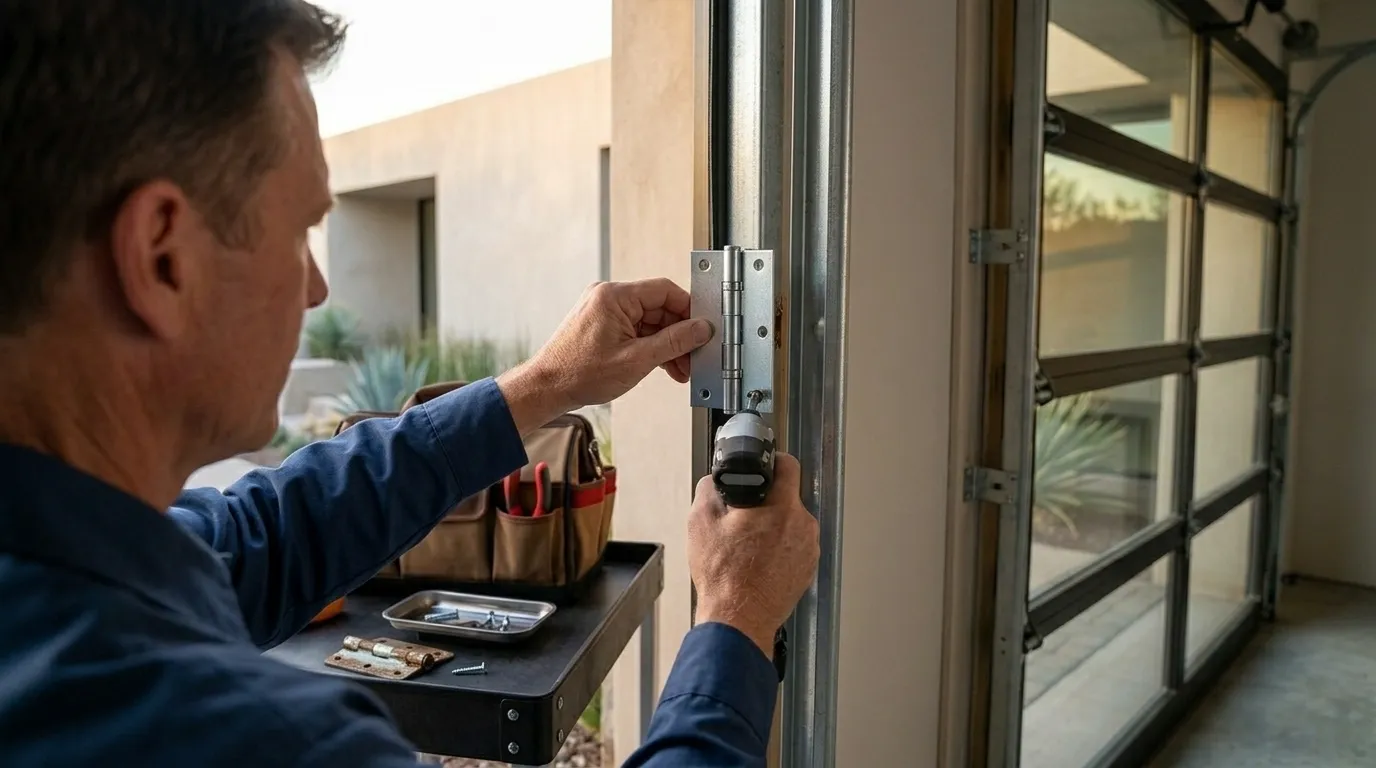
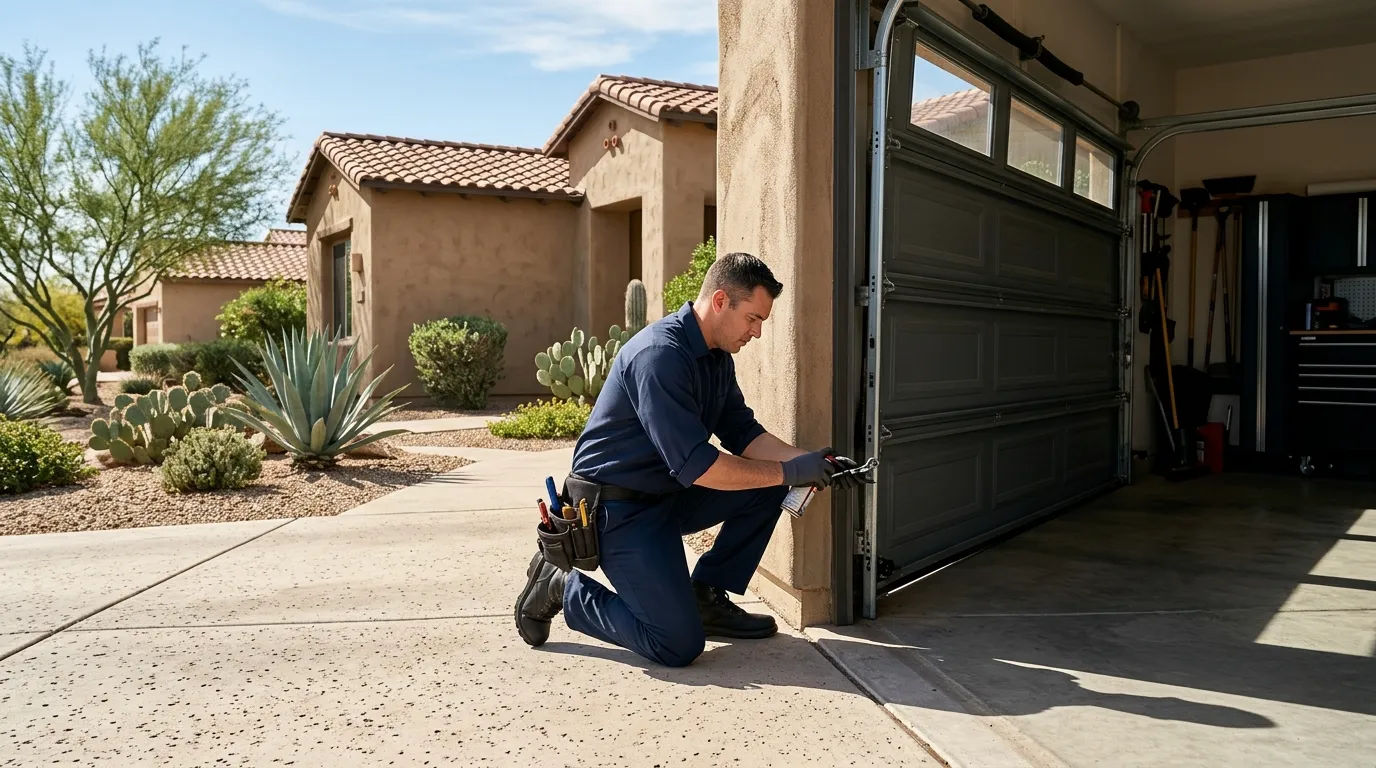
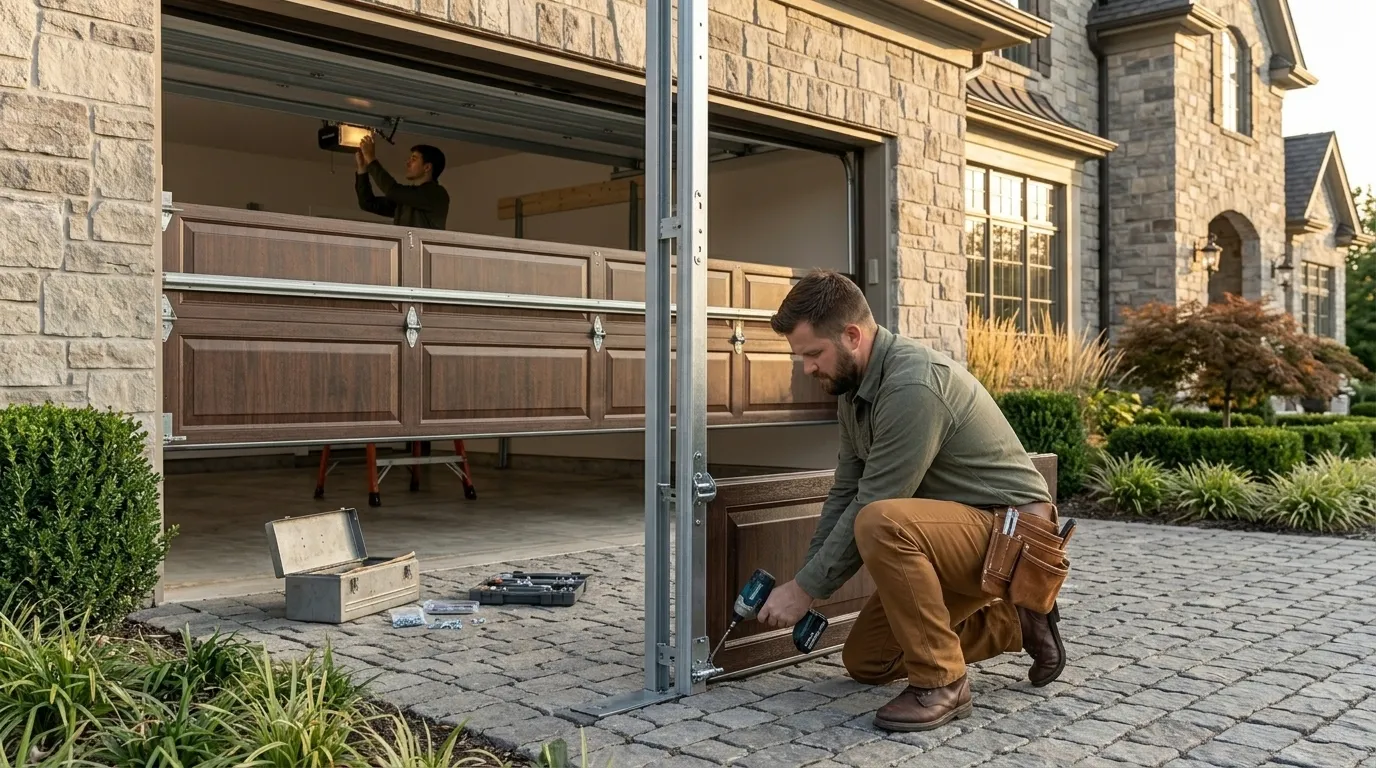
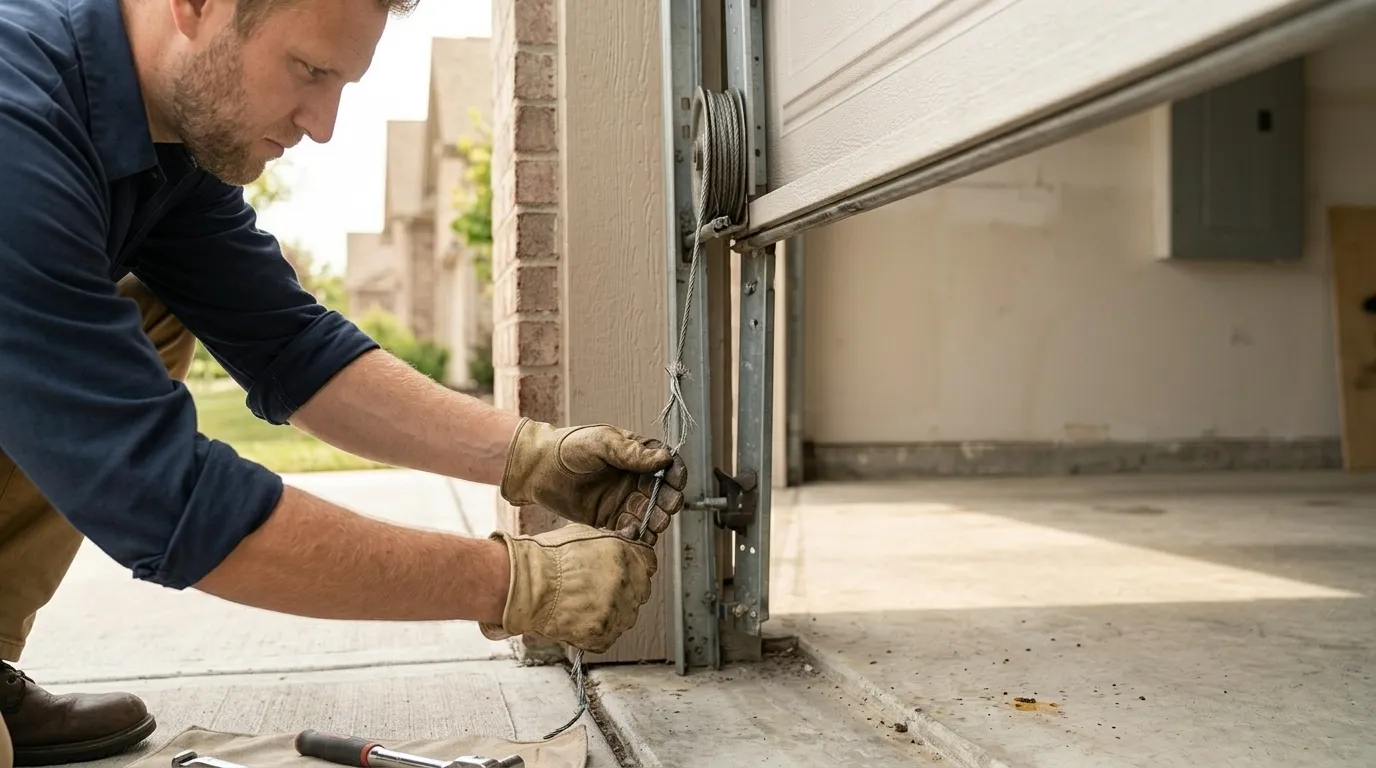
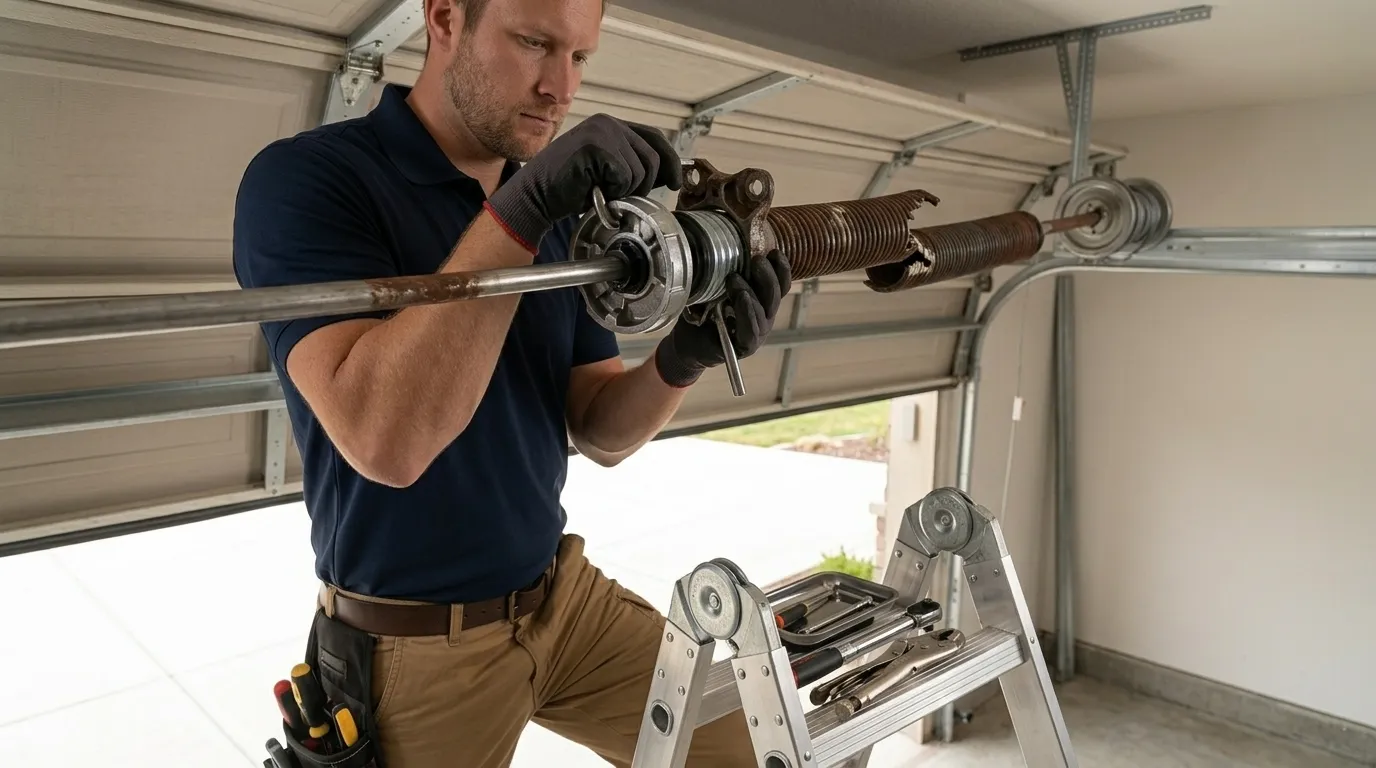
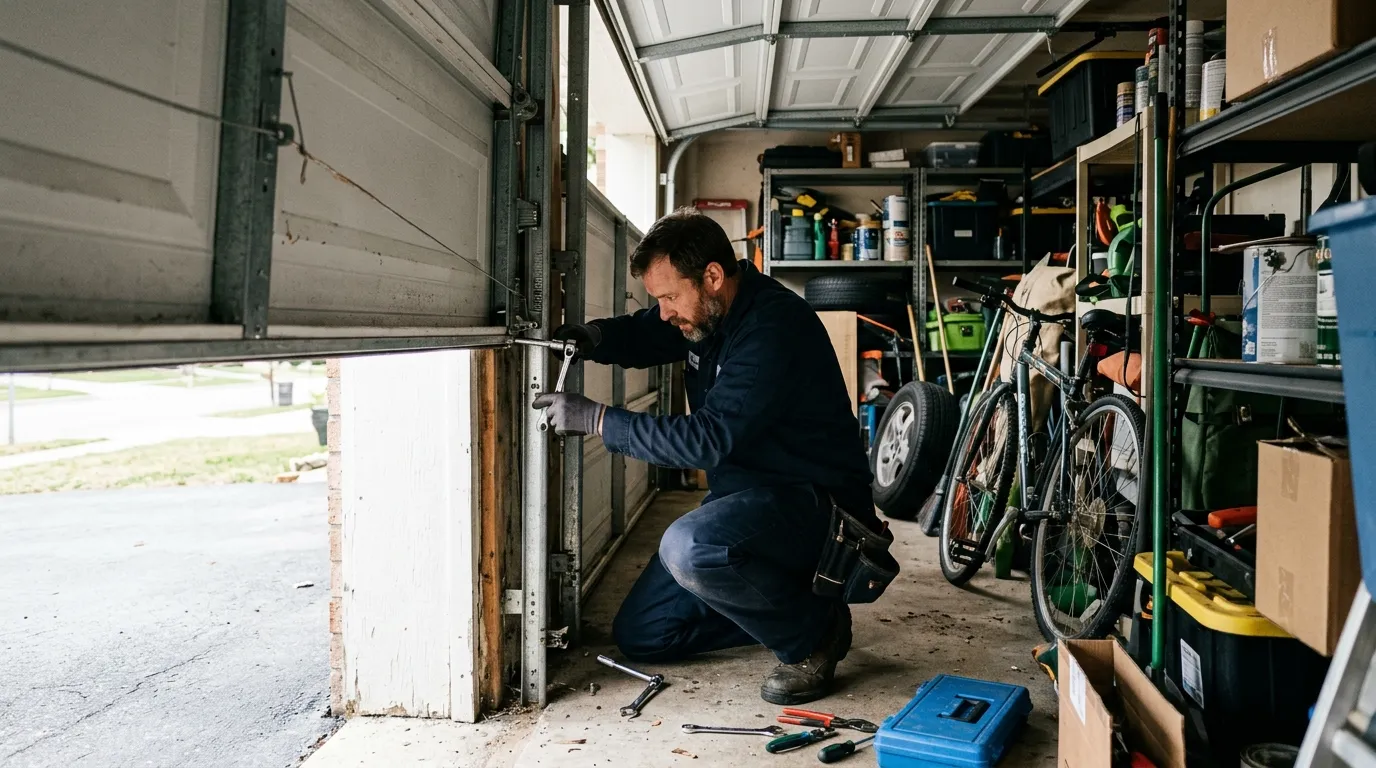
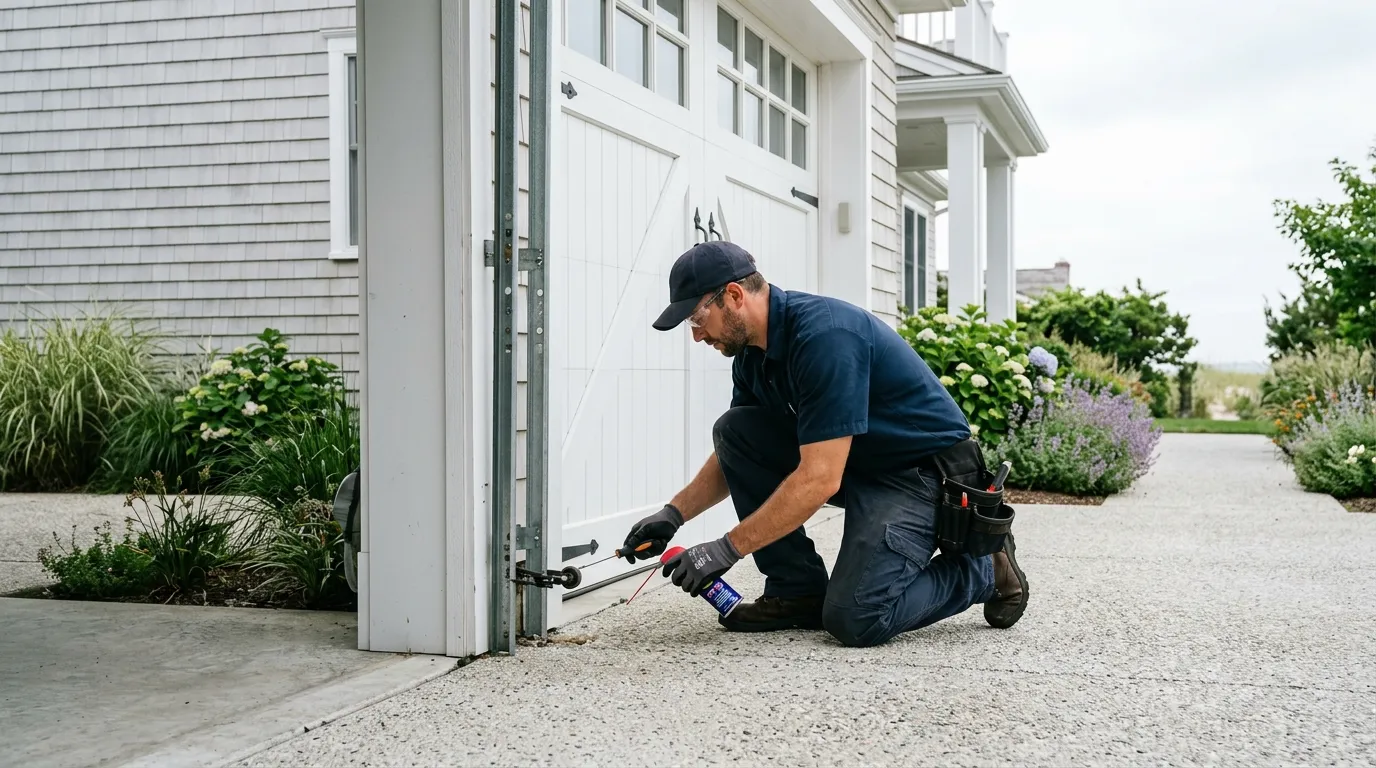
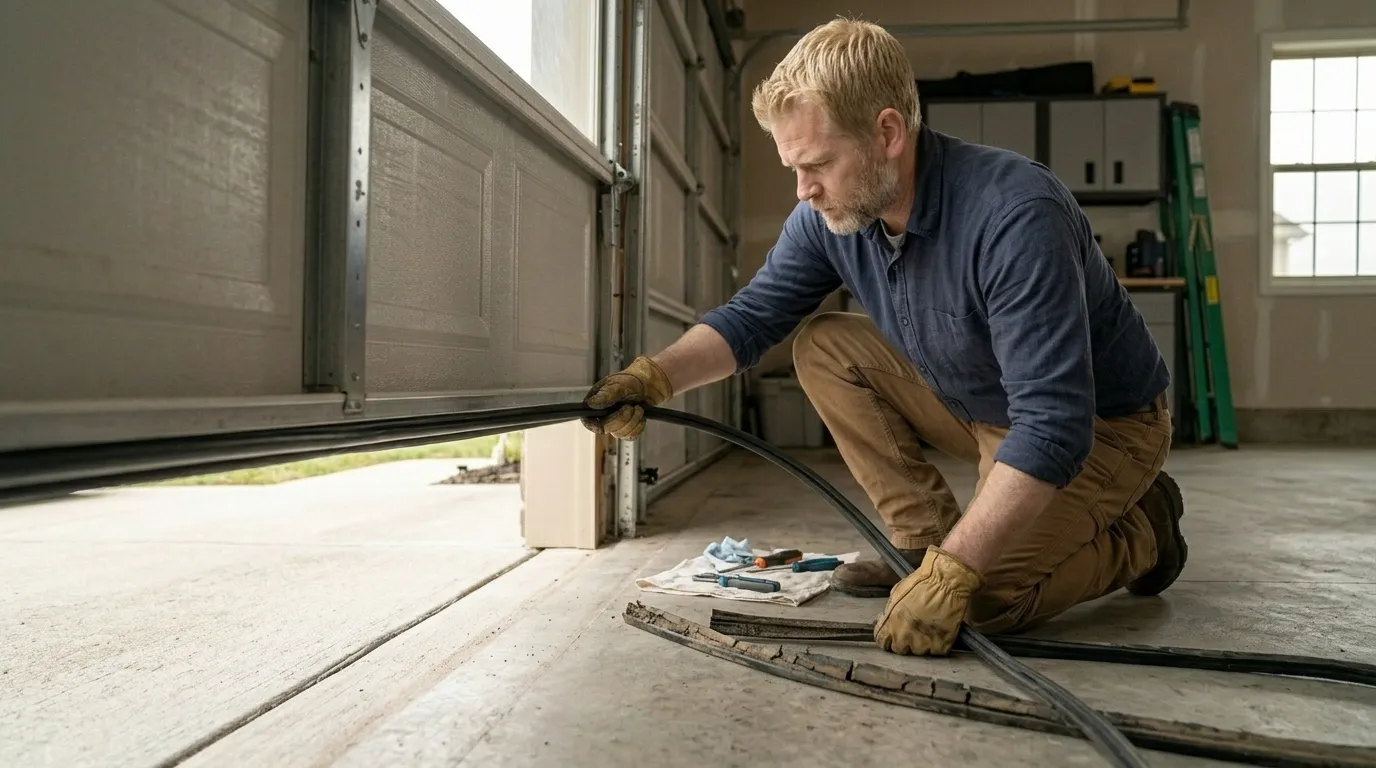
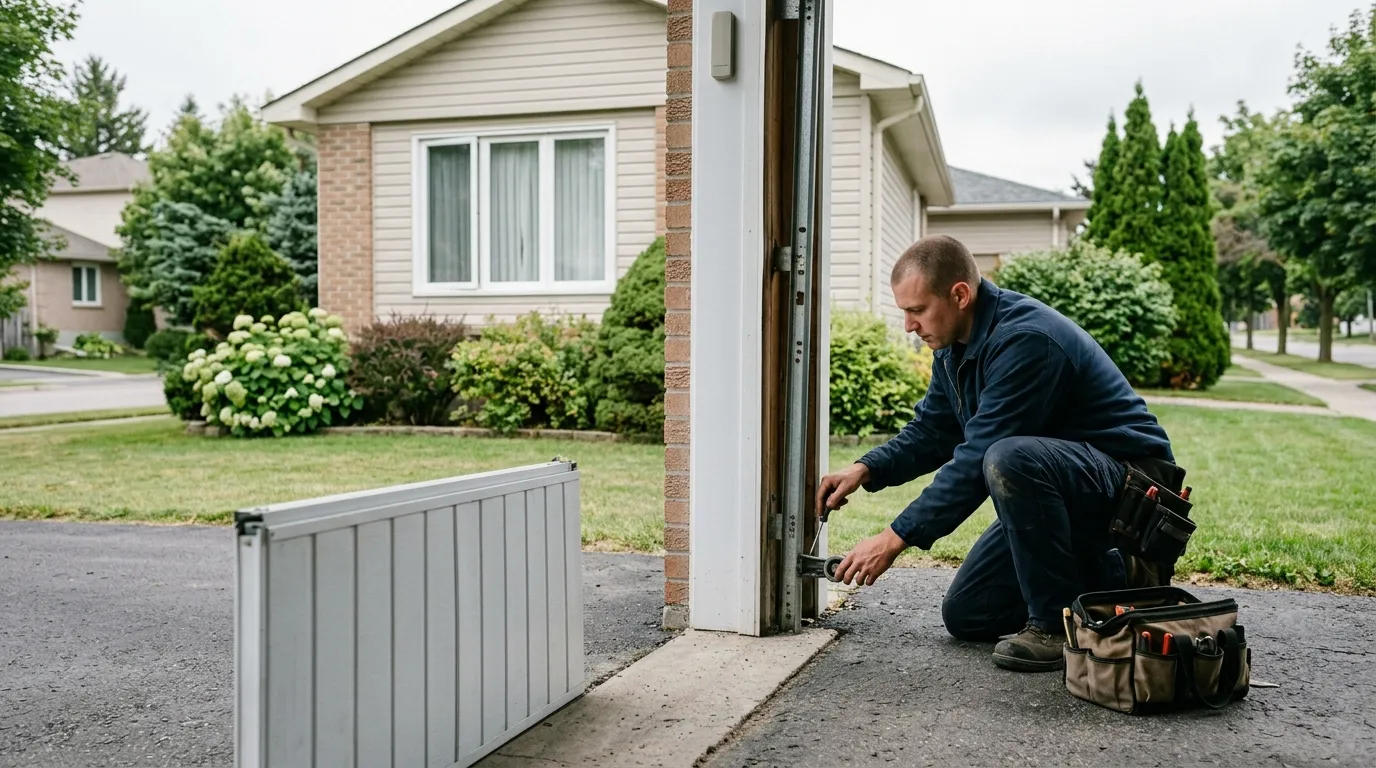
Roller replacement on a standard double or single door is a torsion-spring-tensioned job, not a bolt-swap. We release spring tension, pull the old rollers out of the track and hinges, and set new ones - steel ball-bearing or nylon, depending on what your opener and budget call for. On a house from Denver's typical build era (1947 to 2006, with the bulk of stock going up in the 1980s and 90s per F1/F2), the rollers are usually the original stamped-steel type or a cheap nylon replacement from a prior owner. Both wear the same way: the stem bends, the bearing dries out, and the roller starts riding the edge of the track instead of the center. We check every roller on the door, not just the noisy one, because if one has worn unevenly the others are close behind. Full roller sets on a double door run longer than a single because there's more track to true up and more hardware to inspect. One limitation worth saying plainly: if the track itself is bent from a roller that jumped rail years ago, roller replacement alone won't fix the noise - that's a track repair or realignment on top of the roller swap, and we'll tell you before we start, not after.
Why This Fails Locally
Denver sits in a severe cold climate band, and that matters for rollers more than most homeowners expect. Steel rollers with sealed bearings contract in deep cold snaps and expand again on the warm days that follow - Denver's swing days are common, not rare - and that cycle works grease out of the bearing faster than it would in a milder climate. Nylon rollers handle the cold-flex better but get brittle with age and start cracking at the stem in houses built in the 1980s stock (F1/F2), which is most of what we see across the service area. Add in unheated garages, which is standard here, and the temperature swing inside the garage on a given day can be as wide as outside. That's the mechanism: not one hard freeze, but hundreds of expansion-contraction cycles a year grinding down a bearing that was fine in a warmer market. It's also why a roller failure on an original-hardware door from the 1981 median build year usually isn't isolated - the cable drum, hinges, and track brackets are the same age and under the same stress.
How Long You Are Without the Door
Roller replacement itself is one of the shorter jobs we run - it doesn't touch the opener logic board or require a spring recalculation unless the springs are also failing. Most single-roller or full-set jobs are done same visit, door back down and cycling before the truck leaves. Where it takes longer is parts: if you've got an odd-size stem or a roller that's been discontinued because the door itself is old enough to be off a manufacturer's current line, we may need to order rather than pull from stock. That's more likely on doors from the earlier end of Denver's build range (pre-1970s installs, per F1) than on the 1980s-90s majority. We won't leave a door standing open on a track that isn't safe to leave unattended - if a same-visit fix isn't possible, we secure the door closed and come back with the part.
What You Are Seeing
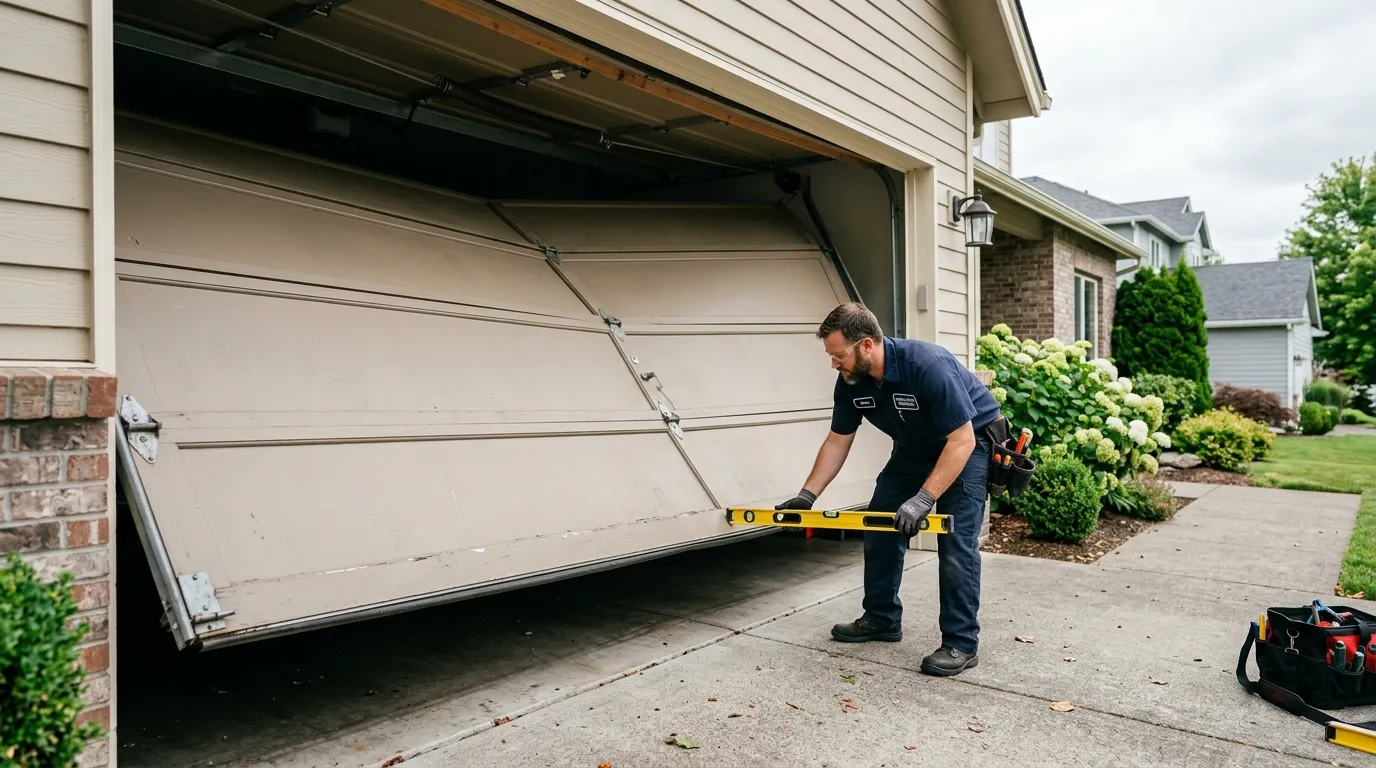
A grinding or squealing sound as the door travels, worse in the morning or after a cold night, is the most common early sign - that's the bearing losing grease exactly the way the cold-cycle wear pattern above predicts. A roller that visibly wobbles or looks flat on one side instead of round has already worn through its bearing. If the door jerks or hesitates at the same spot on every cycle, a roller has likely jumped slightly off-track and is riding the flange instead of the channel - this is common on the older end of the area's housing stock where track brackets have loosened over decades. Rust streaks on the track near a roller, especially after a wet snow followed by a freeze, point to a roller stem corroding inside its hinge. None of these on their own mean the springs or opener are at risk, but if you're also hearing a bang or seeing the door drop unevenly, that's a cable or spring issue layered on top, and it changes the job.
How it works
From “it’s stuck” to “it’s fixed”
01
Tell us what’s wrong
Describe the symptom - won’t open, loud bang, opener runs but the door won’t move.
02
On-site diagnosis
A technician tests the door under power and by hand and finds what actually failed.
03
Clear, up-front plan
You get the fix that’s needed and what drives the cost - before any work starts.
04
Repaired & tested
The repair is done, the door is set true and tested, and the work area left clean.
Serving Denver, CO - tell us what your door’s doing and we’ll take it from there.
Do you replace rollers on doors across the whole Denver area, or just certain neighborhoods?
We work across the service area covering roughly 219,760 households, including areas like Glendale, Park Hill, and the rest of the named service area. Roller wear patterns are consistent across it because the housing stock and climate exposure are similar - the differences are more about which decade the door itself was installed.
Are steel or nylon rollers better for Denver's climate?
Nylon handles the daily cold-to-warm swing with less bearing wear over time, since it flexes instead of contracting the way sealed steel bearings do. Steel ball-bearing rollers are quieter and last longer if maintained, but they need occasional grease to survive Denver's freeze-thaw cycling. We'll recommend based on your door's age and how often you're in the garage.
Why does my door only grind in cold weather?
Grease inside the roller bearing thickens in the cold and can't cushion the bearing the way it does at warmer temperatures, so metal rides closer to metal and you hear it. Once the door's been up and down a few times and the bearing warms slightly, the sound often quiets - that doesn't mean it's fixed, just less audible.
Can I just replace one bad roller instead of the whole set?
You can, and sometimes that's the right call if the rest are still round and quiet. But rollers on the same door are usually the same age, so if one has failed from bearing wear, the others are on the same clock. We'll check all of them and tell you honestly which ones still have life left.
Ready to get your garage door sorted?
Tell us what it’s doing and where you are in Denver - we’ll take it from there.