Cable repair for Glendale's 2,678 households, mostly built around 1983. Straight talk on cost, common failure points, and what the fix actually involves.
Glendale is a small town by household count - 2,678 of them, tucked into a 5-mile stretch off Denver - which means the cable jobs we run here aren't spread across dozens of housing eras like they are elsewhere in the service area. Almost everything we touch was built close to 1983, and that narrows what a cable job actually looks like before we even open the truck.
What you pay for a cable repair depends on whether one cable snapped or both, whether the drum it wraps around is scored or still round, and whether the door came down on the track hard enough to bend anything on its way. A single frayed cable on a torsion system with a good drum is a straightforward swap. Two cables gone at once, or a drum that's chewed up from running on a bare spool, is a longer job and costs more in parts and time.
We don't quote a number sight unseen, because the honest number depends on what we find once the door's open. What we can tell you up front is that Glendale's median household income sits at $68,952, noticeably under the $101,450 median across the wider service area - worth knowing if you're comparing a repair quote against a full opener or door replacement, since the math on "repair versus replace" tips differently here than it does in higher-income pockets nearby.
Why This Fails Locally
Houses in Glendale cluster tight around 1983, which puts most of the town's garage doors and their original hardware squarely in an era before galvanized cable and sealed-bearing drums became standard on residential doors. That matters because cable failure here tends to trace back to the same root cause: a cable that's been running dry against an aging drum for two or three decades with nobody ever lubricating it.
Denver's broader climate band is classified cold and severe, and that cuts both ways on cable life. Cold makes steel cable more brittle at the strand level, and repeated freeze-thaw cycling on a door that sits exposed to the weather works the fraying faster than it would in a mild climate. A cable that might last fifteen years in a temperate zone can fray through in ten or twelve here, especially if it was never inspected.
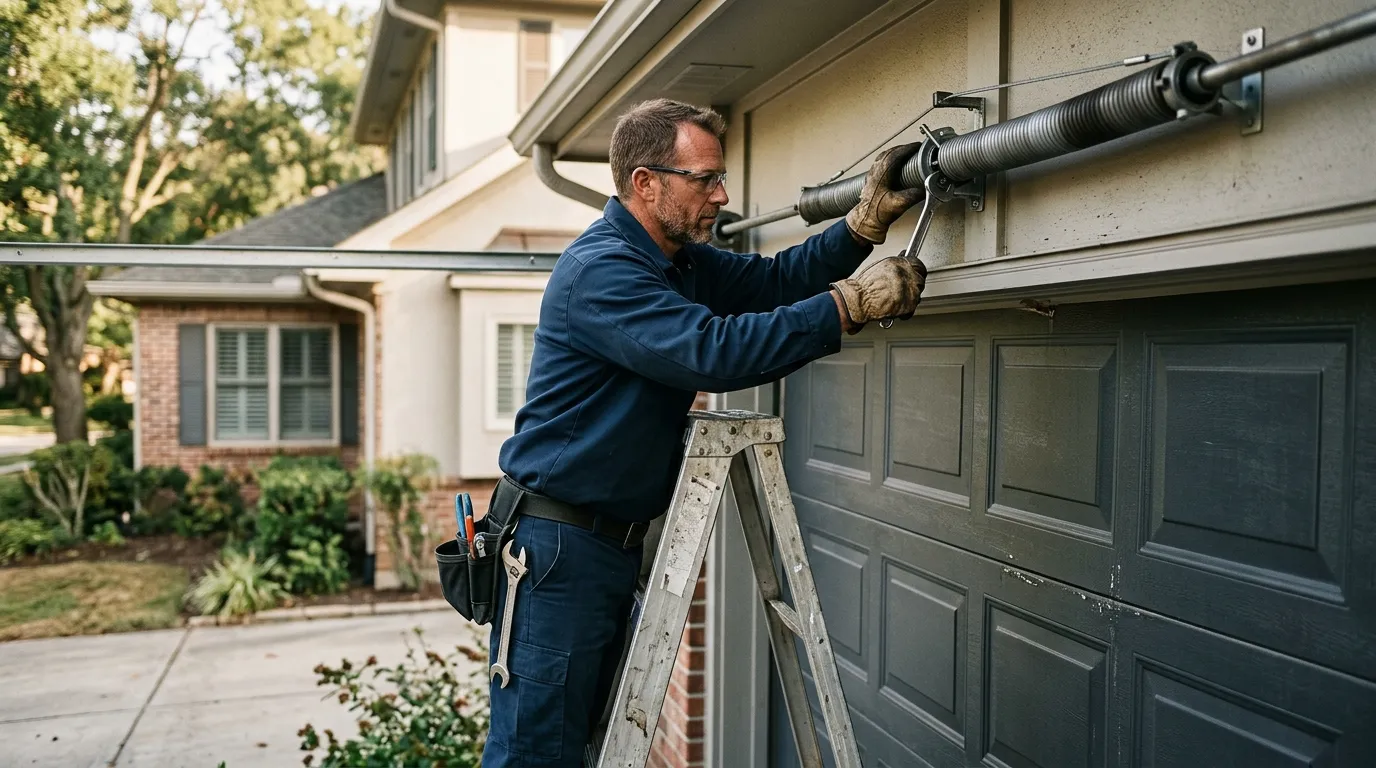
We also see cables fail because the door itself is out of balance - a spring that's lost tension makes the cable do more of the lifting than it's built for, and it wears through faster as a result. On a house from this era, spring and cable failure often show up close together, which is why we check both before we call the job done.
What the Repair Takes
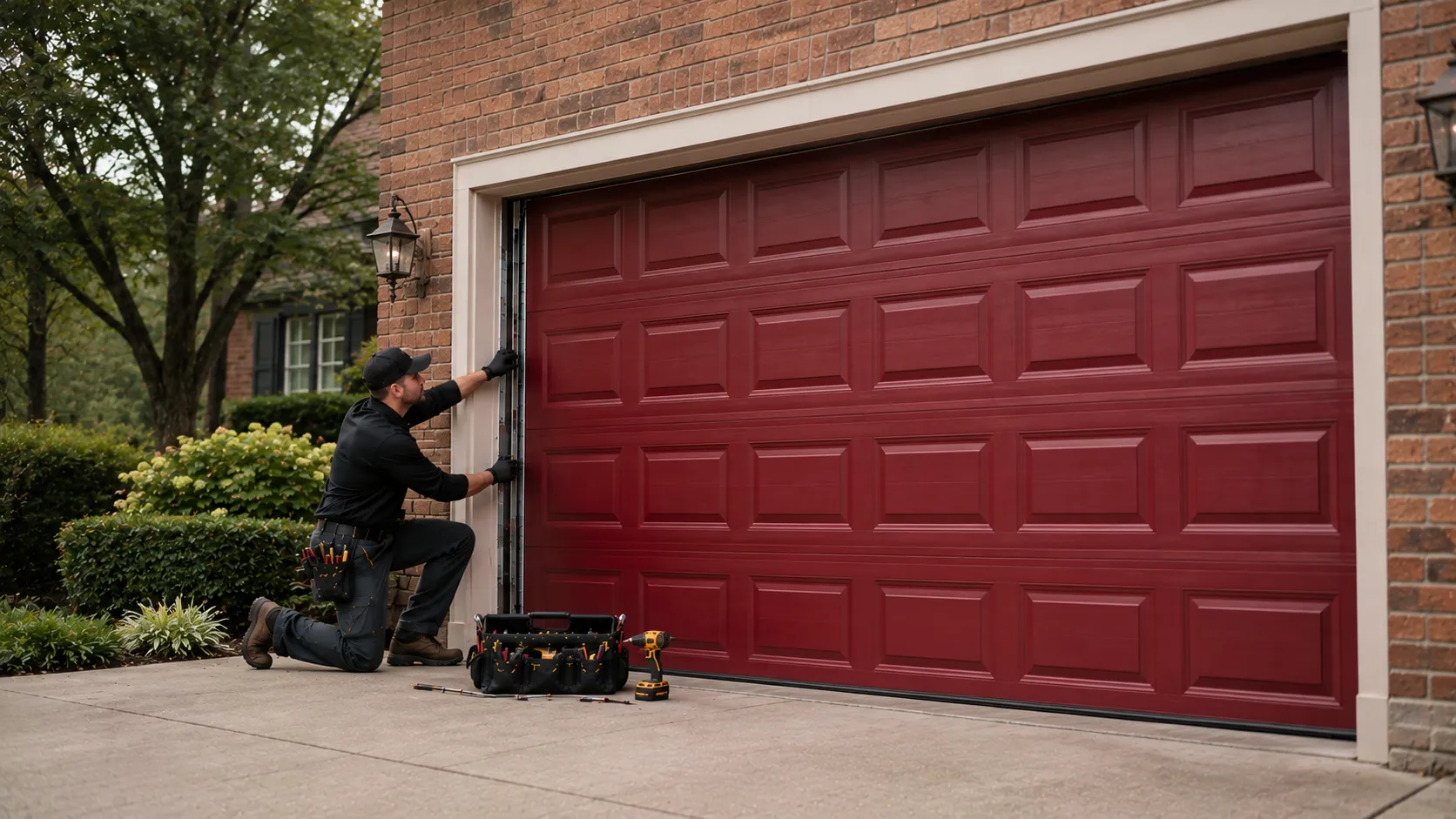
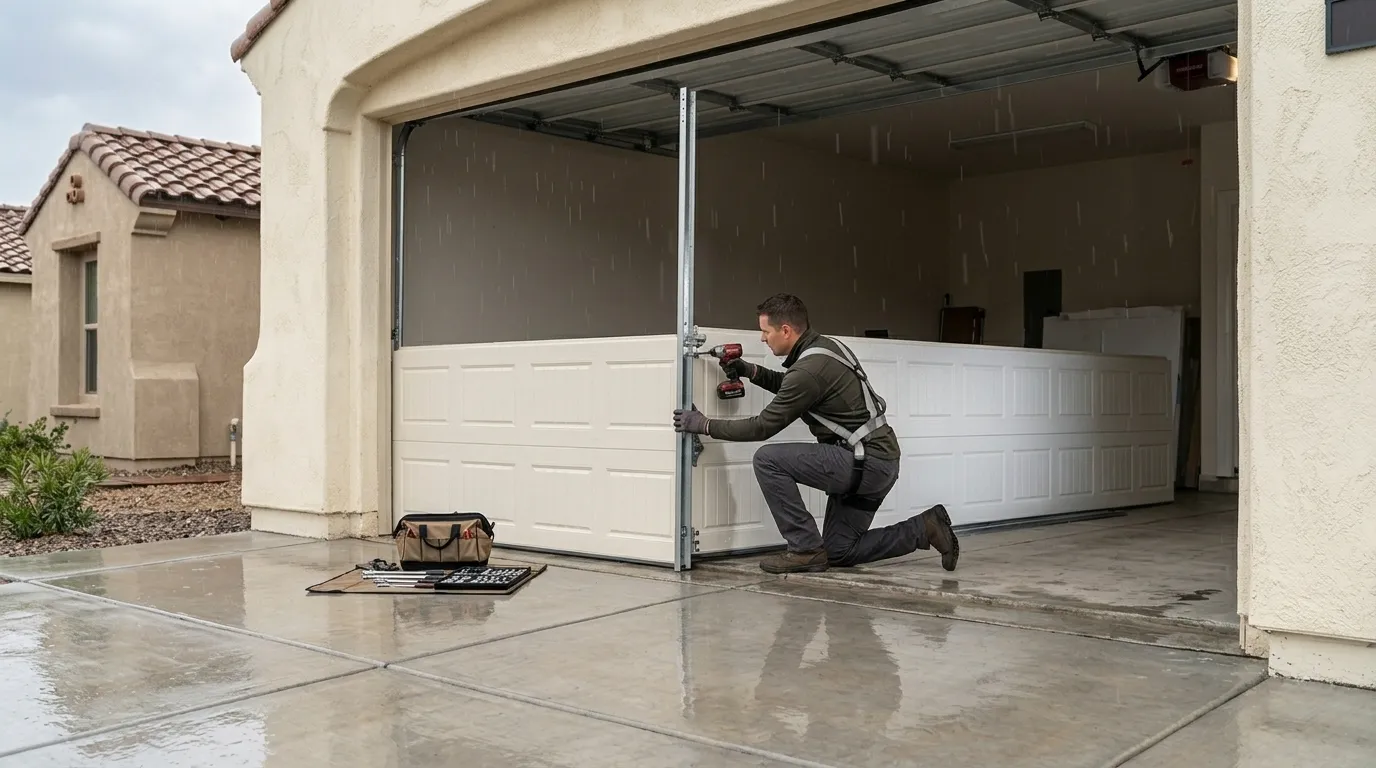
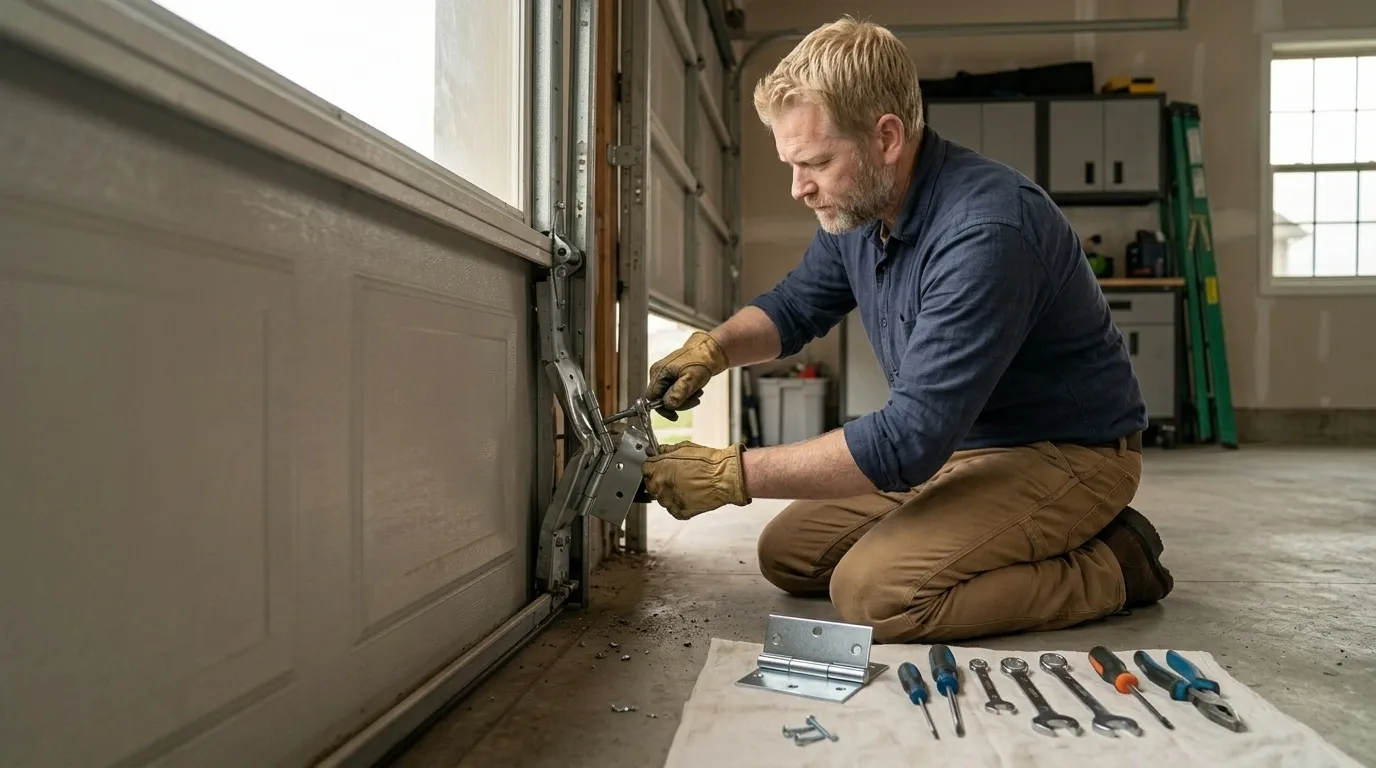
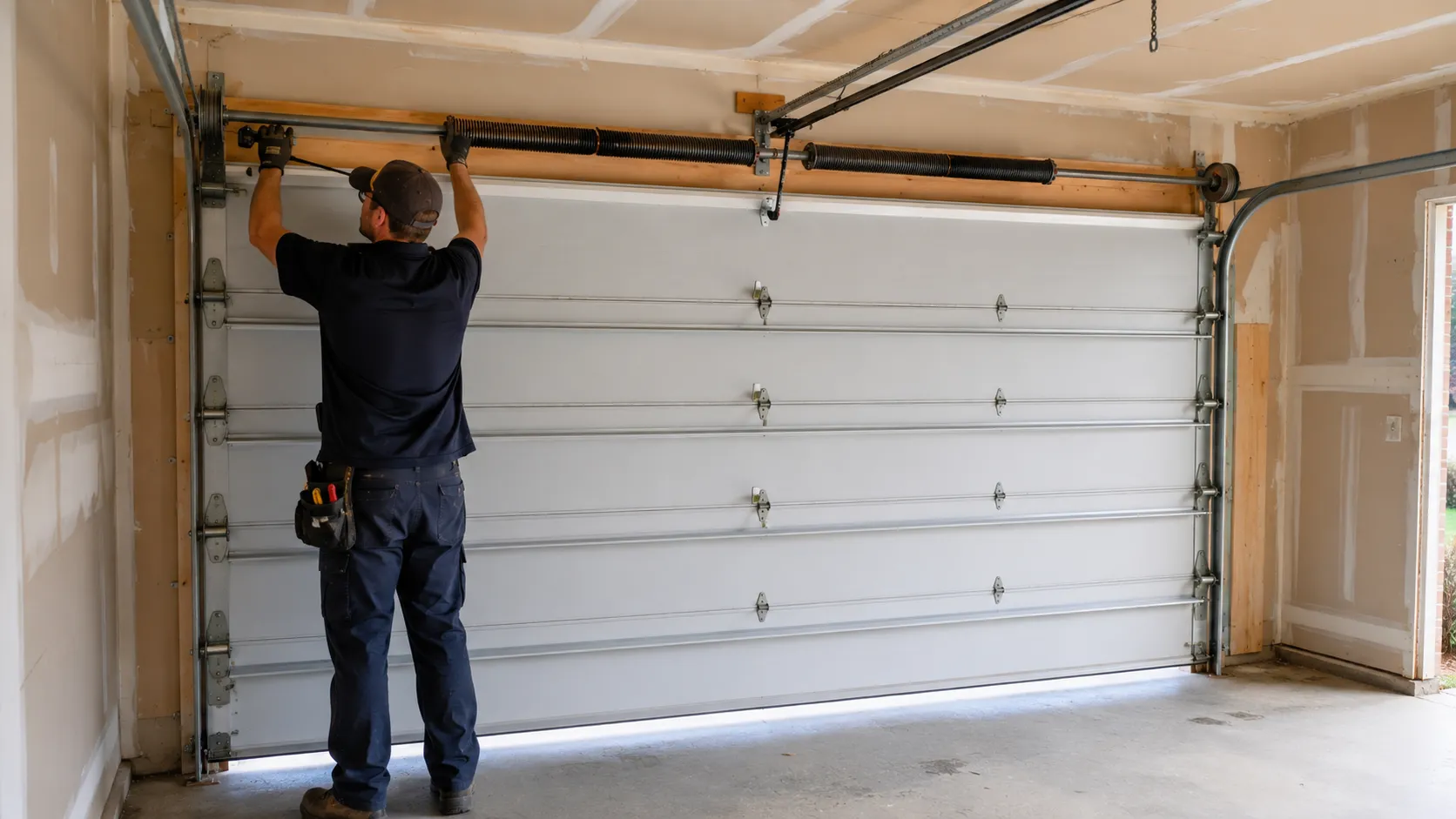
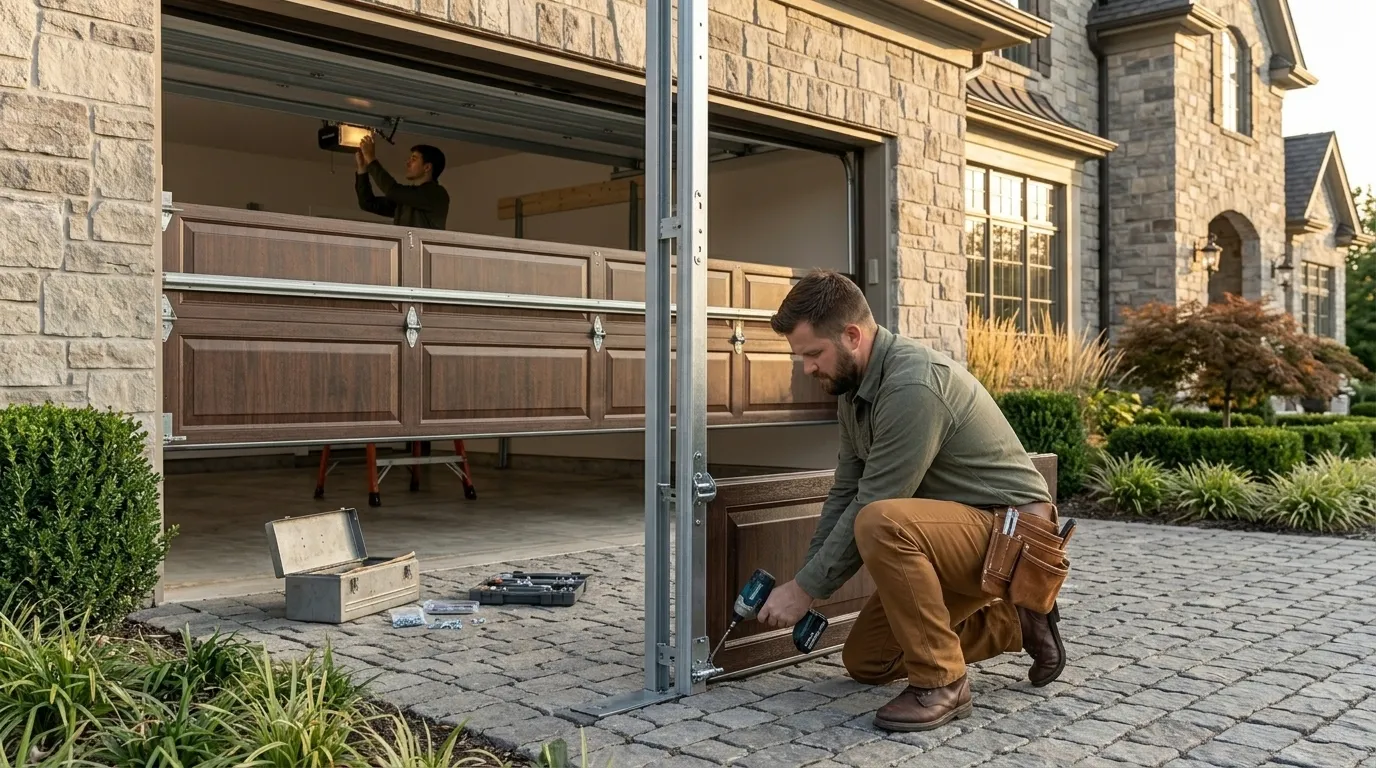
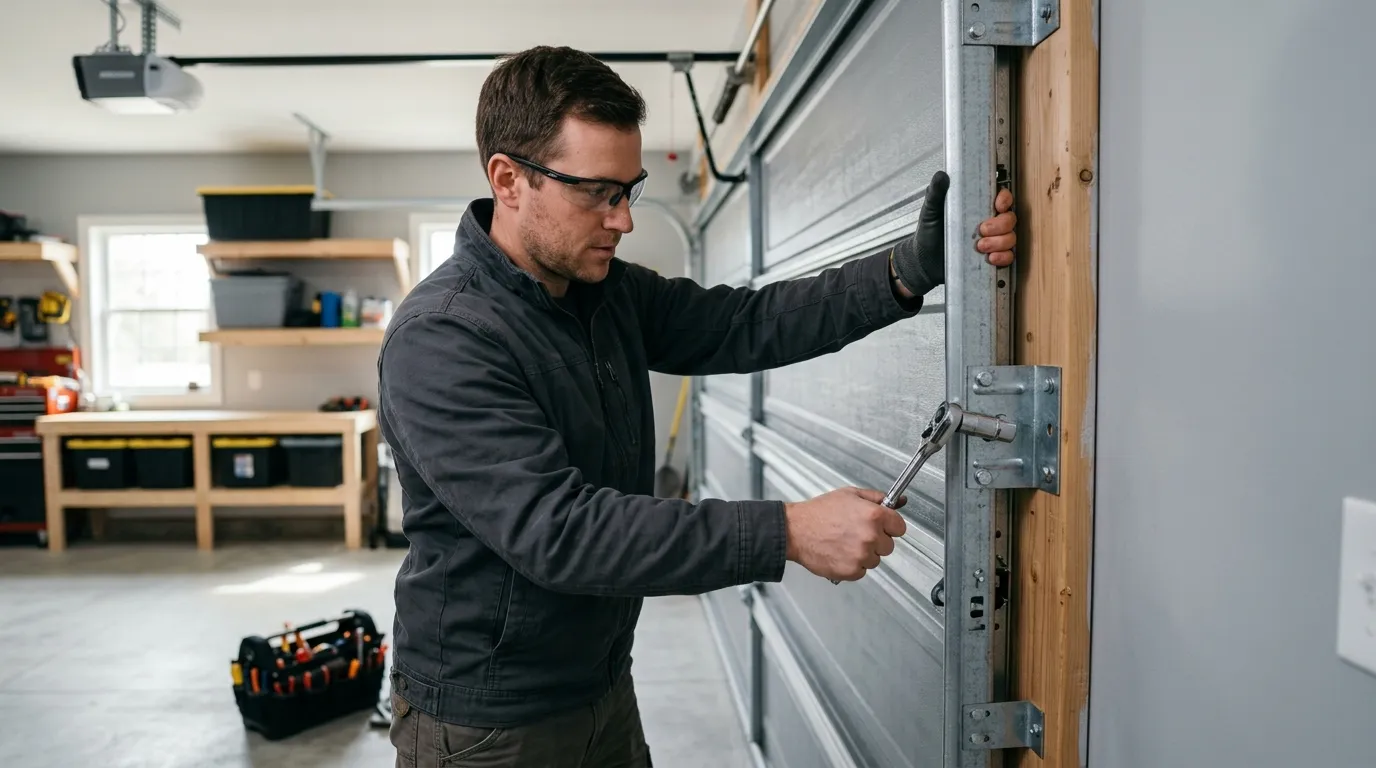
A cable repair on a door built in the early-to-mid 1980s starts the same way every time: the door comes down under control, weight goes off the springs, and we get eyes on the drum, the track, and the other cable before touching anything. If the second cable is close to failing too, we replace both - running a new cable against an old, frayed one just moves the next call a few months down the road instead of fixing it.
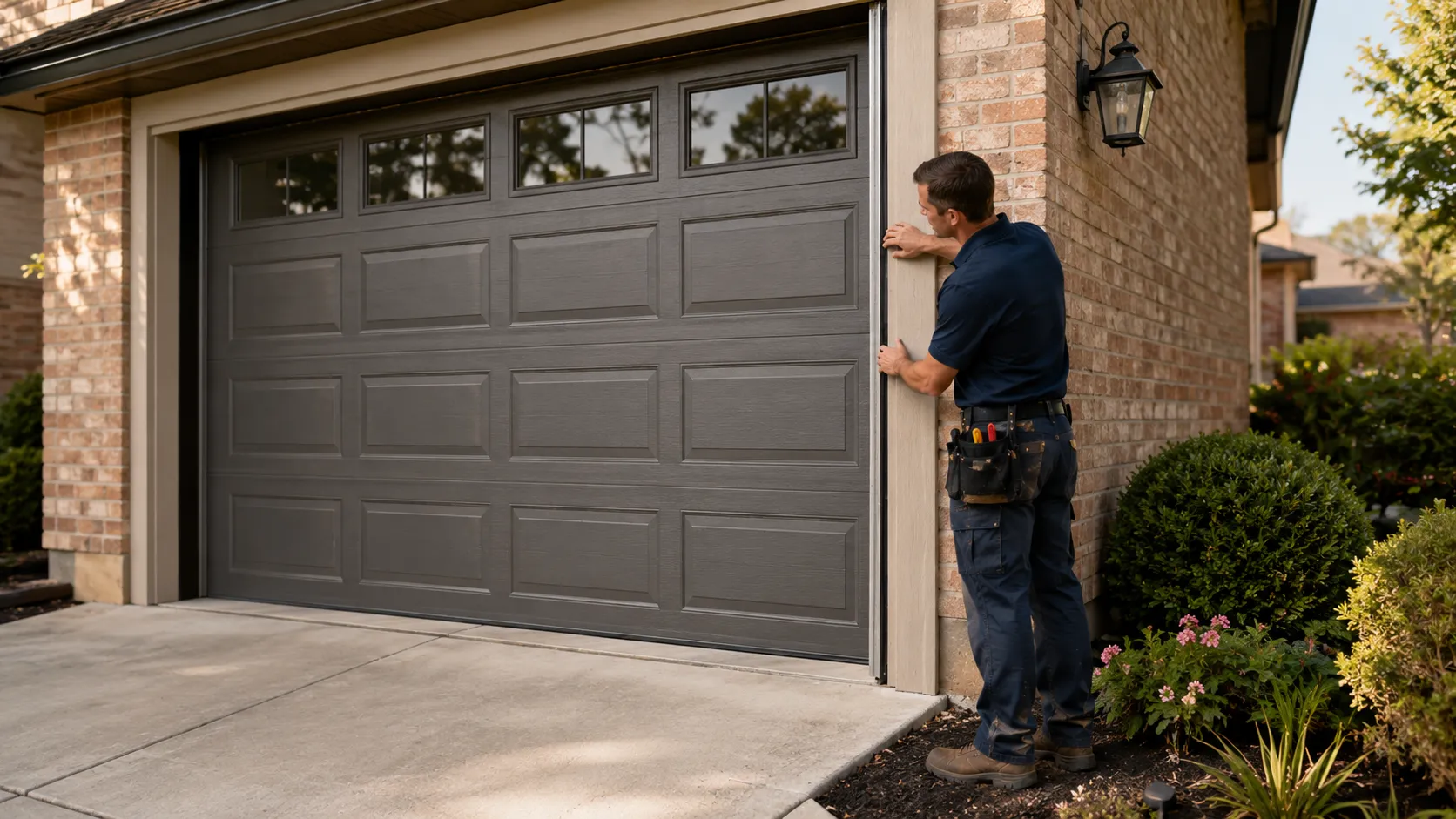
On most of these houses the drum is original. If it's grooved or worn unevenly from running against a frayed cable, we replace the drum along with the cable rather than pairing new cable with old hardware that'll shred it again. We also check the track alignment and the roller condition while the door's open, since a door that's been running on a bad cable often has other wear nobody's noticed yet.
What we don't do is patch a cable with a splice or a shortcut fix. A spliced cable is a spring-loaded piece of steel under real tension, and a bad splice failing on a loaded door is a hand injury waiting to happen. That's the one place we won't cut corners regardless of what it costs to do it right.
Where This Job Goes Sideways
The most common way a cable job turns into a bigger job is a drum that looked fine from the ground and turns out to be grooved underneath the cable's wrap point. We can't always tell that until the door's open and the tension is off, which is part of why we don't quote a firm number over the phone.
The other place it goes sideways is torsion springs. On a house from this era, a spring nearing the end of its life often fails around the same time as the cable it's been overloading. If we get the door open and find a spring that's clearly near failure, we'll flag it - running a new cable on a dying spring just sets up the next emergency call.
One honest limitation: we work out of Denver, roughly five miles from Glendale, so we're not sitting in town waiting on a call. That's a short drive, not a same-block response, and we won't promise a window we can't back up. If a job needs a part we don't carry on the truck - an unusual drum size on an older door, for instance - that can mean a short return visit rather than a same-day finish.
How it works
From “it’s stuck” to “it’s fixed”
01
Tell us what’s wrong
Describe the symptom - won’t open, loud bang, opener runs but the door won’t move.
02
On-site diagnosis
A technician tests the door under power and by hand and finds what actually failed.
03
Clear, up-front plan
You get the fix that’s needed and what drives the cost - before any work starts.
04
Repaired & tested
The repair is done, the door is set true and tested, and the work area left clean.
Serving Denver, CO - tell us what your door’s doing and we’ll take it from there.
How do I know if it's the cable or the spring that broke?
If the door won't budge and one side hangs lower than the other, or you can see a frayed or snapped cable at the bottom bracket, that's the cable. If the door feels unusually heavy to lift by hand and there's no visible cable damage, the spring's more likely the culprit. Either way, don't force the door - call it in.
Can I just replace one cable and leave the other?
You can, but on a door built around 1983 the second cable has usually seen the same wear as the one that broke. We generally replace both at once, since running new cable against an old, fraying one just means a second service call in a few months rather than a real fix.
Why can't you give me a price over the phone?
Because the cost depends on what's underneath - whether the drum is scored, whether the track bent when the door dropped, whether a spring is also near failure. We'll give you a real number once we've had the door open, not a guess that changes once we're on site.
Is a snapped cable dangerous to leave overnight?
A door held up by one cable instead of two is unbalanced and can drop further or come off the track if someone tries to force it open. Leave the door down, keep the opener unplugged so nobody triggers it by accident, and get it looked at before using the garage again.
Ready to get your garage door sorted?
Tell us what it’s doing and where you are in Denver - we’ll take it from there.