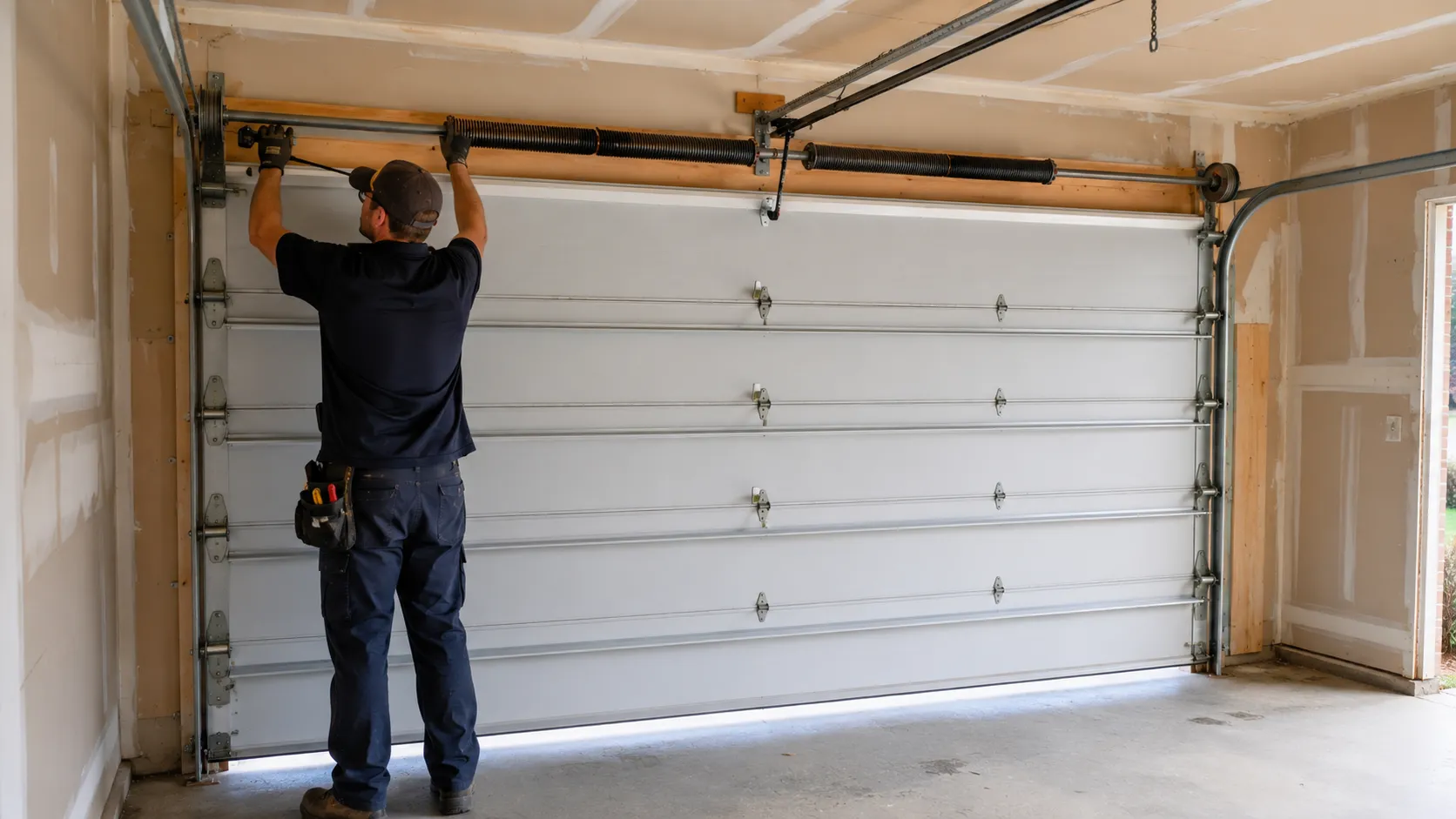
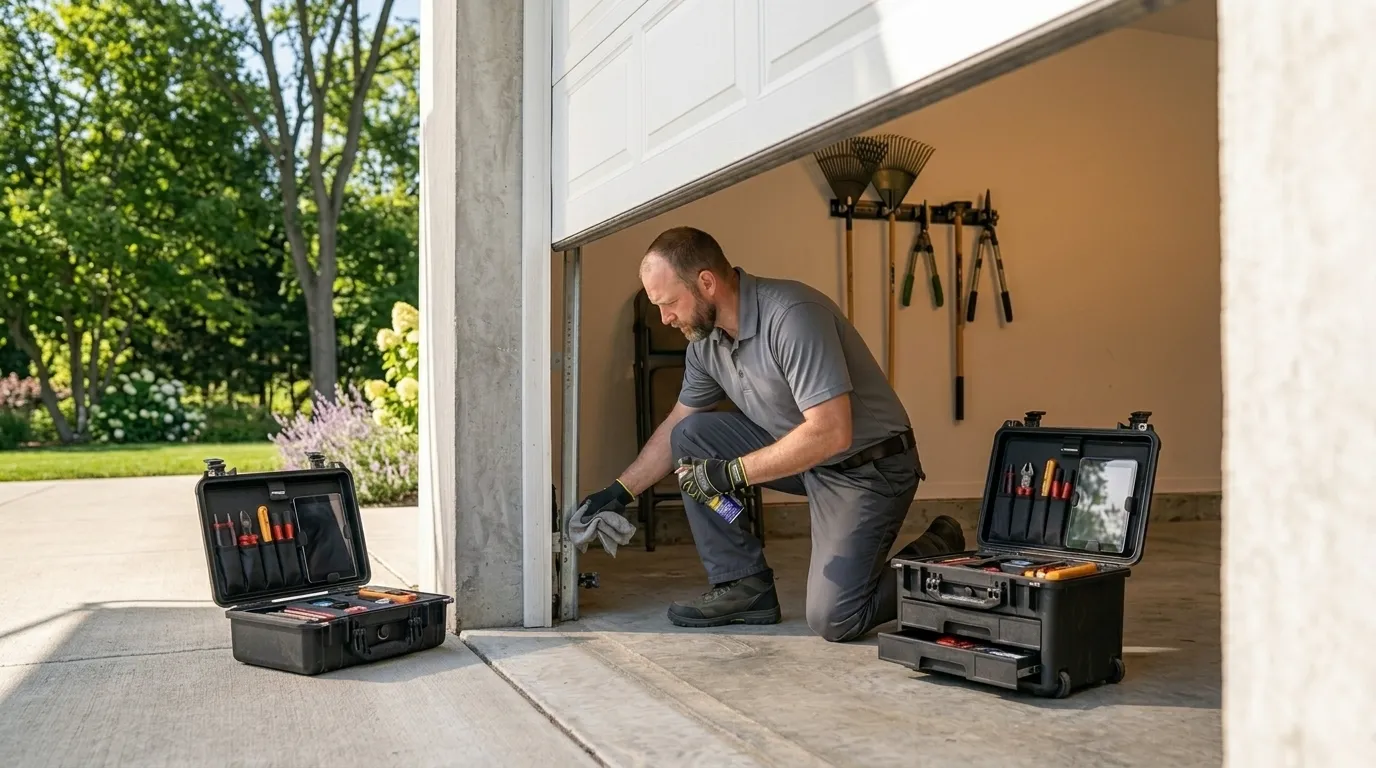
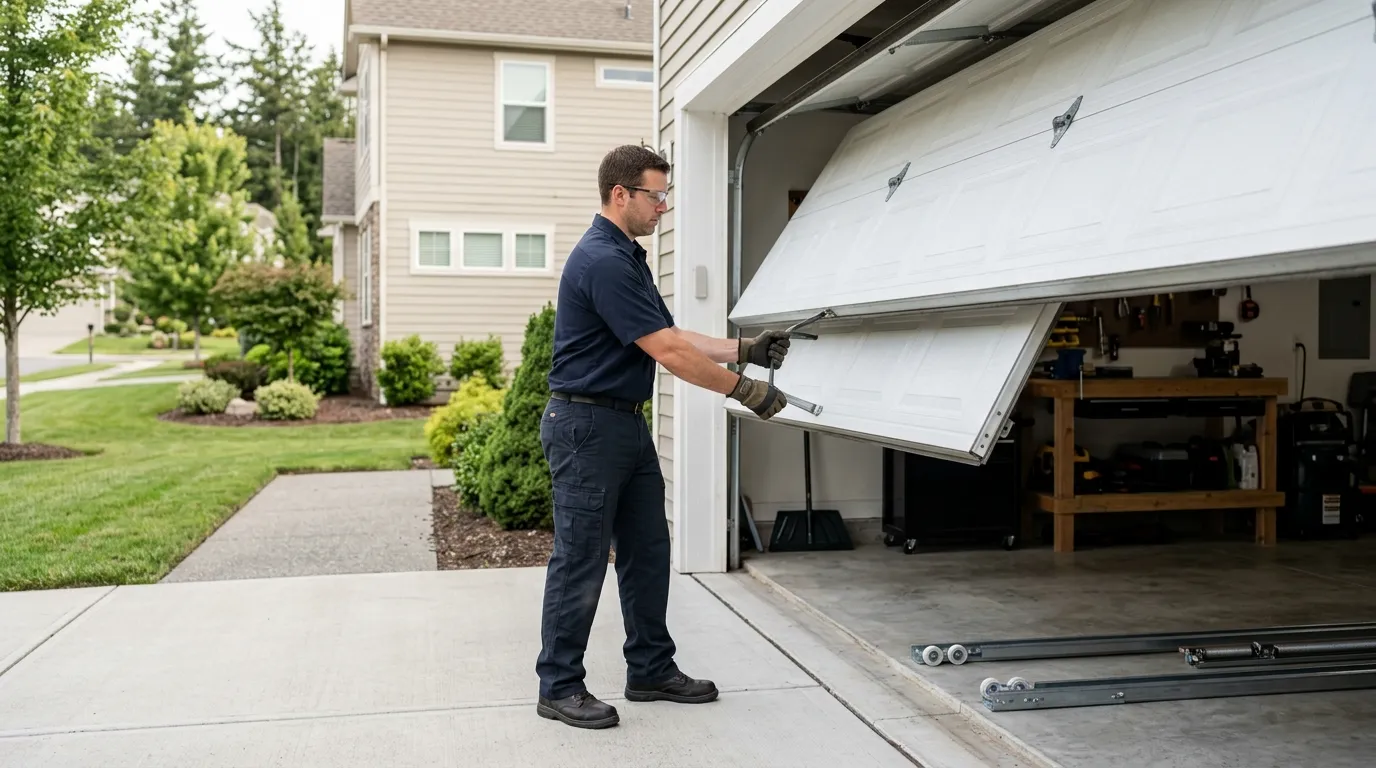
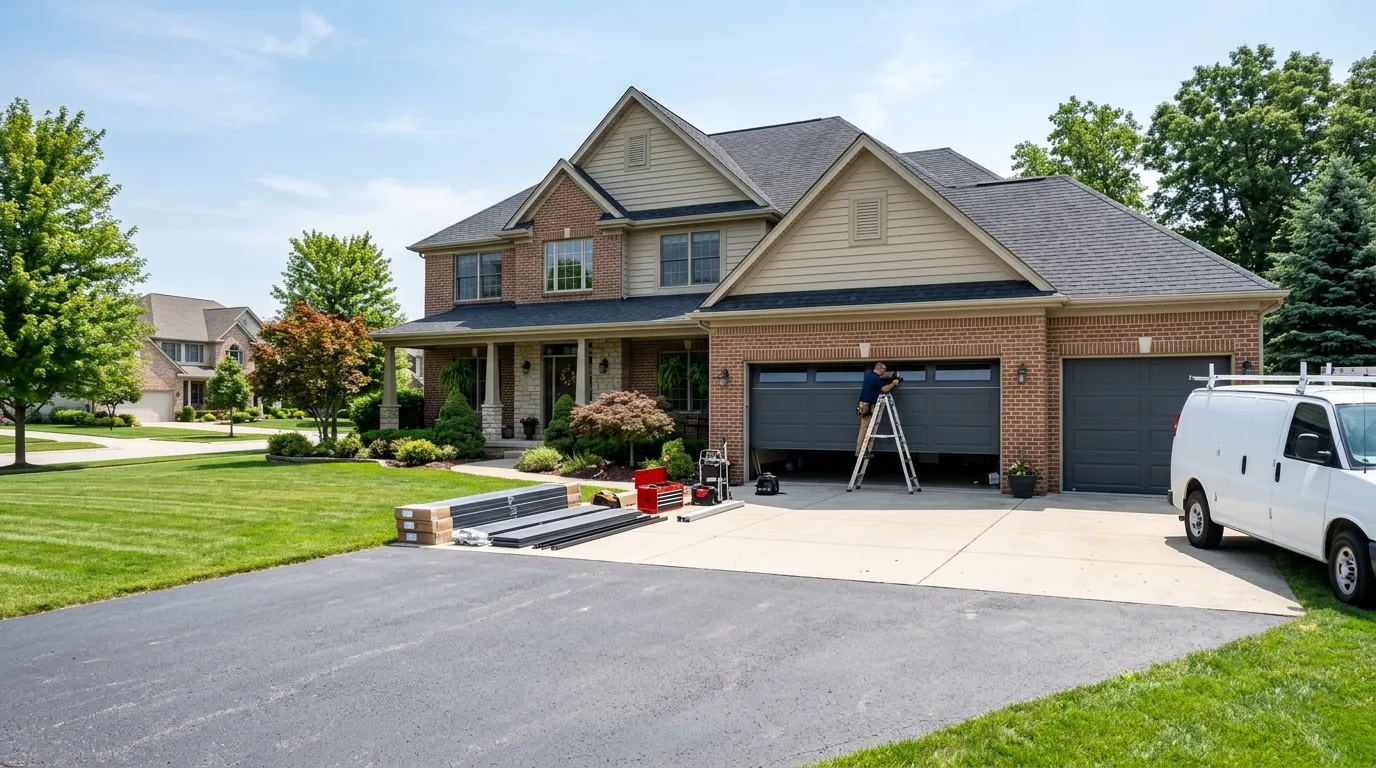
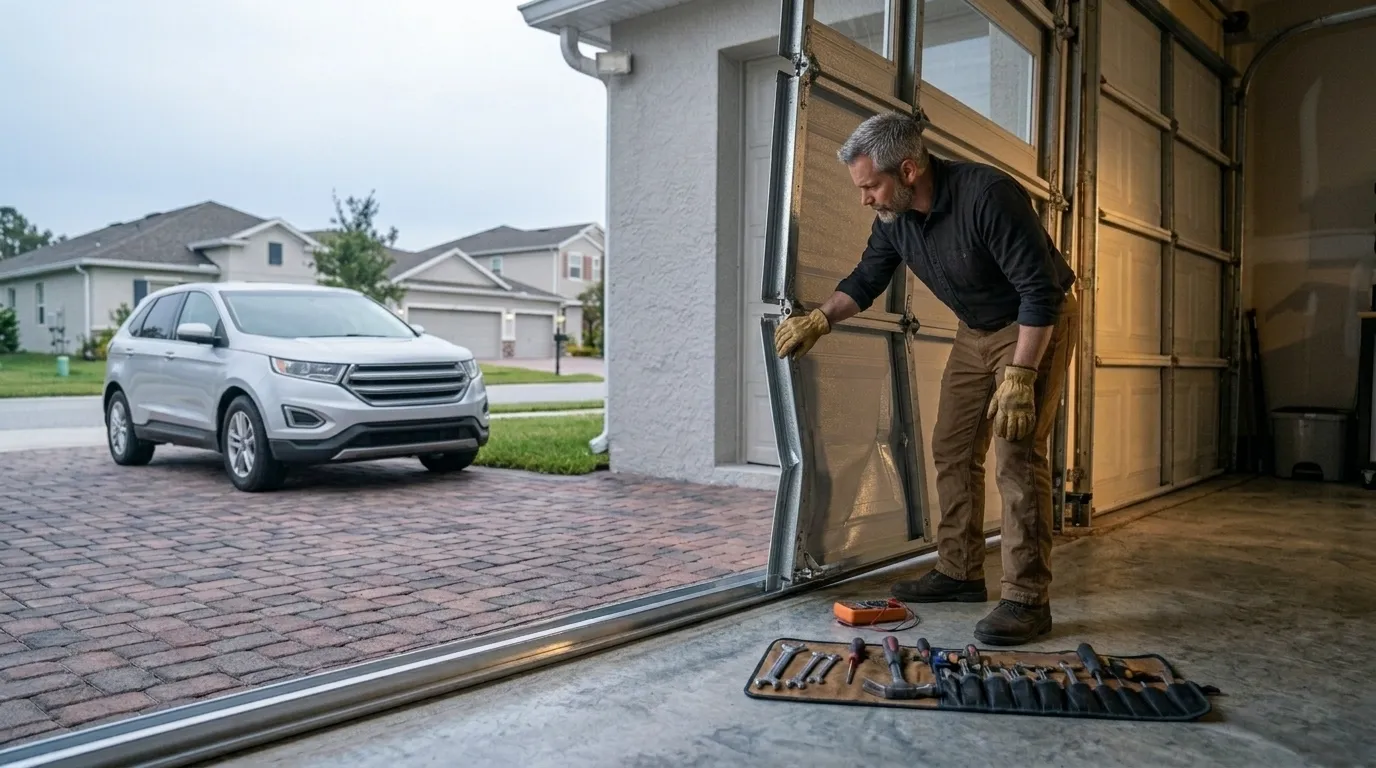
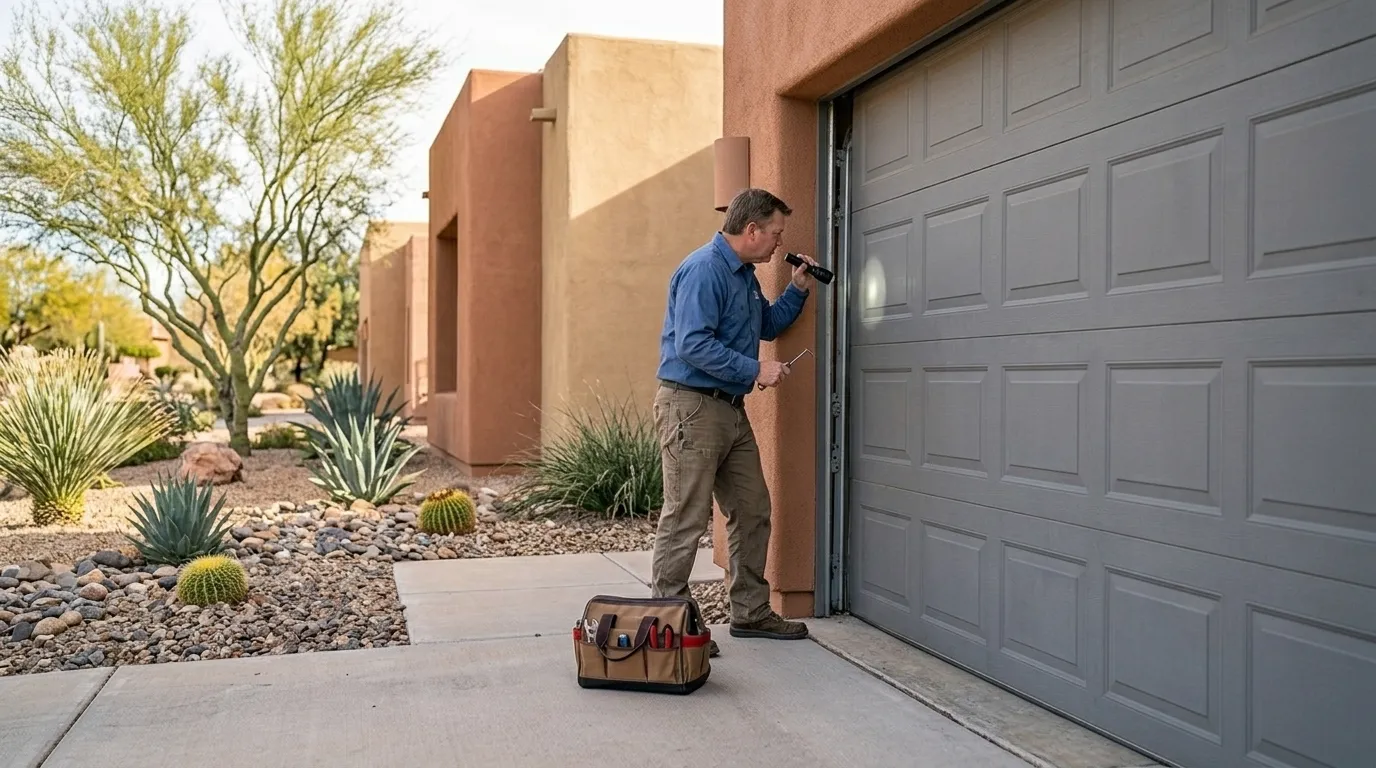
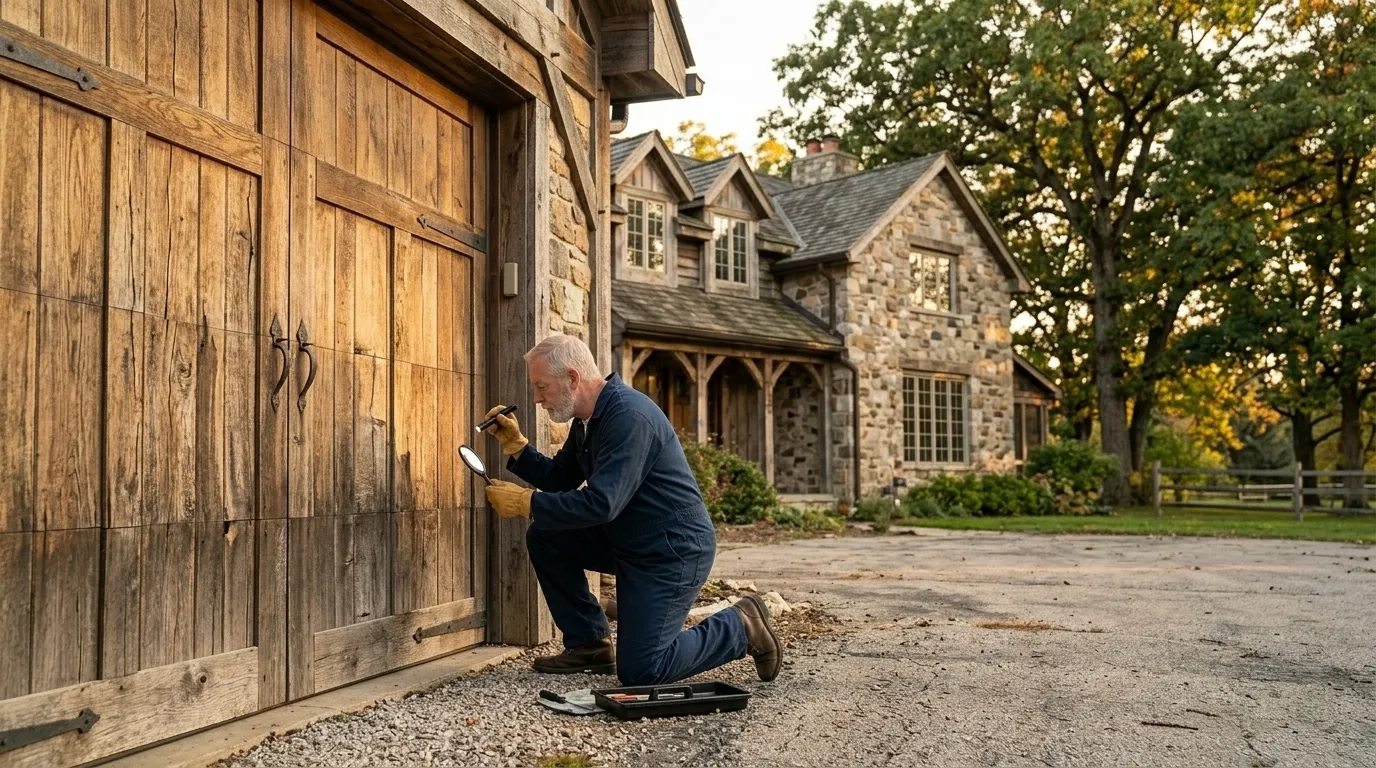
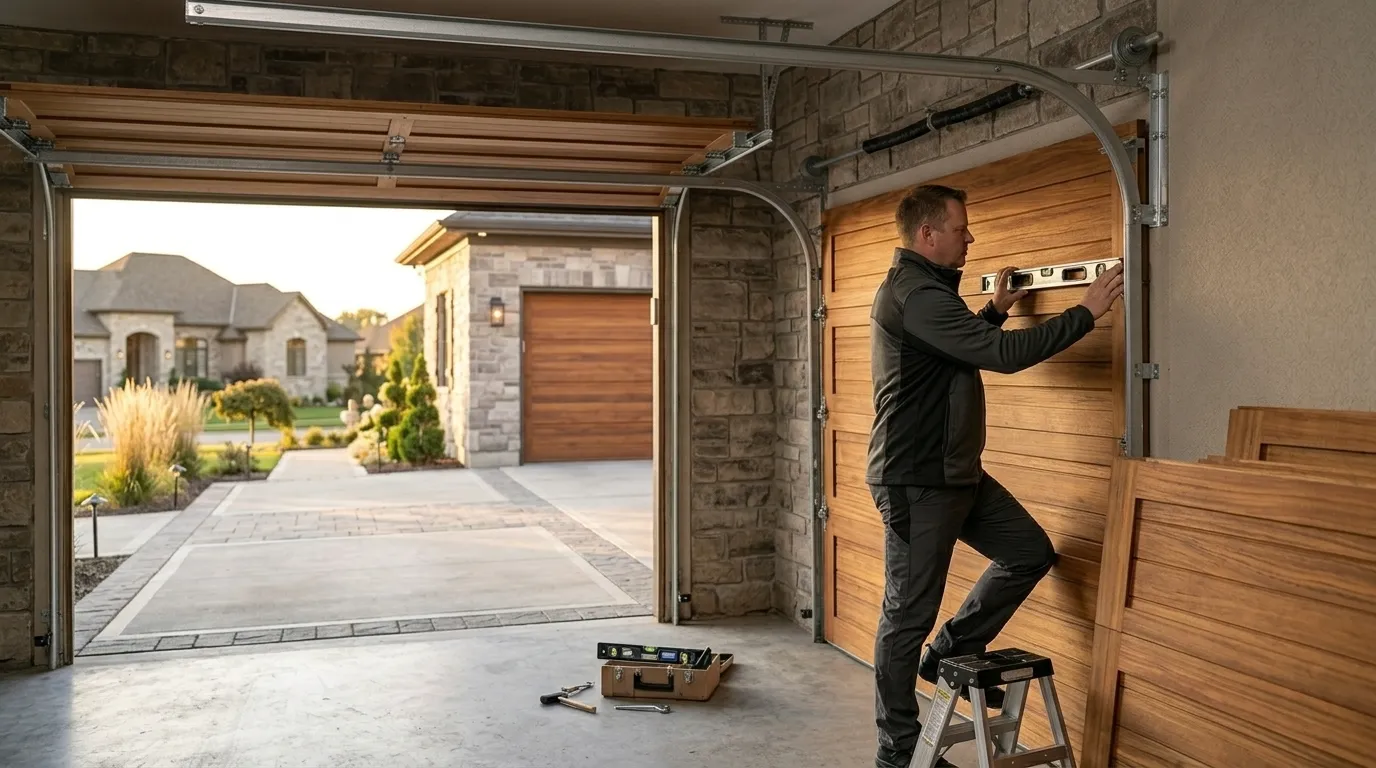
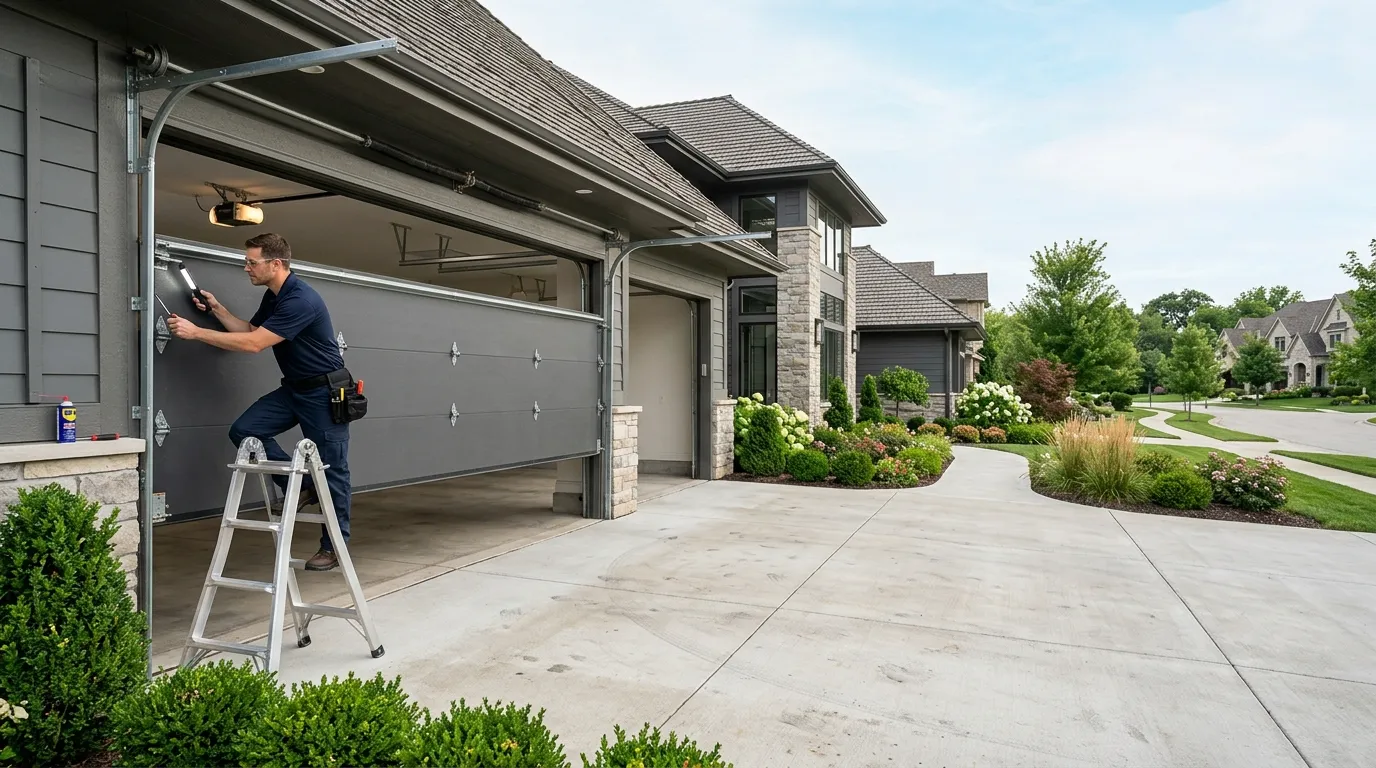
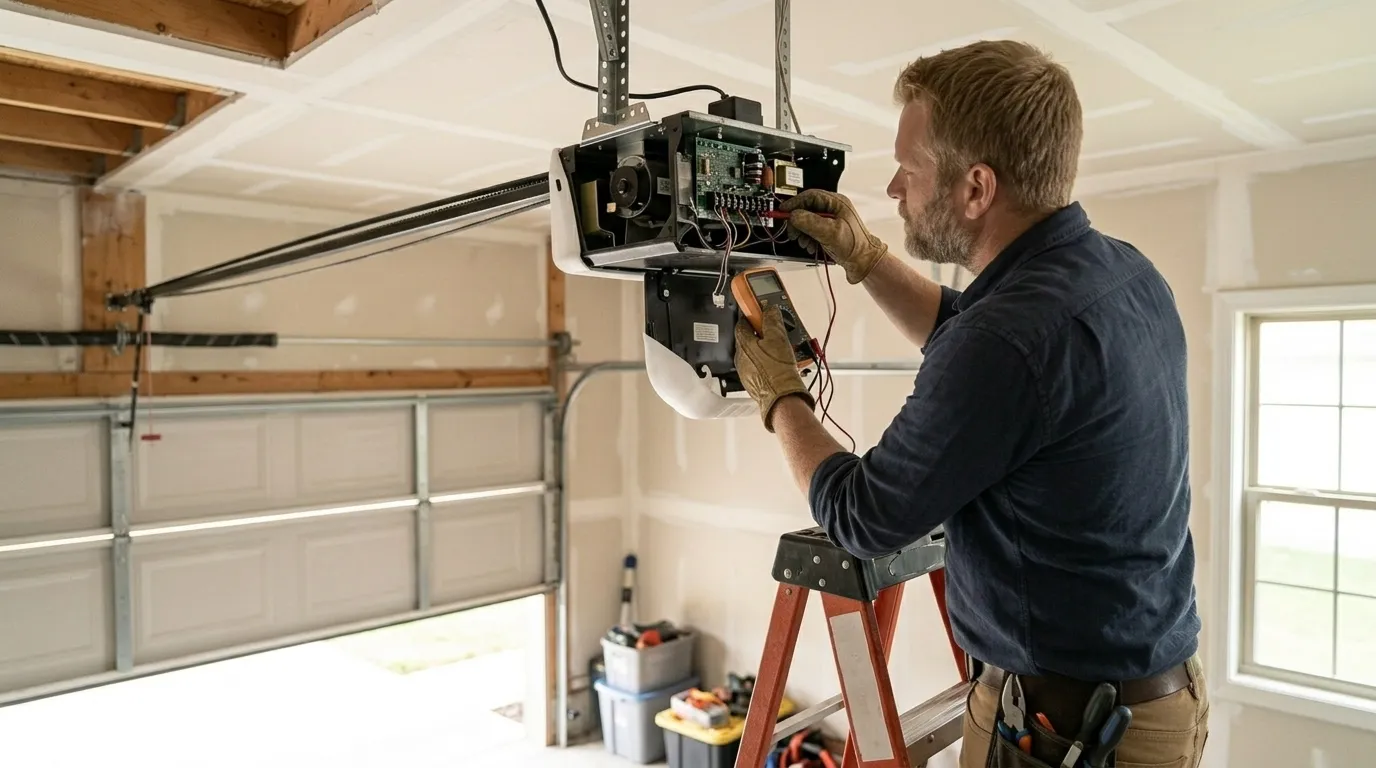
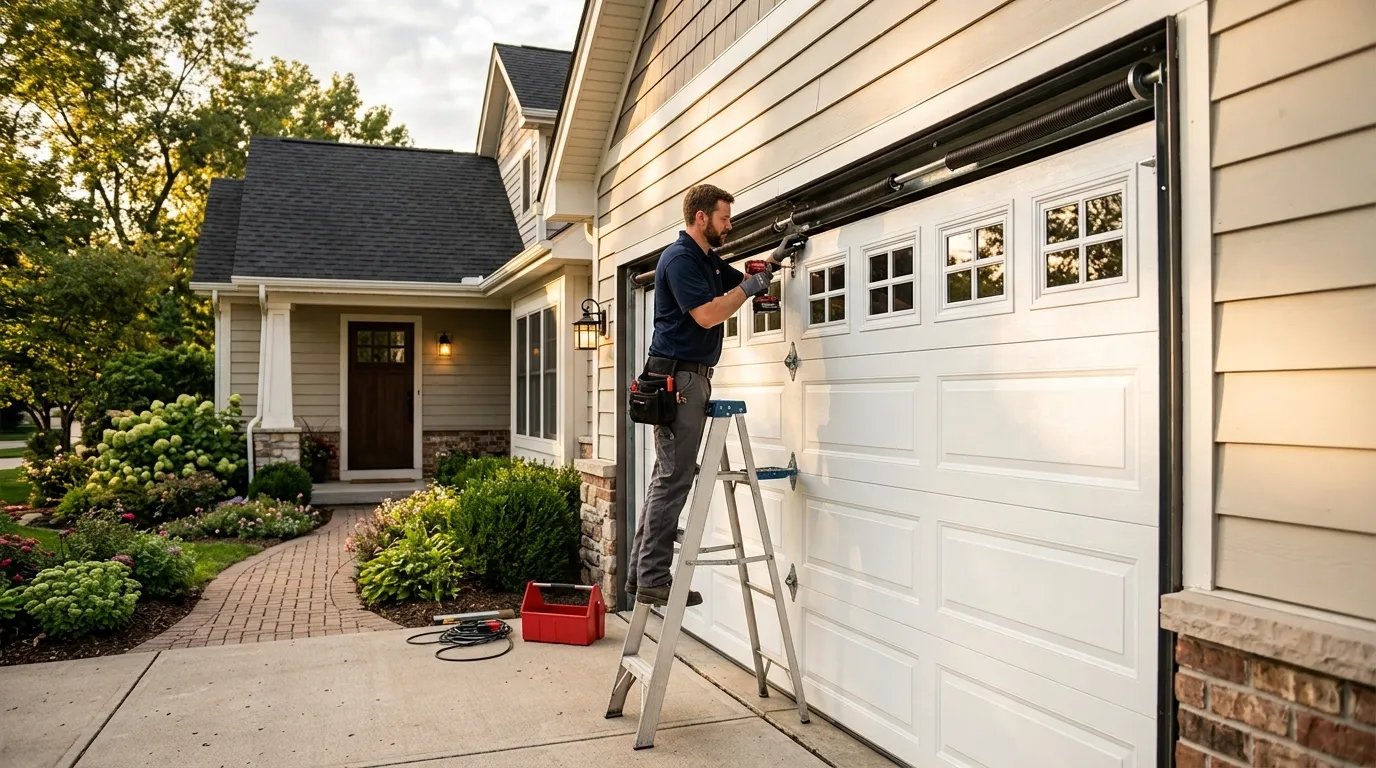
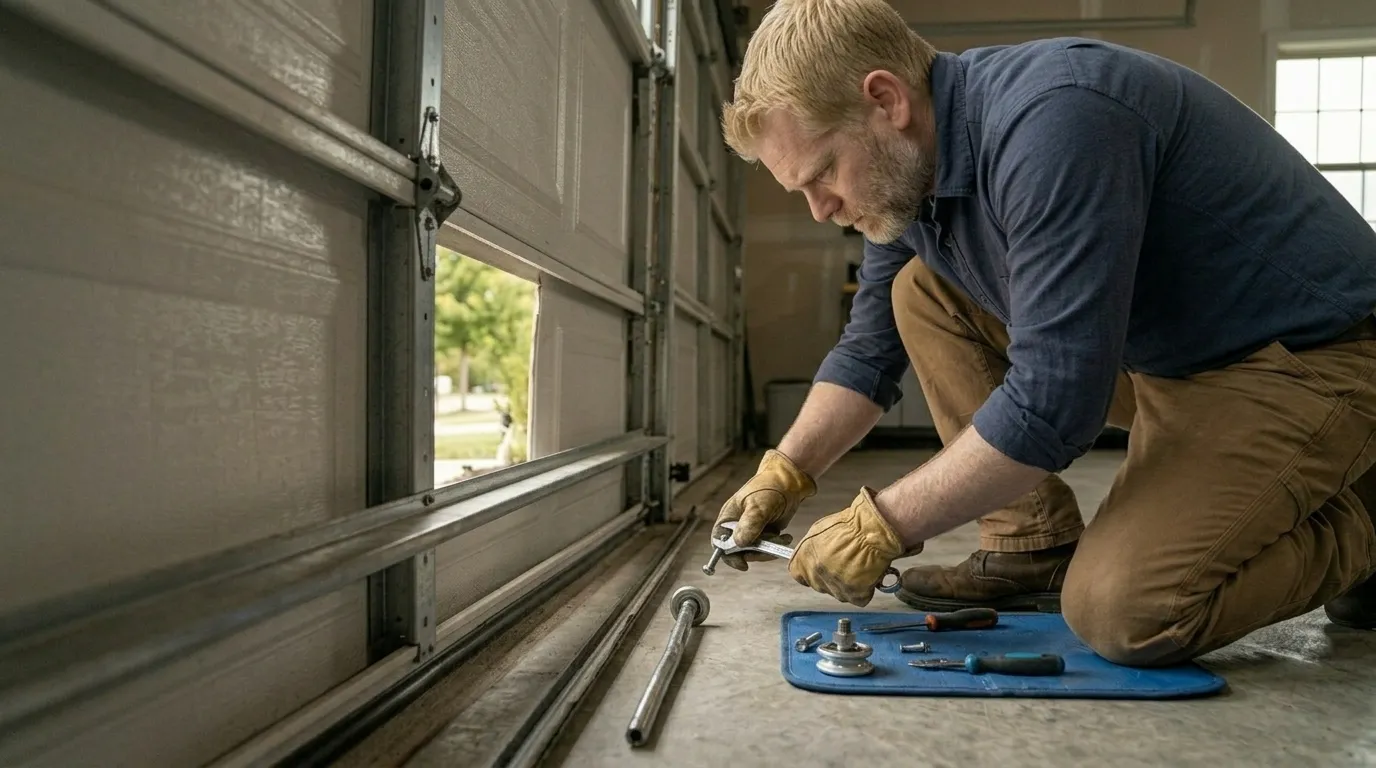
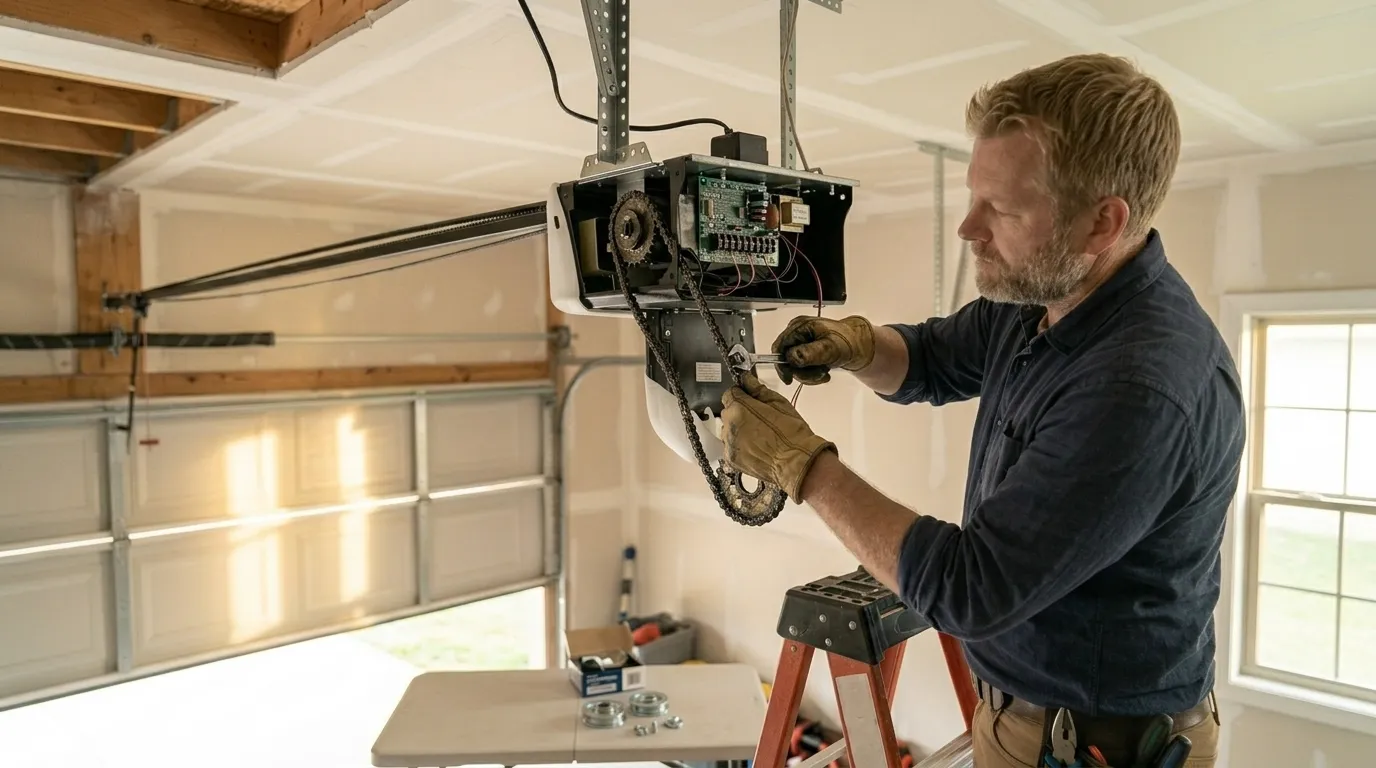
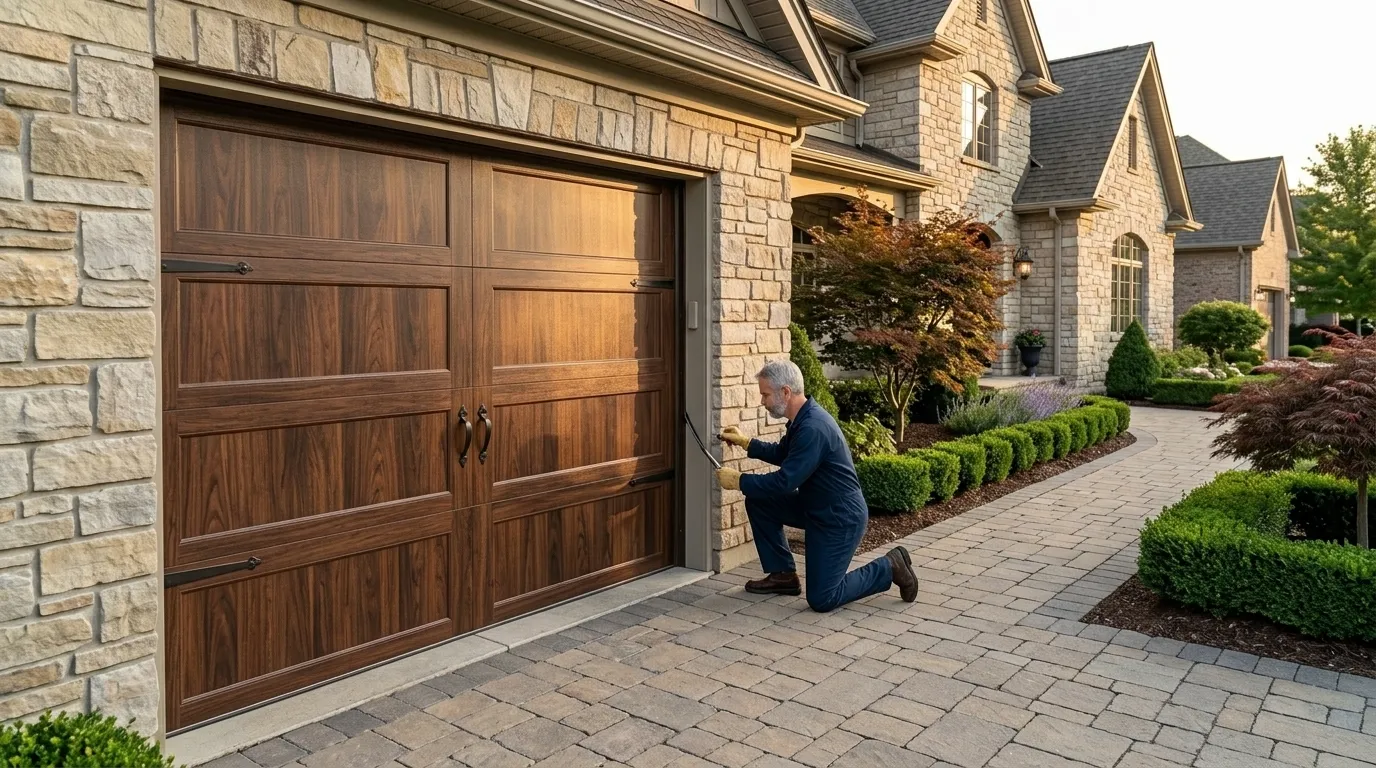
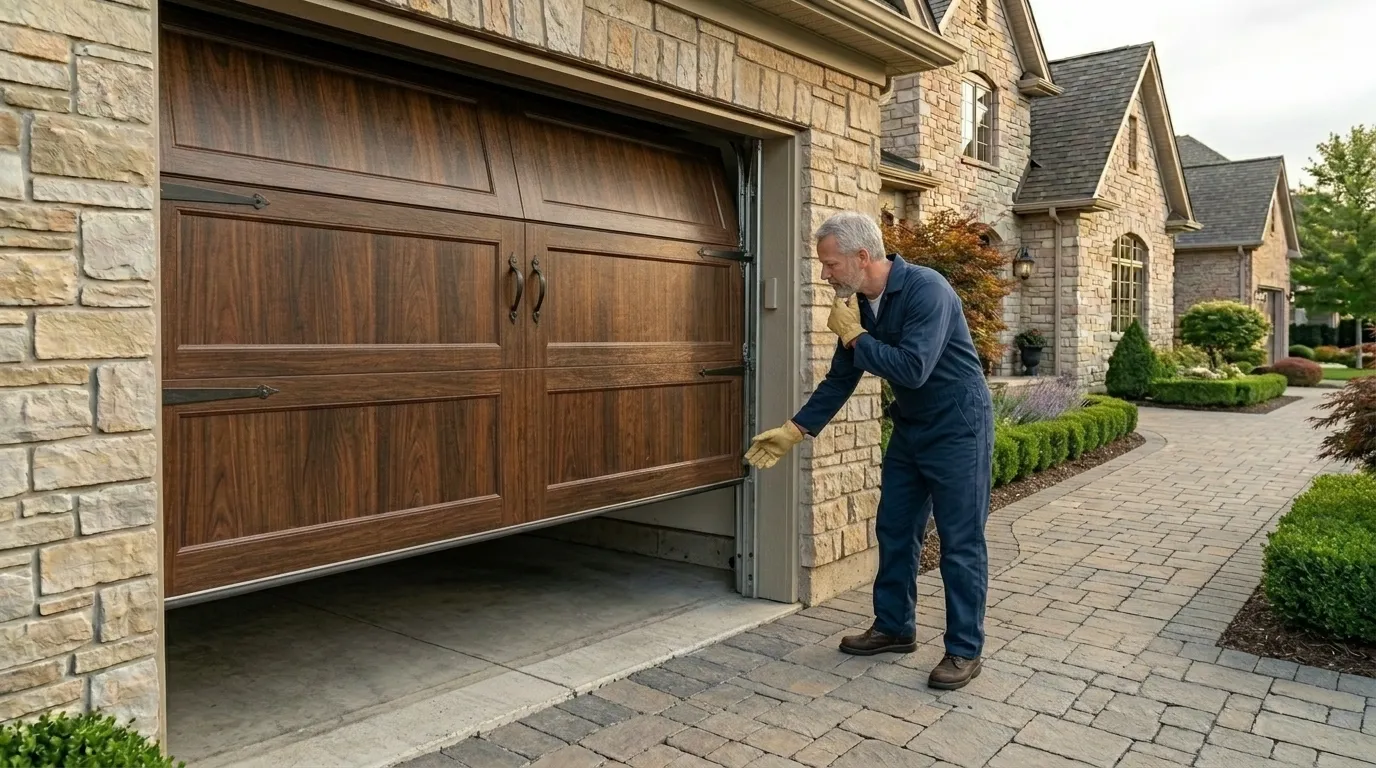
A maintenance visit on a Denver door isn't a quick squirt of oil and a wave goodbye. We check torsion spring wind and wear, inspect track alignment, test cable fray points, look at roller condition, and run the opener through its force and travel limits. On a house from the 1980s or 90s - the bulk of what we see across this service area - that usually means dealing with original hardware that's outlived its lubrication schedule by a couple decades. We tighten hardware, lubricate the parts that actually need it (not everything - some plastic rollers don't want oil at all), and check the balance by hand with the opener disconnected. If a spring is close to the end of its cycle life, we say so instead of just topping off grease and moving on. That's the honest limit of a maintenance call: it extends life and catches failure before it happens on a Tuesday morning, but it doesn't reset the clock on a part that's already fatigued.
Why This Fails Locally
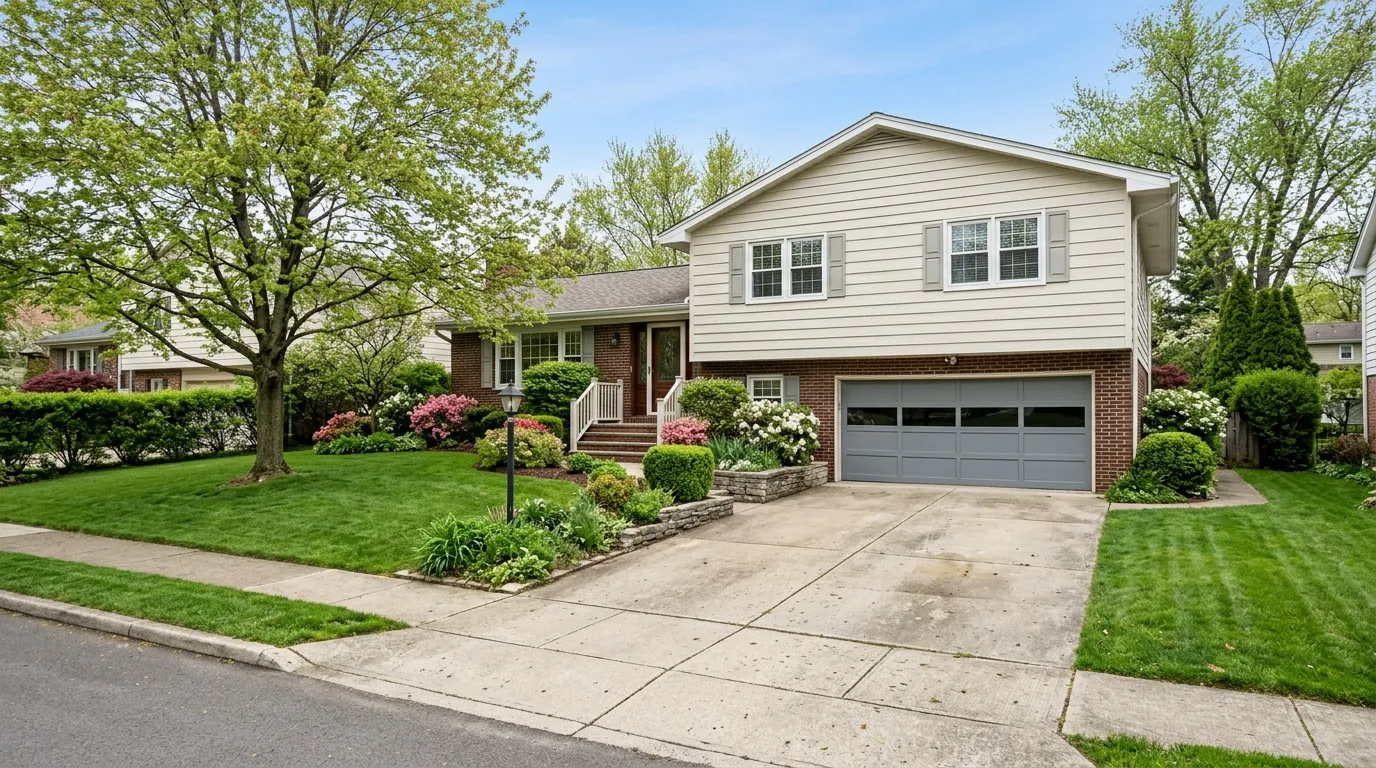
Denver's housing stock across this service area runs 1947 to 2006, with the median build year sitting around 1981. That means most doors we touch are working with steel track and torsion springs that were engineered for a lighter-duty era, now thirty-plus years into a cold-climate cycle they were never rated to survive gracefully. The climate band here is classified cold and severe, which matters more for garage doors than people expect - metal contracts in freeze cycles, lubricant that was fine in July gums up or thins out by January, and a spring wound to spec in warm weather sits under different tension by the time the first hard freeze hits. On a door built in the 1980s, that's forty-plus winters of expansion and contraction on hardware nobody's touched since the house was sold. It's not one dramatic event that breaks these doors - it's the accumulated stress of a cold-severe climate acting on hardware that's past its median service life.
How Long You Are Without the Door
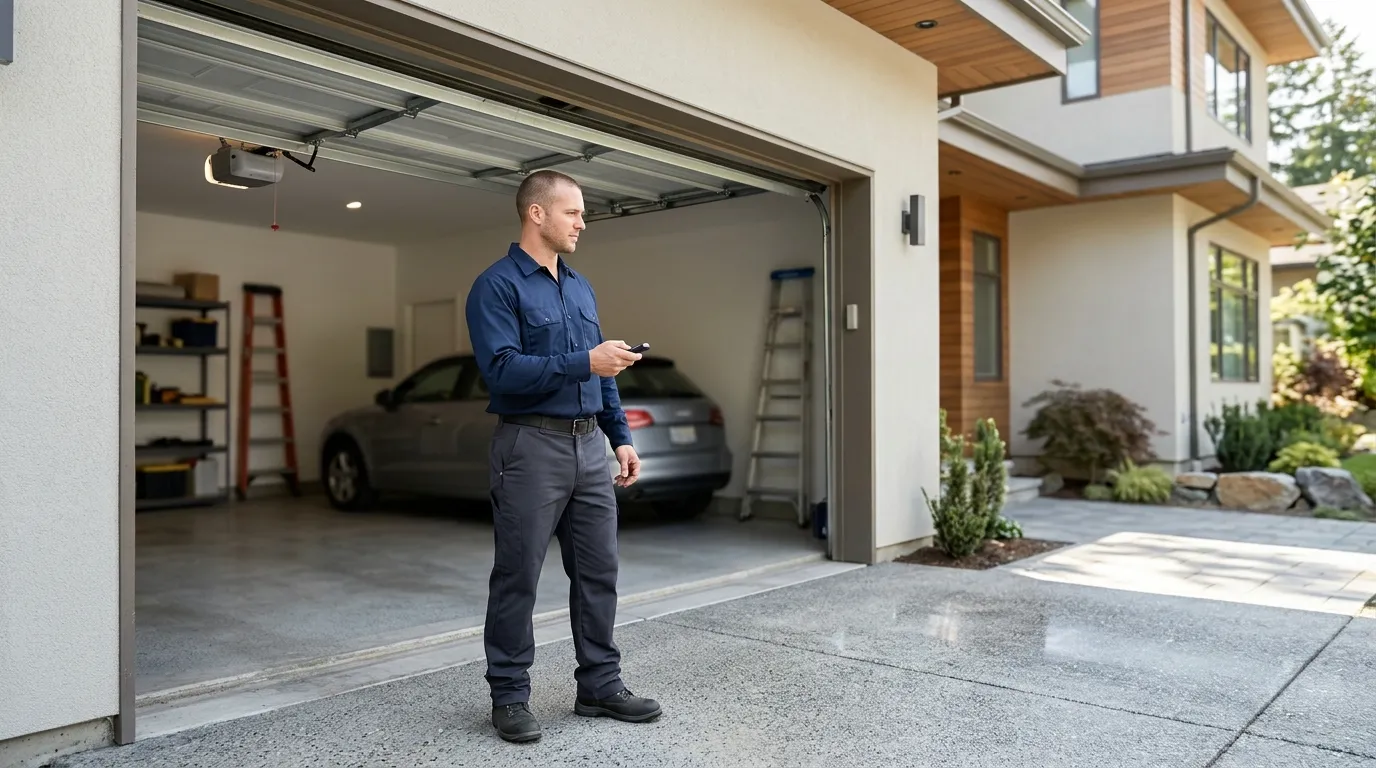
Most maintenance visits don't take your door out of service at all - we work section by section while the door stays operable between checks. If we find a spring or cable close to failure during the inspection, we'll tell you before it strands the door open or shut, and that follow-up repair is usually a same-visit or next-day job depending on the part. What we won't do is promise a specific turnaround time here, because it depends on what the inspection finds and what's in the truck that day. The real value of a maintenance call in this climate is avoiding the scenario where a spring lets go on a below-freezing morning and you're stuck waiting on an emergency slot instead of a scheduled one.
What You Are Seeing
If you're calling because of noise, it's usually rollers or hinges that have gone dry from age rather than damage - common on doors from the 1980s and 90s that make up most of the stock in this service area. If the door feels heavier than it used to, or the opener strains and reverses partway up, that's often spring tension drifting after years of cold-cycle stress rather than a motor problem. Uneven closing, one side dropping before the other, points to track alignment or a cable that's starting to fray - something we catch on inspection before it becomes a stuck door. None of these are dramatic on their own, but on a metro area with 96,547 owner-occupied houses and housing built mostly before 2000, they're the predictable wear pattern of decades-old hardware meeting a cold-severe climate, not a sign anything was installed wrong.
How it works
From “it’s stuck” to “it’s fixed”
01
Tell us what’s wrong
Describe the symptom - won’t open, loud bang, opener runs but the door won’t move.
02
On-site diagnosis
A technician tests the door under power and by hand and finds what actually failed.
03
Clear, up-front plan
You get the fix that’s needed and what drives the cost - before any work starts.
04
Repaired & tested
The repair is done, the door is set true and tested, and the work area left clean.
Serving Denver, CO - tell us what your door’s doing and we’ll take it from there.
How often should I get my garage door serviced in Denver?
For a door built in the era most common here - the 1980s and 90s - once a year is a reasonable baseline, timed before the first hard freeze if you can manage it. Cold-severe winters put more stress on spring tension and lubricant than most owners expect, so catching wear before January is worth more than catching it after.
Will maintenance stop a spring from breaking?
It reduces the odds and gives you warning, but it can't guarantee a spring that's already near the end of its cycle life won't fail. If we find one close to done during an inspection, we'll tell you plainly instead of just servicing around it, because replacing it on our schedule beats replacing it on an emergency call.
My door is from the 1980s - is that a problem for maintenance?
Not a problem, just a factor. Most homes across this service area were built between 1947 and 2006 with a median around 1981, so hardware from that era is exactly what we work on most. It usually means original torsion springs and tracks that have been through more freeze cycles than a newer door would have.
Ready to get your garage door sorted?
Tell us what it’s doing and where you are in Denver - we’ll take it from there.