Where People Go Wrong
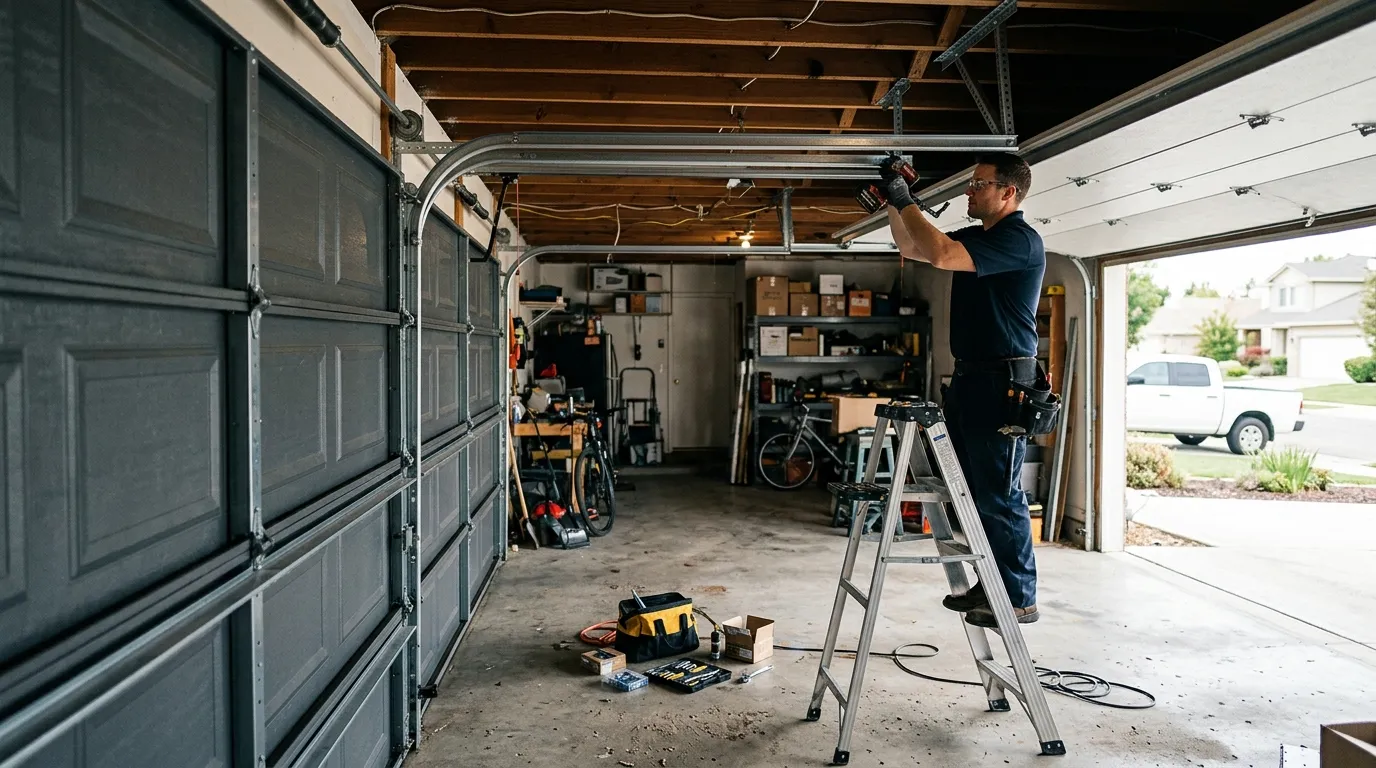
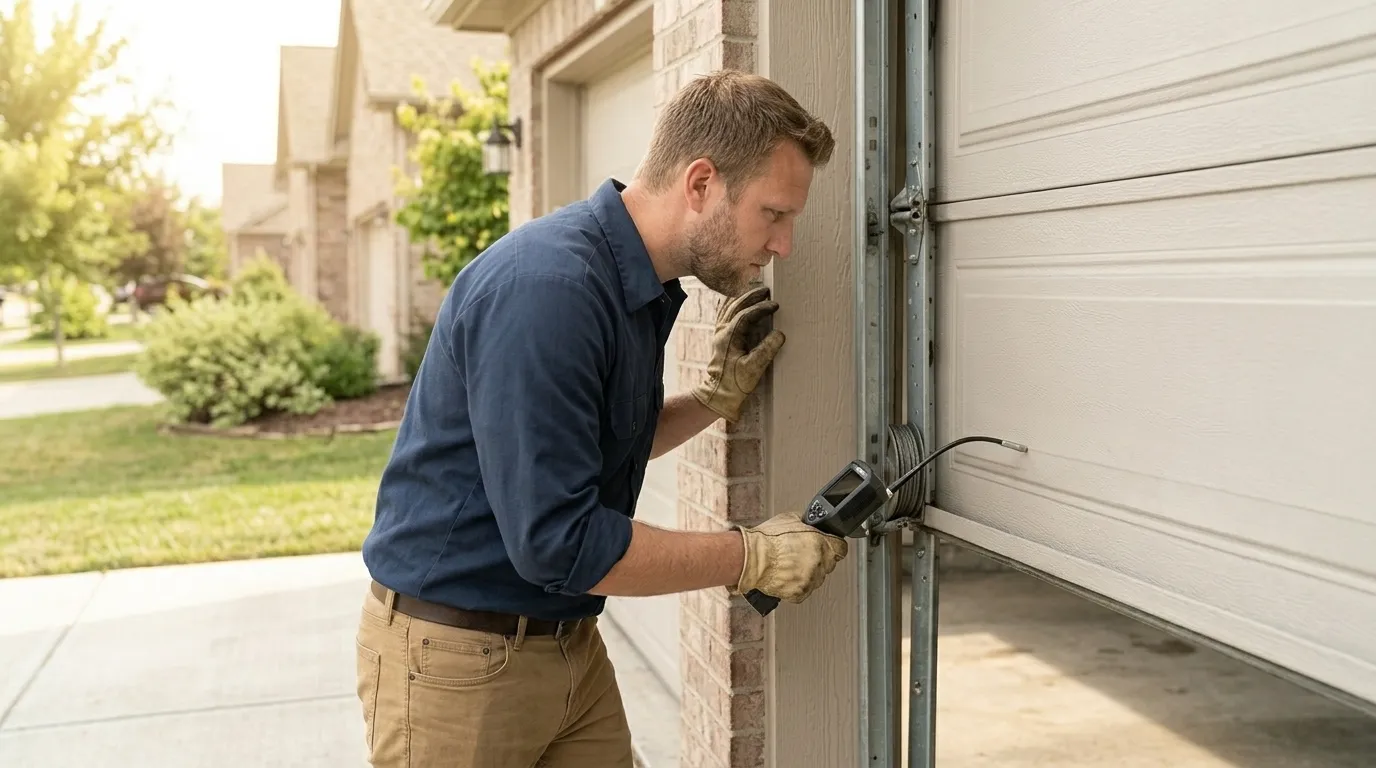
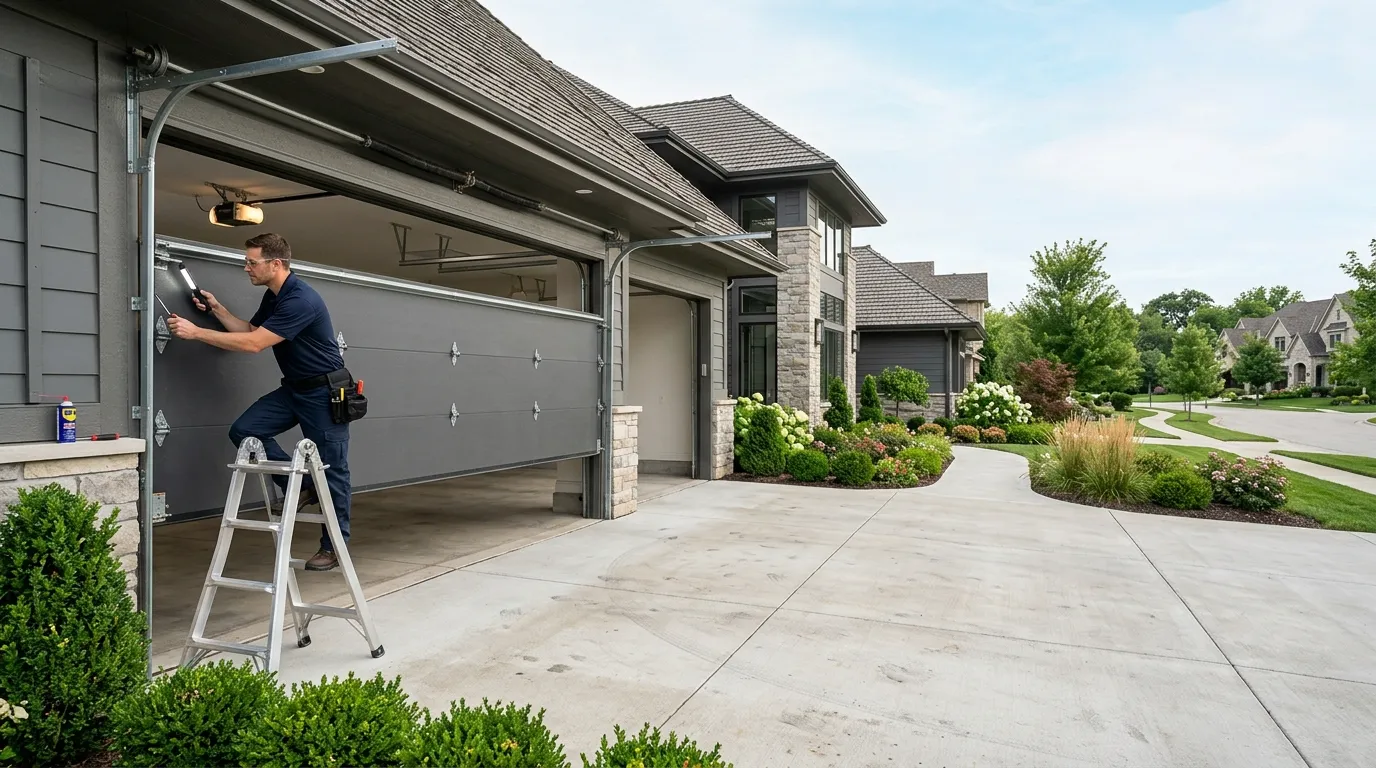
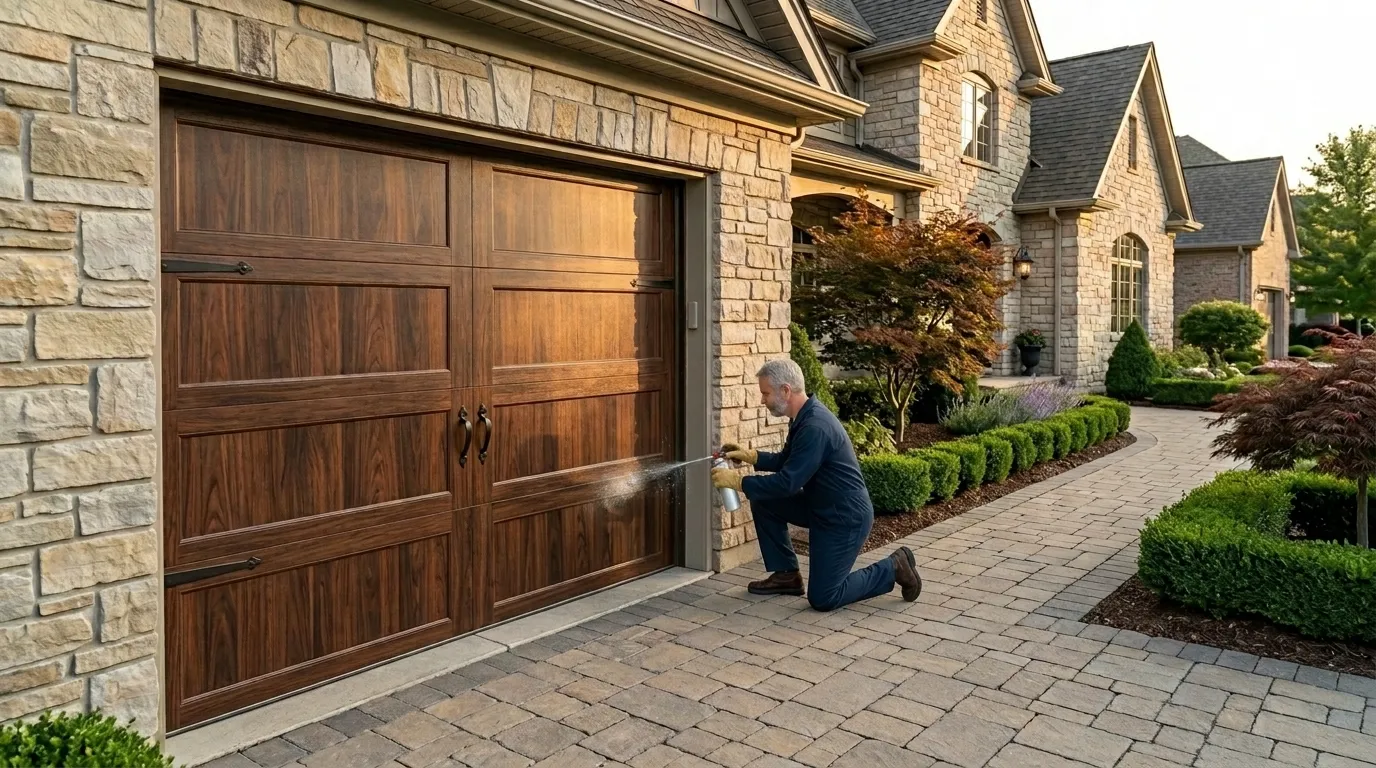
The most common mistake is treating a slow, noisy, or hard-to-lift door as a lubrication problem instead of an age problem. WD-40 on a spring that's thirty-plus years old doesn't buy you safety, it buys you a few more openings before the coil separates. The second mistake is waiting for total failure before calling anyone, which in a house from the 1980s or 90s stock common to this area usually means the spring goes on the coldest morning of the year, right when you need the door most. The third mistake, and it's an easy one, is assuming the opener is the problem when the opener is just straining against a spring that's no longer doing its job. We'll be honest: not every noisy door needs a same-day emergency call. Sometimes it's a season or two away from needing work, and pushing it is fine as long as you know what you're watching for. Where it goes wrong is not paying attention at all until the cable snaps or the spring separates with the door up.
What the Weather Here Does to It
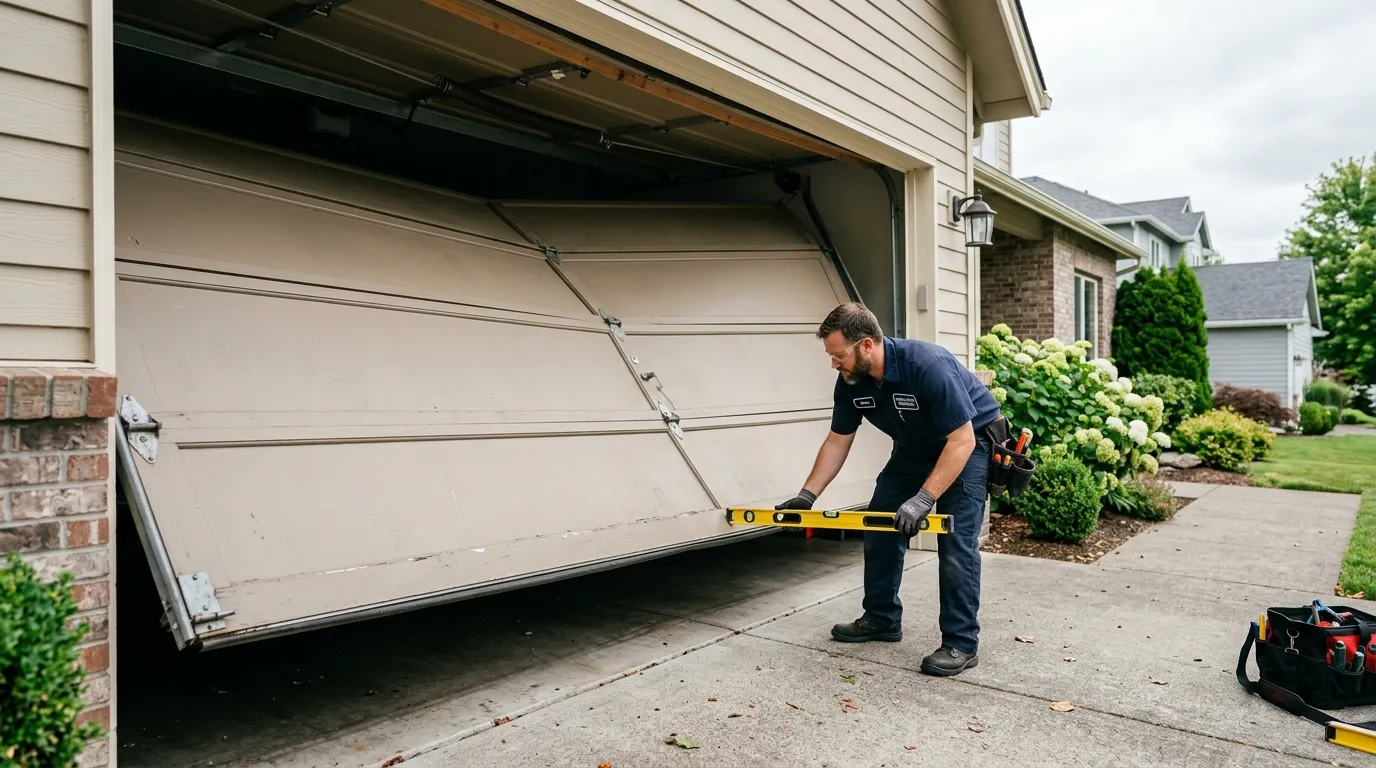
Denver sits in a cold-severe climate band, and that matters for a very specific mechanical reason: torsion springs are wound steel, and cold steel is less forgiving steel. As temperatures drop hard, the metal contracts and loses some of the flex it had in warmer months. A spring that was already near the end of its cycle life in October can go in January simply because the same stress that it handled fine at 60 degrees now finds a weak point at 10 degrees. It's not that cold weather ages a spring faster over time - it's that cold weather is when an already-tired spring shows its hand. Ice buildup on tracks adds a second problem, making the door heavier to lift right when the spring has the least reserve left to lift it. Combine an old spring, common on housing from this area's 1980s and 90s stock, with a hard freeze, and you get the calls we see most in winter: a door that won't budge, or one that came down wrong.