Why This Fails Locally
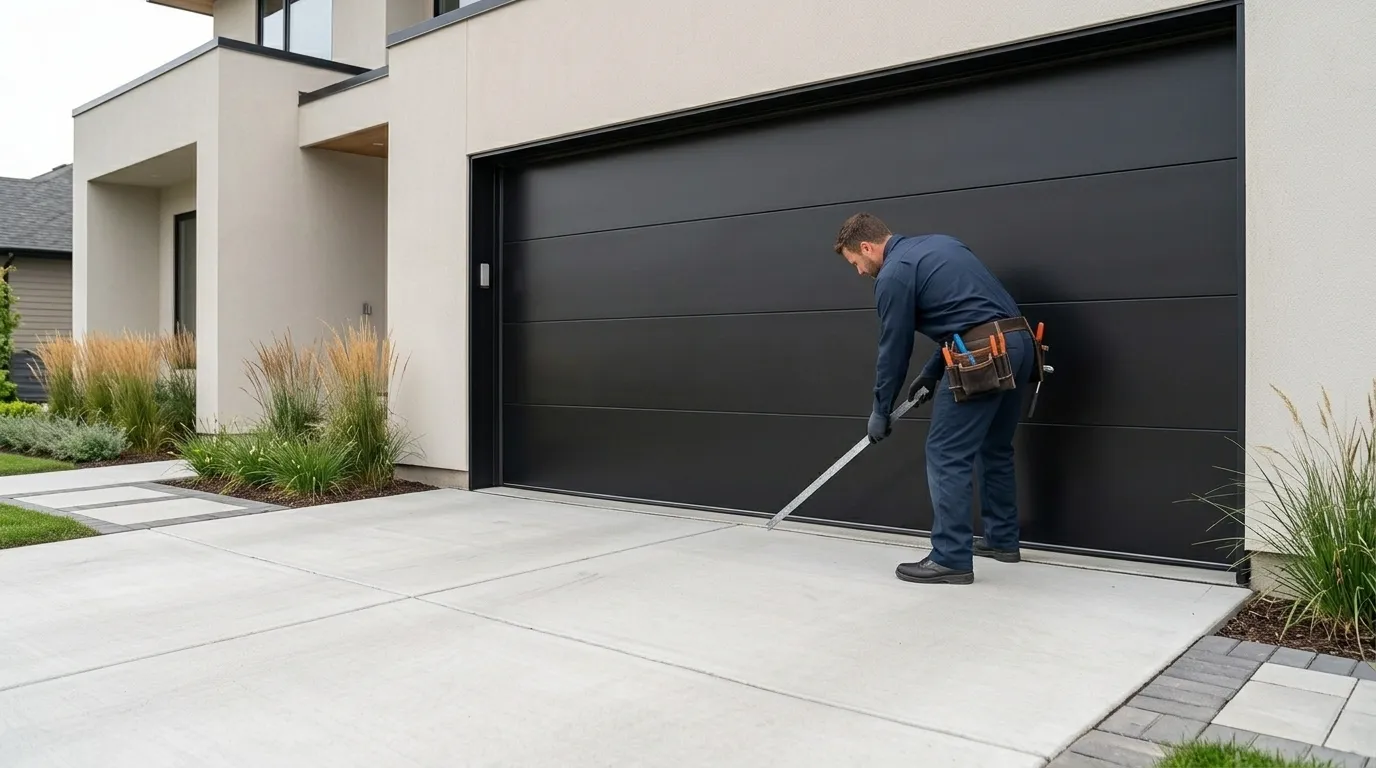
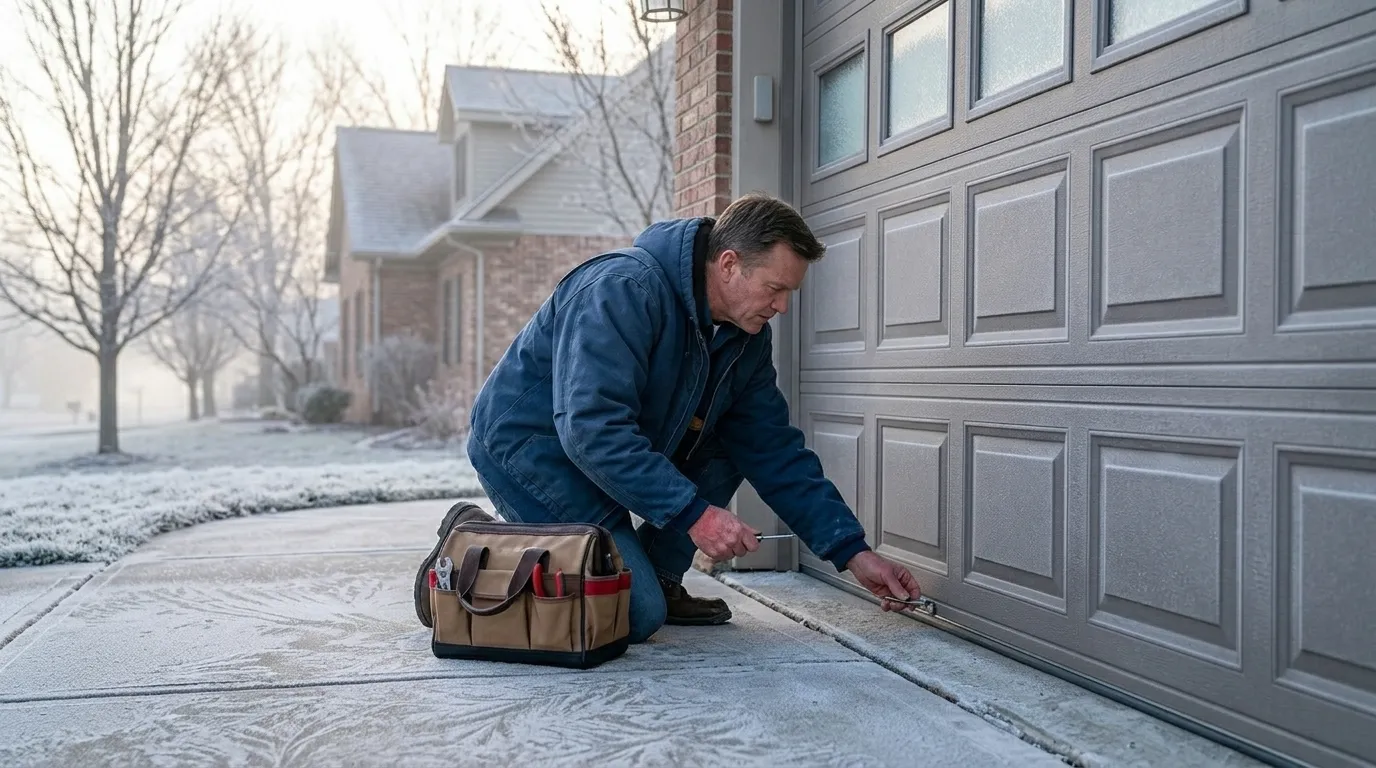
The typical house in Glendale went up around 1983. That puts it right in the middle of the 1980s-90s building wave that covers most of this part of the metro. Doors and openers from that era were built to standards nobody follows anymore - lighter-gauge track, springs rated for maybe 10,000 cycles, safety sensors that were an afterthought if they existed at all. Forty years on, a lot of that original hardware is still hanging on, just barely. Add in the cold-severe winter swings this area gets, and steel contracts, lubricant thickens, and torsion springs that were already near the end of their rated life lose the last bit of tension they had. This isn't a Glendale-specific design flaw. It's what happens to any door built in the early 1980s that's never had the springs, cables, and rollers looked at on a schedule. A house this age with an untouched door is not a maybe - it's a matter of when the spring goes, not if.
What the Repair Takes
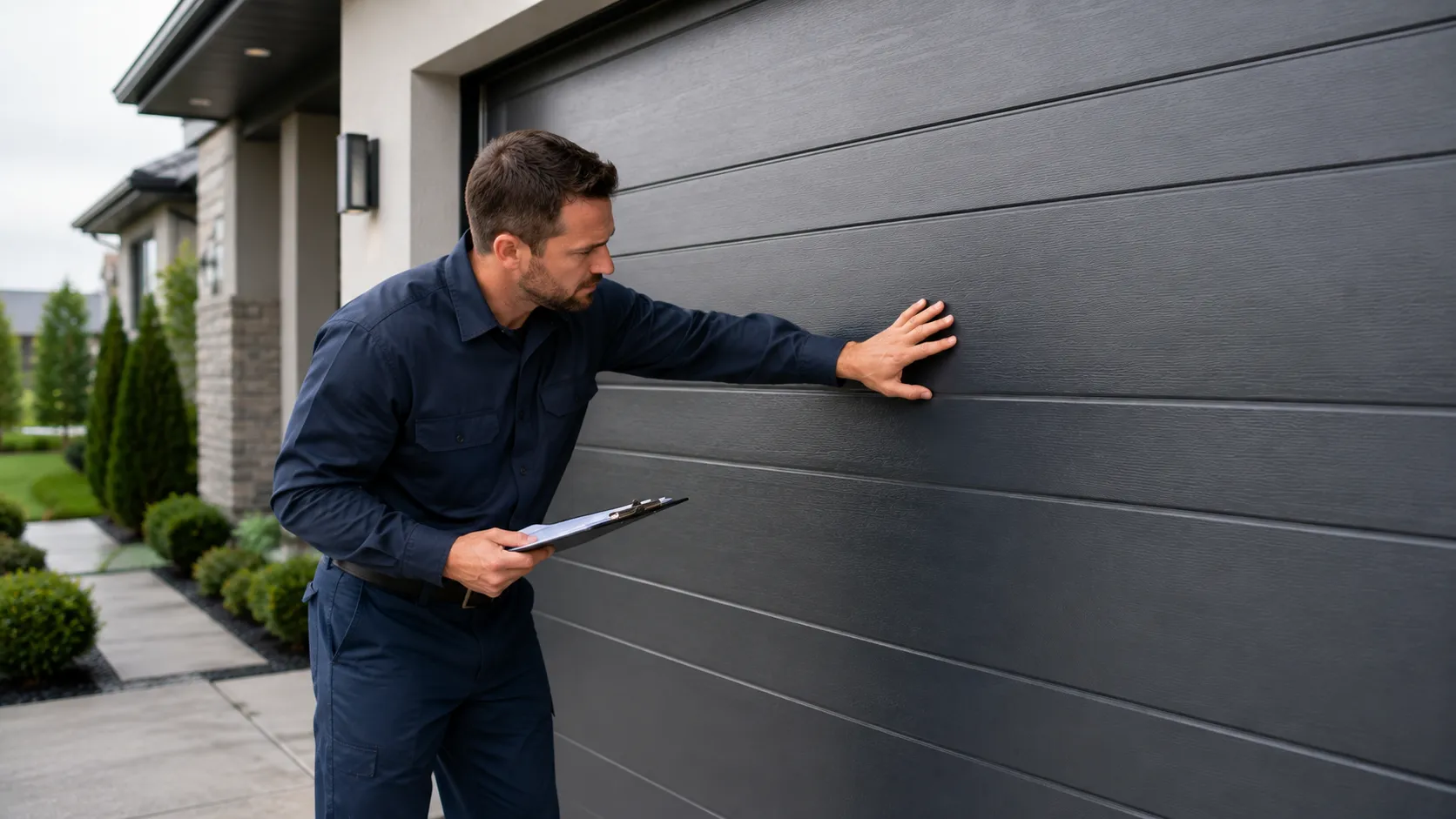
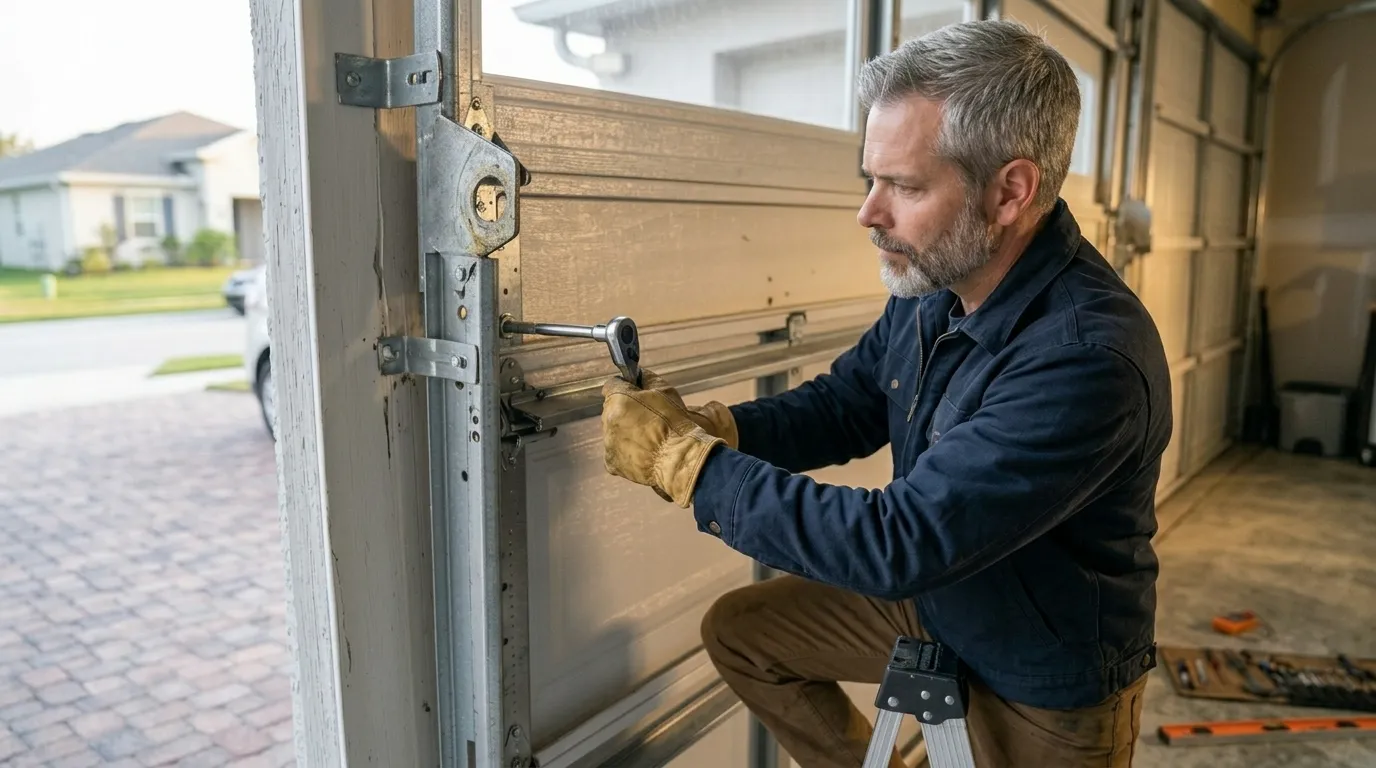
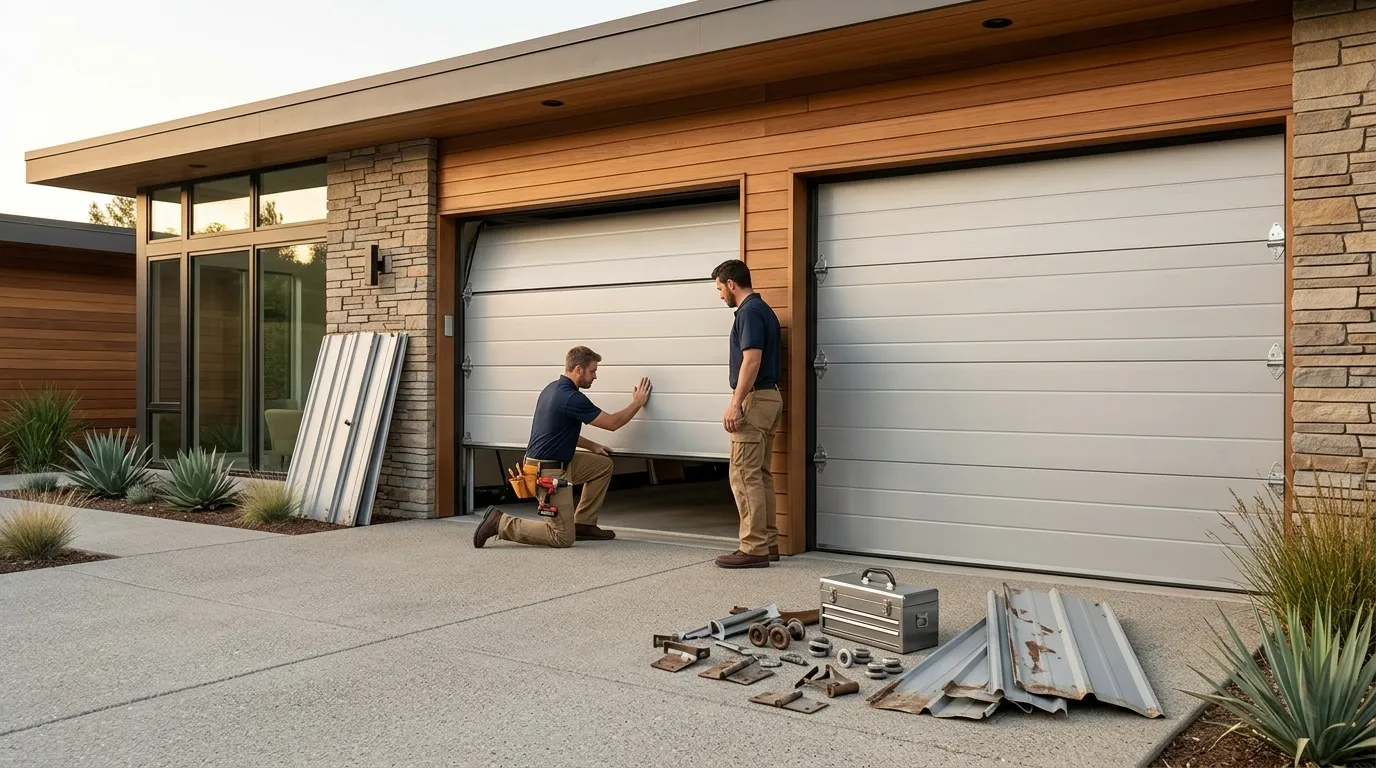
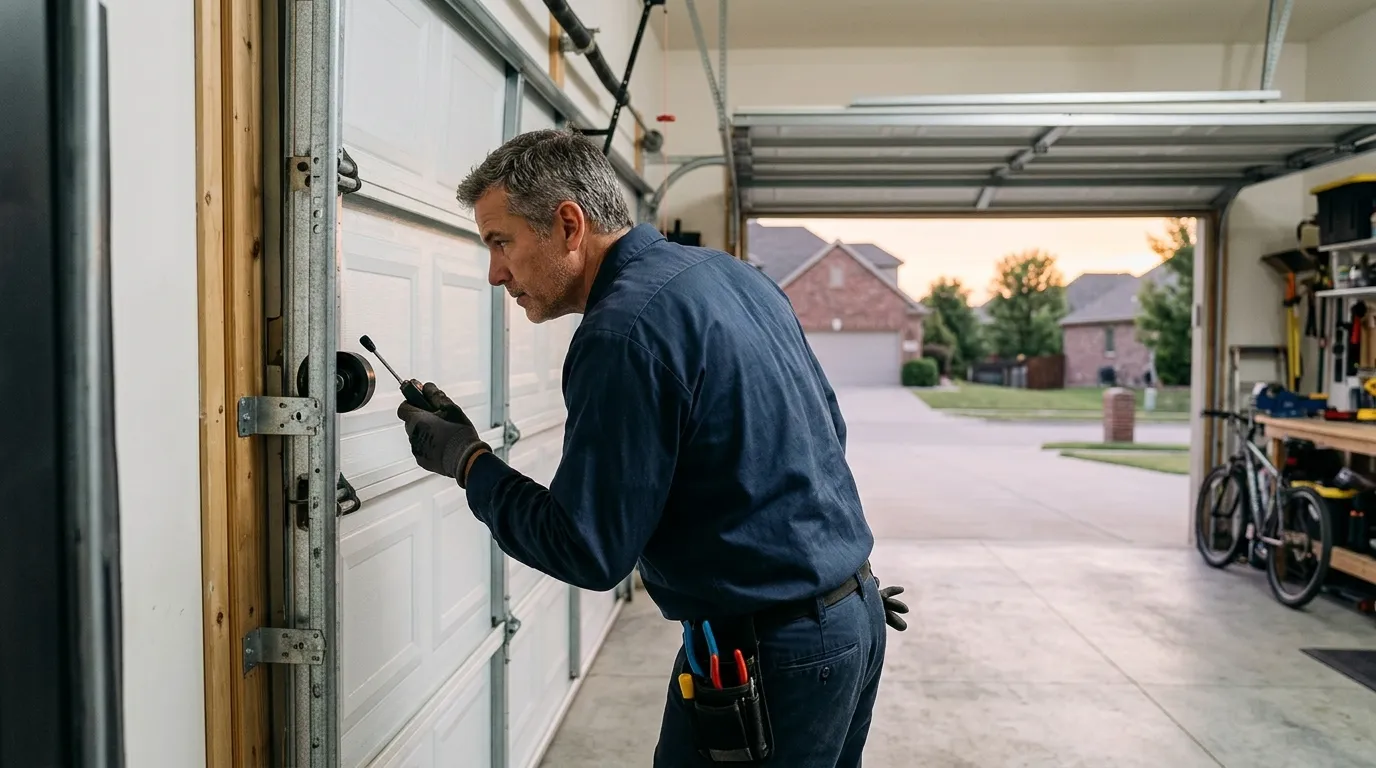
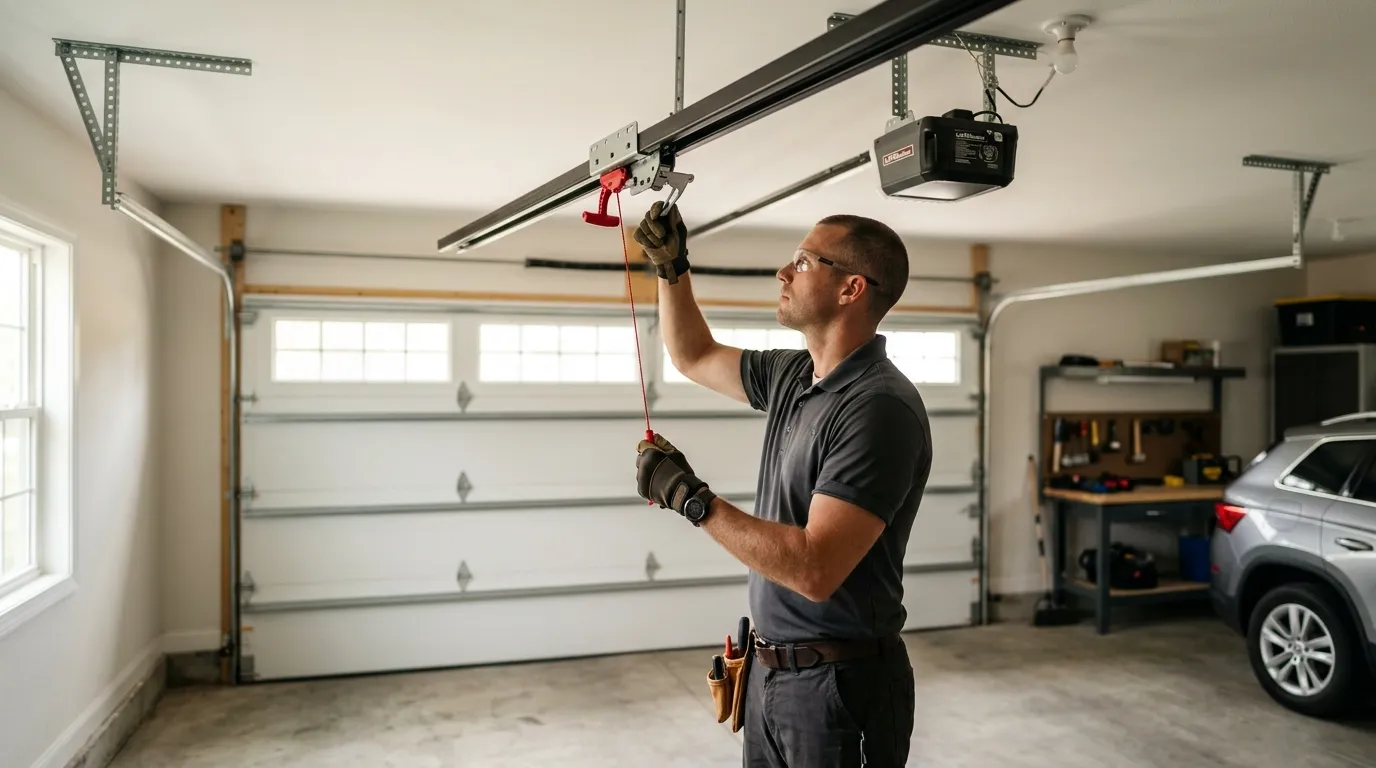
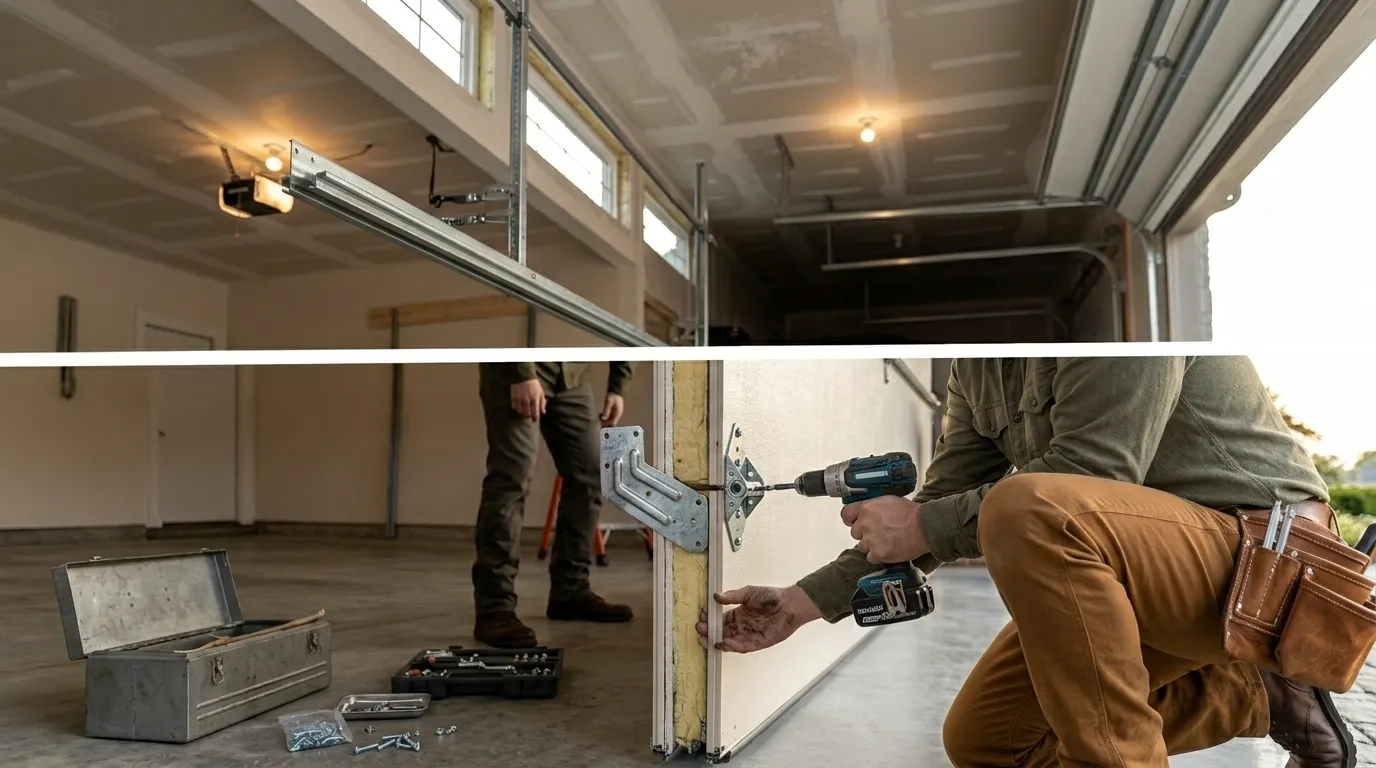
A real maintenance visit on a door this age means checking spring tension by hand, not just looking at it. It means pulling the rollers to see if they're worn to a point, checking cable fraying at the drum, and testing the auto-reverse safety feature - something a lot of 1980s openers were never fitted with in the first place, which means an upgrade conversation, not a repair one. Track alignment gets checked too; cold-weather contraction over 40 winters shifts brackets more than people expect. We lubricate hinges and rollers with the right grease for this climate, not the all-purpose stuff that gums up in the cold. One honest limit: if the opener is original to a 1983 build and lacks modern safety sensors, we're not going to