What You Are Seeing
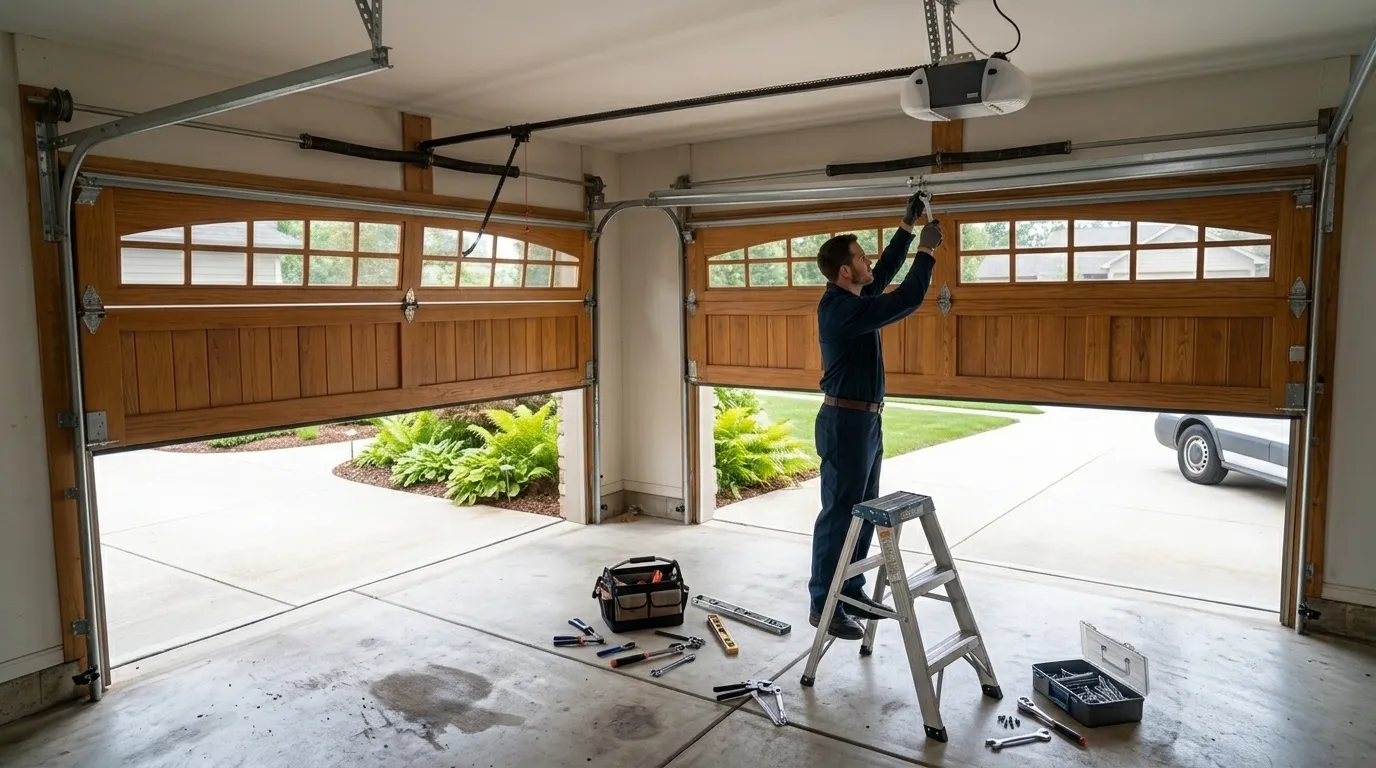
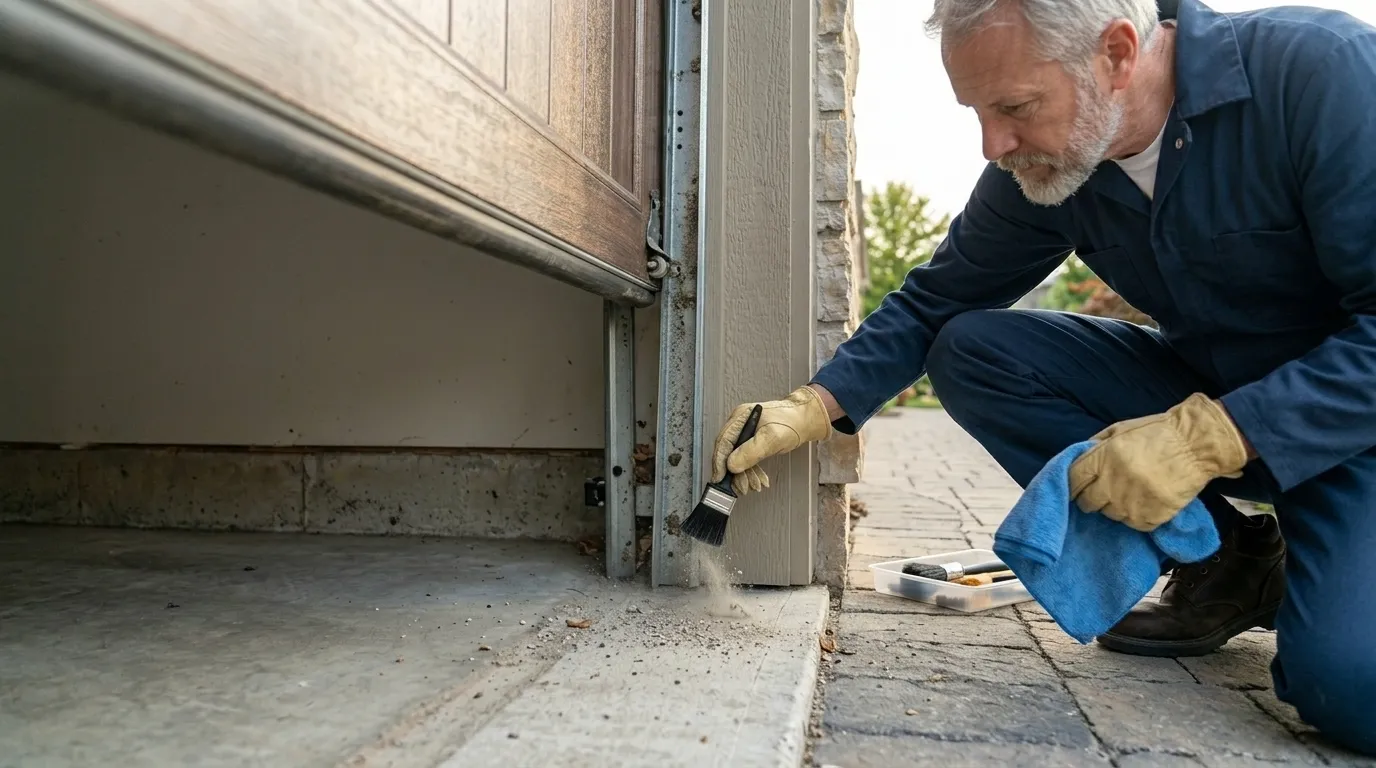
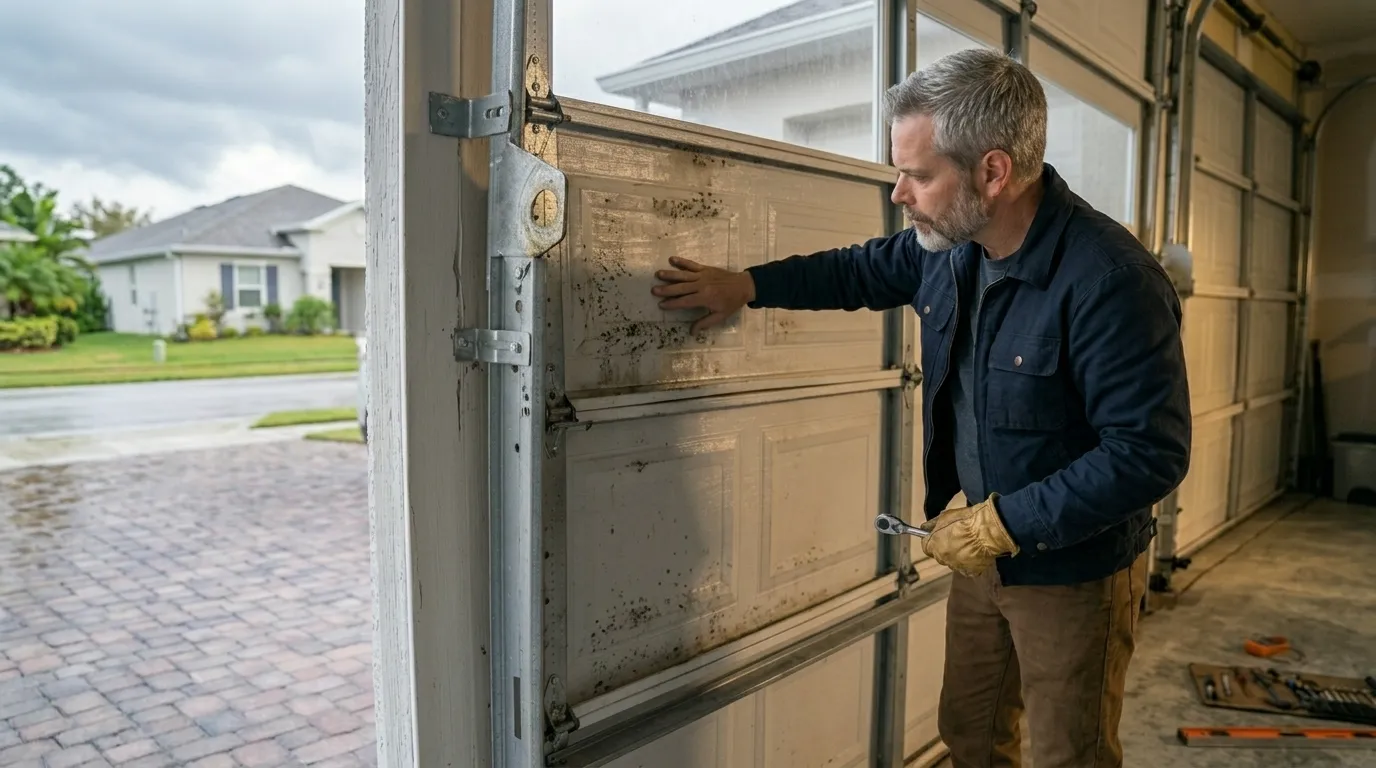
On Commerce City's newer builds, the roller failure pattern is usually one of two things: nylon rollers that have gone brittle and are shedding small white or gray flakes near the track, or sealed-bearing steel rollers that have started grinding because the bearing seal cracked and let grit in. Since most of the housing here dates from around 2004, you're not dealing with the worn steel-on-steel rollers common on Denver's 1960s and 70s stock - you're dealing with plastic composite wearing out on schedule, or a bearing that got contaminated.
A telltale sign specific to this newer construction: the noise shows up as a rhythmic clunk at the same point in every cycle, because the tracks on these doors are straighter and the door travels at a more even speed, so a bad roller announces itself on a predictable beat instead of the erratic grinding you'd hear on older, looser hardware. If you're only hearing noise on the way down and not the way up, that's often the roller nearest the bottom bracket carrying uneven weight - worth pointing out when you call, since it changes which roller gets replaced first.
Booking a Visit
We run this job out of Denver into Commerce City, about 10 miles out, so a visit here is scheduled rather than same-hour. When you call, have the door's age or the approximate build year of the house on hand - given how much of Commerce City's housing sits in that post-2000 window, that alone tells us whether we're likely looking at nylon rollers, sealed steel, or something the builder spec'd that's less common.
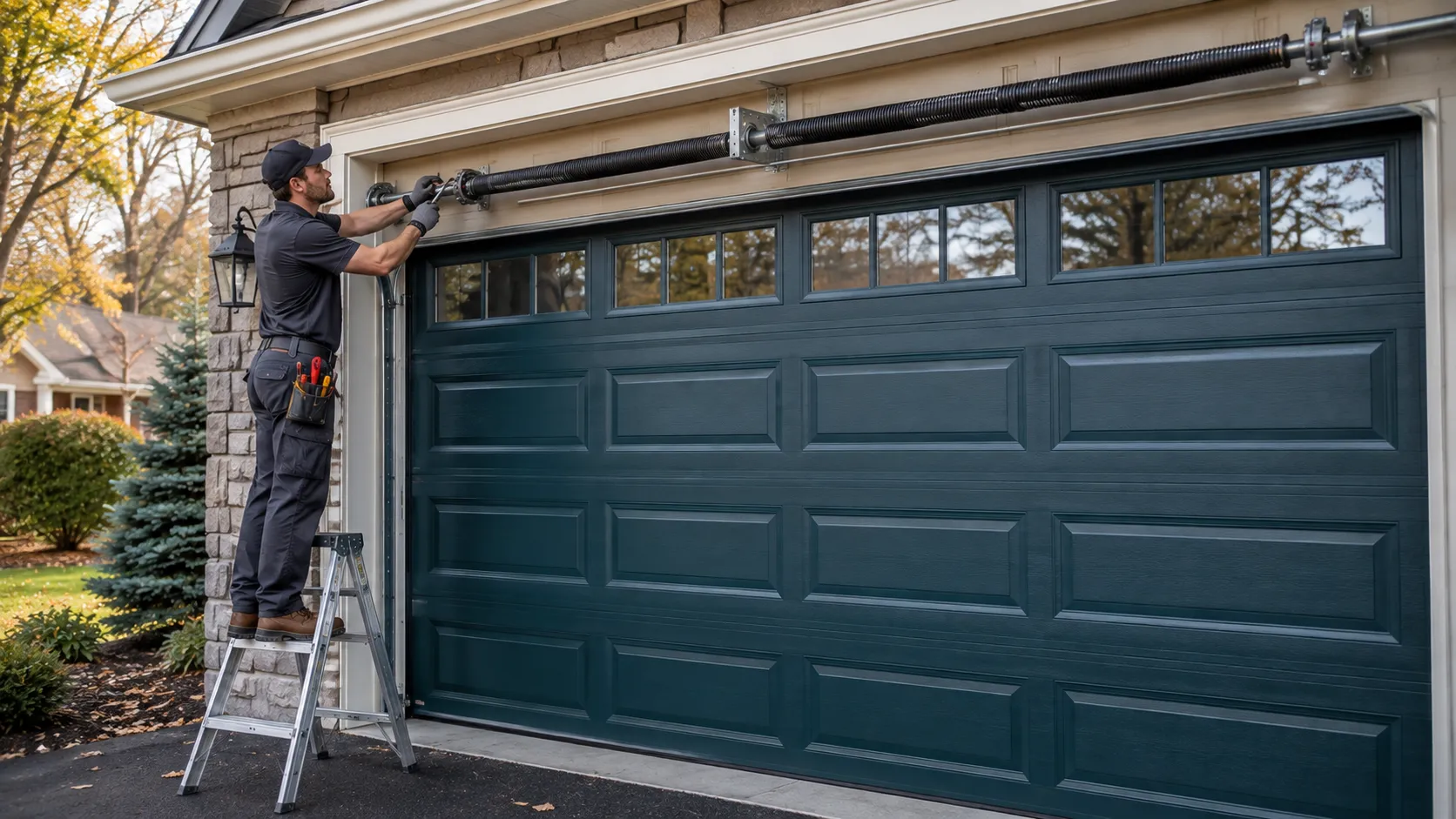
We'll also ask whether the noise is constant or load-dependent, and whether you've got a torsion bar overhead or exposed extension springs on either side, since that changes what else gets inspected while we're there. We don't add a same-day rush charge for travel distance, but we also don't promise a same-day slot just because you called early - the route out this way gets scheduled with the rest of the day's stops.
Where This Job Goes Sideways
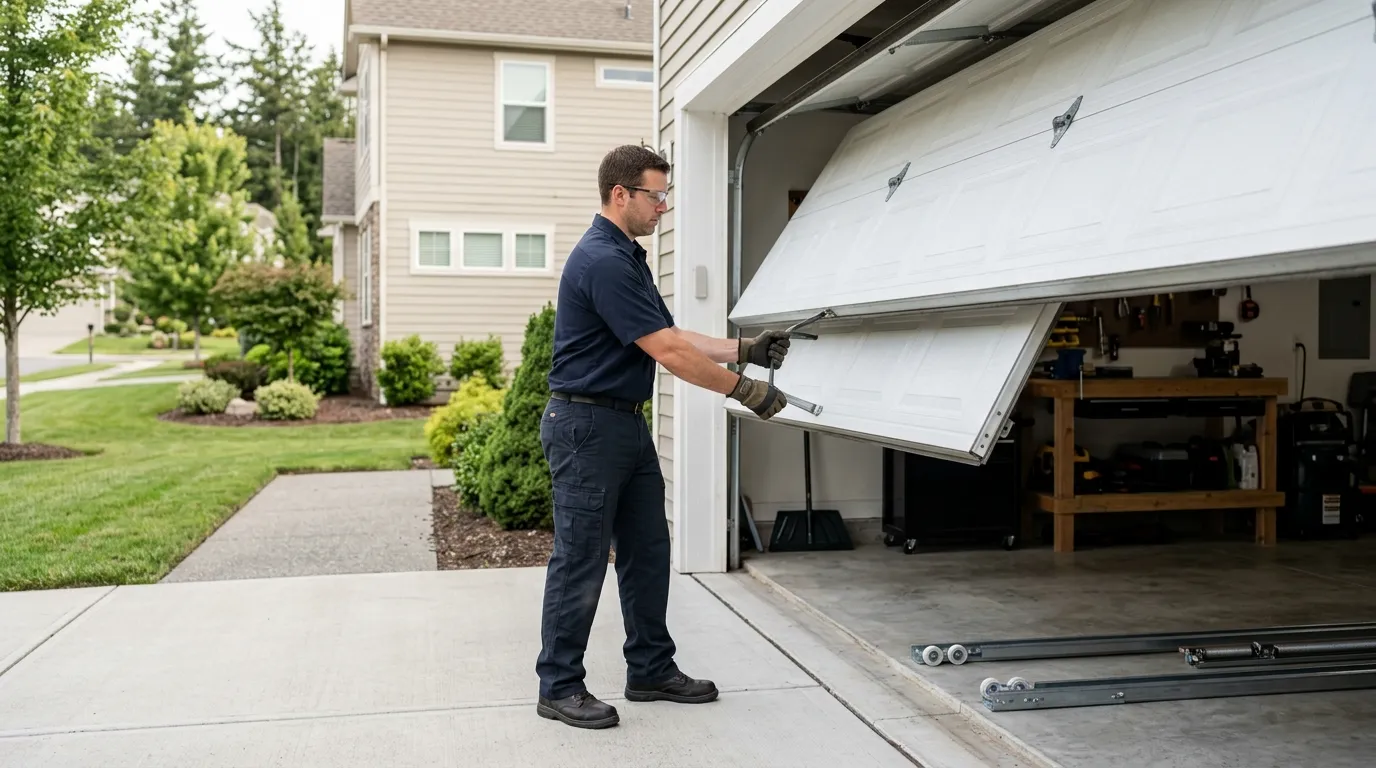
The failure point on this job isn't the part, it's what's hiding behind it. On a door built around the early 2000s, the track brackets are usually still straight, but if a previous owner ever ran the door with a dragging roller for months, the track can develop a slight bow that won't show up until you've already pulled the old roller and the door won't sit flush going back together. We check track straightness before we commit to
Placeholder
placeholder