Serving Denver, CO & nearby
(720) 738-8063
Denver, CO

Panel Replacement for Commerce City's Newer Housing Stock

Commerce City homes were mostly built after 2000, newer than most of the Denver area, which changes how panel replacement and matching work for owners.

Panel Replacement for Commerce City's Newer Housing Stock
Denver, CO
8 services
4 service areas
Diagnosis first, then the fix

Can You Do This Yourself

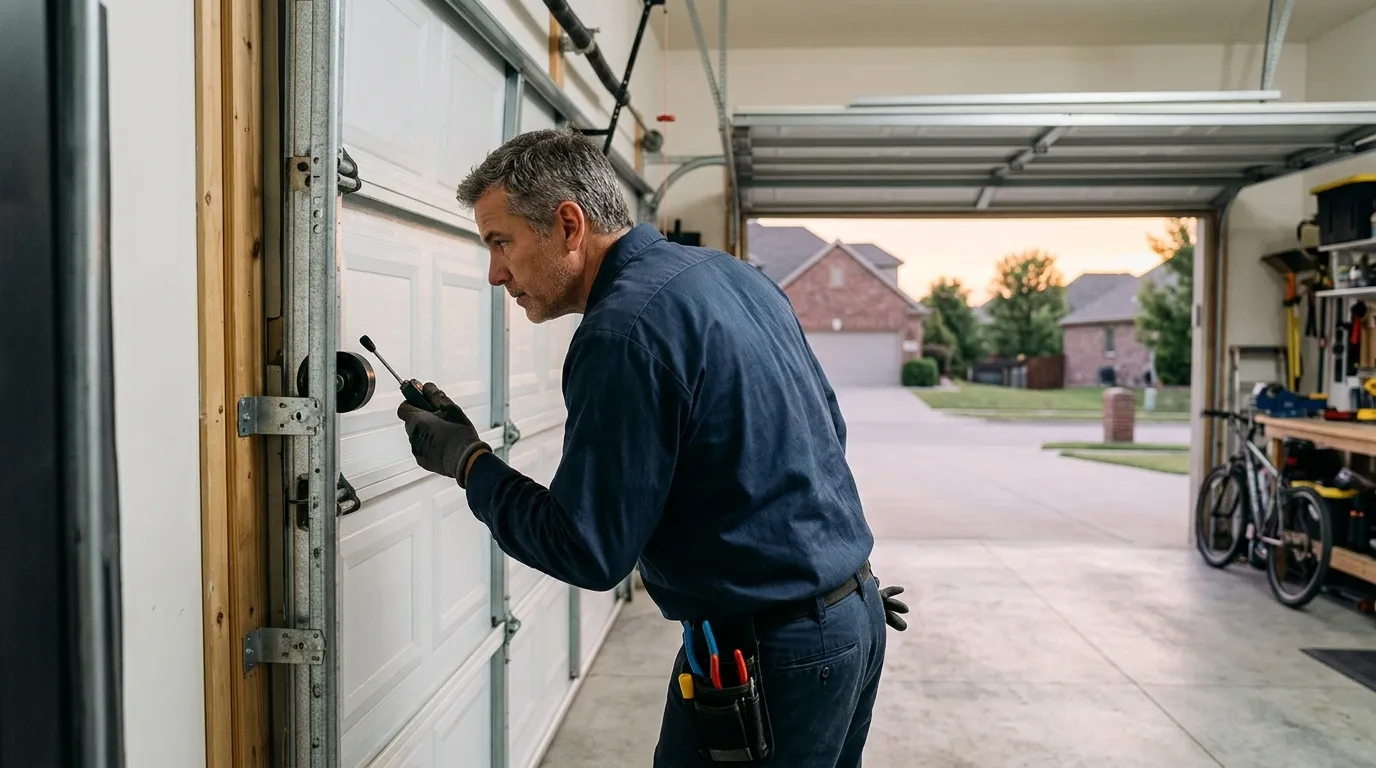
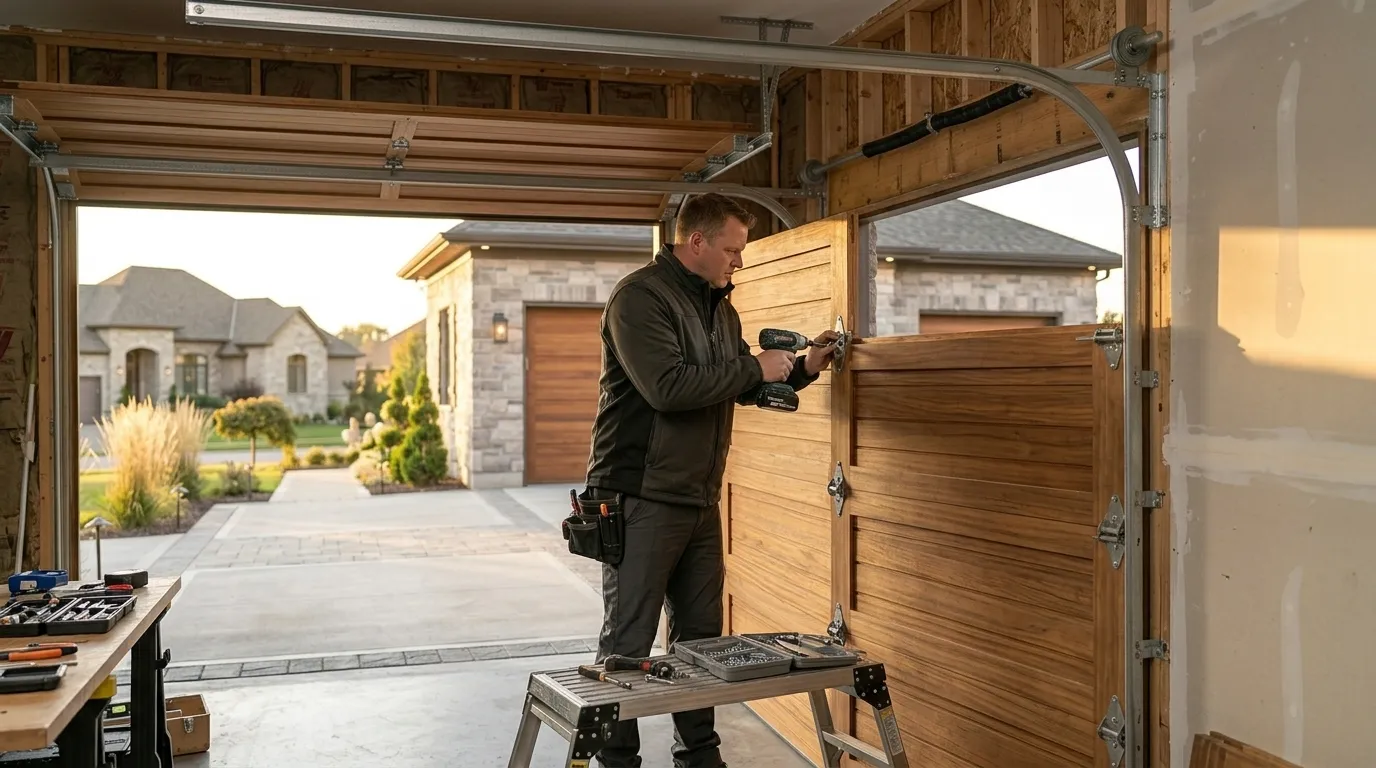
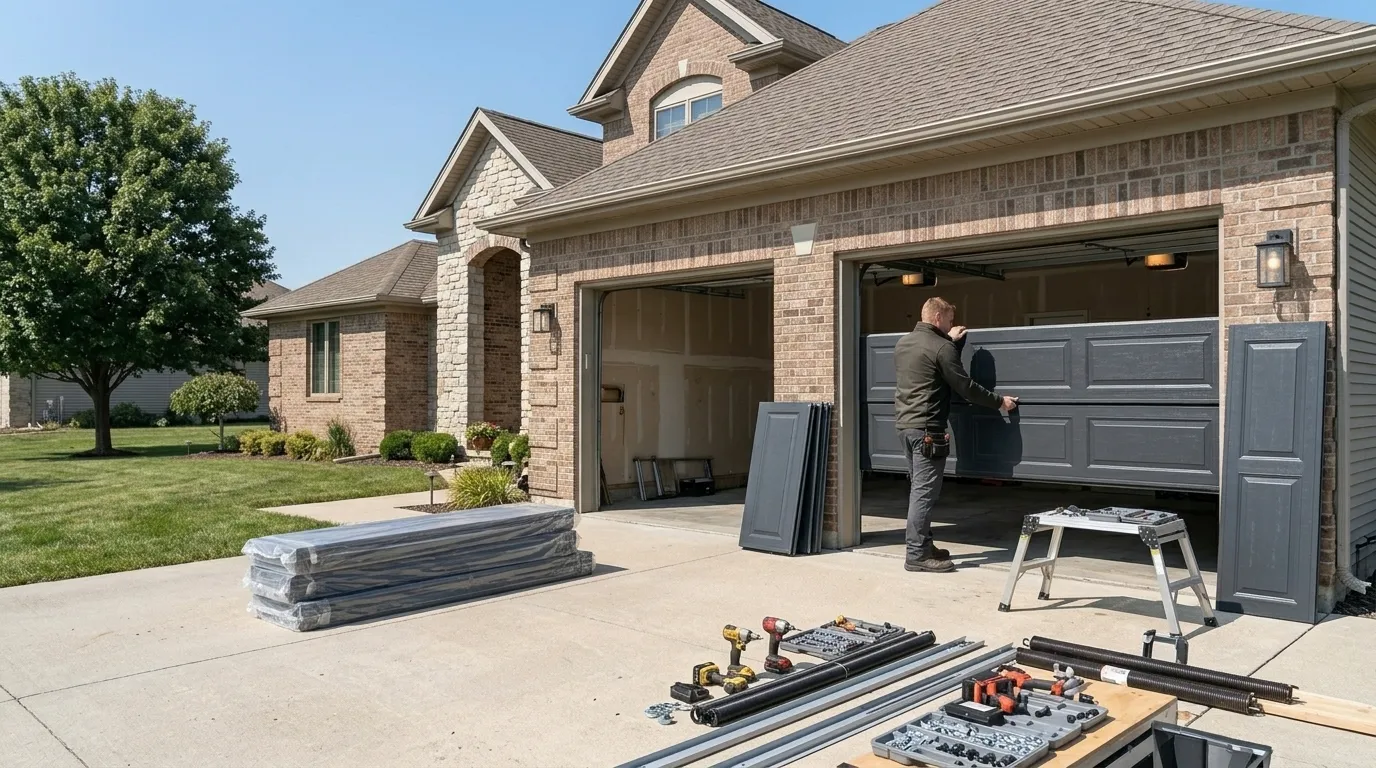
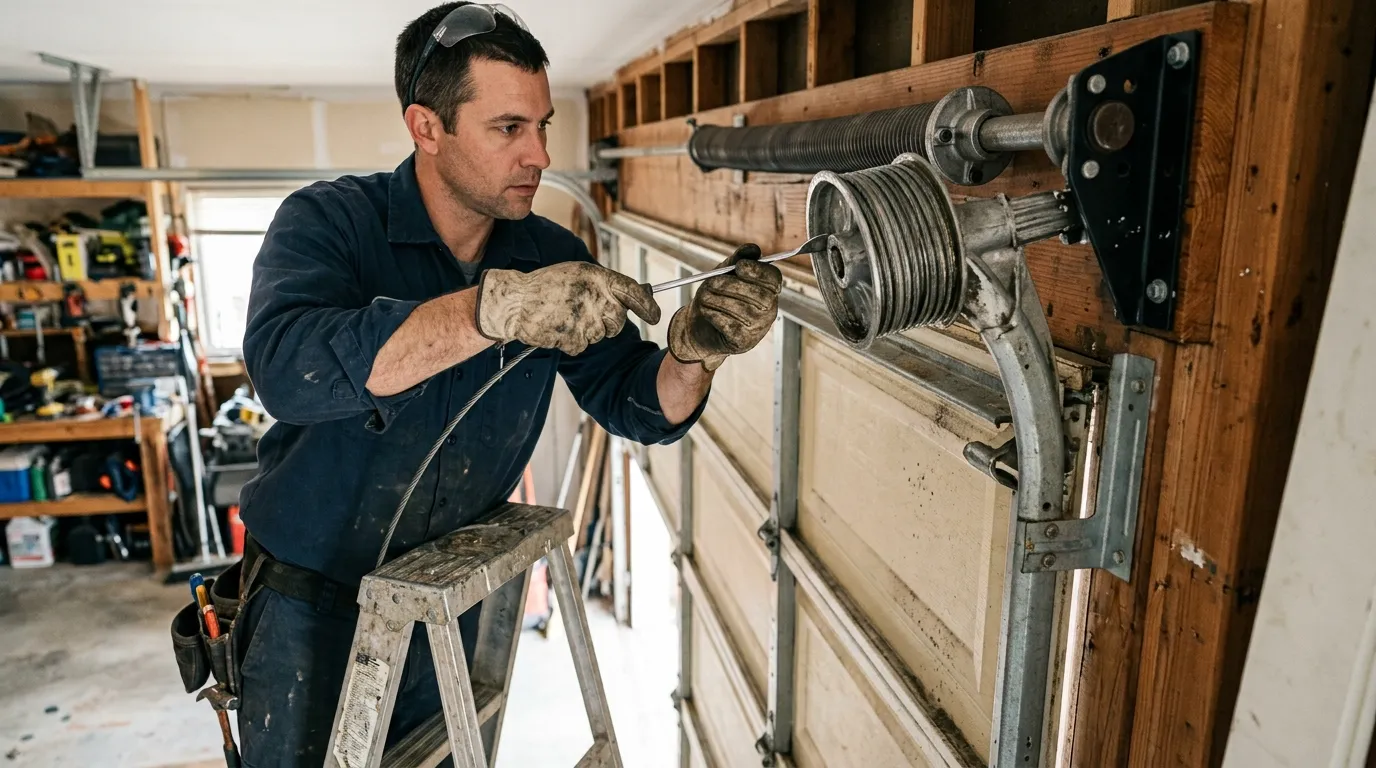
If one panel on your sectional door is dented or cracked, swapping just that panel is possible in theory, and on a lot of Commerce City doors it's a fair question, since most houses here were built after 2000 and the door lines from that era are still in production more often than the older stock across the rest of the service area. The catch is matching. Builder-grade doors from a given production run come with a specific panel profile, window cutout, and finish, and manufacturers change those details across model years even when the door line keeps the same name. Pull the wrong panel number and you end up with a visible seam of mismatched texture on a door that's otherwise only 15 to 20 years old, which shows a lot more than it would on an older, already-weathered door. Torsion spring work on the same door is not a DIY job - the cable and spring are under enough load to break bones if the winding bar slips. Our honest limit here: if your door's exact panel isn't sold anymore, a full-panel swap on a still-functional door usually costs more in time waiting on a special order than replacing the whole section makes sense for.

What You Are Seeing

With a median build year of 2004 in Commerce City, most of what we replace panels on are steel sectional doors with polystyrene or polyurethane foam backing, built for a cold climate rather than the older solid wood or thin single-layer steel you'll find on houses from the 1960s and 70s elsewhere in the service area. That foam backing is good insulation, but in a severe cold climate band it also means the panel skin and the foam core expand and contract at different rates through freeze-thaw cycles. What you're usually looking at isn't warping - these doors are too new for that - it's a hairline crack along a seam or around a hinge screw where the foam has pulled the steel skin over years of cold snaps. Hail dents show up as sharp dings rather than the soft bowing you'd see on an older uninsulated panel. If a whole section is bowed inward or the bottom panel has water staining and soft spots, that's usually impact damage or a drainage issue at the slab, not age - these doors haven't been up long enough for the wear you'd see on 1960s stock.

Booking a Visit

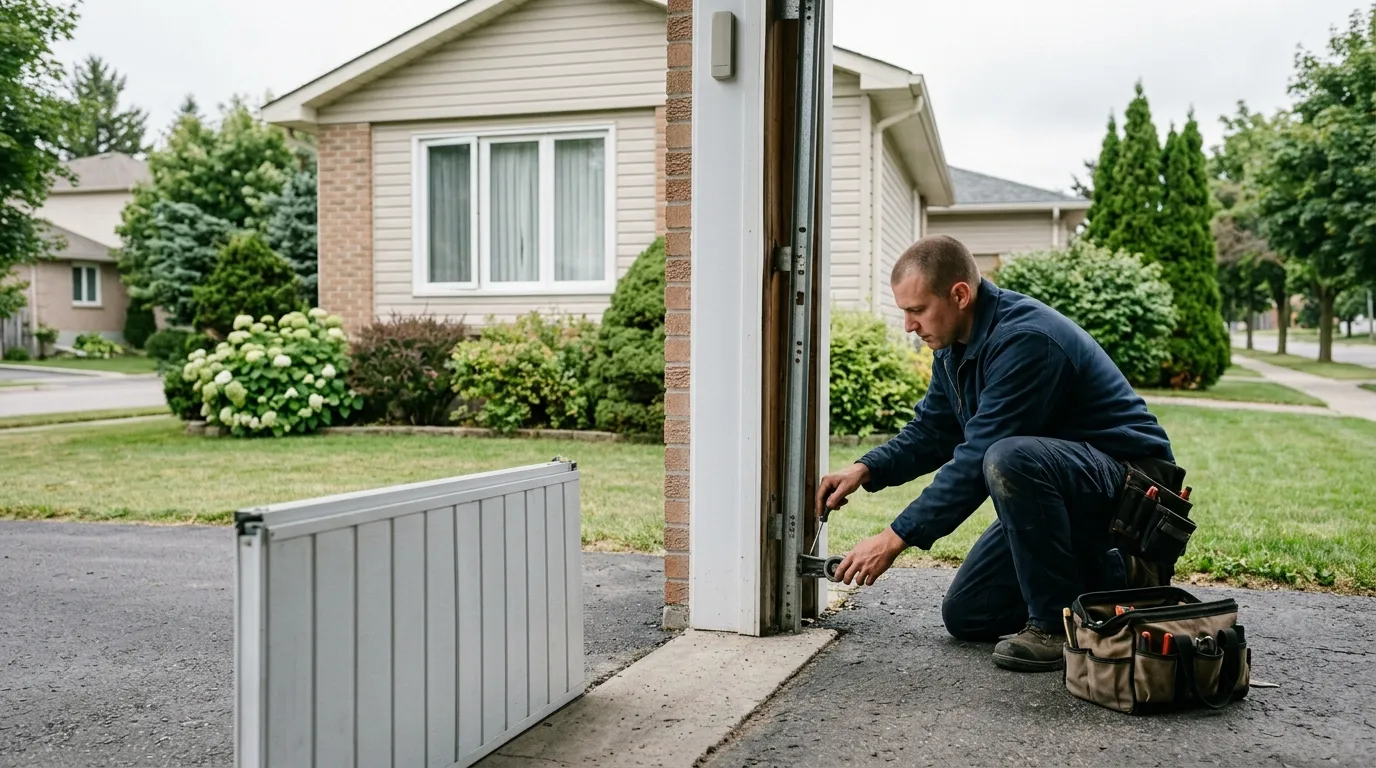
We run this job out of Denver, about 10 miles from Commerce City, so there's no local branch here and no separate response-time promise for this side of the service area - we schedule the visit and drive out with the panel on the truck once we've confirmed the door brand, model, and panel size with you. Have the door's data plate info ready if you can find it (usually inside on the top panel or end stile); it's the fastest way to confirm we're bringing the right panel section rather than making a second trip. Since a lot of Commerce City doors were installed in the same handful of production years, we can often narrow the panel down from a photo and the section height alone. If the door is old enough that the model's been discontinued, we'll tell you on the call rather than after we've already made the drive, so you're not paying for a visit that ends in a full-door quote instead of a panel swap.

Why This Fails Locally

Commerce City's subdivisions went up close together in build year, most houses in the 2000-2006 range around that 2004 median, which is decades newer than the 1981 median across the wider Denver service area covered by this business. That clustering means a lot of neighbors have the exact same door model, and it also means a lot of homeowners assume any panel from that door line will fit any house of that era. It usually doesn't. Builders switch suppliers and colors between phases of the same subdivision, so a door installed in 2002 and one installed in 2005 two streets over can carry different panel textures under the same paint color. At a median household income of $106,756 here, above the $101,450 median across the rest of the service area, we see more owners choose a full-panel match over a visible single-panel patch - the cost difference matters less to them than a door that looks stock. The severe cold climate band adds a second failure mode: a mismatched panel with a slightly different foam density cracks at the seam faster than a matched one does, sometimes within a single winter.

Where This Job Goes Sideways

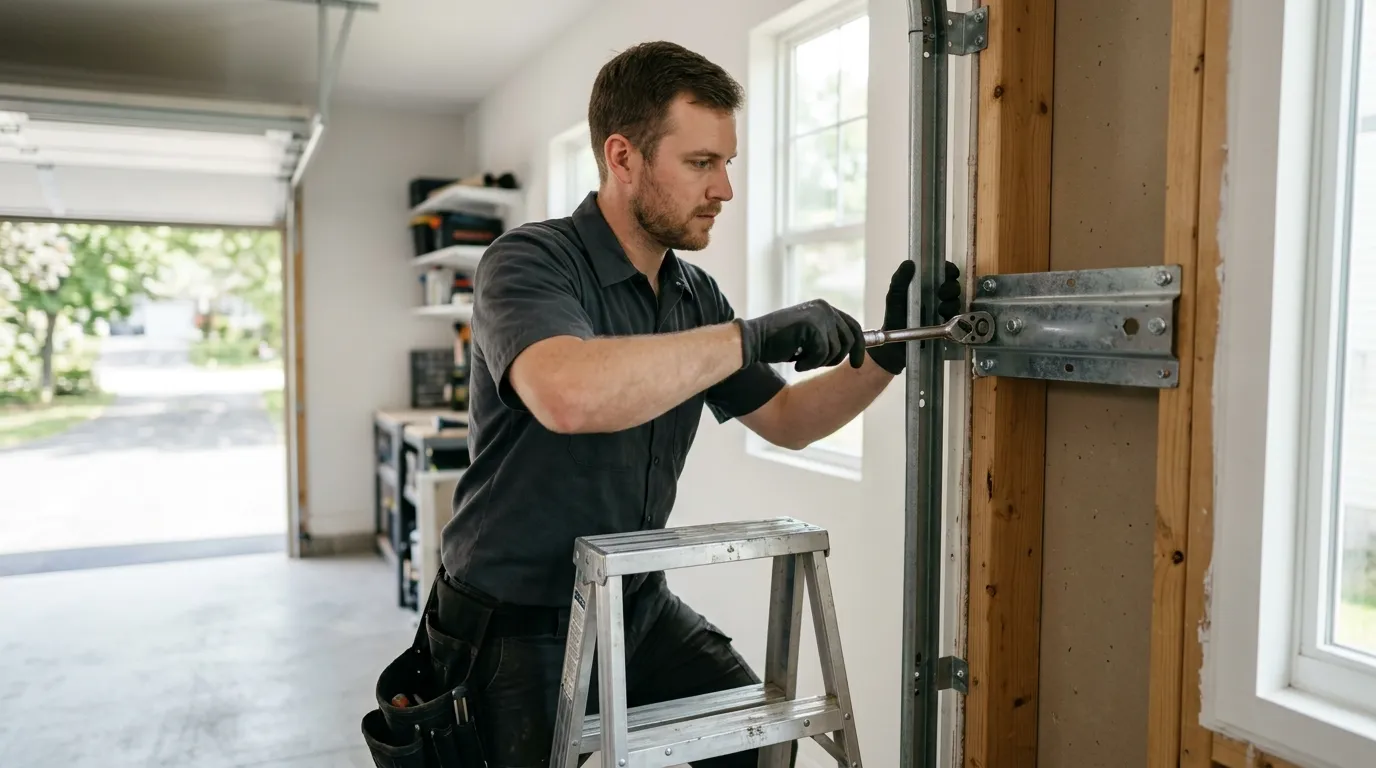
The most common mistake on a newer door like the ones common in Commerce City is ordering a panel by door brand and size alone, without checking the specific hinge and roller spacing for that production run. Two doors that look identical can be drilled differently, and a panel that's off by even a few millimeters at the hinge won't seat flush, which throws off the track alignment on the whole section above it. Commerce City sits inside a service area of 219,760 households and 96,547 owner-occupied houses, and most of that stock is far older than what's typical here, so a panel supplier used to serving 1960s and 70s doors elsewhere in the area may not stock the builder-grade line common to this side of town at all. The other place this goes sideways is the opener sensor bracket - on insulated steel doors it's often mounted through the panel itself, and swapping the panel without transferring or realigning that bracket is a common reason a newly repaired door won't close on the opener afterward.
How it works

From “it’s stuck” to “it’s fixed”

Tell us what’s wrong - Denver garage door service

Tell us what’s wrong

Describe the symptom - won’t open, loud bang, opener runs but the door won’t move.

On-site diagnosis - Denver garage door service

On-site diagnosis

A technician tests the door under power and by hand and finds what actually failed.

Clear, up-front plan - Denver garage door service

Clear, up-front plan

You get the fix that’s needed and what drives the cost - before any work starts.

Repaired & tested - Denver garage door service

Repaired & tested

The repair is done, the door is set true and tested, and the work area left clean.

Serving Denver, CO - tell us what your door’s doing and we’ll take it from there.

How we work

What to expect

  • Diagnosis firstEvery visit starts by finding what actually failed - not a pre-written parts list.
  • The right part for the doorSprings and openers matched to the door’s weight and age, so the fix holds up.
  • Straight answersWhen a repair makes more sense than a replacement - or the reverse - you hear it plainly.
  • Clean, careful workTension released safely, hardware set true, the door tested under power before we leave.
729,019Residents in Denver
8Garage door services
4Neighborhoods & suburbs
COServing Denver, CO
Questions

Frequently asked

Straight answers about garage door repair in Denver. Still unsure? Ask us directly.

Why does my panel not match even though it's the same door brand as my neighbor's?

Builders switch suppliers and paint runs partway through a subdivision, so two houses built a year or two apart under the same door name can have different panel textures or window cutouts. Since most Commerce City homes were built in a tight window around 2004, this comes up often - the brand name on the door isn't enough to guarantee a matching panel.

Is it worth replacing just one panel on a newer door?

Usually yes, if the panel is still made. These doors are typically only 15 to 20 years old, so unlike older stock, most panel lines are still in production. The exception is if the specific run has been discontinued, in which case a single-panel repair can cost close to a full-door replacement once you factor in the special order.

Does the cold affect these newer insulated doors differently than older ones?

Yes. Older uninsulated steel or wood doors tend to warp with age; newer foam-backed panels crack at the seams instead, because the steel skin and foam core expand at different rates through freeze-thaw cycles typical of this climate band. It's a different failure, not a lesser one.

Ready to get your garage door sorted?

Tell us what it’s doing and where you are in Denver - we’ll take it from there.

Request a QuoteCall