
Booking a Visit
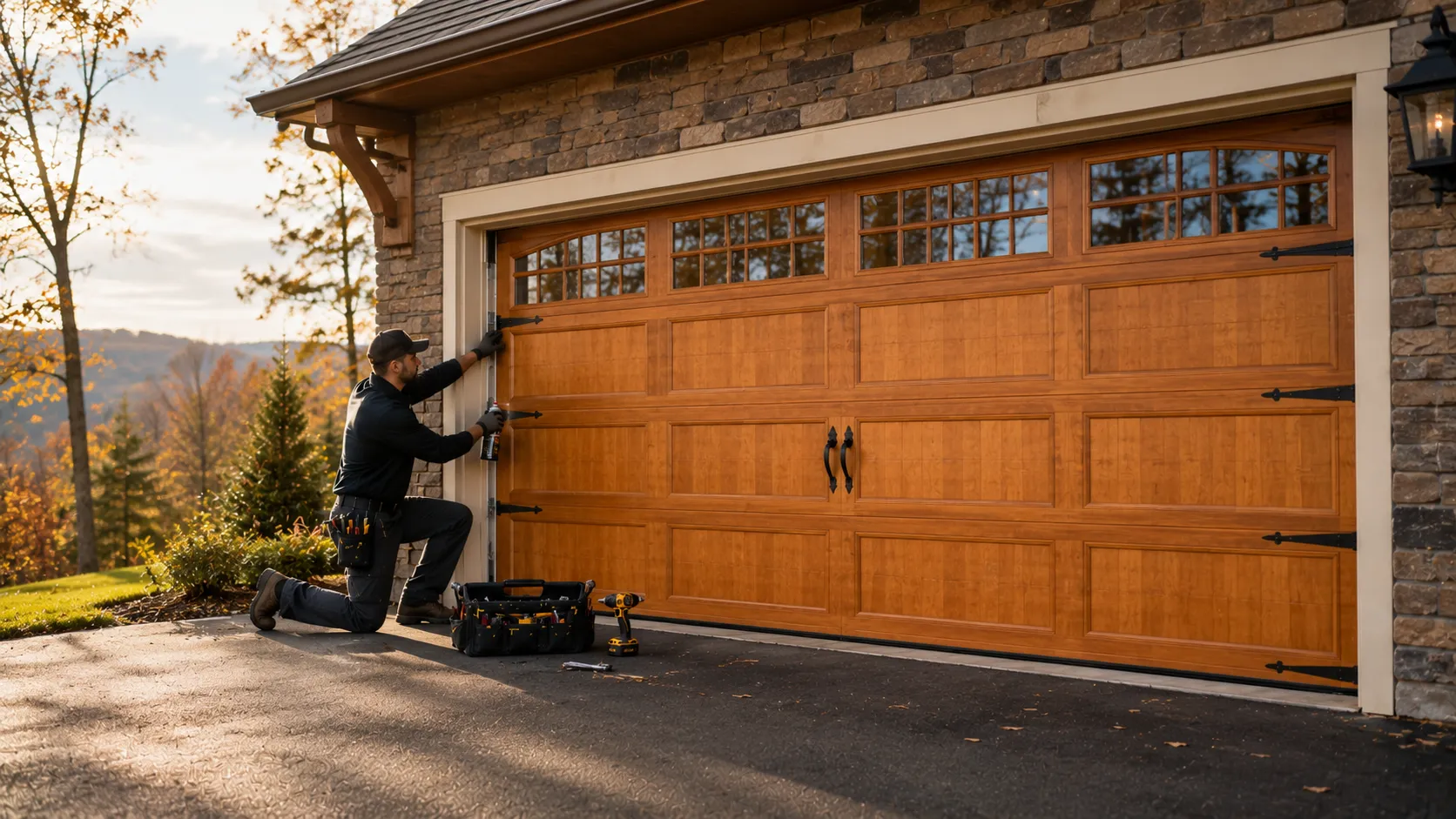
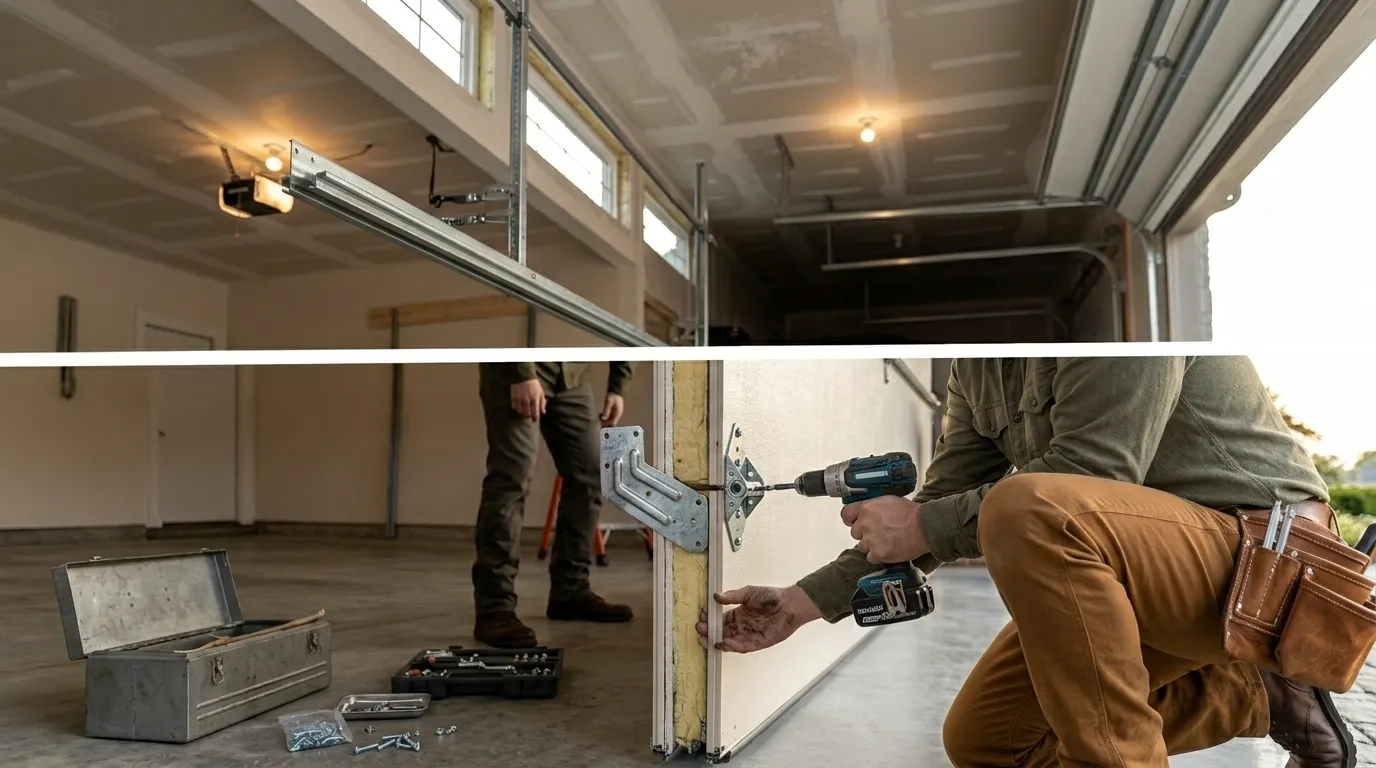
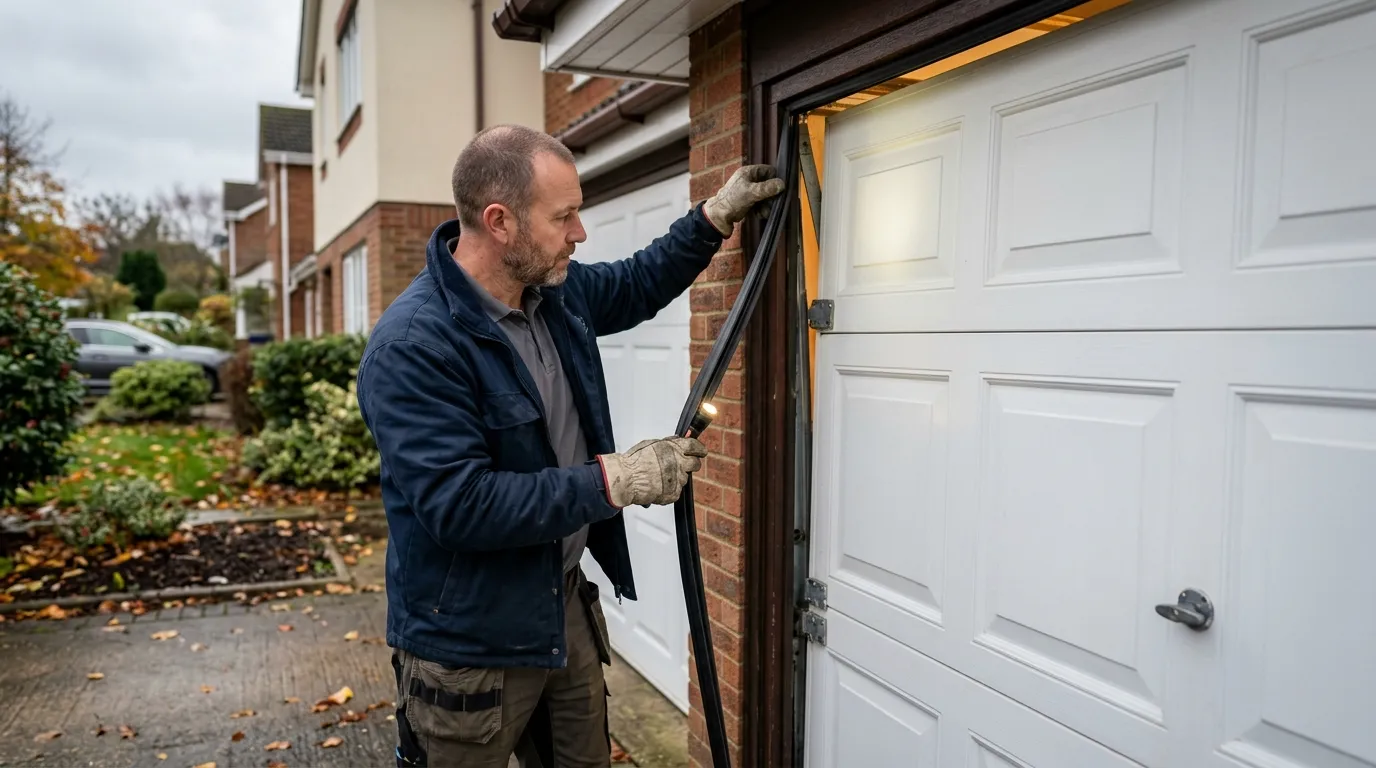
Tell us what the door is doing when you call - grinding, jumping the track, a door that's stiff on one side. That helps us bring the right roller stock instead of guessing at the counter. Columbine homes built around the mid-1970s were fitted with steel rollers as standard, not the sealed nylon rollers you see on newer installs, so knowing the rough age of the door changes what's on the truck when we pull up. We don't keep a depot in Columbine itself; every job here is a dispatch from Denver, which is why a five-minute description on the phone saves a second trip.
Can You Do This Yourself
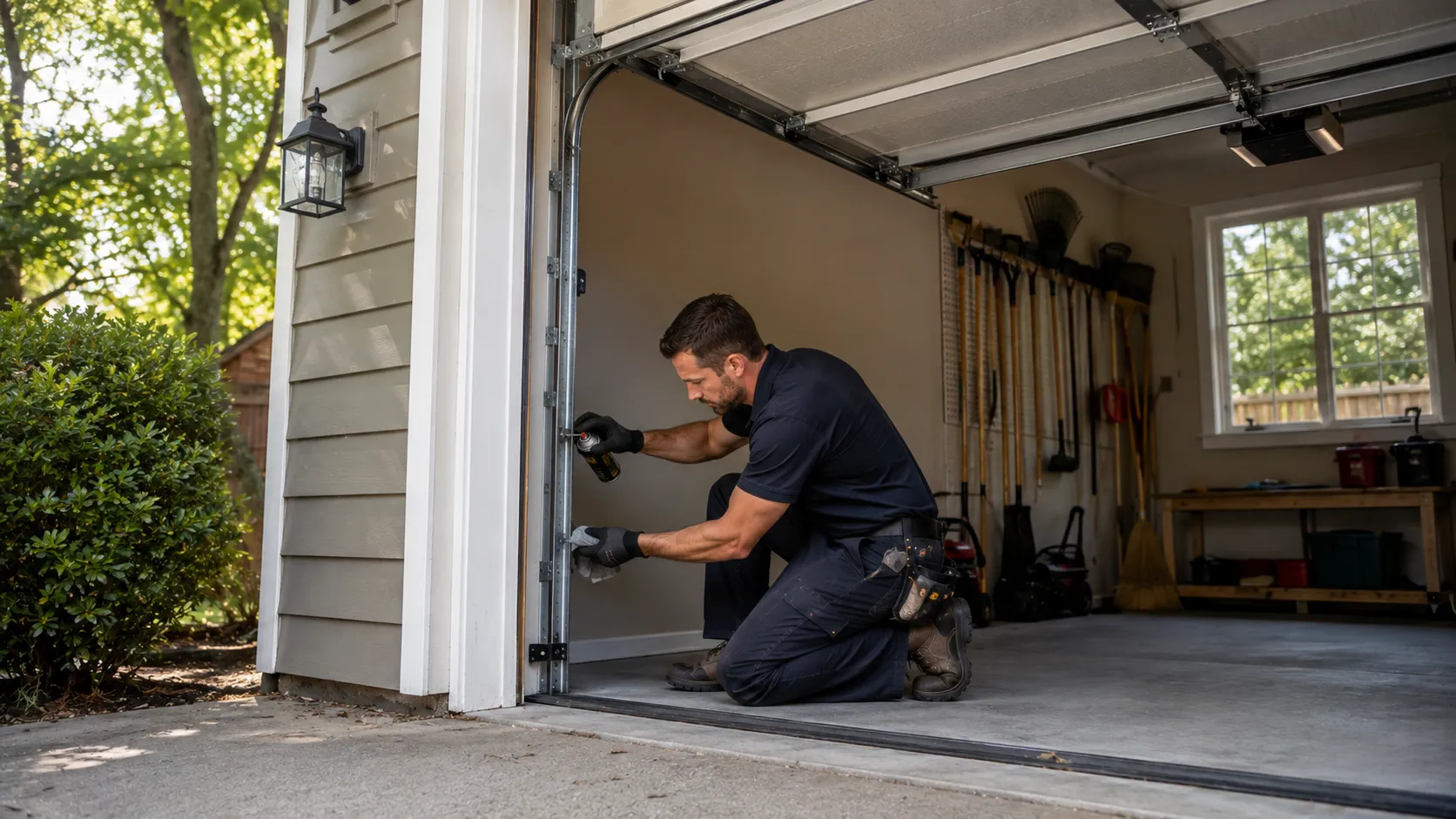
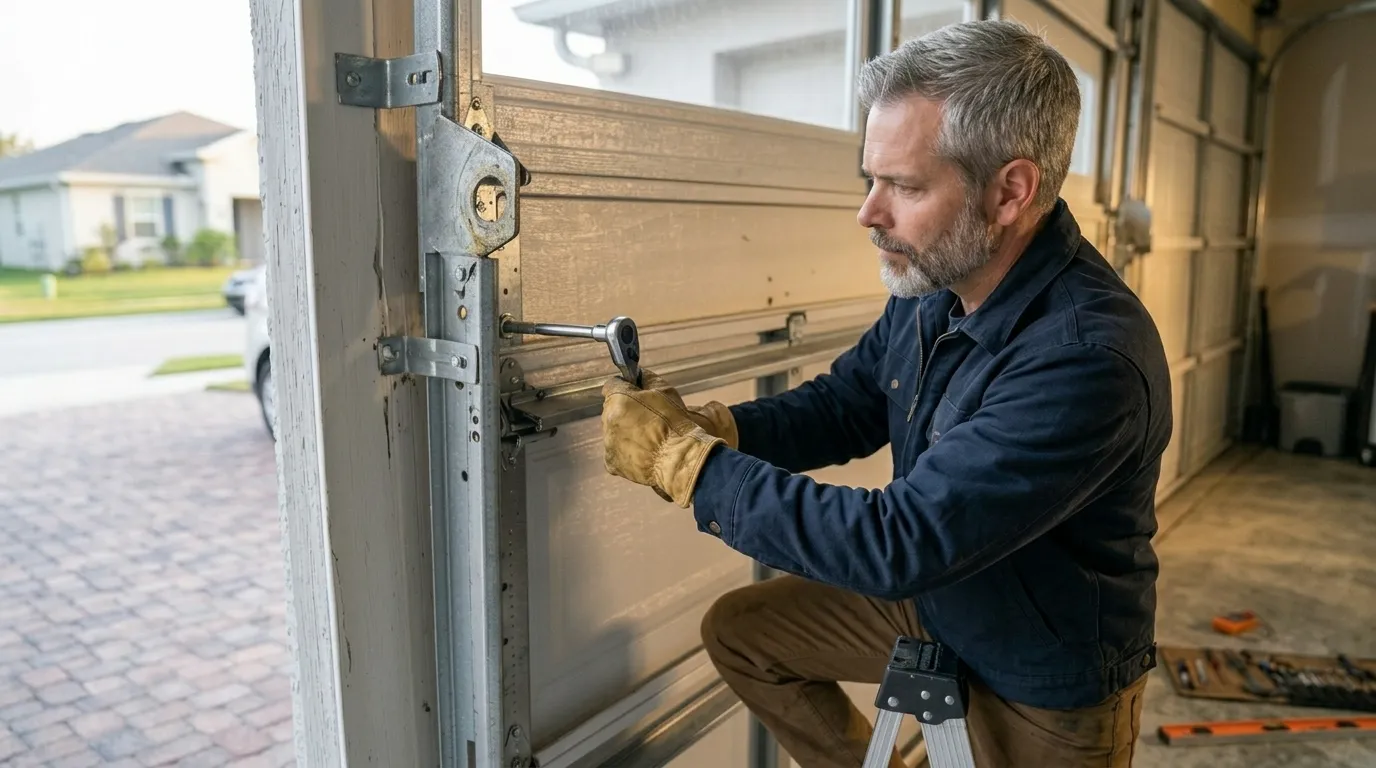
Rollers are one of the more DIY-friendly parts on a garage door - no spring tension to fight, no cable to release. If you're comfortable with a ladder and a socket set, swapping a worn roller on a door that isn't under lift-cable tension at that hinge point is a reasonable weekend job. Where we'd stop you: a bent track, a roller that's seized and won't pull free, or any work near the bottom bracket on a door that's still wound tight on its springs. That's where a stuck roller turns into a finger injury fast. If the door is original steel-roller hardware from the 1970s, the bracket fasteners are often rusted enough that they snap rather than turn - know that before you start.
Why This Fails Locally
Columbine's housing stock centers on 1976, which put steel 7-ball rollers on most original doors - hardware that wasn't built to run quiet or seal against grit the way today's nylon rollers do. Steel rollers wear at the axle and lose their bearing surface over time, and once that happens the roller doesn't turn cleanly, it drags. Cold, dry winters here matter too: grease inside an old steel roller stiffens hard in low temperatures, so the same worn roller that was tolerable in summer starts grinding loudly the first cold snap of the year. That combination - original steel hardware plus a real winter - is why roller calls in Columbine cluster in the colder months more than they do on newer nylon-roller doors elsewhere in the area.
Stocked Parts
We carry both steel and nylon rollers on the truck, since a mixed-era area like Columbine means the next job could be a 1970s original or a door that's already been upgraded once. Sealed nylon rollers are the usual replacement recommendation here, since they run quieter and don't need the periodic lubrication steel rollers do in a cold-winter climate. One limit worth being straight about: if the track itself is bent or badly rusted along with the rollers, roller replacement alone won't fix the noise - that's a separate repair, and we'll tell you on site rather than sell you rollers that won't solve it.