Booking a Visit
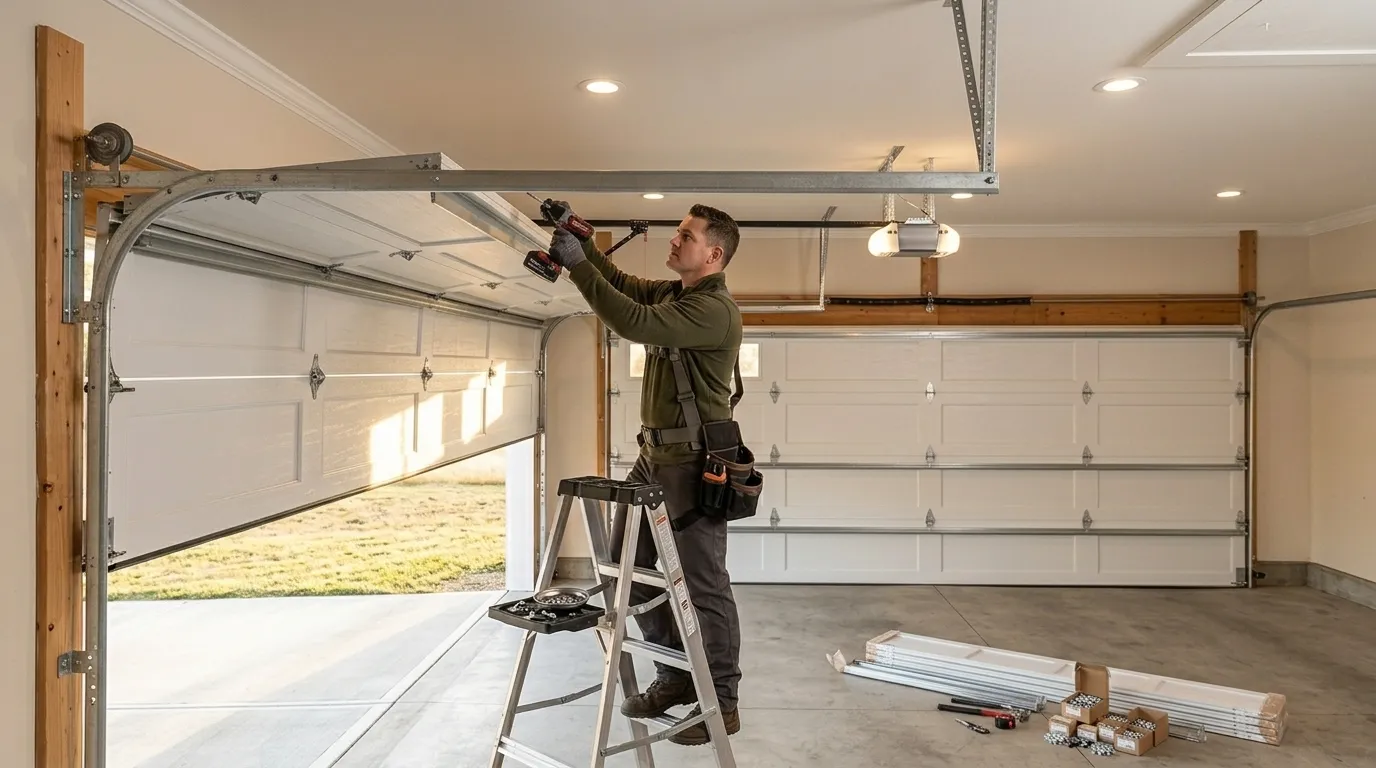
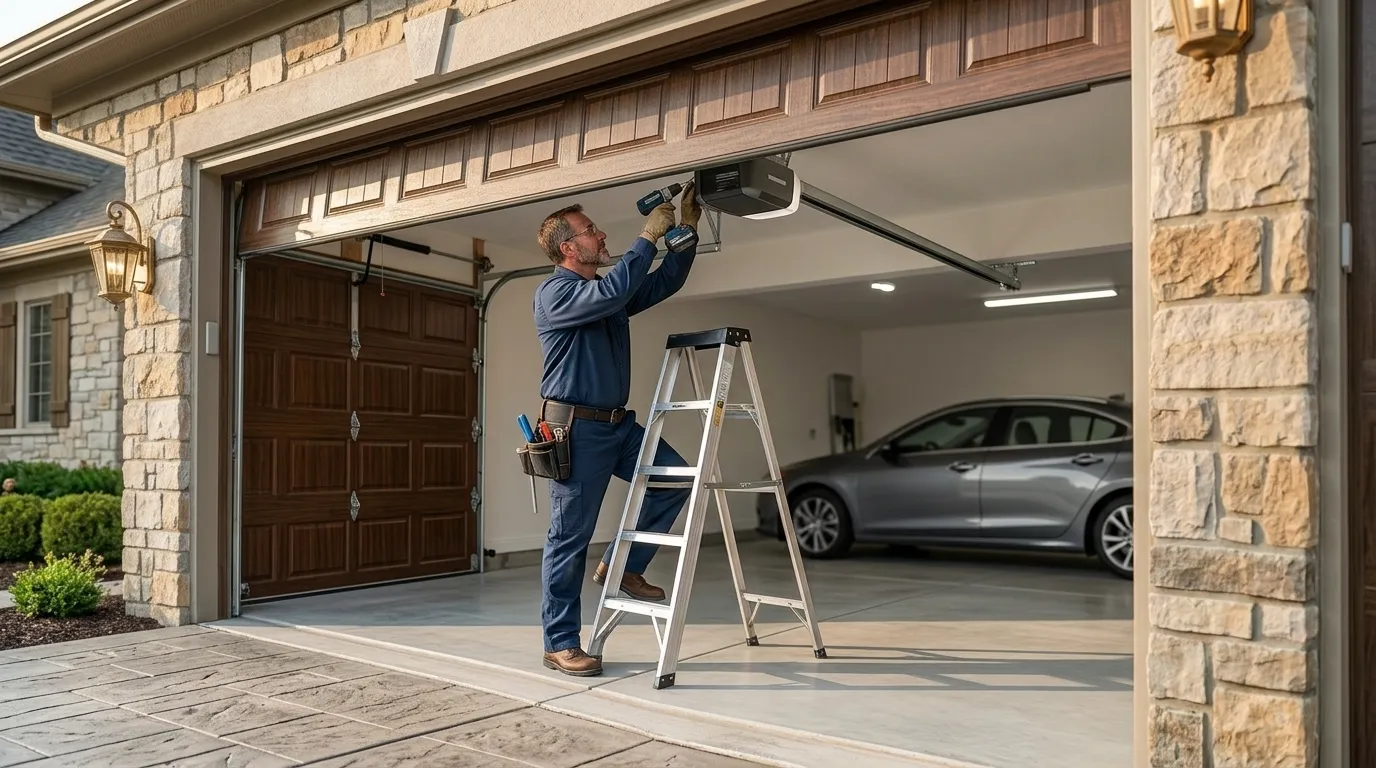
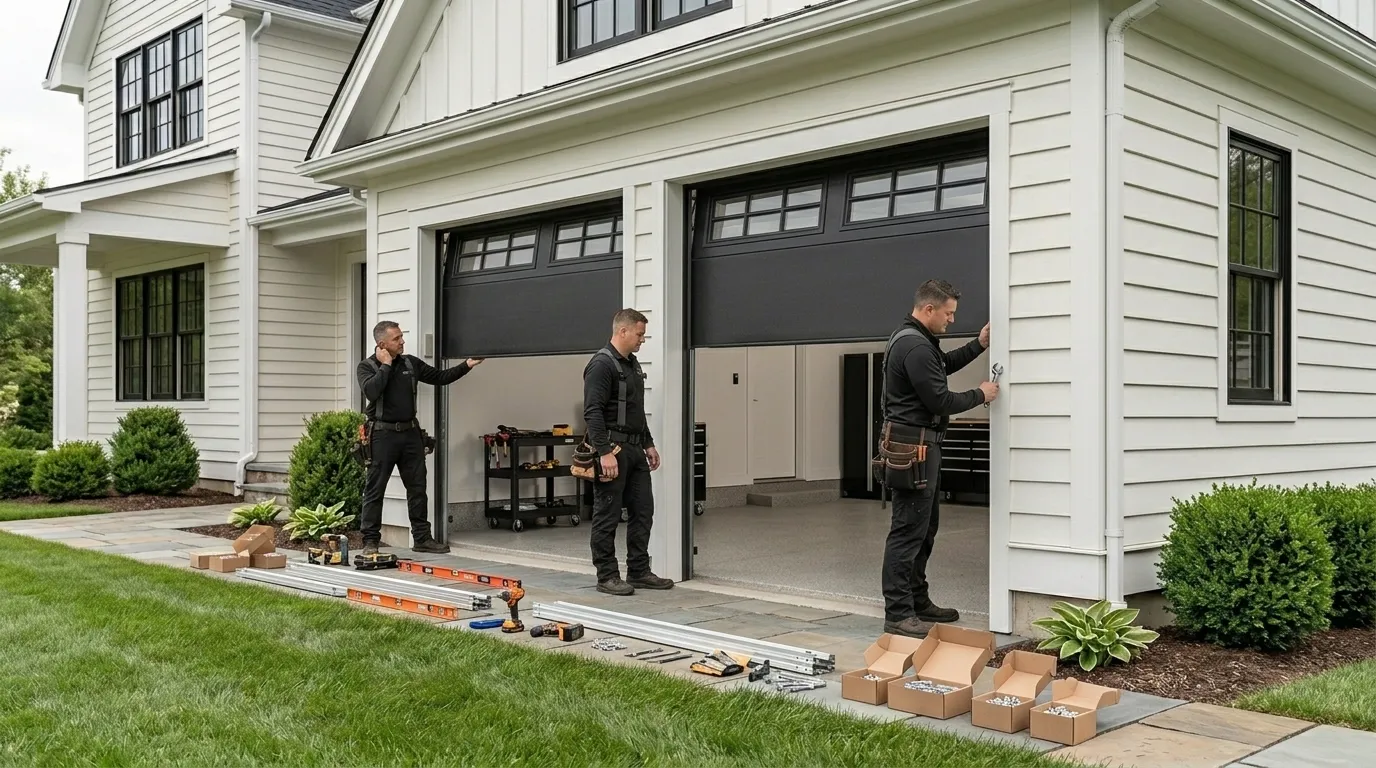
Because the crew comes from Denver, we schedule installation visits rather than same-day drop-ins - there's no local depot in Columbine to dispatch from on short notice. When you call, we ask for the door's age, panel material, and whether the opener is original, because Columbine houses built around the median year of 1976 (versus the broader service area's 1947-2006 span, median 1981, F1) often carry openers and spring systems that were replaced once already, sometime in the 80s or 90s retrofit wave that touched most of this area's stock. Knowing which generation of hardware is on the wall lets us bring the right rail length and spring wire size on the first trip instead of a second one. We measure the opening, note ceiling clearance, and confirm whether you want an insulated door given the area's severe cold climate band. One honest limit: we don't keep every panel style in stock for immediate install, so a specific finish or window-lite pattern can add lead time while we order it in.
Can You Do This Yourself
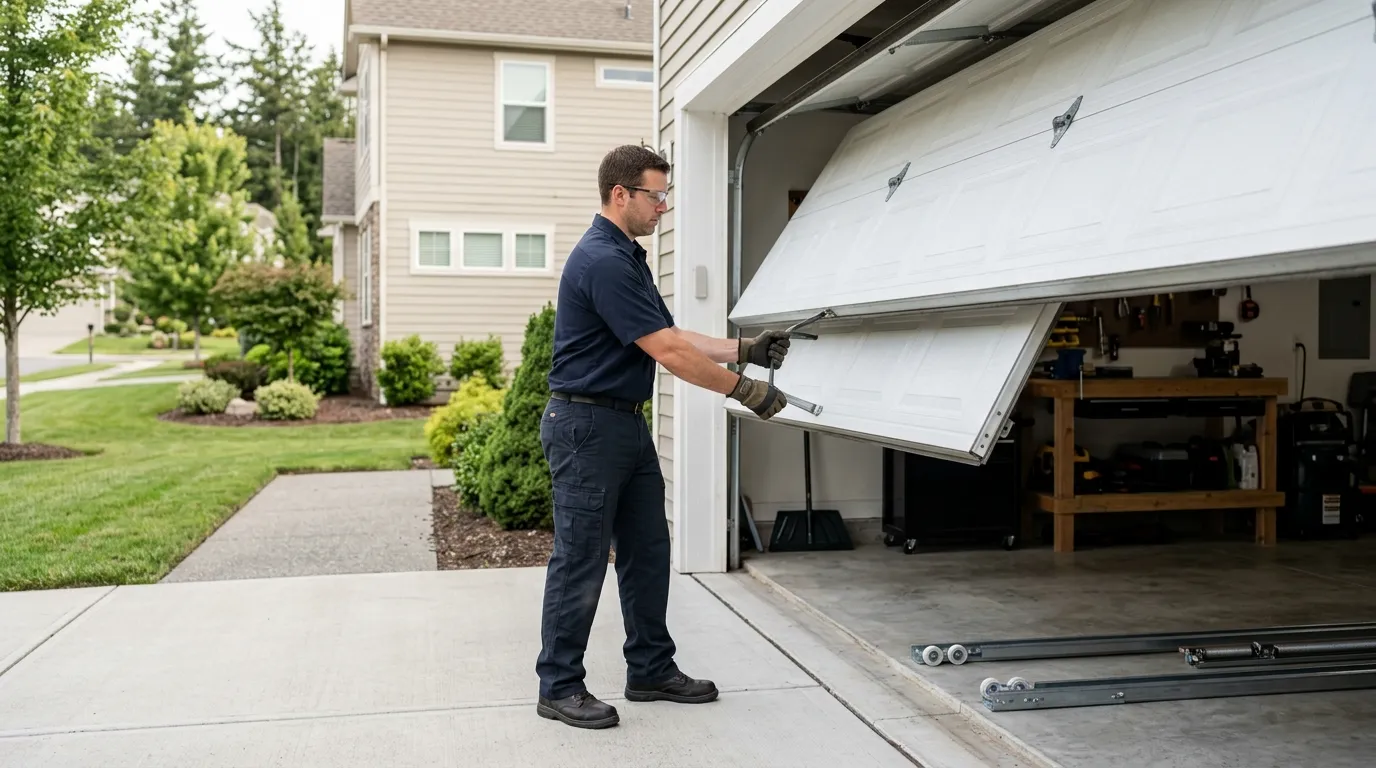
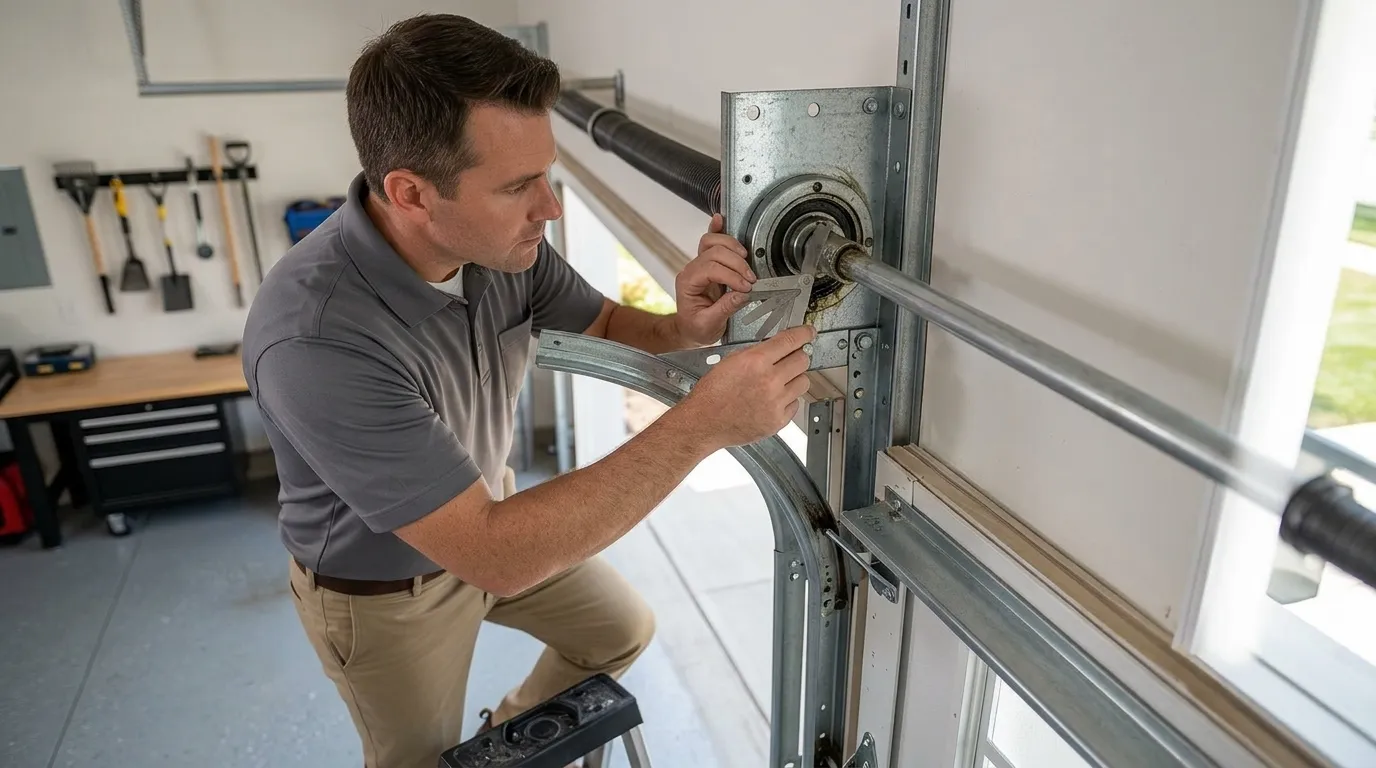
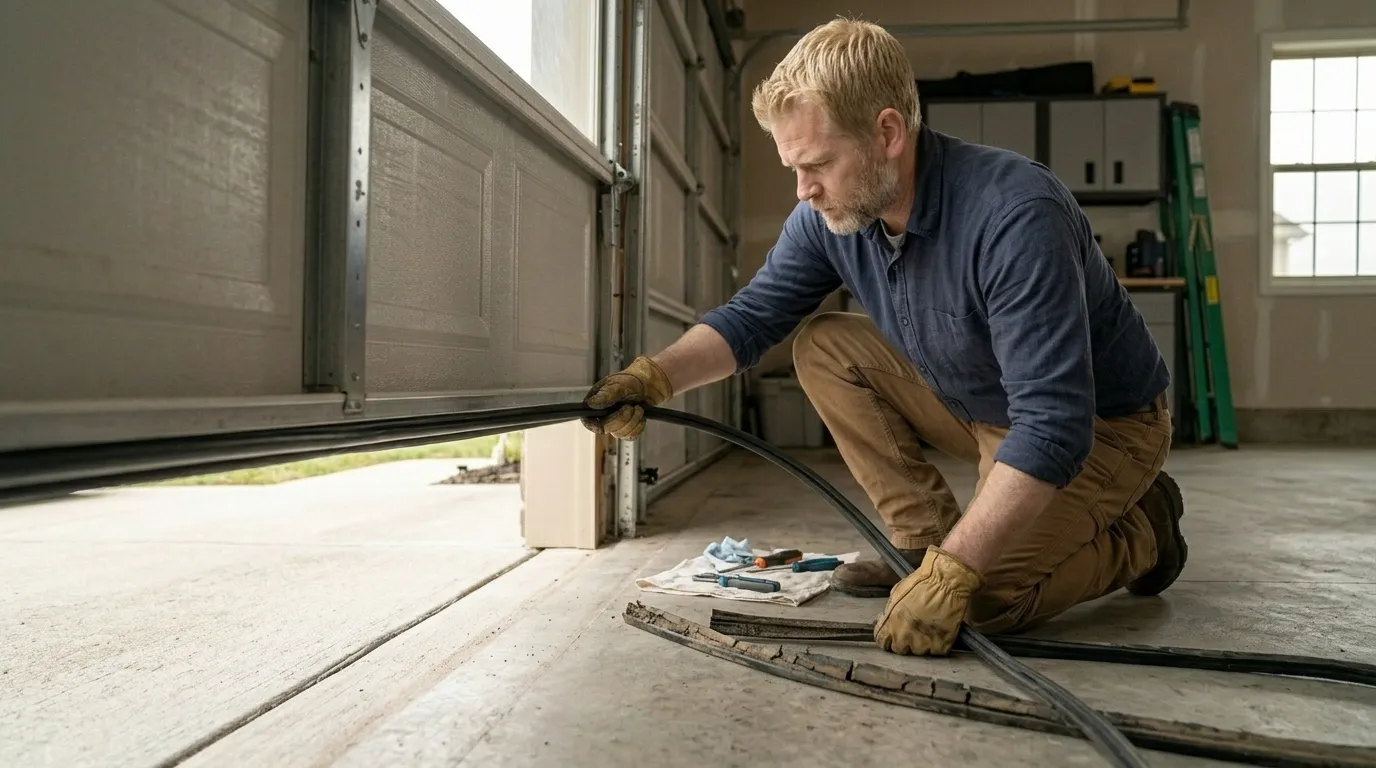
Some parts of a garage door job are fine for a homeowner - swapping weatherstripping, lubricating rollers, tightening loose hinge bolts. Full installation is not one of them. A torsion spring under tension can put someone in the hospital, and a door that's improperly balanced on the track will fight the opener until the opener burns out. If your current door is original to a 1976-era build, the track spacing and header clearance were sized for the door that came with the house, and a modern door of a different weight needs the springs recalculated, not just swapped. That recalculation is where DIY installs usually go wrong - the door looks fine for a few weeks, then starts closing too fast or refusing to open all the way. We'll walk you through what you can safely check before calling - does the door reverse on the safety sensor, does it sag on one side when disconnected from the opener - but the lift and hang of a new door on a rebalanced spring system is not a solo job.
Why This Fails Locally
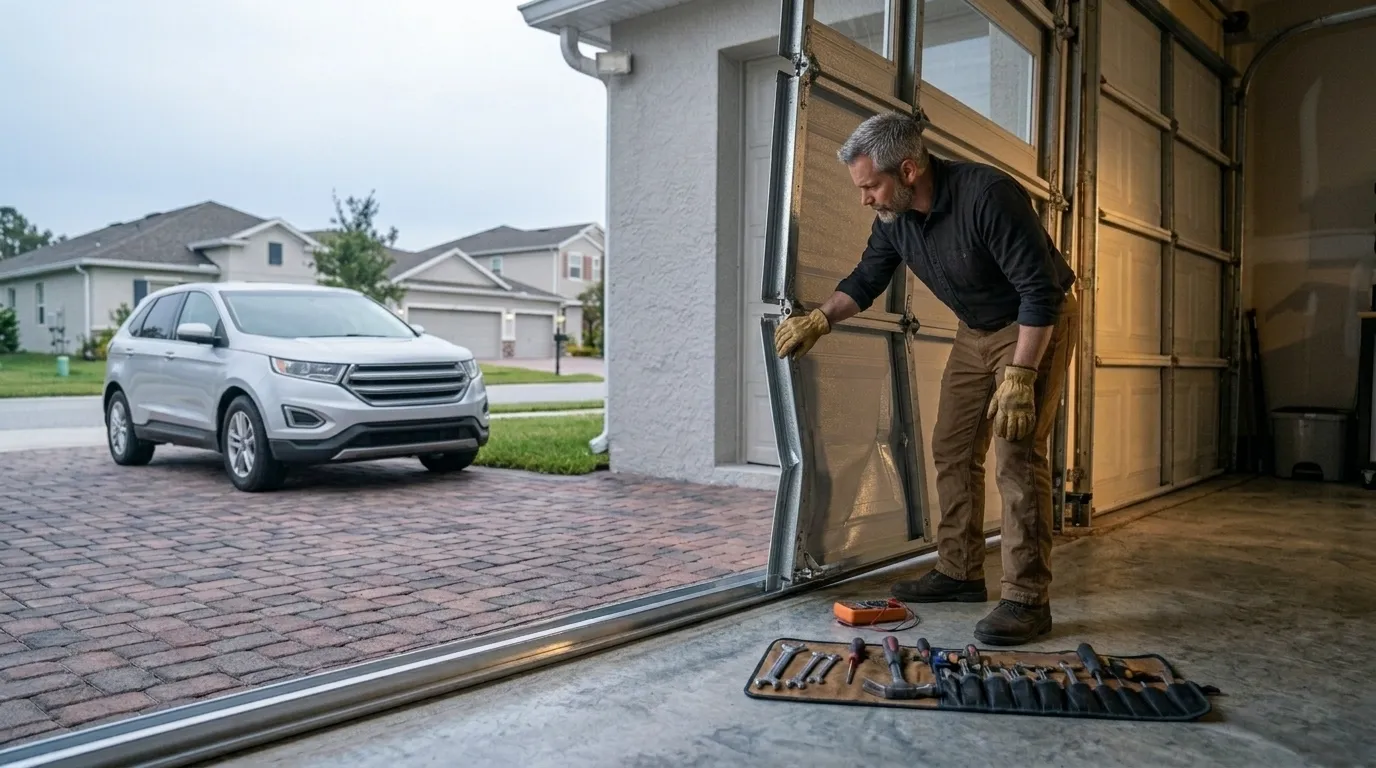
The severe cold band this area sits in puts real stress on steel doors and their hardware every winter - metal contracts, seals harden, and springs lose a little tension with every freeze-thaw cycle. A door built to the standards of 1976 wasn't engineered with the insulation values homeowners expect now, and across the roughly 9,559 households in Columbine, a lot of that original-era stock is still working with single-wall panels. That's a different failure mode than a house built in the 1990s retrofit wave that touched much of the wider service area - those doors are more likely failing on opener electronics than on the door shell itself. Columbine's older median build year means the shell is more often the actual problem, not just the motor bolted to it.
Stocked Parts
For a job in Columbine, the crew brings standard torsion springs sized for common residential door weights, steel roller sets, and weatherstrip in the profiles that fit tracks from both the 1970s-era originals and the later retrofits. What we don't carry on the truck is a full inventory of insulated panel styles - those often get ordered to match a specific R-value or window-lite pattern once we've measured your opening. If your door is a nonstandard width or an older double-door format on a header that wasn't built for a modern extension spring, that's also a special order, not a same-visit swap. We'd rather tell you it's a two-trip job up front than promise a same-day install we can't back up.