
Booking a Visit
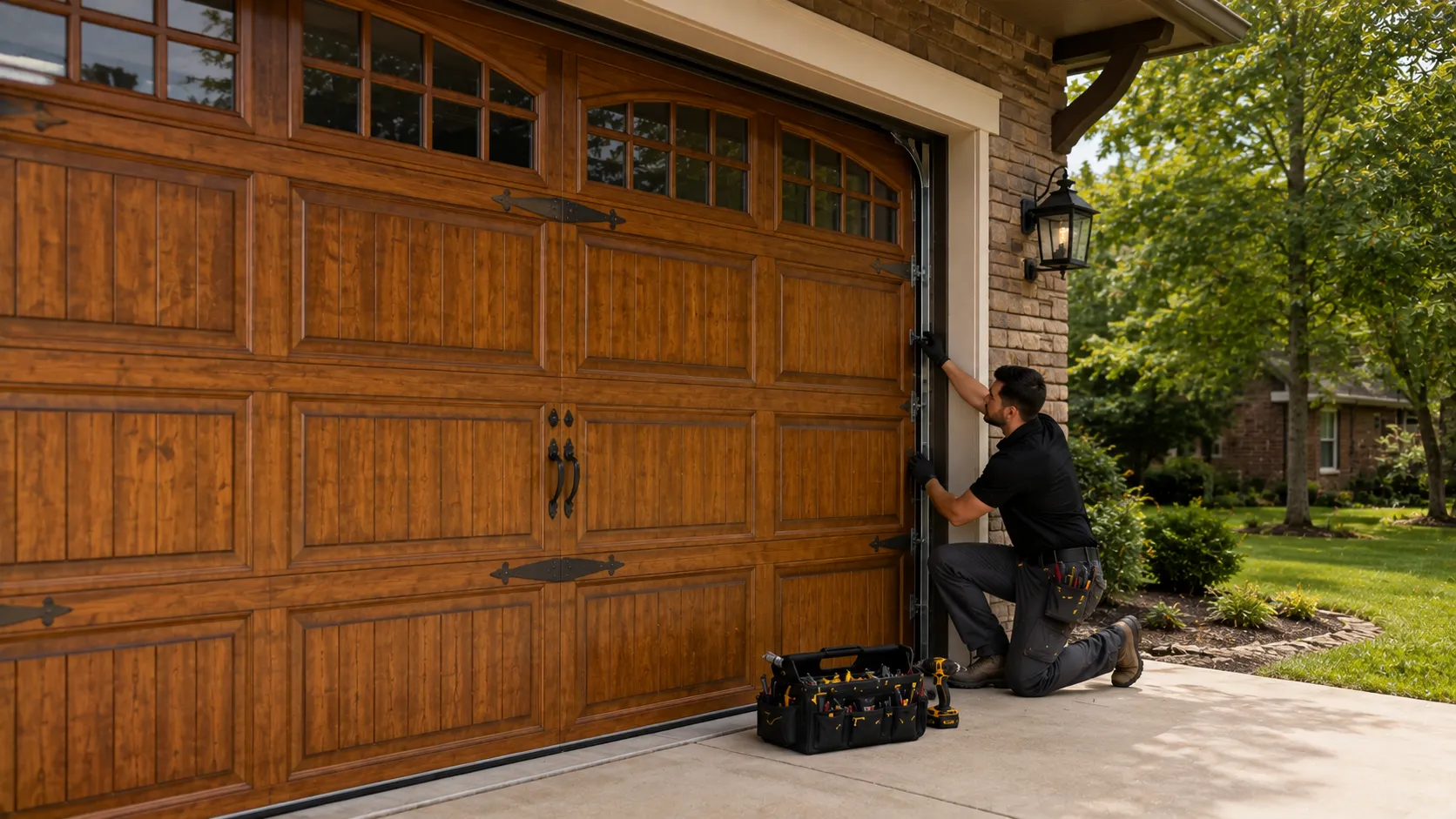
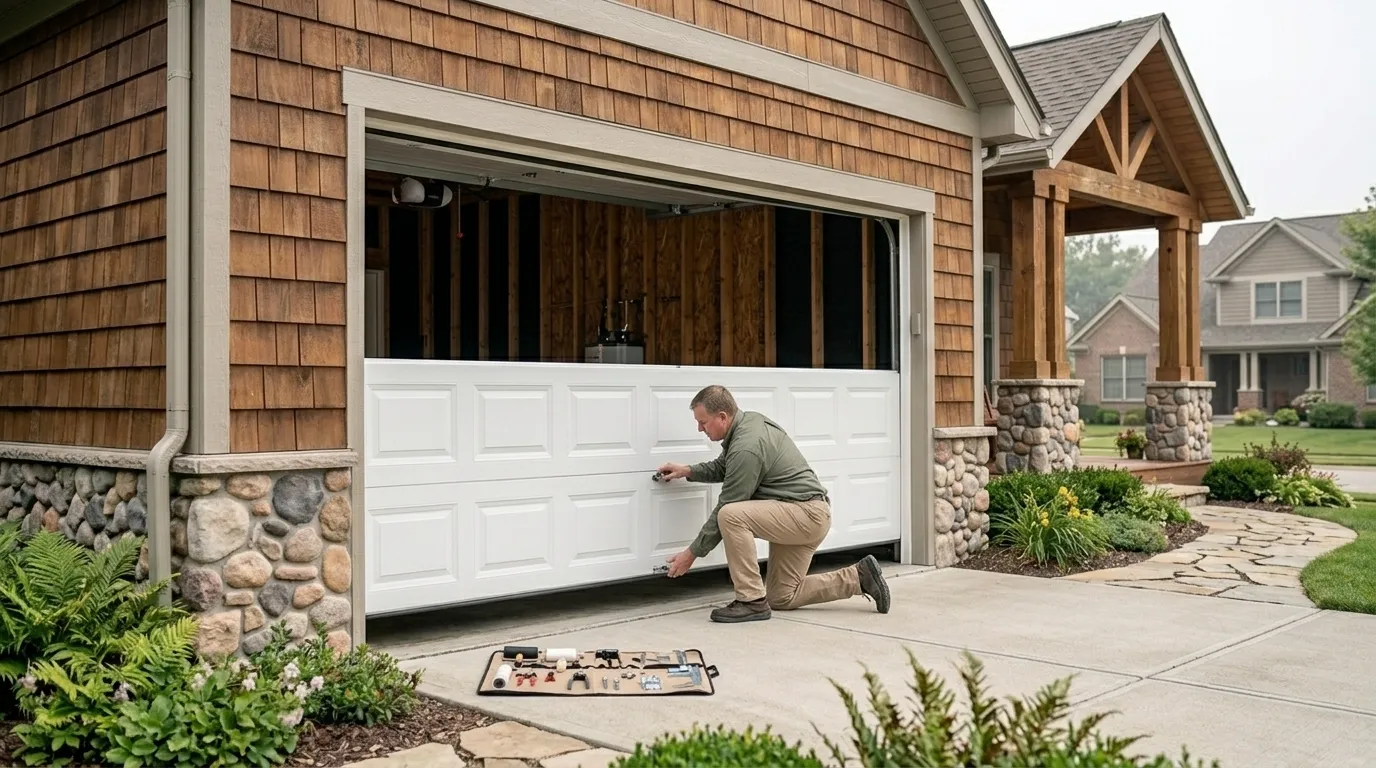
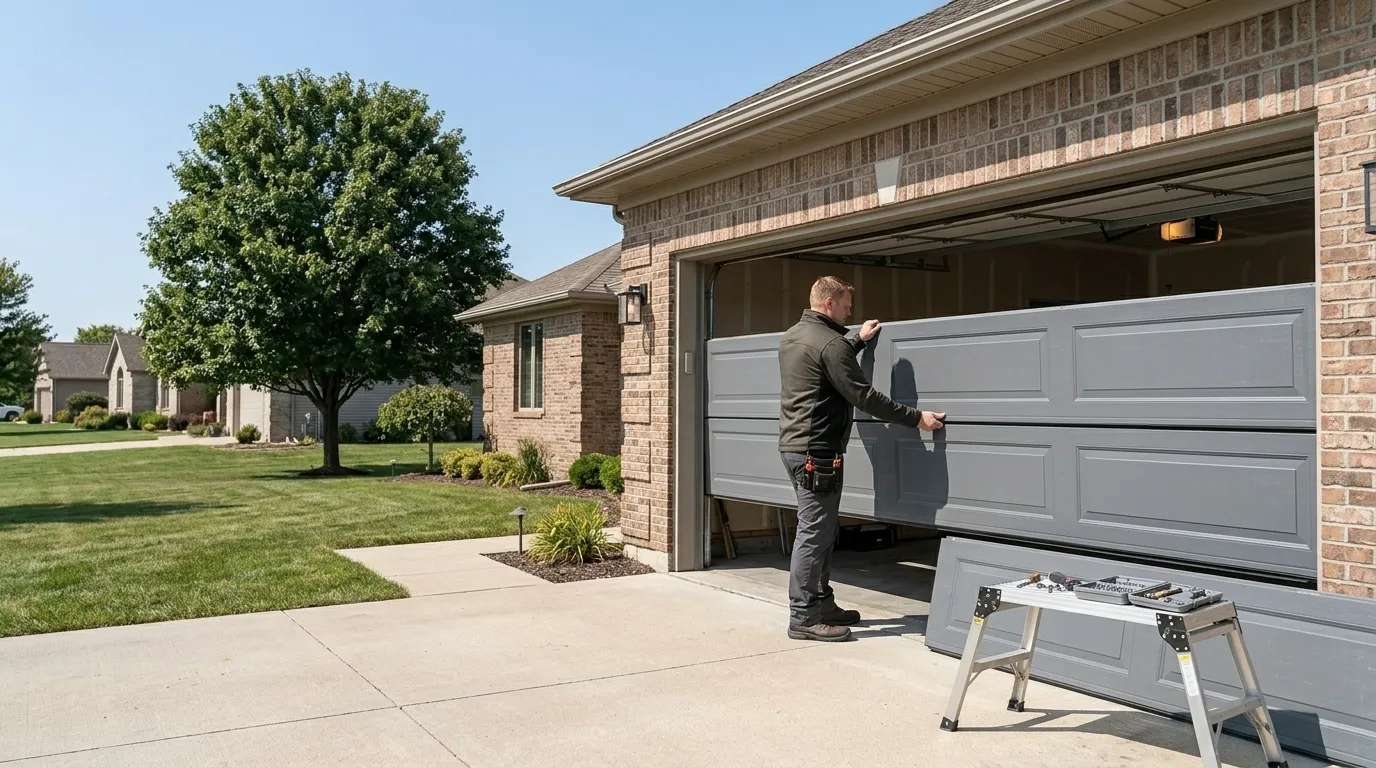
Because every Columbine call starts with that same drive from Denver, the booking call matters more here than it would for a job around the corner from the shop. Tell us what the door is doing - won't open, opens partway and stops, opener runs but the door doesn't move, a spring that's visibly snapped - and we use that to load the truck before it leaves. A torsion spring job needs different stock than a broken cable or a bent track, and guessing wrong on the drive out means a second trip. We also ask when the house was built if you know it, since older stock in this part of the metro sometimes runs original torsion hardware that newer doors don't have. None of that changes how the job gets billed, but it changes how much we can do in one visit instead of two.
Can You Do This Yourself
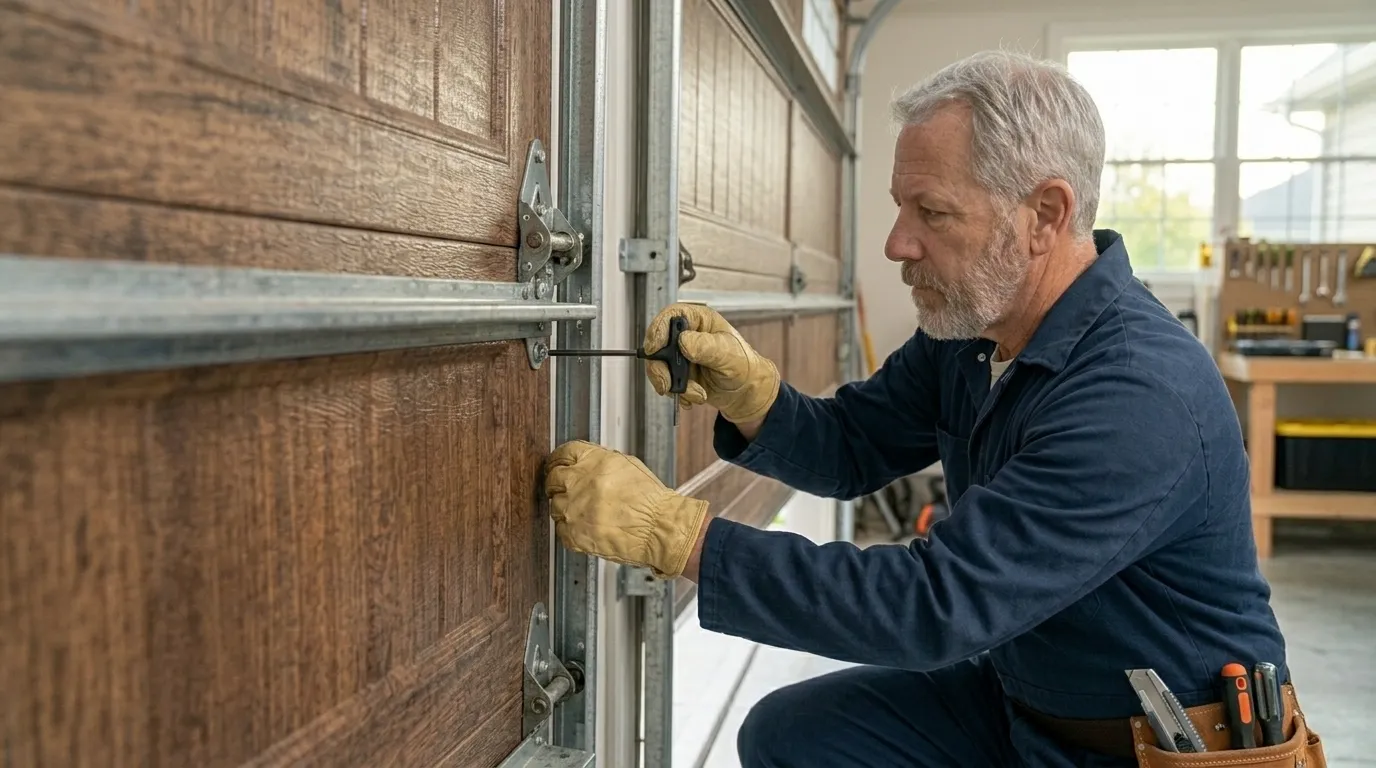
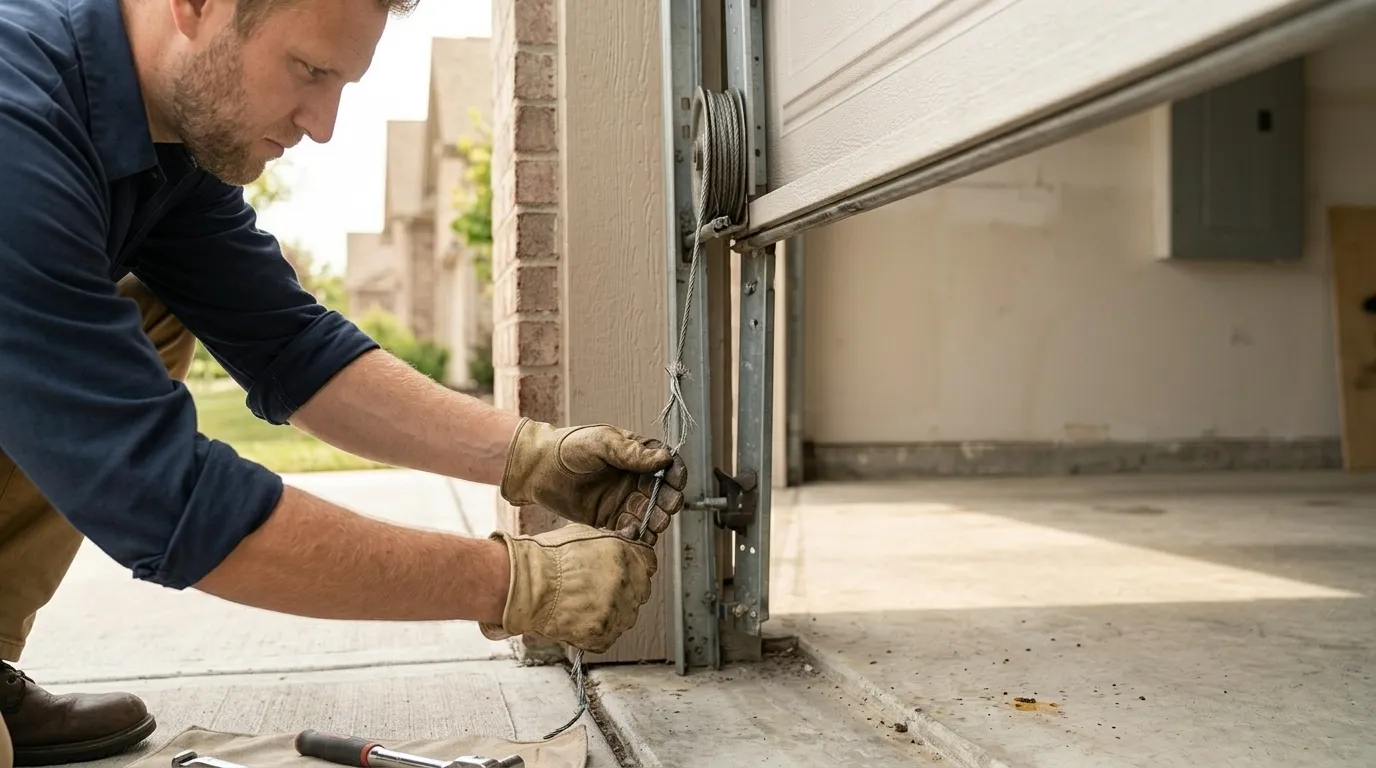
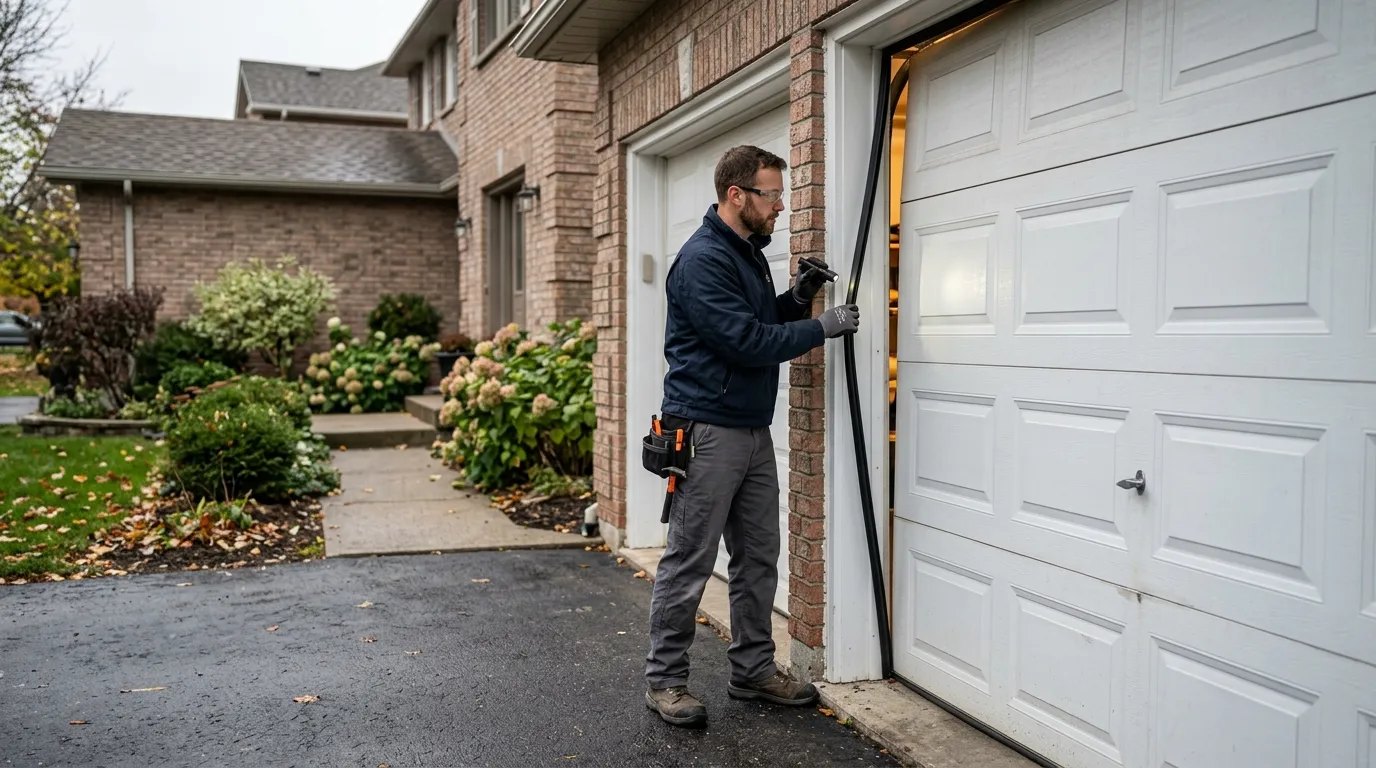
Some of this is fine to handle without a call. Lubricating rollers and hinges, tightening loose bolts on the track brackets, clearing debris from the bottom seal - that's normal upkeep and you don't need a truck out here for it. What isn't fine to handle yourself is anything involving a torsion spring under tension or a cable that's frayed but not yet snapped. Those springs hold enough stored force to break a bone or worse, and on older doors - the kind common in a neighborhood built mostly in the mid-to-late 1970s - the winding cones and end bearing plates are often original and more brittle than they look. If the spring's already broken, the door is safe to leave alone until someone gets there; it's the ones that are wound tight and starting to fail that we'd rather you not touch. That's the one honest limit here: we'd rather talk you out of a DIY spring job over the phone than drive 16 miles to fix what it turns into.
Why This Fails Locally
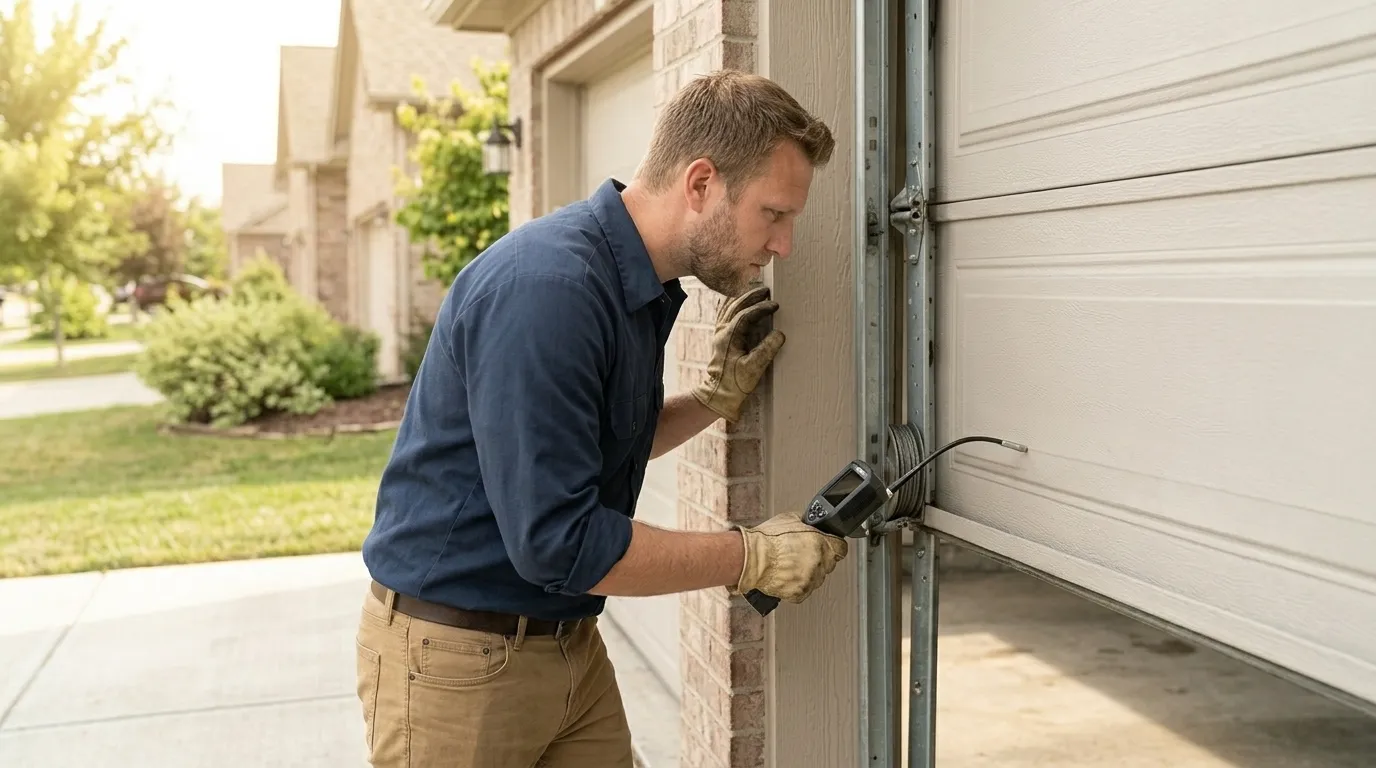
The cold band across this stretch of the Front Range runs severe, and that matters more for older hardware than newer. Steel contracts in a hard cold snap, and a torsion spring or track that's already fifty-some years into its working life doesn't flex back the way it did new - it binds, or a cable that's slightly frayed finally lets go. Lubricant on original rollers and hinges thickens in the cold too, which is part of why a door that worked fine in October suddenly fights you in January. Columbine's median household income, at $129,480, runs well above the wider Denver service area's $101,450, and in practice that shows up as more owners opting for a full spring or opener replacement the first time it fails rather than patching the same original hardware a third or fourth time. Neither path is wrong - it's a household budget call, not a mechanical one - but it does mean the mix of jobs out here skews toward replacement more than some other stops on the route.
Stocked Parts
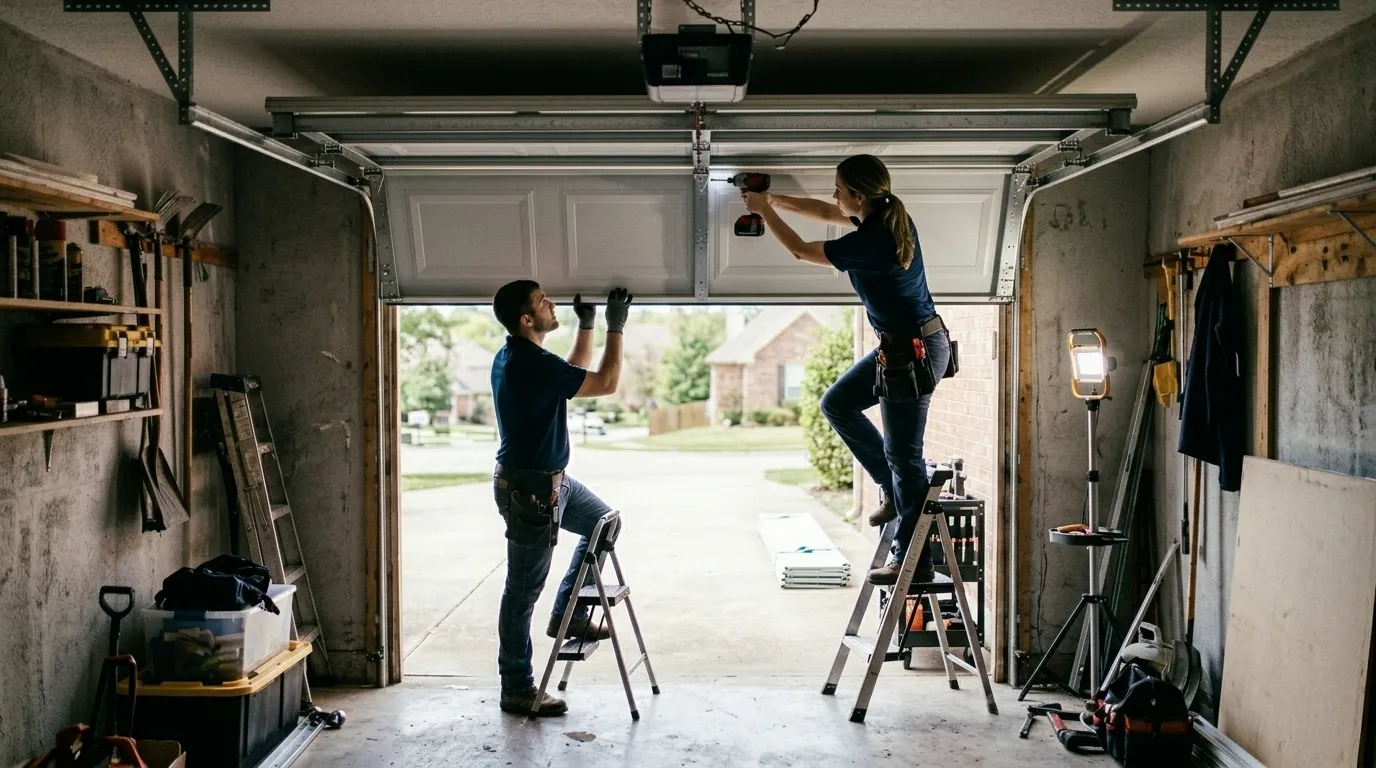
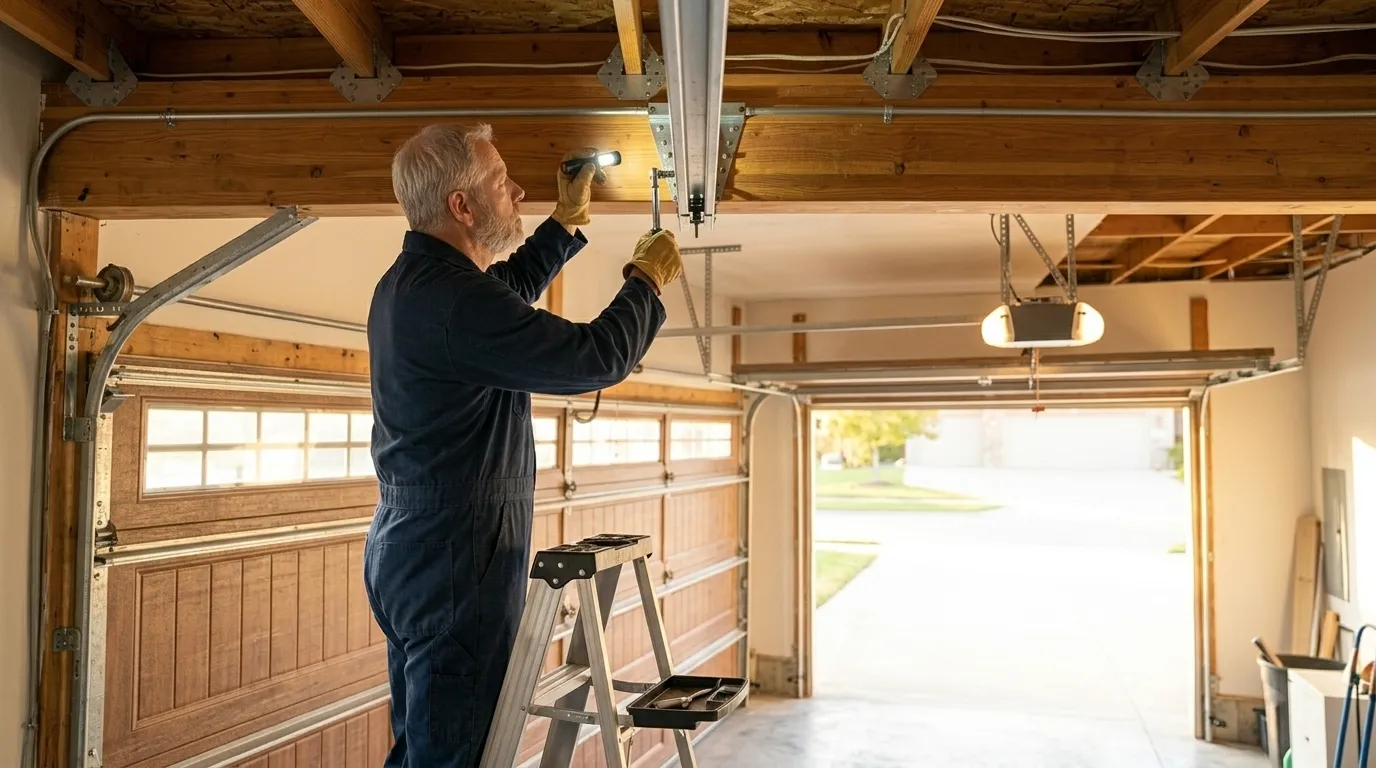
The truck carries standard torsion springs, rollers, cables, and hinges sized for common residential doors, which covers most of what fails on a 1970s-era door here. Where we run into a lead time is non-standard hardware - an odd spring wind, a door width outside the usual range, or a bracket style that stopped being made years ago. On a neighborhood built mostly around 1976, that's not rare enough to ignore; it's worth mentioning as the honest limit on same-visit fixes. If your door needs a part like that, we'll tell you on the spot rather than pretend the truck has everything, and we'll get it ordered instead of guessing with a substitute that won't hold up.