Serving Denver, CO & nearby
(720) 738-8063
Denver, CO

Panel Replacement for Columbine's 1970s Garage Doors

Panel replacement for Columbine's 1970s-era steel doors: cracked bottom sections, mismatched paint, and what the Denver crew stocks for a 16-mile trip out.

Panel Replacement for Columbine's 1970s Garage Doors
Denver, CO
8 services
4 service areas
Diagnosis first, then the fix

How Long You Are Without the Door

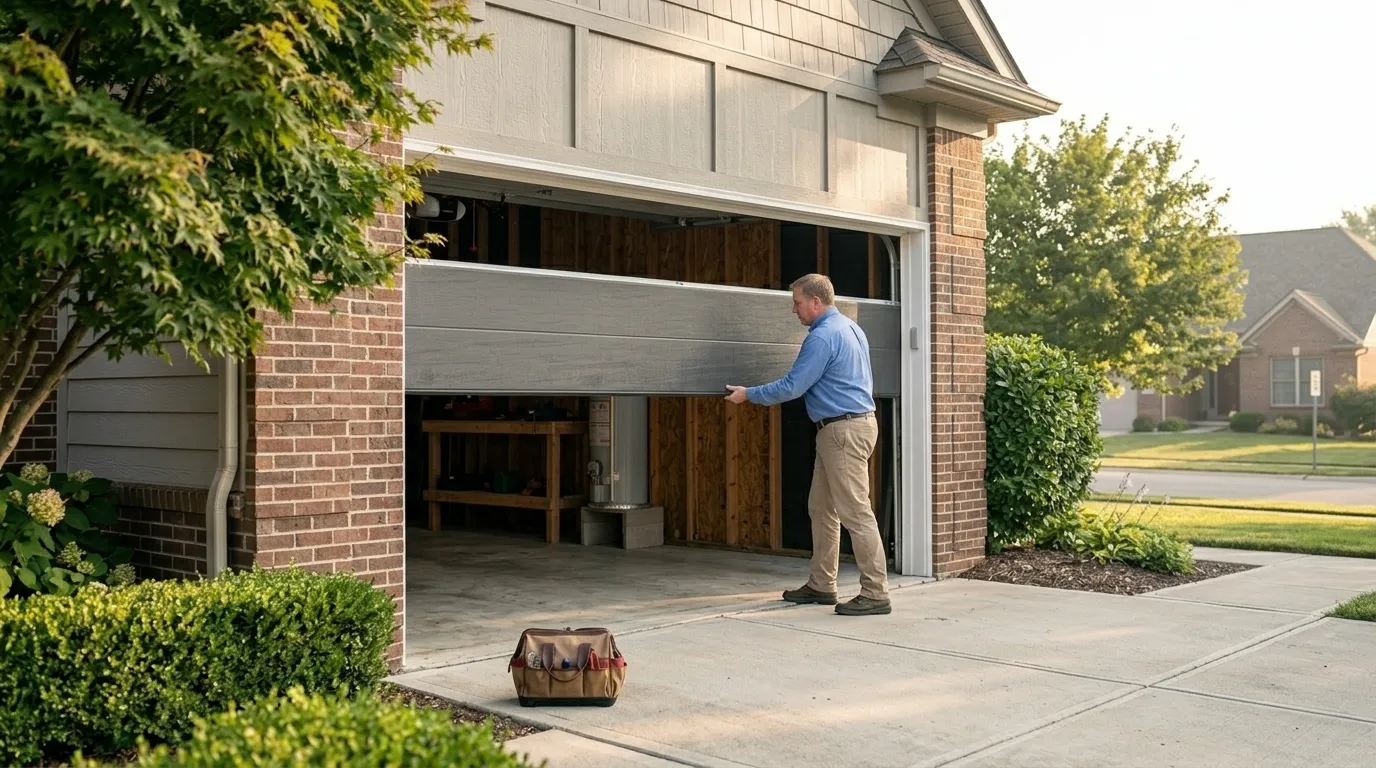
Most of Columbine went up around 1976, and the doors on those houses are steel, two-car width, usually 16 by 7, hung with no insulation because nobody was pricing that into a builder-grade door back then. When one panel on a door like that cracks or dents through, you're not waiting on us to show up - we're coming from Denver, about 16 miles, and that drive is the easy part. The wait is the panel itself. A 1976 door was likely replaced once already sometime in the 90s or 2000s, so the exact ribbing pattern and paint run from the original manufacturer may not exist anymore. We measure the section, match what we can find close, and tell you straight if it'll be a close match or a visible seam between old and new. That's the honest limit here: we don't fake a perfect color match on a 45-year-old door, and we won't tell you we can when we can't.'

Booking a Visit

Because this is a Denver-based crew working out to Columbine, we schedule the visit around when the part's confirmed, not the other way around. Call, tell us the door's rough age and which panel - top, bottom, one of the middles - and whether it's cracked, bent, or just rusted through at the bottom seam. That's usually enough for us to quote a range before we ever drive out. If you want to see what else we handle in Columbine outside of panels, that's covered on the Columbine garage doors page - this page is just the panel job. We don't keep a local depot here, so same-day isn't something we promise; we tell you a window once the part's sourced, not before.

Can You Do This Yourself

A single panel swap sounds simple and mostly is - if the door is off-track or the spring's under tension anywhere near where you're working, it isn't. On a 1976 door the panels are bolted to hinges that have been painted over a few times, and the bolts strip easier than you'd think. If it's a bottom panel and the door has a torsion spring mounted low, we'd rather you call before you crack that hardware loose yourself. Where DIY genuinely makes sense: cosmetic dents on an upper panel with no structural crack, where you're just living with the look rather than fixing a function problem. That one, leave alone if it doesn't bother you - replacing a panel that still seals and still tracks straight is money spent on appearance only, and we'll say so if that's what we find.

What You Are Seeing

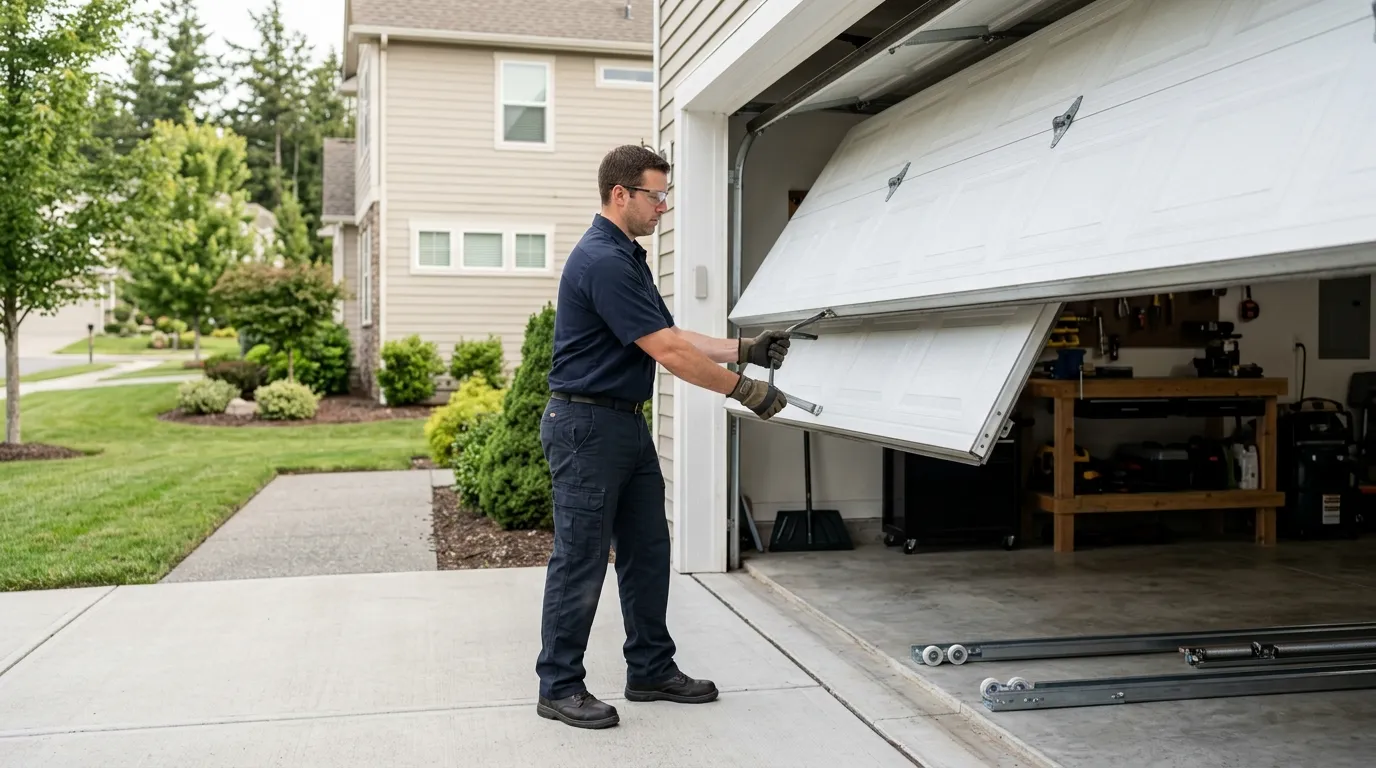
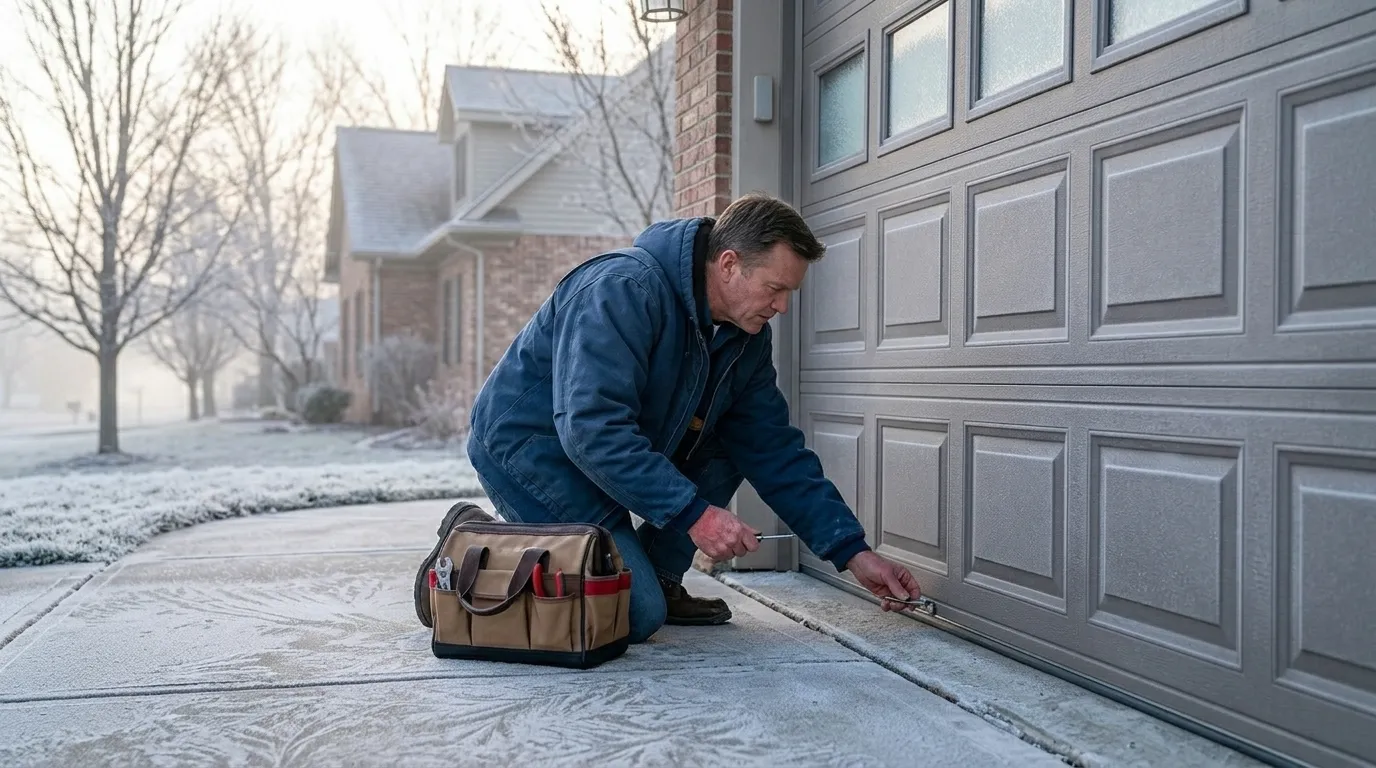
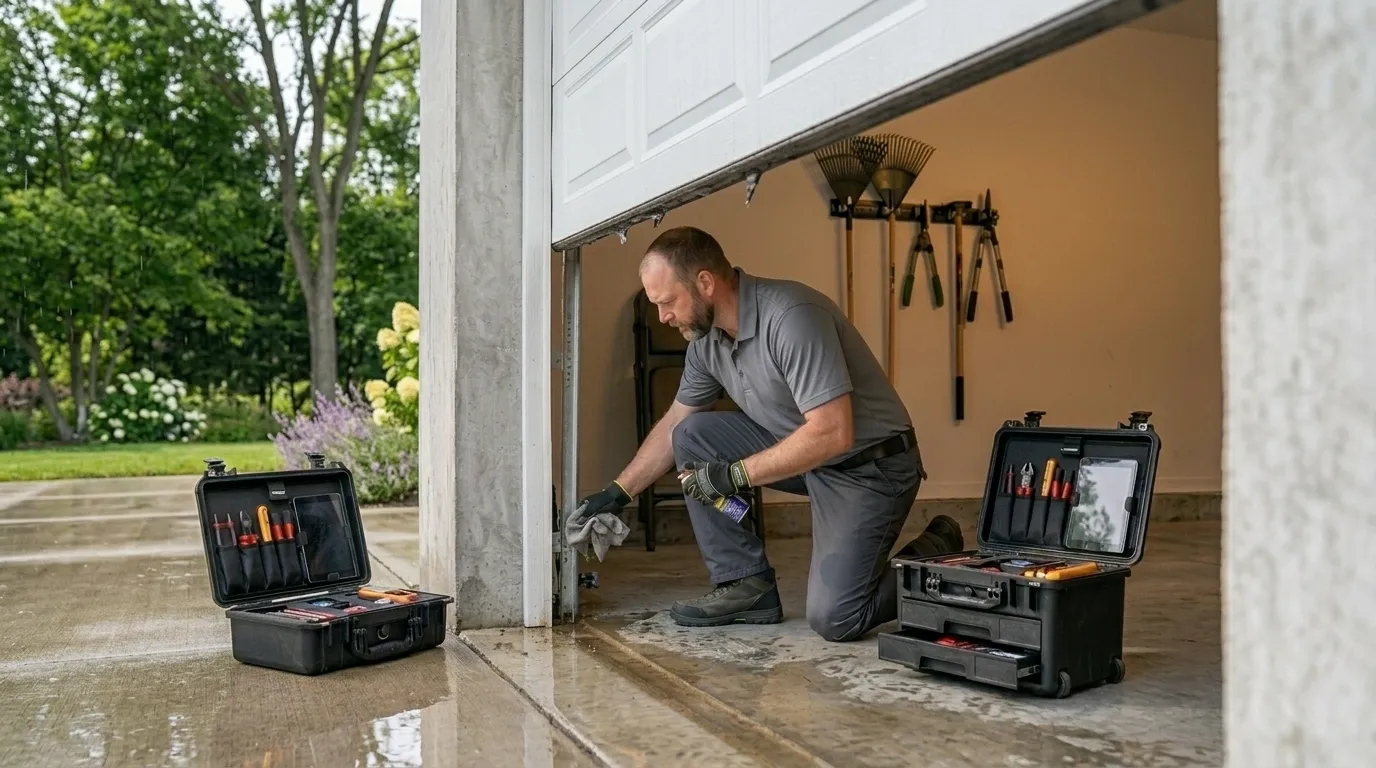
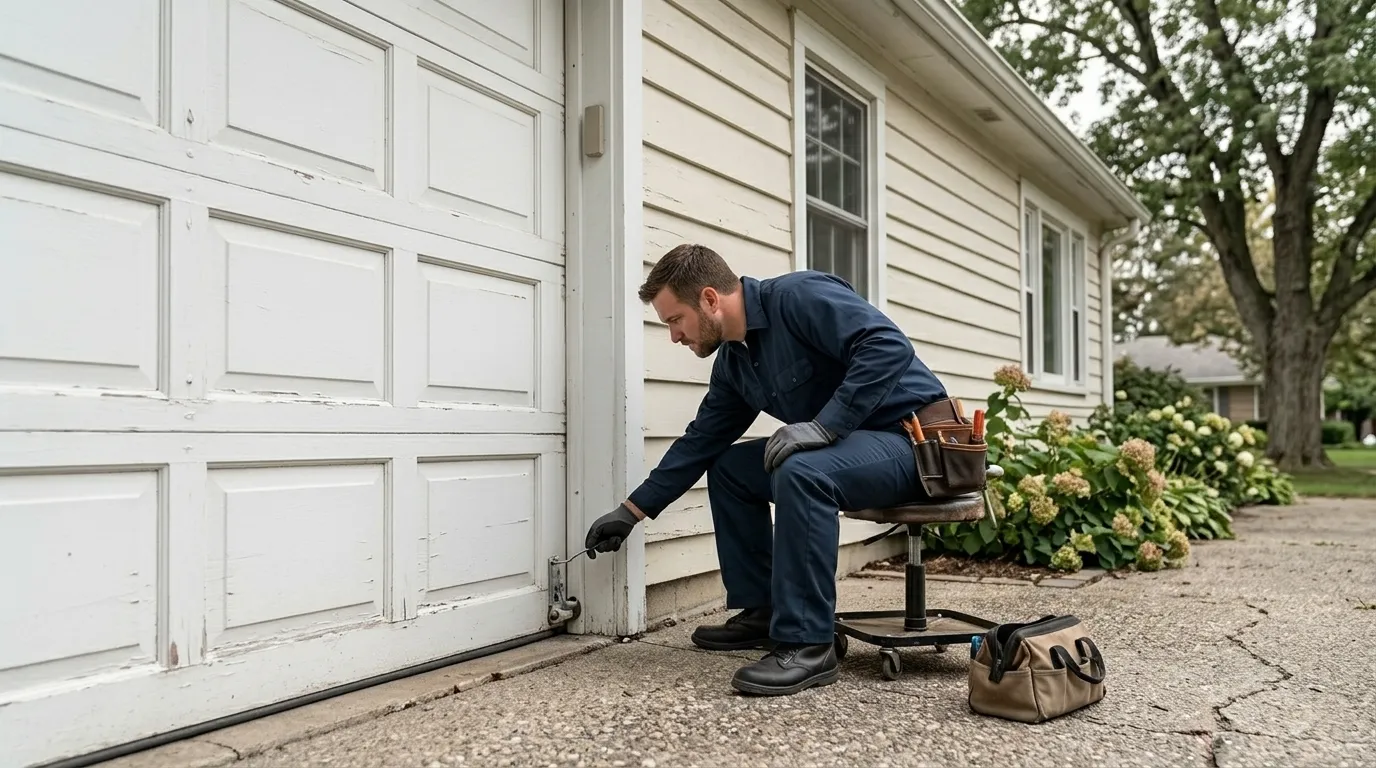
The complaint we hear most from this part of the service area is a bottom panel that's rusted through at the seam, sometimes with the steel skin separated from the foam or hollow core behind it. On a door built in the mid-70s there often isn't foam at all - just single-layer steel - so what looks like rust damage is really just decades of snowmelt sitting against an unprotected bottom edge. Cracked panels, usually a middle section, tend to show up after something hits the door: a mirror, a bike, a errant backing job. You'll see a visible bow or a hairline split running along a rib. Less common but real: a panel that's fine but doesn't match the rest of the door anymore because a previous owner already replaced one section and didn't replace the whole run.

Why This Fails Locally

This area sits in a cold, severe winter climate, and a door built around 1976 wasn't engineered with that cycle in mind the way a door built in the last fifteen years is. Steel expands and contracts through repeated freeze-thaw, and on an uninsulated single-layer panel that stress concentrates right at the seams and the bottom edge where meltwater sits longest. That's a different failure path than you'd see on a newer, better-sealed door, and it's why panel cracking here tends to start at the bottom third of the door rather than the top. Household income in this part of the service area runs well above the wider Denver figure - $129,480 against $101,450 - and what we see on the ground is that more owners here choose a full-door replacement over patching a single panel once the door's original run is more than one repair deep. Neither choice is wrong; it's a math call between the cost of a mismatched panel and the cost of a new door.

Stocked Parts

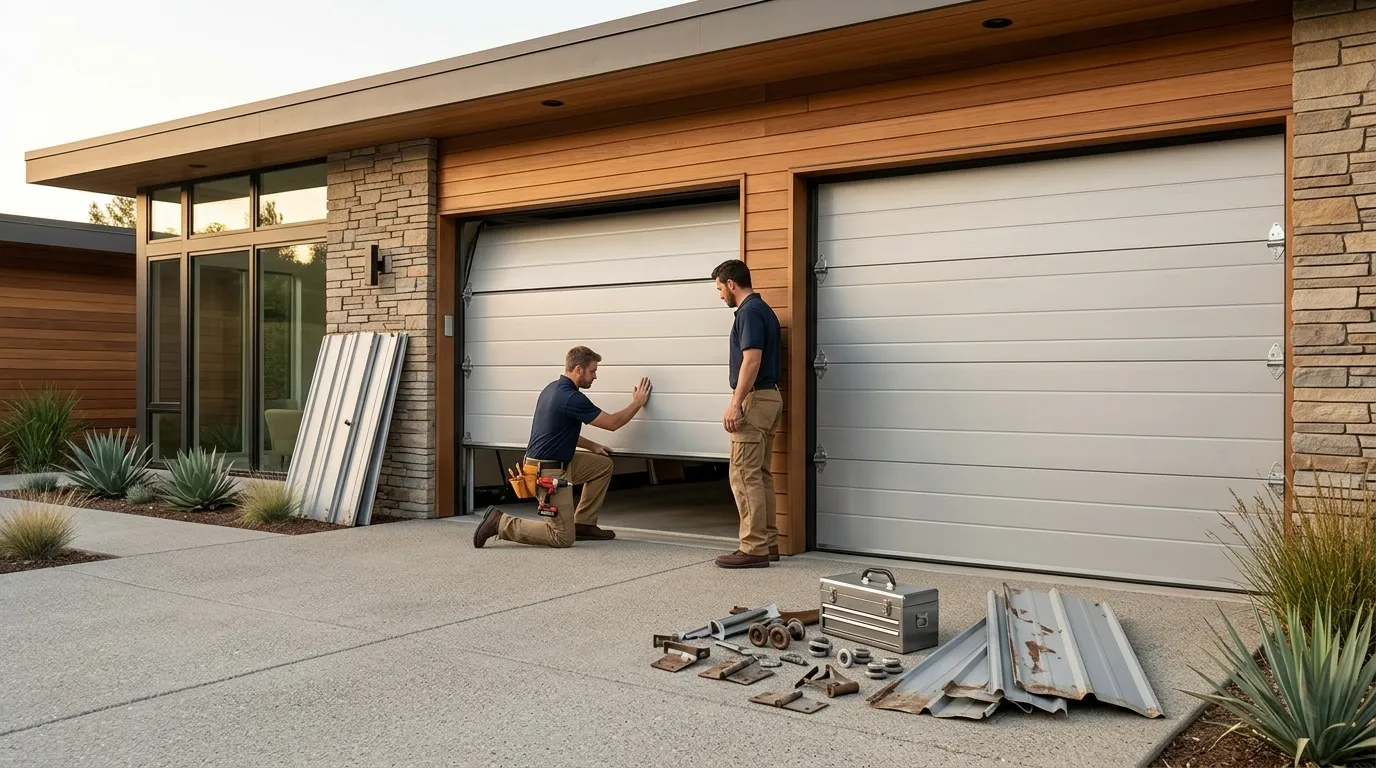
We carry common builder-grade panel sizes that match what went up across this stretch of the service area in the 70s through the 90s - 16x7 double-door sections and 9x7 single sections in plain raised-panel steel, since that's what the bulk of the housing stock here calls for. What we don't stock is an exact color or embossing match for every discontinued line from 1976; if your door predates the common retrofit era, we'll show you the closest stocked option next to your existing panel before any work starts, so you're deciding with the real comparison in front of you, not a promise.
How it works

From “it’s stuck” to “it’s fixed”

Tell us what’s wrong - Denver garage door service

Tell us what’s wrong

Describe the symptom - won’t open, loud bang, opener runs but the door won’t move.

On-site diagnosis - Denver garage door service

On-site diagnosis

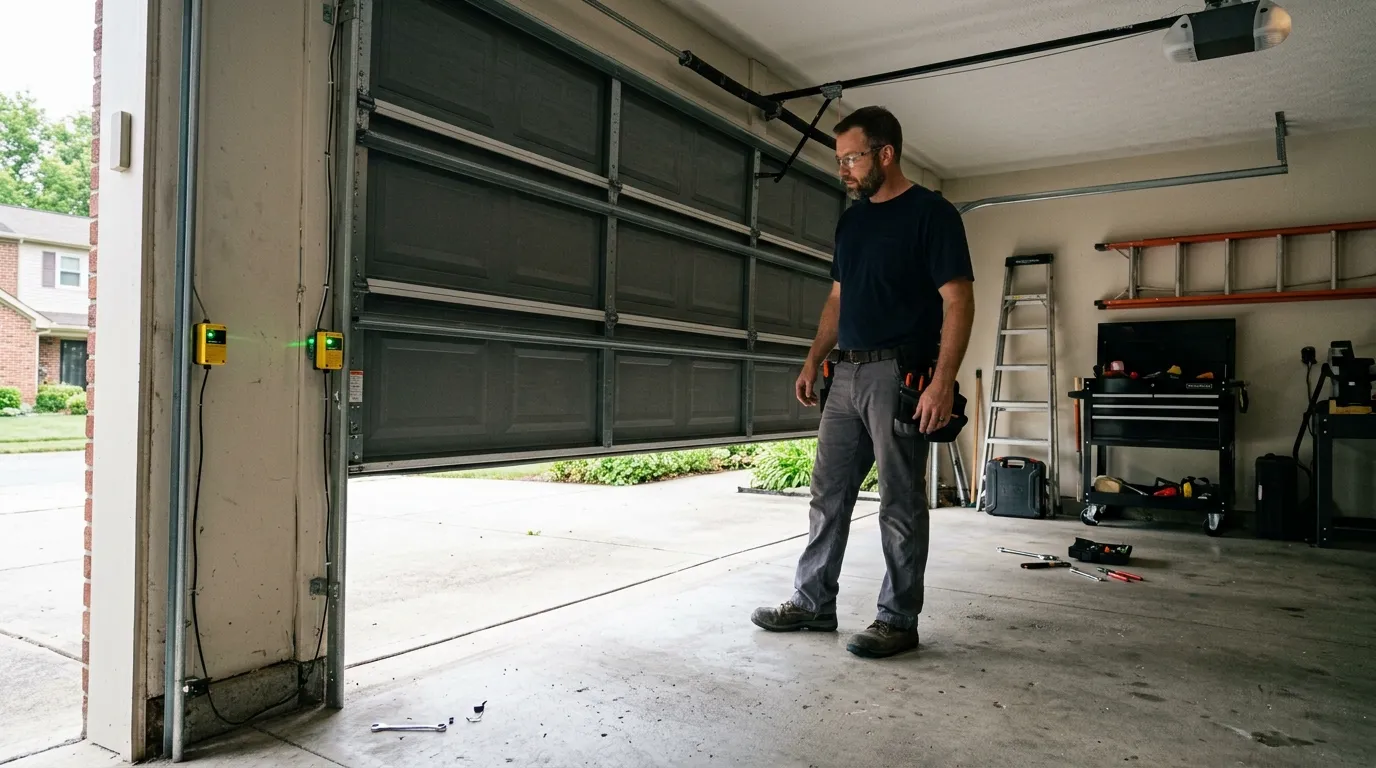
A technician tests the door under power and by hand and finds what actually failed.

Clear, up-front plan - Denver garage door service

Clear, up-front plan

You get the fix that’s needed and what drives the cost - before any work starts.

Repaired & tested - Denver garage door service

Repaired & tested

The repair is done, the door is set true and tested, and the work area left clean.

Serving Denver, CO - tell us what your door’s doing and we’ll take it from there.

How we work

What to expect

  • Diagnosis firstEvery visit starts by finding what actually failed - not a pre-written parts list.
  • The right part for the doorSprings and openers matched to the door’s weight and age, so the fix holds up.
  • Straight answersWhen a repair makes more sense than a replacement - or the reverse - you hear it plainly.
  • Clean, careful workTension released safely, hardware set true, the door tested under power before we leave.
729,019Residents in Denver
8Garage door services
4Neighborhoods & suburbs
COServing Denver, CO
Questions

Frequently asked

Straight answers about garage door repair in Denver. Still unsure? Ask us directly.

Will a new panel match the rest of my door exactly?

Not always, and we won't promise it will. Doors from around 1976 have often been through one prior repair already, so the original paint run and panel profile may be discontinued. We bring the closest stocked match and show it next to your door before starting, so you can decide if the seam will bother you.

Why does my bottom panel rust out first?

On an uninsulated steel door from that era, there's no foam layer protecting the seam, and the bottom edge sits closest to snowmelt and runoff through a cold winter. That combination is what drives most of the bottom-panel failures we see on doors this age in this area.

Is it cheaper to replace one panel or the whole door?

Depends on how many prior repairs the door's had and how close a color match we can find. If it's a first repair on an otherwise sound door, one panel is usually the cheaper call. If the door's already mismatched from an earlier fix, full replacement often works out closer in cost and looks better.

Ready to get your garage door sorted?

Tell us what it’s doing and where you are in Denver - we’ll take it from there.

Request a QuoteCall